

What connects @rashtrapatibhvn Droupadi Murmu, @PrimeVideoIN show Panchayat & @NobelPrize winning Economist Esther Duflo?
The 73rd amendment of Constitution of India that empowered local governments and introduced women’s reservation in local governments.
A Thread 🧵
The 73rd amendment of Constitution of India that empowered local governments and introduced women’s reservation in local governments.
A Thread 🧵
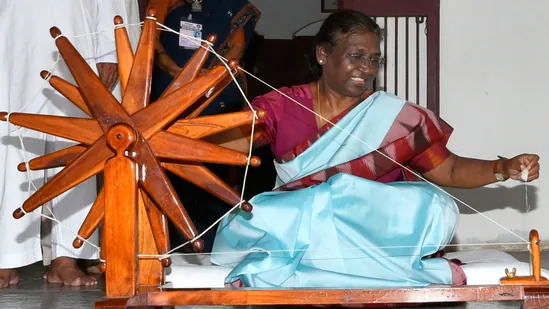
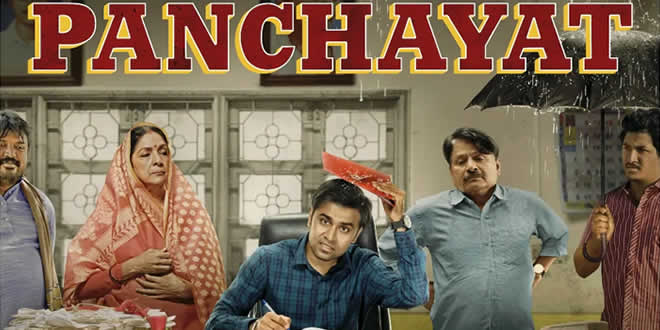
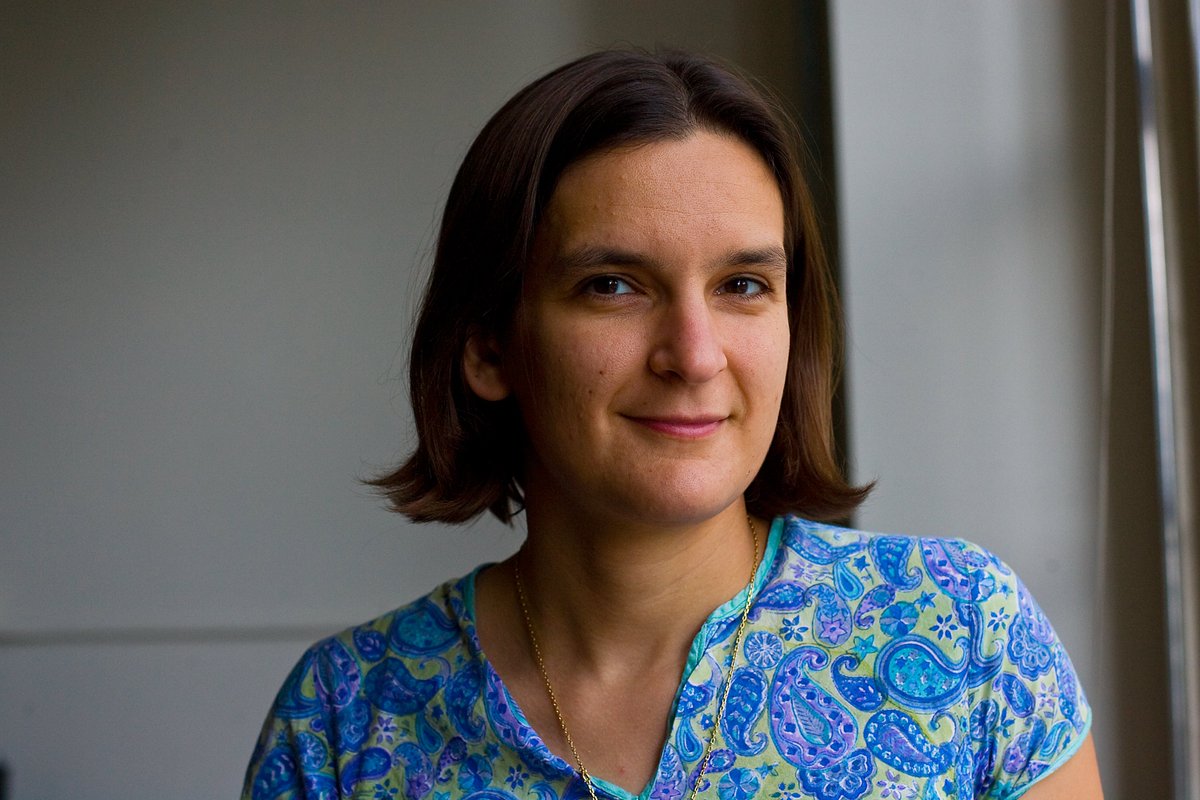
This amendment from 1993 has resulted in a governance revolution in India.
Today, there are more than one million women representatives in local governments across India.
Safe to say that this has no parallel in the world!
Today, there are more than one million women representatives in local governments across India.
Safe to say that this has no parallel in the world!

Droupadi Murmuji, the path breaking politician from Odisha, won her first major electoral victory in the Panchayat election of 1997 from Rairangpur Nagar Panchayat.
She won this from a seat that was reserved for women (in this case, ST women).
She won this from a seat that was reserved for women (in this case, ST women).
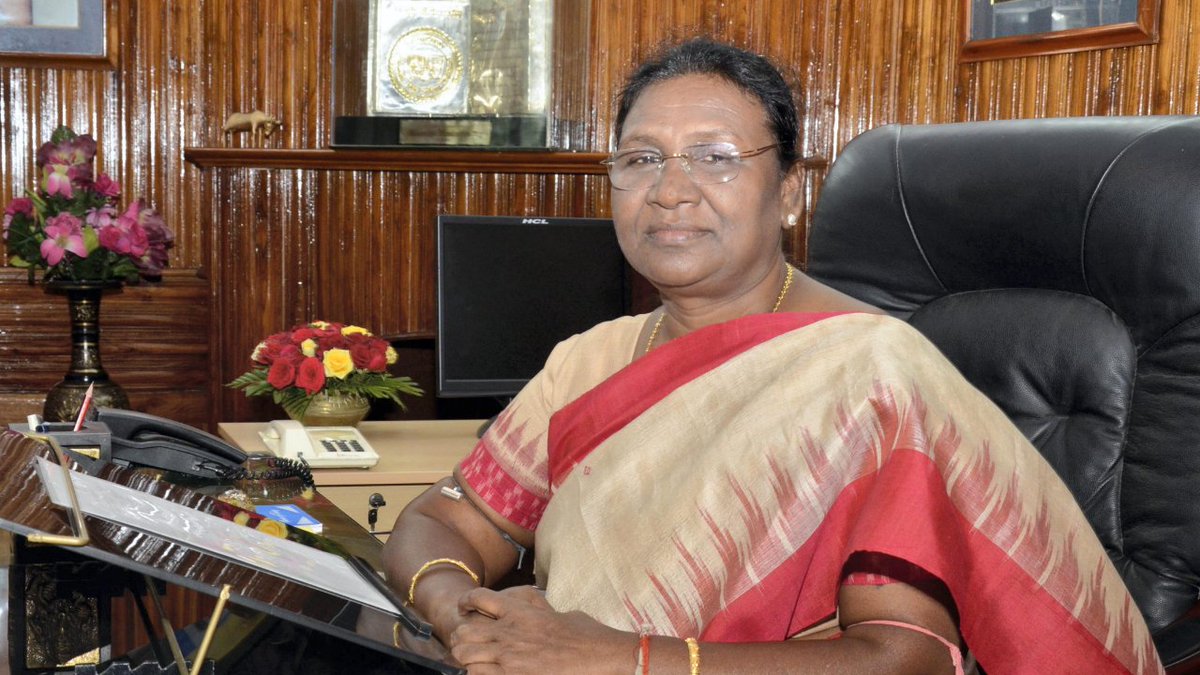
Since becoming the panchayat representative, Murmuji has been an MLA, Governor, and now she is the first citizen of India & the commander-in-chief of the Indian Armed Forces!
What a career!!🫡🫡🫡
What a career!!🫡🫡🫡
The @PrimeVideoIN show Panchayat starring @Neenagupta001, Raghubir Yadav, & Jitendra Kumar (who has two twitter ids @Farjigulzar/@jitendrajk06) & others is about a Panchayat secretary who goes to the rural parts of North India & his interactions with life/people in the village.
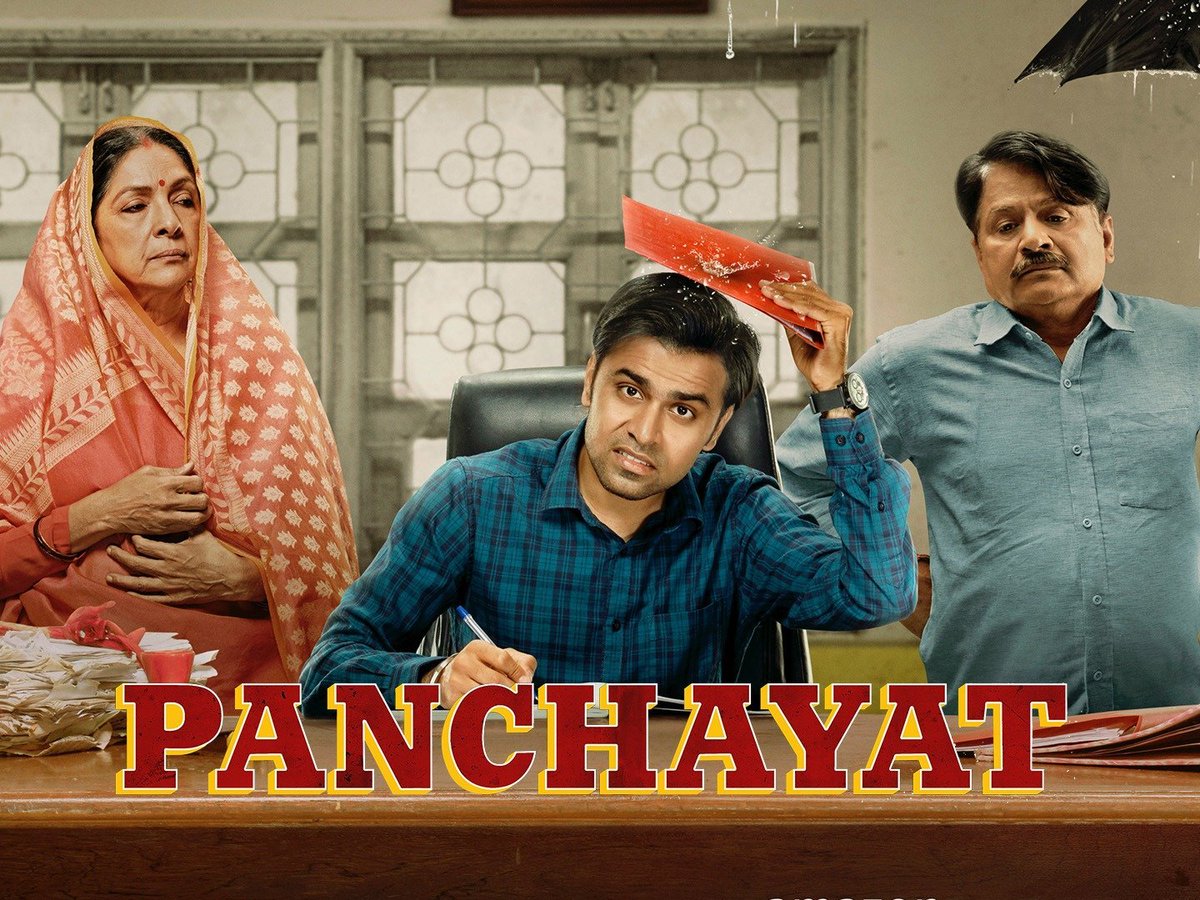
The show is a light hearted take on rural life.
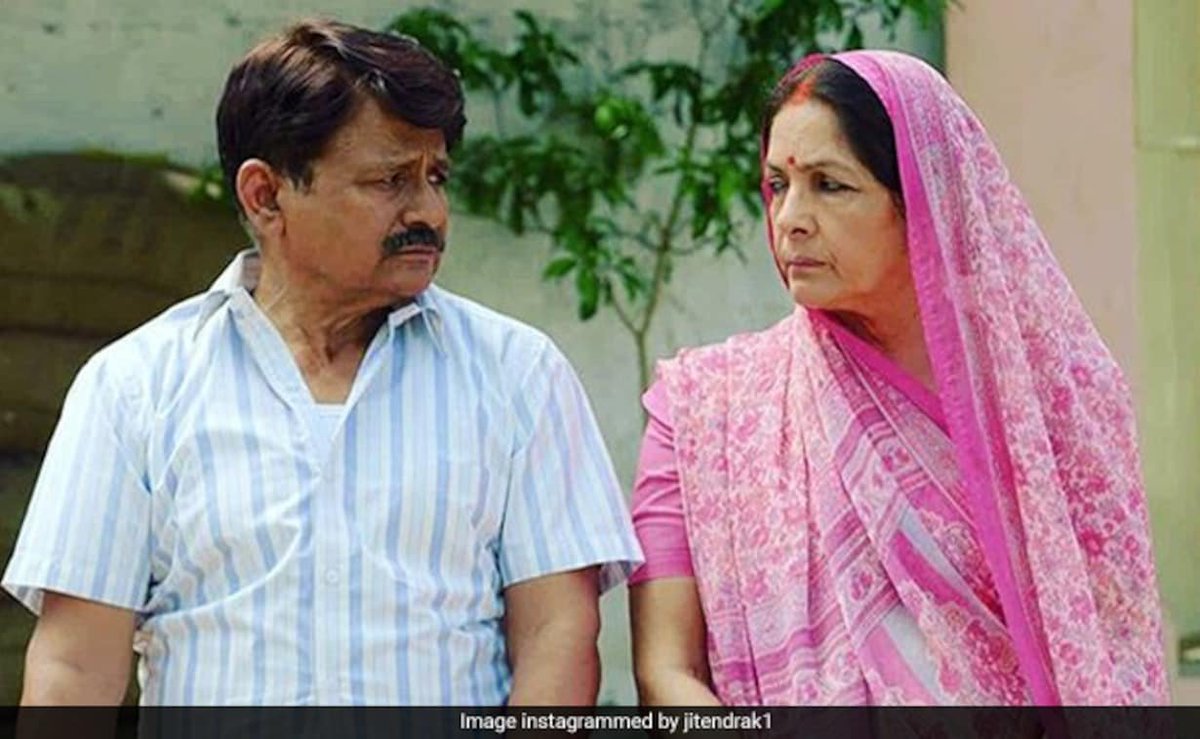
In the show, the village panchayat head is a woman played by @Neenagupta001, who is elected as a Pradhan from a women’s reserved seat
In the show, the village panchayat head is a woman played by @Neenagupta001, who is elected as a Pradhan from a women’s reserved seat
You may be wondering what the economist Esther Duflo has to do with all of this?
Before delving into that, a short note on how these quotas are implemented is in order.
Before delving into that, a short note on how these quotas are implemented is in order.
The constitutional amendment left the actual implementation to the states.
But, it mandated that the way in which seats are reserved for women should not be decided based on whims & fancies.
Instead, it recommended following some kind of rotation or randomization (lottery).
But, it mandated that the way in which seats are reserved for women should not be decided based on whims & fancies.
Instead, it recommended following some kind of rotation or randomization (lottery).

We Indians are familiar with housing lotteries, or other forms lottery for land allocation.
This lottery/rotation for women's quota was also introduced with the same intention – fairness.
This way, all the panchayats would get a woman as a leader over time.
This lottery/rotation for women's quota was also introduced with the same intention – fairness.
This way, all the panchayats would get a woman as a leader over time.
While fairness is the motto from the design point of view, this lottery/rotation provided an interesting advantage for social scientists like Esther Duflo.
In the next few tweets we will go slightly technical, please bear with us. (Science nerds, ENJOYYYYYY)
In the next few tweets we will go slightly technical, please bear with us. (Science nerds, ENJOYYYYYY)
Whenever scientists perform experiments in the lab, or try to test the effectiveness of a new medicine, they do so in a “trial”.
We heard about this when we were all waiting for covid vaccines!
Researchers were doing trials like this to study the effectiveness of the vaccine.
We heard about this when we were all waiting for covid vaccines!
Researchers were doing trials like this to study the effectiveness of the vaccine.

In the trial, a random set of people are given the medicine (treatment) & another set is not given the medicine (control).
Under certain conditions & assumptions, you can now see the effect of the medicine by comparing outcomes for the treatment people and control people!
Under certain conditions & assumptions, you can now see the effect of the medicine by comparing outcomes for the treatment people and control people!
Esther Duflo & her coauthor Raghabendra Chattopadhyay saw that the lottery/rotation of women's reserved seats actually mimicked a lab experiment, except this was real life!

This class of “experiments” where a scientist doesn’t give the medicine (or no medicine) randomly but the random assignment happens "naturally" are termed as “Natural Experiments”!
In our case women's quota is "randomly" assigned not by a scientist, but by policy design.
In our case women's quota is "randomly" assigned not by a scientist, but by policy design.
Duflo & Chattopadhyay published their paper in a highly respected journal called “Econometrica” @ecmaEditors in 2004.
This paper opened the floodgates on quantitative and experimental social scientific study of women’s reservation in India.
This paper opened the floodgates on quantitative and experimental social scientific study of women’s reservation in India.
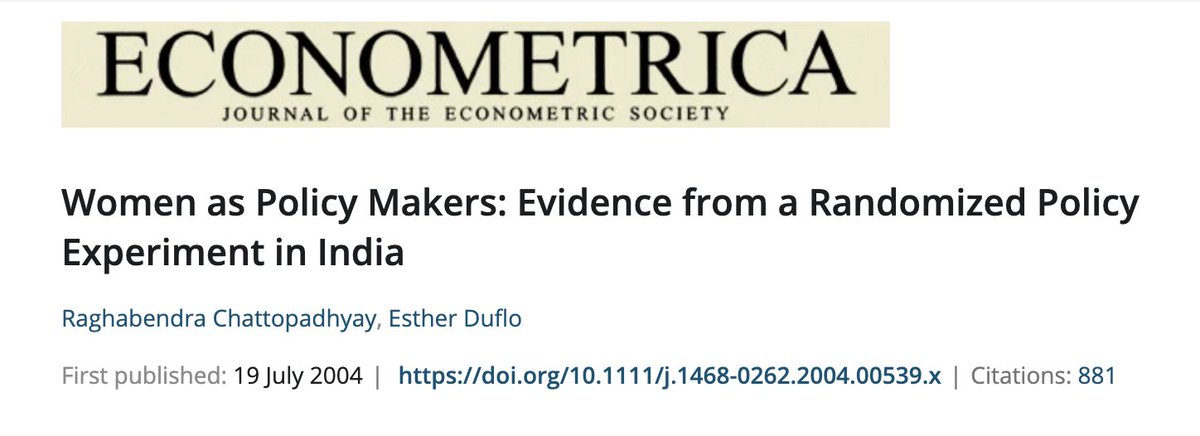
Since their landmark paper, scholars across social sciences have utilized this quota assignment procedure to study the impact of women as politicians
A simple rule to ensure fairness in policy implementation, but a giant device for scholars to study policy effectiveness!
A simple rule to ensure fairness in policy implementation, but a giant device for scholars to study policy effectiveness!
Now, it must be acknowledged that some people have pointed out the misuse of this policy.
For example, in @PrimeVideoIN show Panchayat , Raghubir Yadav is the de facto leader of the village while his wife played by @Neenagupta001 is the actually elected representative.
For example, in @PrimeVideoIN show Panchayat , Raghubir Yadav is the de facto leader of the village while his wife played by @Neenagupta001 is the actually elected representative.
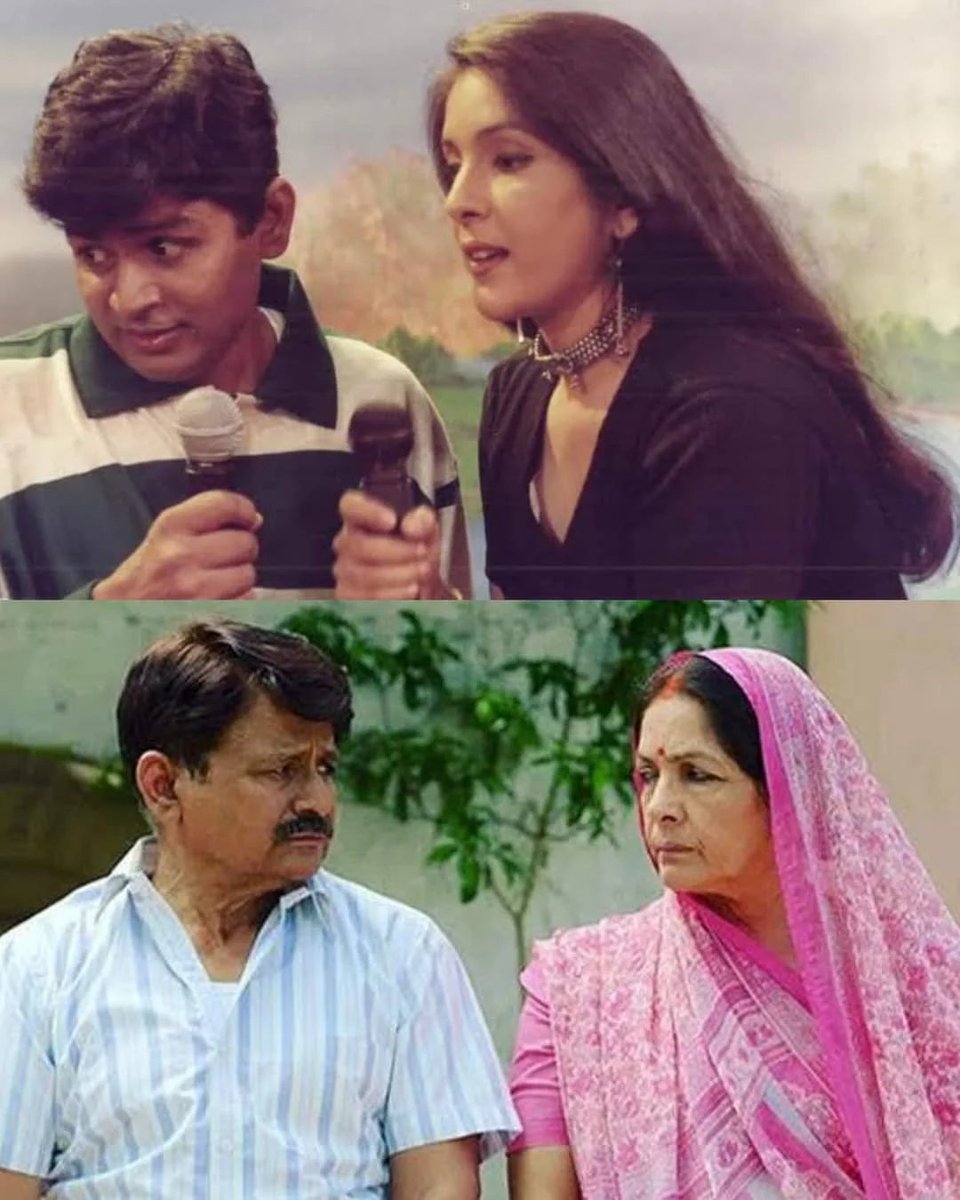
Raghubir Yadav’s character portrays a “sarpanchpati”.
This phenomenon is certainly the case in some places and scholars/policy makers are aware of this & have even acknowledged this phenomenon.
This phenomenon is certainly the case in some places and scholars/policy makers are aware of this & have even acknowledged this phenomenon.
More importantly, scholars have also found a wide variety of mostly positive effects (and some unintended negative results too) when women are elected representatives!
But more needs to be done. In that sense, we are truly standing on the shoulders of giants!
But more needs to be done. In that sense, we are truly standing on the shoulders of giants!
It is phenomenal that the governance revolution in local govts has received such wide scholarly interest across the world.
But, it is sad that this policy (& its effects) is not well known among the general public. This thread is our modest attempt at rectifying this.
Fin
But, it is sad that this policy (& its effects) is not well known among the general public. This thread is our modest attempt at rectifying this.
Fin
Loading suggestions...