

Everyone's entitled to their opinion, but some of the facts that Robert Kagan uses to underpin his opinions here are just...wrong.
wsj.com
wsj.com
First, teeing up historical examples of unified, modernizing Germany and Japan, he says that they both believed "time and momentum" were on their side.
Assuming he's talking about Wilhelmine Germany and Imperial Japan this strikes me immediately as wrong.
Assuming he's talking about Wilhelmine Germany and Imperial Japan this strikes me immediately as wrong.

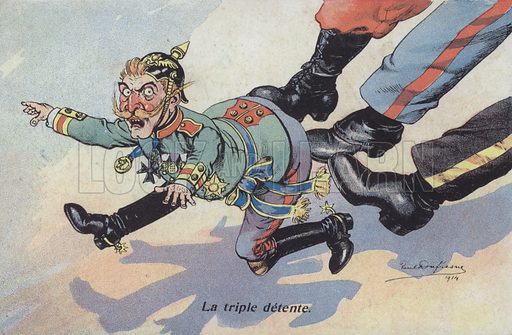
There's plenty of evidence that key figures in believed that Germany was becoming increasingly isolated by the Triple Entente, and felt that with Russia modernizing time was very much against them. Hence, the "blank cheque" to Austria-Hungary.
As for Imperial Japan, it's well known (or should be) that Japan executed the attack on Pearl Harbor because it also saw time was not on its side, particularly given the massive U.S. warship building program initiated with the 1938 and 1940 Naval Acts.
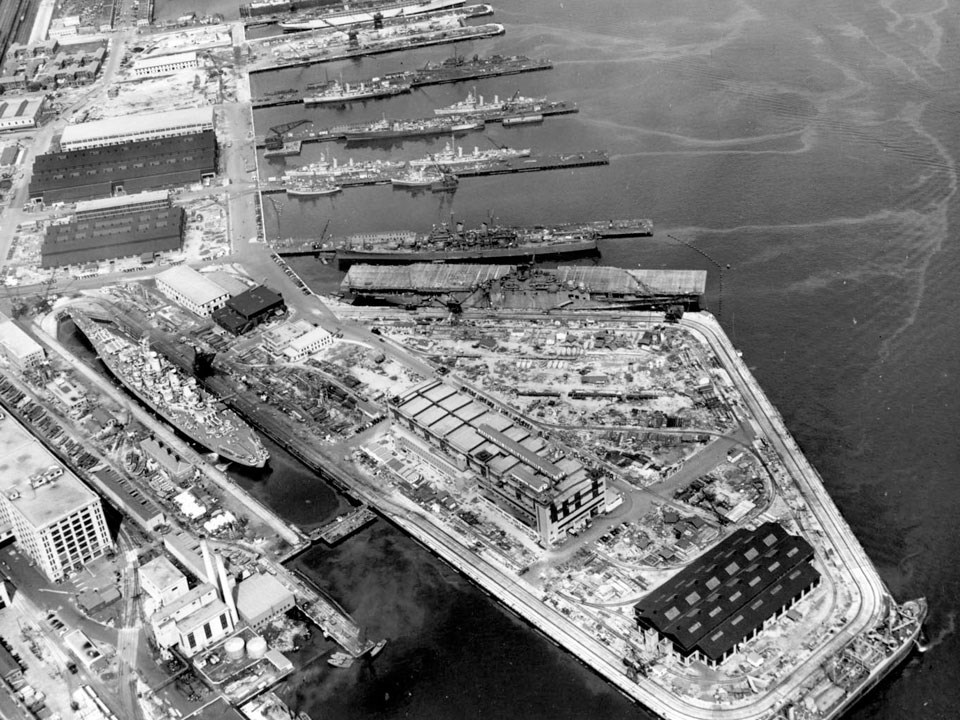
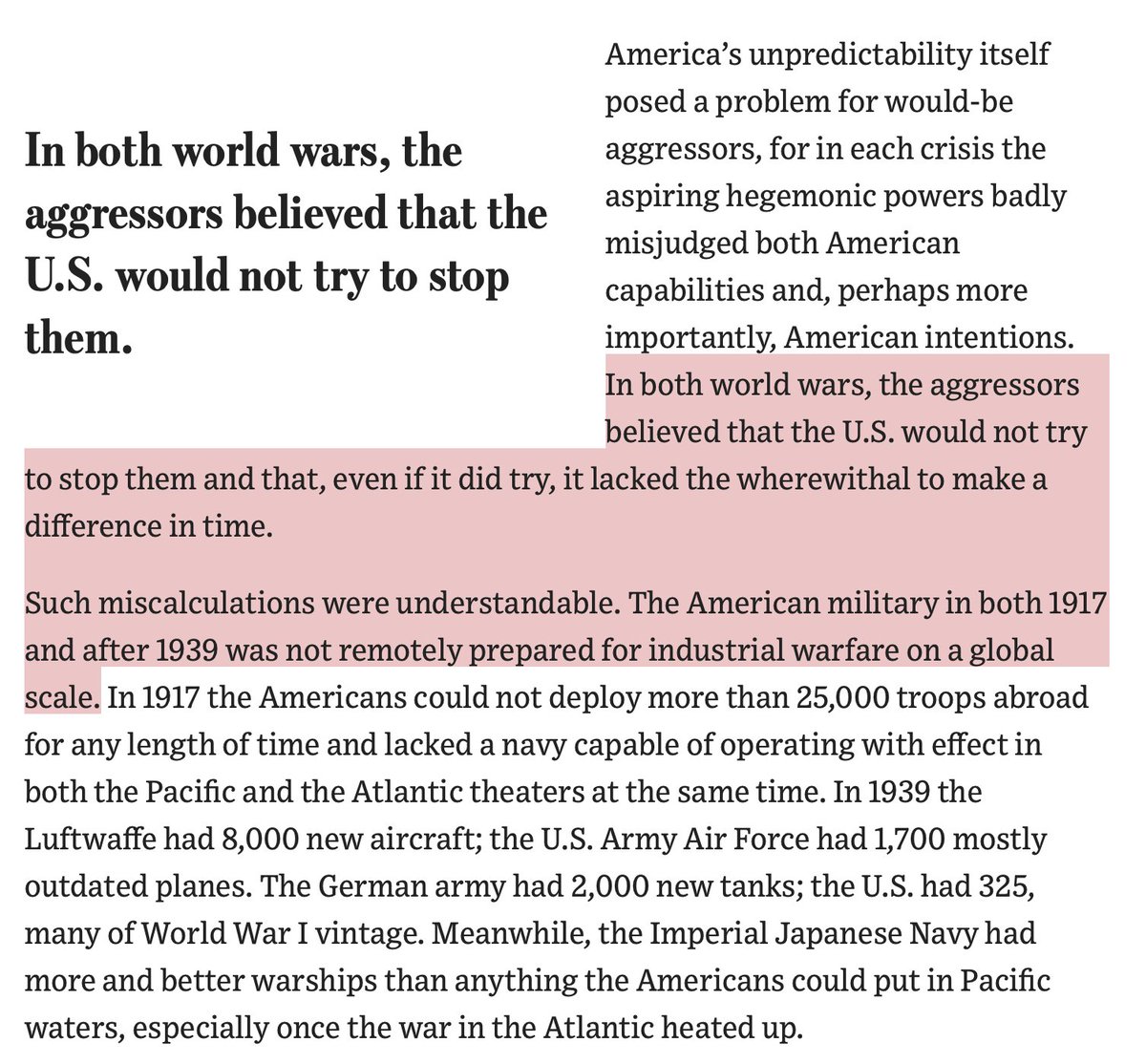
He also claims that the aggressors in both WWs believed the US lacked wherewithal to stop them in time. While this might be true of Imperial Germany, Japan's leaders were well aware by Dec 41 of the US naval building plans that would swamp them over time.
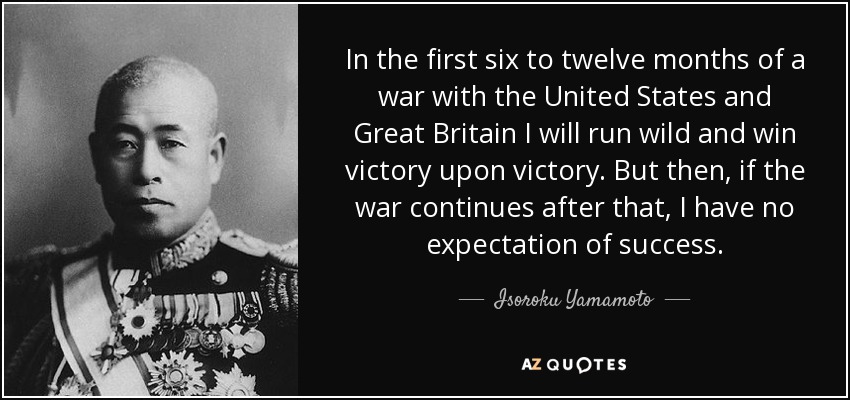
Hence, Yamamoto's well-known opposition to war, and his famous assessment of the limited time available for Japanese victory.
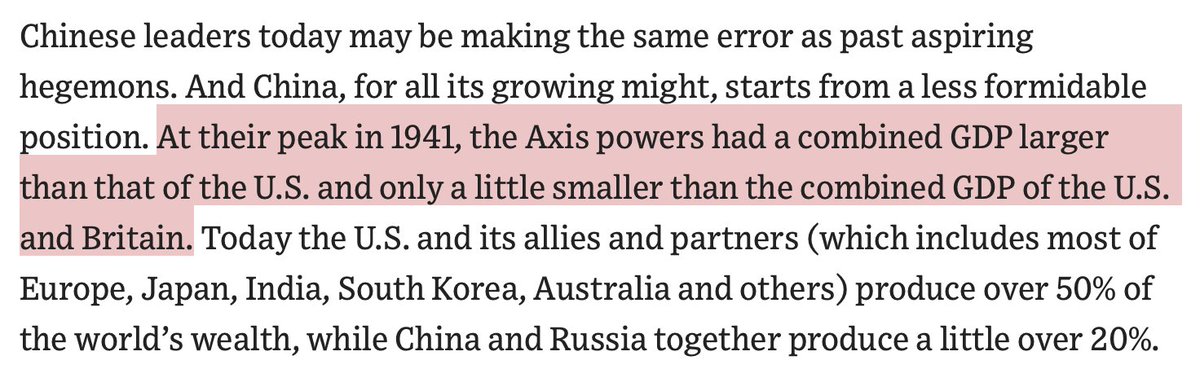
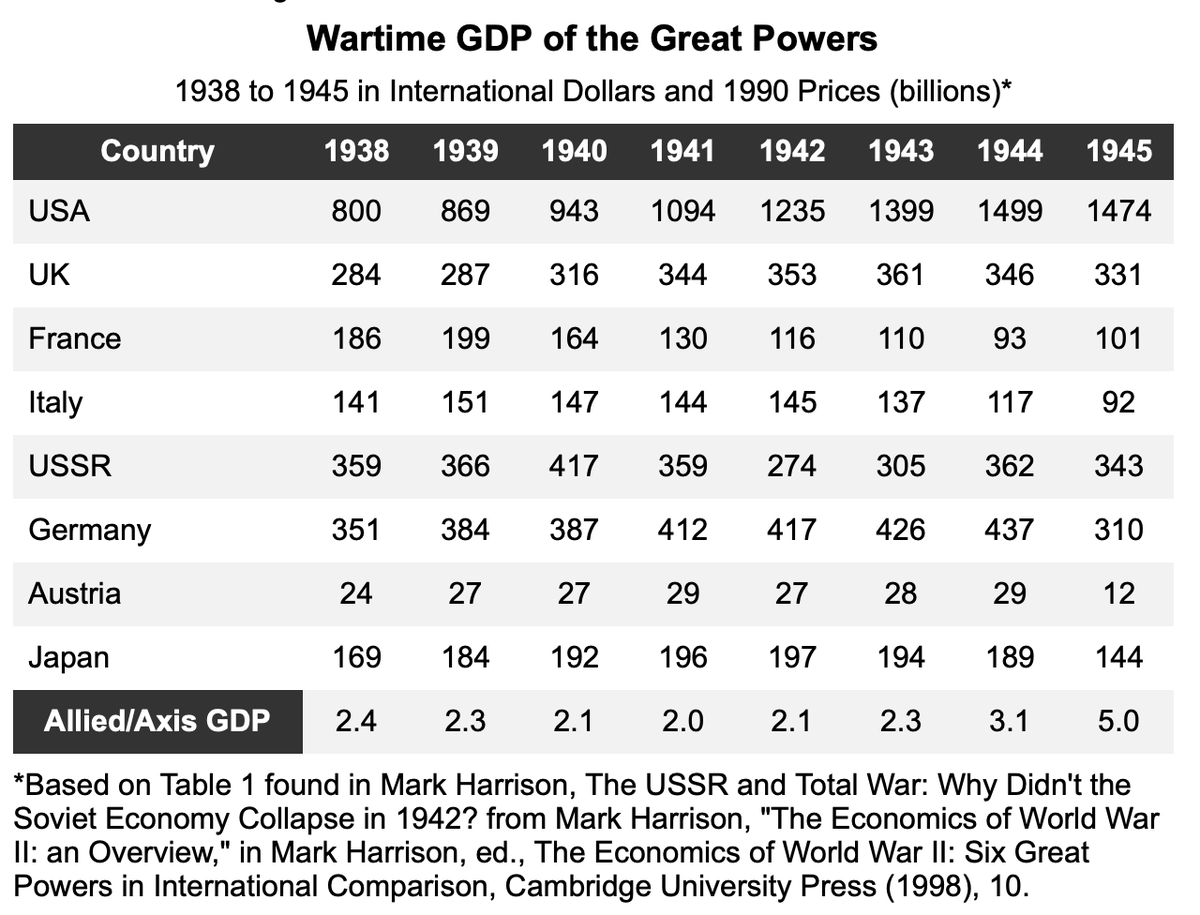
As already addressed by @ElbridgeColby, Kagan makes the odd claim that Axis GDP was greater than the US, and almost as much as the US+UK (also what about the USSR, which Germany was at war with by the time of Pearl Harbor and GER's declaration of war agains the US?)
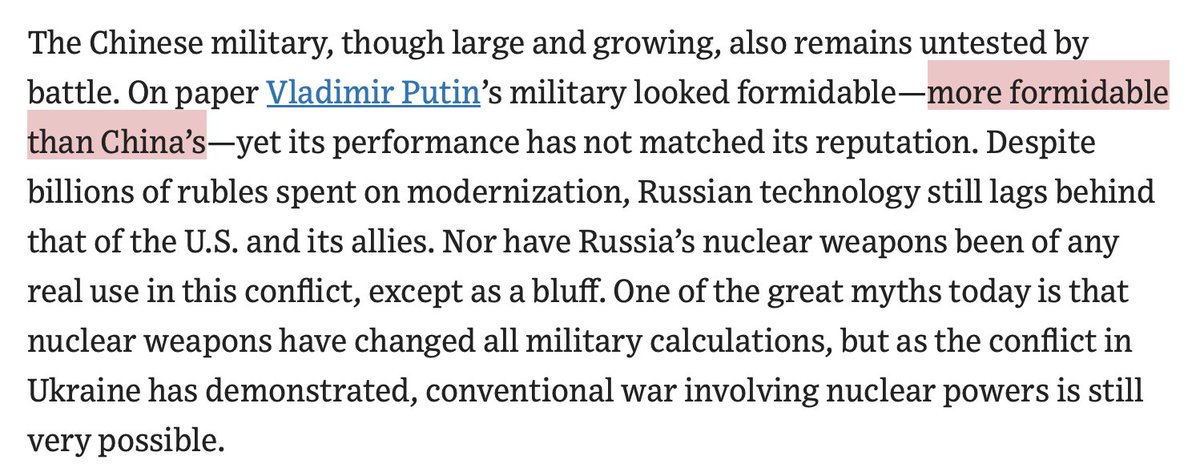
He also claims the Russian military looked more formidable on paper than China's. Other than nuclear weapons, that hardly seems clear to me. @SIPRIorg estimates China's defense expenditures to be more than 4X Russia's.
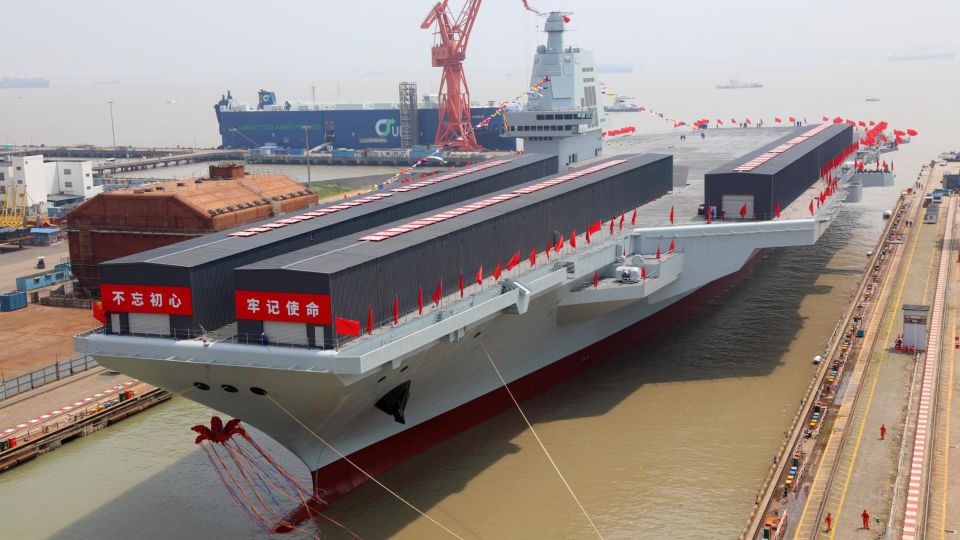
In terms of naval power, which is what would probably matter most in a conflict launch by China, other than a handful of quieter Russian nuclear submarines, China's naval power is far superior, with several times more modern warships, a new full-size carrier, etc.
China's navy is certainly much newer and more modern on average, with few relics like the cruiser Moskva, whose shortcoming came into stark relief when she was struck and sunk seemingly fairly easily.
Kagan trots out the example of Japan's demise after Pearl Harbor, but misses the fact that, while the U.S. was the industrial giant with a shipbuilding program underway that more than replaced those lost ships, it's now China that is building at a rapid clip...
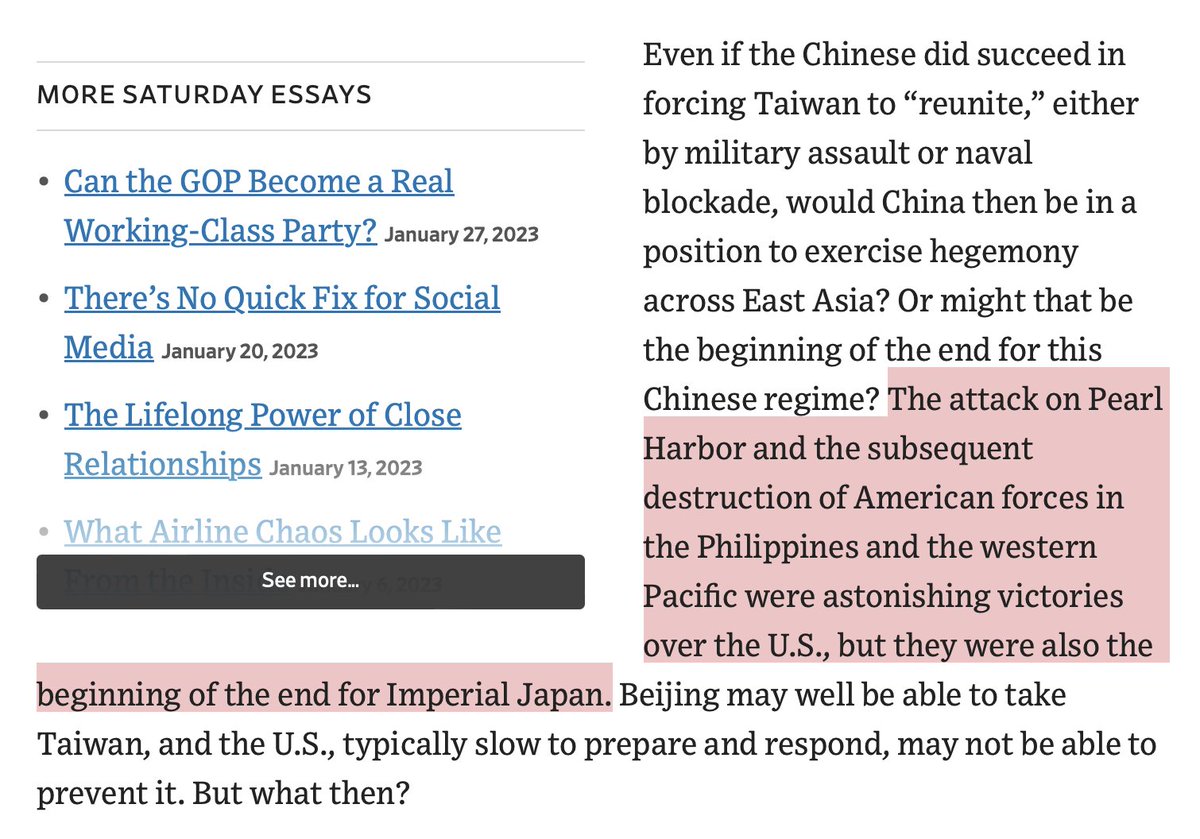
...and whose shipbuilding industry dwarfs ours. The shoe is very much on the other foot this time.
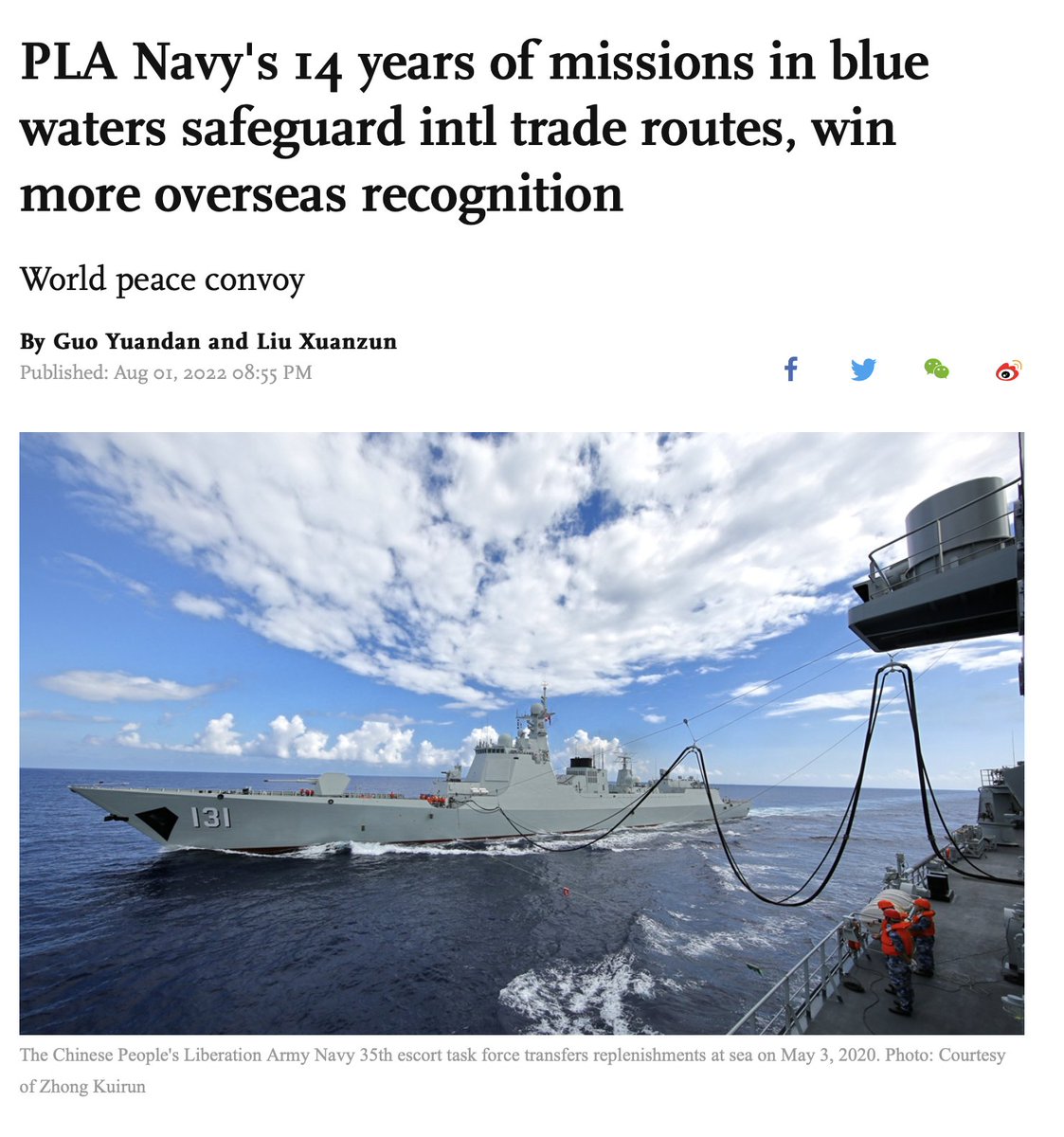
Kagan seems to think that the U.S. has the world's only blue-water Navy.
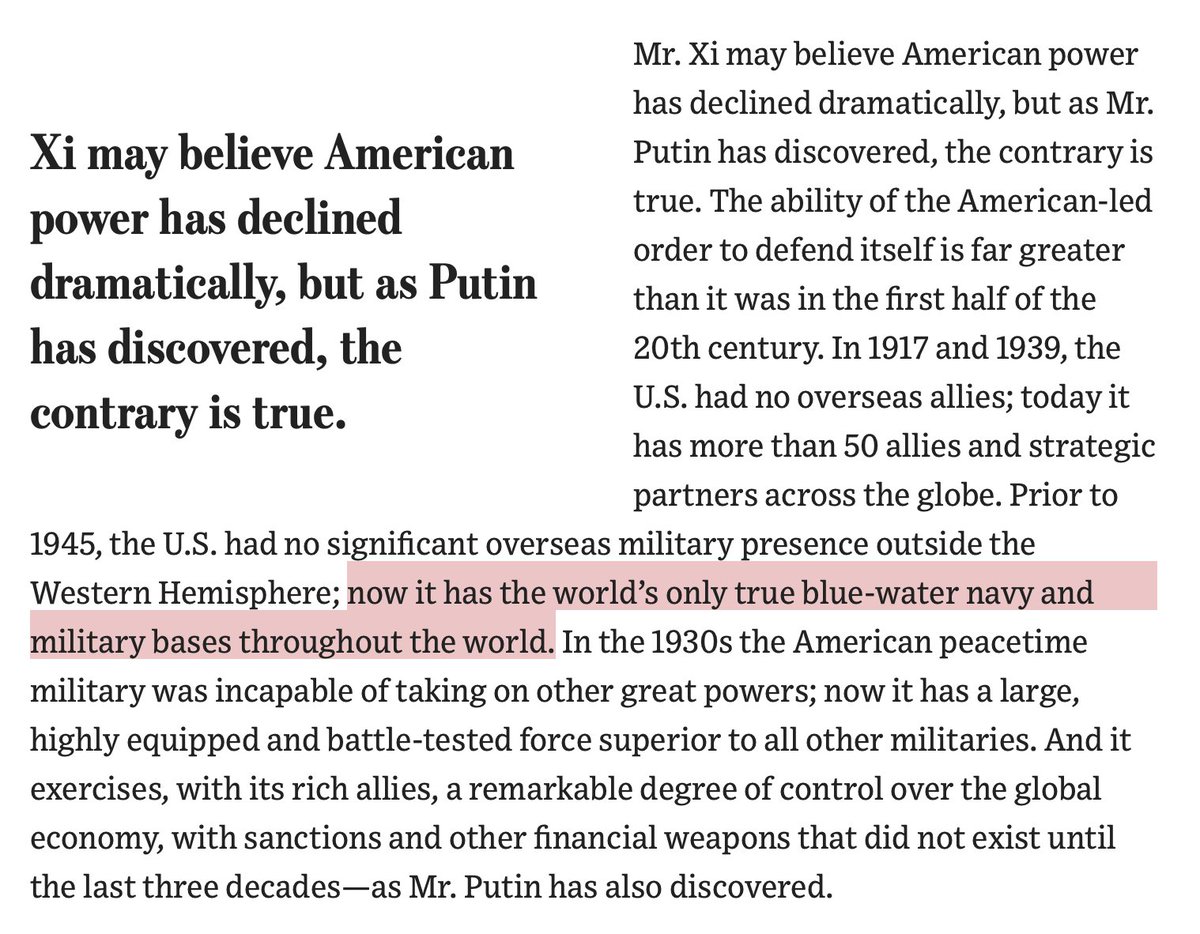
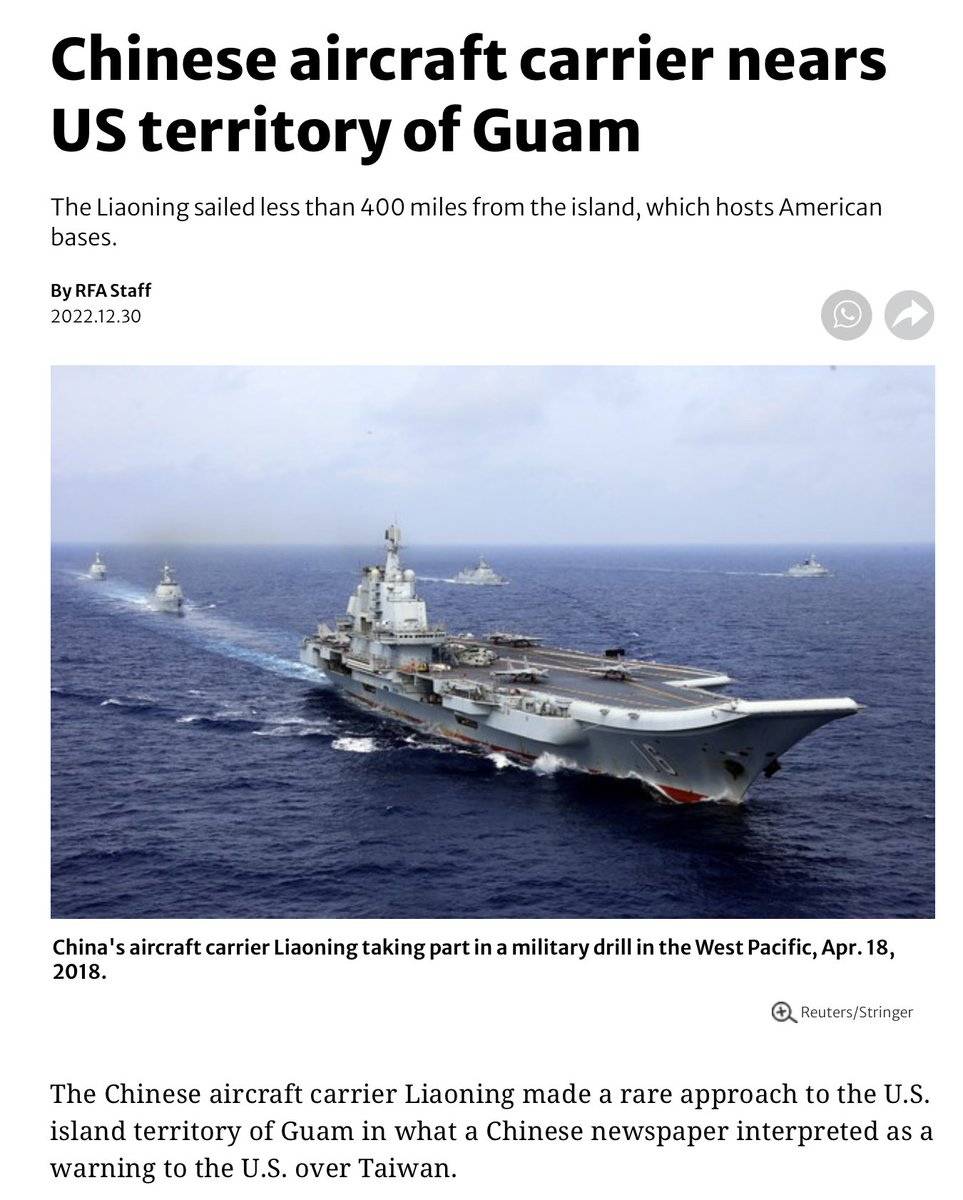
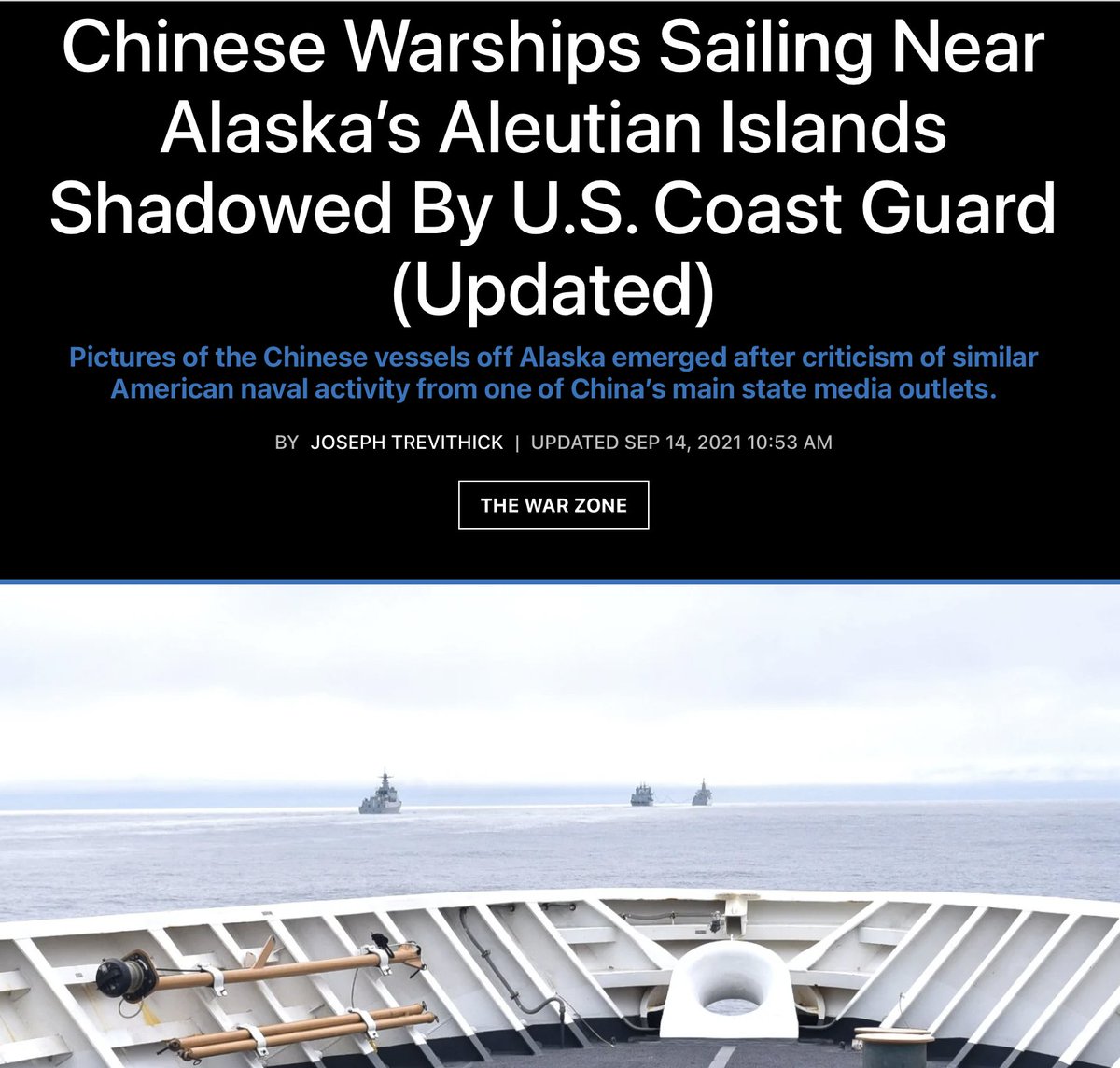
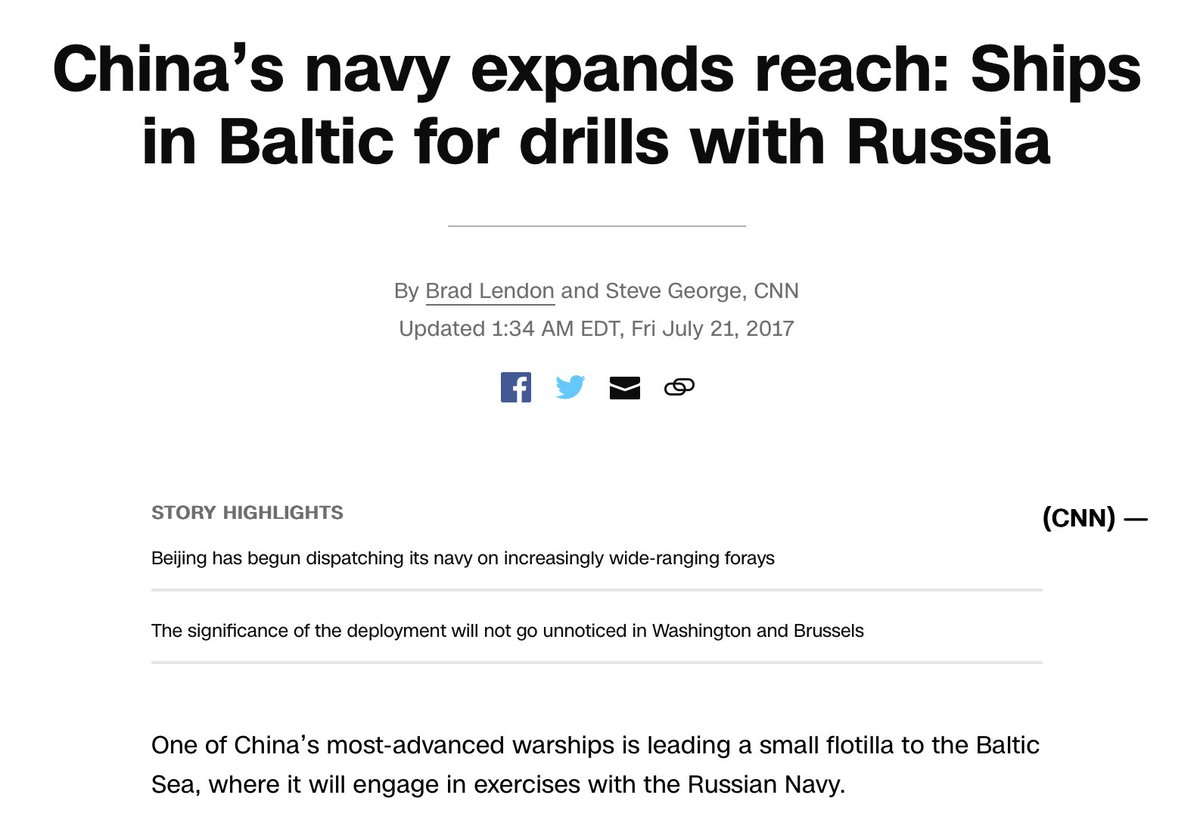
This would be news to a PLA Navy that routinely operates around the world, including task force operations near Guam, Alaska, routinely in the Indian Ocean, and even to the Baltic Sea.
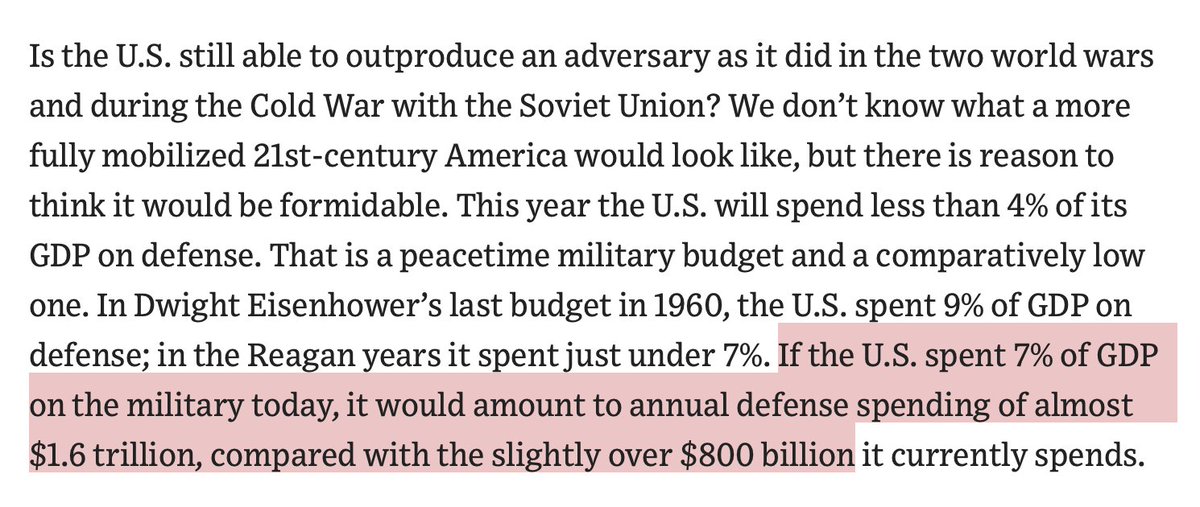
He goes into a discussion about how the U.S. only spends <4% of GDP on defense, and how much more it would be if that was increased. He leaves out any comparison with China—currently hardly breaking a sweat at only ~2% of GDP, and which has a near-equal size GDP (by PPP).
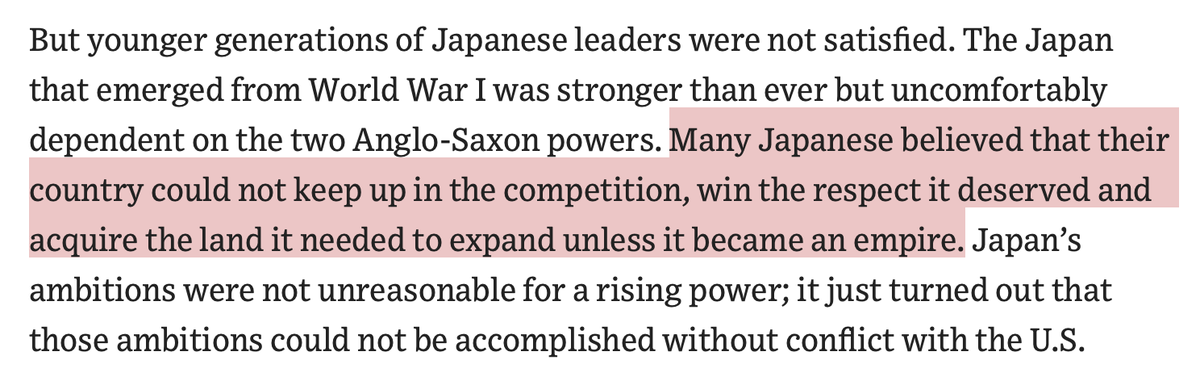
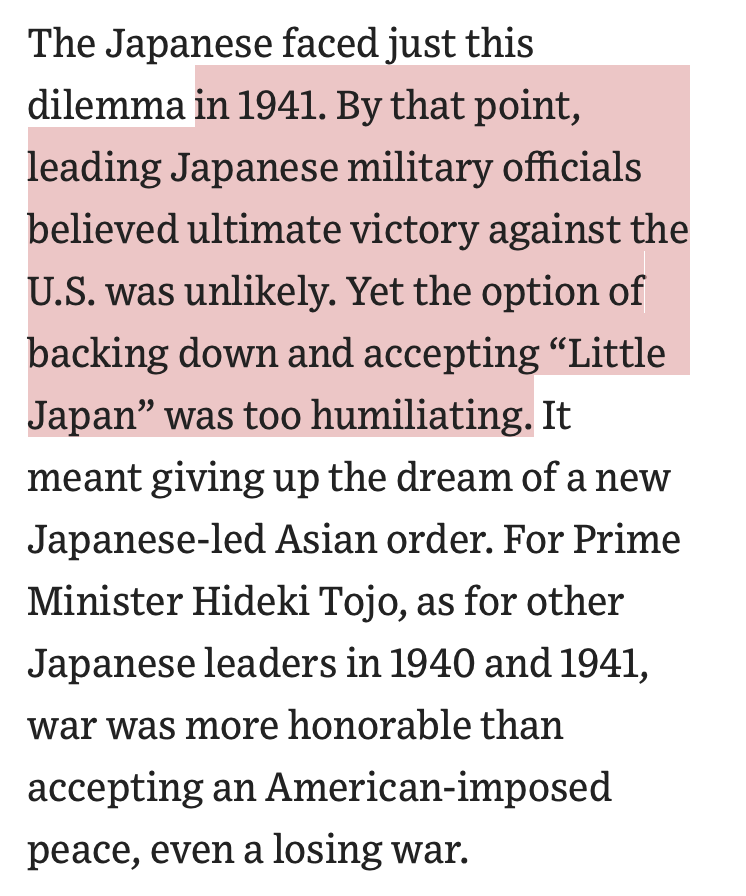
Later, he points out that Imperial Japan felt it "couldn't keep up" with the competition and that ultimate victory was unlikely.
But wait, I thought that they believed time was on their side. So confused...🤔
But wait, I thought that they believed time was on their side. So confused...🤔
To be clear, I don't think that there's certainty that China would win a conflict anytime soon. But as stated above, I think a number of the arguments in this article that attempt to minimize the appearance of Chinese strength are just off the mark. Fin. cnas.org
Loading suggestions...