

On 4 February 1992, the Revolutionary Bolivarian Movement 200 (MBR 200), co-founded by Hugo Chávez Frías, attempted to overthrow the neoliberal government of Carlos Andrés Pérez in Venezuela.
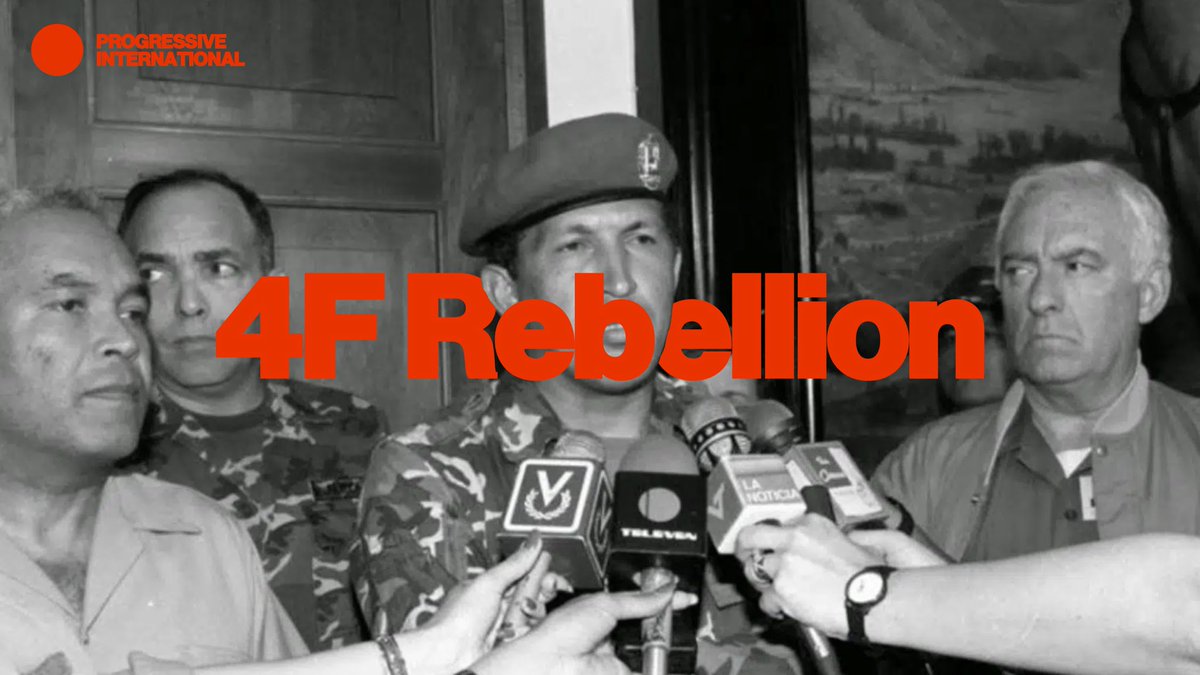
While the rebellion failed, it is regarded as one of the most important precursors to the Bolivarian Revolution. To many, 4 February is remembered as Dignity Day.
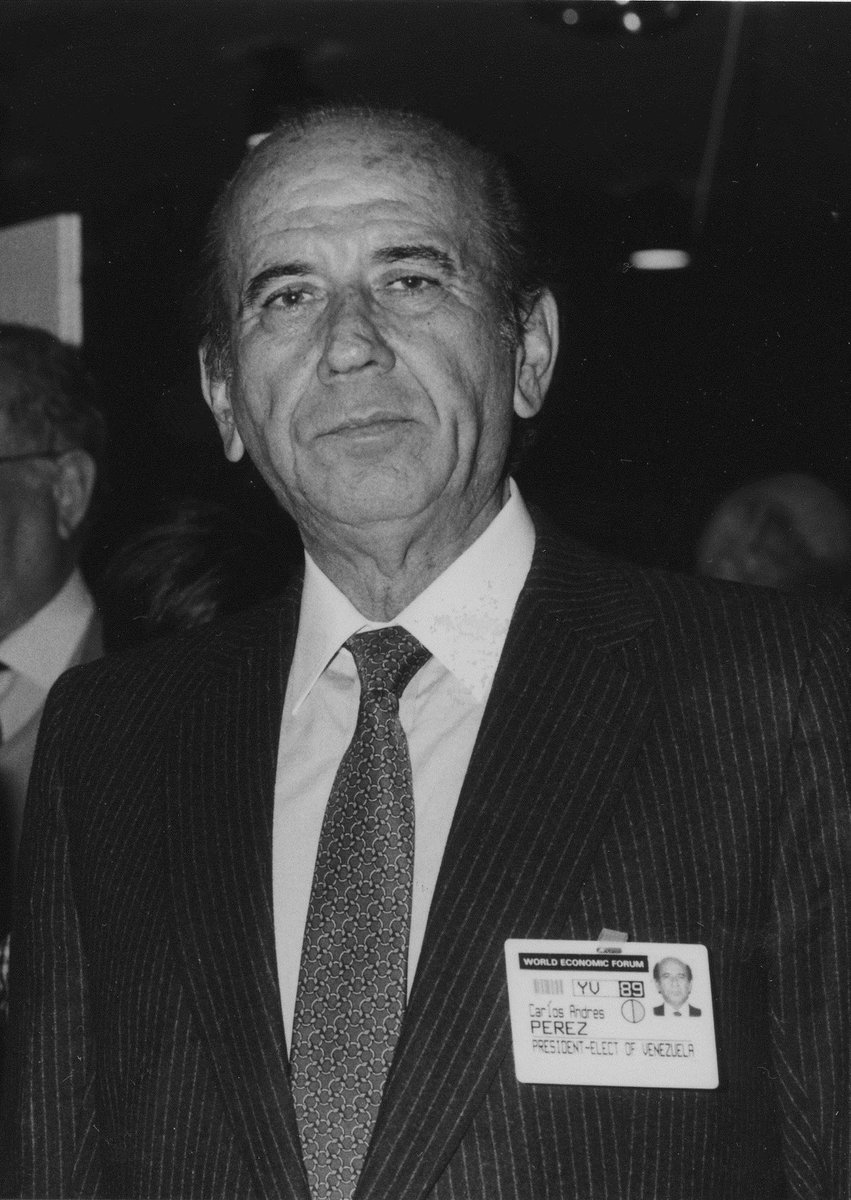
Immediately after his 1989 inauguration, President Carlos Andrés Pérez implemented a programme of structural adjustment at the behest of the IMF.
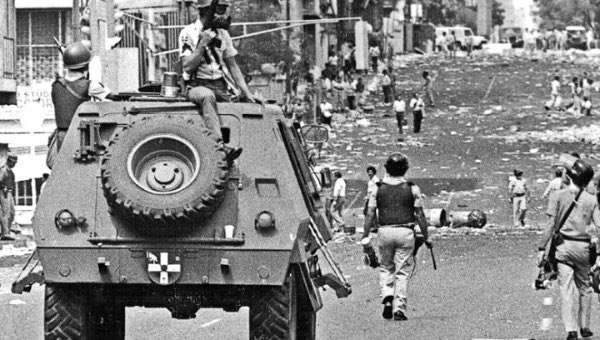
As the cost of living soared and the quality of services plummeted, Venezuelans took to the streets.
As the cost of living soared and the quality of services plummeted, Venezuelans took to the streets.
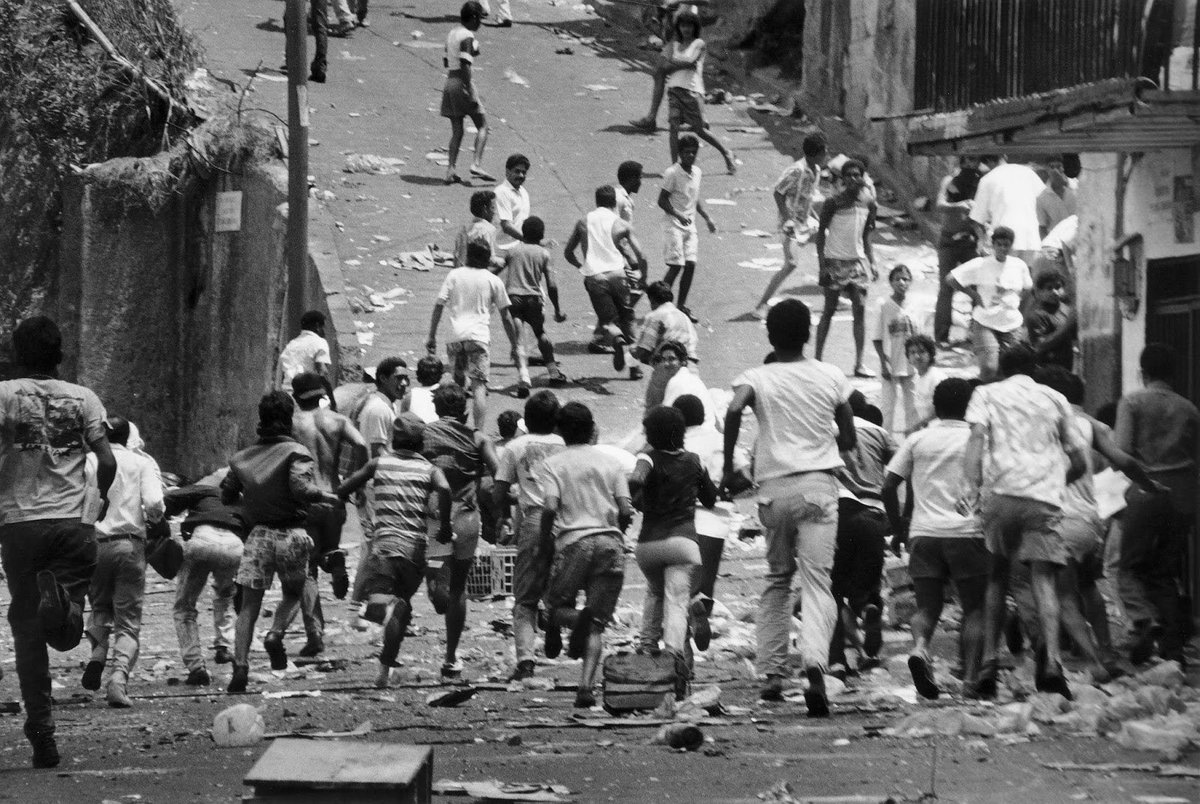
The “Caracazo”, as it became known, heralded the beginning of the end for the free market in Venezuela.
On 26 February, the price of petroleum rose by 100%. The next day riots broke out, barricades were erected and roads were closed in Caracas and the nation’s major cities.
On 26 February, the price of petroleum rose by 100%. The next day riots broke out, barricades were erected and roads were closed in Caracas and the nation’s major cities.
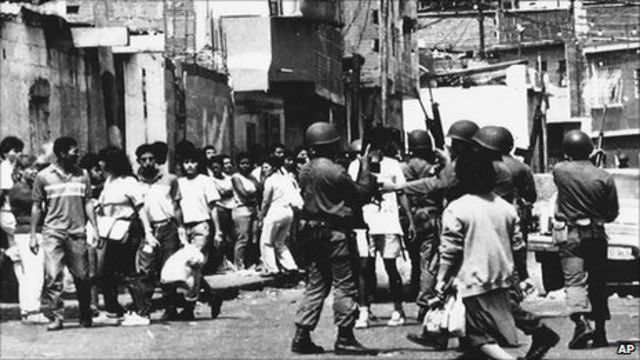
The population was fighting back against the Washington consensus.
The “Caracazo” lasted 5 days but was brutally repressed by state security forces. 4 million rounds of ammunition were fired at the protestors. As many as 3,000 people died with hundreds buried in mass graves.
The “Caracazo” lasted 5 days but was brutally repressed by state security forces. 4 million rounds of ammunition were fired at the protestors. As many as 3,000 people died with hundreds buried in mass graves.
Fueled by the popular resistance of February 1989, MBR 200, which had been organising secretly throughout the 1980s, resolved to take action.
On 4 February 1992, the military components of MBR 200, led by Hugo Chavez, launched a rebellion to topple the Pérez government.
On 4 February 1992, the military components of MBR 200, led by Hugo Chavez, launched a rebellion to topple the Pérez government.

In the early hours, hundreds of soldiers attempted to take control of strategic buildings in Caracas, Maracaibo, Valencia, and Maracay.
The rebels were outnumbered by government loyalists and the uprising was quickly suppressed.
The rebels were outnumbered by government loyalists and the uprising was quickly suppressed.
The failure of the rebellion did, however, provide Chávez with an invaluable opportunity.
He was granted a 2-minute time slot on national television to call on the rest of his forces to surrender.
He was granted a 2-minute time slot on national television to call on the rest of his forces to surrender.
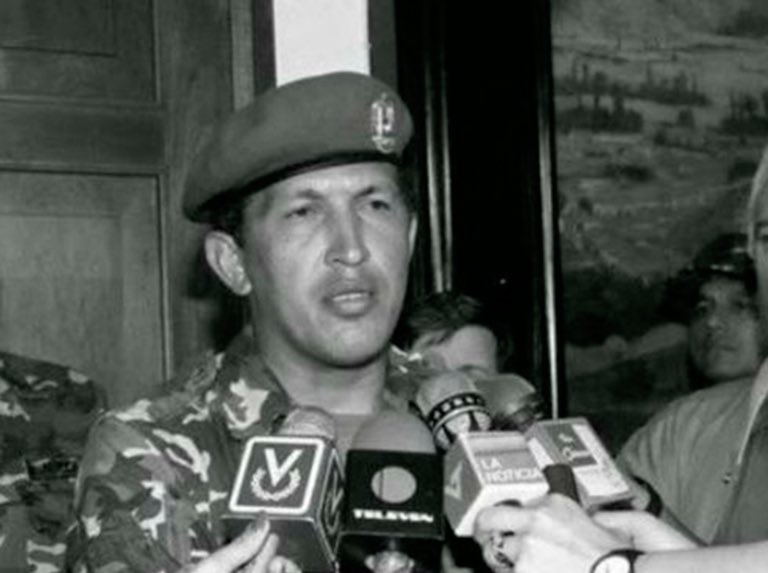
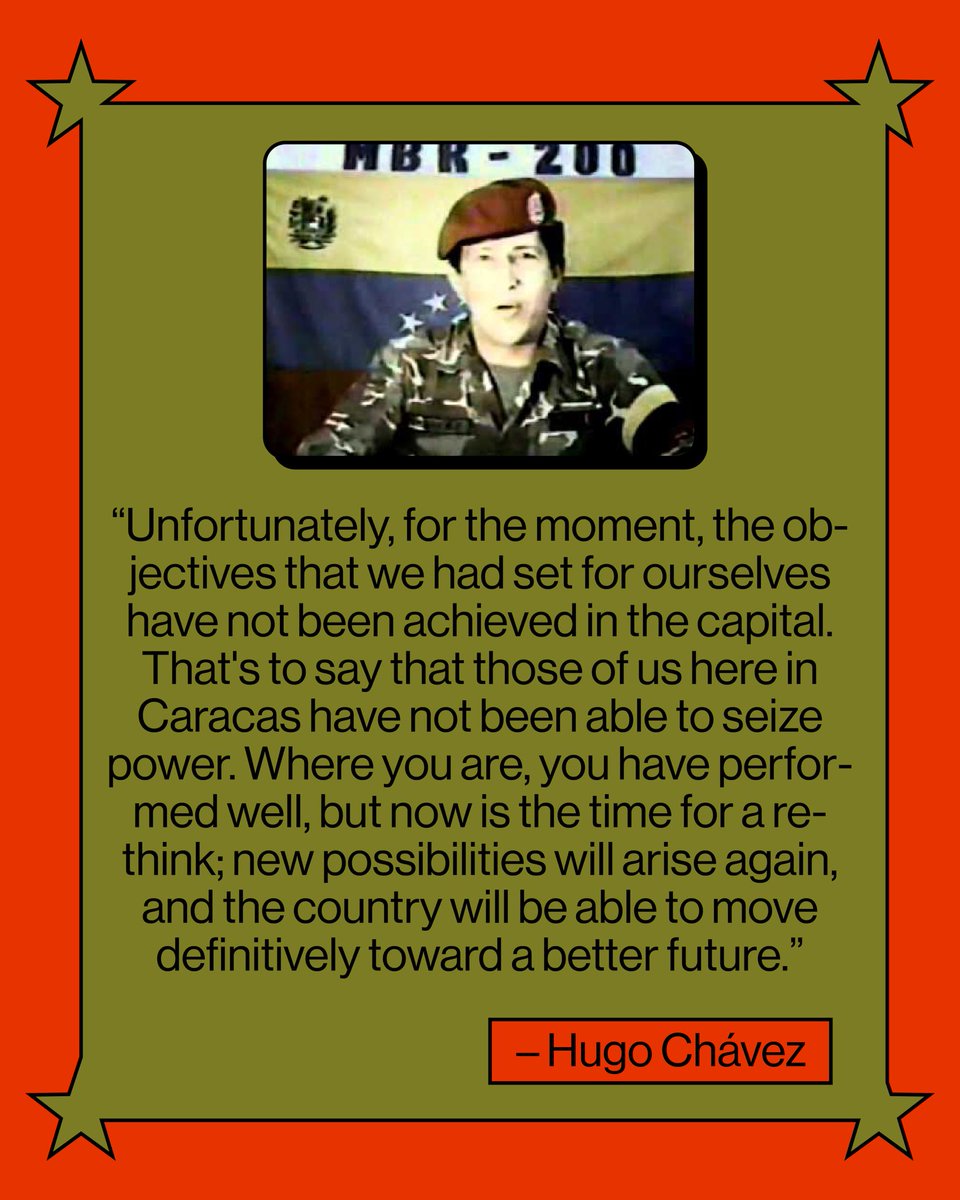
Seizing his chance, Chávez praised the loyalty of the movement and accepted personal responsibility for the uprising yet remained resolute in his demand for change.
Chávez and his comrades spent the next two years in prison.
Throughout the revolutionaries' confinement, the streets swelled with protests demanding their release and in 1994 the government caved to popular pressure.
Throughout the revolutionaries' confinement, the streets swelled with protests demanding their release and in 1994 the government caved to popular pressure.
Gaining his freedom, Chávez toured Venezuela with his vision for a Constituent Assembly and a refounded, democratic Republic.
In 1997, MBR 200 formed a political party, Movimiento V República, so that they could put their proposals to the people.
In 1997, MBR 200 formed a political party, Movimiento V República, so that they could put their proposals to the people.
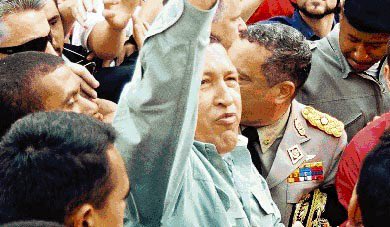
The “better future” Chávez promised after the failure of the 4F rebellion arrived in 1998 when he was elected to the Presidency with 56% of the vote.
Over the next 15 years, Chávez oversaw a revolutionary project of socialist construction that handed power back to the people.
Over the next 15 years, Chávez oversaw a revolutionary project of socialist construction that handed power back to the people.
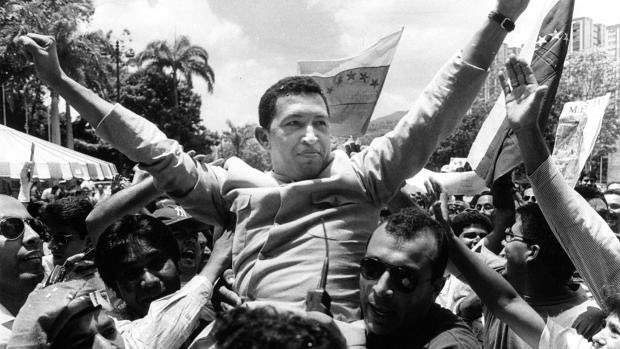
Communes began to emerge as the building blocks of Bolivarian socialism. With grassroots democratic control of production, the communes combined self-emancipation with anti-imperialist struggle. They remain an essential part of a comprehensive societal transition to socialism.
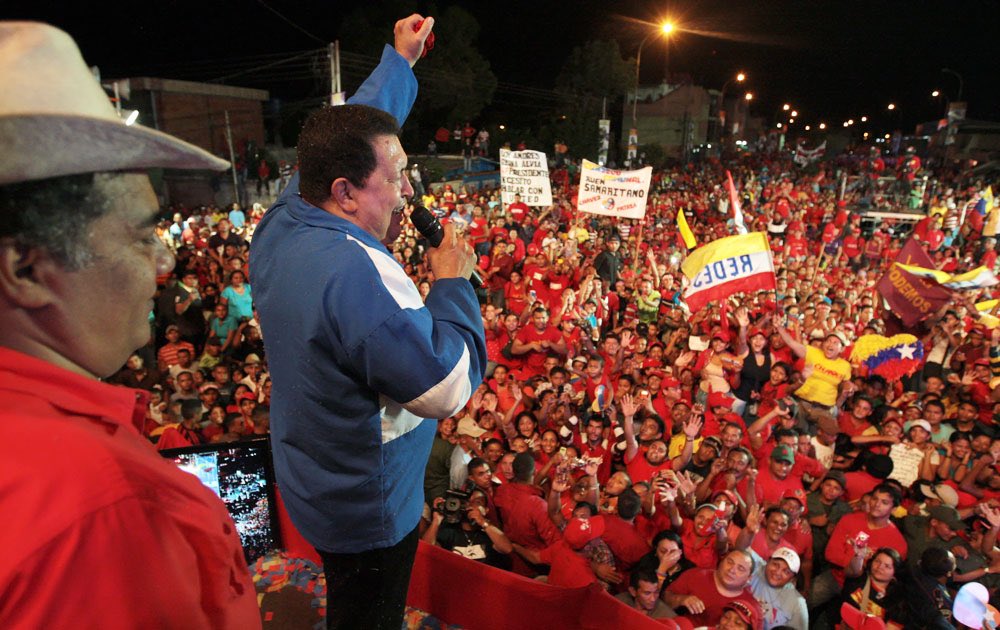
“Venezuela was a colonised country. The nation was dying and 4F sowed the new nation,” said Hugo Chávez in 2011.
On the 31st anniversary of the 4F Rebellion, we salute the achievements of the Bolivarian Revolution and Venezuela’s continued efforts to build a “better future.”
On the 31st anniversary of the 4F Rebellion, we salute the achievements of the Bolivarian Revolution and Venezuela’s continued efforts to build a “better future.”
Loading suggestions...