

Blood-brain barrier & circumventricular organs
German physician Paul Ehrlich (1854-1915)
#MedTwitter #neurotwitter #EndNeurophobia #tweetorials
1/
German physician Paul Ehrlich (1854-1915)
#MedTwitter #neurotwitter #EndNeurophobia #tweetorials
1/

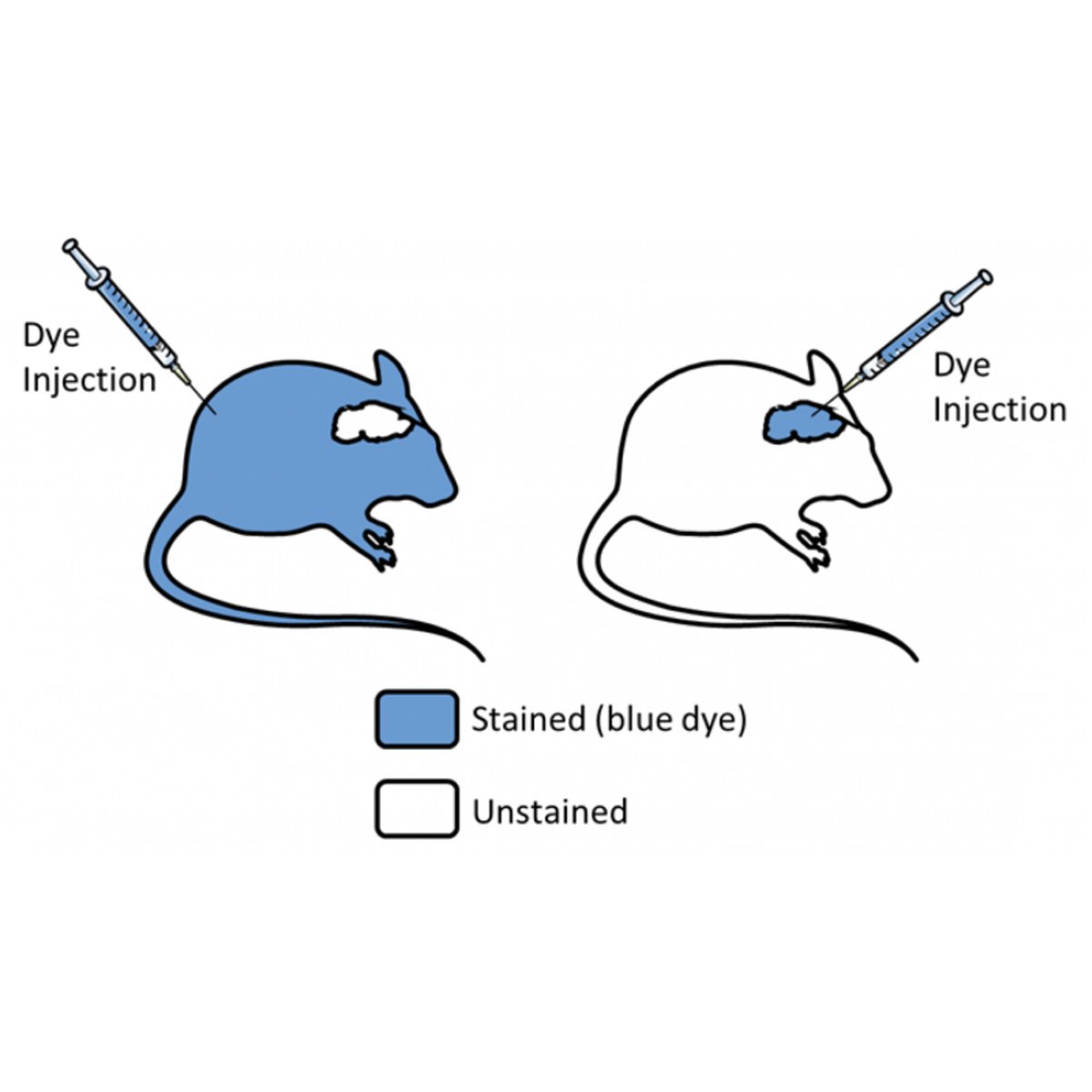
Paul Ehrlich (1882)
After IV injection of trypan blue, most brain areas did not get stained
- these areas are inside BBB
Some areas of brain get stained.
- these areas do not have BBB
2/
After IV injection of trypan blue, most brain areas did not get stained
- these areas are inside BBB
Some areas of brain get stained.
- these areas do not have BBB
2/
Function
Neurons are like ladies. They are very sensitive.
So, the function of BBB is like a mother:
STABILIZE when they become sad
PROTECTS from the toxins of the world
HOLD YOU to maintain the concentrations
3/
Neurons are like ladies. They are very sensitive.
So, the function of BBB is like a mother:
STABILIZE when they become sad
PROTECTS from the toxins of the world
HOLD YOU to maintain the concentrations
3/
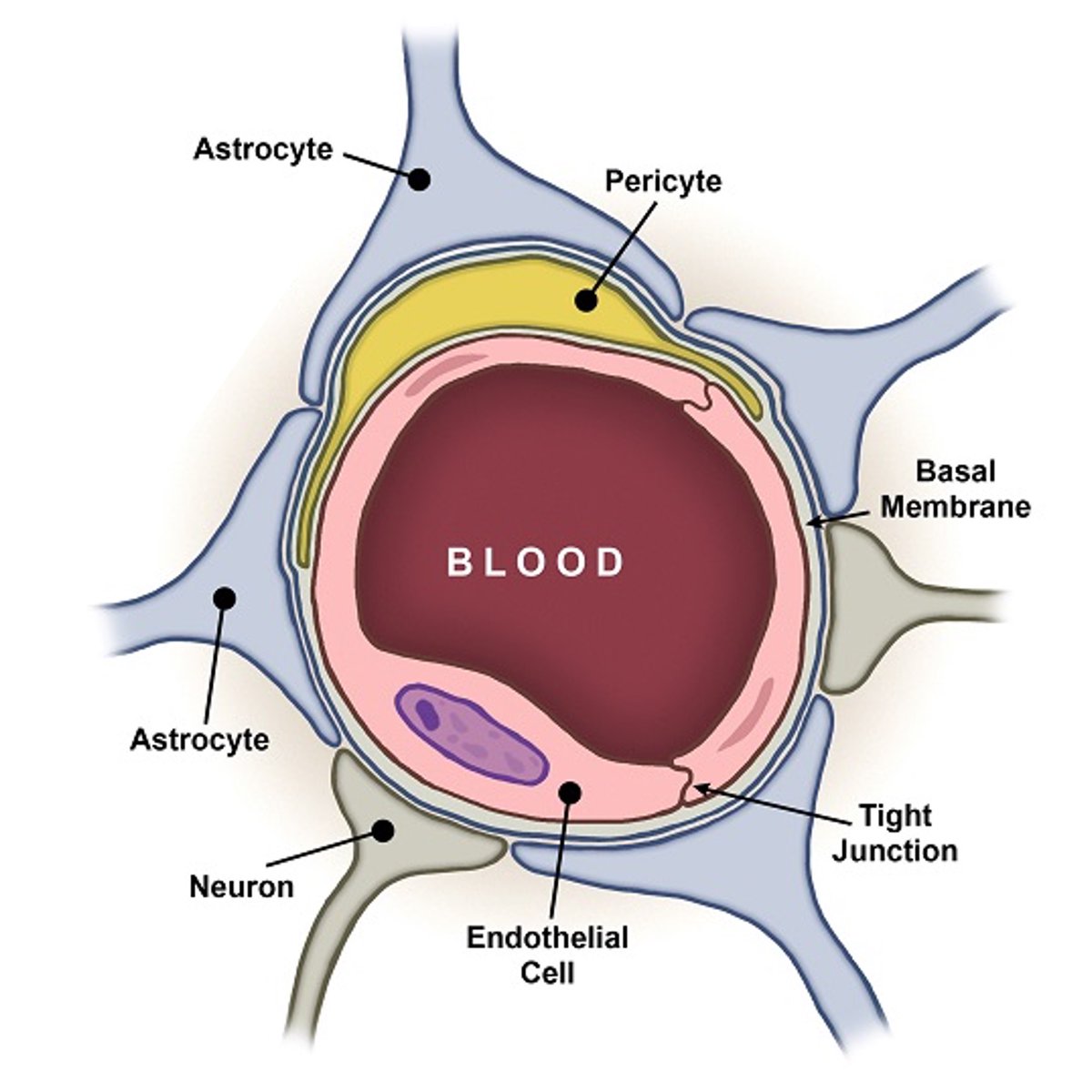
BBB is formed by “BBB”
Binding tight junctions
Basement membrane
Base-foot astrocyte
4/
Binding tight junctions
Basement membrane
Base-foot astrocyte
4/
Capillary
Have 3 types of capillaries in the body CSF
Continuous – CNS, muscle, endoneuro, peripheral nerve
Sinusoidal – liver, spleen
Fenestrated – glomerulus
In the CNS, you have Continuous capillaries
5/
Have 3 types of capillaries in the body CSF
Continuous – CNS, muscle, endoneuro, peripheral nerve
Sinusoidal – liver, spleen
Fenestrated – glomerulus
In the CNS, you have Continuous capillaries
5/
Pass
Have 3 types of transport in the body PTT
- Paracellular
- Transcellular
- Transcytotic-vesicular
6/
Have 3 types of transport in the body PTT
- Paracellular
- Transcellular
- Transcytotic-vesicular
6/
In the BBB
- No paracellular due to tight junctions
- poor transcellular and transcytotic-vesicular
You have guards in the CNS – P-glycoproteins
- take lipid soluble substances out the brain
- energy-dependent transport
7/
- No paracellular due to tight junctions
- poor transcellular and transcytotic-vesicular
You have guards in the CNS – P-glycoproteins
- take lipid soluble substances out the brain
- energy-dependent transport
7/
What does not pass BBB?
BIG guys – plasma proteins & substances attached to them
HORNY guys – highly charged
TOXIC guys – even if small
What does pass BBB?
BABY molecules – H2O, O2, CO2
- But, H+ no, He is a Horny guy
SWETTY guys – glucose & aminoacids (carrier mediated)
8/
BIG guys – plasma proteins & substances attached to them
HORNY guys – highly charged
TOXIC guys – even if small
What does pass BBB?
BABY molecules – H2O, O2, CO2
- But, H+ no, He is a Horny guy
SWETTY guys – glucose & aminoacids (carrier mediated)
8/
BBB vs BCF difference
Where is the tight junction is the ≠
BBB – Blood (endothelial)
vs
BCB – Choroidal (choroidal epithelial cells)
9/
Where is the tight junction is the ≠
BBB – Blood (endothelial)
vs
BCB – Choroidal (choroidal epithelial cells)
9/
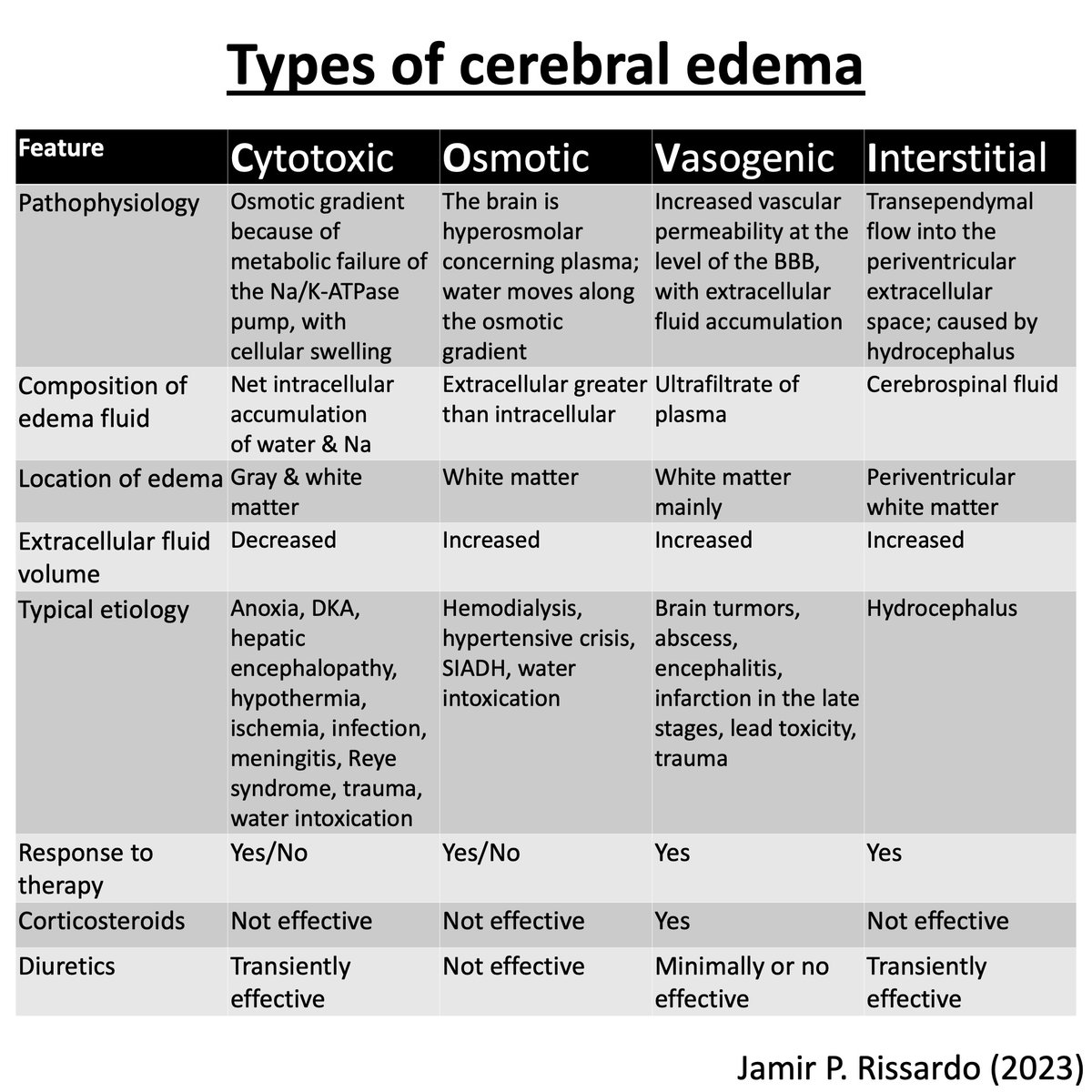
Types of cerebral edema
COVI: Cytotoxic, Osmotic, Vasogenic, Interstitial
- vasogenic is considered the MC
- doesn’t have a clear mechanism, may be a combination of mechanisms
Types
Intracellular – cytotoxic & osmotic
Extracellular – vasogenic
10/
COVI: Cytotoxic, Osmotic, Vasogenic, Interstitial
- vasogenic is considered the MC
- doesn’t have a clear mechanism, may be a combination of mechanisms
Types
Intracellular – cytotoxic & osmotic
Extracellular – vasogenic
10/
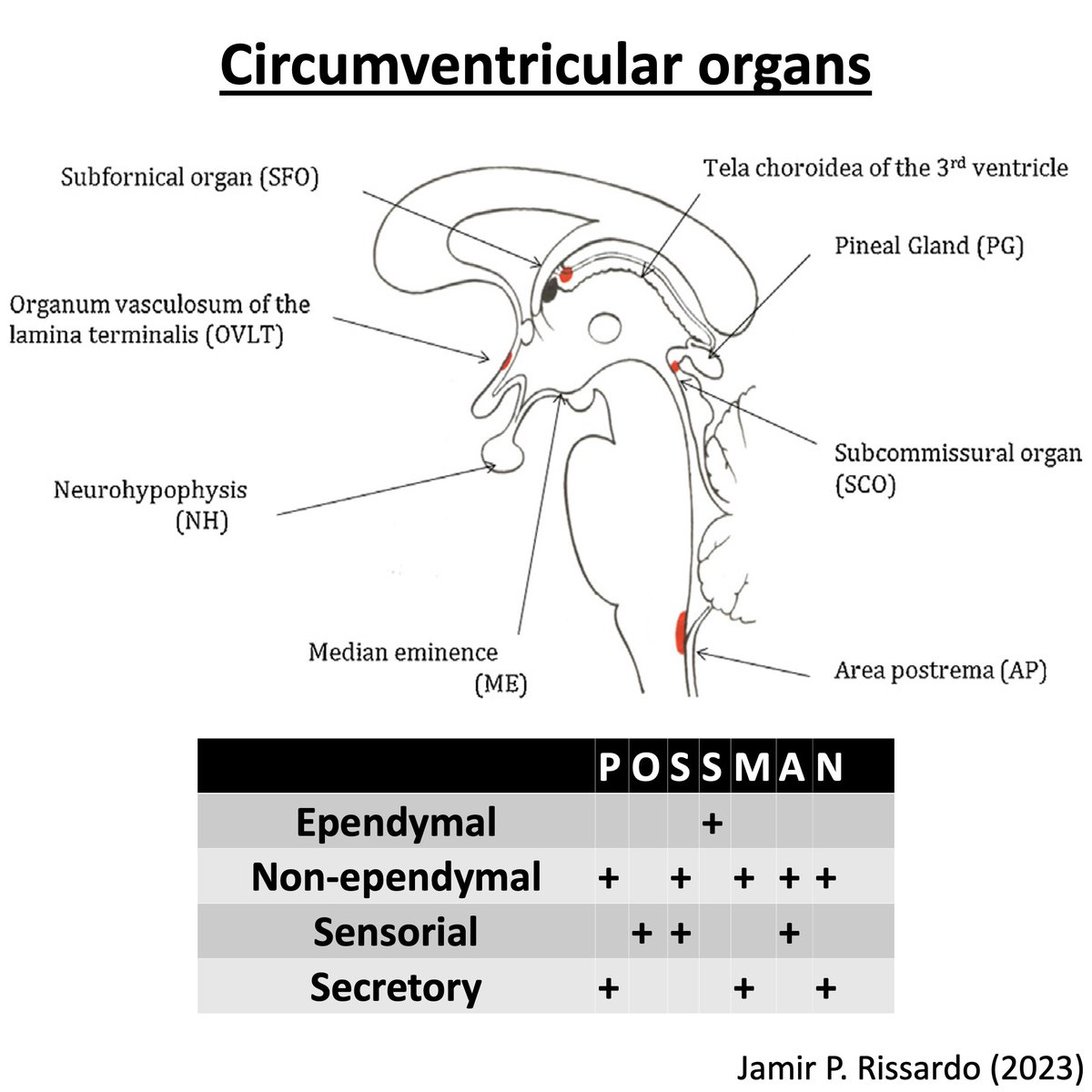
Circumventricular organs
- circumventricular organs are specialized areas of CNS where BBB is modified or broken
- all of them are surrounded by 3rd & 4th ventricles
- ependymal cells proximal to ventricular areas are modified and their name are tanycyte
11/
- circumventricular organs are specialized areas of CNS where BBB is modified or broken
- all of them are surrounded by 3rd & 4th ventricles
- ependymal cells proximal to ventricular areas are modified and their name are tanycyte
11/
Micro-structure
- highly vascularized
- fenestration of endothelial cells
- permeable basement membrane
- astrocyte podocyte (foot processes) do not form complete circle
EXCEPTION: subcommissural organ has non-fenestrated capillaries
12/
- highly vascularized
- fenestration of endothelial cells
- permeable basement membrane
- astrocyte podocyte (foot processes) do not form complete circle
EXCEPTION: subcommissural organ has non-fenestrated capillaries
12/
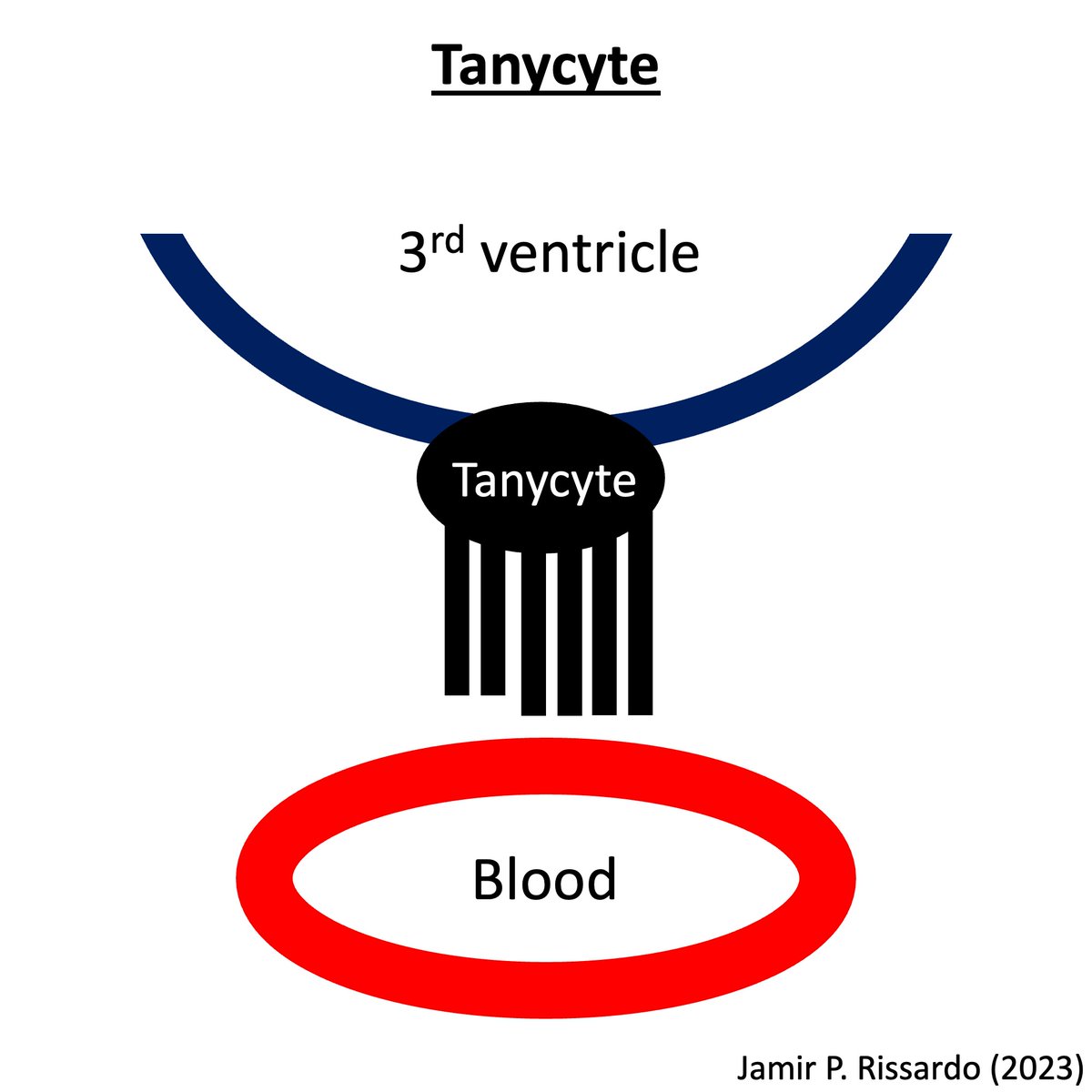
Tanycyte
- line the floor of the 3rd ventricle
- conduit between CSF and blood
13/
- line the floor of the 3rd ventricle
- conduit between CSF and blood
13/
Function of circumventricular organs
- chemosensitive organs
- allow “sampling” of blood
- endocrine feedback and regulation
- homeostasis
- metabolic regulation
- fluid electrolyte balance
- detect toxins in blood
- CSF circulation
14/
- chemosensitive organs
- allow “sampling” of blood
- endocrine feedback and regulation
- homeostasis
- metabolic regulation
- fluid electrolyte balance
- detect toxins in blood
- CSF circulation
14/
“POSSMAN”
15/
15/
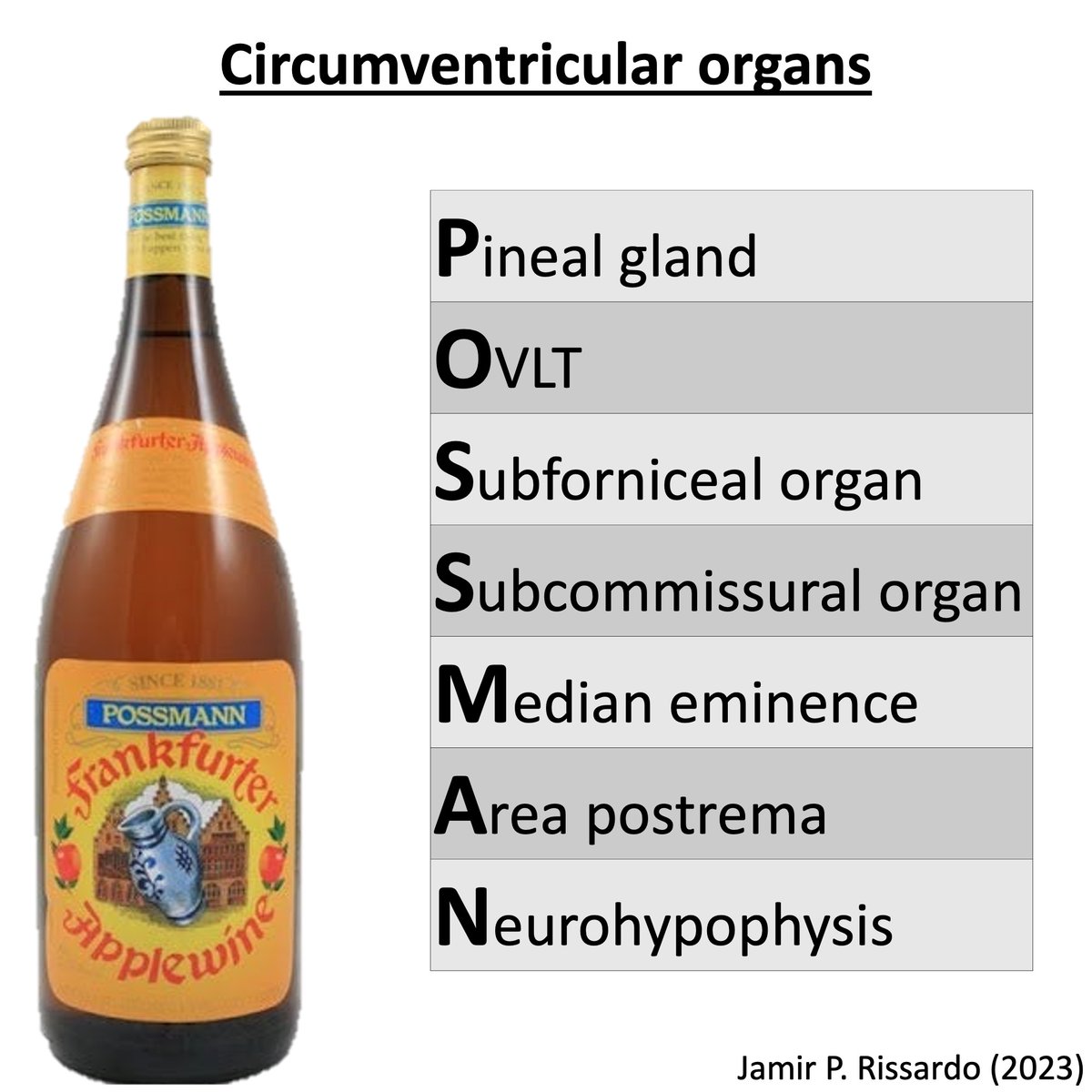
OVLT (organ vasculosum of lamina terminalis)
Receptors: ATII; IL-1; osmoreceptors
It is where the location of the anterior neuropore. If not closes, you will have anencephaly.
17/
Receptors: ATII; IL-1; osmoreceptors
It is where the location of the anterior neuropore. If not closes, you will have anencephaly.
17/

Subforniceal organ
Receptors: ATII
Thirsty & fluid balance
18/
Receptors: ATII
Thirsty & fluid balance
18/

Subcommissural organ
Reissner’s fibers
- glycoproteins that keep ventricular system patent
- deficiency causes stenosis of spinal canal
19/
Reissner’s fibers
- glycoproteins that keep ventricular system patent
- deficiency causes stenosis of spinal canal
19/

Median eminence of hypothalamus
Control anterior hypophysis
20/
Control anterior hypophysis
20/

Area postrema
CTZ
Dorsal vagal triangle
21/
CTZ
Dorsal vagal triangle
21/

Neurohypophysis
Secrete hormones
22/
Secrete hormones
22/

NeuroTeach - Content
The blog contains all the threads and videos.
neuronland.blogspot.com
Have a great day!
The blog contains all the threads and videos.
neuronland.blogspot.com
Have a great day!
Loading suggestions...