

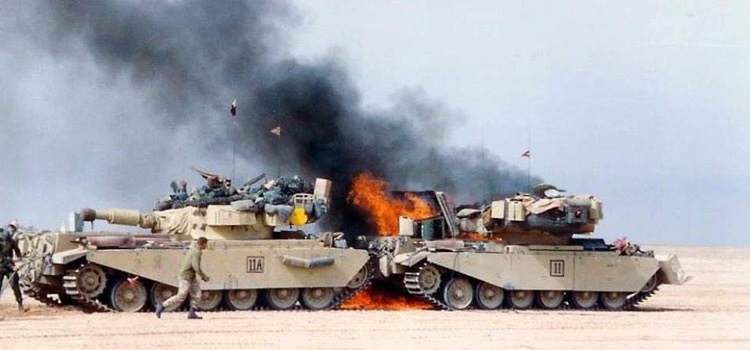
1) On this day 6 February 1991 there was an incident during Op GRANBY resulting in the loss of two Centurion 165 AVREs from 32 Engineer Regiment.
Below is a first-hand account of what happened. Names have been withheld intentionally.
Below is a first-hand account of what happened. Names have been withheld intentionally.
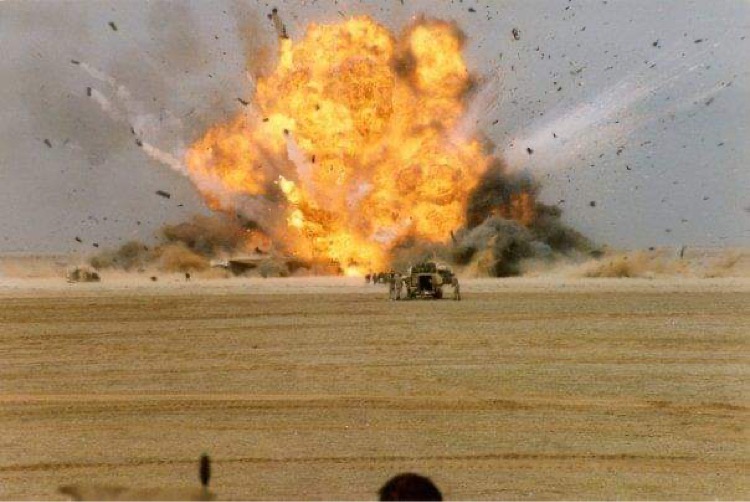
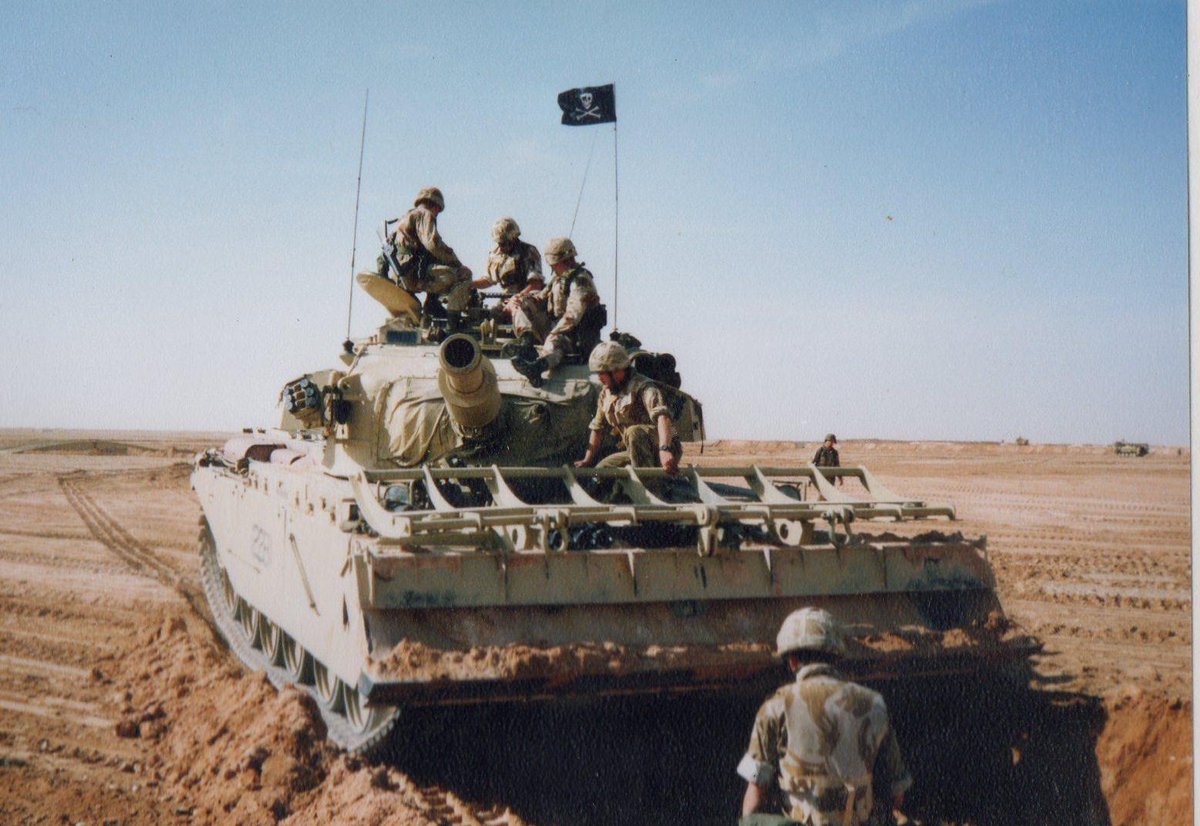
2) The Centurion 165 AVREs were employed as close support engineering vehicles and were tasked with a number of critical Sapper tasks. These included route clearance, digging defensive positions, and using the massive 165mm gun to defeat enemy obstacles including bund busting.
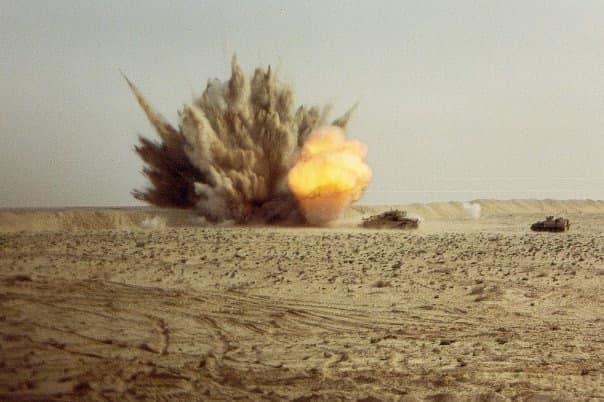
3) Myths. There was a legend going around that has it that someone was cooking sausages on the gas burner while we were refuelling. This is simply not true and there were multiple factors that led to the incident.
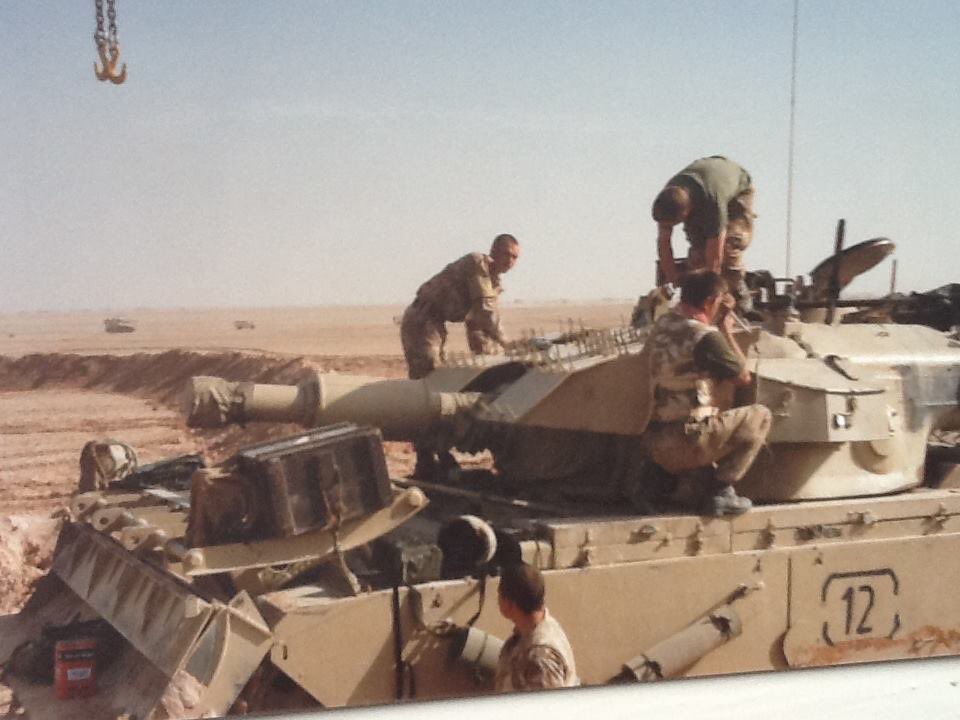
4) I was standing on the back decks talking to said individual (in the turret) while he cooked sausages in the AVRE’s BV which was a small round electric pot with a removable element. Nothing like the modern BV but no naked flames either way.
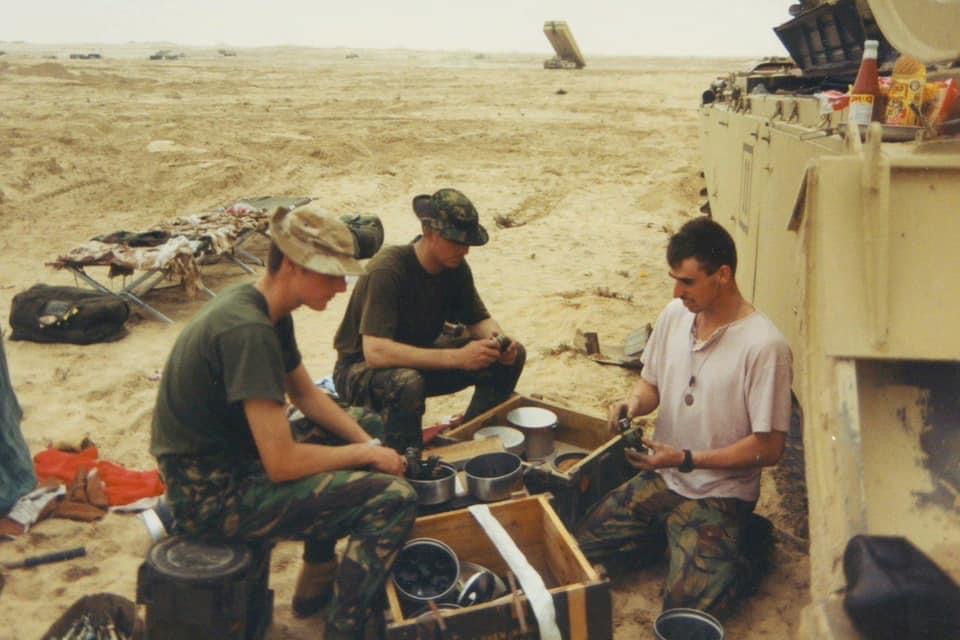
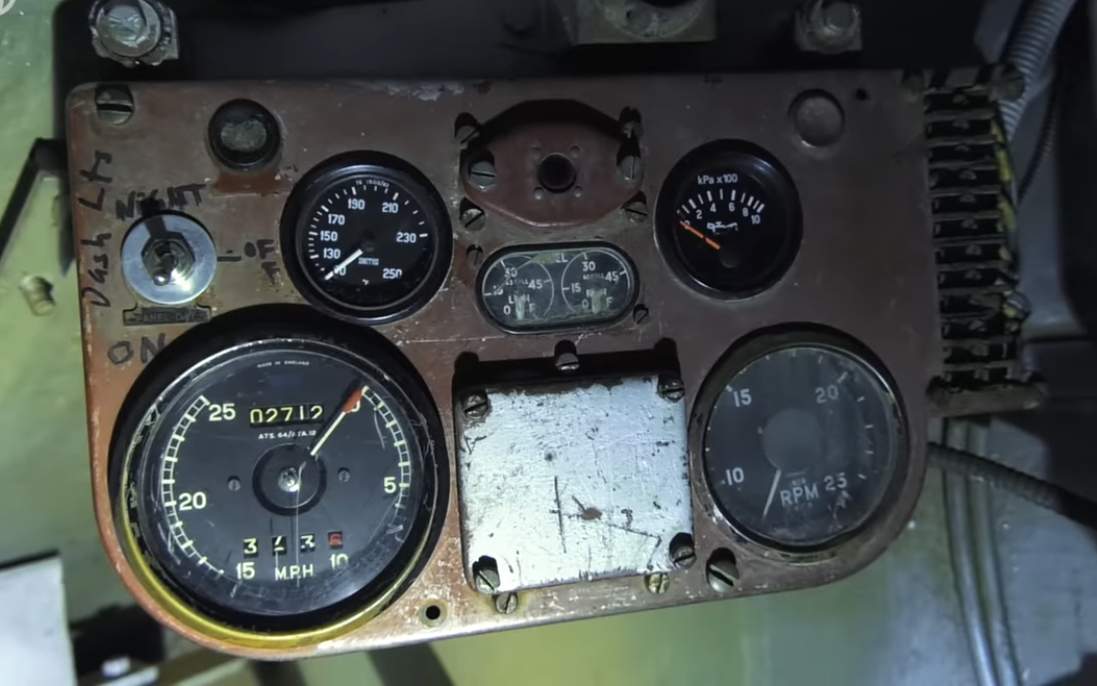
5) Our vehicle (I was the driver) was overheating for several days. We did the big left hook move as a Div through the desert which meant 3 days solid driving inc night drives. My engine temperature gauge went round fully and then the needle broke the little stopper post.
6) Contributing Factor. The radiators were clogged with sand which was soaked with oil. The solution, which we were ordered to do by the TQMS was to splash petrol on the radiators with them raised, after removing the belly plates and opening on a slope to drain the gungy sludge.
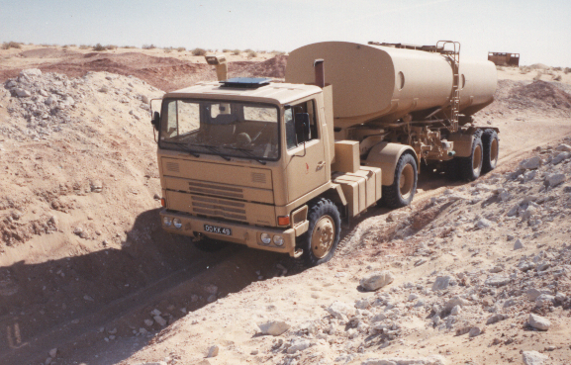
7) Time of Incident. When it happened again we stopped at a Div leaguer all lined up and there was no time for digging a scrape or removing belly plates. So we just lifted the gearbox decks, folded back the radiators and tried brushing the sand out of the grills.
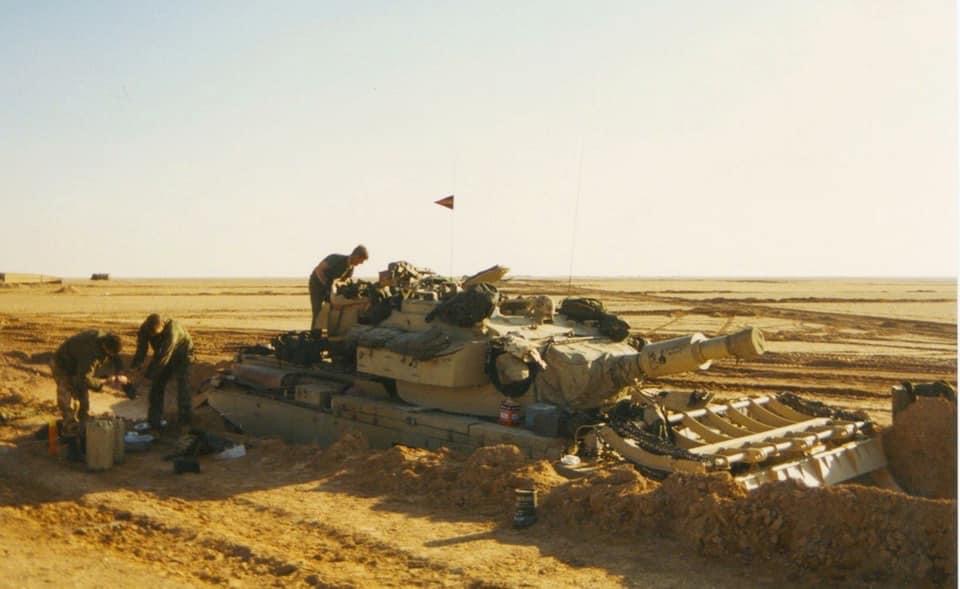
8) This was not working. So when the POD turned up someone said to use the fuel filler hose to just splash petrol through the rads. It worked. But petrol then poured in the gearbox compartment and vapours were everywhere. You could see a shimmering mirage all around the tank.
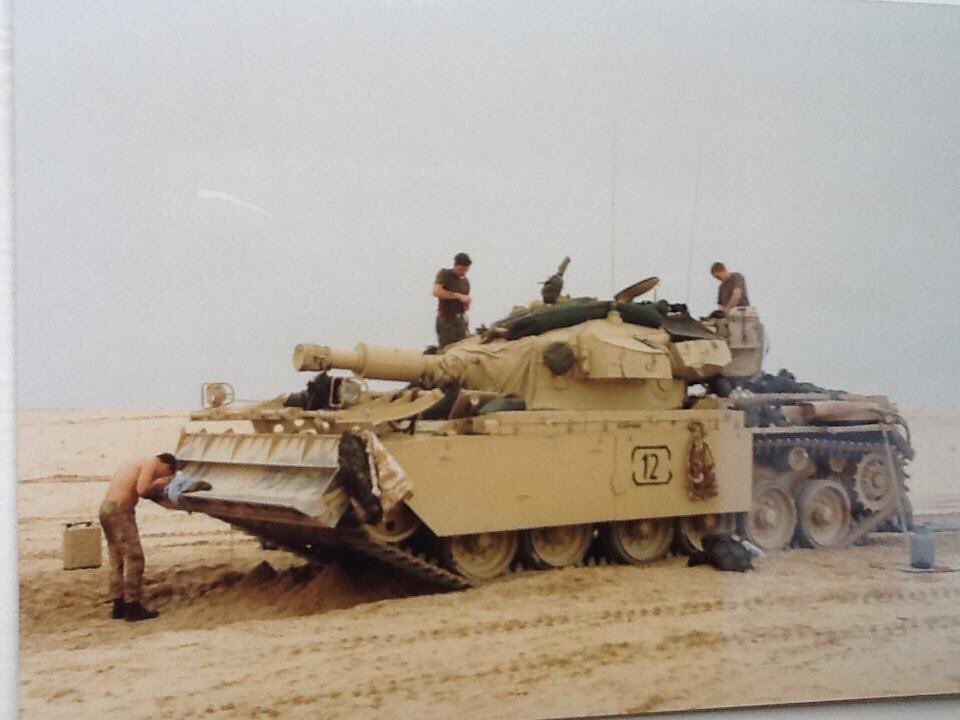
9) In those days we used to park nose to tail (hot decking) so close that you could walk from the troop SSgt's CVRT at the front all the way to the final vehicle without touching the floor. This photo shows that.
10) The generator on a Cent was a Morris engine with a very short exhaust tube (3 inches approx) that poked out the left of the vehicle hull level with the top of the engine compartment about half way along the hull. We had that engine running to power the turret while we waited.
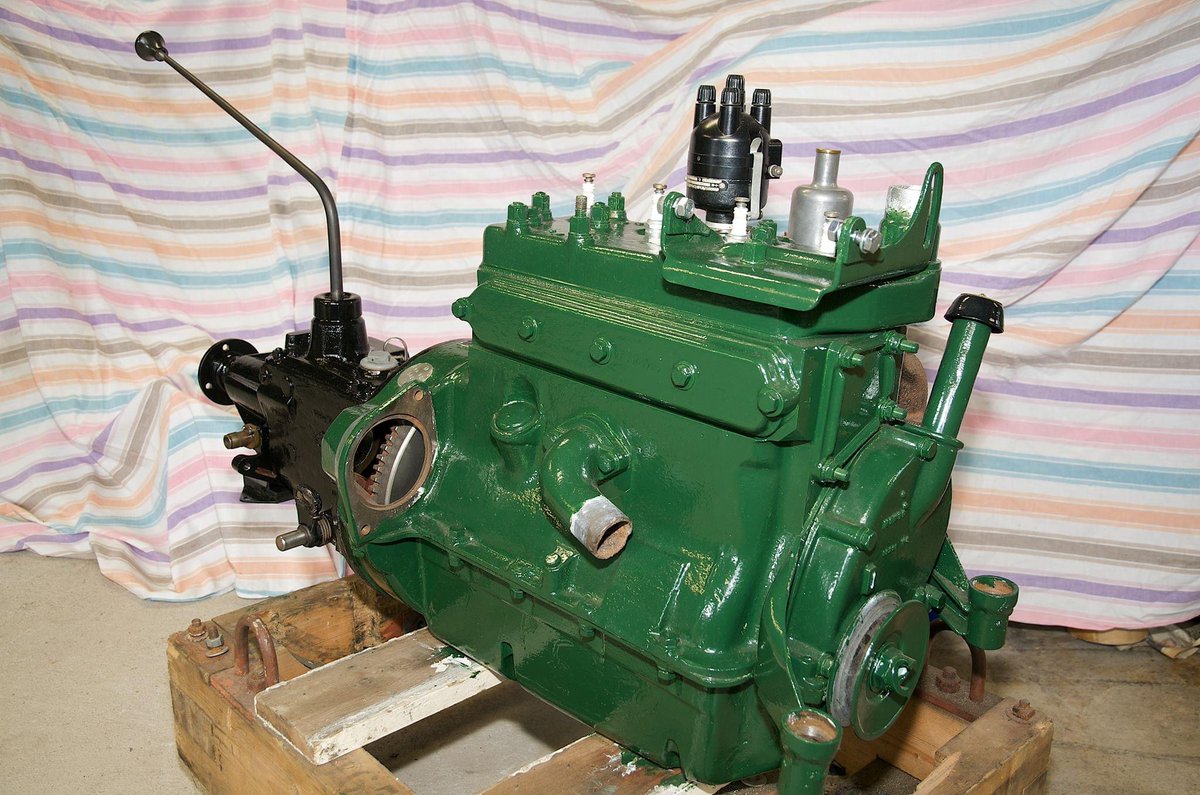
11) Contributing Factor. I always noticed, even before the incident, that sparks and lumps of glowing soot would constantly splutter and pop out of that exhaust. My opinion is that those sparks ignited the huge cloud of vapour around the tank.
12) The vapour cloud, heavier than air, could be seen drifting along the floor under the other AVRE behind us.
13) The fumes ignited while the petrol hose was still being used to flush the rads. The initial blast threw several of us off the tank and caused whoever to drop the fuel hose (the little latch was engaged to hold the nozzle open so fuel was still gushing out.
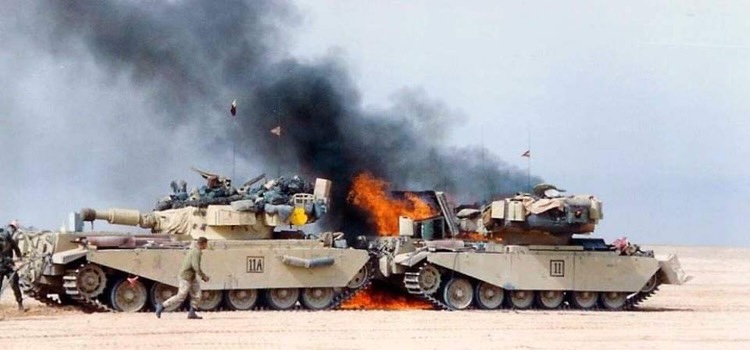
14) The POD driver drove away as fast as he could. Trailing a hose with burning petrol jetting out. He did stop at a distance and I think some sand was thrown on the hose to smother the flames.
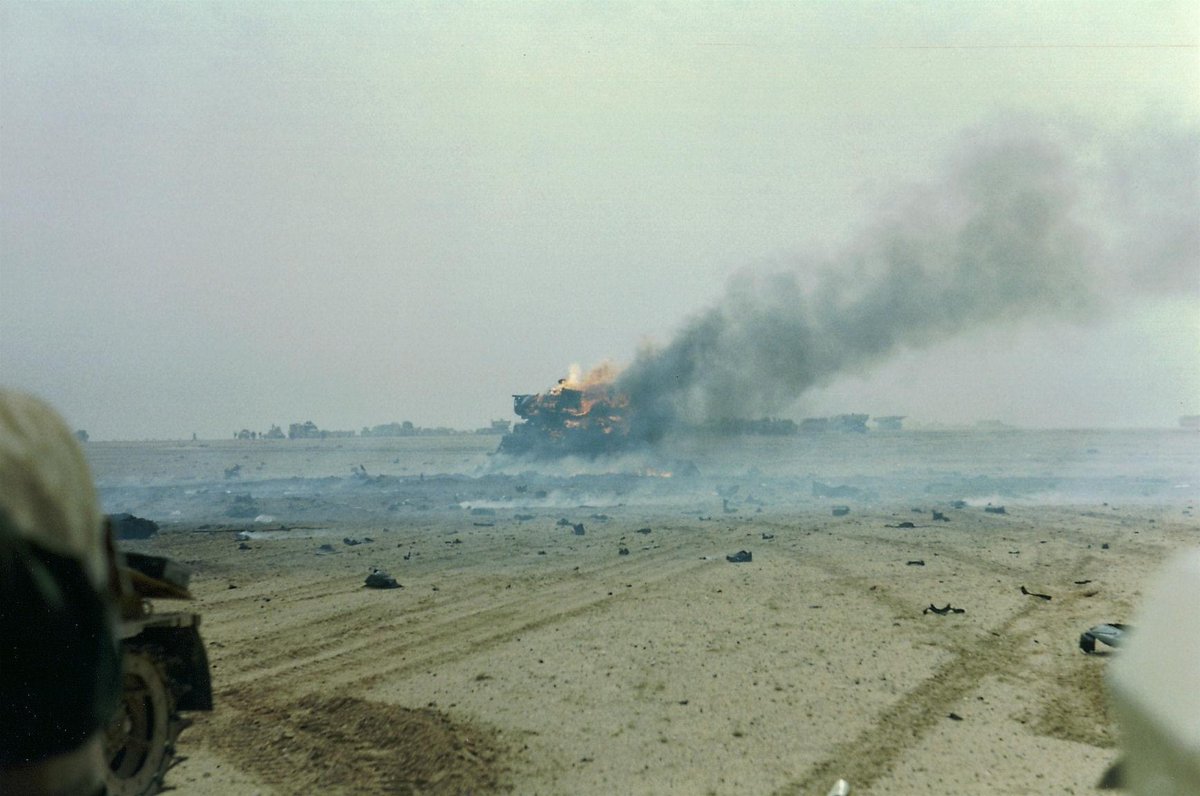
15) Meanwhile one of the crew emerged from the turret with his hands burned to ribbons and some burns to his face. I grabbed him and held his hands in a bowl of water when we got him down.
I had stayed on the tank during most of this but had to jump down because of the flames.
I had stayed on the tank during most of this but had to jump down because of the flames.
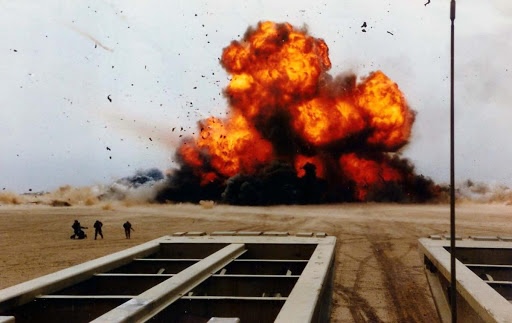
16) What was onboard? Onboard we had 50 L1 grenades, 65 rounds of 165mm HESH, 40,000 rds of .30 cal coax ammo, 4 boxes of PE4, three LAW90s and of course 800 litres of petrol.
The HESH rounds alone added up to 1 tonne of RDX TNT.
The HESH rounds alone added up to 1 tonne of RDX TNT.
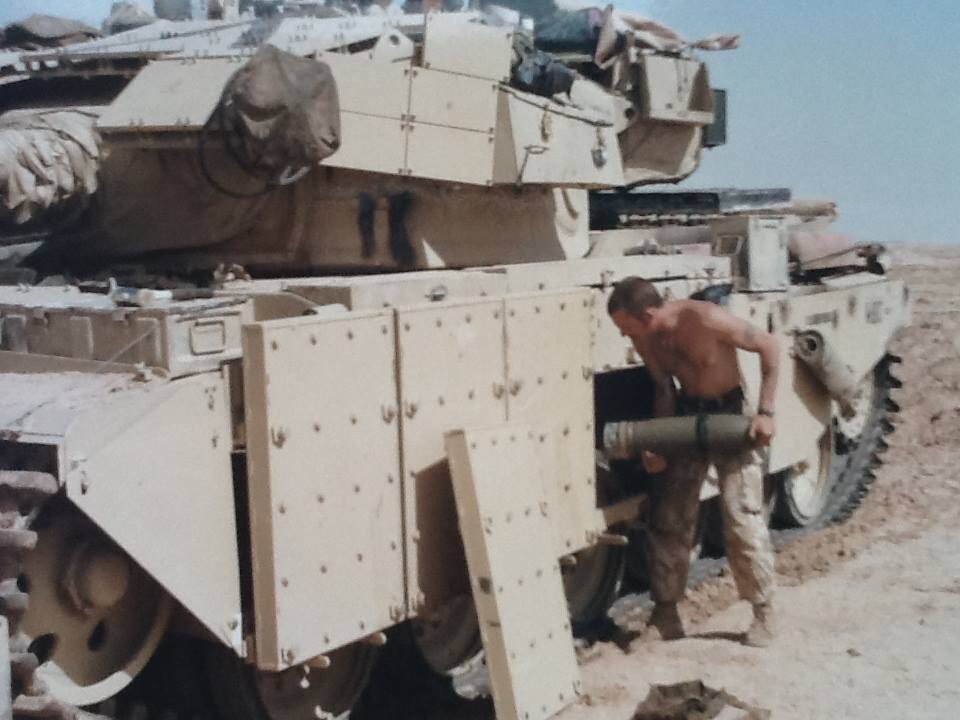
17) Fire Fighting. I tried to reach the internal fire extinguisher toggles that are just inside the drivers hatch but .30 cal rds were cooking off and pinging past my ears so I abandoned that idea. I couldn’t even get close enough to grab the external extinguisher handles.
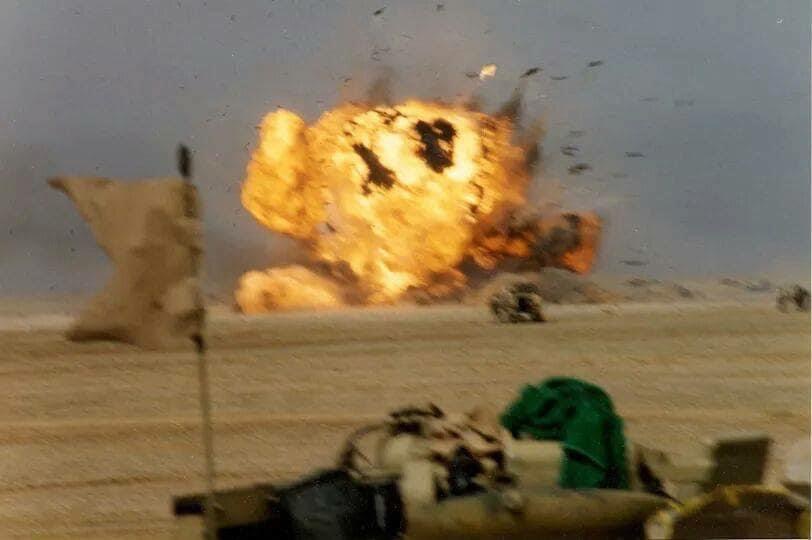
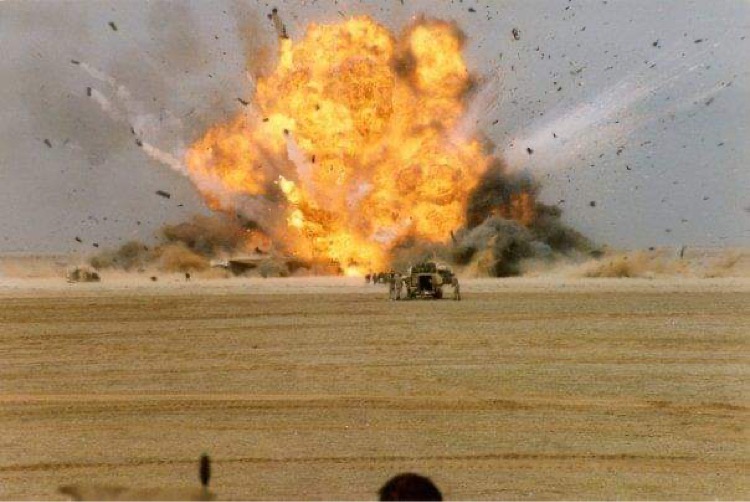
18) So, lots of heat, flames and all in a confined space. The rest is history. The OC said the tank stretched into a big blob like someone blowing up a paper bag just before it exploded.
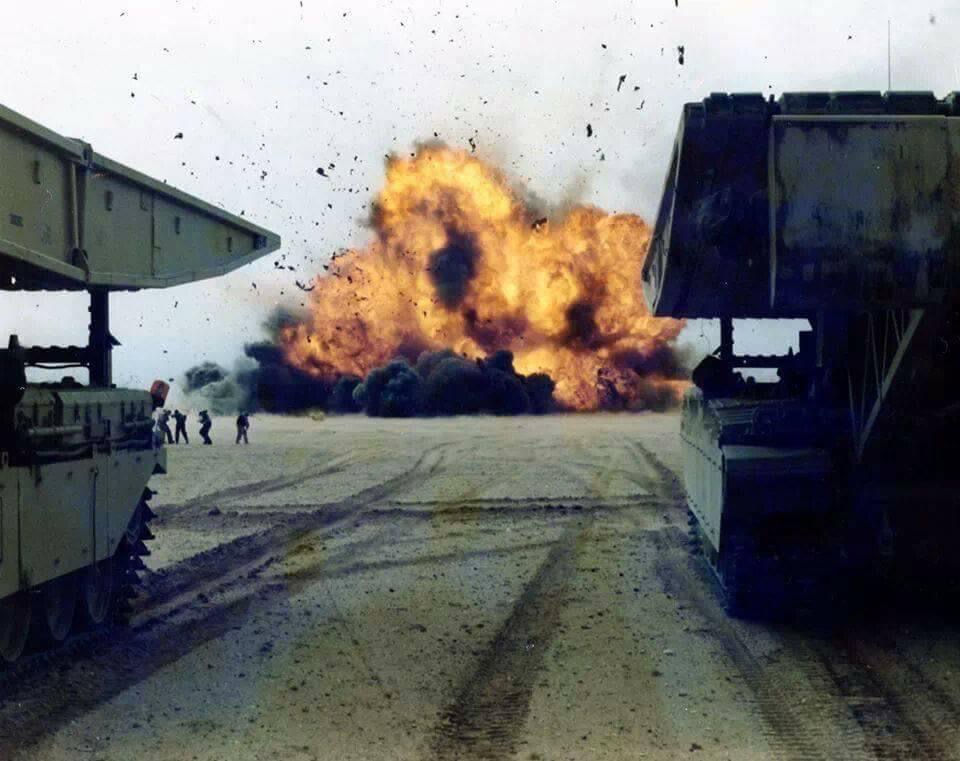
19) Wheel stations flew more than 1km, lengths of track were landing in Divisional HQ areas and an infantry Sergeant Major was hurt by a big metal lump landing on him 800m away. I met someone from his company a year or so ago who told me.
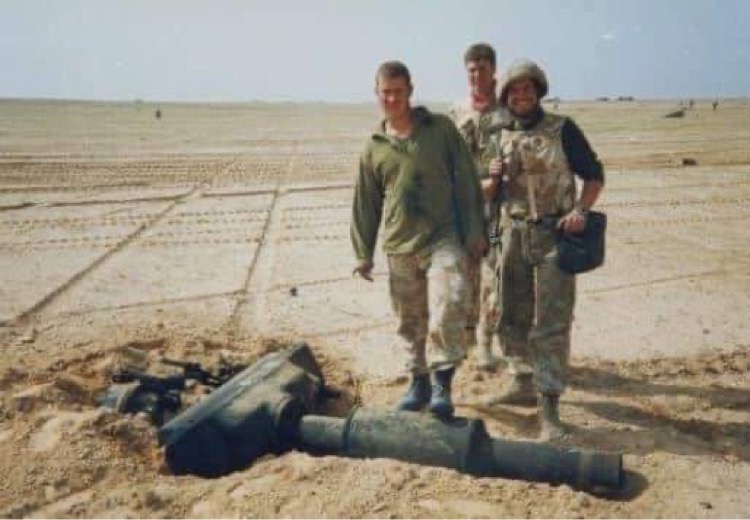
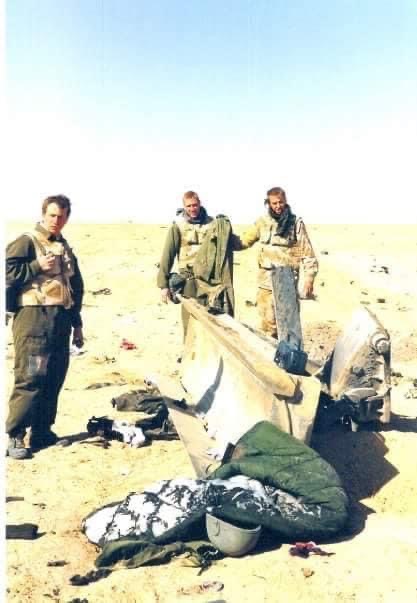
20) The detonation naturally set the AVRE behind on fire and was not strictly a sympathetic detonation because it blew up about 30 seconds after the first.
The AVLB was being used to try and tow the second AVRE away but that was abandoned when we realised it was too late.
The AVLB was being used to try and tow the second AVRE away but that was abandoned when we realised it was too late.
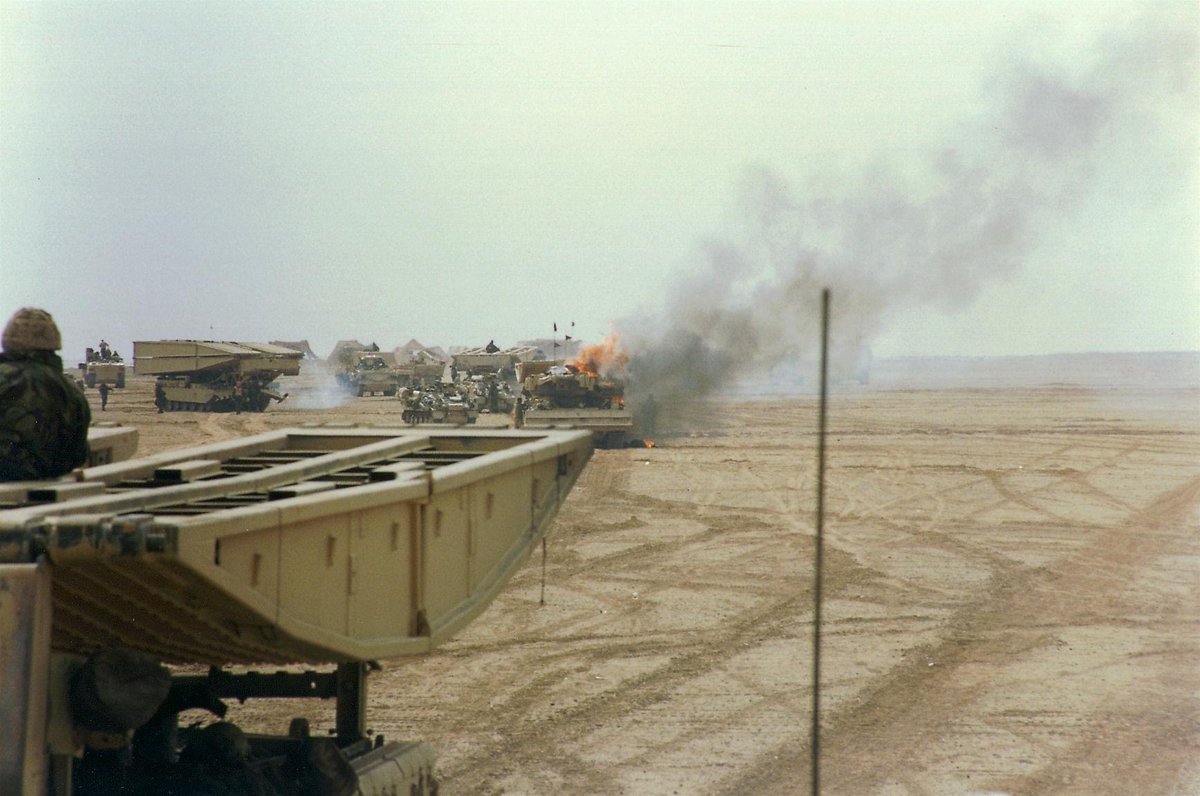
21) As we were legging it away we had to herd people including medics away who were convinced that there must be serious casualties. There weren’t apart from the crew member who burnt his hands and the Troop SSgt.
22) Once the heat increased the electrics inside all fused and the turret started rotating all in its own. We did comment that it was lucky the coax .30 cal didn’t start firing while it was rotating!
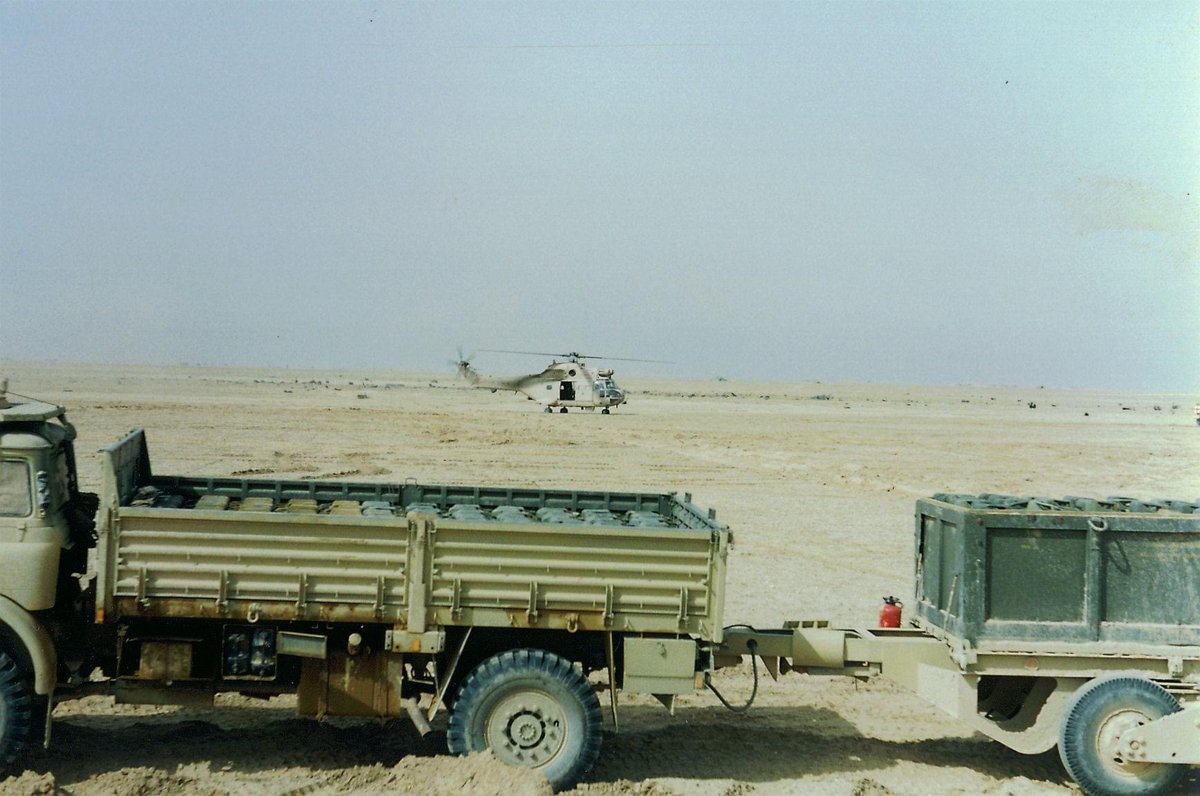
23) Amazingly nobody else was hurt. It was like a movie, the blast threw loads of us up and away from the tank but no traumatic injuries. A heli casevac came and took the casualties away which mistakenly assumed he had been killed as we put a blanket on him to protect his burns.
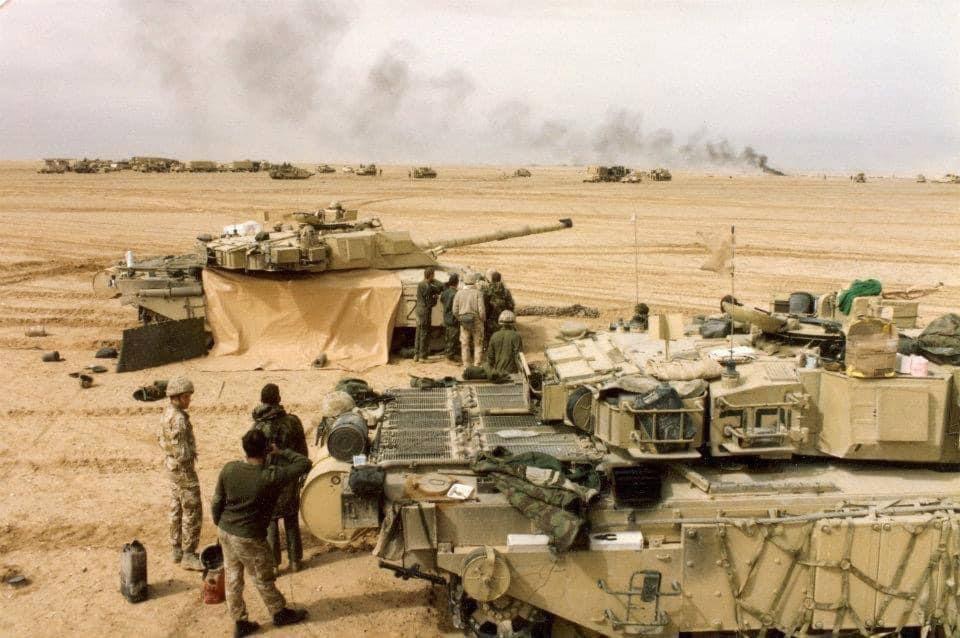
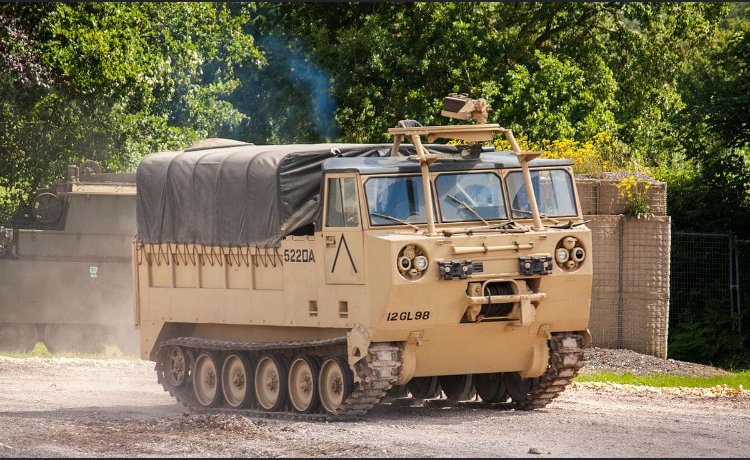
24) Post Incident. There was an inquiry a week after which came to no defined conclusion. The crews were given M548 Ammo Carriers to drive around in until they could get replacement Centurion AVREs.
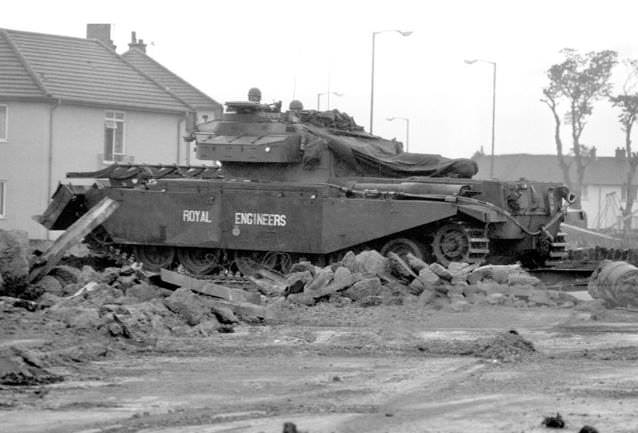
25) Eventually the crews were given two replacement Centurion 165 AVREs that were used on Op MOTORMAN in Northern Ireland.
One only had 36 miles on the odometer and drove like a dream for the remainder of the operation.
Thanks to all who contributed.
One only had 36 miles on the odometer and drove like a dream for the remainder of the operation.
Thanks to all who contributed.
Loading suggestions...