
Why Sikkim is Boiling ? (Explained)
From last 20 days, Sikkim is facing huge protest. People r on streets, Health minister have resigned but media is busy in Hindenburg n BBC so most of people r not aware abt it
In this thread u will know how one comment of Supreme Court
1/13
From last 20 days, Sikkim is facing huge protest. People r on streets, Health minister have resigned but media is busy in Hindenburg n BBC so most of people r not aware abt it
In this thread u will know how one comment of Supreme Court
1/13
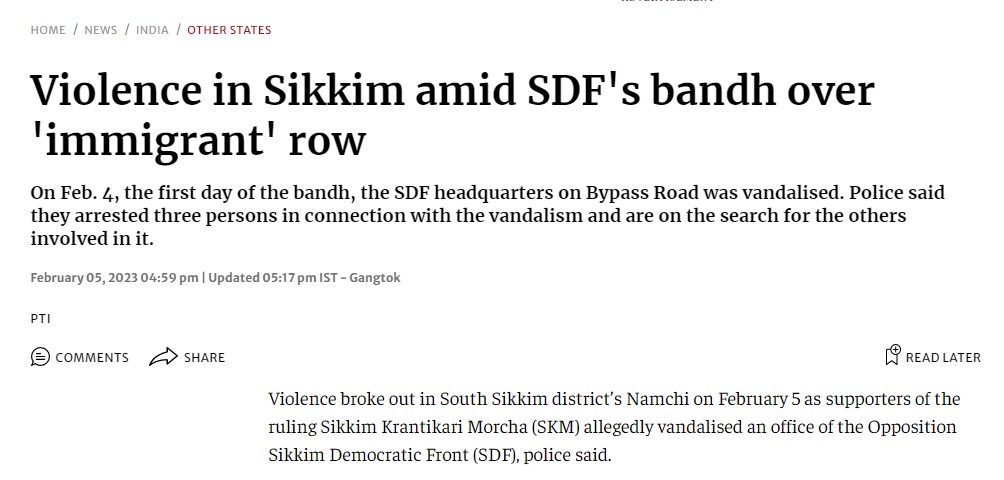
started agitation in entire Sikkim.
This agitation started after a Supreme Court judgement of 13th Jan 2023 in Association of Old Settlers of Sikkim vs Union of India case where pronouncing judgement supreme court made one such observation that caused protest in Sikkim.
This agitation started after a Supreme Court judgement of 13th Jan 2023 in Association of Old Settlers of Sikkim vs Union of India case where pronouncing judgement supreme court made one such observation that caused protest in Sikkim.
What was that Supreme Court observation ?
and it was so sensitive ?
To know the answer of this question we have to go to 1975
Sikkim was a independent Kingdom ruled by Buddhist King.
In 1890, Sikkim came under British protectorate.
and it was so sensitive ?
To know the answer of this question we have to go to 1975
Sikkim was a independent Kingdom ruled by Buddhist King.
In 1890, Sikkim came under British protectorate.
British left in 1947 n after that Sikkim came under Indian protectorate.
In 1975, Sikkim decided to merge into India and on 16 May 1975, Sikkim became 22nd state of the India
When Sikkim merged with India there were ;
1. Buddhist Bhutia-Lepchas, Sherpas
2. Nepalis Hindus
In 1975, Sikkim decided to merge into India and on 16 May 1975, Sikkim became 22nd state of the India
When Sikkim merged with India there were ;
1. Buddhist Bhutia-Lepchas, Sherpas
2. Nepalis Hindus
together they constituted 95% population of Sikkim n there were some 500 families of Indians who settled their for business but they didn't leave Indian citizenship.
Call them "Old settlers"
When Sikkim merged into India they put one condition that they will not pay Income tax
Call them "Old settlers"
When Sikkim merged into India they put one condition that they will not pay Income tax
That was accepted by Indian govt.
For that a register was maintained and entry in the register was restricted to Sikkimese who had settled in Sikkim prior to the merger of Sikkim with India on 26.04.1975
Now straight go to 2008.
For that a register was maintained and entry in the register was restricted to Sikkimese who had settled in Sikkim prior to the merger of Sikkim with India on 26.04.1975
Now straight go to 2008.
In 2008, Govt Section 10(26AAA) of the Income Tax Act, 1961 n granted exemption in Income tax to all Indian citizens
whose names were present in the register of “Sikkim subjects maintained under the Sikkim Subject Rules, 1961 immediately before the day of 26th April, 1975
whose names were present in the register of “Sikkim subjects maintained under the Sikkim Subject Rules, 1961 immediately before the day of 26th April, 1975
But Govt excluded two categories from this Income tax exemption-
1.Sikkimese women who married non Sikkimese men
2.Old settlers of Indian origin who settled prior to merger but didn’t give up their Indian citizenship
Now these old settlers went to Supreme court for Income tax
1.Sikkimese women who married non Sikkimese men
2.Old settlers of Indian origin who settled prior to merger but didn’t give up their Indian citizenship
Now these old settlers went to Supreme court for Income tax
exemption.
On 13th Jan 2023, Supreme court pronounced their judgement n gave income tax exemption right to these old settlers also and Sikkimese women also who married to non Sikkimese
but
While pronuncing Judgement, Judge made one observation n that was
On 13th Jan 2023, Supreme court pronounced their judgement n gave income tax exemption right to these old settlers also and Sikkimese women also who married to non Sikkimese
but
While pronuncing Judgement, Judge made one observation n that was
"Therefore, there was no difference made out between the original inhabitants of Sikkim, namely the Bhutia-Lepchas and the persons of foreign origin settled in Sikkim like the Nepalis or persons of Indian origin who had settled down in Sikkim generations back"
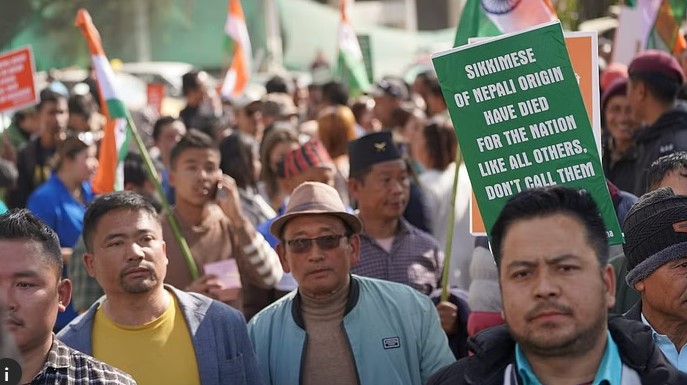
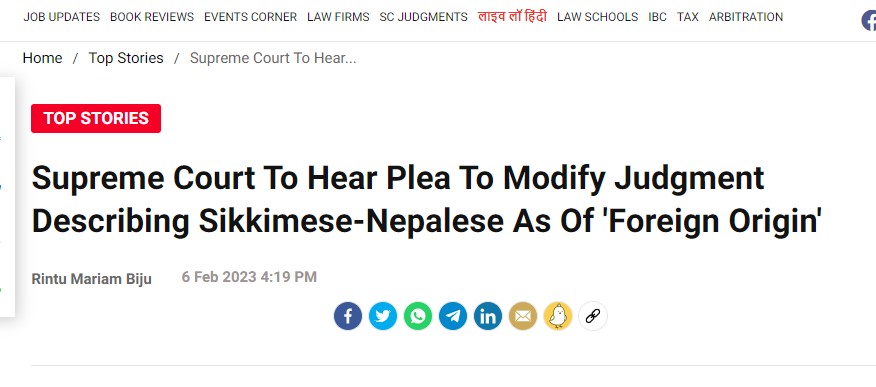
So Supreme court called "foreigners" to Nepali of Sikkim who is 58% of population n have been living there hundreds of years.
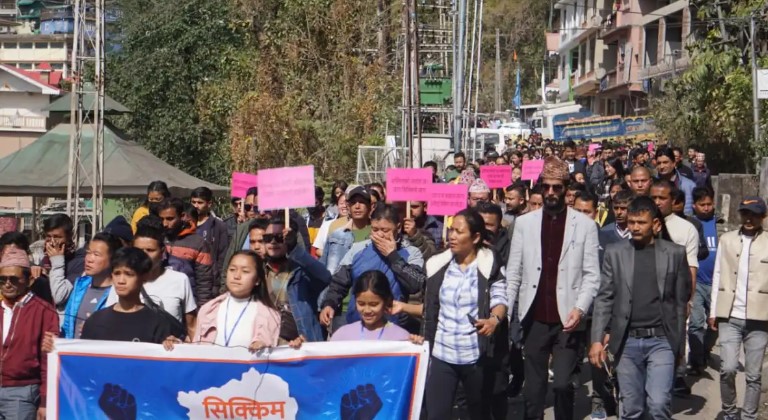
This one comment from Supreme court stirred entire Sikkamies Nepali community on stir n they r on streets n protesting against SC observation.
This one comment from Supreme court stirred entire Sikkamies Nepali community on stir n they r on streets n protesting against SC observation.
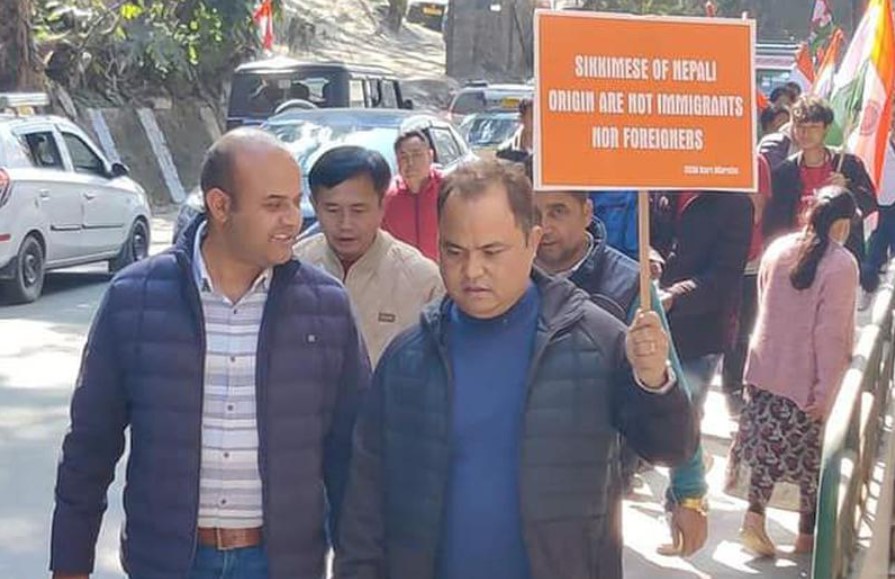
Central govt pleaded in Supreme court to not interfere in this matter but Supreme court didn't listen to Govt n now it has becomes a big emotional issue in our border state.
Central govt has filed review petition in Supreme court that has been accepted by SC
Central govt has filed review petition in Supreme court that has been accepted by SC
Sikkim is one of most peaceful state of India that shares boarder with China. Sikkim is largest cardamom producer India, Sikkim is fully organic farming n environmentally conscious state
A fair judgment of Supreme court was completely overshadowed by a non needed comment
13/13
A fair judgment of Supreme court was completely overshadowed by a non needed comment
13/13
Loading suggestions...