

One of the biggest misunderstandings between Christians and Muslims relates to their respective views of the Prophet Muhammad and his character.

Christians envision Muhammad as a violent, lustful, power-hungry figure who was, at best, duped into spreading false knowledge of God, or, at worst, intentionally drawing people to the devil.
Christians are aware that Muslims highly admire and love Muhammad, and so they assume that Muslims see little to no problem with the above qualities and even seek to embody them in their lives.
This negative image of Muhammad (and of Muslims)—which is particularly held by Christians in the West who have had less exposure to Islam than Eastern Christians—has been passed down to us from centuries-old Christian polemical writings against Islam.
But this negative picture of the Prophet could not be more different from the image of him that emerges from the many centuries of Islamic tradition and is held by the vast majority of the world’s Muslims.
For Muslims, Muhammad is the paragon of good character and he possesses many if not all of the virtues that Christians would also praise: generosity, humility, mercy, affection, forbearance, endurance amid hardship, courage, and frugality.
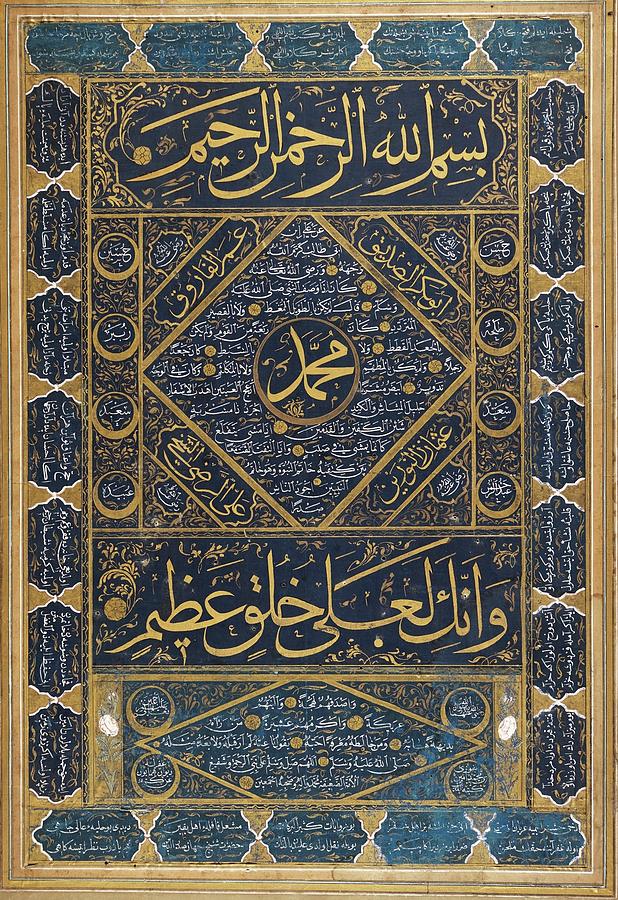
Since the earliest days of Islam, stories that exemplify Muhammad’s beautiful attributes (shama’il) and good character have been passed down through the generations.
The Islamic tradition is replete with beautiful accounts of Muhammad playing with children, doing chores around the house, laughing with his companions, and caring for others, even when they didn’t deserve it.
Muslims the world over encounter these stories often in sermons, books, and tales passed on from elders. As a student/scholar of Islam I’ve been struck by the way this portrait of the Prophet’s virtues is shared by so many Muslims and has endured across time and space.
As a Catholic Christian, I find this Muhammad—who looks so different from the stereotypical one that many Christians know—very inspiring, and the stories about him edifying. His radiant personality shines through in so many of the Muslims I have had the privilege to know.
This is not to say that there aren’t episodes in texts about the Prophet that, at least at face value, I and other Christians (and Muslims, too) might find hard to swallow or unacceptable.
It is eminently important for Christians understand that Muslims interpret these potentially problematic episodes in light of their pre-existing understanding of the Prophet as an eminently kind and just figure.
Or Muslims might not be familiar with these accounts, or reject them as false. It’s also important to know that the qualms Christians have had about elements of the Prophet’s biography have changed over time...
For example, as Kecia Ali has pointed out, a couple centuries back no Christian writer took issue with Muhammad’s marriage to a young girl because this was a norm in European Christian contexts, too. amazon.com
In sum, I hope more Christians can be acquainted with the version of the Prophet—the compassionate, generous servant-leader—who means so much to Muslims everywhere.
Loading suggestions...