

Many places in Nairobi and wider Kenya derive their origins from Maasai words. But what do these names reveal about the history, geography and history of Kenya?
What do they teach us about the importance of language for historical preservation? Let’s dive in.
THREAD
What do they teach us about the importance of language for historical preservation? Let’s dive in.
THREAD
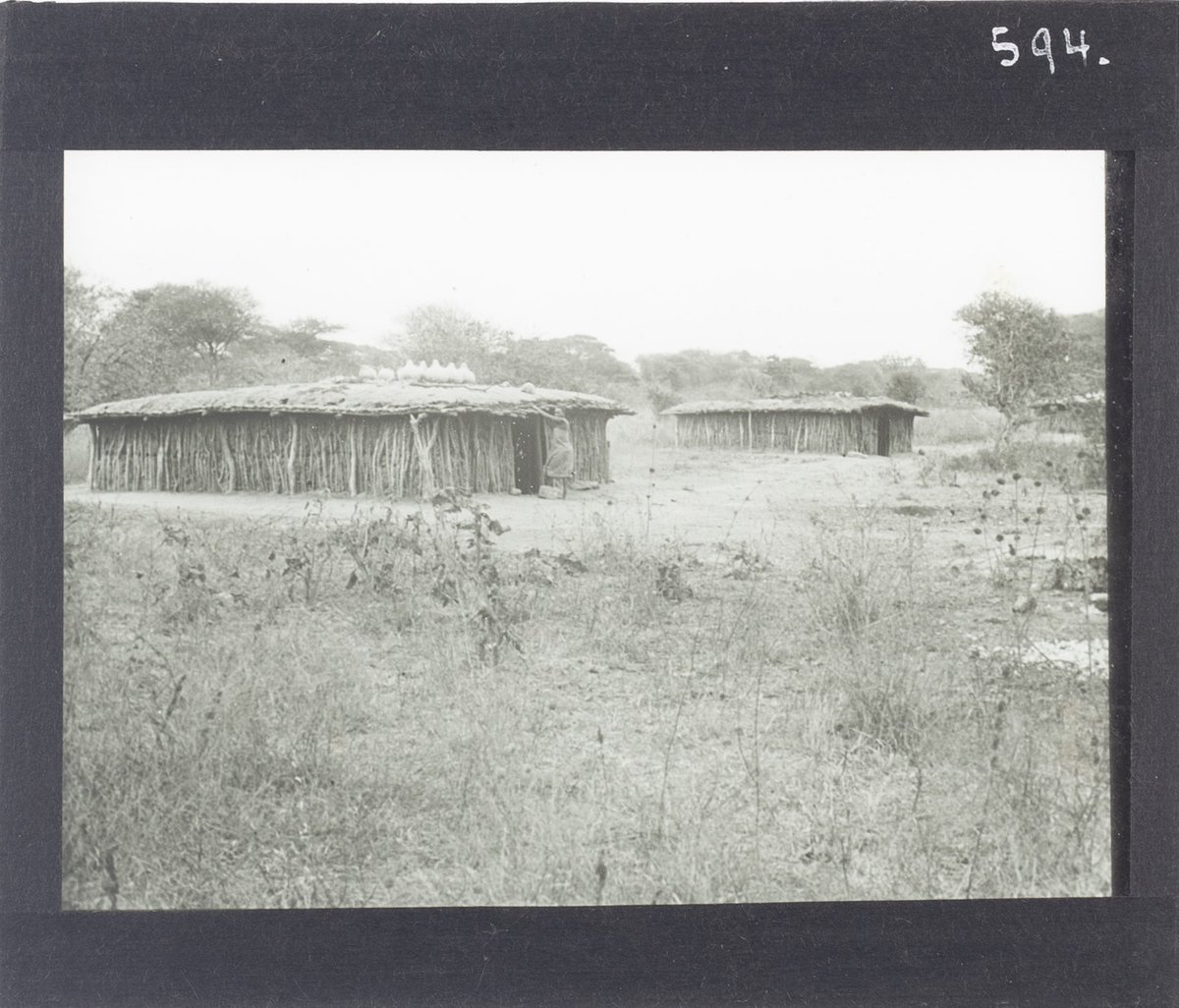
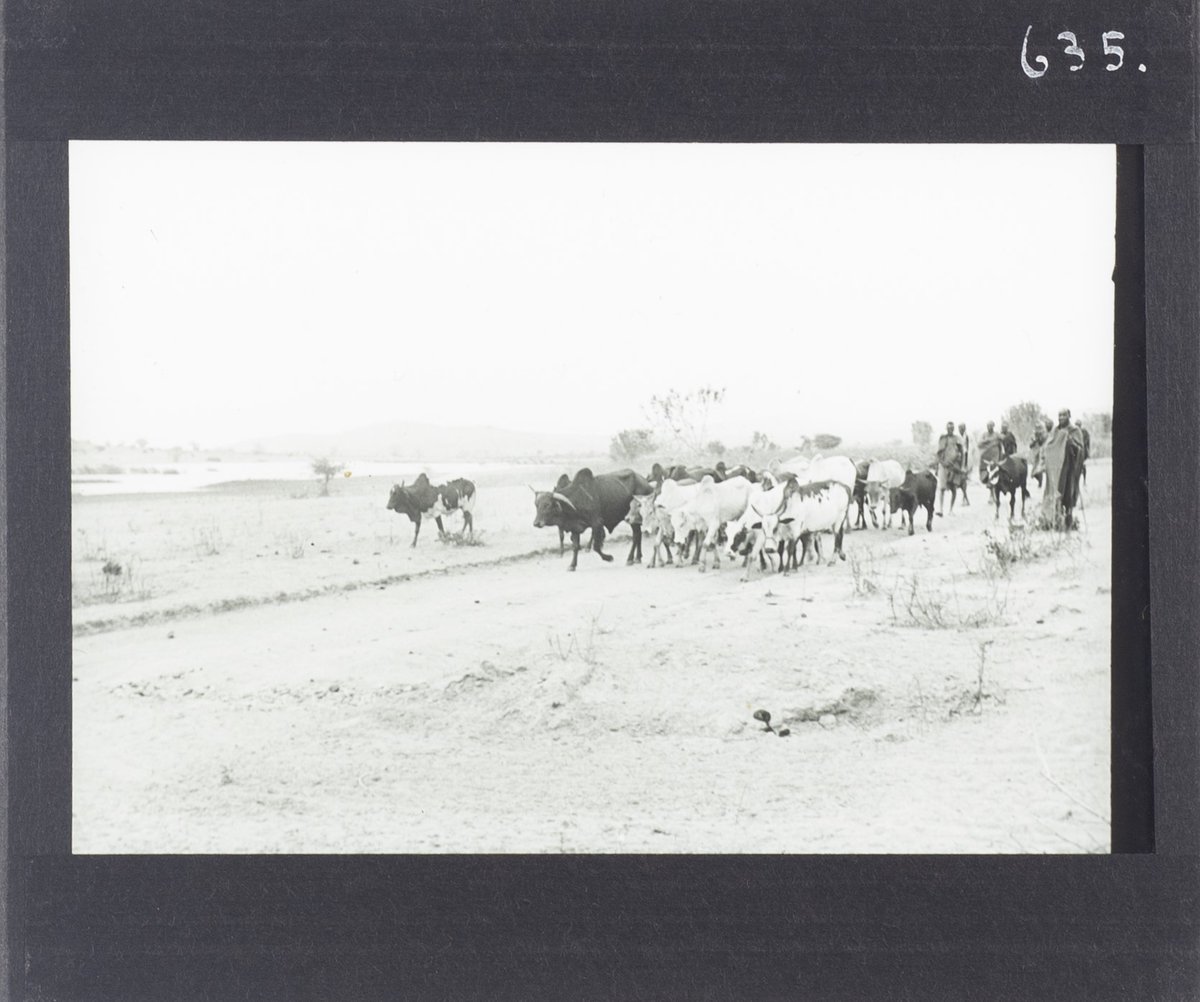
As a primarily pastoralist community, Maasai people have for centuries had deep respect and care for their natural environment.
The relationship between the community and the environment is not one of resource extraction rather one of mutual respect, care and benefit.
The relationship between the community and the environment is not one of resource extraction rather one of mutual respect, care and benefit.
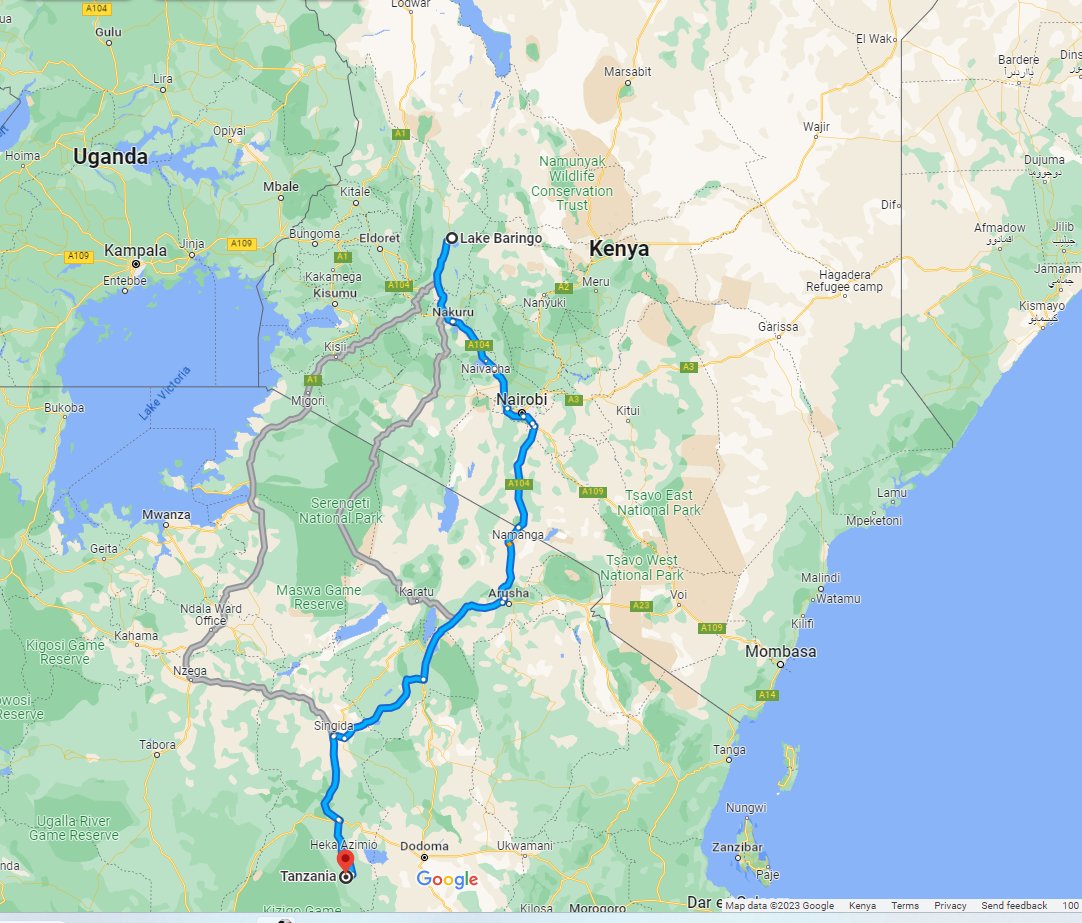
By the early 19th century, the community occupied both sides of the rift valley. A vast area stretching from as far north as Lake Baringo all the way to central Tanzania in the south, with some sections of occupation being 200km wide
Knowledge of the environment was crucial for survival and enabled the community to know which plants can be found where, where water sources are, where different animals are found, and how to anticipate weather conditions/seasonal changes.
One of the ways in which this geographical knowledge was transmitted was through language and place naming
As we begin, it is important to note many of these names have changed spelling and pronunciation based on interactions with other languages such as Kamba, Gikuyu, English..
As we begin, it is important to note many of these names have changed spelling and pronunciation based on interactions with other languages such as Kamba, Gikuyu, English..
Dr.Naomi Kipury whose work informs this research notes that we can categorize Maasai geographical names based on: plant life, natural features, colors and patterns, topography, animals, and legends.
We begin with places named according to the vegetation and plant life.
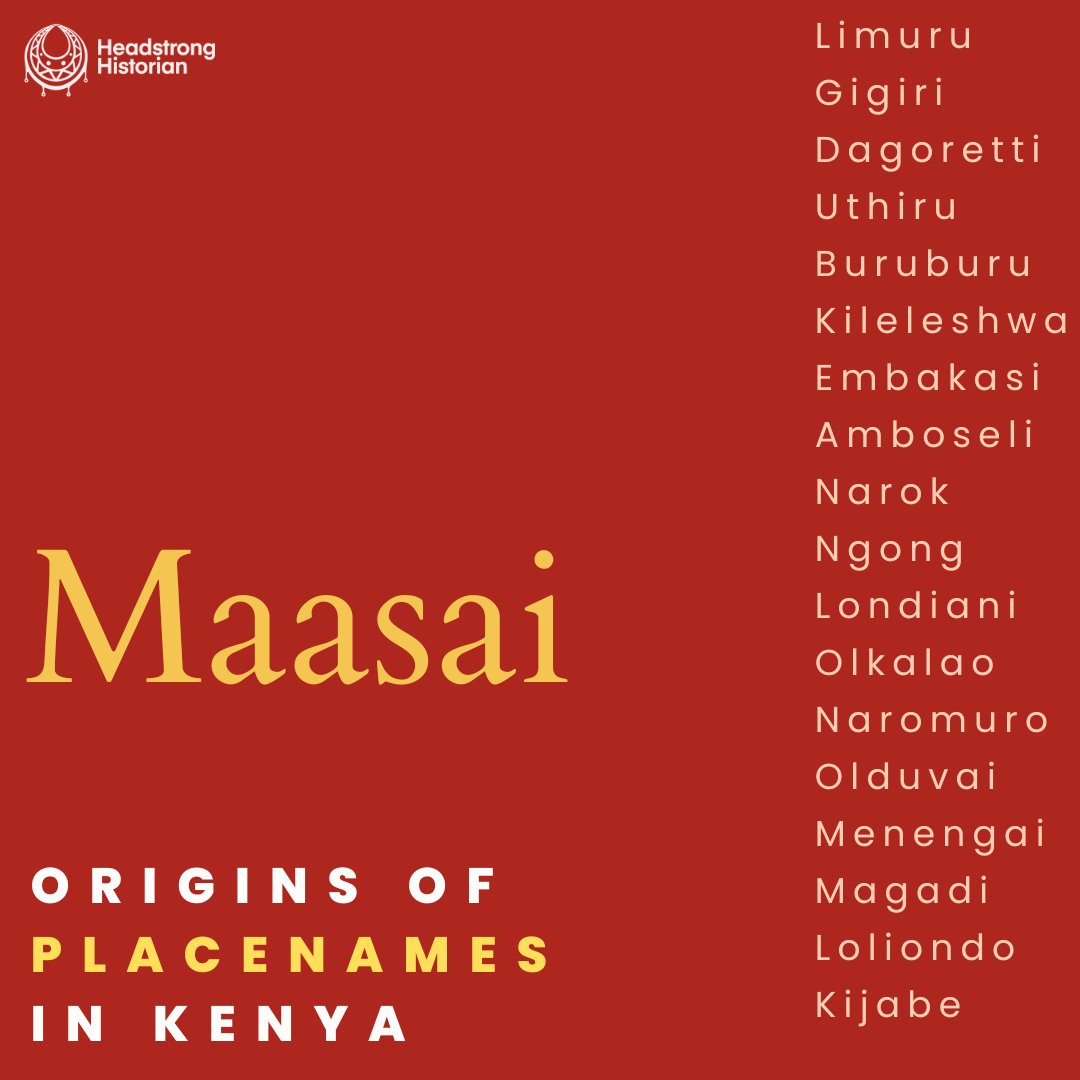
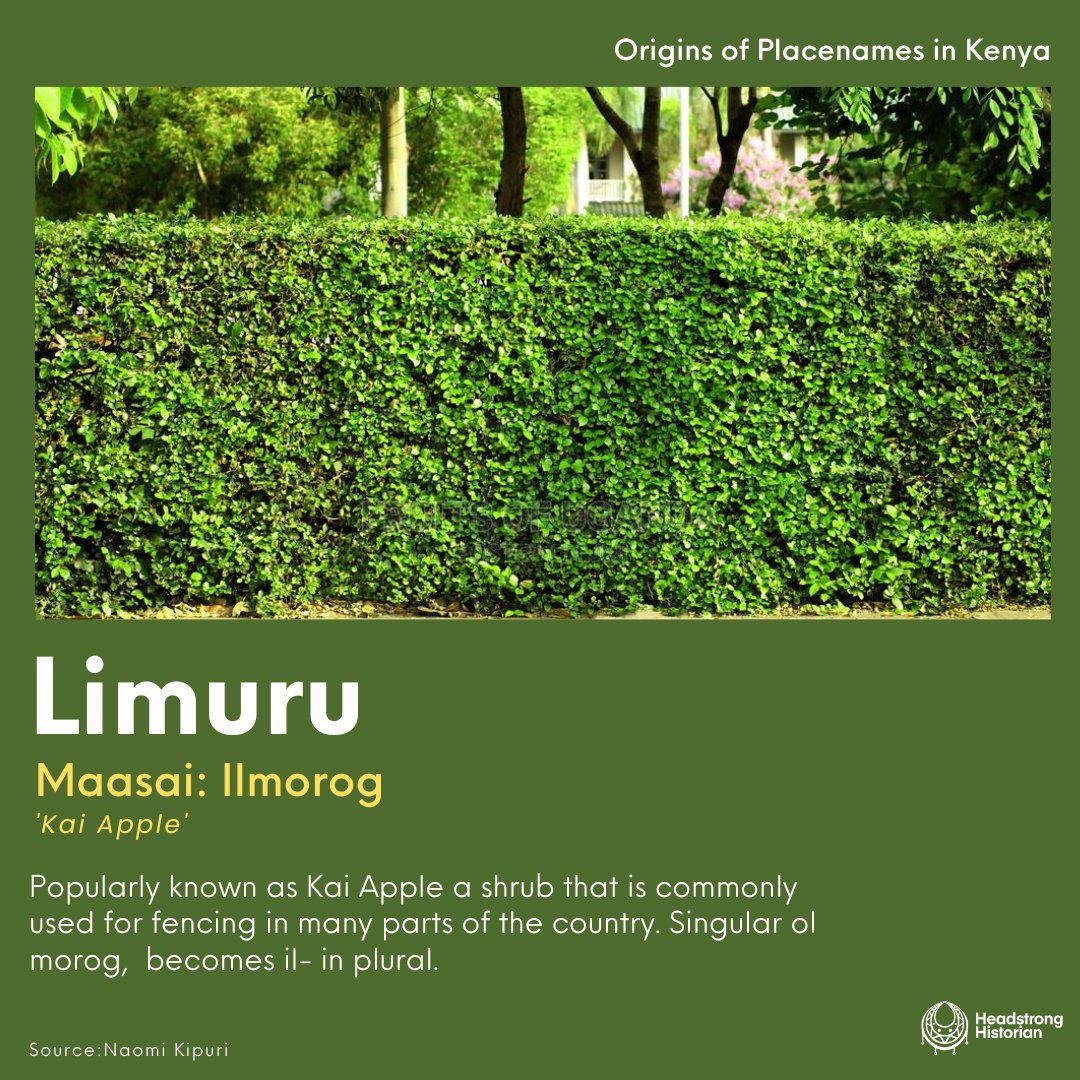
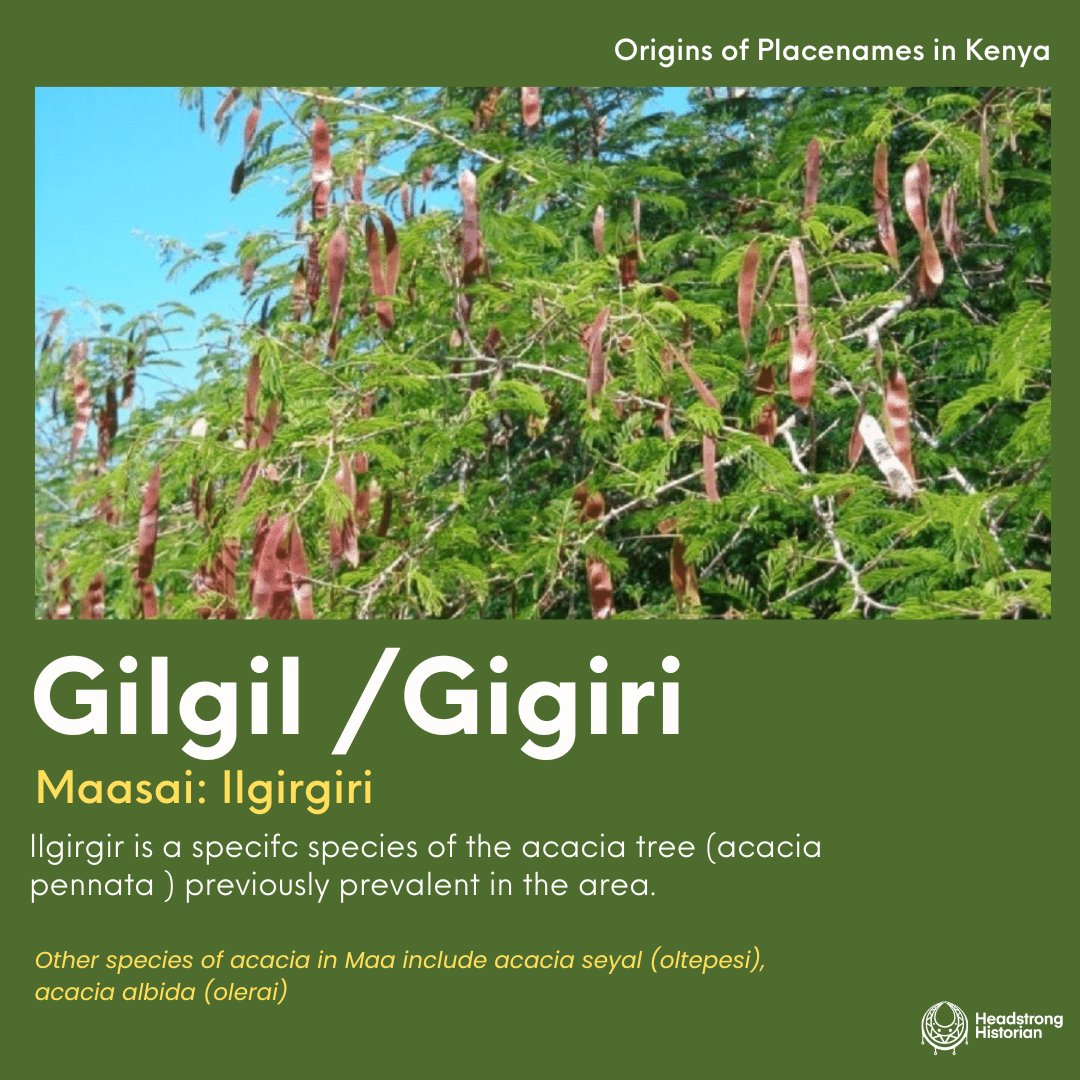
In Nairobi areas such as Limuru, Gigiri and Kileleshwa are named after particular plant species.
In Nairobi areas such as Limuru, Gigiri and Kileleshwa are named after particular plant species.

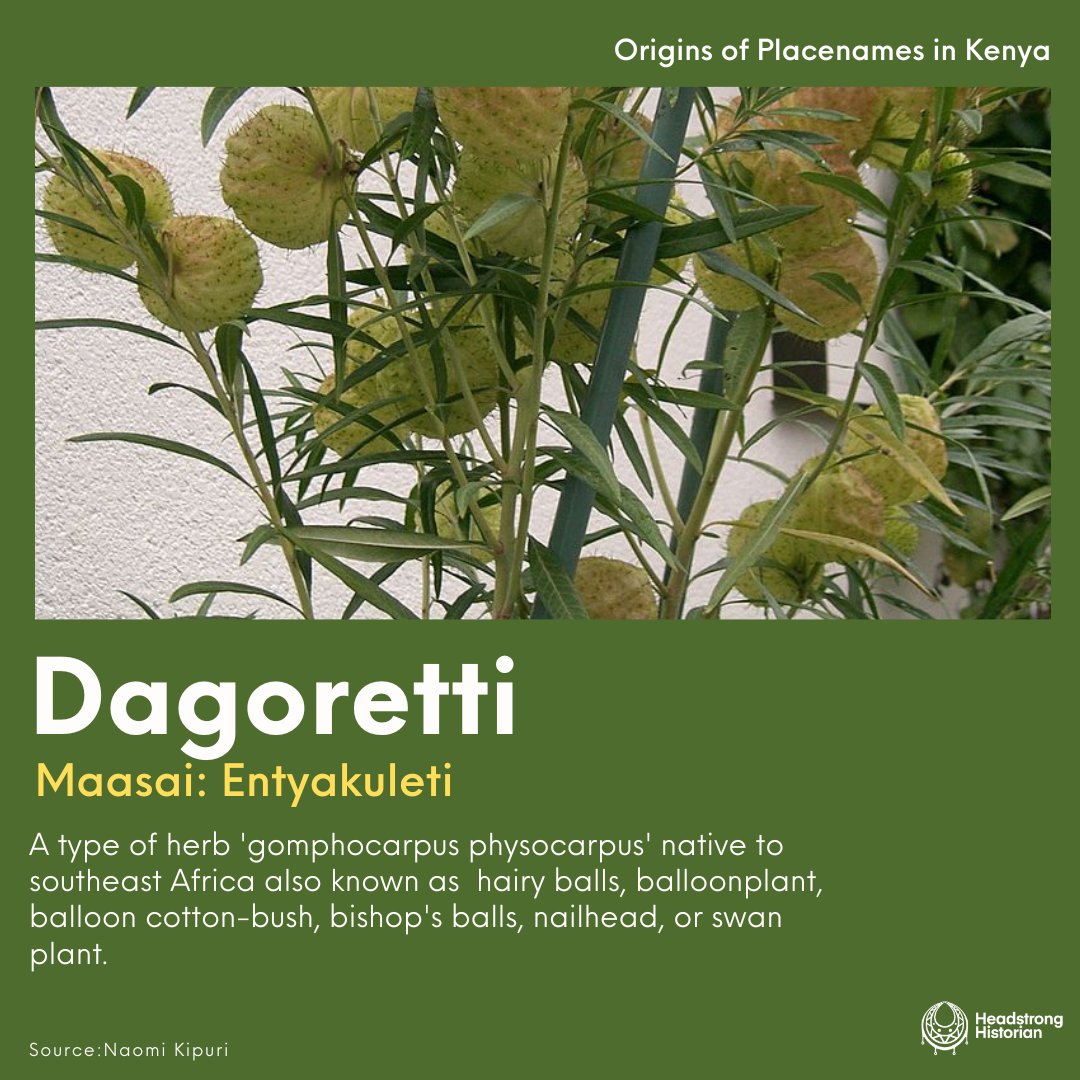
It is also a common misconception that Dagoretti is a bastardization of the English phrase ‘the great corner’ which falls into a popular trope of Africans inability to pronounce English words.
This theory floats an indigenous origin of the name rooted in natural environment.
This theory floats an indigenous origin of the name rooted in natural environment.
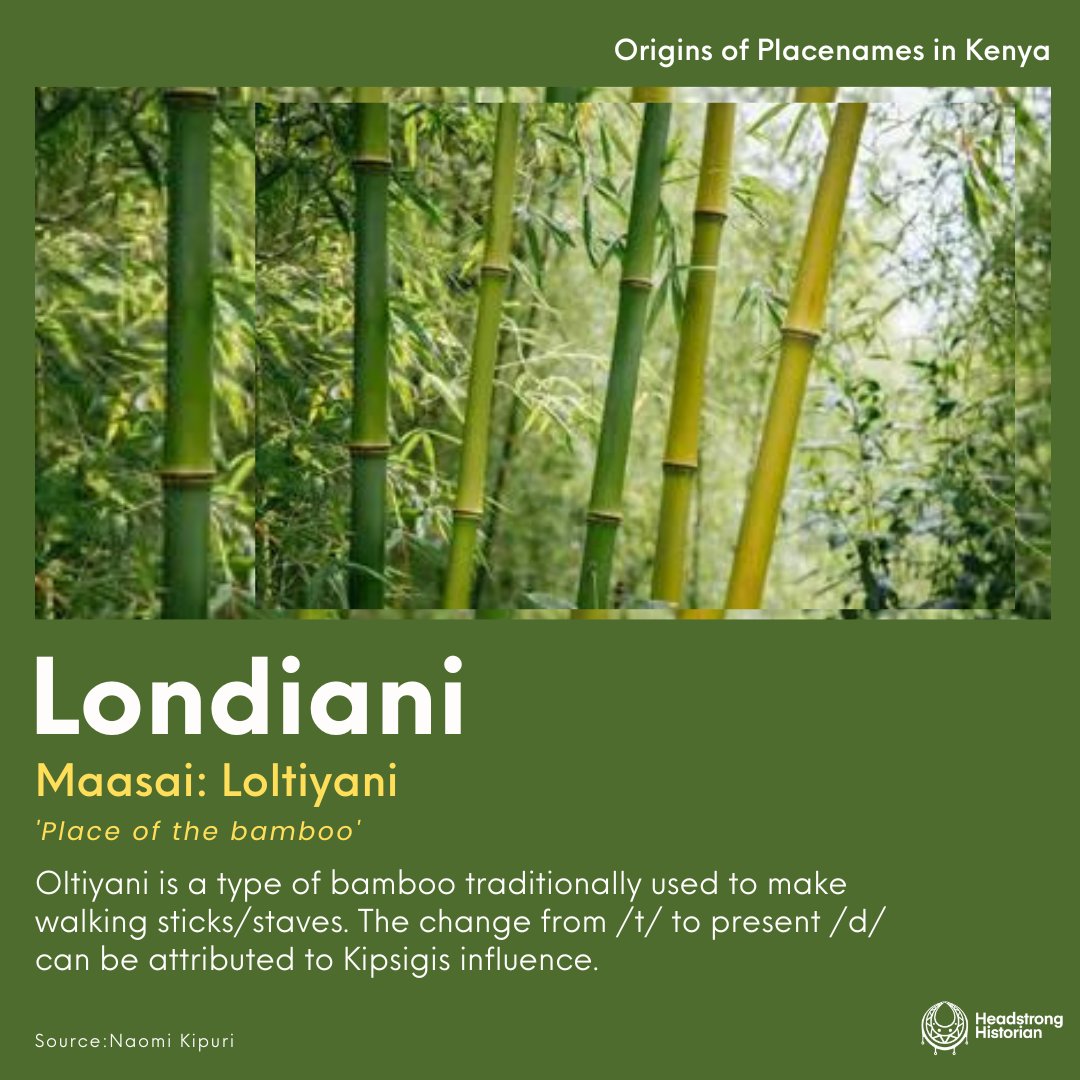
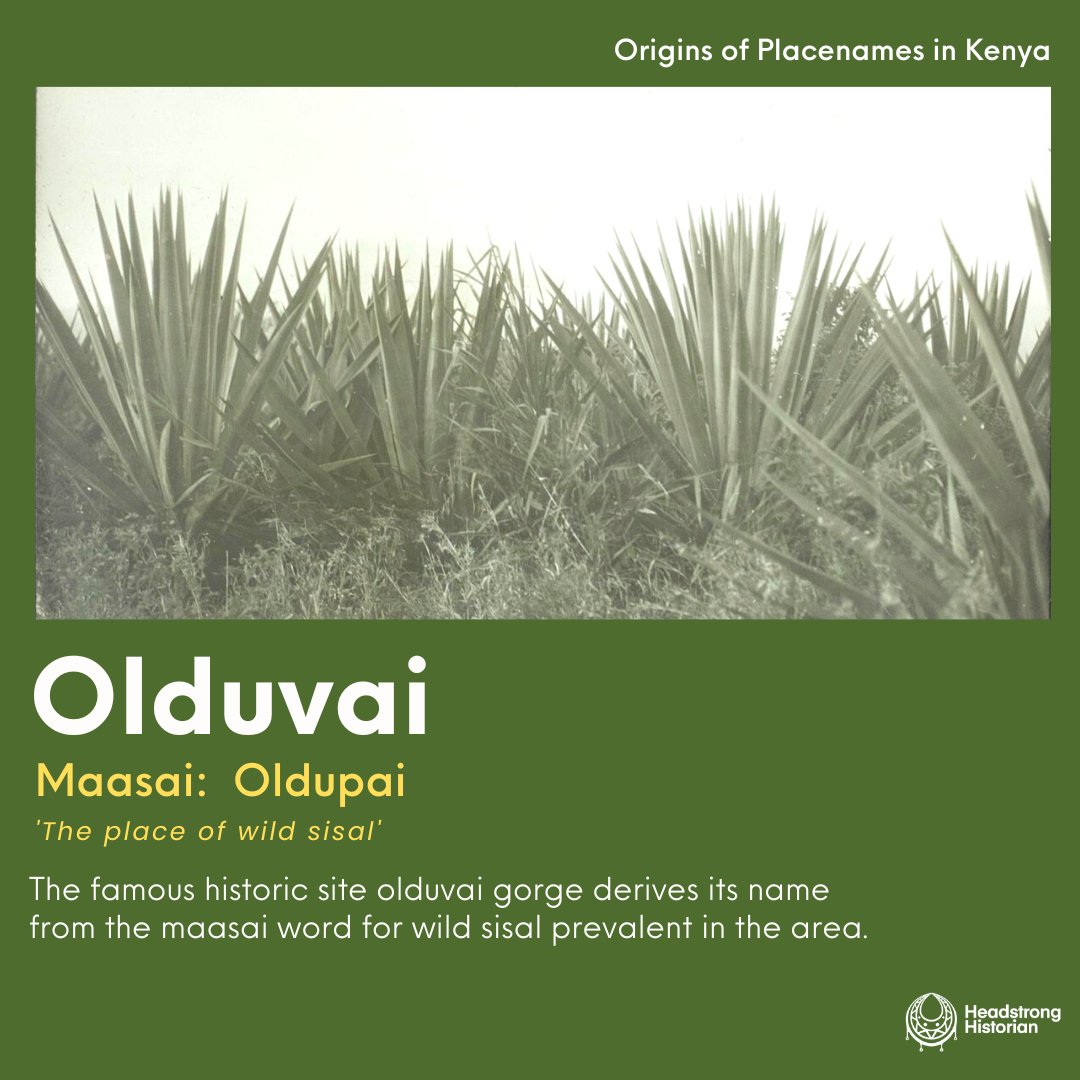
Places such as Olduvai and Londiani also have their roots in Maa names for plant species.
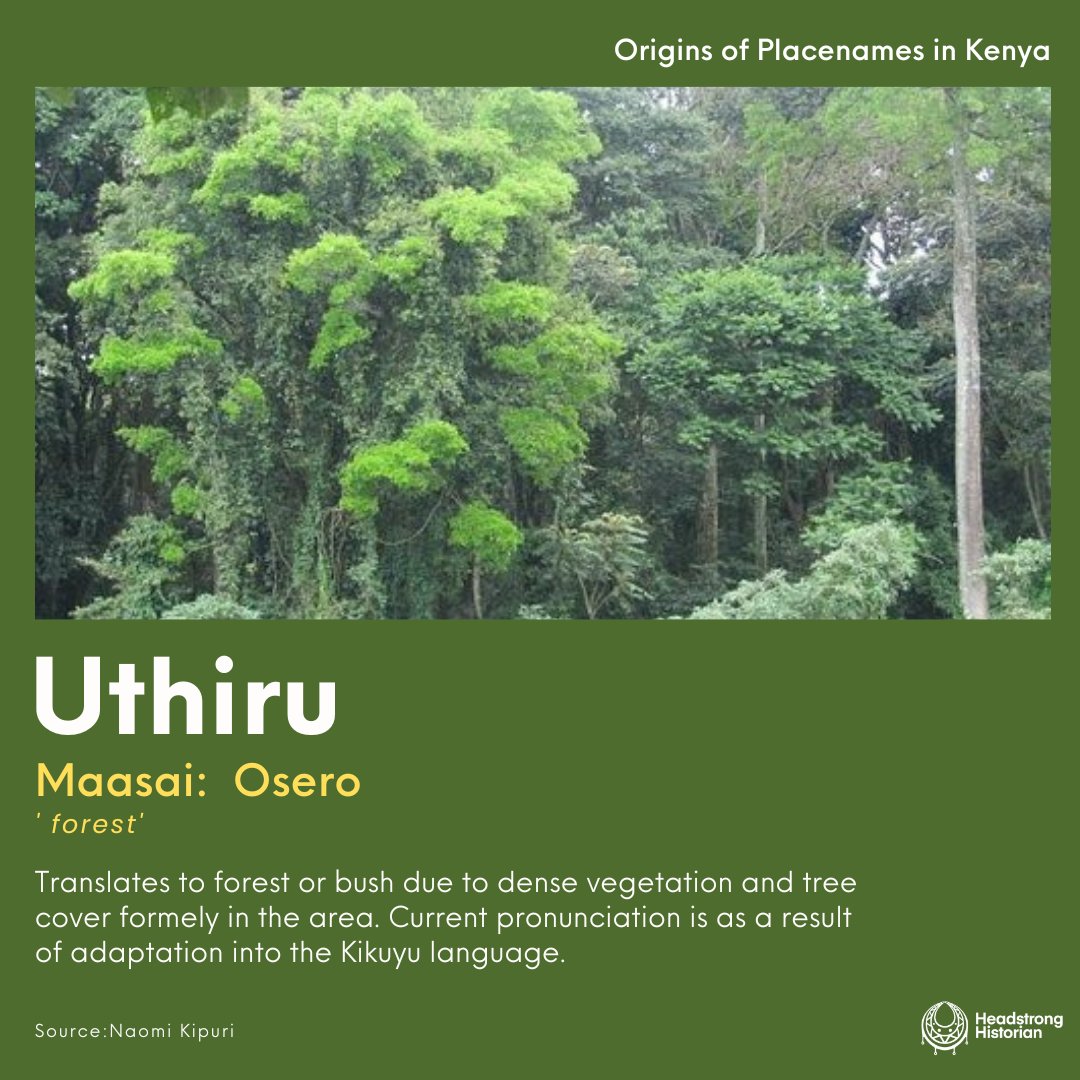
In the same vein the word Uthiru can be traced to the Maasai word for forest - Osero.
Water sources also play a crucial role in determining place names within Maasai language.
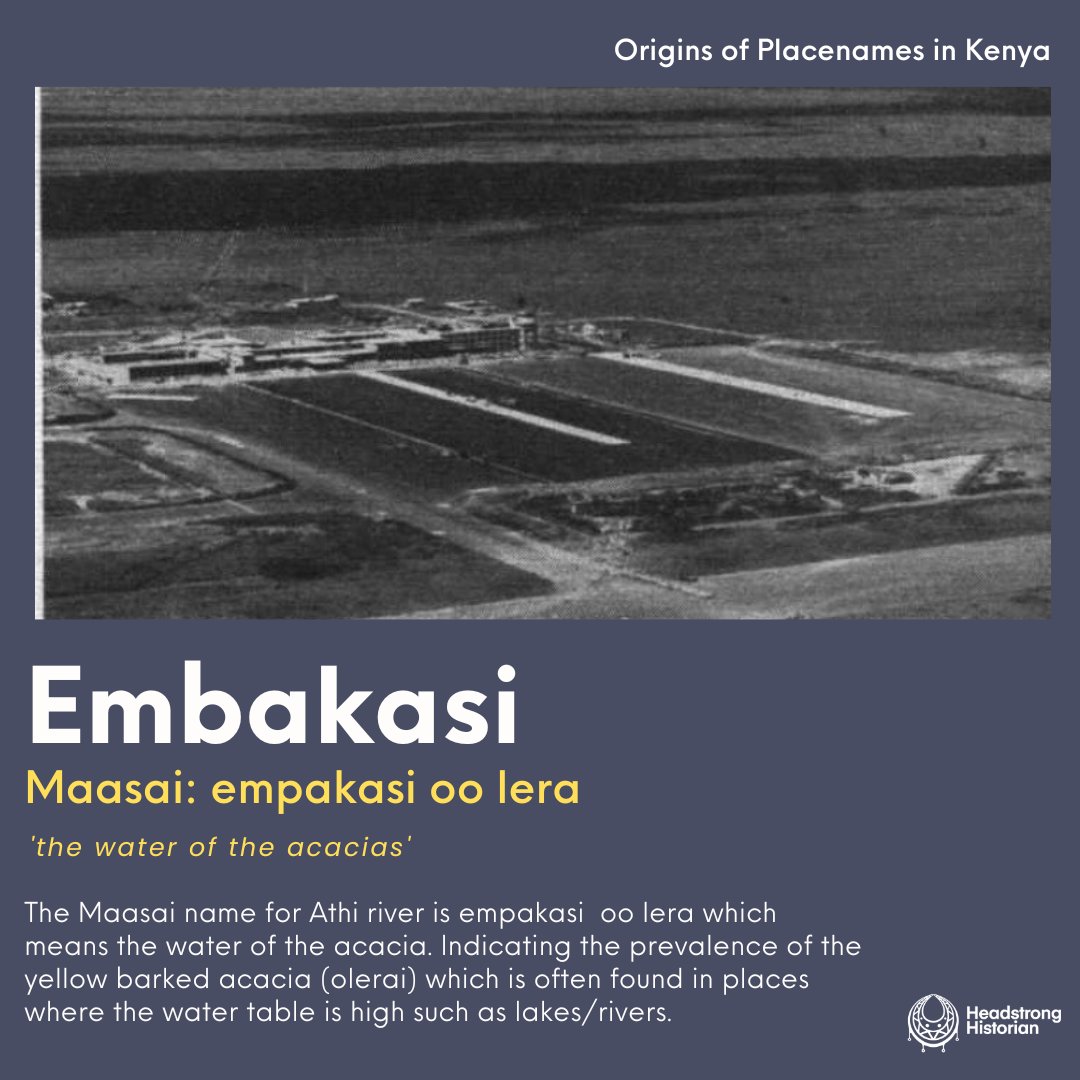
A place such as Embakasi derives its name from the Maasai name for Athi river which also points us to the trees native to the area.
A place such as Embakasi derives its name from the Maasai name for Athi river which also points us to the trees native to the area.
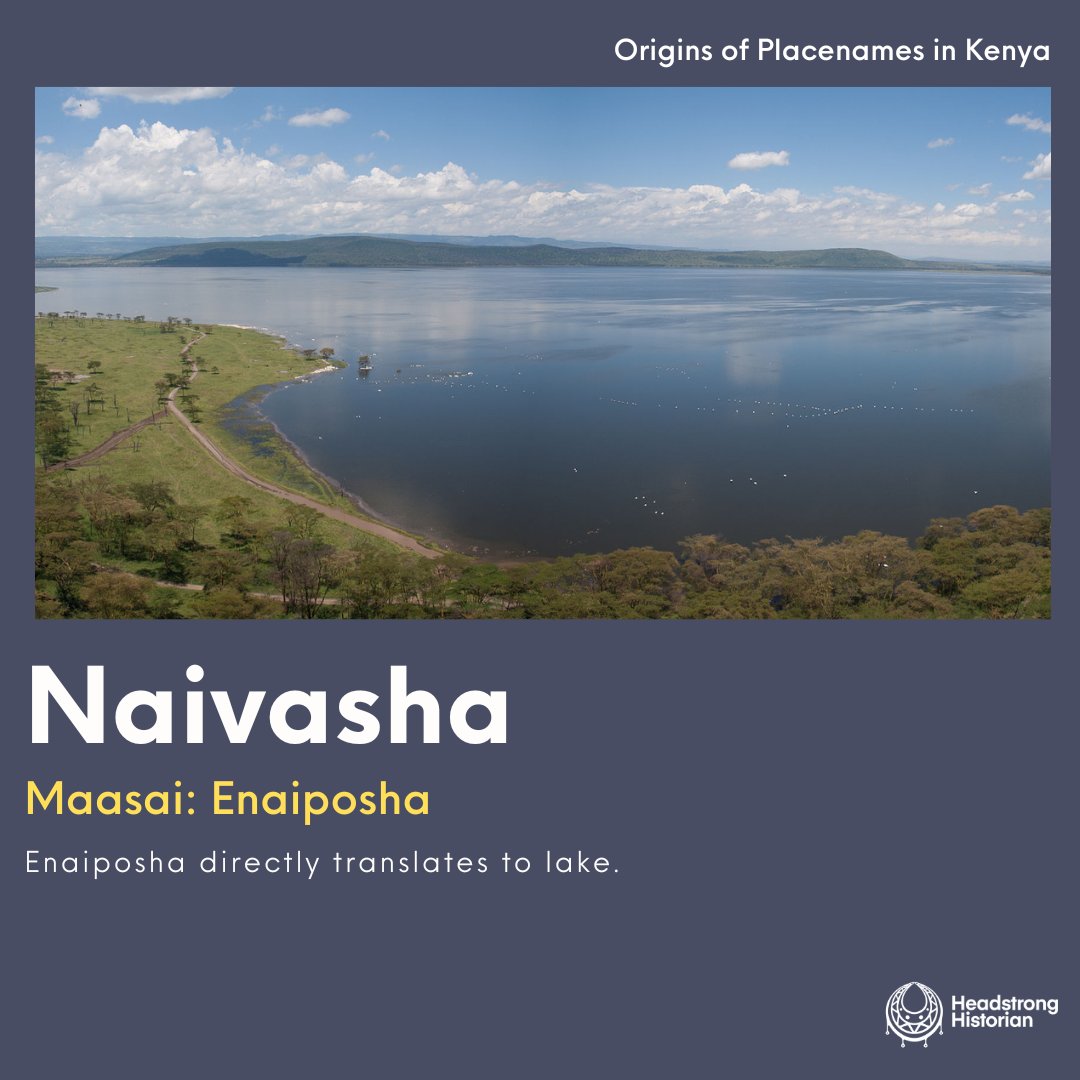
Naivasha directly translates to lake which makes saying lake Naivasha a redundancy reminiscent of Chai tea 🙂.
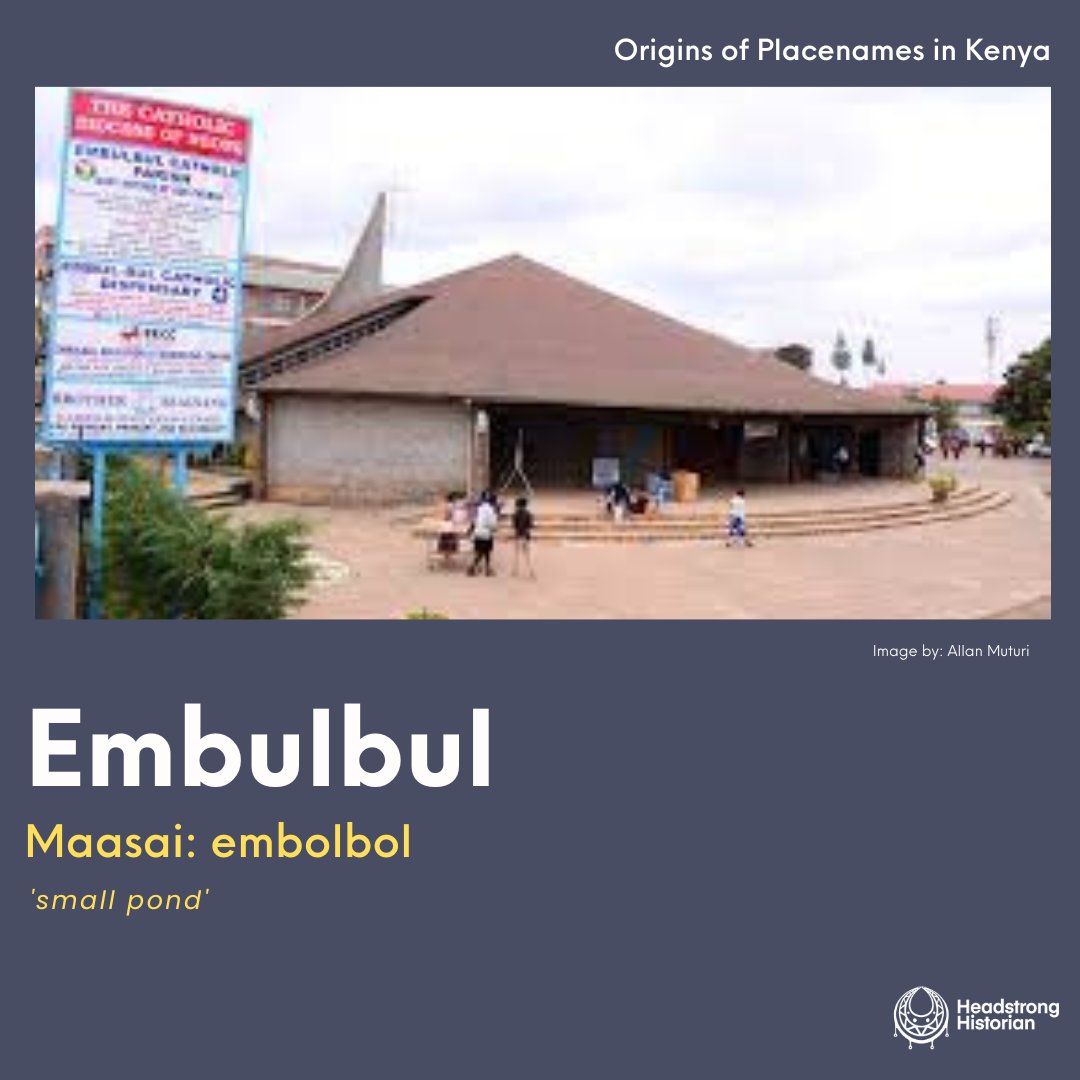
Embulbul near Ngong town refers to a small pond (embolbol).
Could this also be the origin of Burburu as well?
Embulbul near Ngong town refers to a small pond (embolbol).
Could this also be the origin of Burburu as well?
Some places also have multiple names reflecting dual purposes.
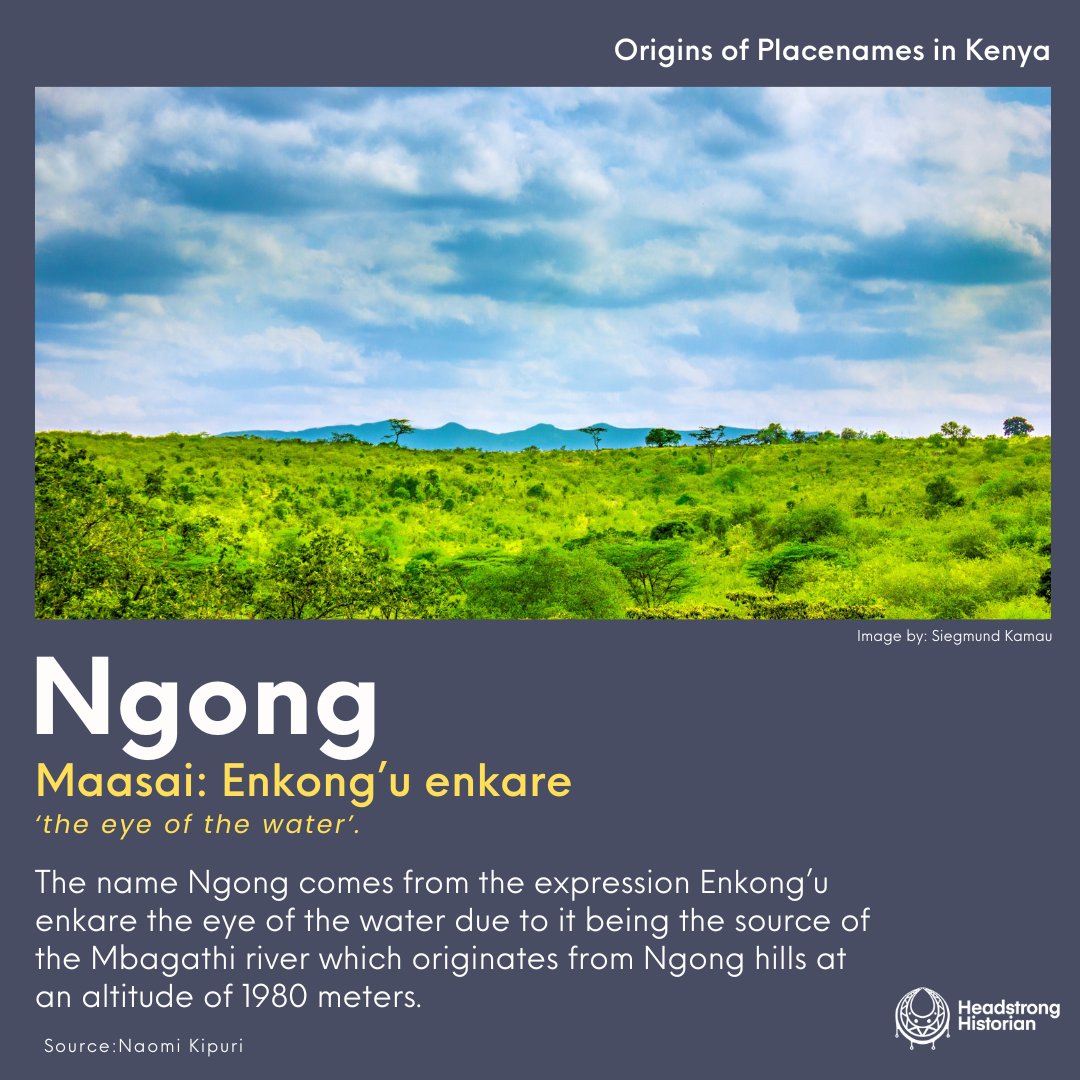
Ngong for instance derives its name from enkong’u enkare as it is the source of the Mbagathi river.
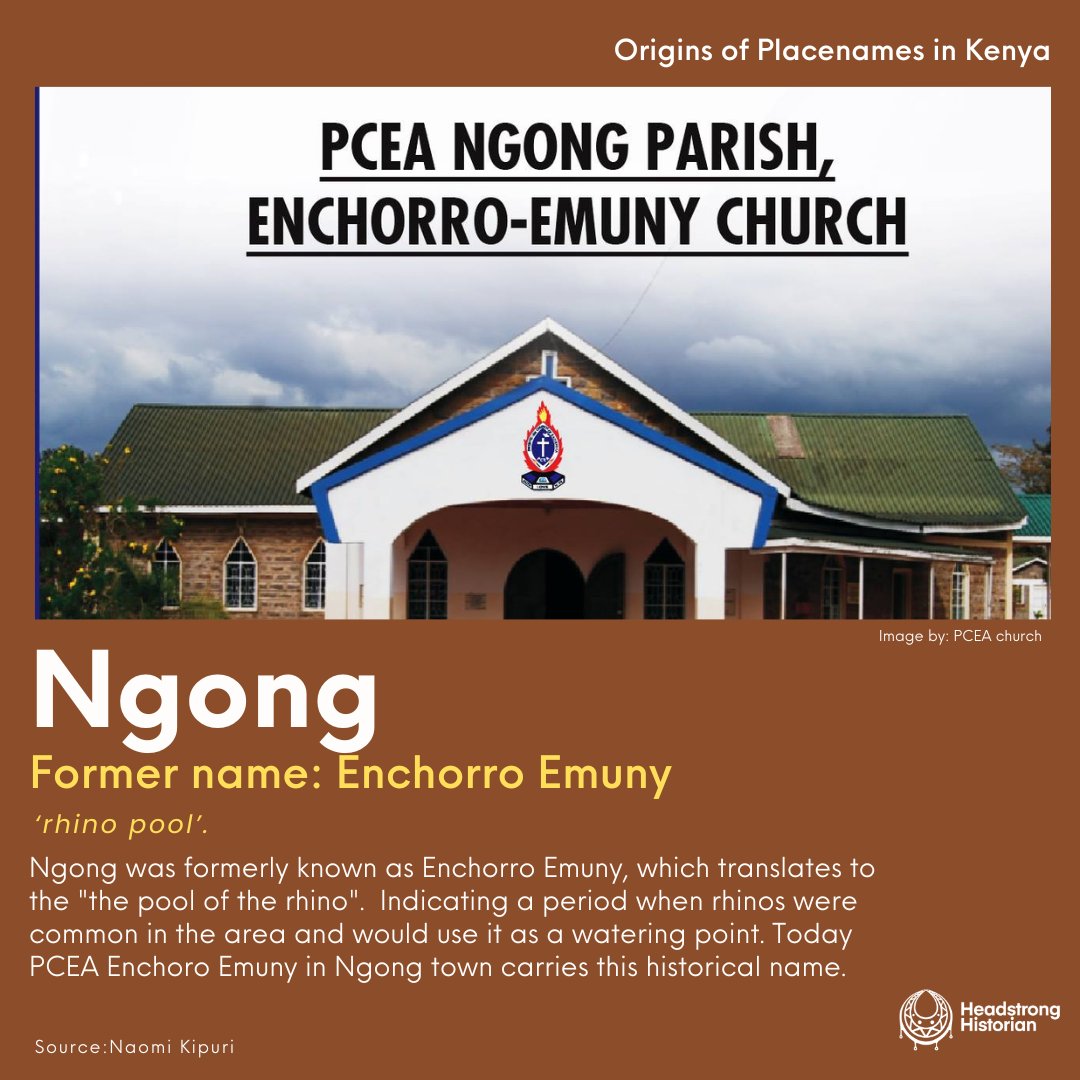
Ngong was also known as Enchorro Emuny - rhino watering pool.
Ngong for instance derives its name from enkong’u enkare as it is the source of the Mbagathi river.
Ngong was also known as Enchorro Emuny - rhino watering pool.
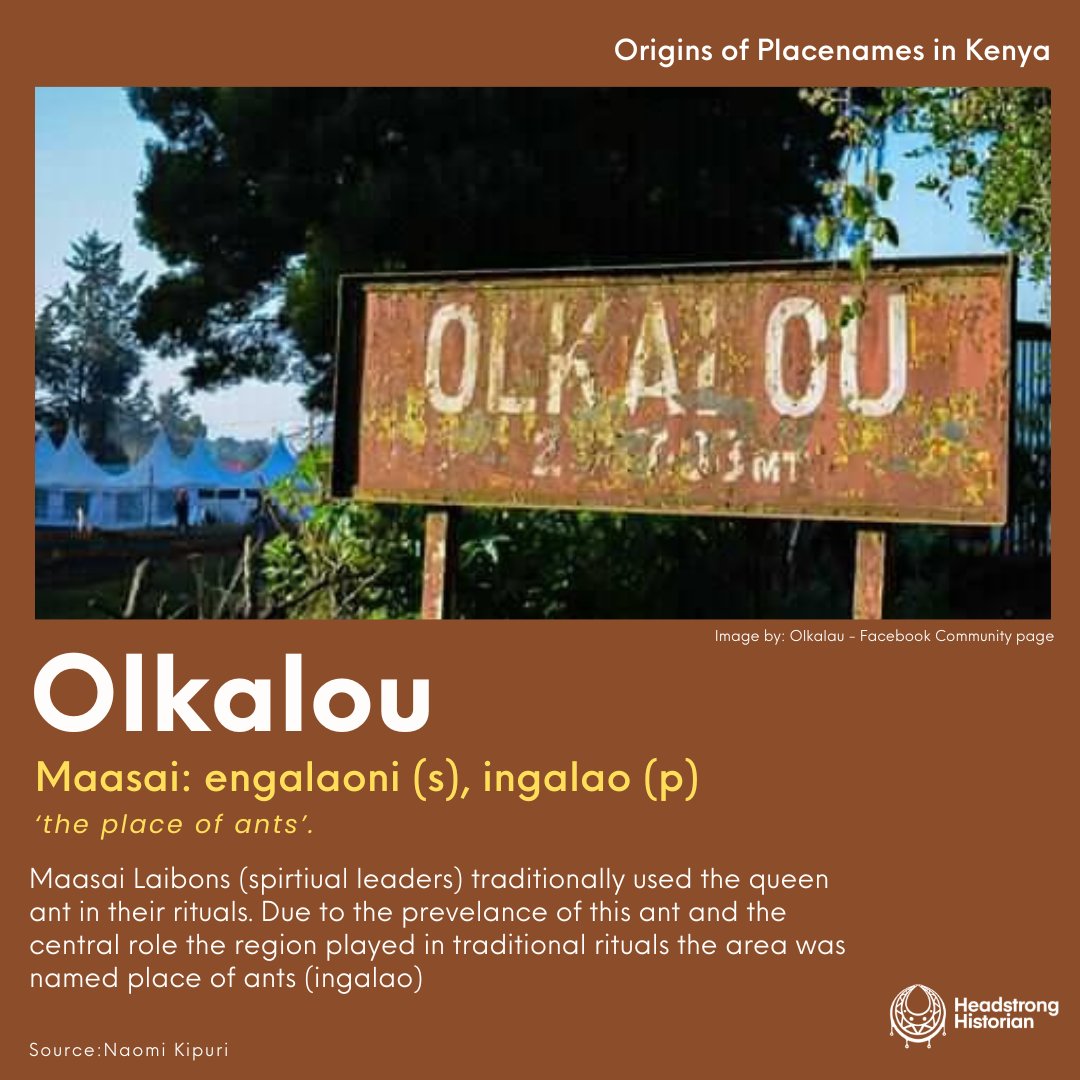
Similar to Ngong’s association with rhinos, Ol kalou (place of ants) also derives its origins from animal life present in this region.
The name also reveals a deeper relationship between landscape and traditional customs/rituals
The name also reveals a deeper relationship between landscape and traditional customs/rituals
Geographical places are also named after the nature and the shape of the landscape.
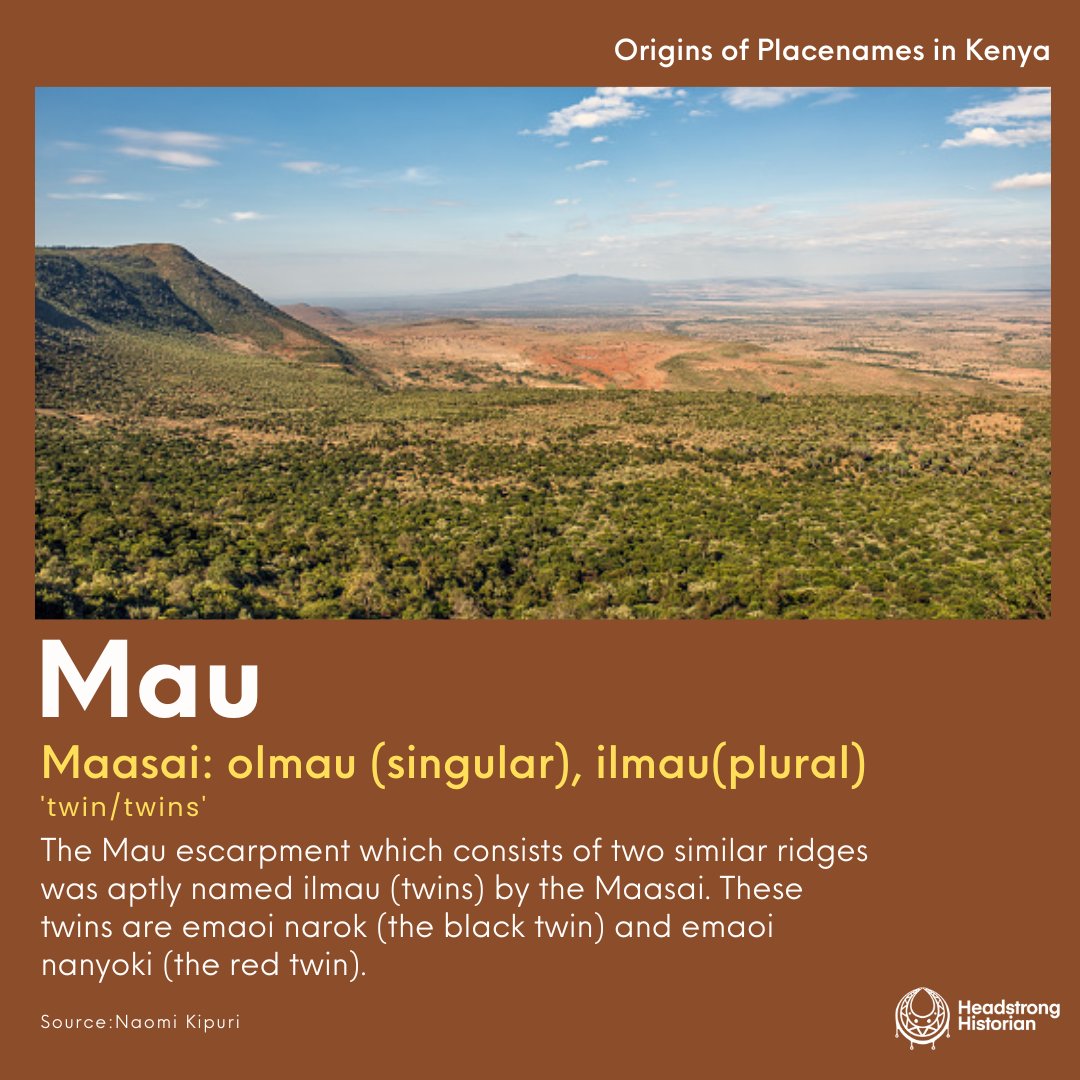
Take the Mau escarpment for instance who's two ridges are identified as twins emaoi narok and emao nanyokie
Take the Mau escarpment for instance who's two ridges are identified as twins emaoi narok and emao nanyokie
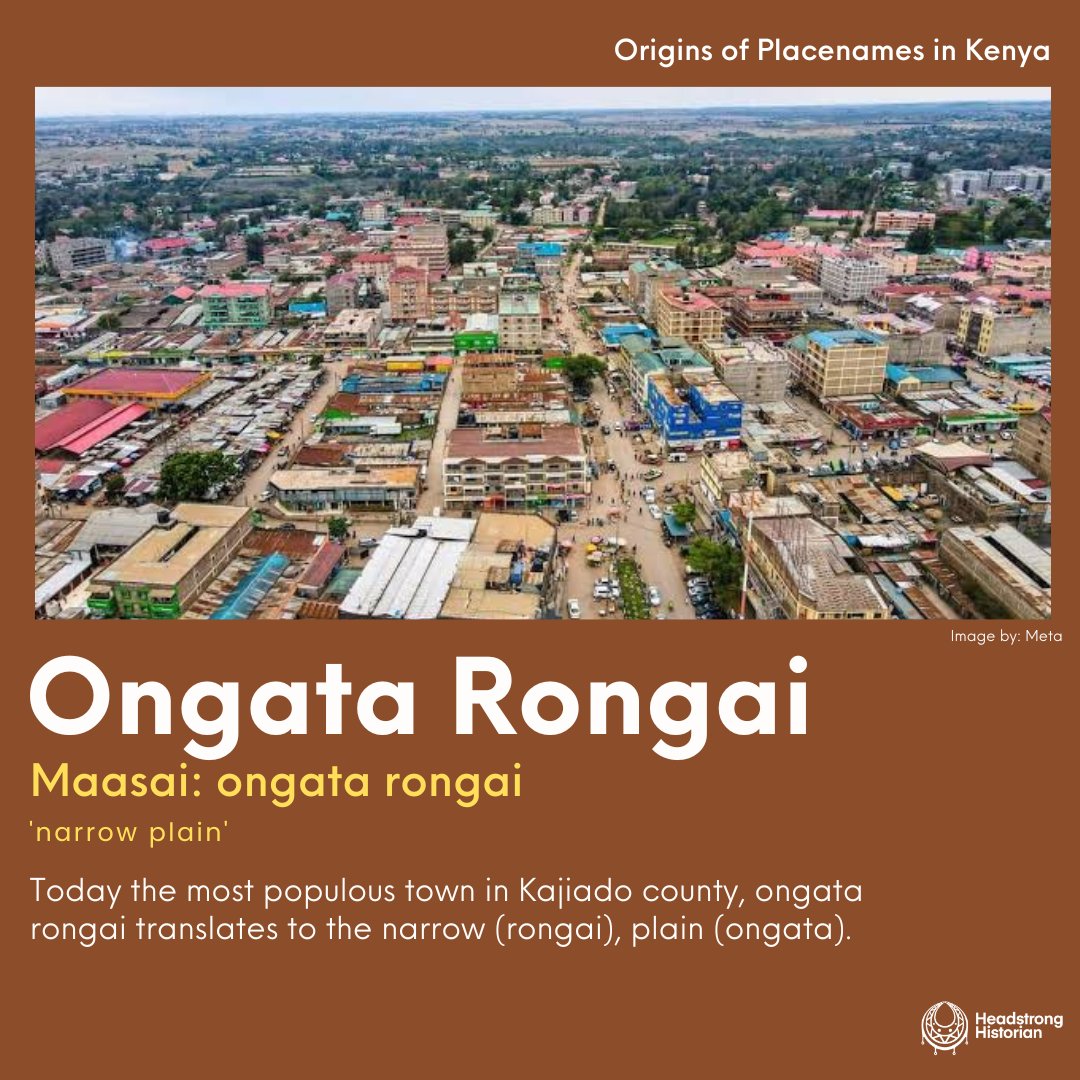
Nakuru and Ongata Rongai (by extension Langata) are also named after their respective landscape features/appearances.

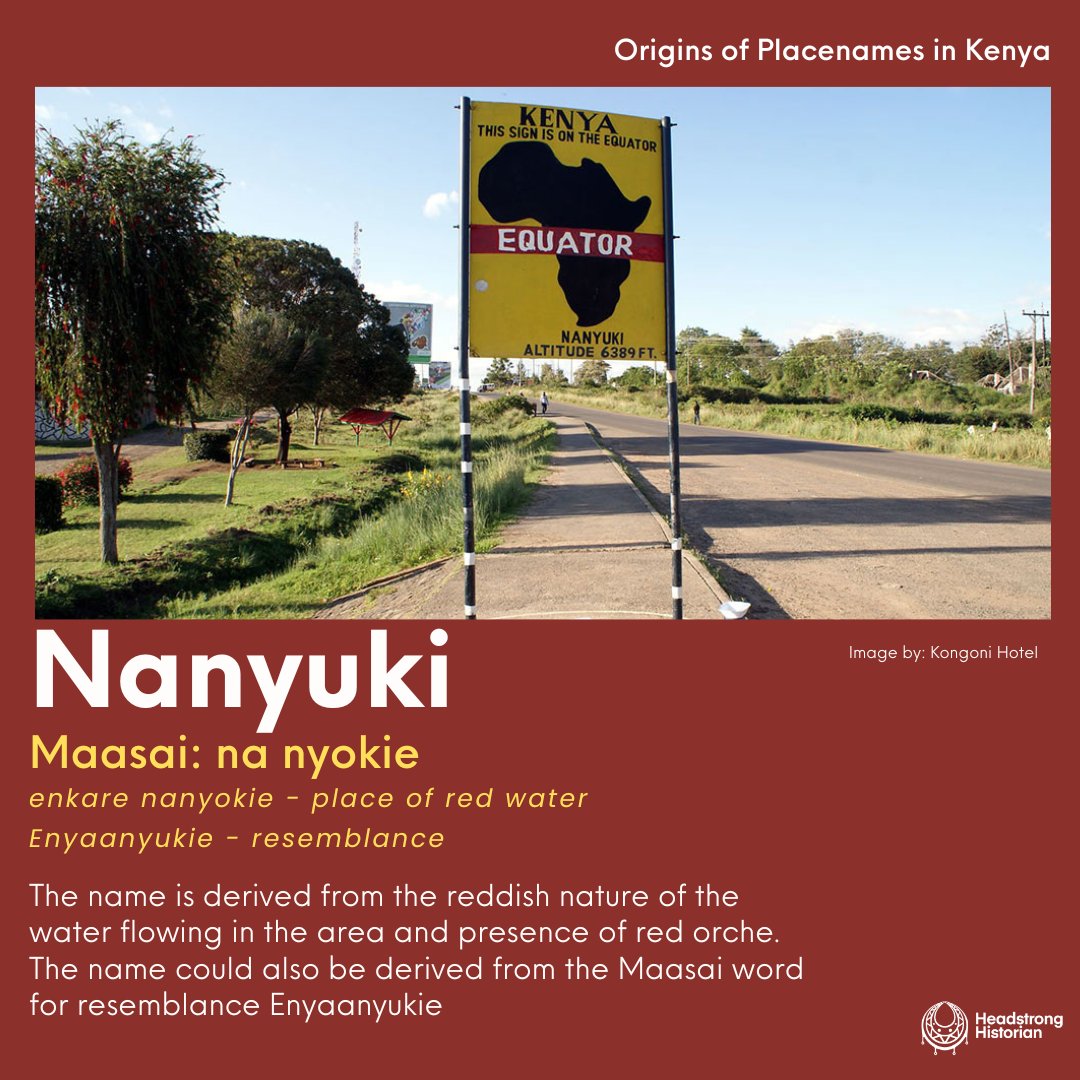
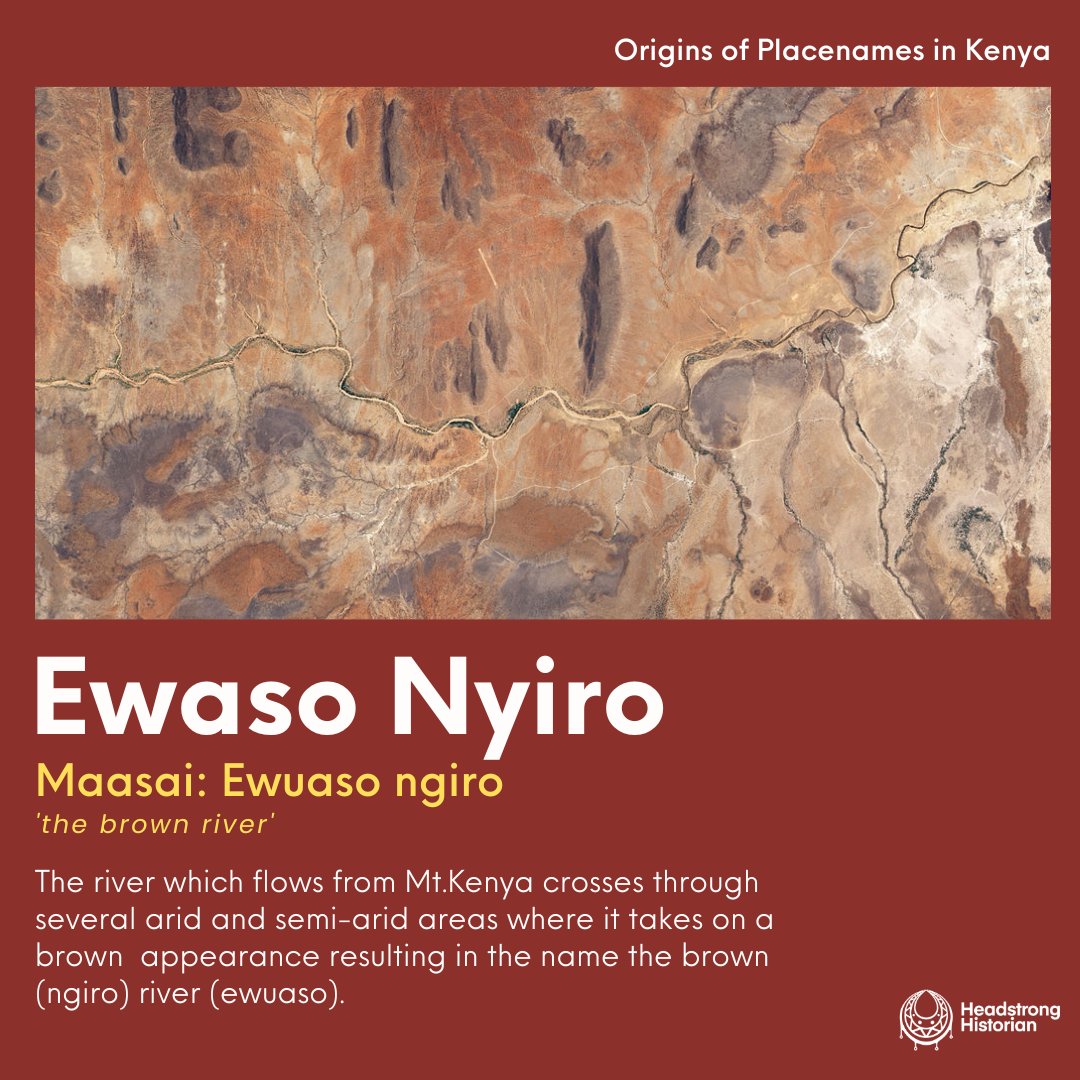
Colors and patterns also play a big part in naming a landscape and its natural features.
This is seen in places like Nanyuki (place of red water) or (resemblance) and Ewaso Nyiro (brown river)
This is seen in places like Nanyuki (place of red water) or (resemblance) and Ewaso Nyiro (brown river)
Mountains also derive the names from observations on their color, shape and overall appearance.
Seen here in Oldonyo Orok (black mountain) and Longonot (the place of cavities)
Seen here in Oldonyo Orok (black mountain) and Longonot (the place of cavities)
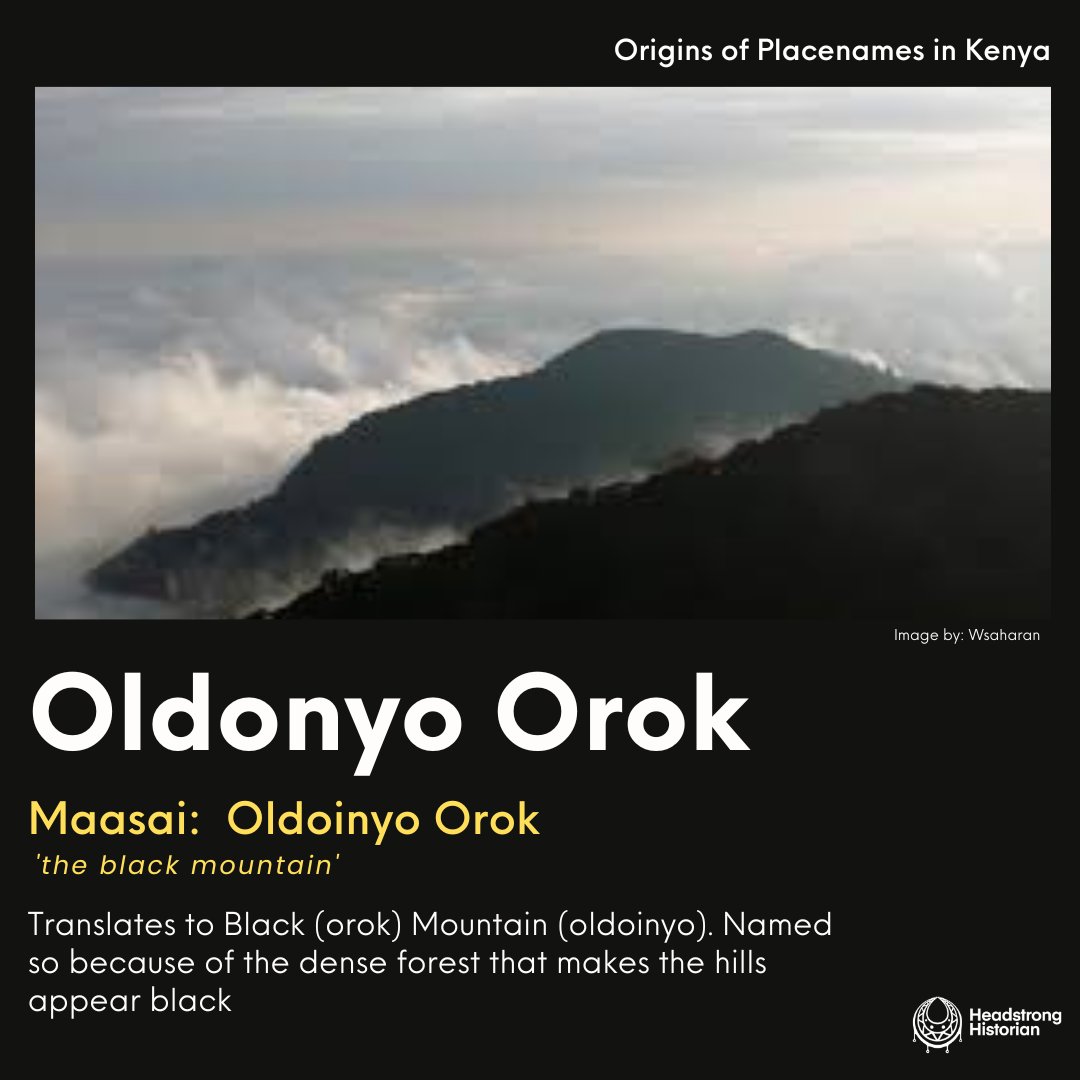
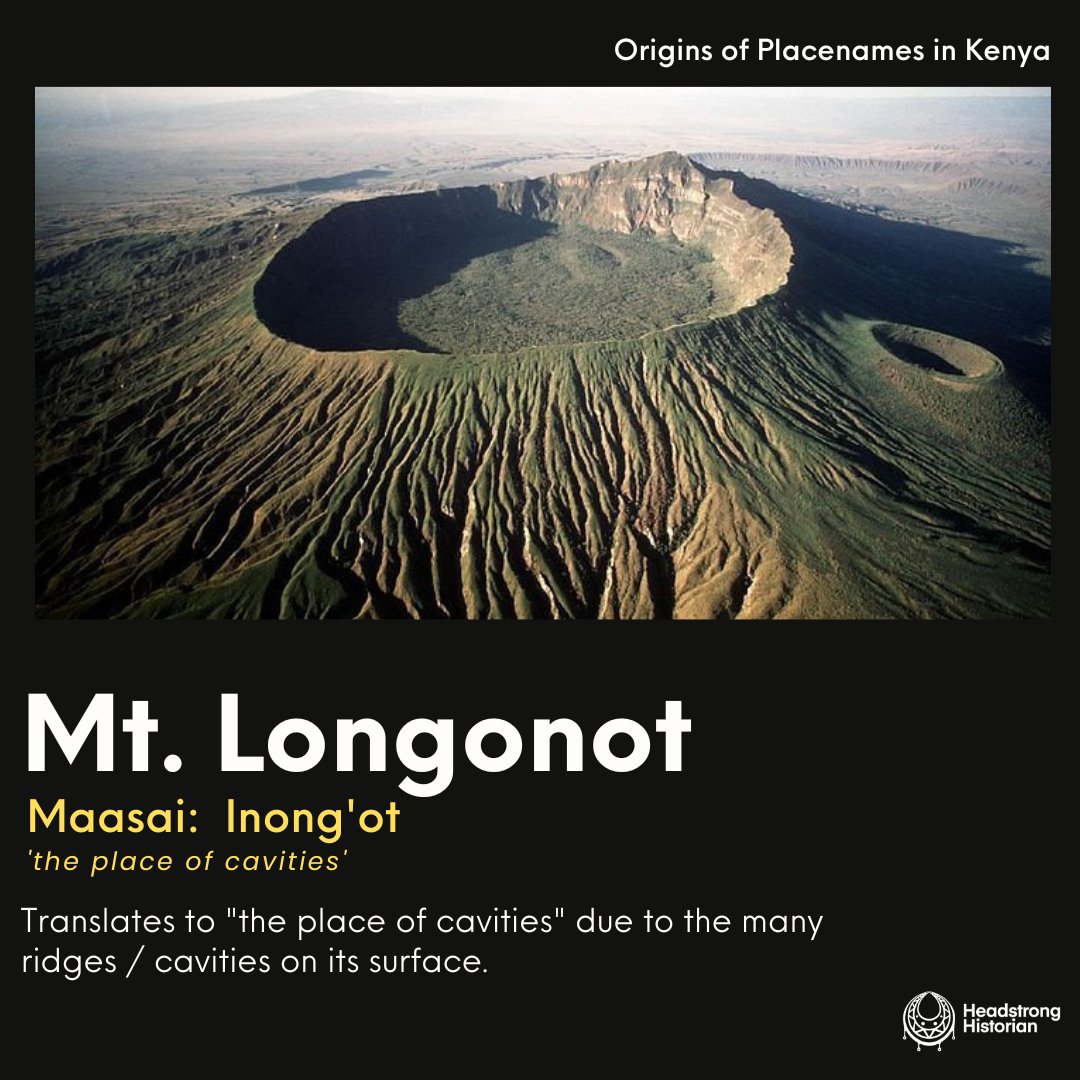
As a bonus I also include the Maanames for Mt. Kilimanjaro (Oldoinyo Oibor) and Mt. Kenya (Oldoinyo Orasha)
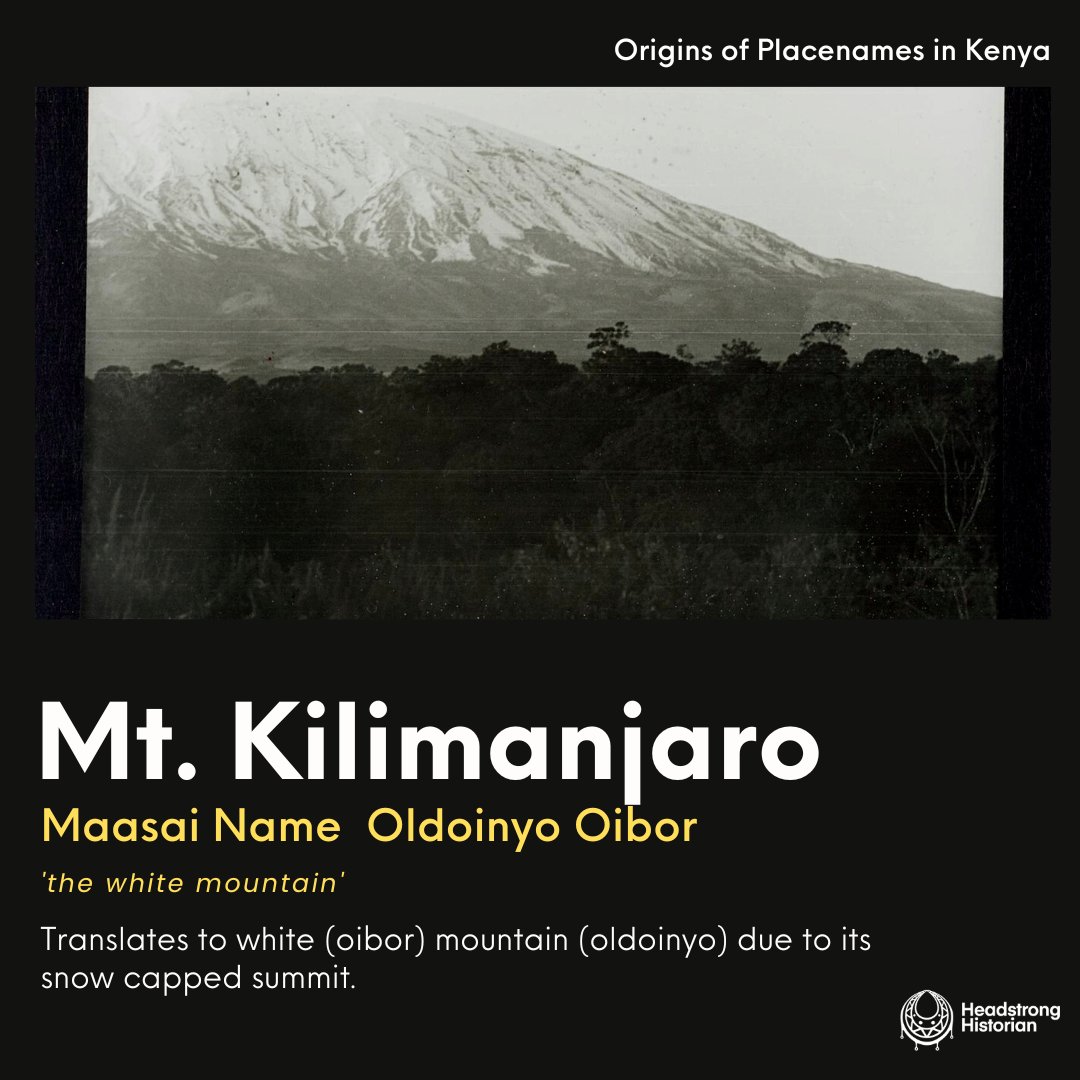
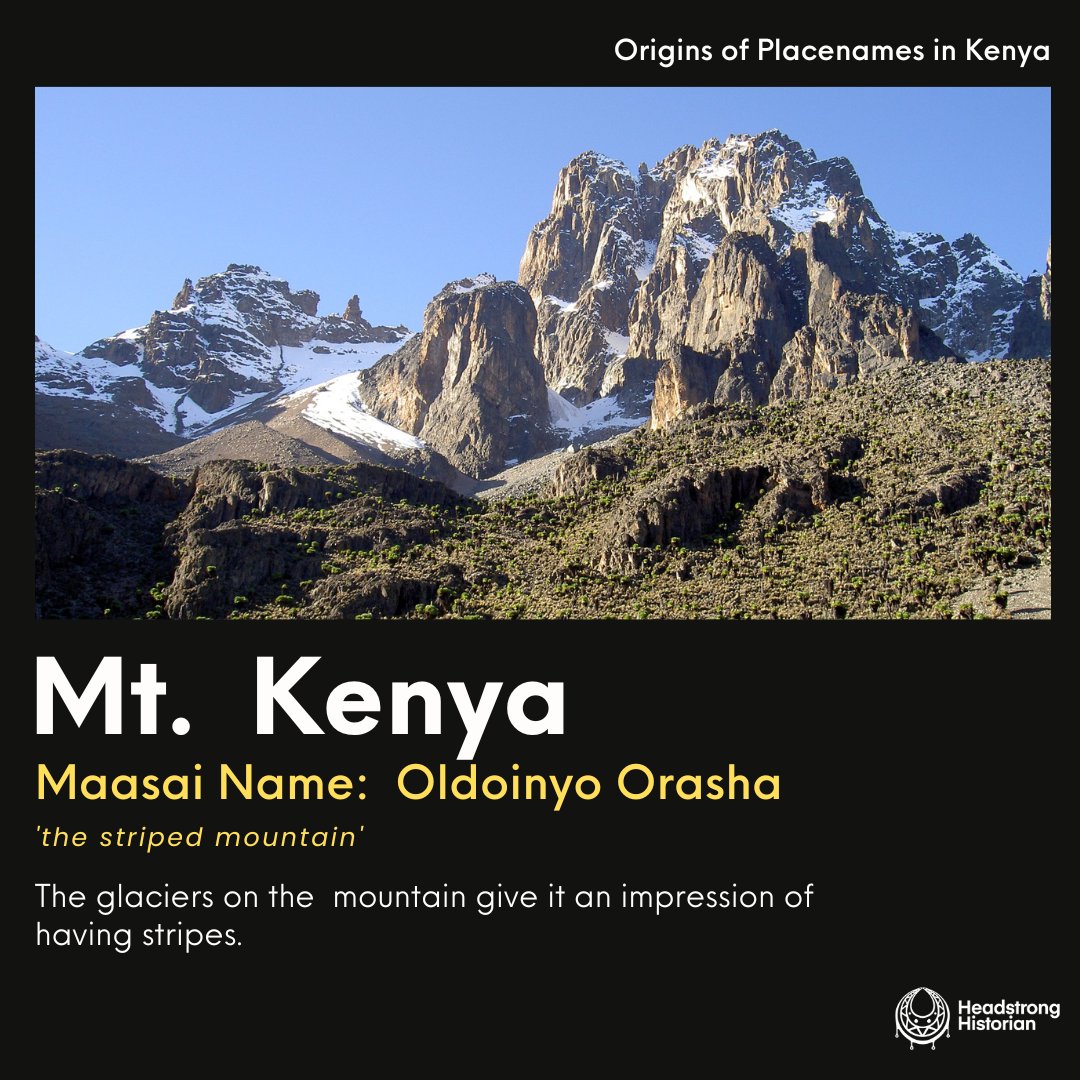
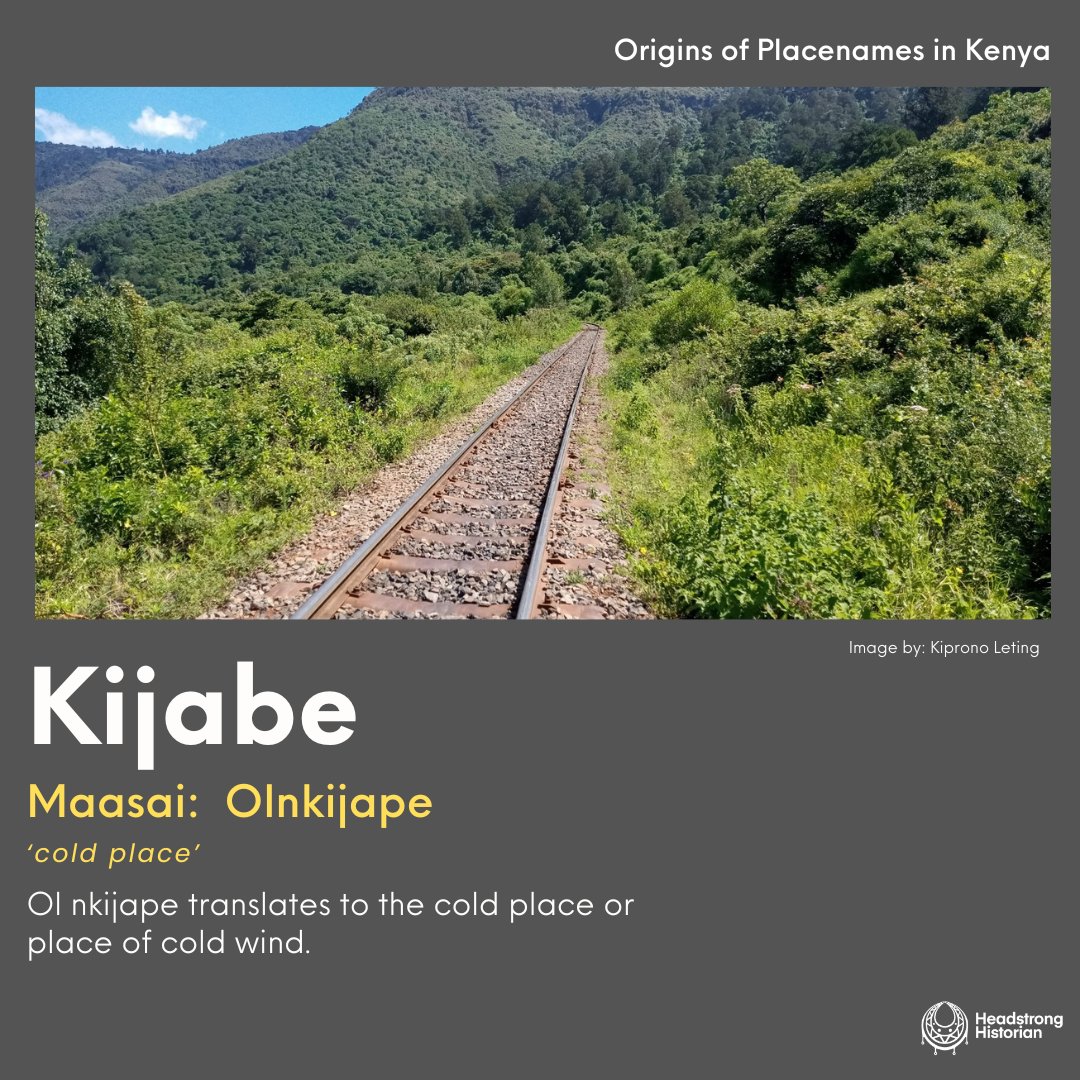
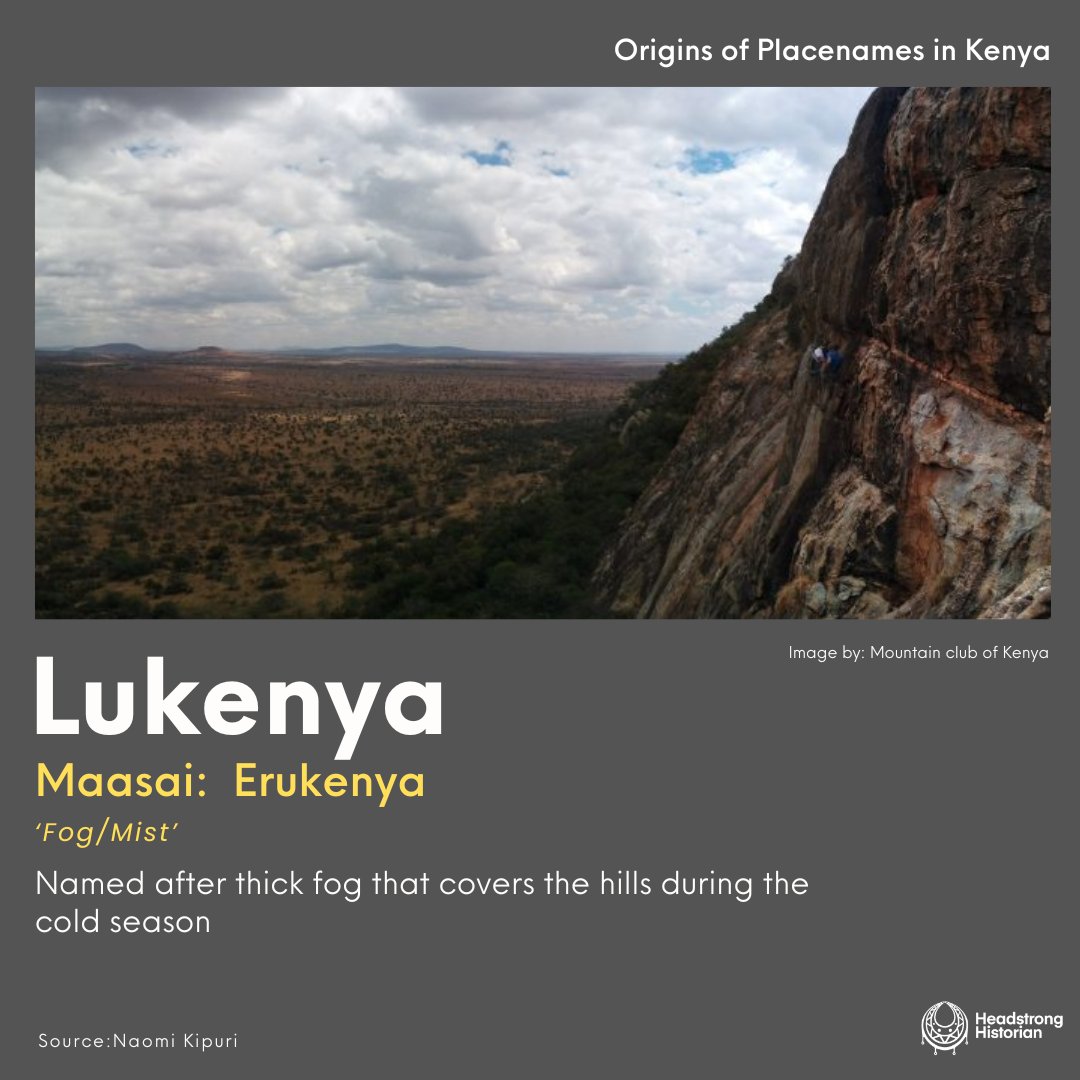
Another category of place names is around weather conditions. Here we have places such as:
Kijabe - Olnkijape meaning cold place (no lies here)
Lukenya - Erukenya meaning fog/mist
Kijabe - Olnkijape meaning cold place (no lies here)
Lukenya - Erukenya meaning fog/mist
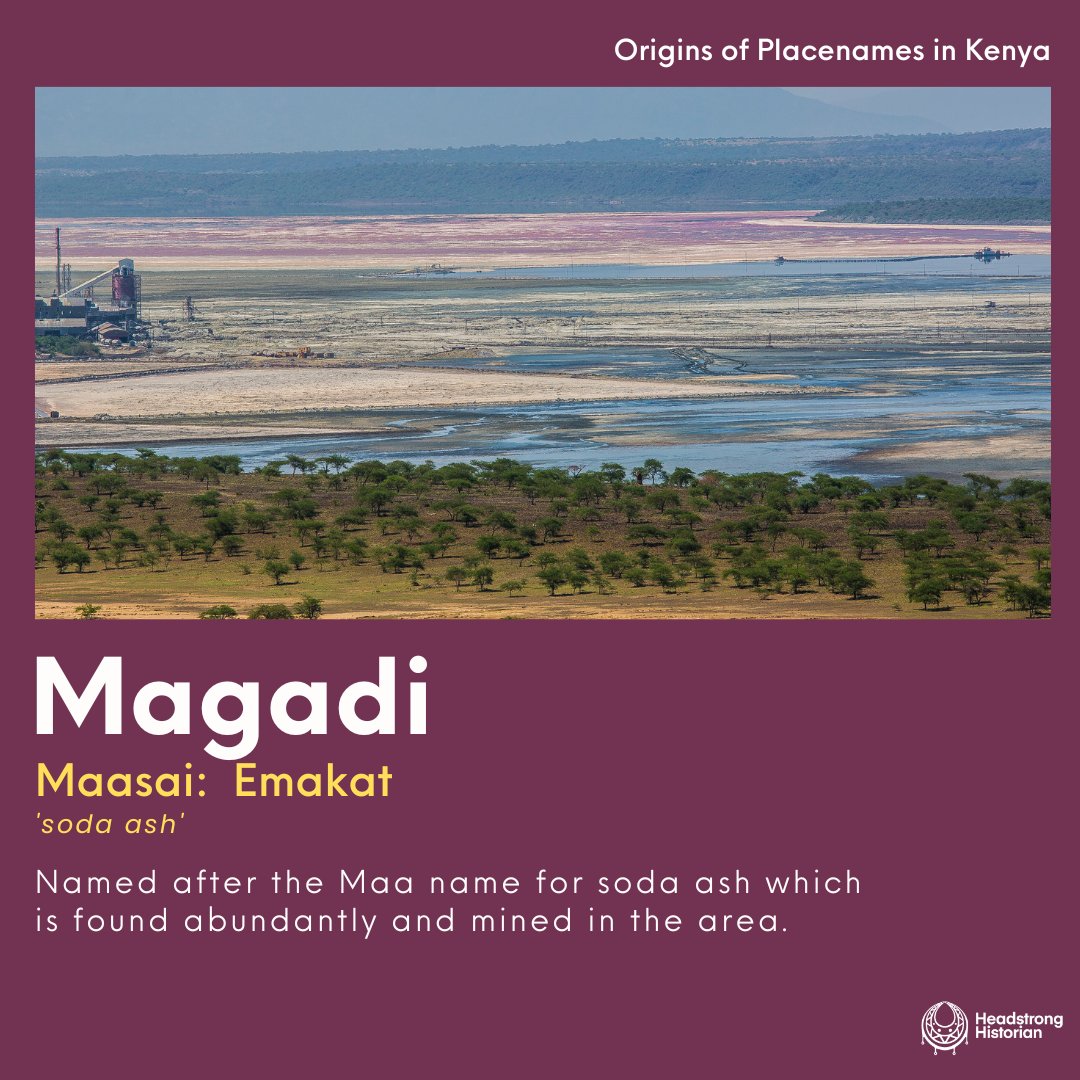
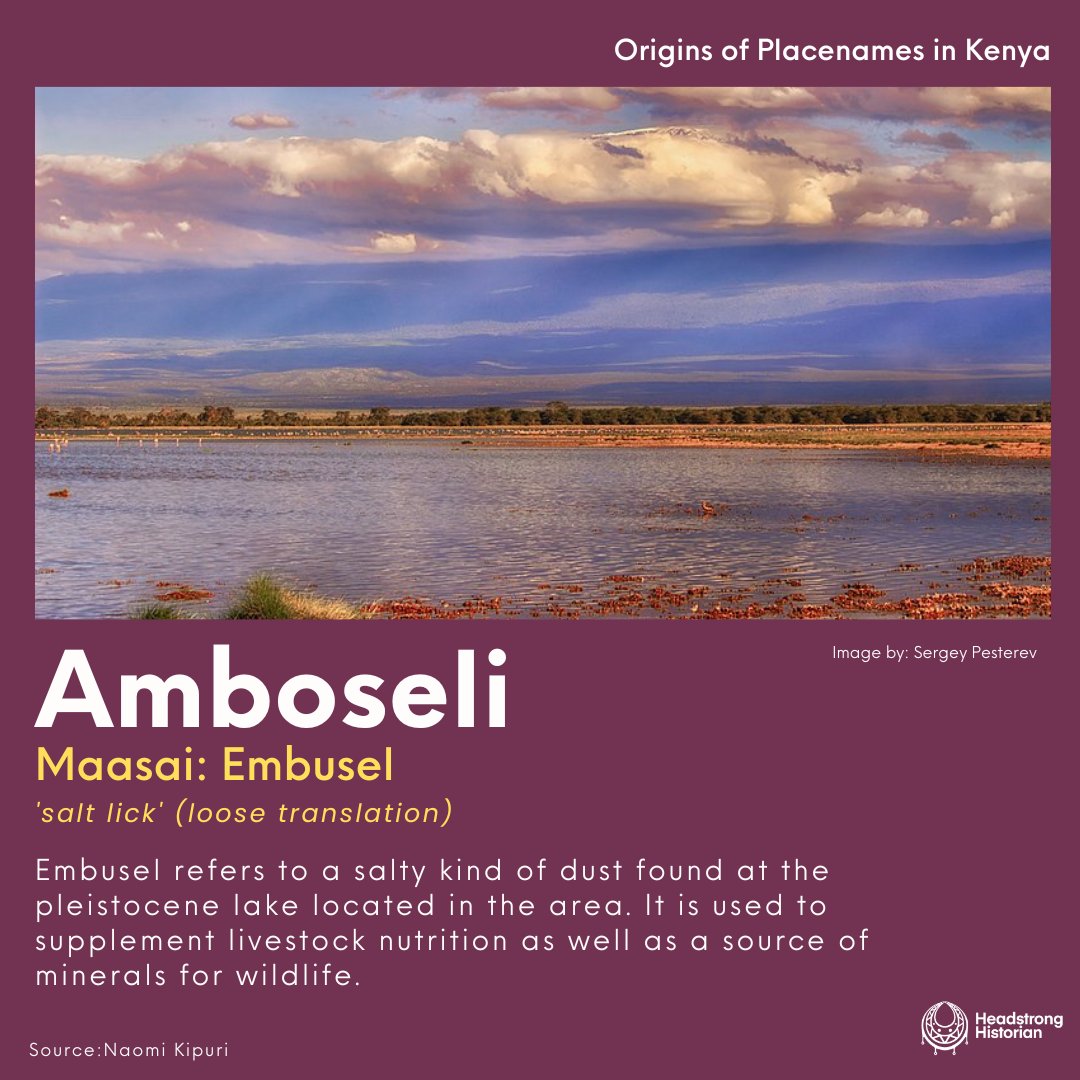
Natural resources and minerals also inform the names of places such as:
Magadi - Emakat (soda ash)
Amboseli - Embusel (salt)
Magadi - Emakat (soda ash)
Amboseli - Embusel (salt)
The final category of names relates to oral histories, myths and legends. Here we have places like: Menengai and Olorgesailie.
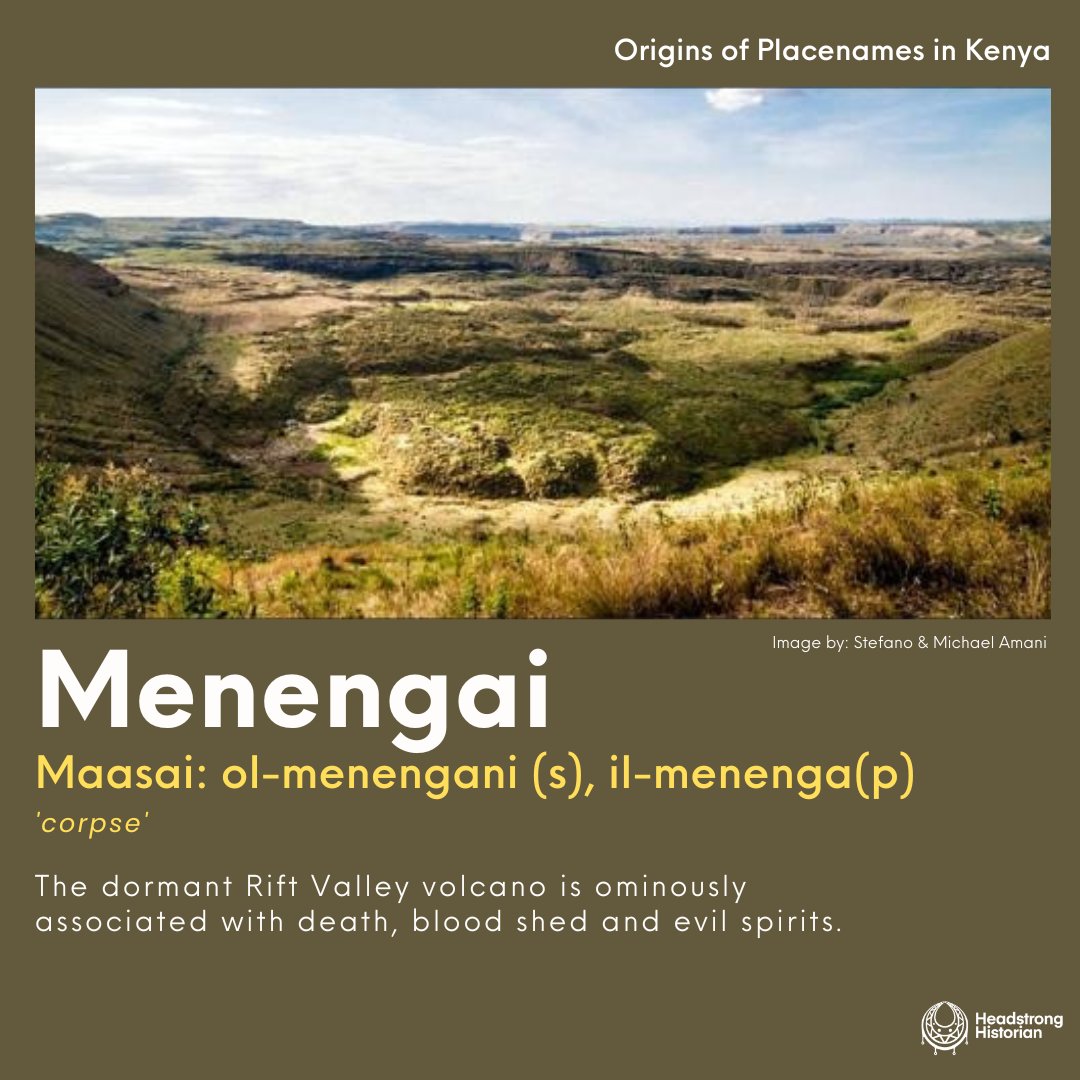
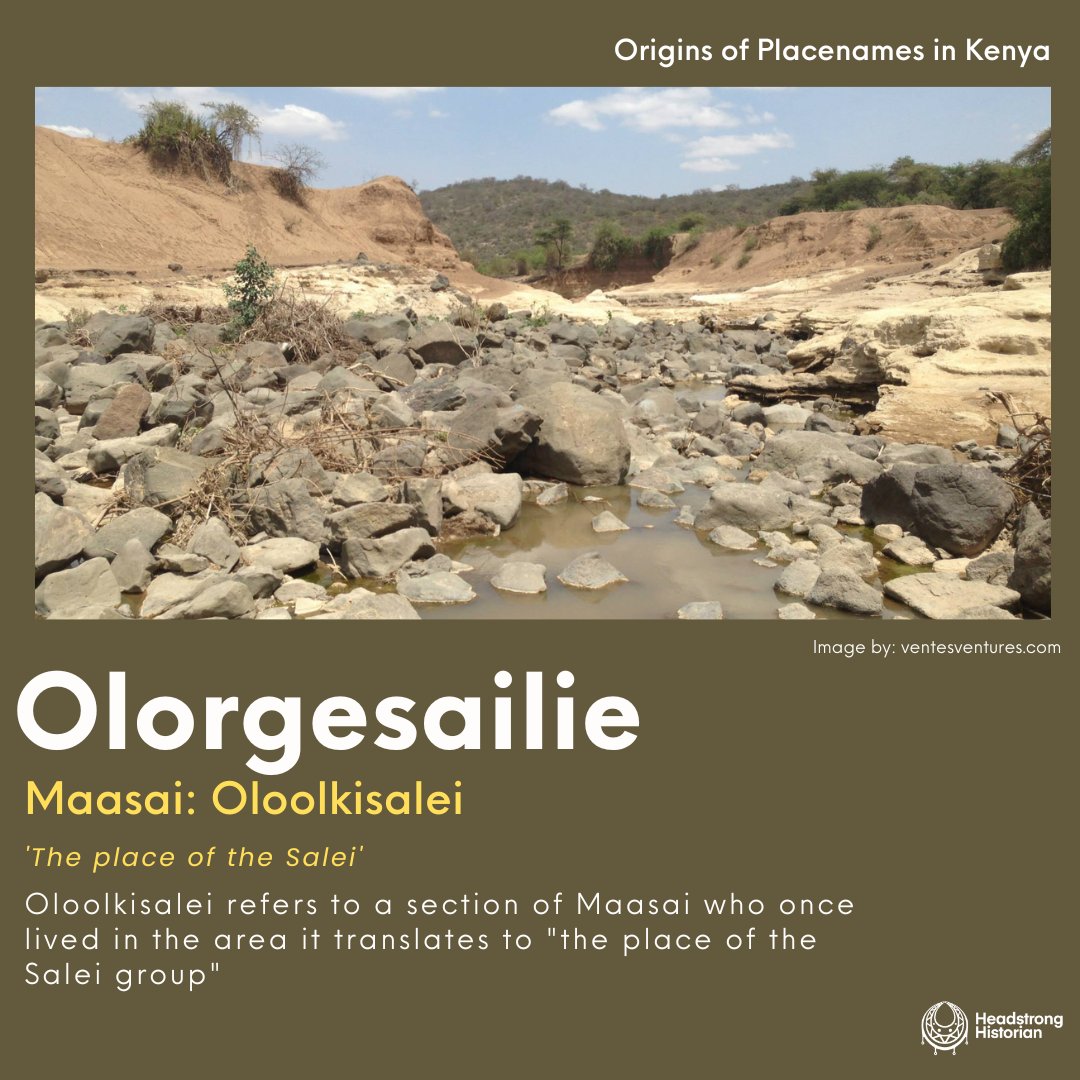
Personally fascinated by this last category and the histories that could be extrapolated from this, like what happened to the Salei? 🤔
This is by no means a conclusive list and there are so many names that could be added.
But I would like to take a brief moment to talk about what these place names signify and how they challenge us to expand our understanding of where history lives.
But I would like to take a brief moment to talk about what these place names signify and how they challenge us to expand our understanding of where history lives.
Understanding the origins of place names demonstrates the power of language and orality as a crucial historical archive.
Early notions of Africans having no history due to 'lack of written records' point to European ignorance of the complexities of indigenous knowledge systems where history was a living thing, embodied in people, places, relationships and environment.
Through this small sample of Maasai place names we are able to map out the spread of indigenous plant species, origins of water sources, geographical formations, animal migration patterns, historical events and so much more...
The ways in which place names have changed to match the phonetics of different communities can also reveal the history of migration, settlement and interactions between different groups.
What can we tell about the interactions between Maasai and Kipsigis by exploring the a place like Londiani?
Using this approach everything is intertwined language, landscape, people.. a steep departure from a history in which communities are presented as existing in silos
Using this approach everything is intertwined language, landscape, people.. a steep departure from a history in which communities are presented as existing in silos
It is also interesting to note that some place names have contested origins.
A place such as Menengai is said to have Maa, Kikuyu and Kipsigis origins. Beyond conversations on which is ‘more legitimate’ the real conversation is what does this tell us about their interactions?
A place such as Menengai is said to have Maa, Kikuyu and Kipsigis origins. Beyond conversations on which is ‘more legitimate’ the real conversation is what does this tell us about their interactions?
Beyond Maasai, this exercise can also be done with different languages from multiple communities. What insight can we draw that can help us in conversations around climate change, food systems, wildlife management and so much more?
The preservation and use of indigenous languages is also the preservation of entire archives of knowledge.
This not about history being something we consume as a hobby but something that is extremely functional in helping us make sense of our environments and futures.
This not about history being something we consume as a hobby but something that is extremely functional in helping us make sense of our environments and futures.
2022 saw the violent eviction of Ngorongoro's Maasai community over claims that the community is a danger to wildlife.
Our histories and languages prove that this is a fiction that only exists in the minds of capitalist and exploitative regimes
Our histories and languages prove that this is a fiction that only exists in the minds of capitalist and exploitative regimes
There is so much I could write but at the risk of not making this thread longer I will end it here.
Thankful for the work of Dr.Naomi Kipury, David Ole Munke and S Ole Sankan.
Thankful for the work of Dr.Naomi Kipury, David Ole Munke and S Ole Sankan.
Loading suggestions...