

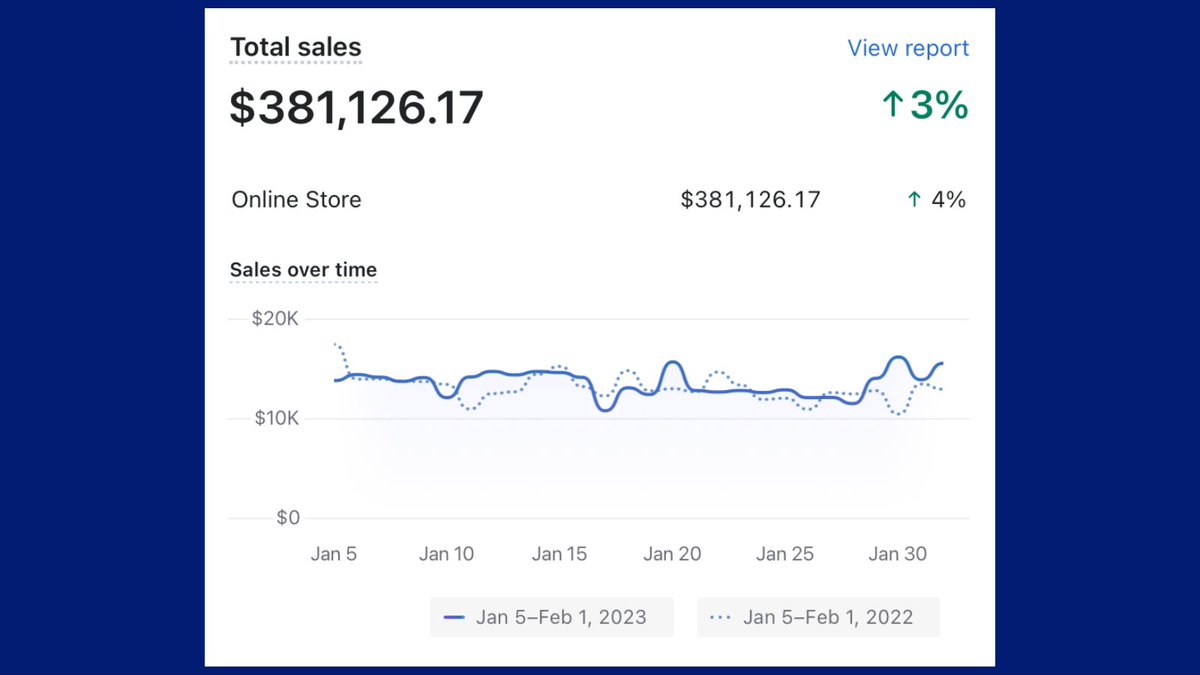
I started handling Google ads for a fashion eCommerce brand on January 5th of 2023
And blew up the brand by 24% year over year.
Here's how I did it.
A thread >>> 🧵
And blew up the brand by 24% year over year.
Here's how I did it.
A thread >>> 🧵
Regardless of what niche the brand we take on sells within, our main steps are essentially the same.
We use these as a checklist to gauge account health.
This checklist includes:
> Checking conversion tracking
> Analyzing product feed quality
> Analyzing current strategy
We use these as a checklist to gauge account health.
This checklist includes:
> Checking conversion tracking
> Analyzing product feed quality
> Analyzing current strategy
Though the use of this checklist, we found out this brand:
> Had multiple conversion tracking tags firing
> Had too many campaigns (80+) that were competing with each other
> Lacked SEO for product titles
> Had no proper strategy in place
> Had multiple conversion tracking tags firing
> Had too many campaigns (80+) that were competing with each other
> Lacked SEO for product titles
> Had no proper strategy in place
Although the issues were clearly visible, we could not take drastic steps with this brand.
There were shareholders in the background who expected consistency when it came to revenue.
We acted fast but began by taking small steps
The first thing we fixed was conversion tracking
There were shareholders in the background who expected consistency when it came to revenue.
We acted fast but began by taking small steps
The first thing we fixed was conversion tracking
Once the data coming in was fully accurate, we moved onto the campaigns and products.
With campaigns, we:
> Cut out low budget campaigns
> Removed restrictions slowly to prevent drastic effects
> Paused all unprofitable campaigns with low spend
With campaigns, we:
> Cut out low budget campaigns
> Removed restrictions slowly to prevent drastic effects
> Paused all unprofitable campaigns with low spend
These small steps let us slowly ease the account back into a proper structure.
While we were dealing with campaigns, we also worked on the product feed.
This meant using the data from Google ads to restructure titles for the best sellers.
Slowly, this increased revenue.
While we were dealing with campaigns, we also worked on the product feed.
This meant using the data from Google ads to restructure titles for the best sellers.
Slowly, this increased revenue.
The future looks bright for this eCommerce brand.
We're continuing to increase budgets on the necessary campaigns while keeping the ROAS stable.
Having the breakeven ROAS at a 2x helps tremendously when it comes to scale.
We're continuing to increase budgets on the necessary campaigns while keeping the ROAS stable.
Having the breakeven ROAS at a 2x helps tremendously when it comes to scale.
In the past 12 months, we've scaled 103+ eCommerce brands past $50k / $100k+ per month.
All with Google ads alone.
Right strategies + right team = scale
Doing $40k+ per month and need help scaling to the NEXT level with Google ads?
Let's work together: yorumarketing.com
All with Google ads alone.
Right strategies + right team = scale
Doing $40k+ per month and need help scaling to the NEXT level with Google ads?
Let's work together: yorumarketing.com
We followed the same strategy we usually use for 99% of the eCommerce brands we handle.
It's all about finding the issues.
Building a strong foundation.
And then solving the issues.
1. Follow me @EcomShri for more eCommerce & Google ads content.
2. Retweet if you found value!
It's all about finding the issues.
Building a strong foundation.
And then solving the issues.
1. Follow me @EcomShri for more eCommerce & Google ads content.
2. Retweet if you found value!
Loading suggestions...