

The tragic earthquake that hit Turkey and Syria offers lessons about the value of (and limits to) diplomacy.
[THREAD]
[THREAD]
I'll start the international politics lesson in the next tweet. But many people are suffering due to the earthquake. If you wish to help, consider donating to one of the many NGOs providing assistance, such as @AKUT_Dernegi.
Link: akut.org.tr
Link: akut.org.tr

The quake is indeed devastating, on pace to be one of the deadliest of the past century.
washingtonpost.com
washingtonpost.com
Such a tragedy would seem to have no reason for optimism.
Indeed, consider the famous opening line from Kenneth Waltz's foundational international relations text, "Man, The State, and War"
amazon.com
Indeed, consider the famous opening line from Kenneth Waltz's foundational international relations text, "Man, The State, and War"
amazon.com
Waltz writes, "Asking who won a given war, someone has said, is like asking who won the [1906] San Francisco earthquake."
Meaning, that there are no winners, only tragedy.
Meaning, that there are no winners, only tragedy.
![Waltz writes, "Asking who won a given war, someone has said, is like asking who won the [1906] San F...](https://pbs.twimg.com/media/For-jZVWIAEX6P-.png)
But there is a *potential* positive, one that @FridaGhitis highlights in this @WPReview piece: diplomacy.
worldpoliticsreview.com
worldpoliticsreview.com
Diplomacy benefits from natural disasters in three ways from natural disasters:
1) Improve relations between rivals.
2) Build soft power
3) Show material value of cooperation
Let's unpack each.
1) Improve relations between rivals.
2) Build soft power
3) Show material value of cooperation
Let's unpack each.
First, natural disasters create opportunities for skillful diplomats to lay the ground work for improved international cooperation.
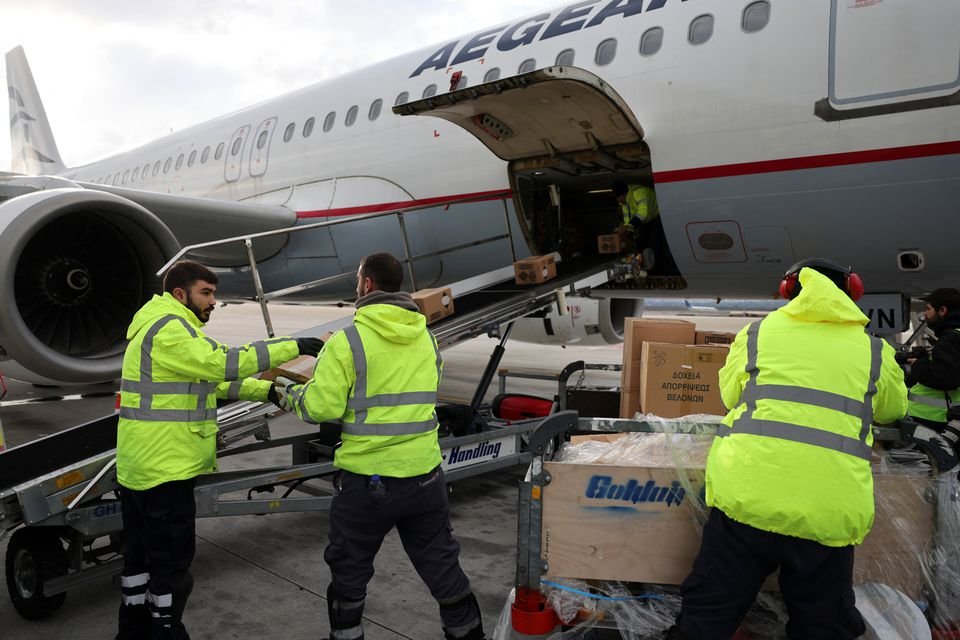
Consider how Turkey's long time rival, Greece, is sending aid.
reuters.com
reuters.com
Or think about how even how the 🇺🇸 offered 🇮🇷 assistance after it was hit by a quake in 2012.
Iran turned down direct aid, but...
bbc.com
Iran turned down direct aid, but...
bbc.com
... the offer can't been seen as fully independent of the process that led to the 2015 Iran Nuclear Deal (if negotiations to form the 2013 interim agreement had not been ongoing, would the US have acted differently?)
cfr.org
cfr.org
All of this can be thought of as what @IlanKelman calls "Disaster Diplomacy", as described in this @ColumbiaJIA article...
Link: jstor.org
Link: jstor.org
...and then his followup book.
amazon.com
amazon.com
Unfortunately, his work finds that the effect of disasters on diplomacy is fleeting. It creates a "window of opportunity", but that window is small and can't do much on it's own to improve relations between states.
So cooperation CAN happen, but it's short lived.
So cooperation CAN happen, but it's short lived.
This once again underpins the point made by Bob & Bob years ago, "Achieving cooperation in world politics is difficult."
cambridge.org
cambridge.org
Second, natural disasters provide countries an opportunity to acquire soft power.
Soft power means showing off your values as a way of looking attractive to others.
amazon.com
amazon.com
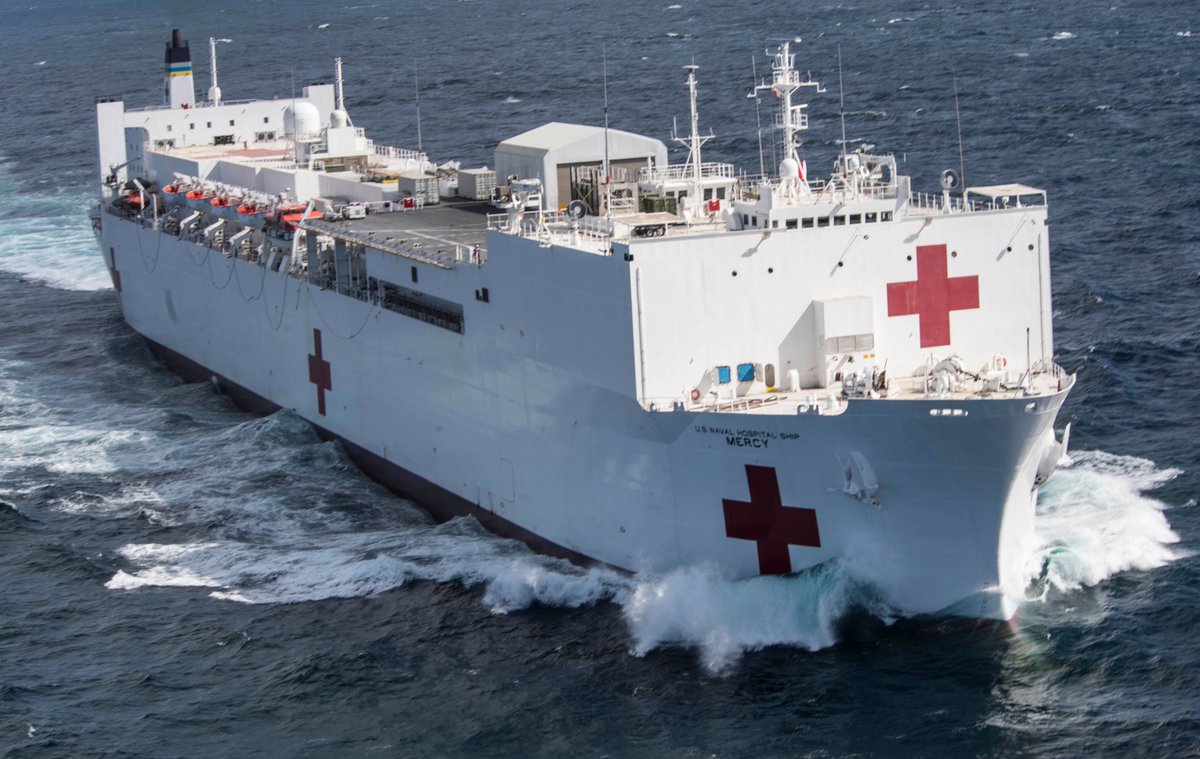
Providing aid during natural disasters is well recognized as a means of developing soft power.
igs.duke.edu
igs.duke.edu
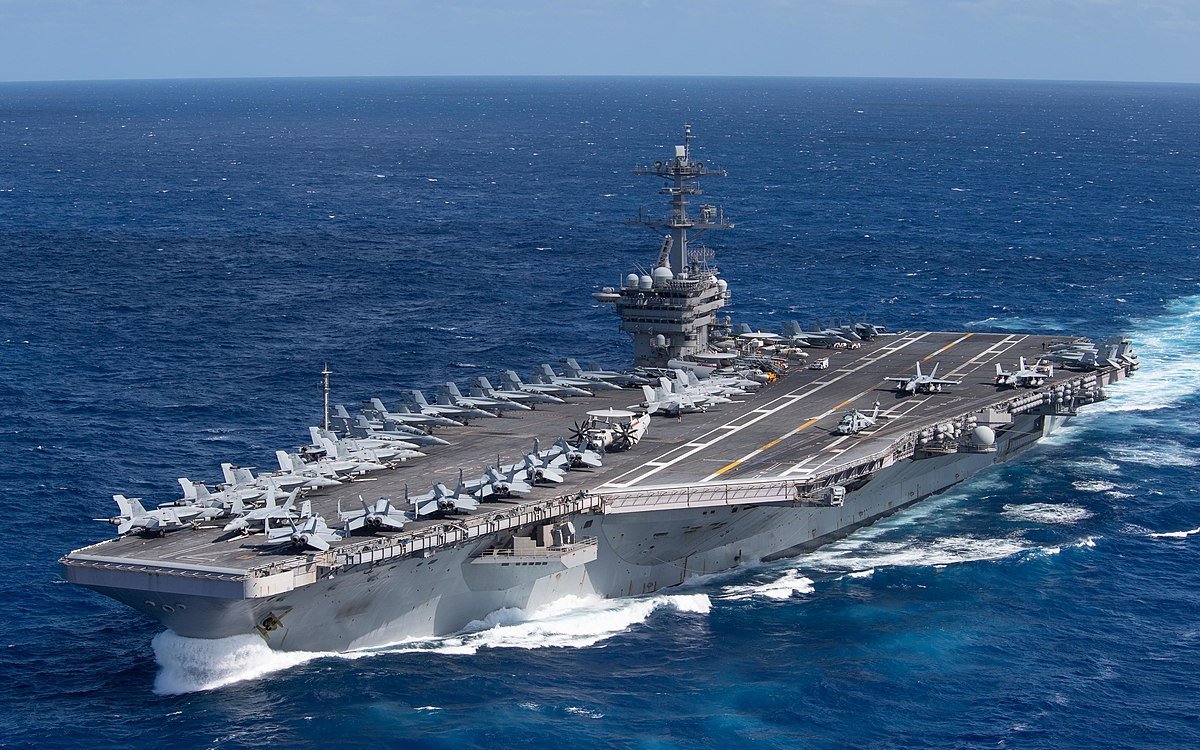
Think of the message sent to foreign audiences when the 🇺🇸-ship "Mercy and Comfort" arrives. It's a very different message from when a 🇺🇸 aircraft carrier arrives off your coast.
Third, natural disaster provide an opportunity to demonstrate the benefits of cooperating.
For example, @aleksandracone finds in @ISQ_Jrnl that having preferential trade agreements enables countries to quickly substitute international goods for disrupted/destroyed domestic goods.
academic.oup.com
academic.oup.com
In other words, already economically cooperating with other countries helps minimize the economic and societal harm done by the natural disaster.
But, again, this presumes that the cooperation already exists (which, going back to the first point, is not so simple).
But, again, this presumes that the cooperation already exists (which, going back to the first point, is not so simple).
In sum, if the face of tragedy, people can and do come together, at least for a short time. That goes for nation-states as well.
[END]
[END]
Loading suggestions...