
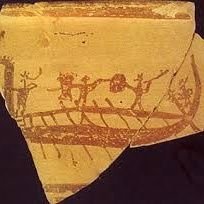
1/Our story begins shortly after the famous battle of Qadesh, when the Hittite Great King Muwatalli II dies leaving the throne, at his will, to his son, Urhi-Teshub, who adopted the name Muwatalli III (1272 BC). However, the establishing Urhi-Teshub in power was not an easy task.

2/Muwatalli II sensing the dynastic disputes that would break out after his death and to strengthen the future position of Urhi-Teshub had exiled his second wife Danuhepa together with her sons,while his other son and brother of Urhi-Teshub, Kurunta, he confined him to the north.

3/ Urhi-Teshub tried to stabilize the situation, returning the capital to Hattusa from Tarhuntassa, while at the same time reconciling Danuhepa by paying her the prescribed honors with her and her sons supporting his authority.

4/ However, when the Assyrians invaded the friendly kingdom of Mitanni and made it their province, Urhi-Teshub did not want to send military aid to the ruler of Mitanni, legitimizing the presence of the Assyrians in the east of the Hittite Empire and next to Karkemis.
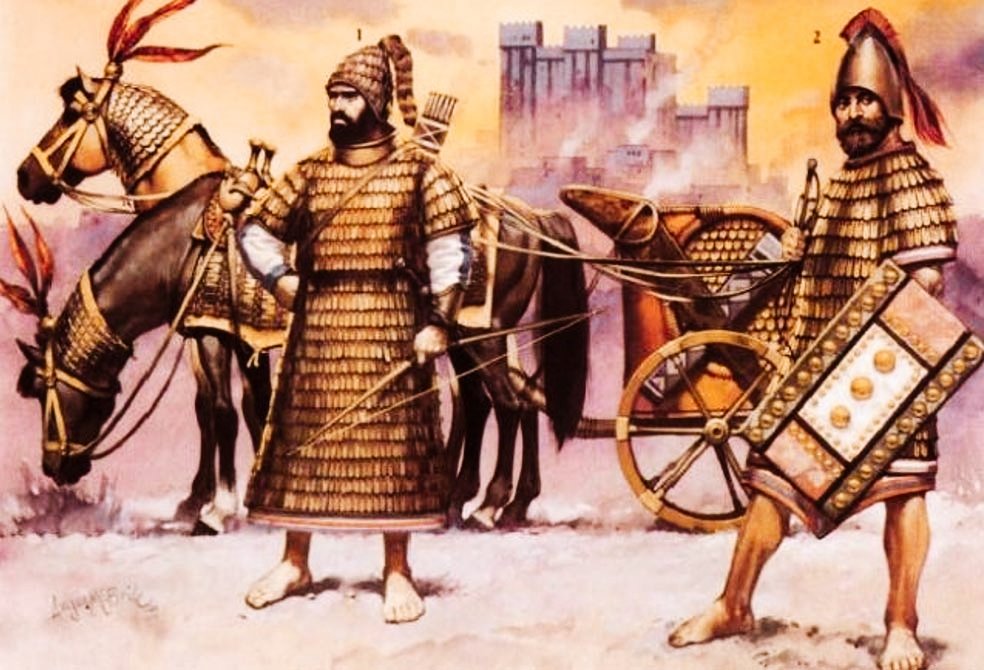
5/ This event caused disturbance in Hattusa. Then, an ambitious general appears in the foreground, Hattusili III, brother of Muwatalli II and uncle of Urhi-Teshub, who had distinguished himself both against the Kaskas and in the Battle of Qadesh and was popular with the people.
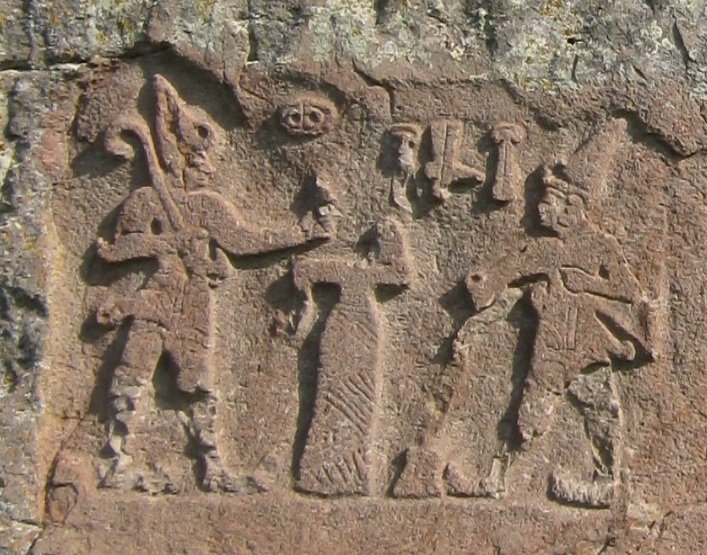
6/ Hattusili III was not a simple case. When he was born he was faced with a serious illness, which endangered his very life. While he was thought to be dead, he recovered and from that moment connected the rest of his life with the goddess Ishtar, who he believed had saved him.
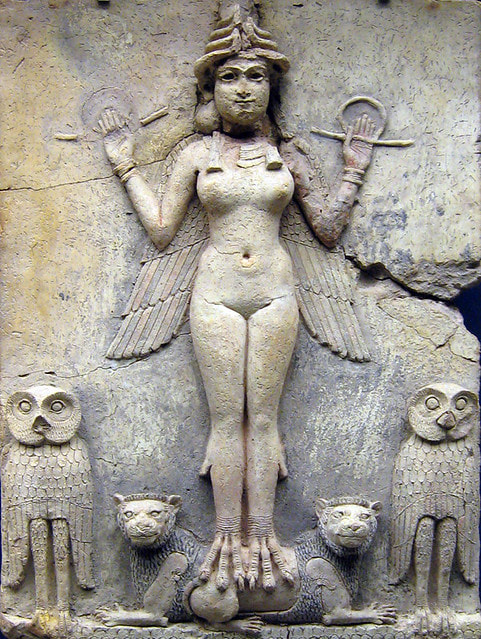
7/ After the Battle of Qadesh, Hattusili III married the priestess of Ishtar, Puduhepa, a powerful figure who played an important role in his later career, supporting him at crucial times, helping to legitimize his power and securing a divine status for it.
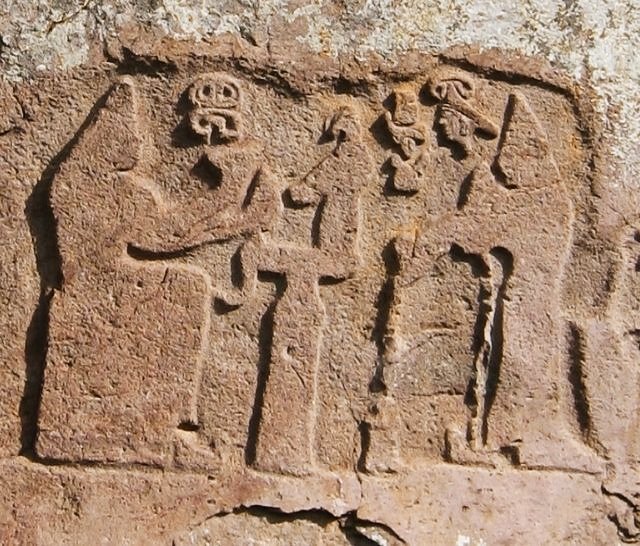
8/Urhi-Teshub tried to limit Hattusili III and then, having the support of several nobles and an important part of the army,he carried out a successful coup, overthrowing him and declaring himself king.During the riots,part of Hattusa was destroyed and probably the palace as well
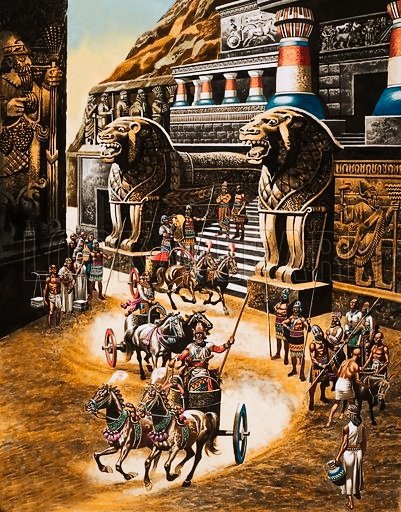
9/ The rise of Hattusili III was not immediately accepted by the international political system of the time and the rest of the Great Kings, especially Ramses II, by whom Hattusili III was treated as a usurper. ➡️
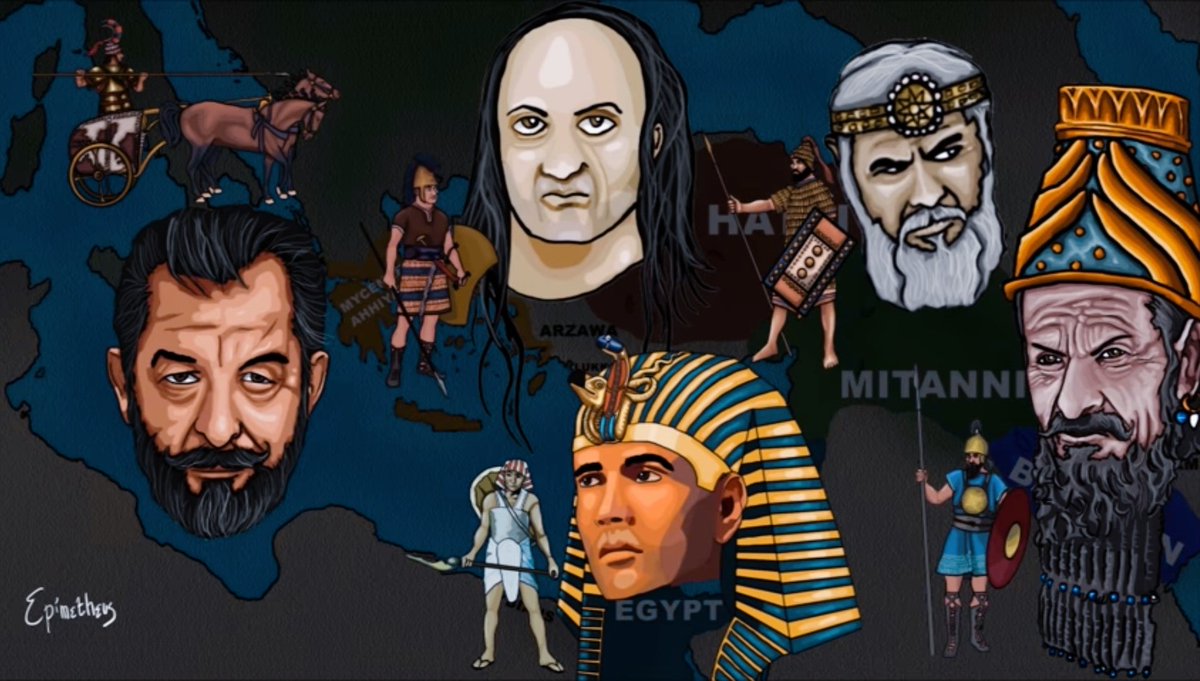
➡️ All this questioning of his authority forced Hattusili III to have his attention constantly turned to the internal affairs of the Empire.
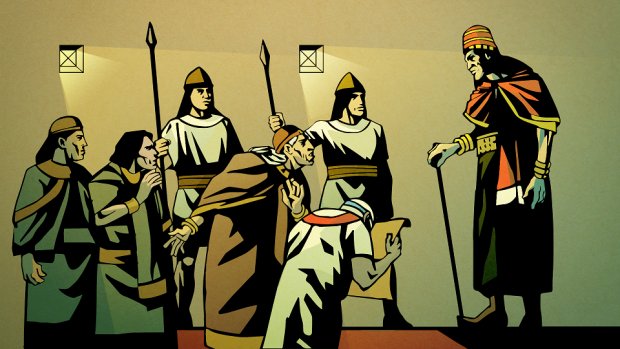
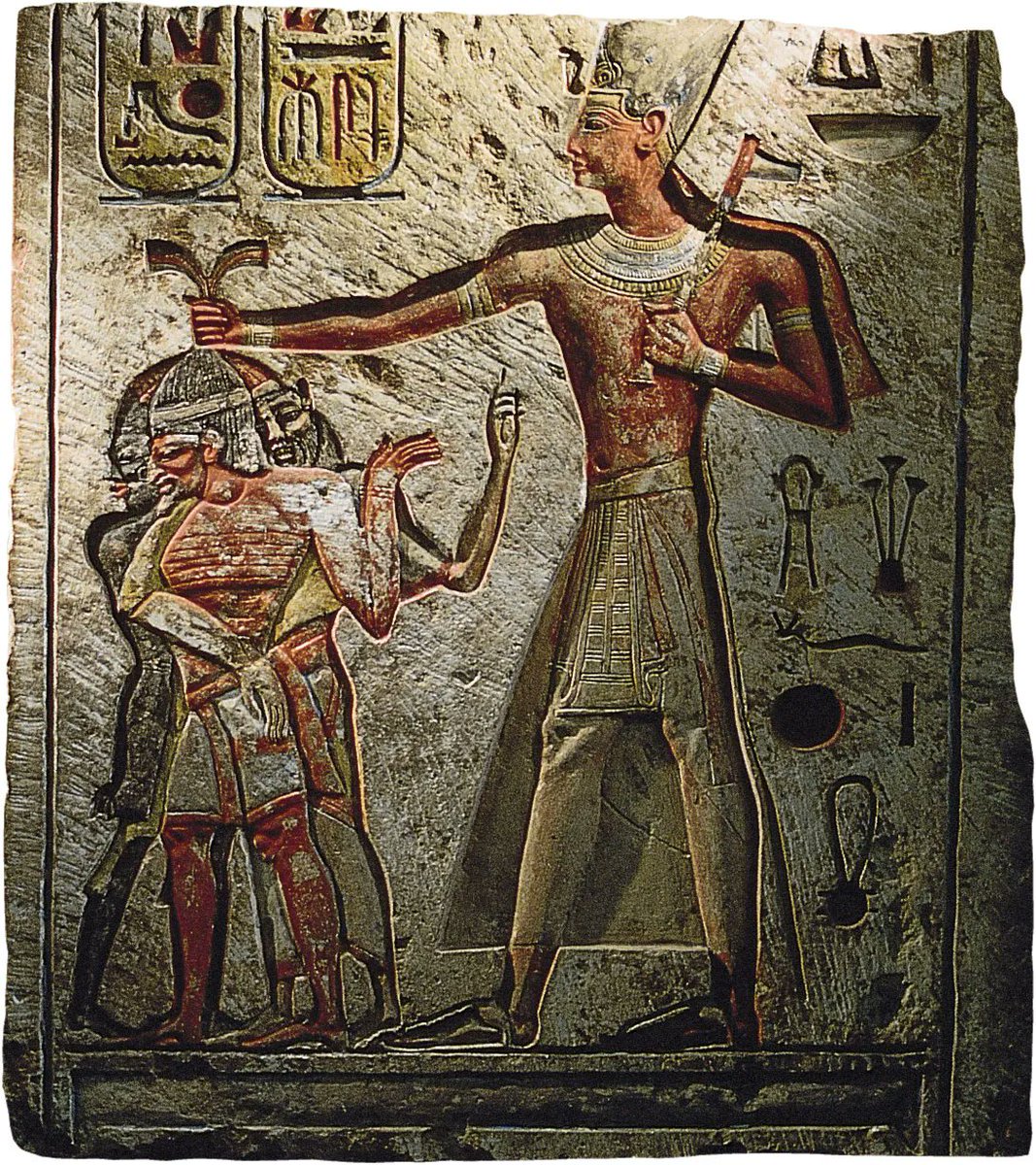
10/ Hattusili III exiled Urhi-Teshub to the Aegean or Cyprus, however he escaped and took refuge in Egypt, where he was used as a means of pressure towards the Hattusili III's power. Finally Ramses II reconciled with Hattusili III and signed a peace treaty with him in 1259 BC.
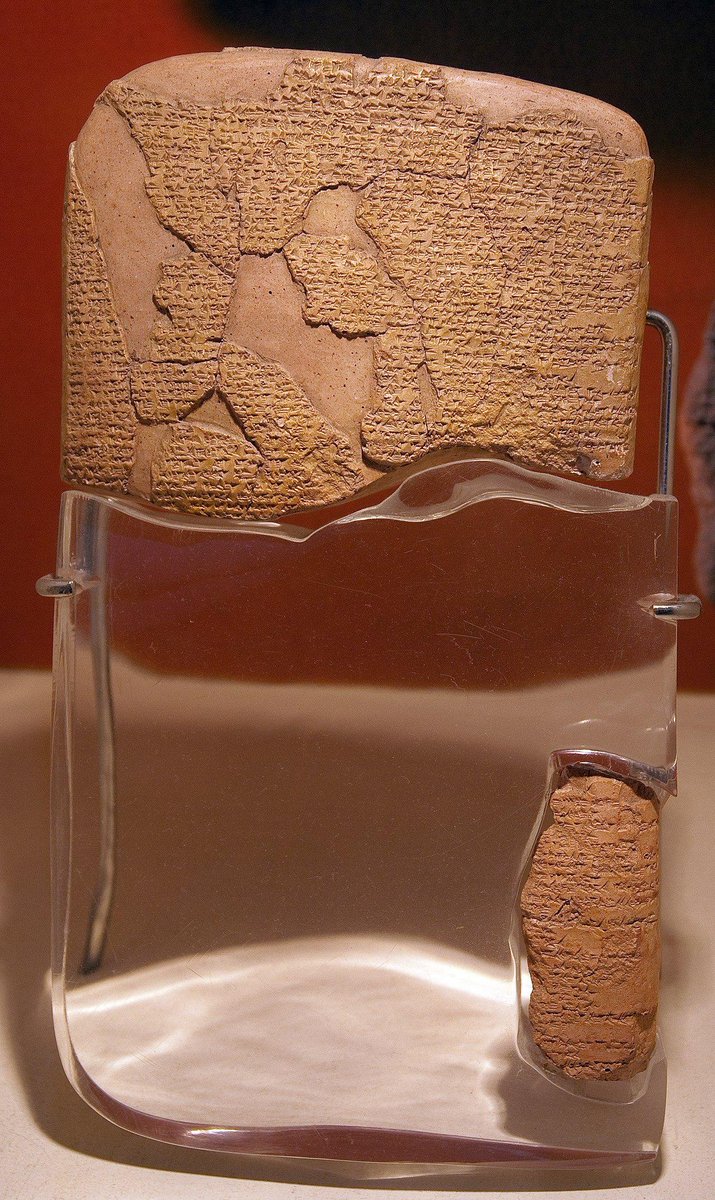
11/ A key term of the treaty was that Ramesses II recognized Hattusili III as the legitimate Hittite king and his sons as his legitimate successors, while at the same time he no longer recognized Urhi-Teshub and his descendants the right to claim the Hittite throne.
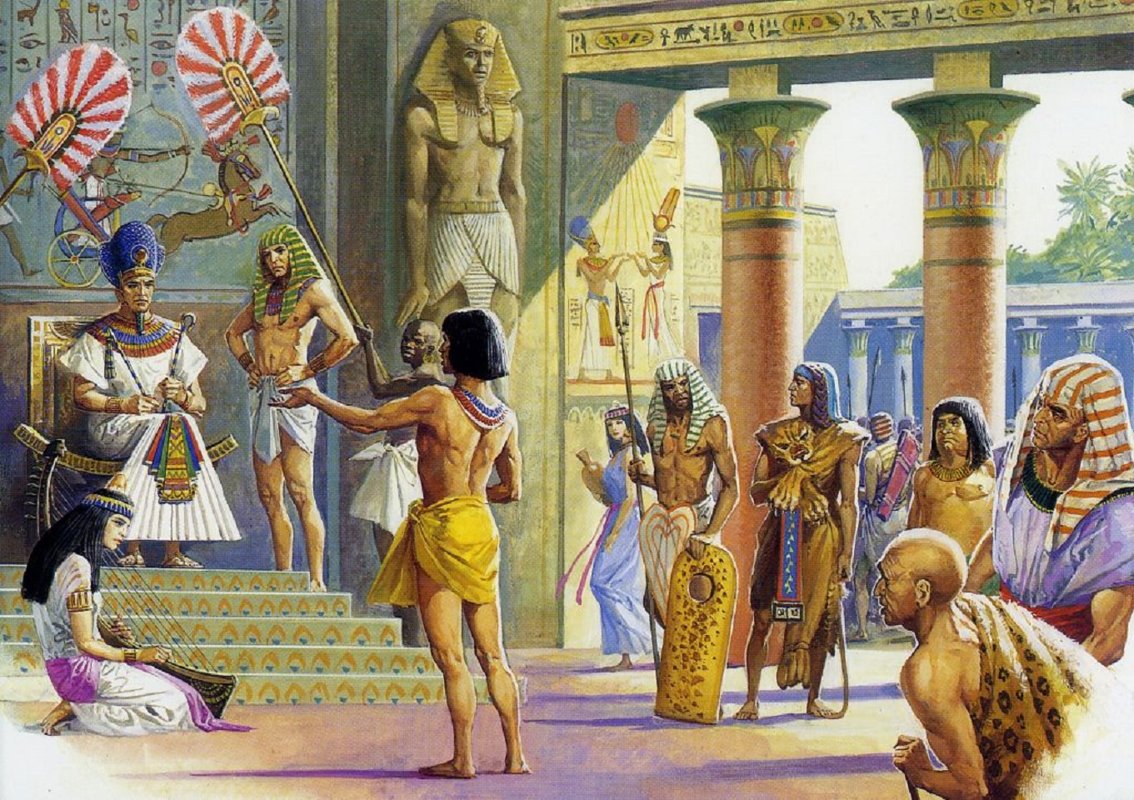
12/ But Ramses II did not hand over Urhi-Teshub to Hattusili III, but instead allowed him to escape from Egypt and take refuge in the south of Hittite territory (Cilicia or Northern Syria) with Hattusili III not in full control of its southern provinces.
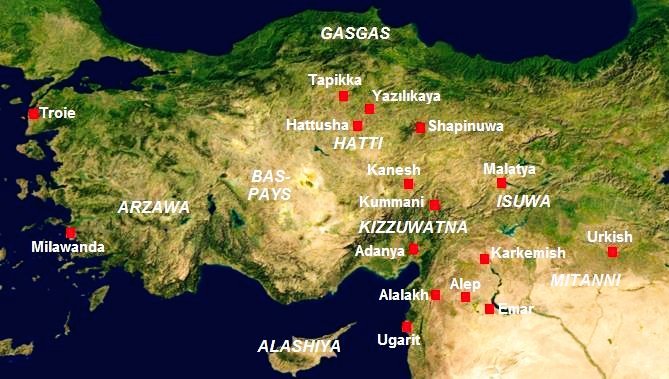
13/ The entire thirty-year reign of Hattusili III (1267-1237 BC) was a protracted attempt to legitimize his authority both at home and abroad resulting in him facing various ➡️
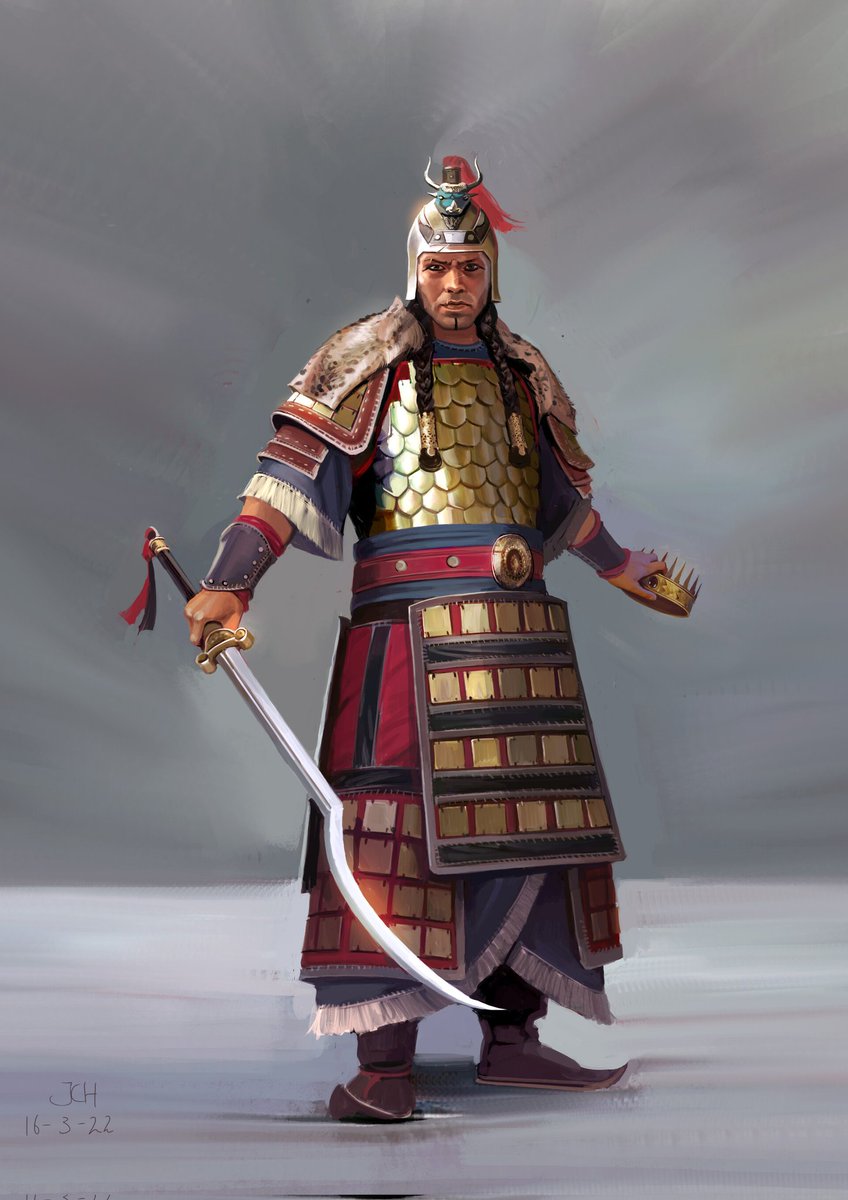
➡️ separatist movements and local rebellions in the western and southern provinces and unable to curb the Assyrian expansionism on the eastern frontier.
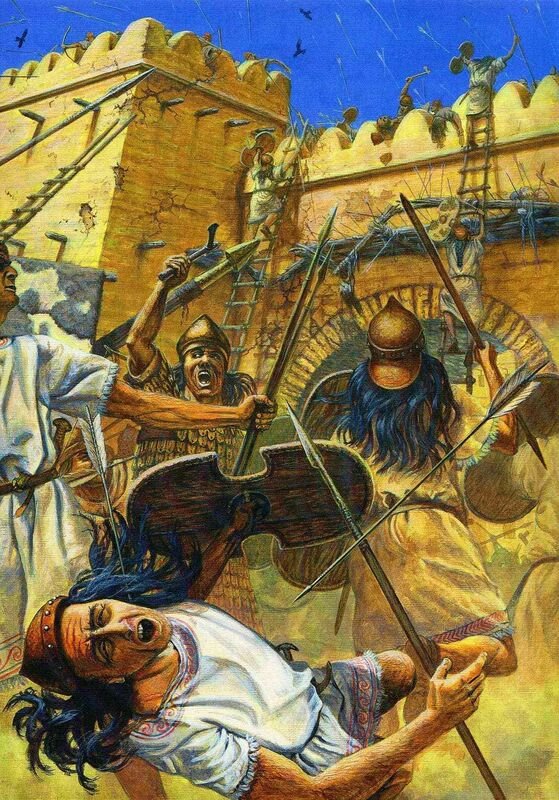
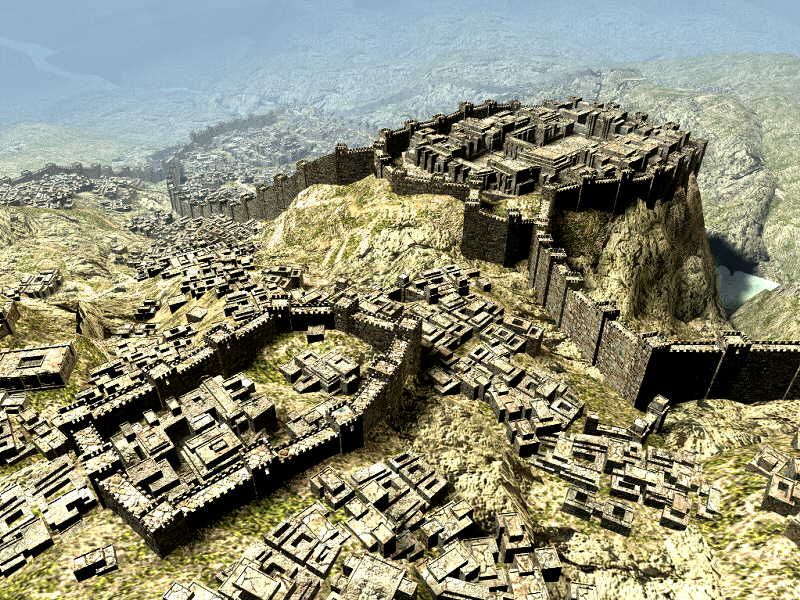
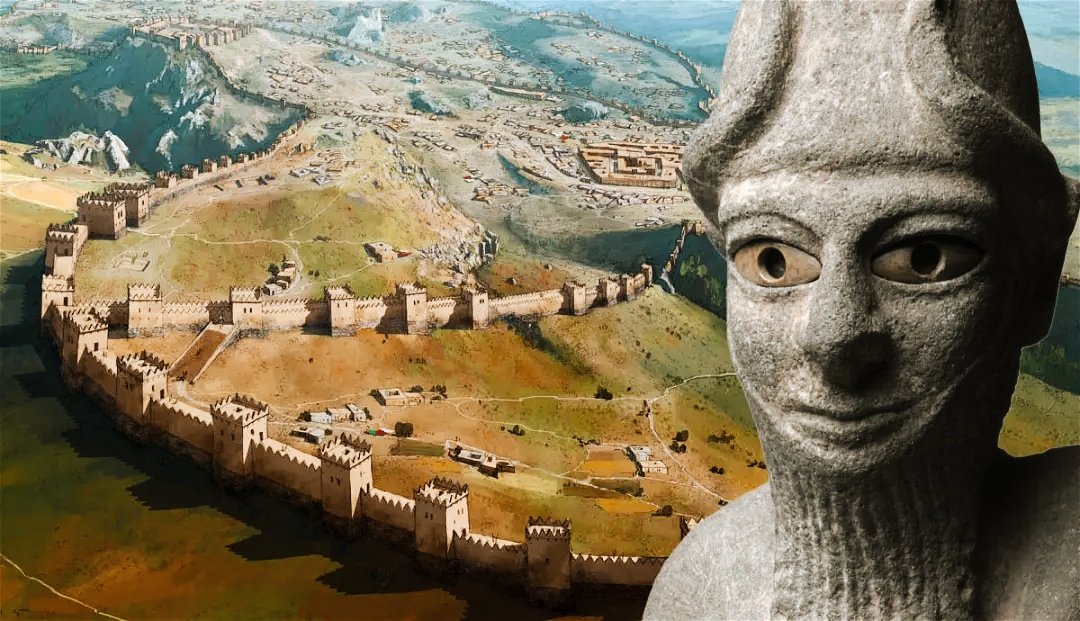
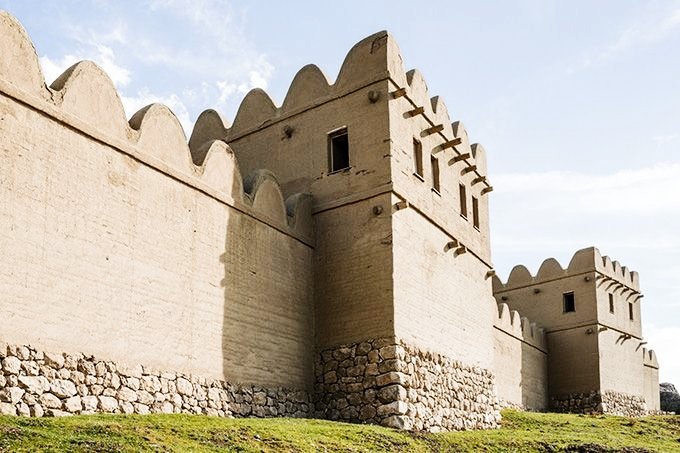
14/ As counterbalance Hattusili III began a major building program, which was largely carried out by his son and successor, Tuhdaliya IV (1237-1209 BC), turning Hattusa into the most magnificent capital of the Eastern Mediterranean. Hattusa was renovated with the construction ➡️
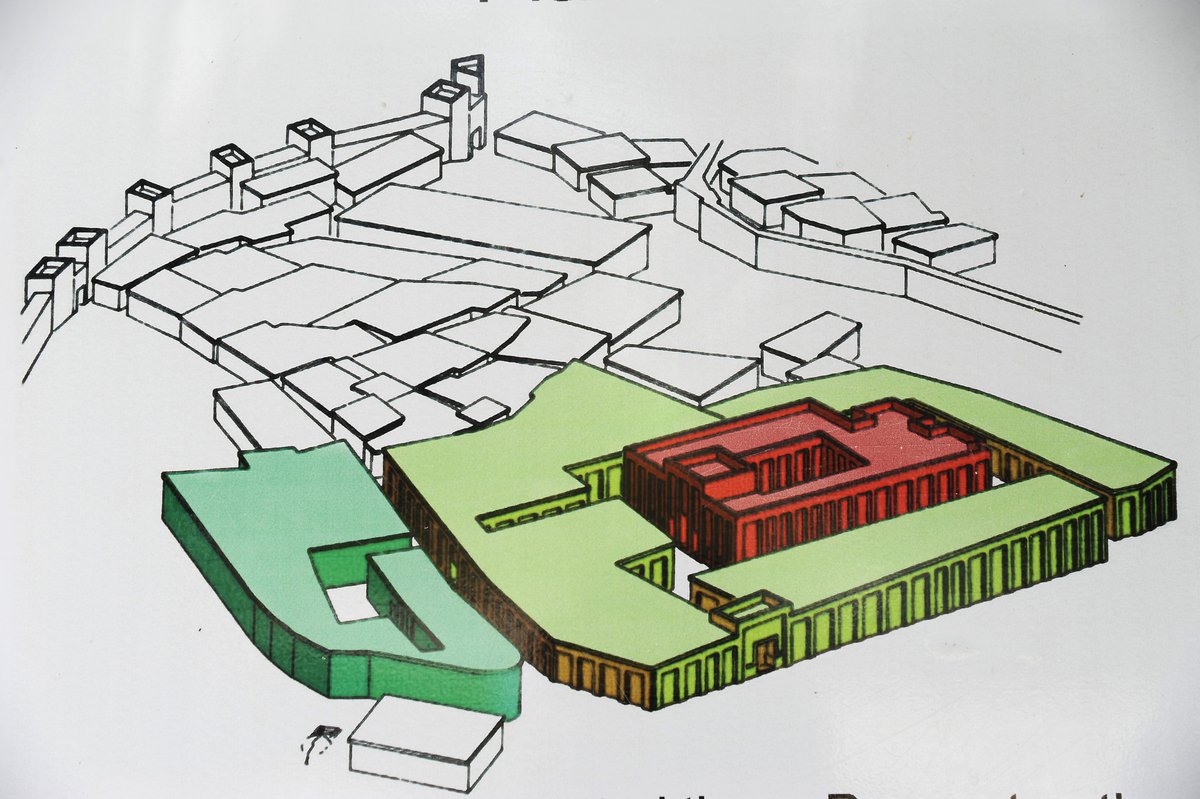
➡️ of large administrative and religious buildings, doubled in size with the addition of the Upper City, and its walls significantly strengthened. The grandeur of the city reached its highest level, impressing all who visited it.
15/ However, this entire building program was a false image. The Hittite Empire was still remaining in a prolonged crisis with the situation getting worse. When Tuhdaliya IV came to power his brother Hešni organized a conspiracy in the palace to assassinate him.
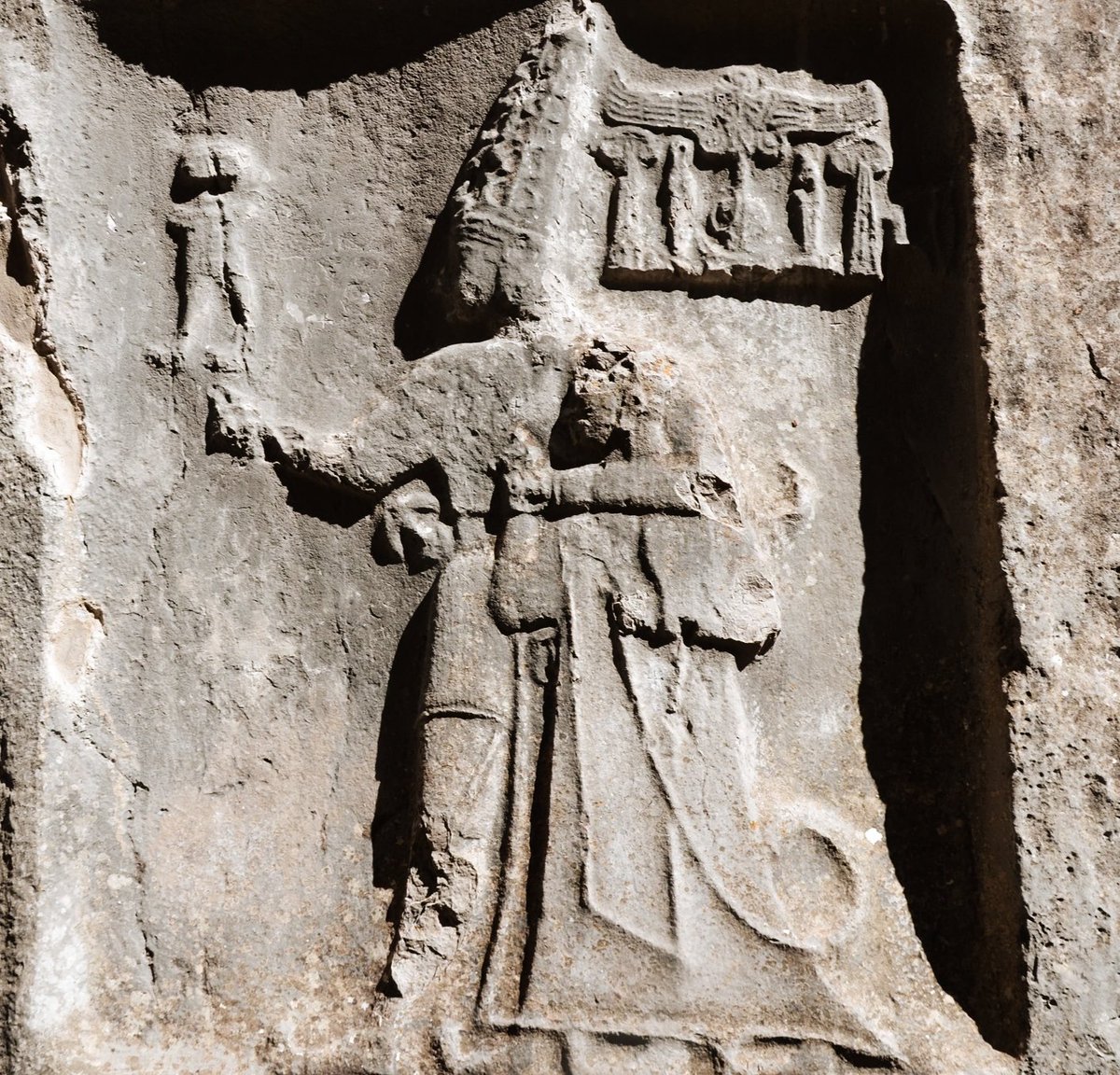
16/ The conspiracy fails and Tuhdaliya IV in his despair states:
"My Sun-god has many brothers and there are many sons of my father. The Land of Hatti has a great royal generation: in Hatti the descendants of Suppiluliuma, of Mursili, of Muwattalli, of Hattusili are numerous."
"My Sun-god has many brothers and there are many sons of my father. The Land of Hatti has a great royal generation: in Hatti the descendants of Suppiluliuma, of Mursili, of Muwattalli, of Hattusili are numerous."
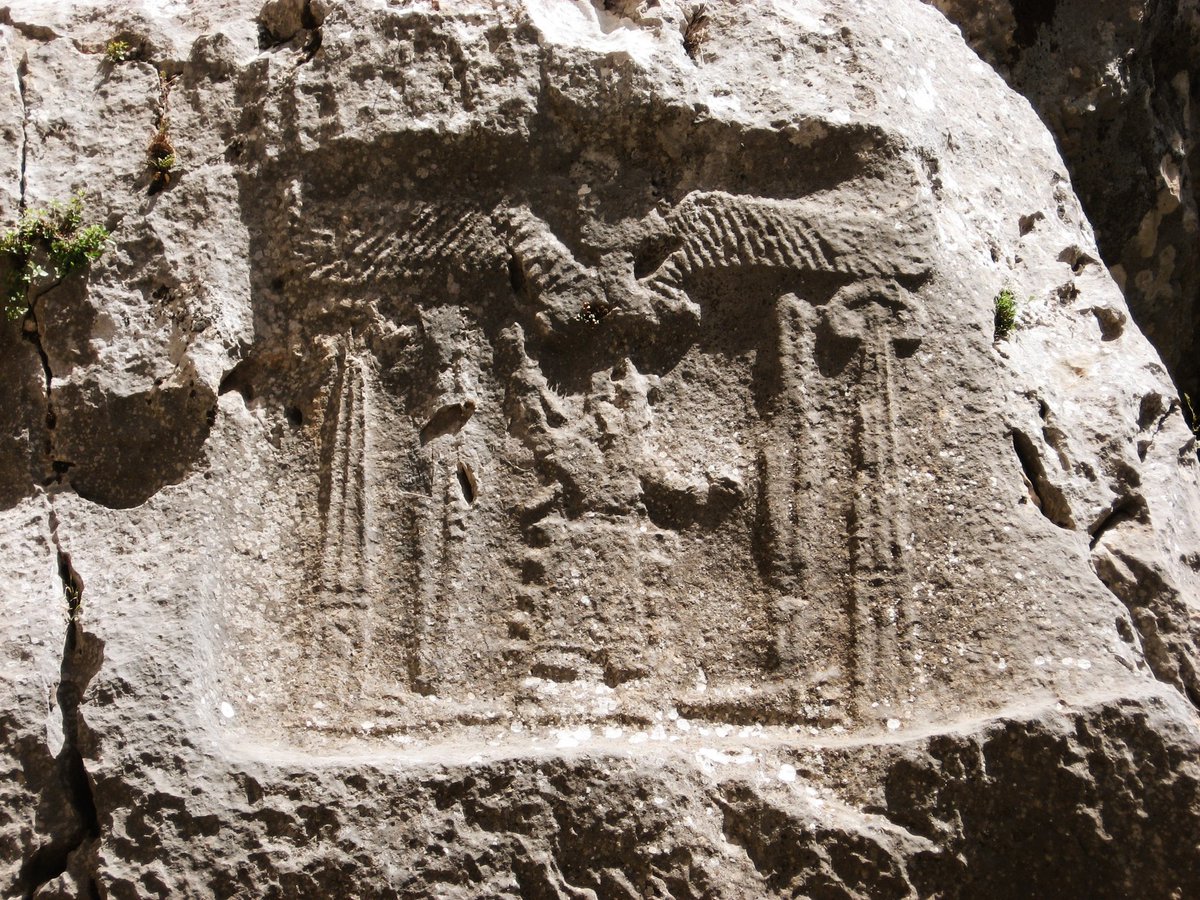
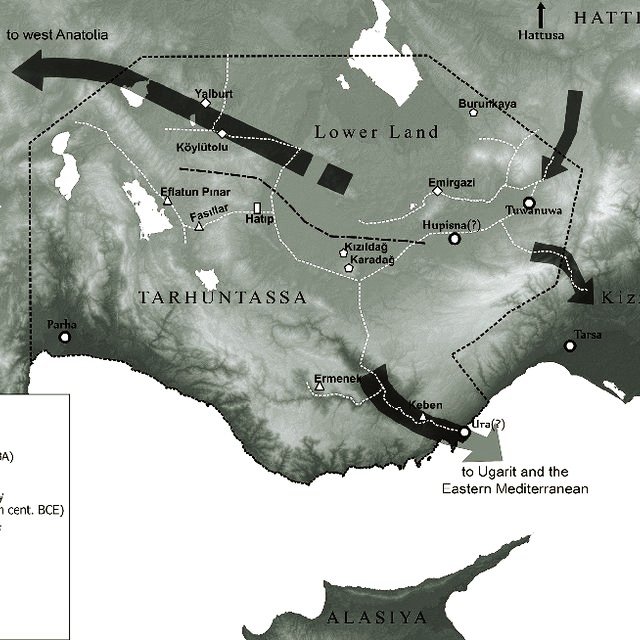
17/ At the same time, he had to face the autonomy of the ruler of Tarhuntassa, Kurunta, brother of Urhi-Teshub, who had been placed in this position by Hattusili III. Kurunta directly challenged the authority of Tuhdaliya IV and perhaps claimed the throne of Hattusa.
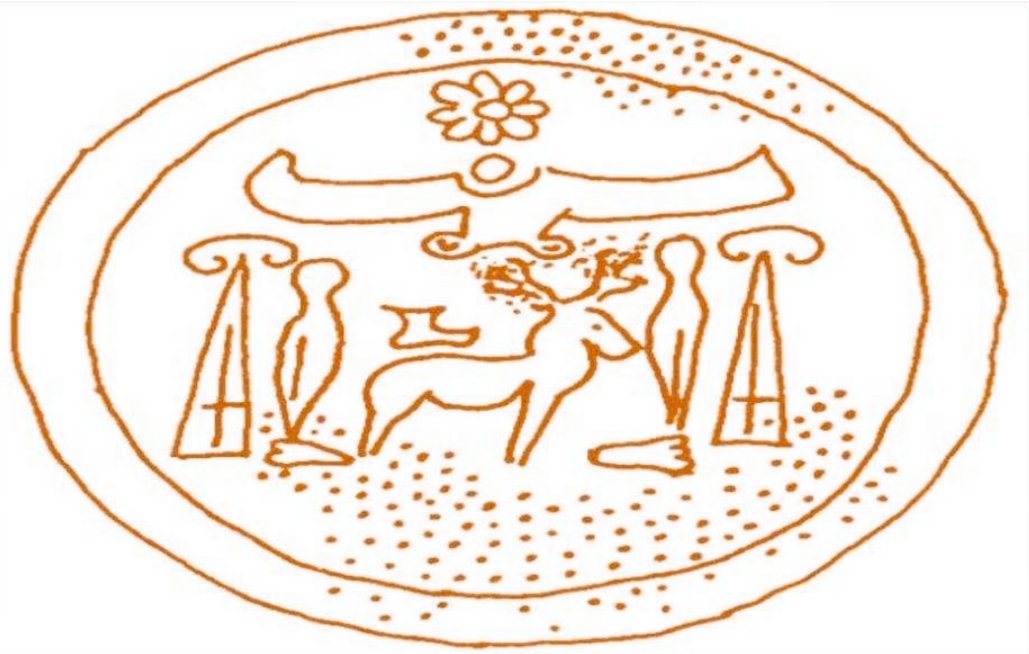
18/ Seals from Hattusa (1228 BC) mention:
"Kurunta, Great King, Labarna, my Sun."
Perhaps Kurunta succeeded in temporarily overthrowing Tuhdaliya VI, as evidence of destruction at Hattusa suggests.
"Kurunta, Great King, Labarna, my Sun."
Perhaps Kurunta succeeded in temporarily overthrowing Tuhdaliya VI, as evidence of destruction at Hattusa suggests.
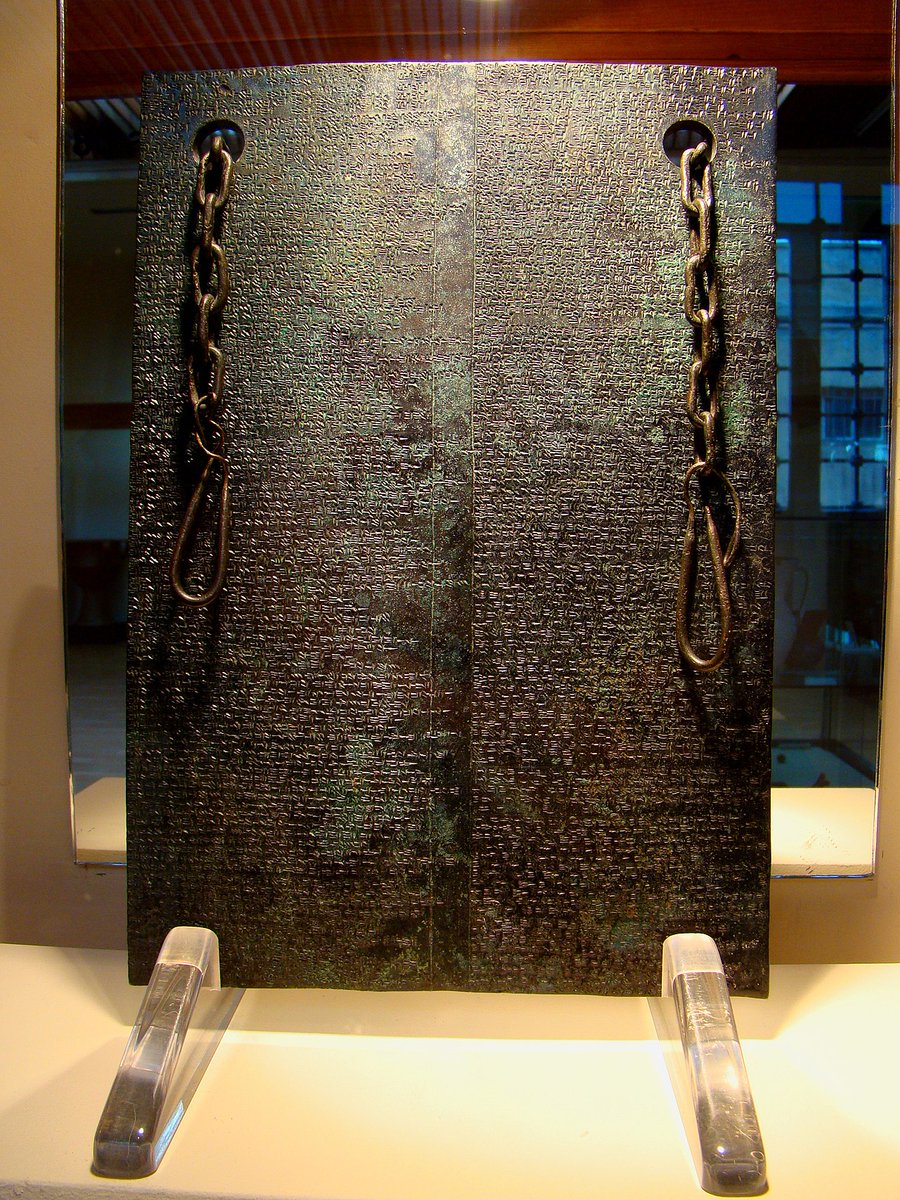
19/ What is certain is that Tuhdaliya IV had for some time lost control of the powerful center of Tarhuntassa, which functioned as a separate kingdom:
"Kurunta, Great King, Hero, Son of Muwattalli, of Great King, of Hero."
"Kurunta, Great King, Hero, Son of Muwattalli, of Great King, of Hero."
20/ Tuhdaliya IV made honorable efforts to hold the Empire together. Although he began his reign with a crushing defeat by the Assyrians at Nihriya, he succeeded in suppressing various secessionist movements in Western Anatolia and expelling the Mycenaeans from Miletus.
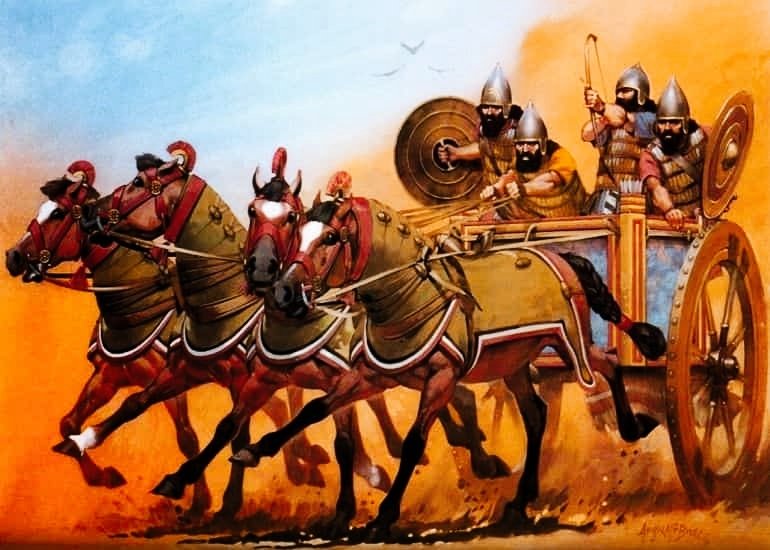
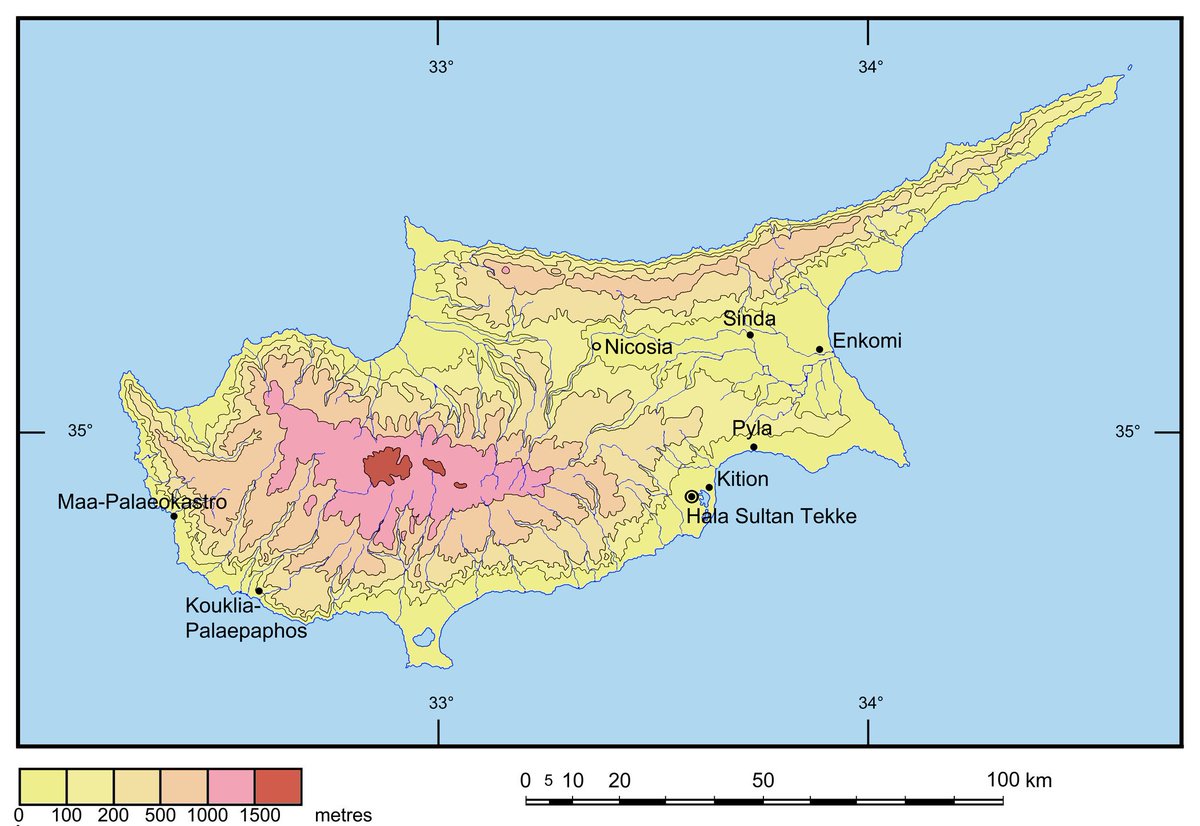
21/ Of particular importance is the reference to a Hittite naval attack on Cyprus, probably using Ugaritic ships, indicating that very vital interests of the Empire were beginning to be at stake resulting in the undertaking of actions it had never attempted before:
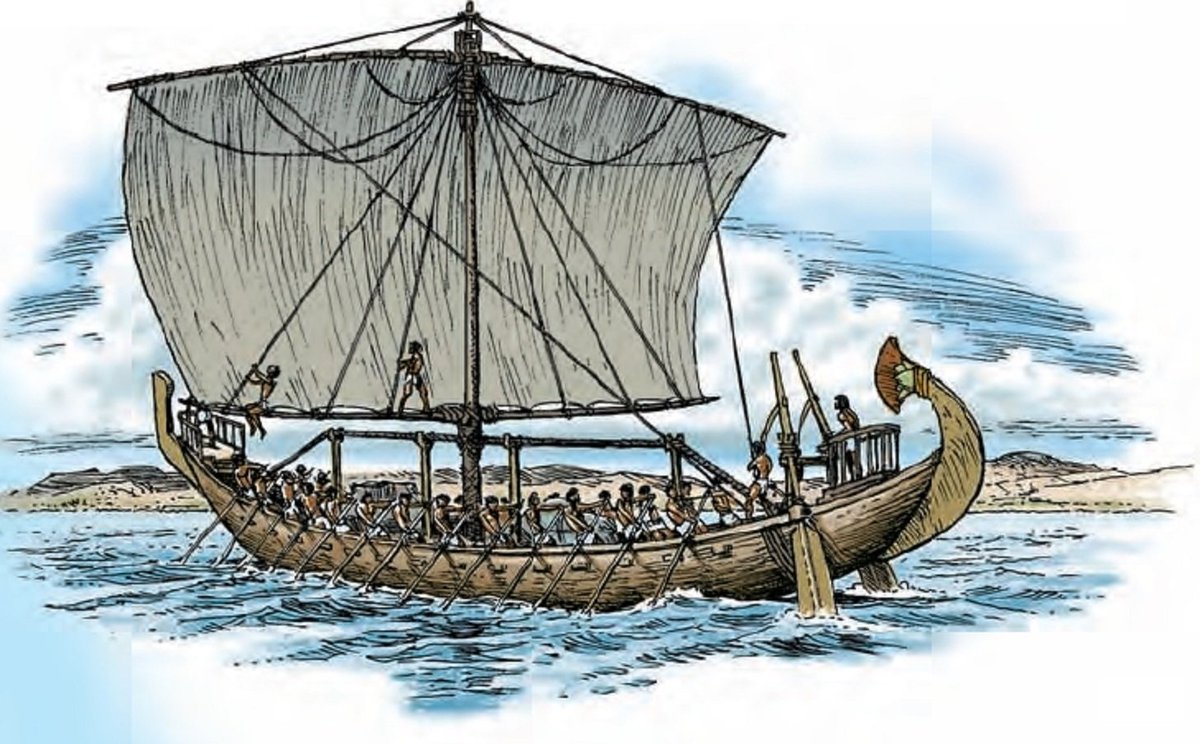
"The King of Alasiya with his wives, his children I captured; all the goods of silver, gold and all the captives I carried and brought to Hattusa. And the Land of Alasiya I enslaved and made vassal on the spot."
22/ The reason for carrying out the operation was to ensure the sea imports of grain from Egypt to Hatti, in order to deal with the grain famine that plagued Anatolia during the late 13th century BC. Characteristic is a letter from the Egyptian pharaoh Merenptah, ➡️
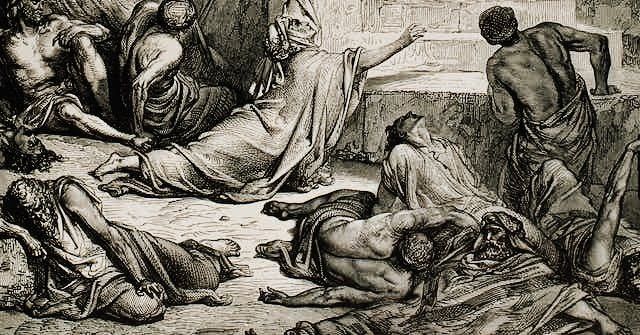
➡️ which was found in the archive of the Ugaritic merchant Urtenu and states that he is sending a cargo of grain because a famine had struck Ugarit. There is also a reference to a famine which occurred in Hatti and Merneptah sent grain.
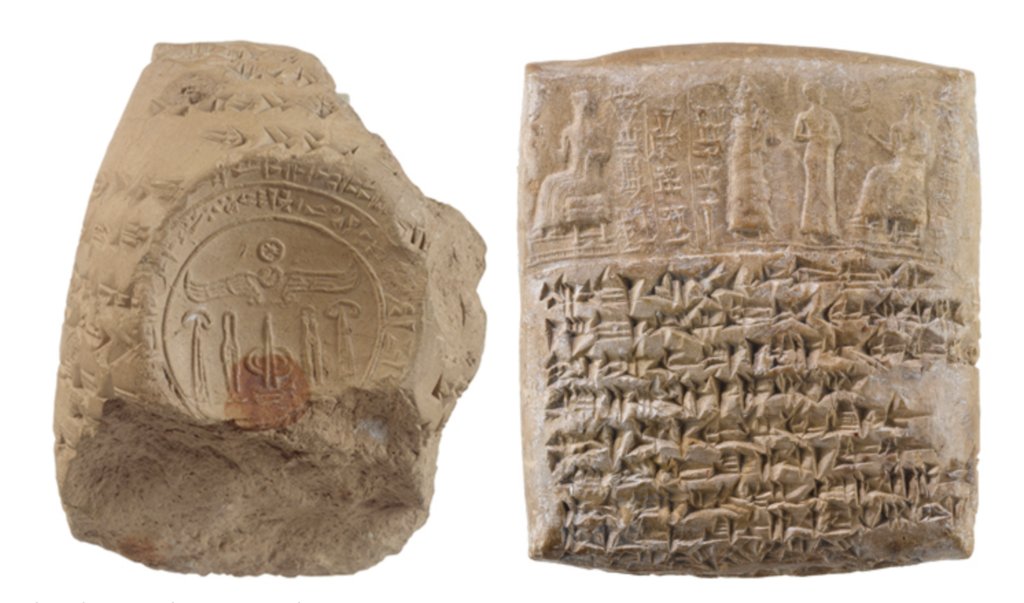
23/It's stated that the Egyptian shipment of wheat is done to keep the Land of Hatti alive. On the other hand, Tuhdaliya IV sent an urgent letter to the king of Ugarit,demanding a ship and crew for transporting 450 tons of grain, concluding that it was a matter of life and death.
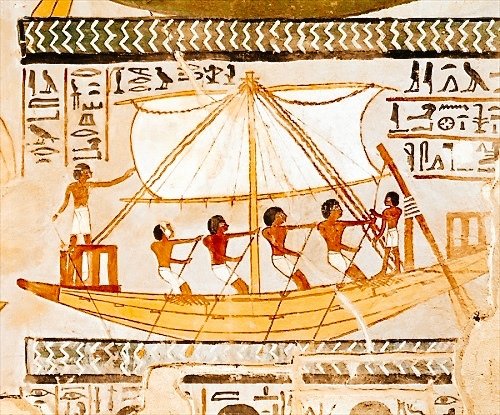
24/The sea transports was obstructed by pirates, who used Cyprus as their base,while it is certain the participation of outlaw groups from the Aegean, Cyprus and the Land of Lukka, which seems to have been outside Hittite control, despite the efforts of Tuhdaliya IV to subdue it.
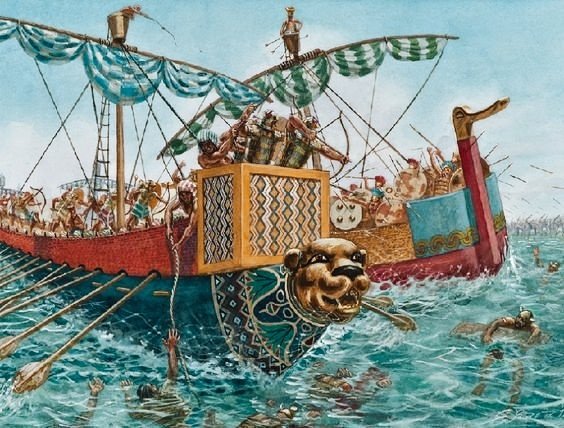
25/ But where did the grain famine in Hatti come from? The Hittites always faced the issue of lack of grain. A large part of the labor force employed in the fields was committing for long periods of time to the army to establish internal security and eliminate external dangers.
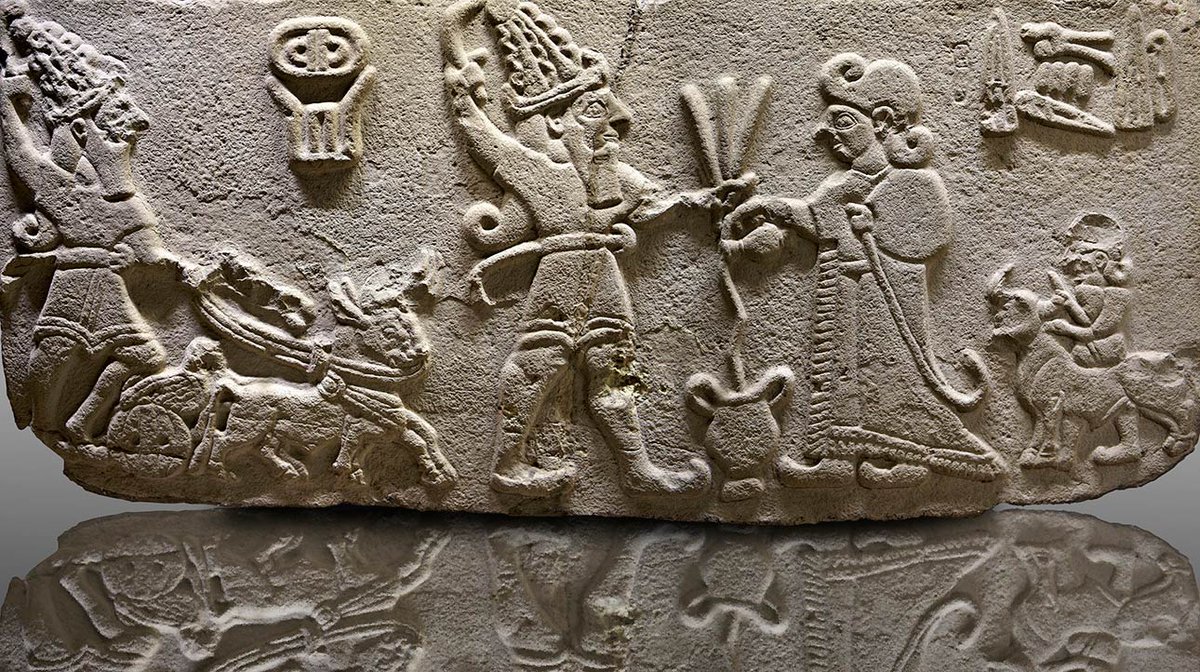
26/A part of the workers was covering by slaves. However,the Hittites were covering grain shortages with imports from the Syrian vassal kingdoms and after 1259 BC with imports from Egypt. But heading towards the end of the 13th century BC the crisis deepened and the problem grew.
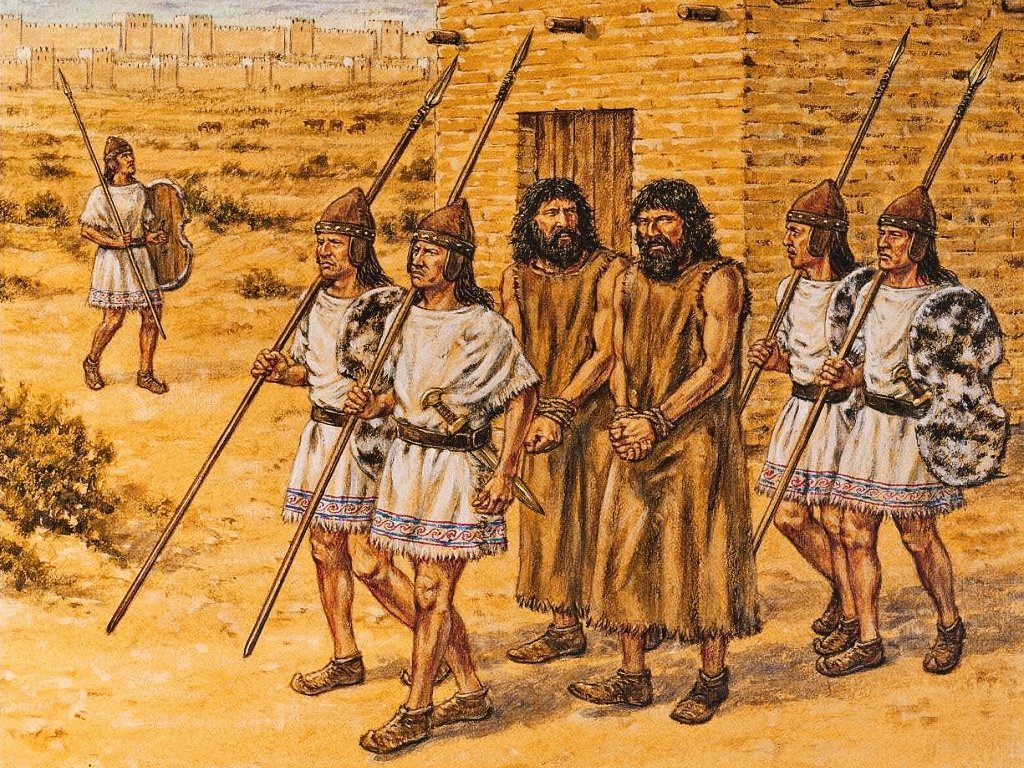
27/ At the end of Tuhdaliya IV's reign the constant local unrest and above all the great increase in pirate activity in the Eastern Mediterranean exacerbated the problem of importing grain to Hatti. The divine right Great King faced the strong resentment of the hungry people.
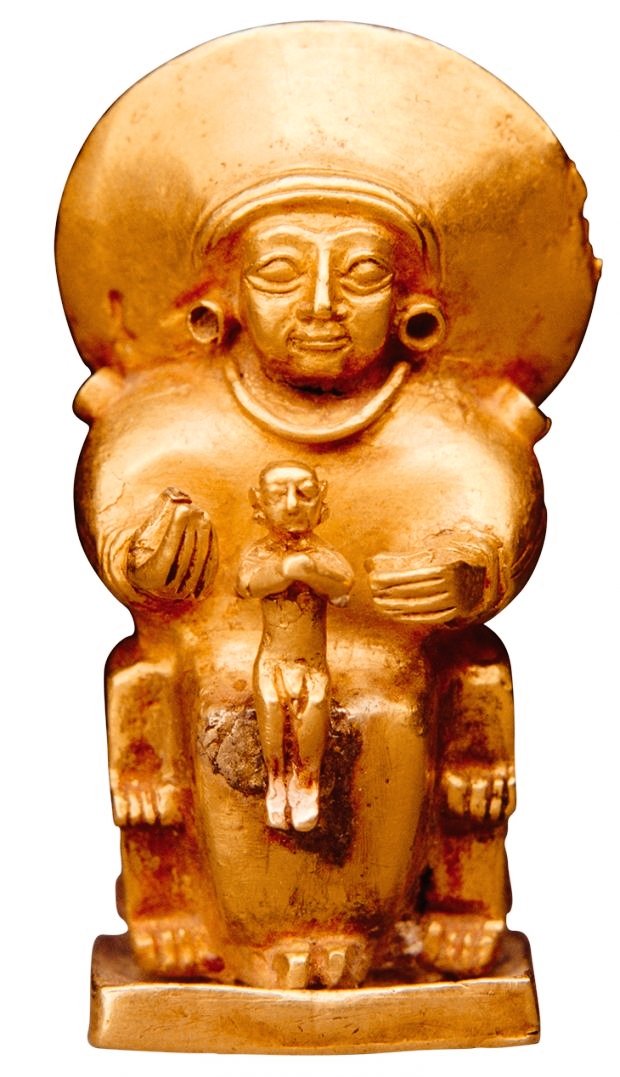
28/ The last Great King Suppiluliuma II (1207 BC -) took over a kingdom in a state of disintegration and all his efforts were for dealing with the internal problems. In a scribe's oath to the new king it is understood that intense dynastic strife had broken out.
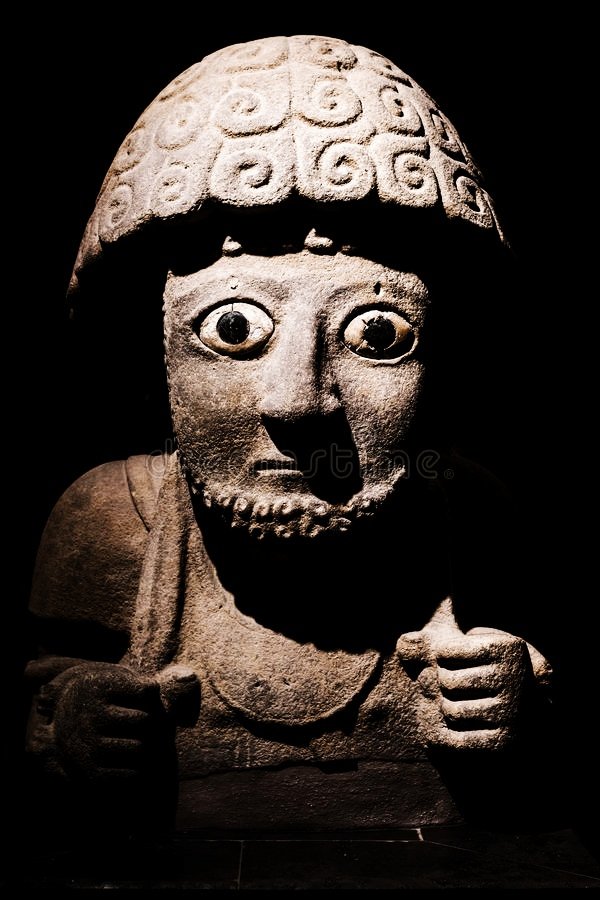
29/ "I will recognize only the descendants of my lord Suppiluliama. I will not side with another man, either a descendant of the older Suppiluliuma, or a descendant of Mursili, or a descendant of Muwattalli, or of Tudhaliya."
30/ At the same time, Hittite control had declined in Northern Syria, while some Hittite military operations mainly in Cyprus and Tarhuntassa related to the supply of Hatti with grain imports had meager results, despite the boasts of Suppiluliuma II.
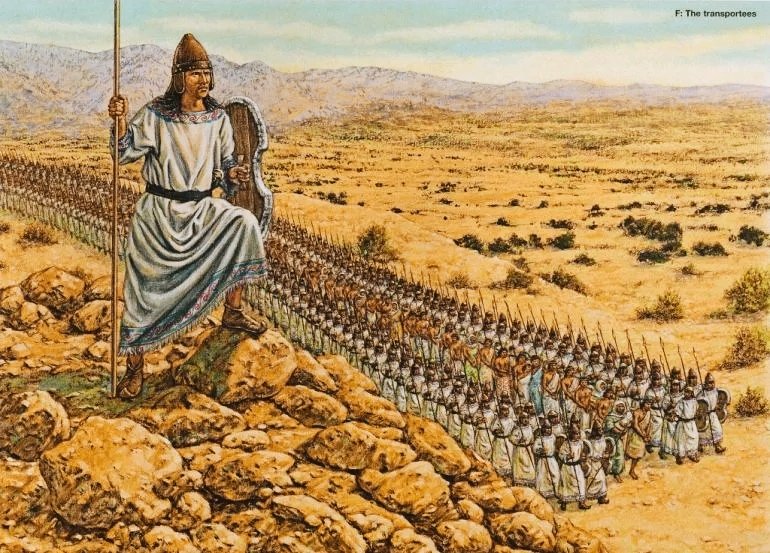
31/ " My father [...] mobilized and I, Suppiluliuma, the Great King, immediately reached the sea. The ships from Alasiya met me at sea three times for battle and I defeated them; and I captured the ships and then I set fire to the sea. ➡️
![31/ " My father [...] mobilized and I, Suppiluliuma, the Great King, immediately reached the sea. Th...](https://pbs.twimg.com/media/Fos_TAKXwAA4Rs-.jpg)
➡️ But when I reached dry land, the enemies from Alasiya came against me in great numbers for battle. I [fought] them and [...] me [...]."
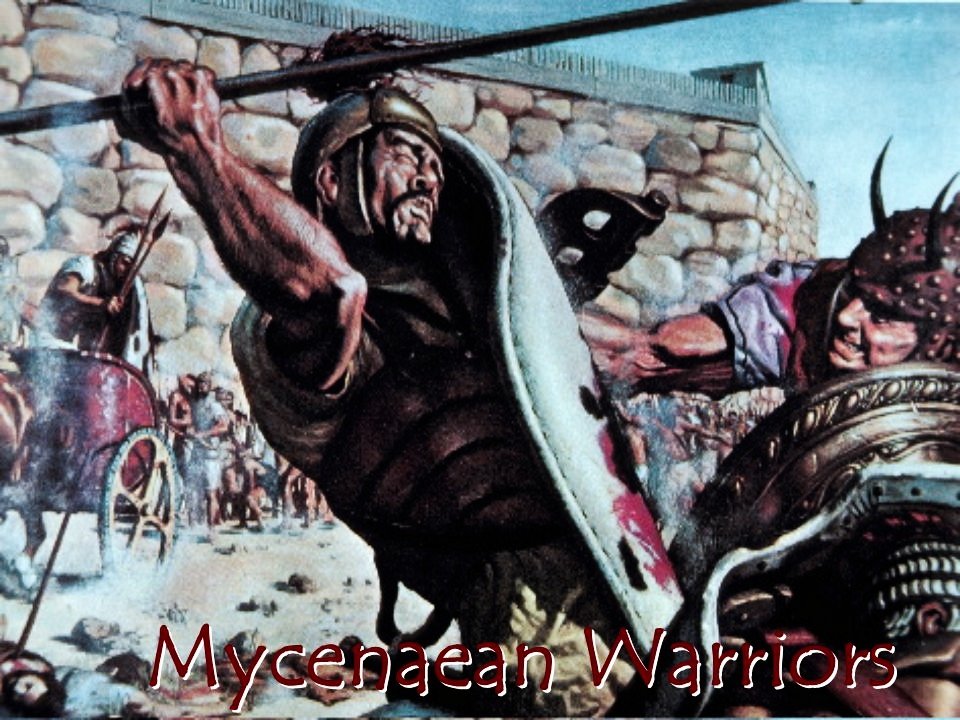
The Mycenaean mercenaries employed by Suppiluliuma II were associated with these operations.
The Mycenaean mercenaries employed by Suppiluliuma II were associated with these operations.
32/ Shortly after these reports, darkness comes. The Hittite kingdom seems to have simply disintegrated without falling victim to any hostile invasion, as Egyptian texts of Ramses III state. ➡️
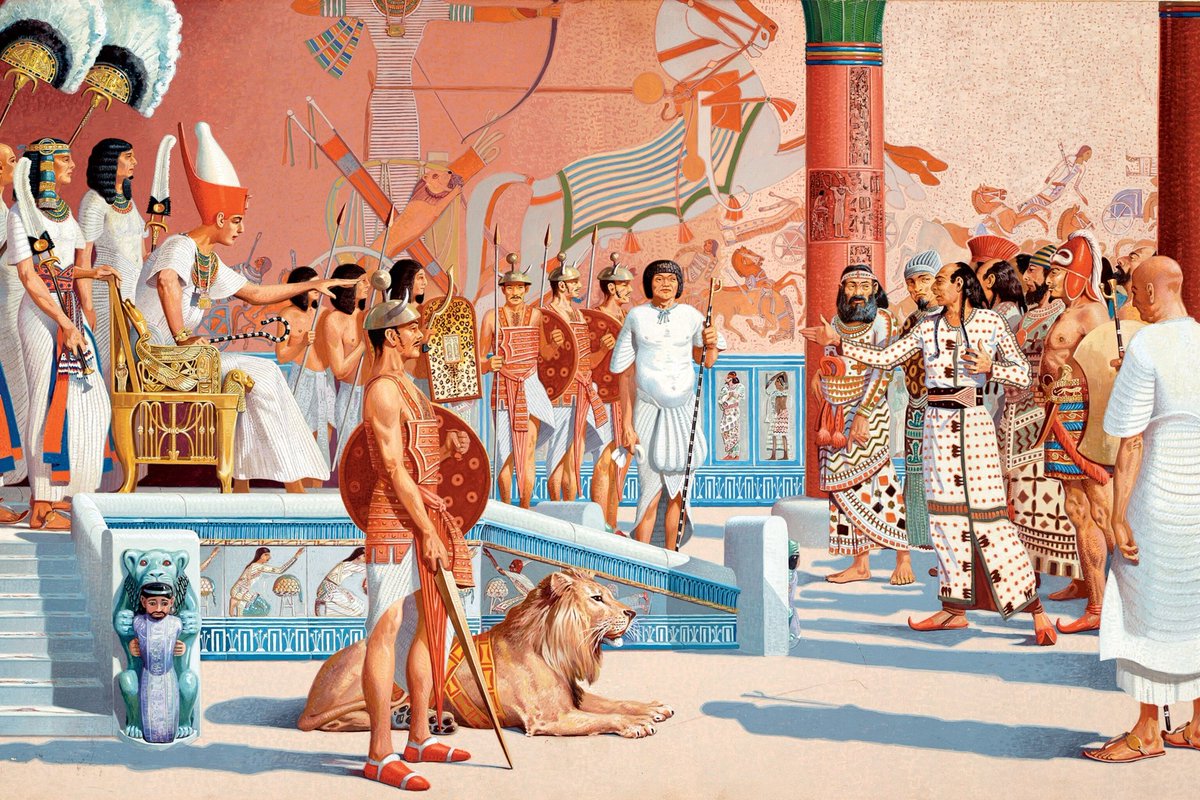
➡️ According to a recent theory, Hattusa was gradually abandoned; first the members of the ruling elite left, taking with them all the valuables, and then the remaining inhabitants looted and set fire to the public buildings. The Kaskas simply filled the gap in central Anatolia.
33/Perhaps Suppiluliuma II settled in some other secure location,while we know nothing about his end or whether he had a successor.Ugaritic texts suggesting an invasion by sea raiders probably took place at a time when the Hittite Empire no longer existed and various autonomous➡️
➡️Hittite and Syrian rulers were trying to weather a war storm.Egyptian accounts emphasize that groups of Hittites took part in the attack of the Sea Peoples in the Nile Delta,which demonstrates that various population groups living in Anatolia migrated in search of a better life
Loading suggestions...