
[PART ONE] FROM THE UPPER PALAEOLITHIC TO THE MESOLITHIC: FIRST INDICATIONS OF THE APPROPRIATION OF HABITATION SITES AND PRE-DOMESTICATION OF WILD ANIMALS - THE CASES OF FRANCHTHI AND CYCLOPS CAVES.
![[PART ONE] FROM THE UPPER PALAEOLITHIC TO THE MESOLITHIC: FIRST INDICATIONS OF THE APPROPRIATION OF...](https://pbs.twimg.com/media/FpF1yG_WcAA53MI.jpg)
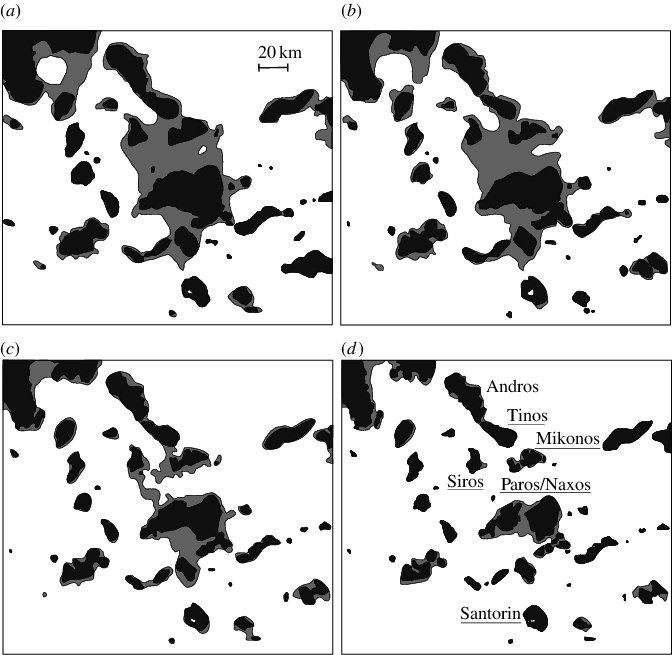
1/ After the end of the Last Glacial Maximum in the Aegean region, the sea level began to rise slowly but steadily around 14000 BC, while the whole process continued during the subsequent long transitional period from the Pleistocene to Holocene (12000-9700 BC).

2/ Despite the sharp changes from colder to warmer periods, the steady increase in temperature and sea level continued, which contributed to the formation of new environmental and climatic conditions. ➡️

➡️ The large coastal plains were limited and in the Archipelago region the fragmentation of the landmass created individual islands.
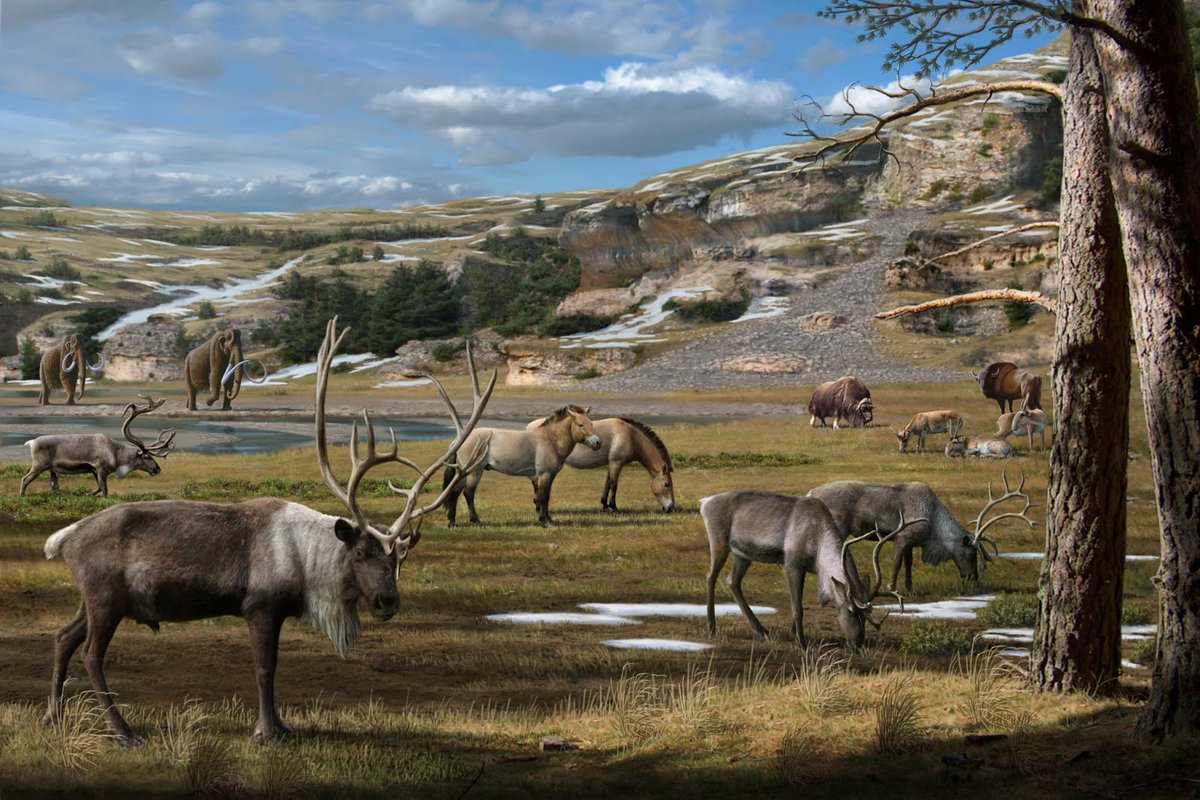
3/ New species of fauna appear, adapted to the new conditions, while at the same time the older migratory species disappear (herds of large ungulates, such as aurochs and wild horses, which lived in the large coastal plains of open forest steppes with rich vegetation).
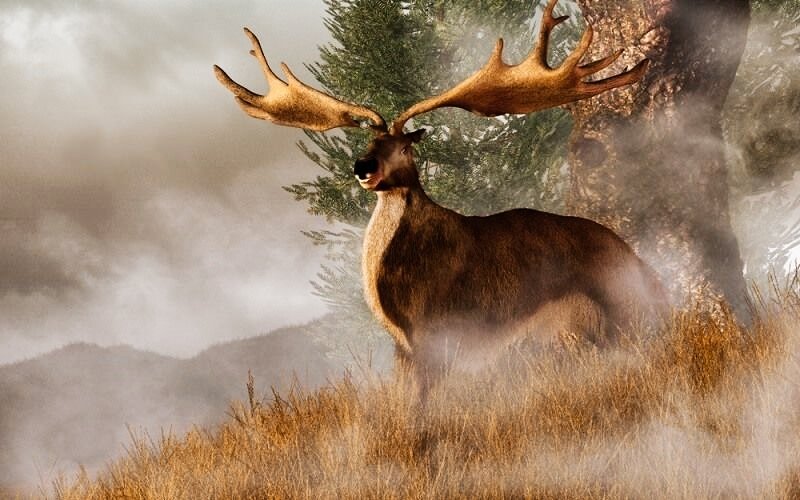
4/The red deer and wild boar are now dominant; non-migratory long distance species that prefer a forest habitat of deciduous trees or mixed forests with grassland clearings, being shy and often solitary. Hunting them requires the existence of new hunting techniques and practices.
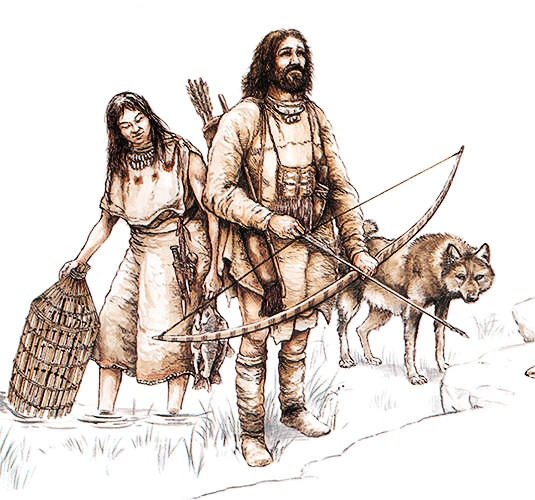
5/ The hunting was done either individually or in small groups, with the presence of domesticated hunting dogs and the use of forked slings and especially bows ➡️
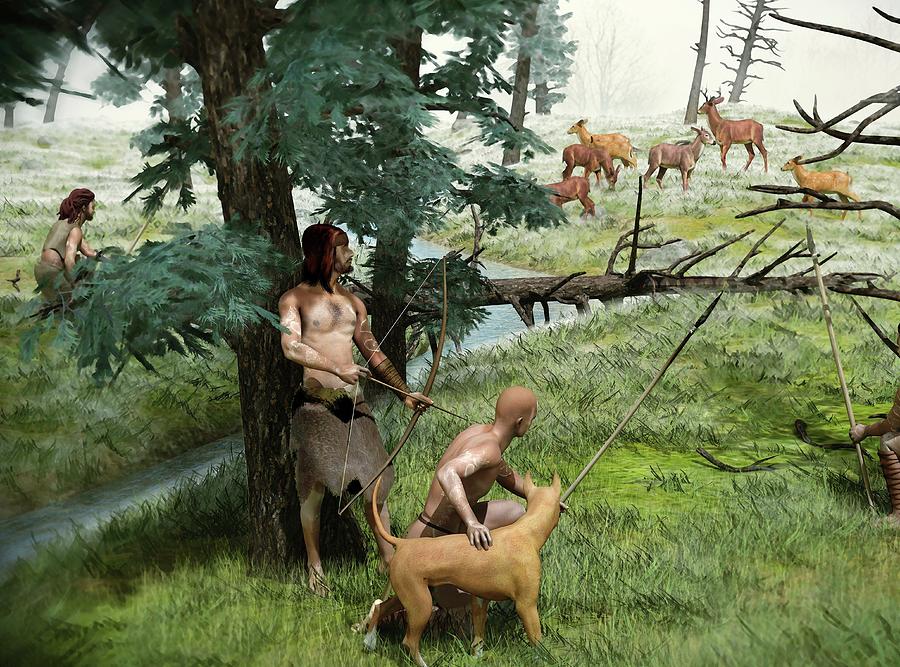
➡️ whose the high speed and great penetration of the arrows, increased the success of the hunt. The geometric microliths that were used as arrowheads make theirs appearance.
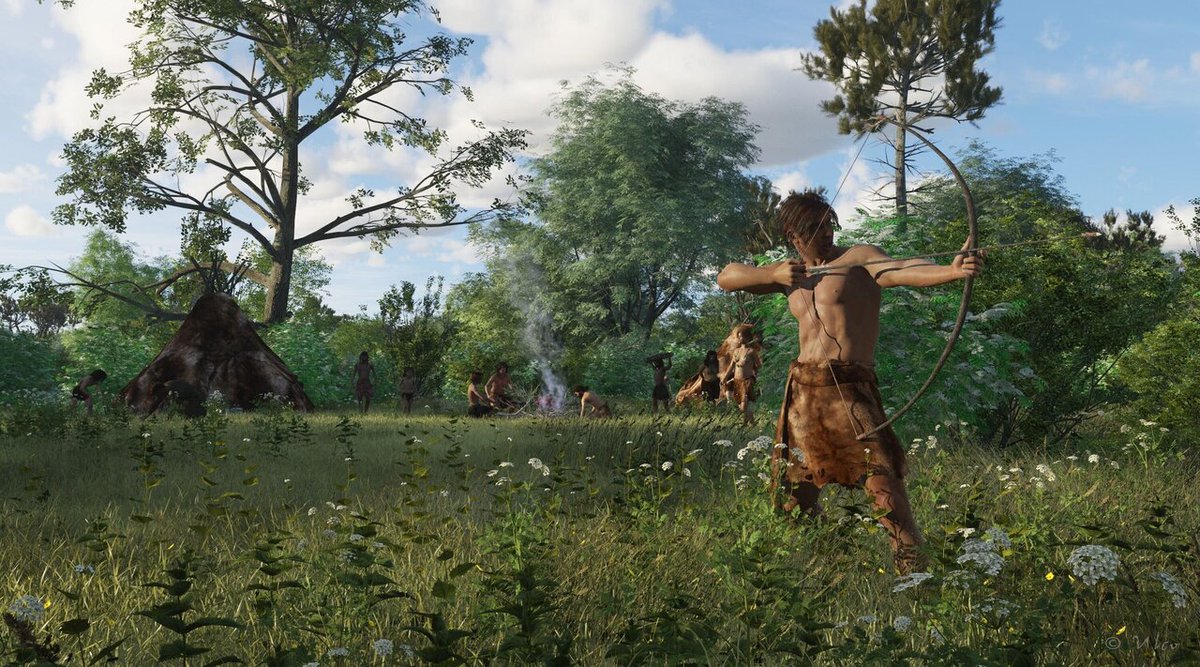
6/ So we could say that during the advent of the Mesolithic, hunting and gathering were the main livelihood resources of the groups living in the wider Aegean area with the hunting of medium and small mammals, fishing and the collection of shells slowly come in the foreground.
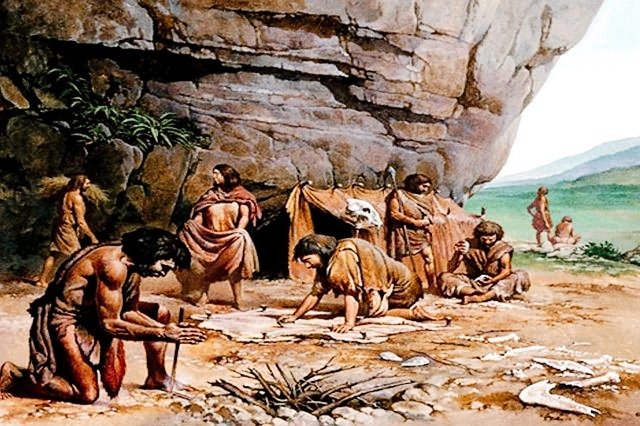
7/ A typical example is the Franchthi Cave in Argolis. At the end of the Pleistocene the site was inland and at a distance from the coastline, having easy access to water and having in front of it a plain rich in biodiversity, suitable for hunting and foraging.
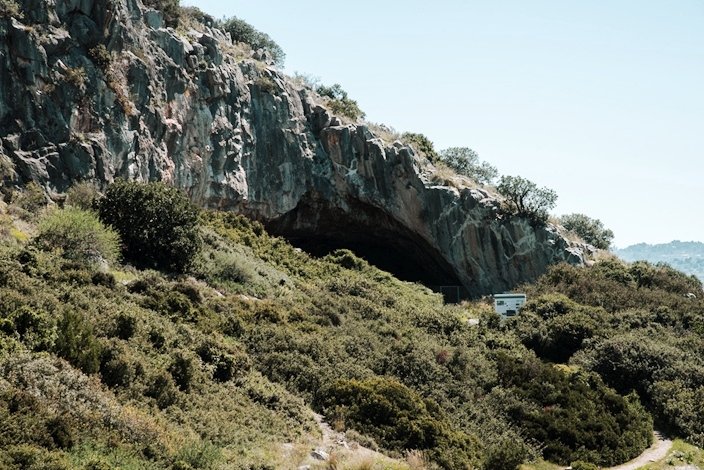
8/ Red deers, aurochs, and wild boars grazed in the coastal plain with the users of cave to hunt them with bows using microlithic arrows, while the fish and shellfish were of limited importance to their diet. ➡️
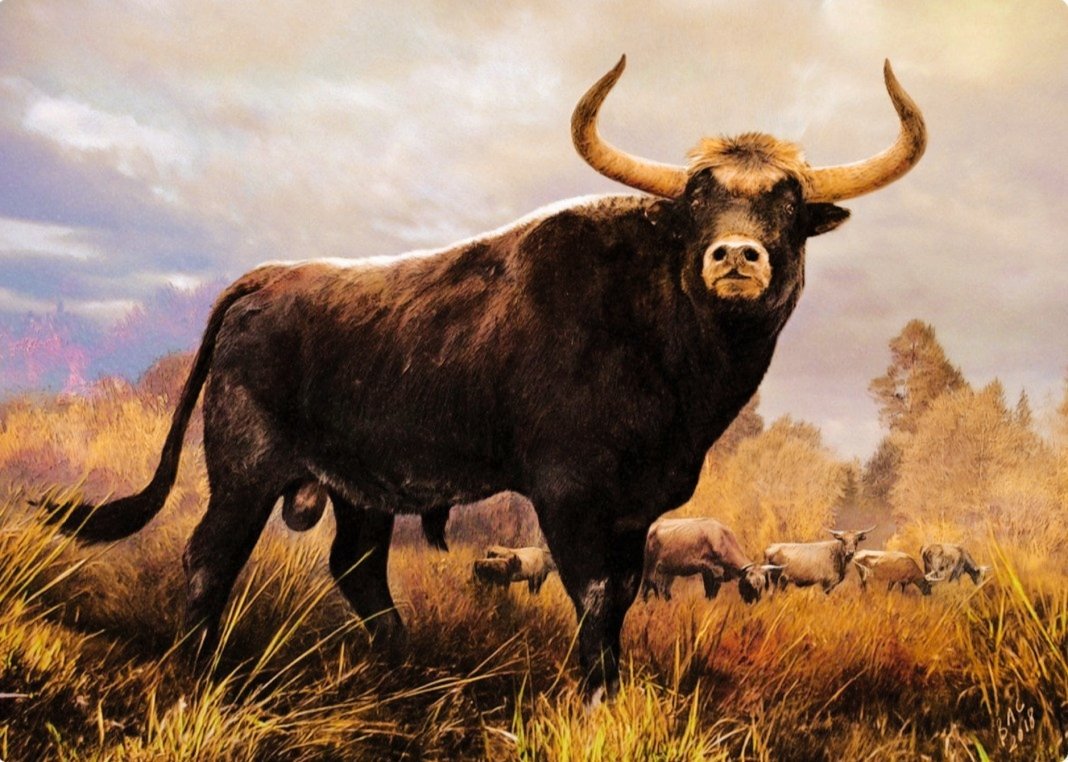
➡️ This is followed by a period of adaptation to the new climatic conditions, where activities are more limited and there is a shift to smaller game with the adoption of new hunting practices and a change in the typology of stone carving.
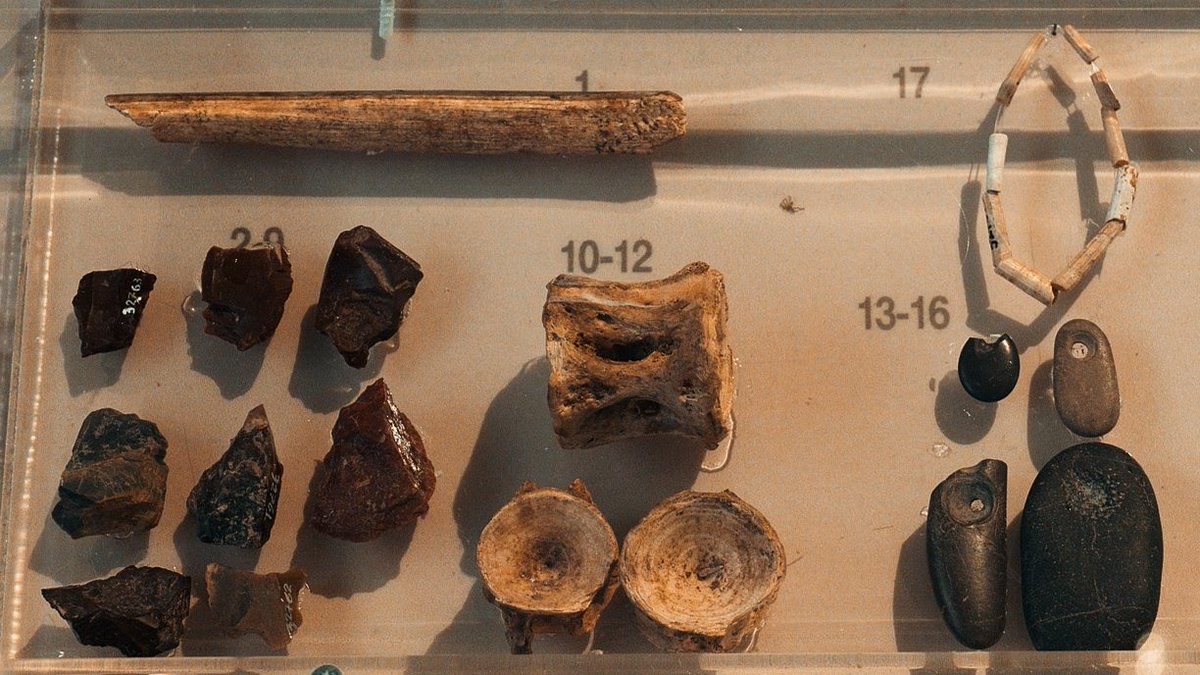
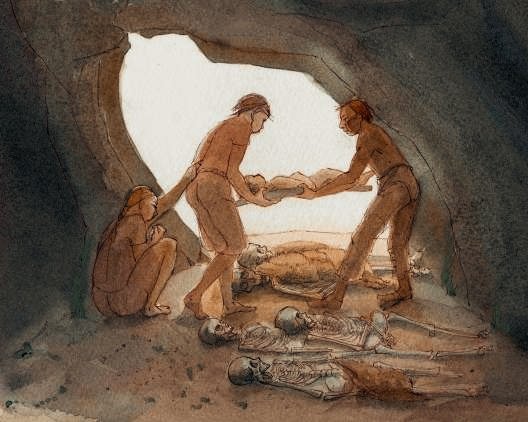
9/ Thus, the coming of the Mesolithic finds the inhabitants of Franchthi activing in a complex cultural environment, as evidenced by the cases of burials inside the cave, ➡️
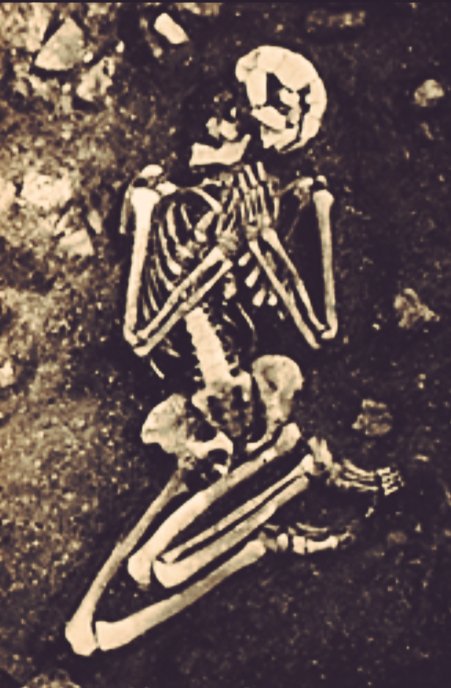
➡️ indicating a process of a collective nature, probably related to the appropriation of the space and its connection with the ancestral past.
10/ As Franchthi approaches the coastline, the population living in the cave begins to increase, as does the intensification of activity. ➡️
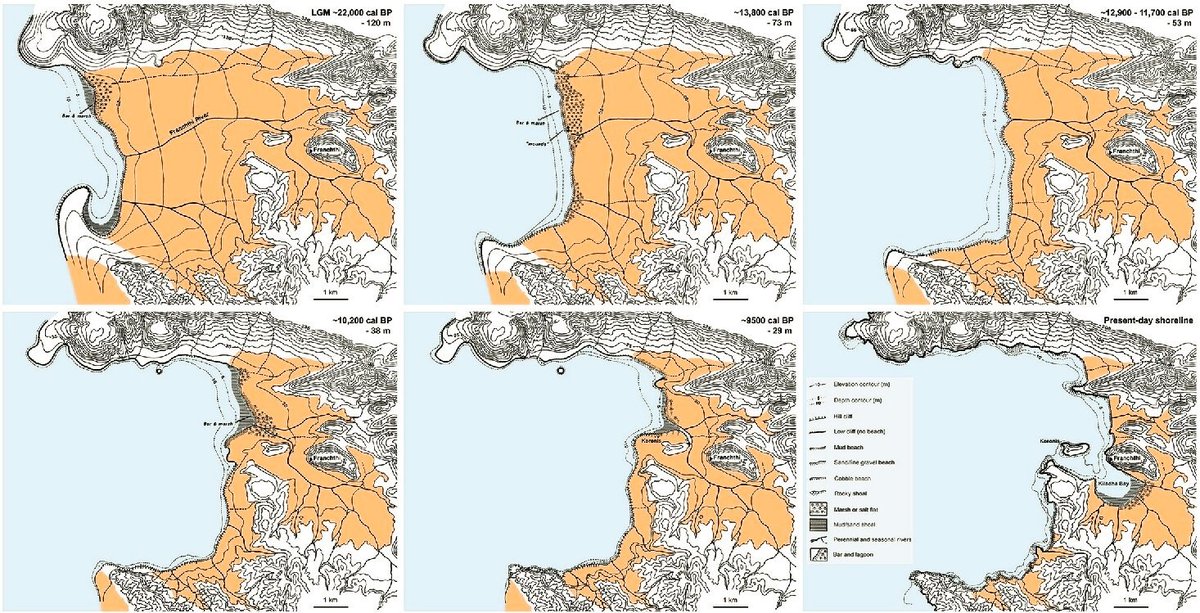
➡️ In this period (Late Mesolithic) we have the appearance of a large number of fish remains, mainly large-sized tunas, which were caught using special sets of microlithic harpoons, probably also through offshore fishing, which had clearly seasonal character.
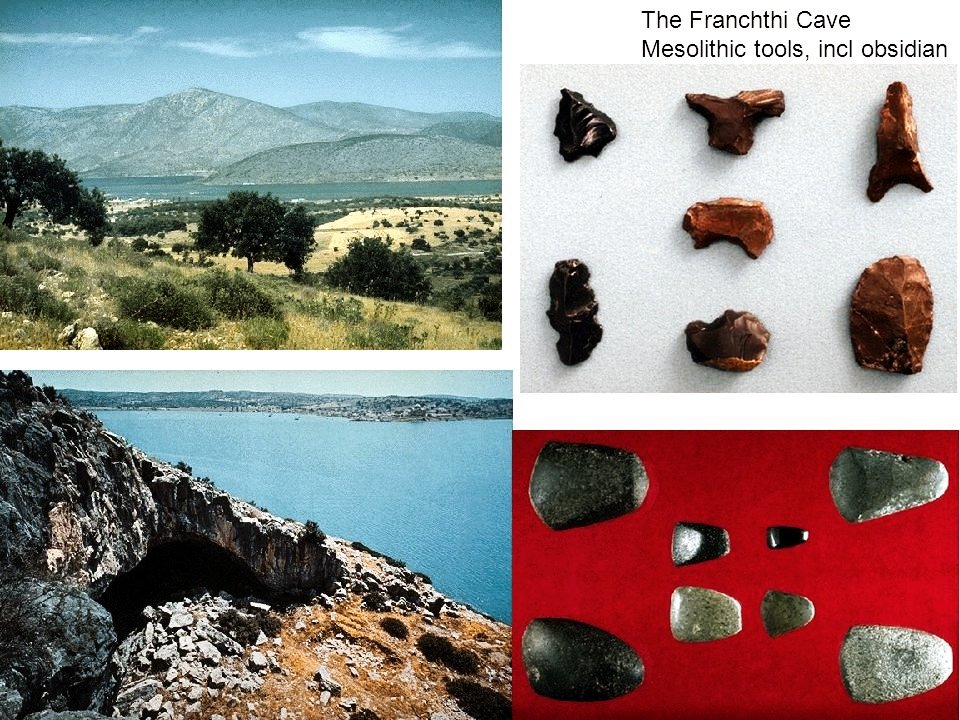
11/ The cave at Franchthi testifies to the existence of a Paleolithic inland settlement, which with the rise of the sea level during the Holocene was transformed into a coastal settlement of fishermen, more and more permanent in this place, having a fishing specialization, ➡️
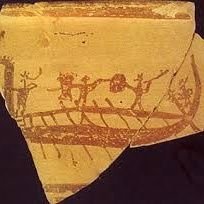
➡️ which yielded a widespread use of marine resources and the development of navigational skills which in turn led to the development of maritime contacts and exchanges, as demonstrated by the presence of Melian obsidian.
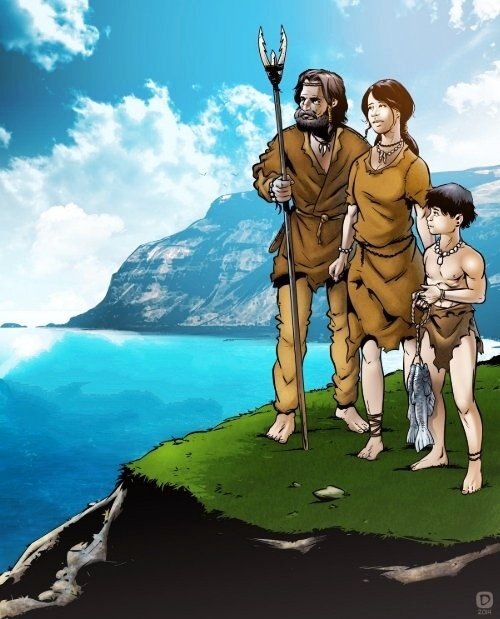
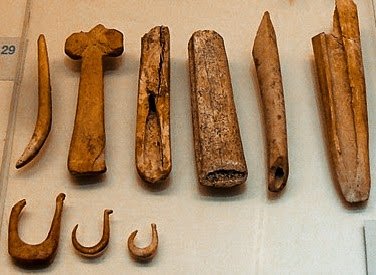
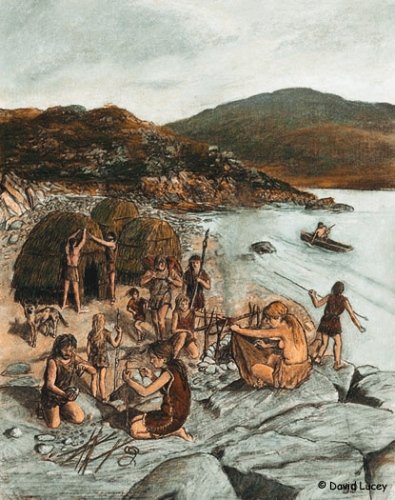
12/ The site that presents us with the best picture of fishing specialization is that of the Cyclops cave on the islet of Gioura in the Northern Sporades island complex. ➡️
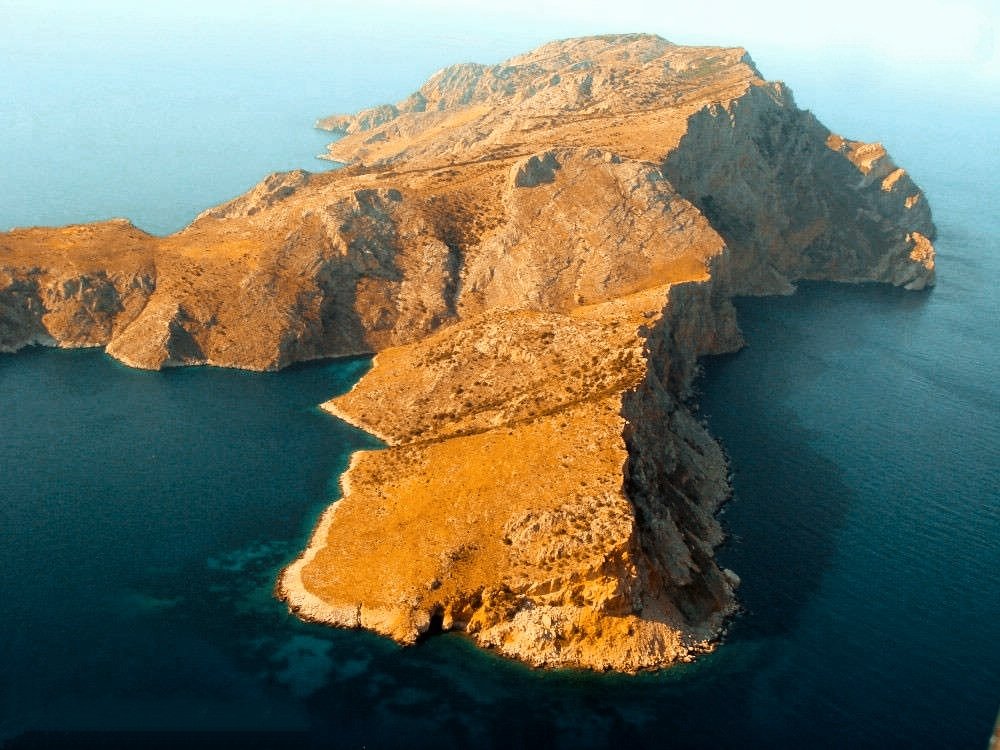
➡️ The available rich marine resources that frequented the area of the islet of Youra, and especially the presence of schools of tuna, attracted here the Mesolithic fishermen, who found in the cave of Cyclops an ideal natural shelter for setting up their camp.
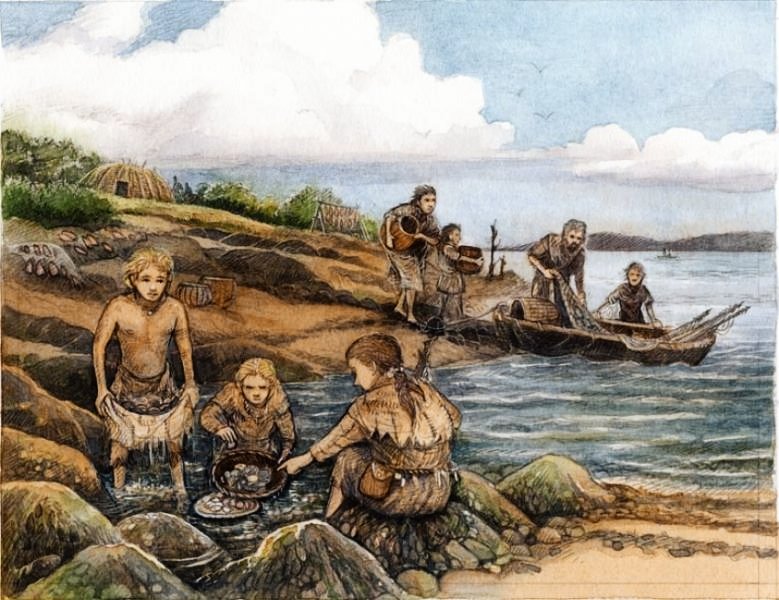
13/ From there they organized and carried out joint fishing expeditions, as well as land ones, using simple or complex bone tools and various methods. The main activities inside the cave was the processing and drying of fish so they could be eaten during the harsh winter months.
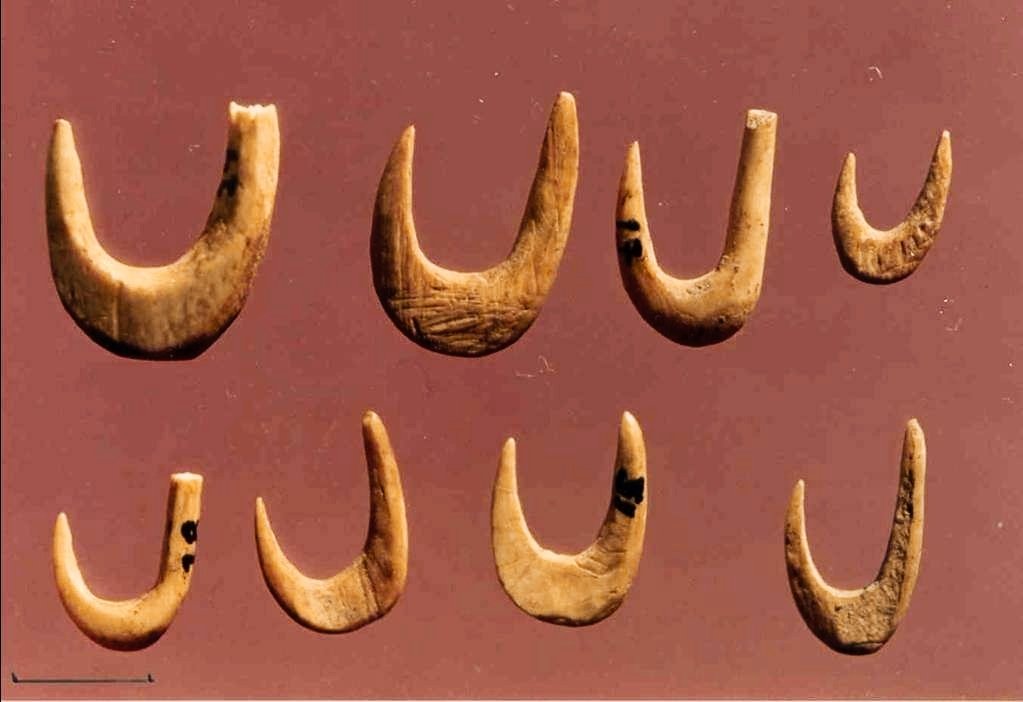
14/ The navigation was developed and facilitated the exchange of dried fish with the region of Thessaly and the coasts of Asia Minor. ➡️
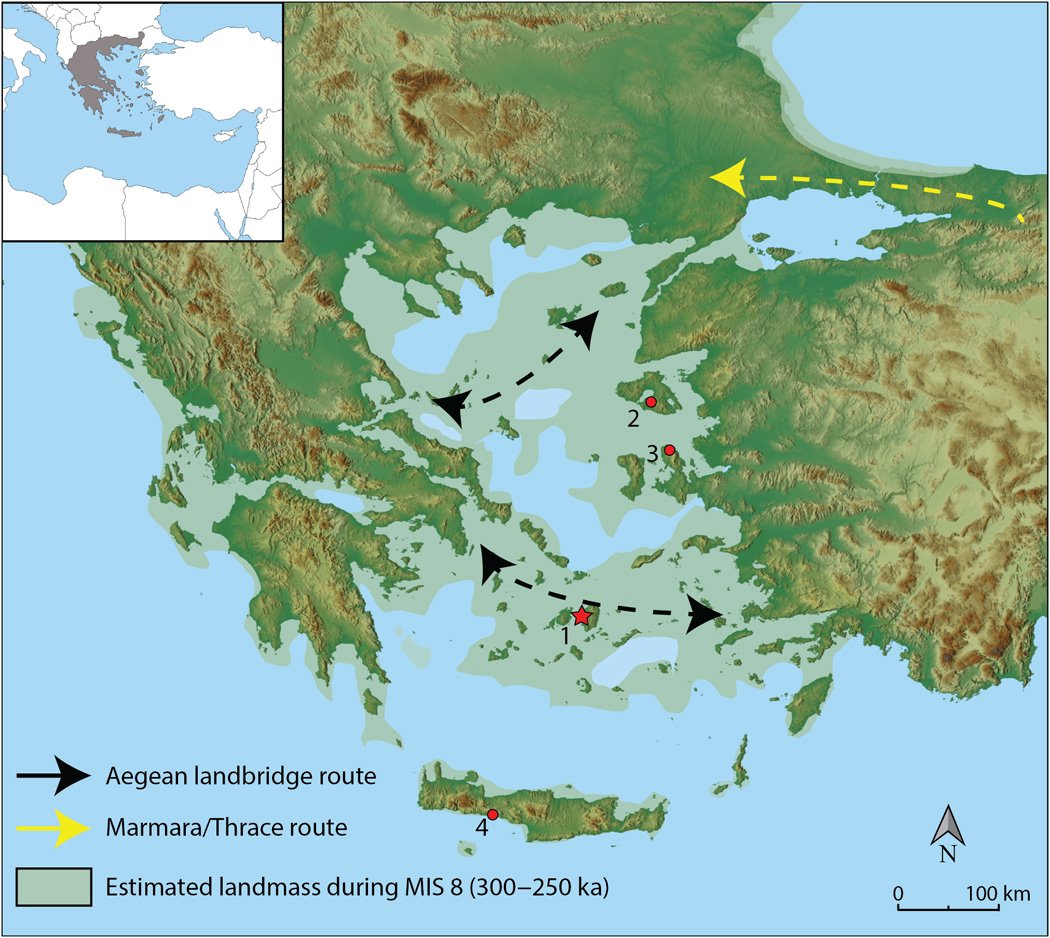
➡️ The local fauna was interesting with the strong presence of the wild boar during the Early Mesolithic, and its rarity during the following period, where species of prehistoric wild goats were abundant.
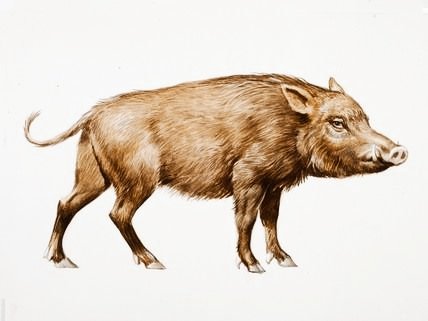
15/ It has been suggested that the wild boar was introduced to the island by local fishermen as an alternative source of protein, growing in natural captivity, although it is believed that by 8200 BC. the island was embedded in the continental body, ➡️
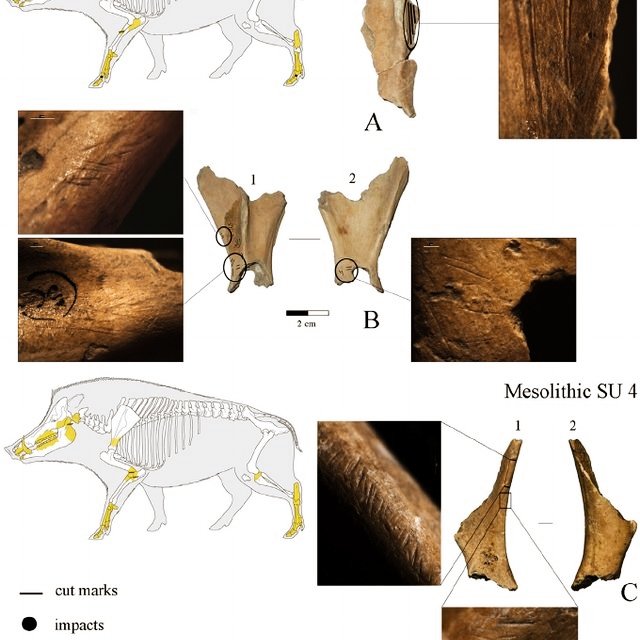
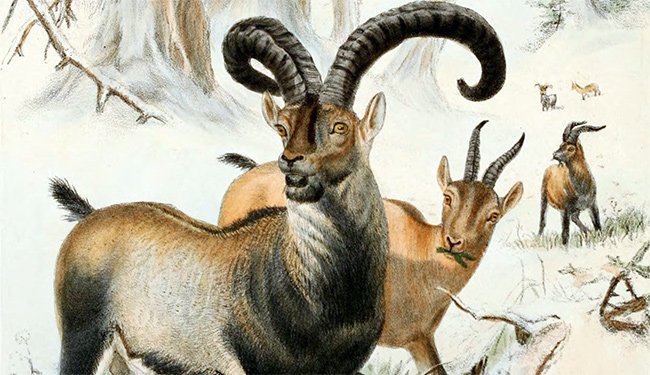
➡️ with the findings testifying to a pre-domestication process. The ibex appeared after 8300 BC and lived in abundance during the Late Mesolithic, without it has not been proven whether it is a native species or was introduced to the island by local fishermen.
16/ It is clear that the camp in the cave of Cyclops is not only about a simple human habitation in the area near the entrance, taking place for long periods in the year, ➡️
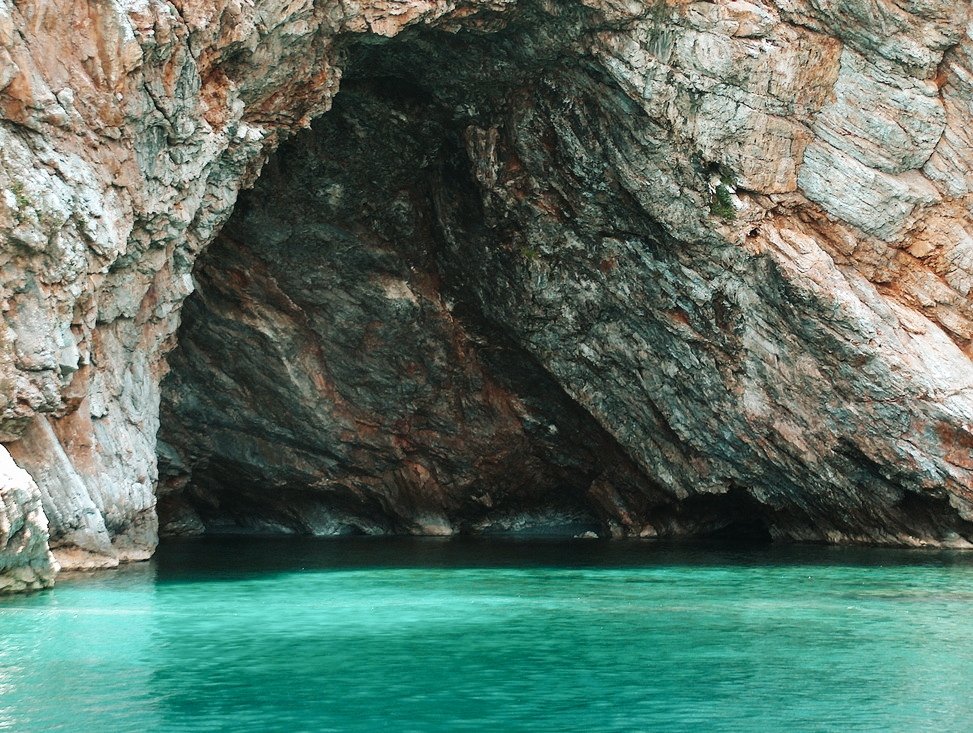
➡️ but indicates the presence of "domesticated" animals (wild boars - goats) in its deeper levels, which were corralling there during the winter months so as not to be lost or injured inside the cave, a common tactic of shepherds until recently.
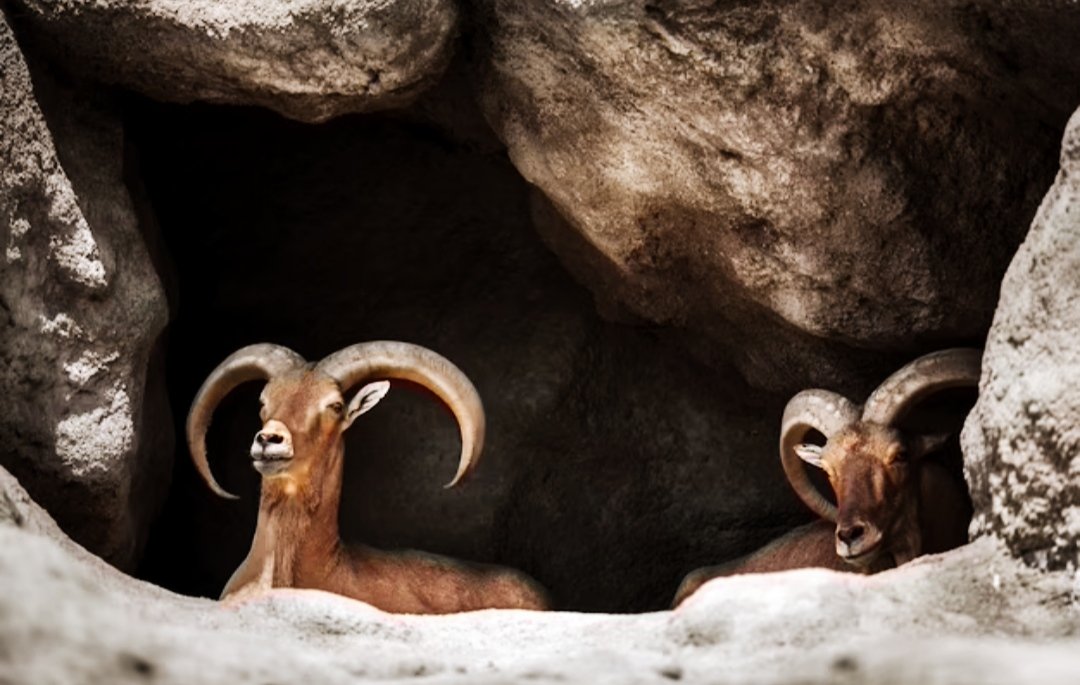
17/ The struggle for survival of the fishermen of Youra led them in periods of reduced fishing yield to turn to the pre-domestication of wild boars first and then wild goats, ➡️
➡️ thus referring to an important stage of the transition from fishing, hunting and gathering, to domestication animals and the adoption of sedentary lifeway in the Aegean region.
Loading suggestions...