

In today's America, conservatism is a counterrevolutionary project. If the Right hopes to take back the culture, it will have to become comfortable thinking of itself as an insurgent outsider — just as the Left once was.
My essay for the @NRO magazine 🧵
nationalreview.com
My essay for the @NRO magazine 🧵
nationalreview.com
If conservatives want to regain a foothold in American institutions, they can learn from one of the Left's preeminent strategists: Antonio Gramsci, the Marxist theorist who died a prisoner of Italian fascism in 1937—decades before the rise of the New Left that he helped inspire.

Gramsci's influence on leftist thinking is difficult to overstate: In contrast to the classical Marxist idea that society was shaped by economic relations, Gramsci argued that the ruling class wielded power via "cultural hegemony"—i.e, control of civic and cultural institutions:

The Left, Gramsci argued, had to wage a counter-hegemonic “war of position” for the culture: “In the new order, socialism will triumph by first capturing the culture via infiltration of schools, universities, churches and the media by transforming the consciousness of society.”
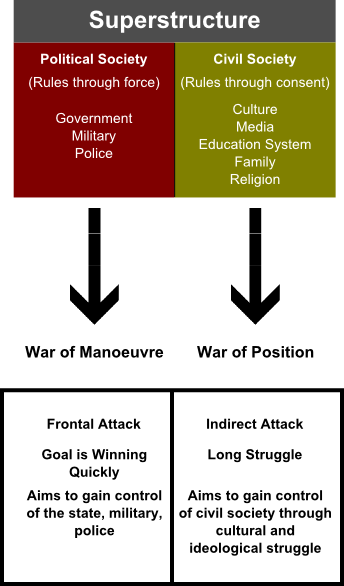
That war of position would require a protracted, multifront battle for control of the civic structures that form the social consciousness — what, in the 1960s, German student activist Rudi Dutschke famously described as a “long march through the institutions.”
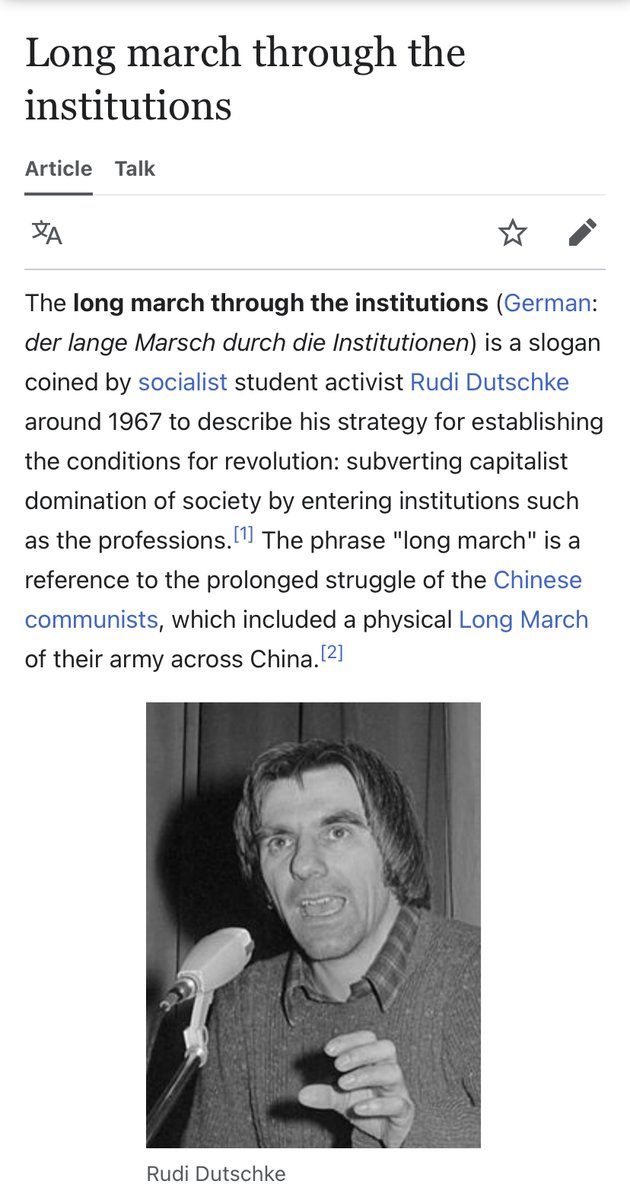
As the influence of his thought spread, Gramsci's acolytes embarked on that endeavor. The campus radicals of the 1960s now occupy tenured professorships at top universities, prestigious positions in corporate boardrooms and elite media, and so on. As @FonteJohn wrote in 2000:
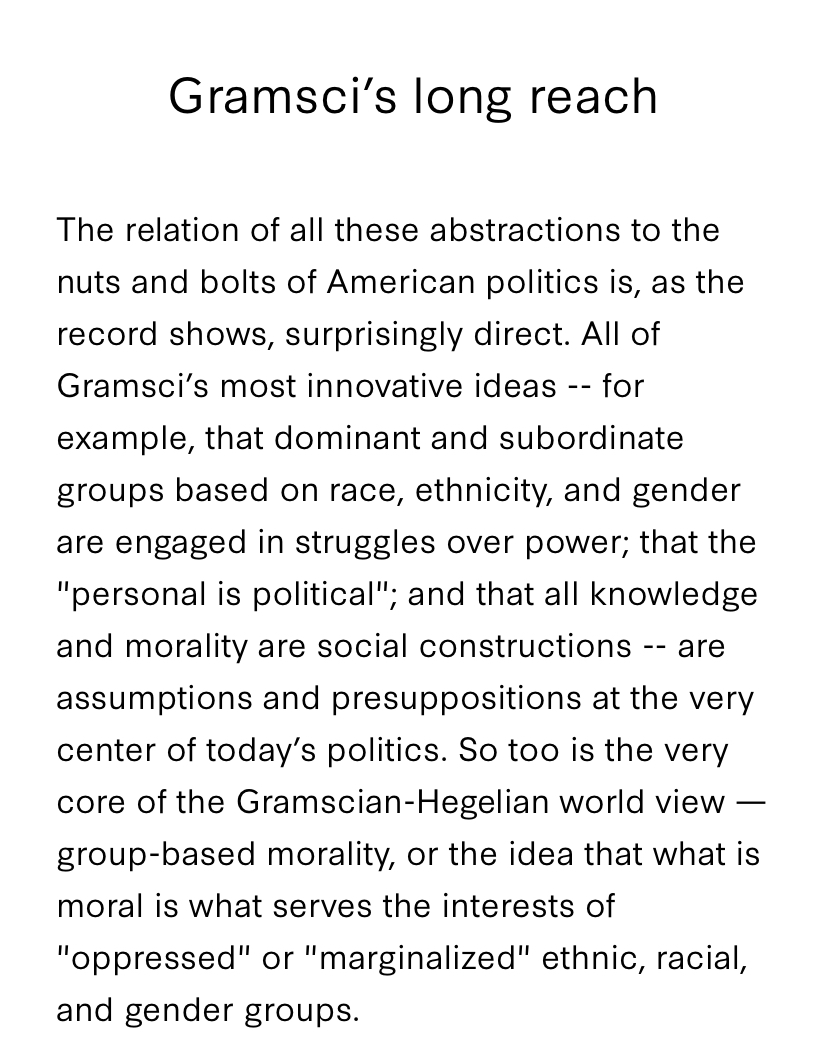
The leftwards march of American culture has been driven by a class of progressives that resembles a kind of Gramscian vanguard—from the DEI bureaucracy to mass media, academia, multinational corporations, large foundations, Silicon Valley, Hollywood, the federal bureaucracy, etc.
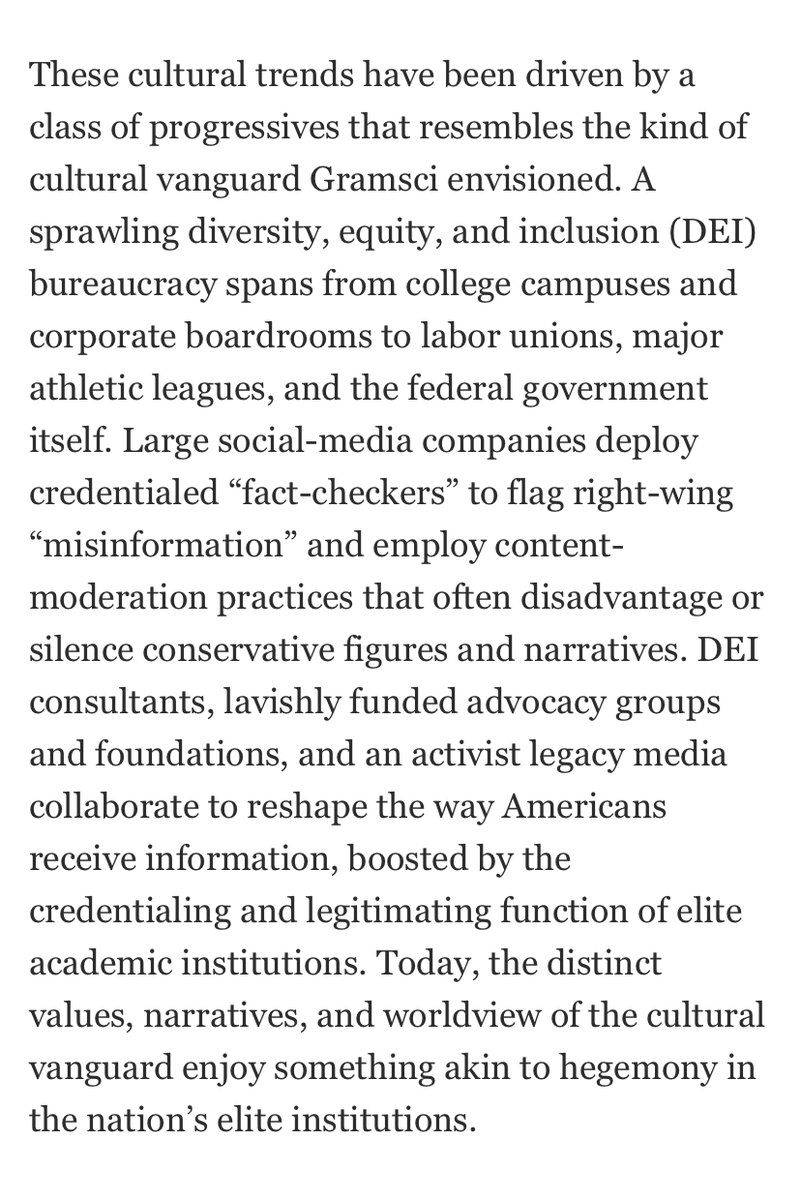
What may appear to be distinct oppositional organizations, are, more often than not, composed of a unified class of graduates from the same universities, living in the same insular enclaves and professing the same ideological goals; they move with ease between these institutions.
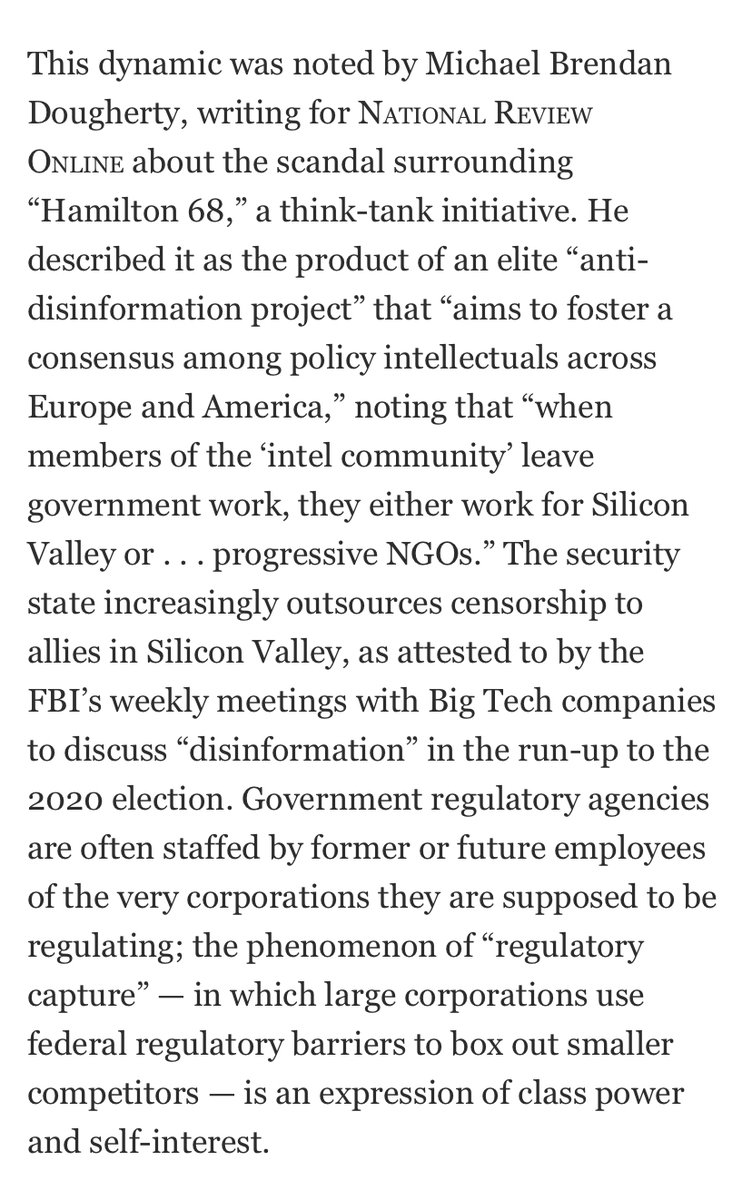
The result isn't communism, but the specter of a kind of democratic authoritarianism in which cultural norms are shaped by an entrenched activist class, whose reach extends to the deepest-red corners of the country — from state-level culture war fights to Black Lives Matter:
With the notable exception of abortion, the cultural battles of the 20th century have largely been won by the Left. The long march has proceeded onward to far more radical causes, including the systematic degradation of the nation’s traditional symbols, stories, and figures:
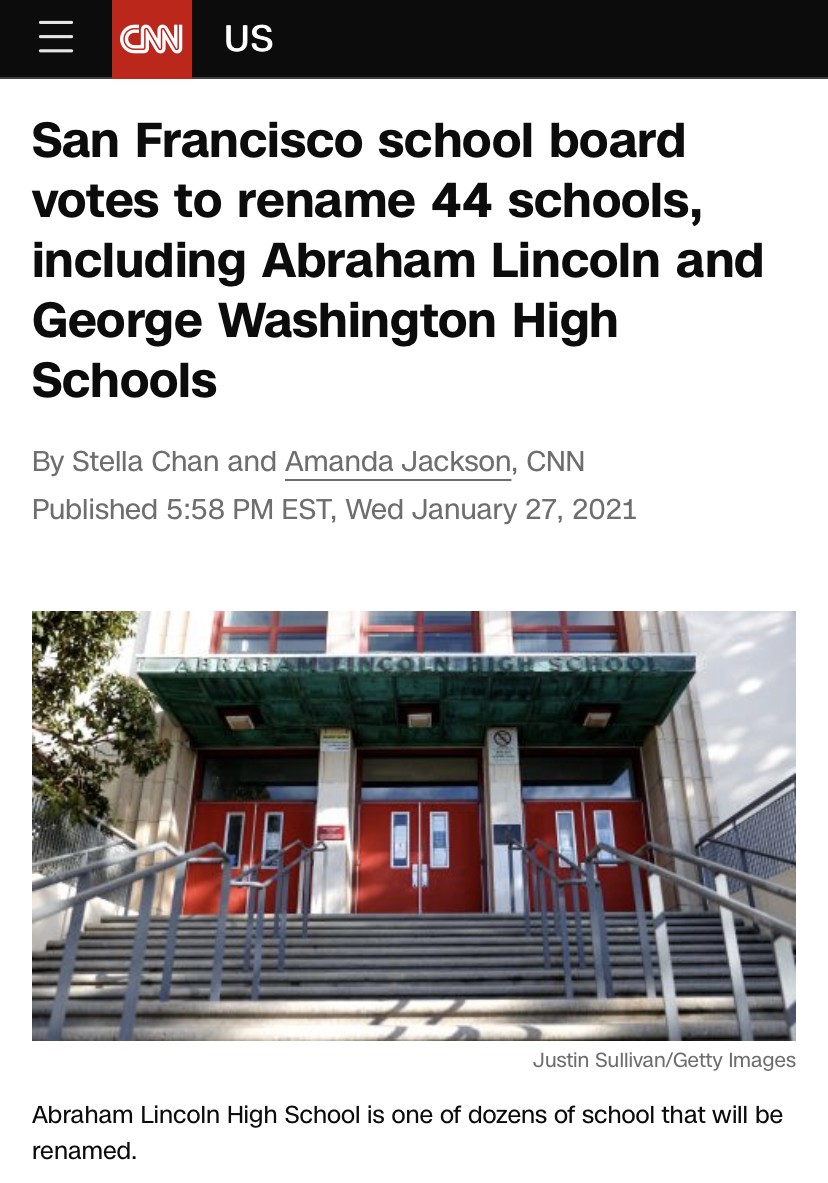


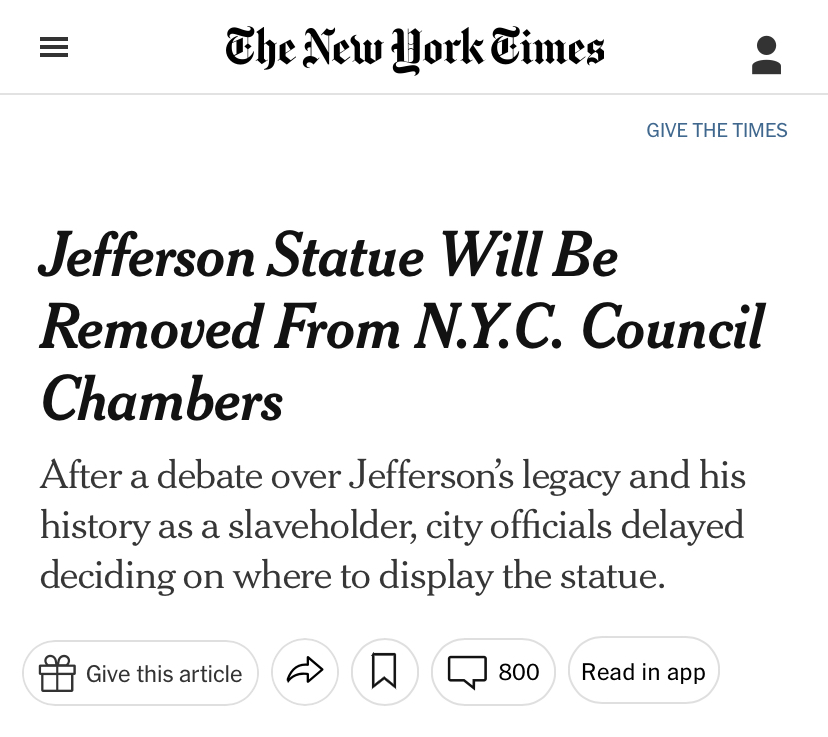
Conservatives are learning that they can't seek a détente with the dominant left-wing cultural apparatus. If the Right wants to take on the Left, it needs its own long march through the institutions. That means targeting the sources, rather than the symptoms, of left-wing power.
Conservatives can and should use the political power they have to weaken the bureaucracies at the source of progressive cultural power — institutions like the Colorado Civil Rights Commission, which has been harassing a Christian baker for a decade.
This isn't “big government.” Ron DeSantis’s recent effort to defund “all DEI and CRT bureaucracies” in Florida’s public universities was entirely within the scope of his constitutional authority. There's no reason this approach can’t be emulated elsewhere.
Similarly, DeSantis had every right to appoint @realchrisrufo to the board of a left-wing Florida college. Government institutions, including public education, aren't insulated from accountability to elected officials and voters—this is democracy in action:
Politics isn't downstream of culture, nor is culture downstream of politics; the two are in constant conversation. Using political power isn't the same as expanding government. It simply recognizes that the state is tied to the forces that shape culture.
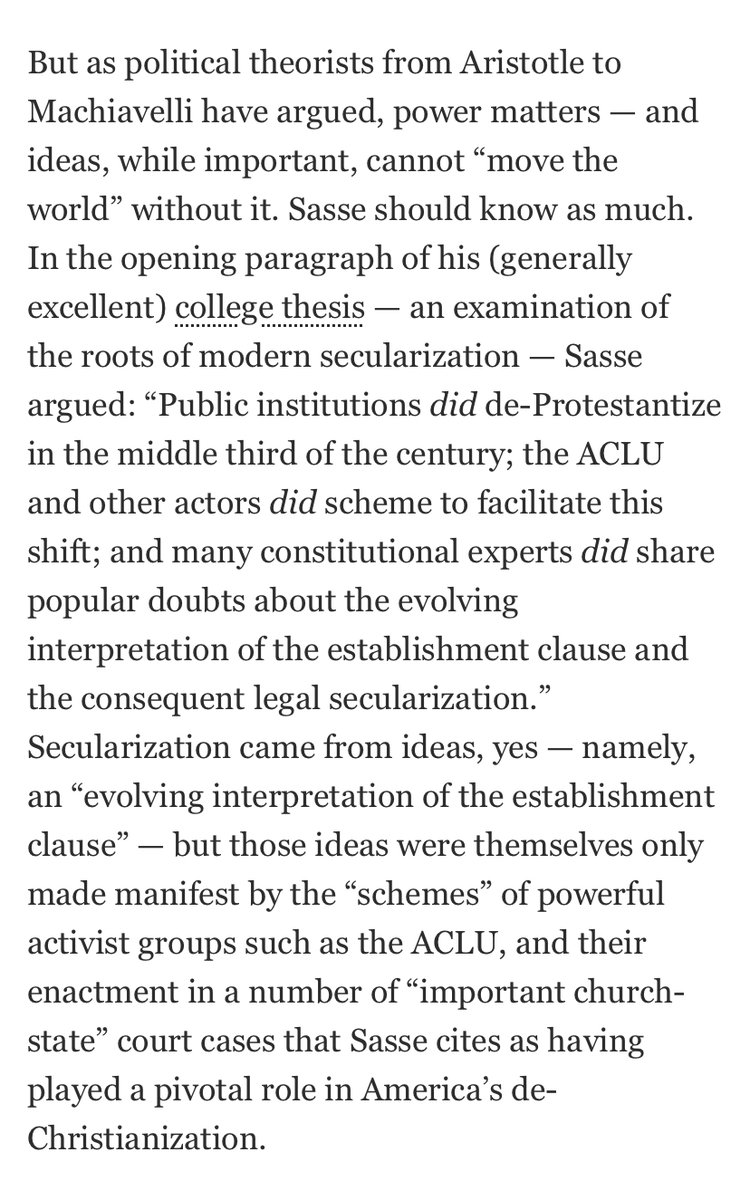
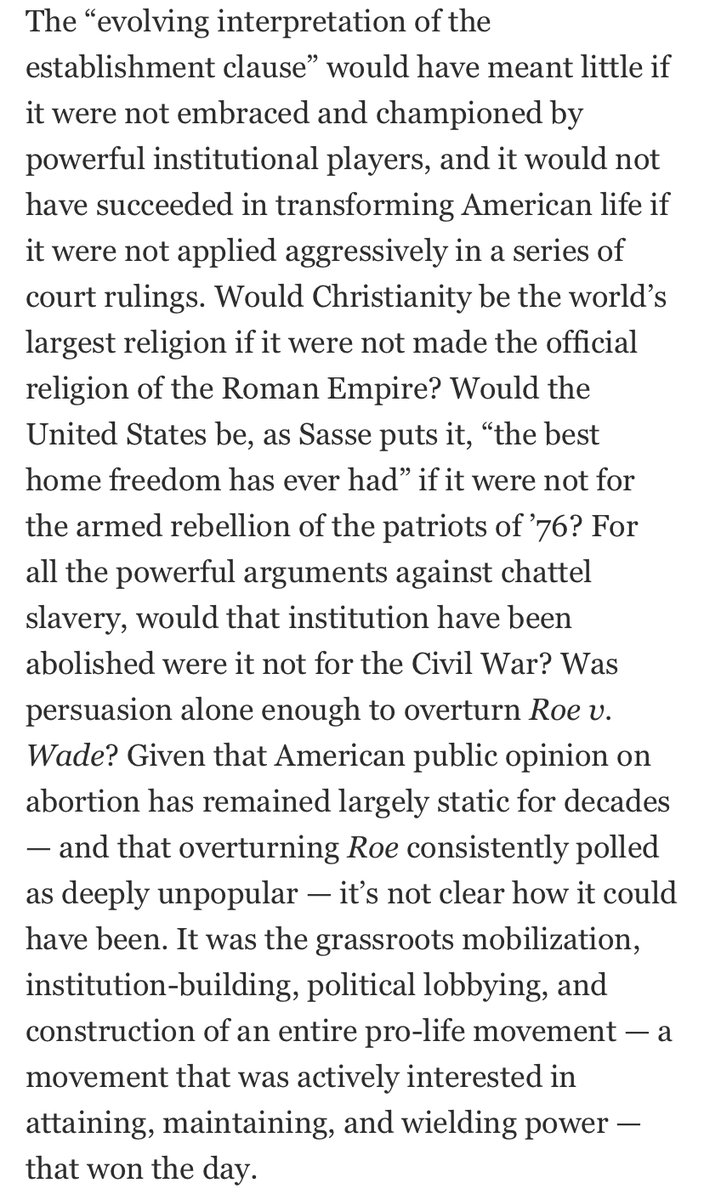
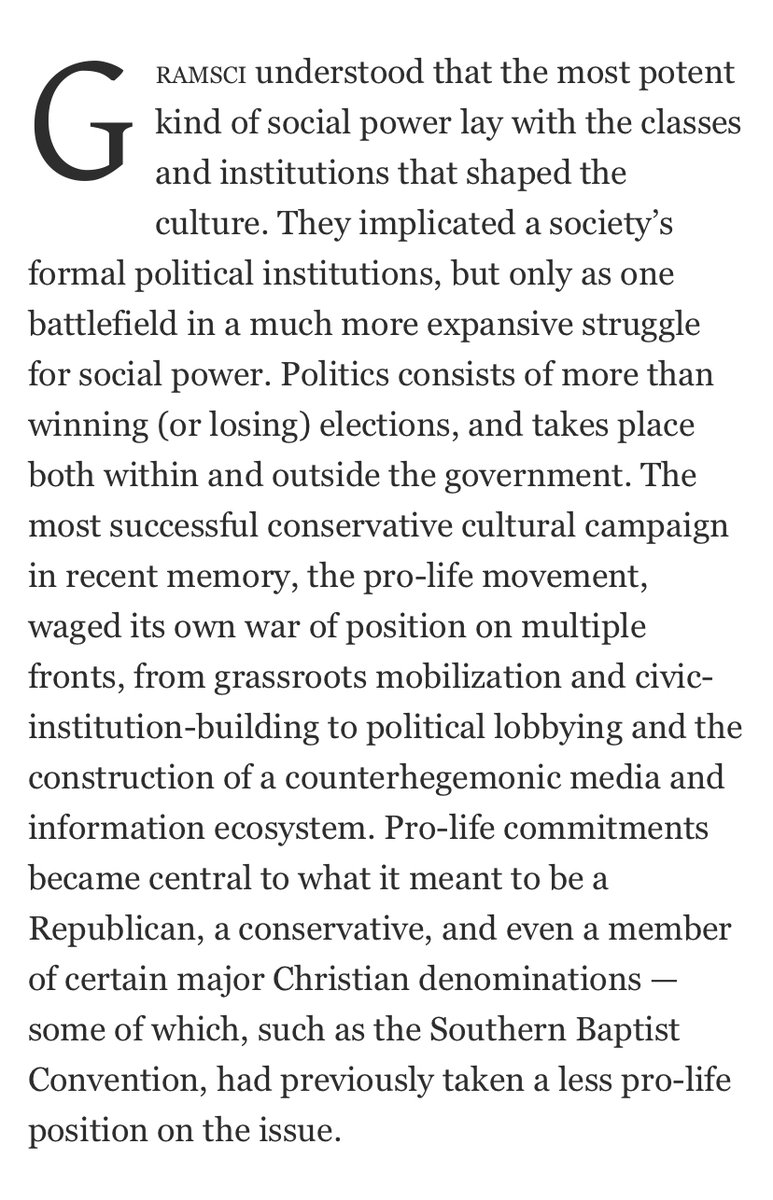
The culture war takes place both within and outside of our formal political institutions. The long march back begins at the points where the political and cultural spheres intersect. The pro-life movement—cultural conservatism's most successful campaign—is an instructive example:
Today, some Republicans are beginning to embrace a more institutionally-oriented culture war strategy — refocusing conservative education priorities on cultural content, taking a more hostile posture toward business, and even making attempts to defund left-wing college programs.


Conservatives don't need to abandon their principles to believe that the Left’s capture of civil society requires active confrontation. In the culture war, the best tools available to the Right lie in our constitutional system. Using them is the first step in the long march back.
I didn't make this point in the essay—and I've pointed it out before—but in an important sense, the concept of conservatism as "counterrevolutionary" is a return to movement conservatism's roots. William F. Buckley often described his agenda in those terms:
Loading suggestions...