

The PRCs war on opium was a difficult one.
For over a 100 years the drug had become deeply ingrained in Chinese society. While warlords freely grew the crop to fund their weapons purchases.
In the 4 years after the unification of China, the PRC was able to eliminate it.
🧵
For over a 100 years the drug had become deeply ingrained in Chinese society. While warlords freely grew the crop to fund their weapons purchases.
In the 4 years after the unification of China, the PRC was able to eliminate it.
🧵
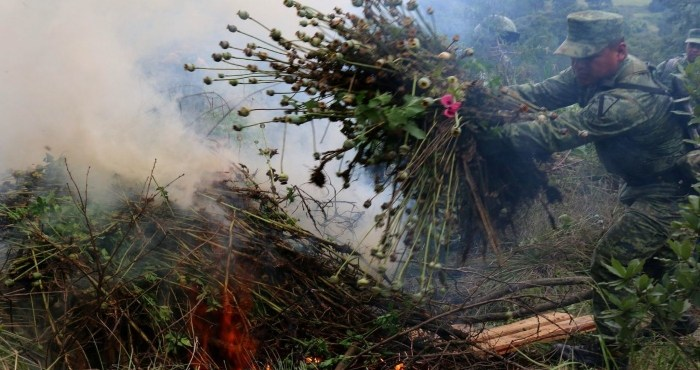
Poppy cultivation was rampant in many parts of rural China, especially the southern areas.
Yunnan, Guangxi, Sichuan, Guangdong were major cultivators. Farmers grew poppies because less land was needed, and greater profit was achieved than normal crops.
Yunnan, Guangxi, Sichuan, Guangdong were major cultivators. Farmers grew poppies because less land was needed, and greater profit was achieved than normal crops.
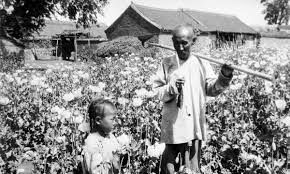
Poppy fields populated many villages in Sichuan, Yunnan and other agricultural regions. Cities like Shanghai and Nanjing, were littered with drug factories, drug dealers and addicts.
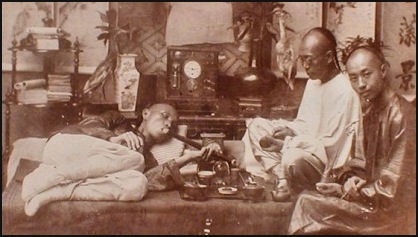
Prior to 1949, the KMT attempted to curtail the trade. But failed because of widespread corruption, and using opium proceeds to fund military costs. It did not help both KMT and the Japanese Kwantung Army actively trafficked it, at high profit margins.
Chiang Kaishek also profited from the trade too. He was connected to Du Yuesheng, a prominent KMT supporter...and leader of the Green Gang. Which was the biggest refiner, distributor, and seller of opioids.
Du later died in Taiwan, after fleeing during the retreat.
Du later died in Taiwan, after fleeing during the retreat.
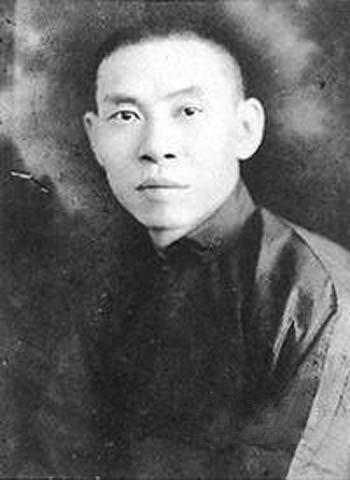
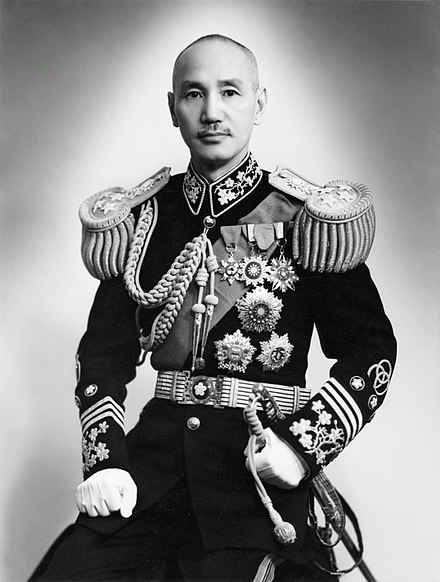
The PRC inherited a massive issue with their victory. Addicts and drug networks in the cities. Farmers growing it in the countryside. And millions of addicts. And a society normalized to this after the British introduced it during the opium war.
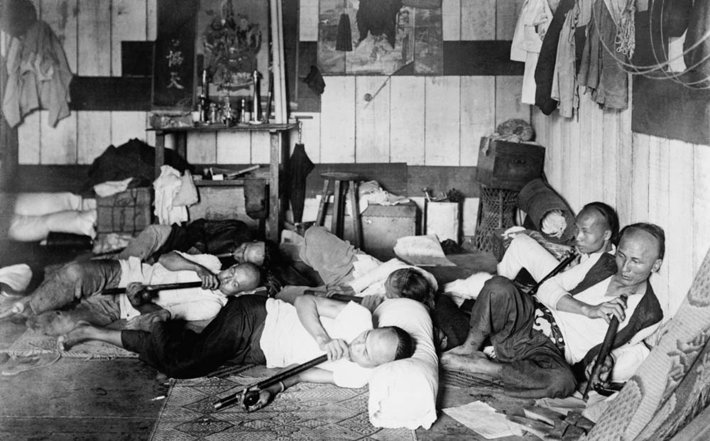
PRC plans targeted both rural and urban China. Prior to each provincial campaign, planning and information-gathering was extensively done.
Previous KMT campaigns had failed since soldiers had simply uprooted the plants, and taxed the peasants. Which bred resentment.
Previous KMT campaigns had failed since soldiers had simply uprooted the plants, and taxed the peasants. Which bred resentment.
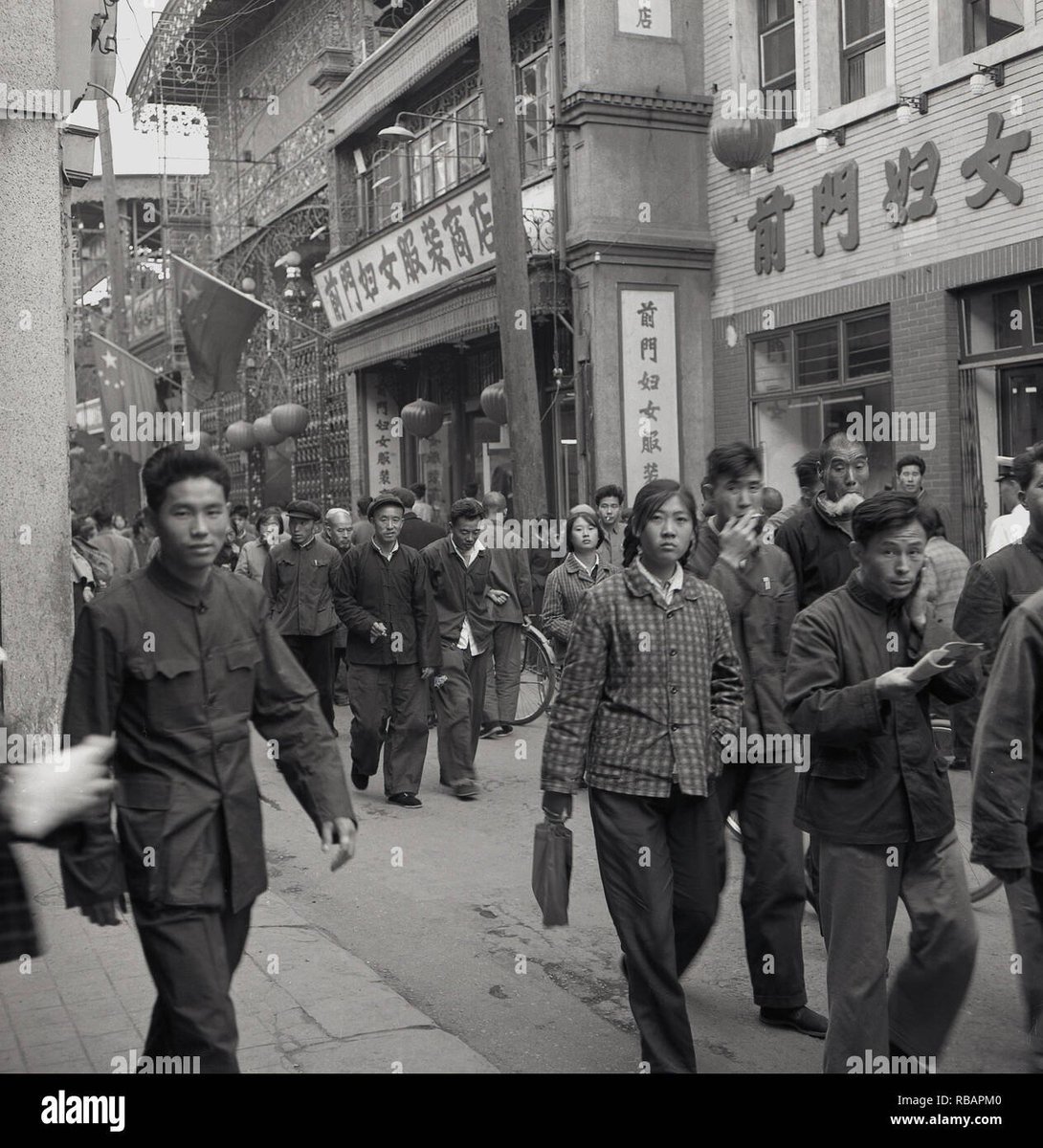
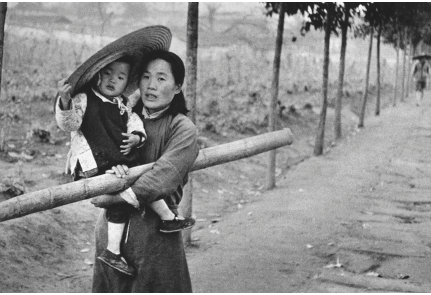
The rural plan used propaganda to win over the masses, bureaucratic infrastructure, outlawed cultivation, and focused on drug rehab.
High taxes on poppies, land redistribution, and giving the farmers seed and fertilizer were used to stop cultivation.
High taxes on poppies, land redistribution, and giving the farmers seed and fertilizer were used to stop cultivation.
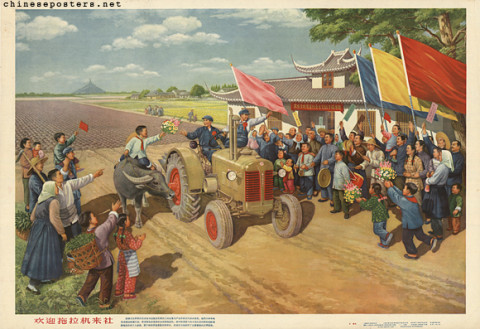
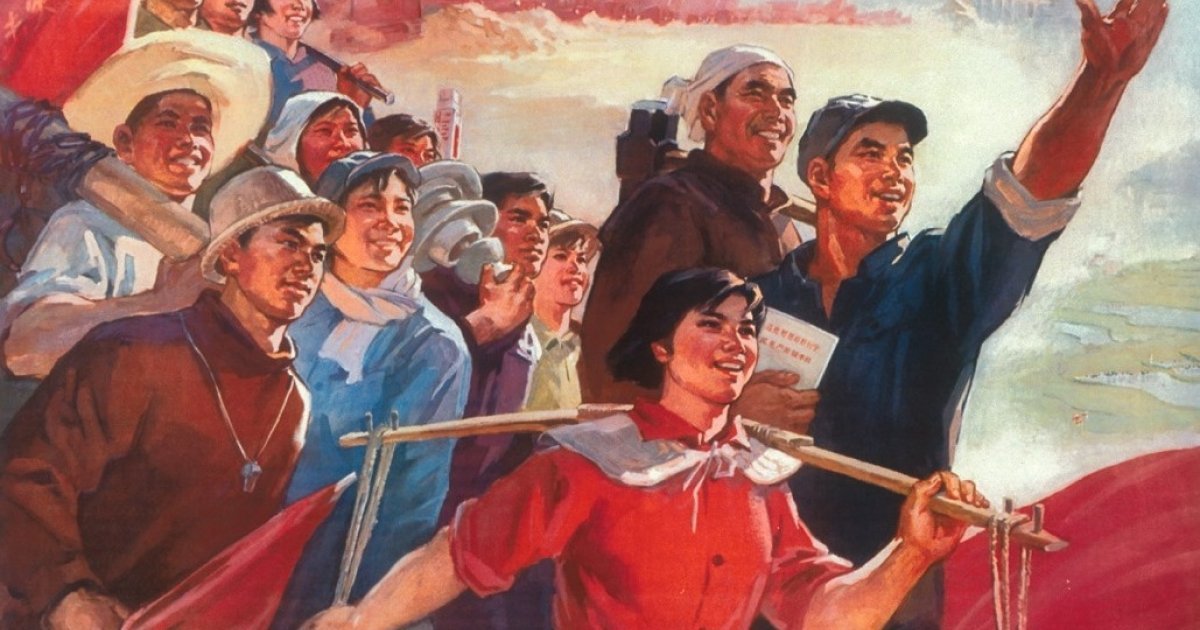
Rural revenue from opium was usually used to purchase food, necessities, and to ease pain from hard labor.
So the government gave farmers seeds to cultivate grain and cash crops without relying on poppy revenues. Clinics were opened to treat injuries and opioid addictions.
So the government gave farmers seeds to cultivate grain and cash crops without relying on poppy revenues. Clinics were opened to treat injuries and opioid addictions.

In urban areas, opium was often used as currency instead of money - it was more reliable than using paper money. And unlike gold, it was easy to carry.
By the time of 1949, it had functioned as another means of exchange. Alongside the money printed by the government.
By the time of 1949, it had functioned as another means of exchange. Alongside the money printed by the government.
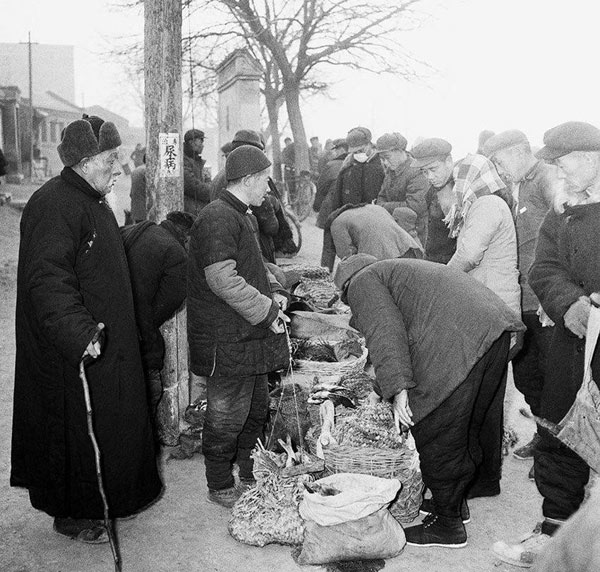
To combat it, public relations campaigns were used. Propaganda equated quitting with being a patriot. And used the Korean War to pump up support. Opium was a foreign drug, and was tied with the Americans.
Public rallies were used to raise support.
Public rallies were used to raise support.
The rallies were highly effective - they increase unity and gave momentum to the urban suppression campaign.
Addicts were able to avoid punishment by publicly registering for treatment. Urban govs also encouraged citizens to participate in decisions on anti-drug operations.
Addicts were able to avoid punishment by publicly registering for treatment. Urban govs also encouraged citizens to participate in decisions on anti-drug operations.
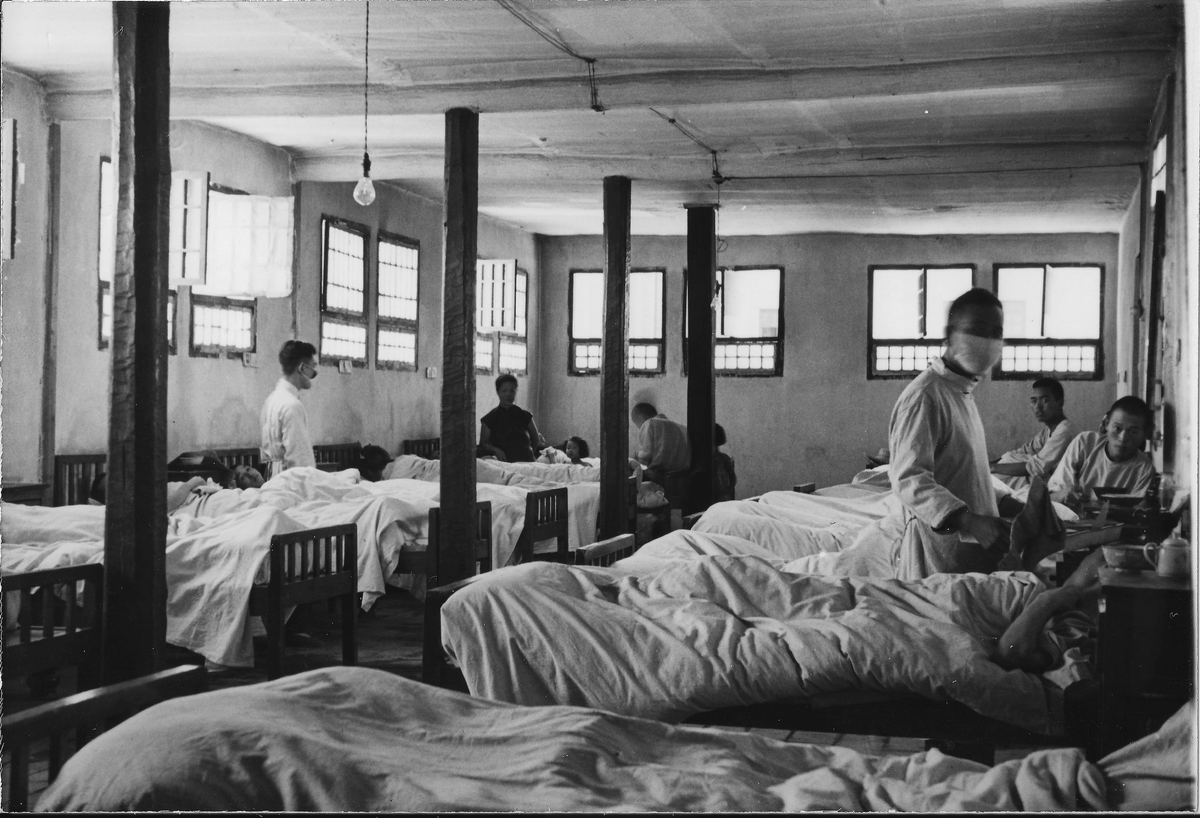
There was plenty of stick to go with the carrot. The PRC focused on aggressively finding drug networks and punishing leaders and distributors with severe sentences.
Mass arrests were used against these networks. Addicts were given light sentences.
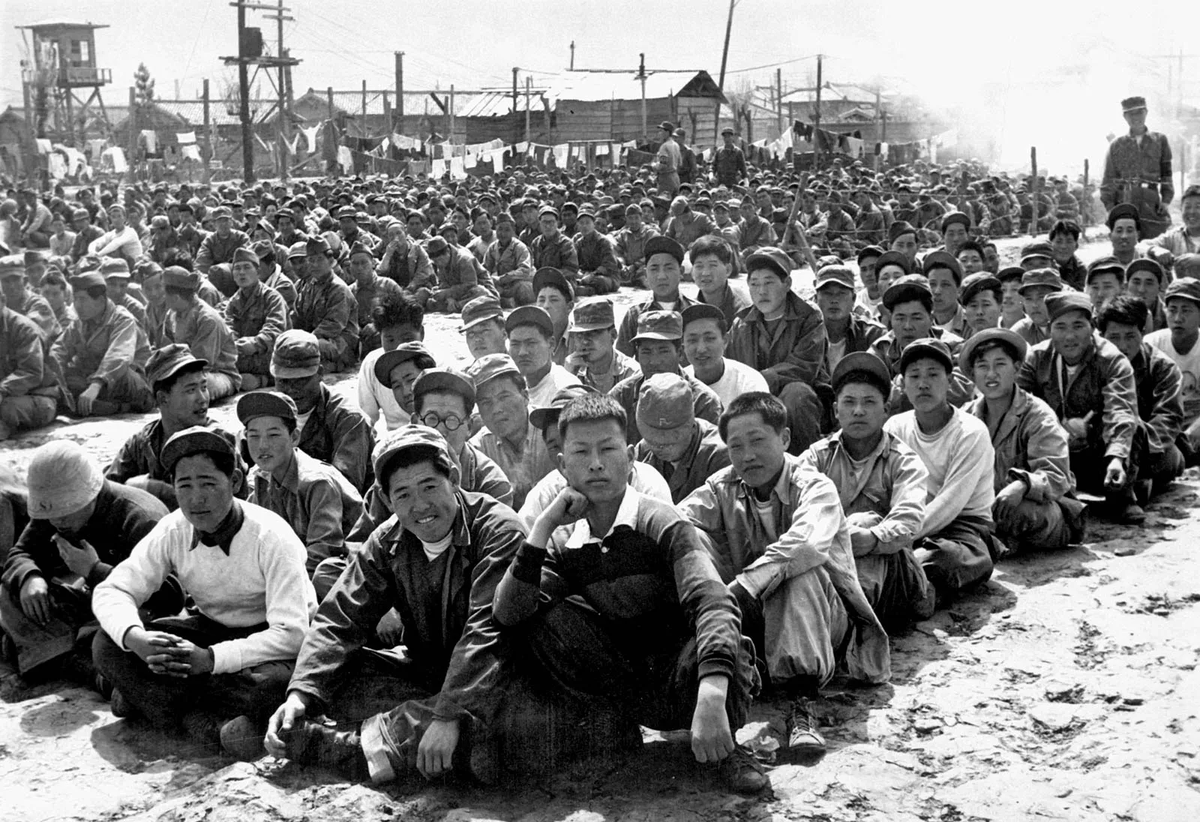
(Pic unrelated)
Mass arrests were used against these networks. Addicts were given light sentences.
(Pic unrelated)
Cities were the first to successfully eradicate opium. By the early 1950s, centers of the trade, Shanghai and Nanjing reported a total stop to opium networks.
By the 1954, the rural areas had completely uprooted the crop, even in places dependent on it like Yunnan.
By the 1954, the rural areas had completely uprooted the crop, even in places dependent on it like Yunnan.
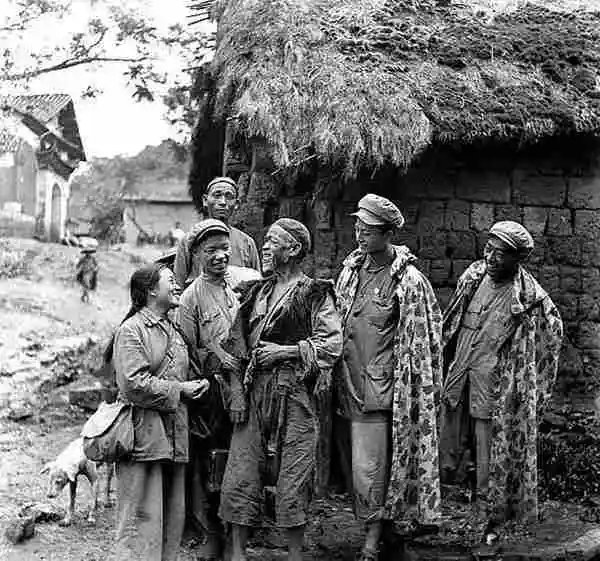
The PRC plans emphasis on the economic, cultural, and cutting vital pillars that kept the traffic going. Not only that, but they mobilized the support of the public. Which was essential in the eradication efforts.
Planning, Economics and popular support were the keys to success
Planning, Economics and popular support were the keys to success
If you want to read more check out these English books:
Anti-Drug Crusades in Twentieth-Century China
Opium, State, and Society: China's Narco-Economy and the Kuomintang.
I can recommend Chinese ones too, if interested.
Anti-Drug Crusades in Twentieth-Century China
Opium, State, and Society: China's Narco-Economy and the Kuomintang.
I can recommend Chinese ones too, if interested.
Loading suggestions...