

A new report paints a damning picture of life in rural China where “it's common for young couples just leave their kids to the grandparents.”
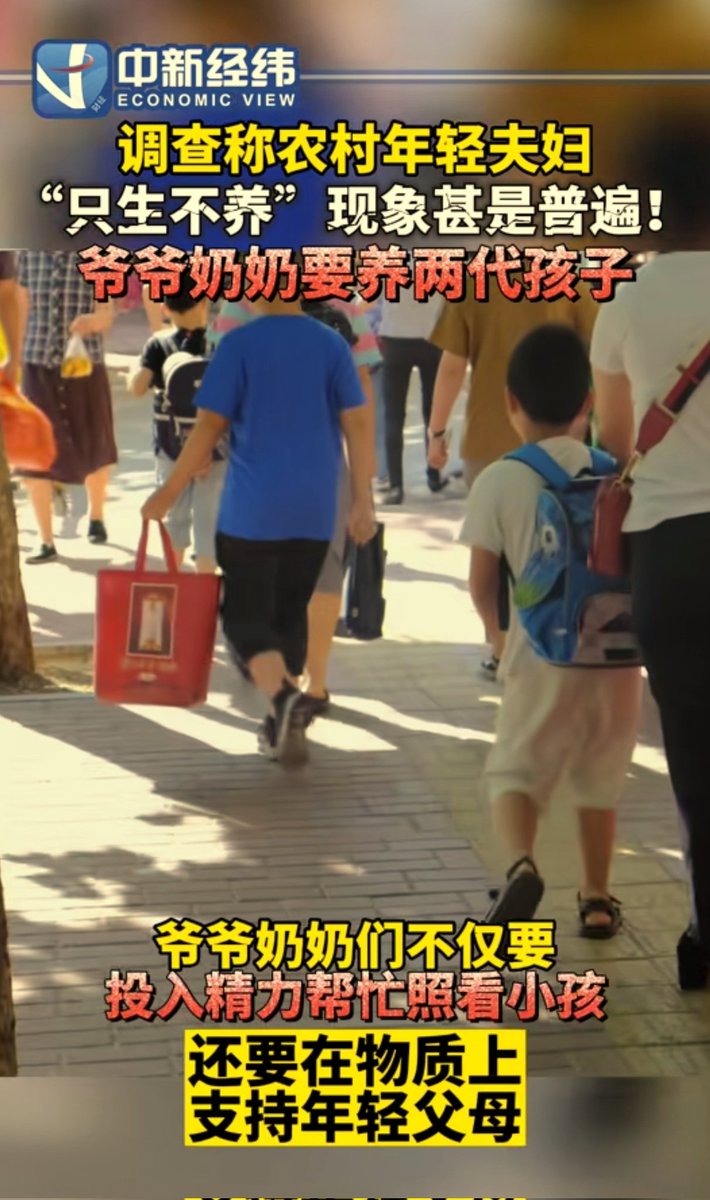
Decades after China’s first wave of mass migration began in the 1990s, a combination of economic and policy barriers still make it impossible for many migrant workers to bring their children with them to the cities.
sixthtone.com
sixthtone.com
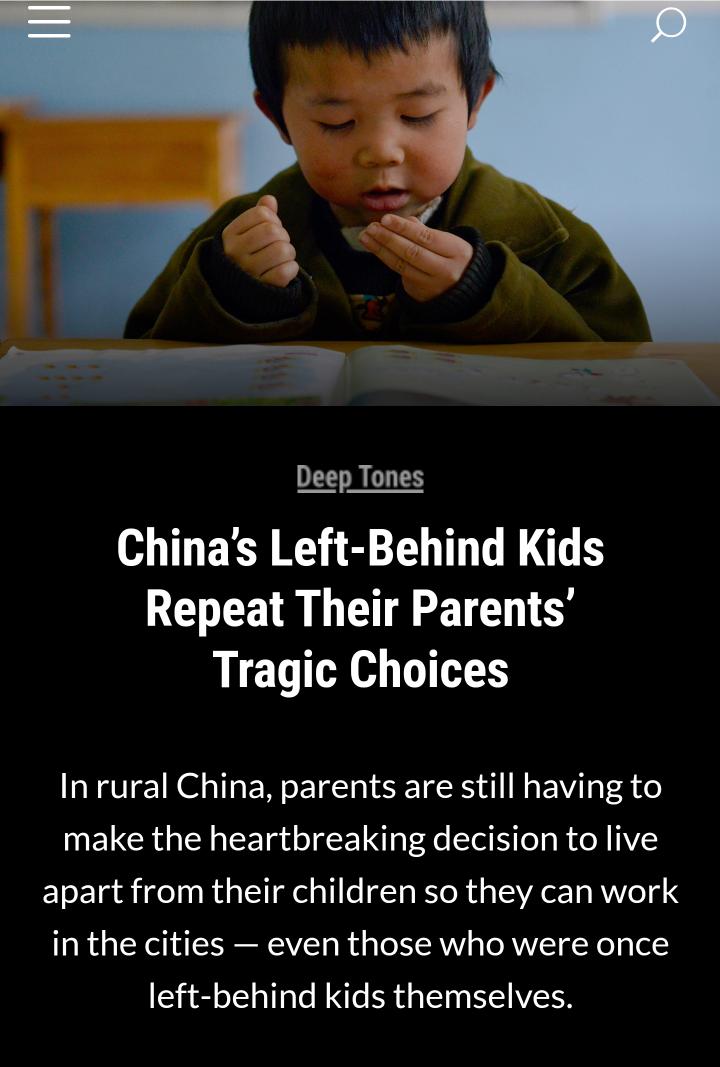
In some regions, family separations have become a fact of life, with parents and children no longer considering it unusual to live apart for most of the year.
Left-behind children's emotional states are significantly more negative on average than other children, and they find it much harder to communicate. Many feel deep resentment toward their parents, with more than 10% describing their mother and father as “dead.”
Given the dramatic disparity in development levels between China’s regions — Shanghai’s per capita GDP, for example, is three times higher than Guizhou’s — migrants are often reluctant to return to their home regions.
Empirical research on parental absence and non-cognitive abilities is currently in its infancy. It still needs to catch up despite the importance of non-cognitive abilities as a source of human capital development.
nature.com
nature.com
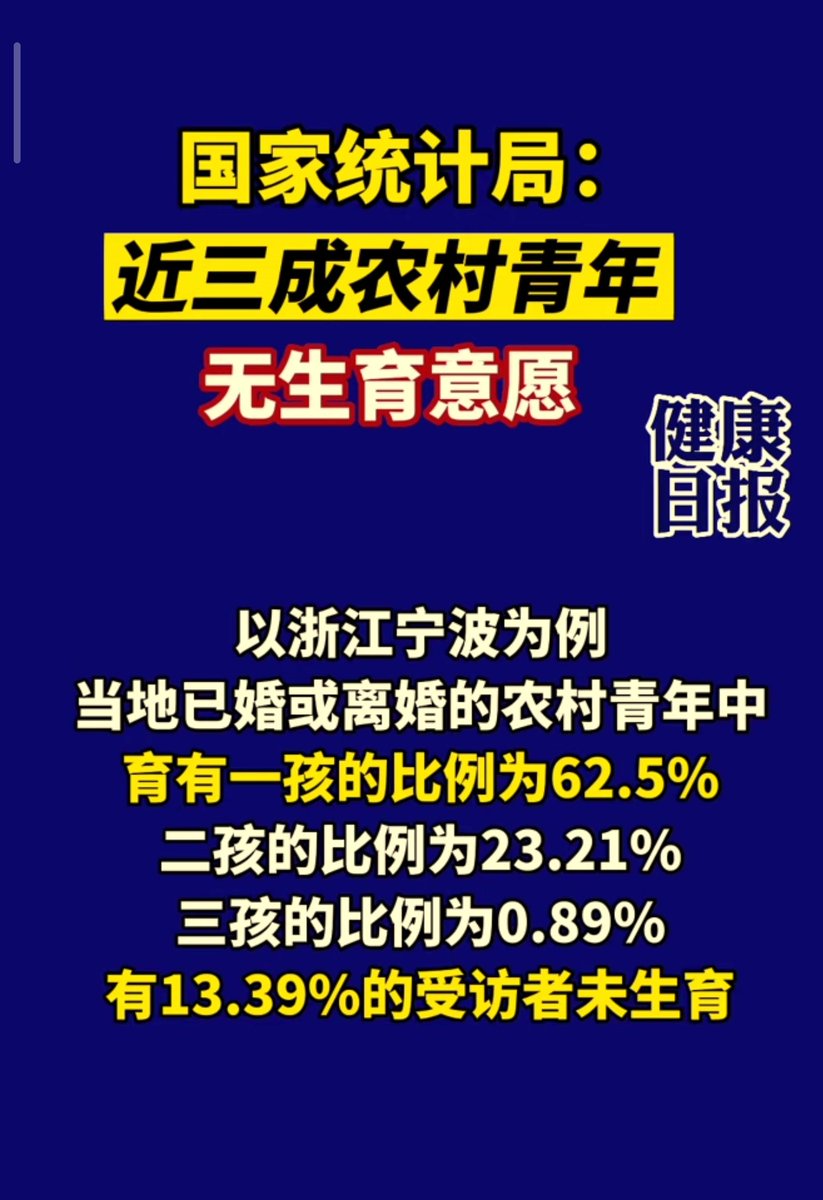
China's NBS says nearly 30% of rural China's youth have no plan to have children.

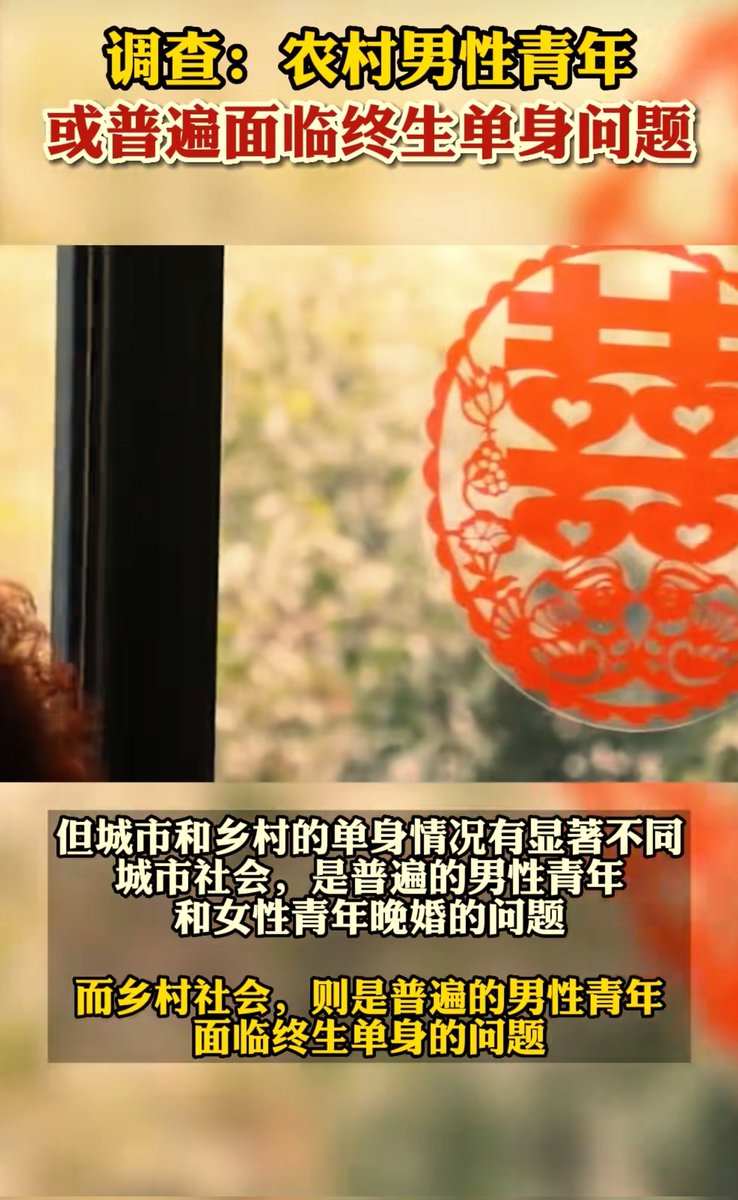
Many rural men may never find a wife.
Even among affluent business owners, the pandemic has dealt a blow to their cash flow, making supporting the luxurious lifestyle of their children studying overseas unsustainable,
cj.sina.com.cn
cj.sina.com.cn

Loading suggestions...