

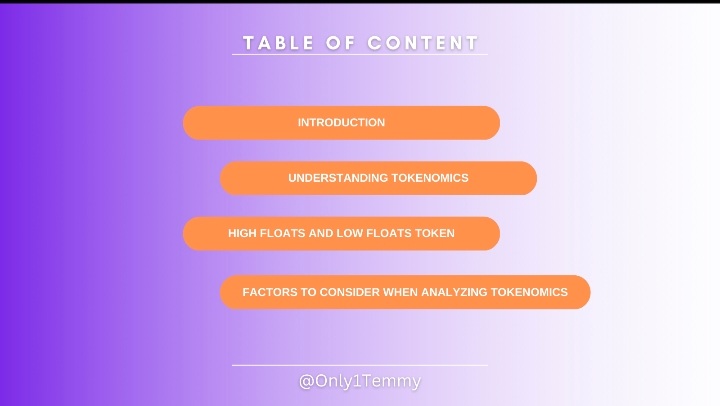
Table of Contents:
Introduction
Understanding Tokenomics
What are High-Float Tokens?
What are Low-Float Tokens?
Comparing High-Float and Low-Float Tokens
Factors to Consider when Analyzing Tokenomics
Conclusion
Introduction
Understanding Tokenomics
What are High-Float Tokens?
What are Low-Float Tokens?
Comparing High-Float and Low-Float Tokens
Factors to Consider when Analyzing Tokenomics
Conclusion
Introduction:
Decentralized Finance (DeFi) has emerged as a popular ecosystem for investors seeking high returns on their investments.
However, with thousands of tokens available in the market, it can be overwhelming to analyze which tokens are worth investing in.
Decentralized Finance (DeFi) has emerged as a popular ecosystem for investors seeking high returns on their investments.
However, with thousands of tokens available in the market, it can be overwhelming to analyze which tokens are worth investing in.
One crucial factor to consider when analyzing tokenomics is the float of a token. The float refers to the number of shares of a token available for trading in the market.
Tokens with a high or low float can have different implications on the token's liquidity, volatility, and supply-demand dynamics.
In this thread, we will discuss the differences between high-float tokens and low-float tokens and what to consider when analyzing their tokenomics.
In this thread, we will discuss the differences between high-float tokens and low-float tokens and what to consider when analyzing their tokenomics.
Understanding Tokenomics:
Before diving into high-float and low-float tokens, it is essential to understand tokenomics. Tokenomics refers to the economic properties and principles that govern a token's behavior in a given ecosystem.
Before diving into high-float and low-float tokens, it is essential to understand tokenomics. Tokenomics refers to the economic properties and principles that govern a token's behavior in a given ecosystem.
Tokenomics encompasses various aspects, including token supply, distribution, inflation, deflation, staking, and governance. Understanding the tokenomics of a token is crucial when making an informed investment decision.
High-Float Tokens?
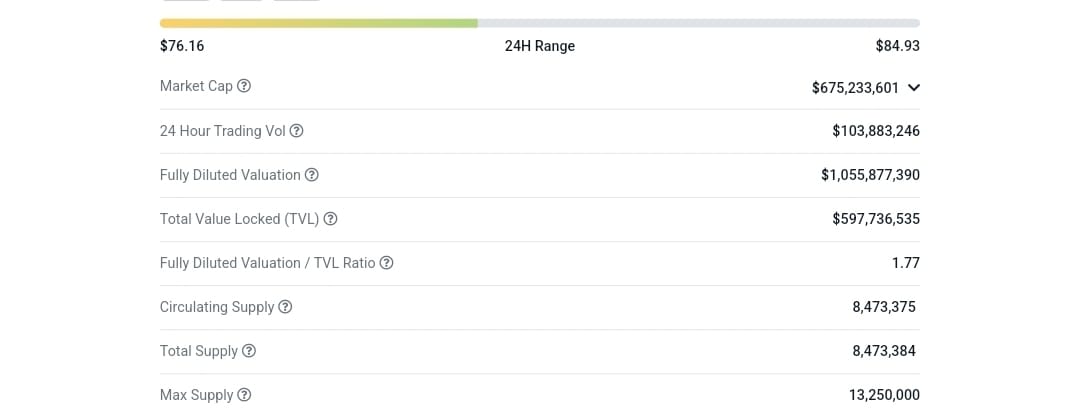
High-float tokens are tokens that have a large number of circulating tokens available in the market. The circulating supply refers to the number of tokens available for trading, excluding tokens held by the team, locked in contracts, or reserved for future use.
High-float tokens are tokens that have a large number of circulating tokens available in the market. The circulating supply refers to the number of tokens available for trading, excluding tokens held by the team, locked in contracts, or reserved for future use.
High-float tokens are typically less volatile than low-float tokens, as there are more tokens available in the market to buy and sell, leading to a more stable supply-demand dynamic.
High-float tokens are also more liquid, as there are more tokens available for trading, which can make it easier to buy and sell large quantities of tokens.
Here is an example of an high-float token👇
Here is an example of an high-float token👇
What are Low-Float Tokens?
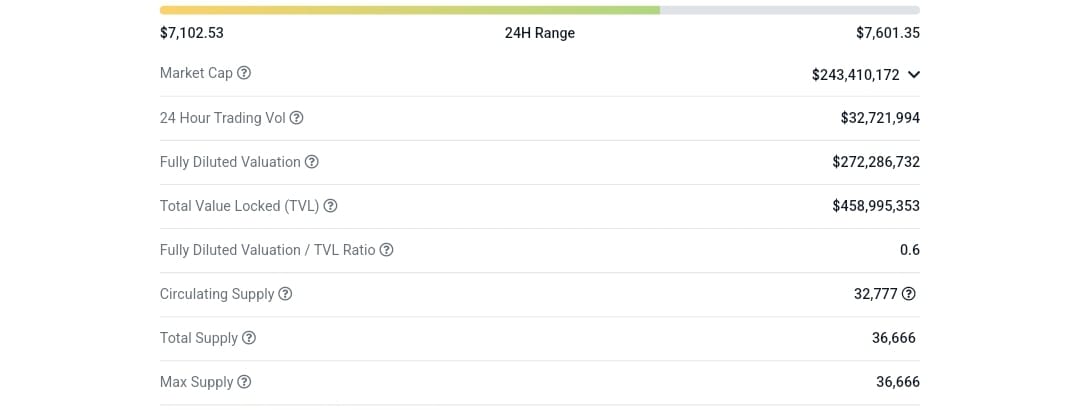
Low-float tokens, on the other hand, have a limited number of circulating tokens available in the market. This can create an imbalance in supply and demand, leading to more significant price fluctuations and volatility.
Low-float tokens, on the other hand, have a limited number of circulating tokens available in the market. This can create an imbalance in supply and demand, leading to more significant price fluctuations and volatility.
Low-float tokens can be highly profitable for short-term trading butmay not be suitable for long-term investments due to their unpredictable nature. Additionally, low-float tokens may have less liquidity,
as there are fewer tokens available for trading, making it more challenging to buy and sell large quantities of tokens.
Here is an example of a low-float token👇
Here is an example of a low-float token👇
When analyzing the tokenomics of a high-float or low-float token,
it is crucial to consider the following factors:
a) Token Supply: The total supply of the token and how it is distributed among various entities can affect the token's value.
it is crucial to consider the following factors:
a) Token Supply: The total supply of the token and how it is distributed among various entities can affect the token's value.
b) Token Distribution: The distribution of the token can affect the token's liquidity and volatility.
c) Token Utility: The utility of the token in the given ecosystem and its potential for future growth can affect the token's value.
c) Token Utility: The utility of the token in the given ecosystem and its potential for future growth can affect the token's value.
d) Token Staking: The staking mechanism can affect the token's value and provide additional incentives to token holders.
e) Token Governance: The governance mechanism can affect the token's decision-making process and future development.
e) Token Governance: The governance mechanism can affect the token's decision-making process and future development.
f) Market Trends: It is essential to consider the overall market trends, such as the market cap, trading volume, and liquidity, as they can affect the token's value.
g) Team and Community: The team's experience, expertise, and vision can affect the token's development, and the community's engagement and support can affect the token's value and adoption.
In conclusion, high-float and low-float tokens have different implications on token liquidity, volatility, and supply-demand dynamics. High-float tokens are typically less volatile, more liquid, and suitable for long-term investments,
while low-float tokens are more volatile, less liquid, and suitable for short-term trading. When analyzing tokenomics, it is crucial to consider various factors, such as token supply, distribution, utility, staking, governance, market trends, and team and community.
By considering these factors, investors can make an informed investment decision and potentially reap high returns on their investment.
I remain @Only1temmy your DeFi friend.
If you found this interesting, don't forget to Like, RT and comment.
If you found this interesting, don't forget to Like, RT and comment.
Loading suggestions...