

“Much native scholarly output on Dacia during the communist period was rooted in the thesis whereby somehow, the Dacians were an ancient super-race that actually gave the Romans the Latin language earlier in antiquity.”
“Dacia, a unique case study of ‘barbarian’ Europe, at its twin peaks under Burebista and later Decebalus, was not only the largest barbarian kingdom, but also one of the few with institutions robust enough to survive the cyclical boom-bust nature of barbarian tribal power.”
“The Helvetii tribe, which gave Caesar the cover to begin the conquest of Gaul, migrated because Burebista had conquered west up to the Moravian plain and caused various barbarian tribes like the Boii to migrate westwards and push the Helvetii out of their ancestral homes.”
The Roman province of Dacia, a territory overlapping with modern-day Romania, was a region prized for its gold mines. The area was cut off from the rest of the Roman empire in around 260 CE.
Surrounded by enemies, Sponsianus may have been a local army officer forced to assume supreme command during a period of chaos and civil war, protecting the military and civilian population of Dacia until order was restored, and the province evacuated between 271 and 275 CE.
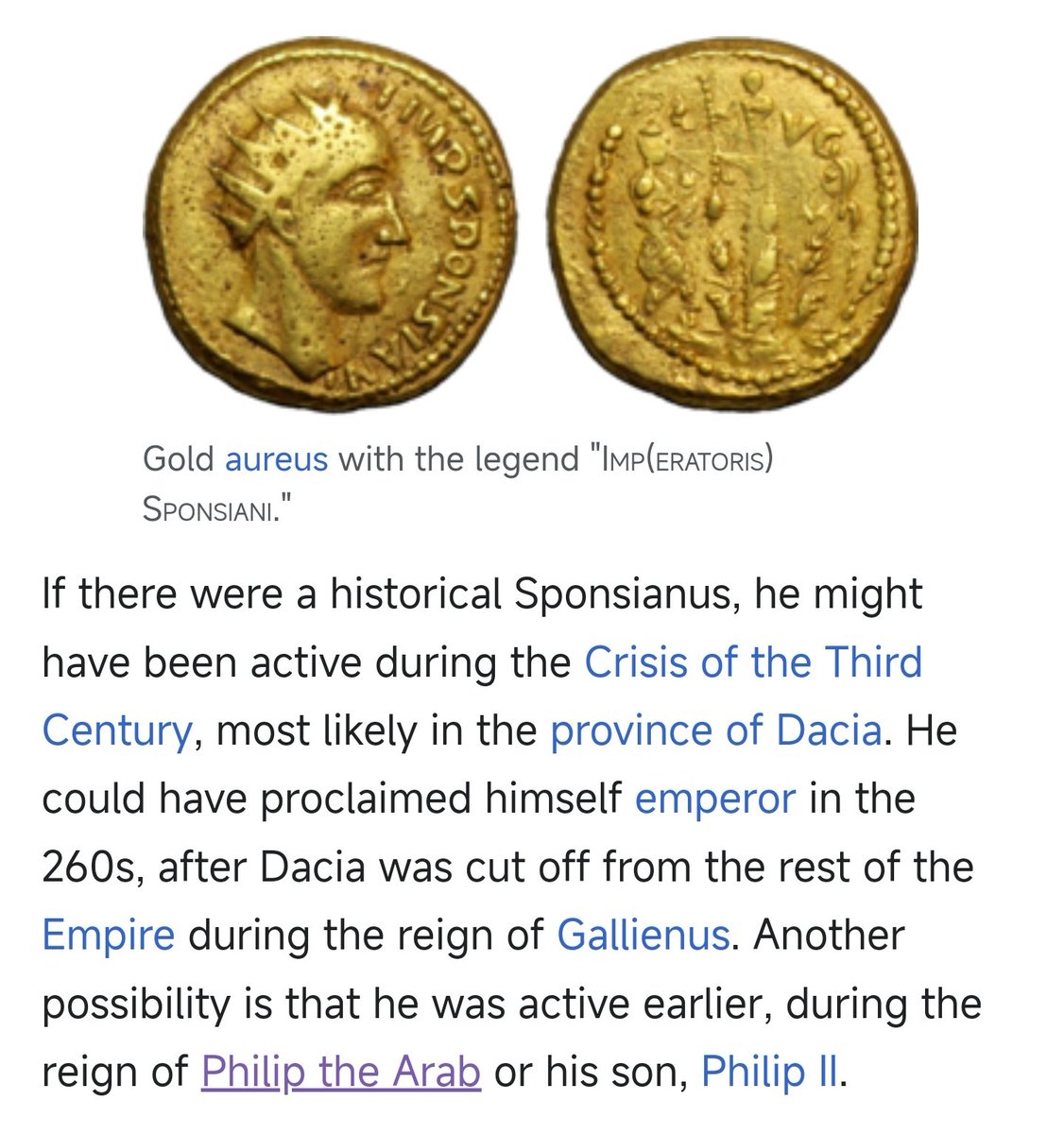
The Roman empire then was over-run with civil strife and rebellion, as successive leaders attempted to seize power for themselves, only to be murdered and overthrown.
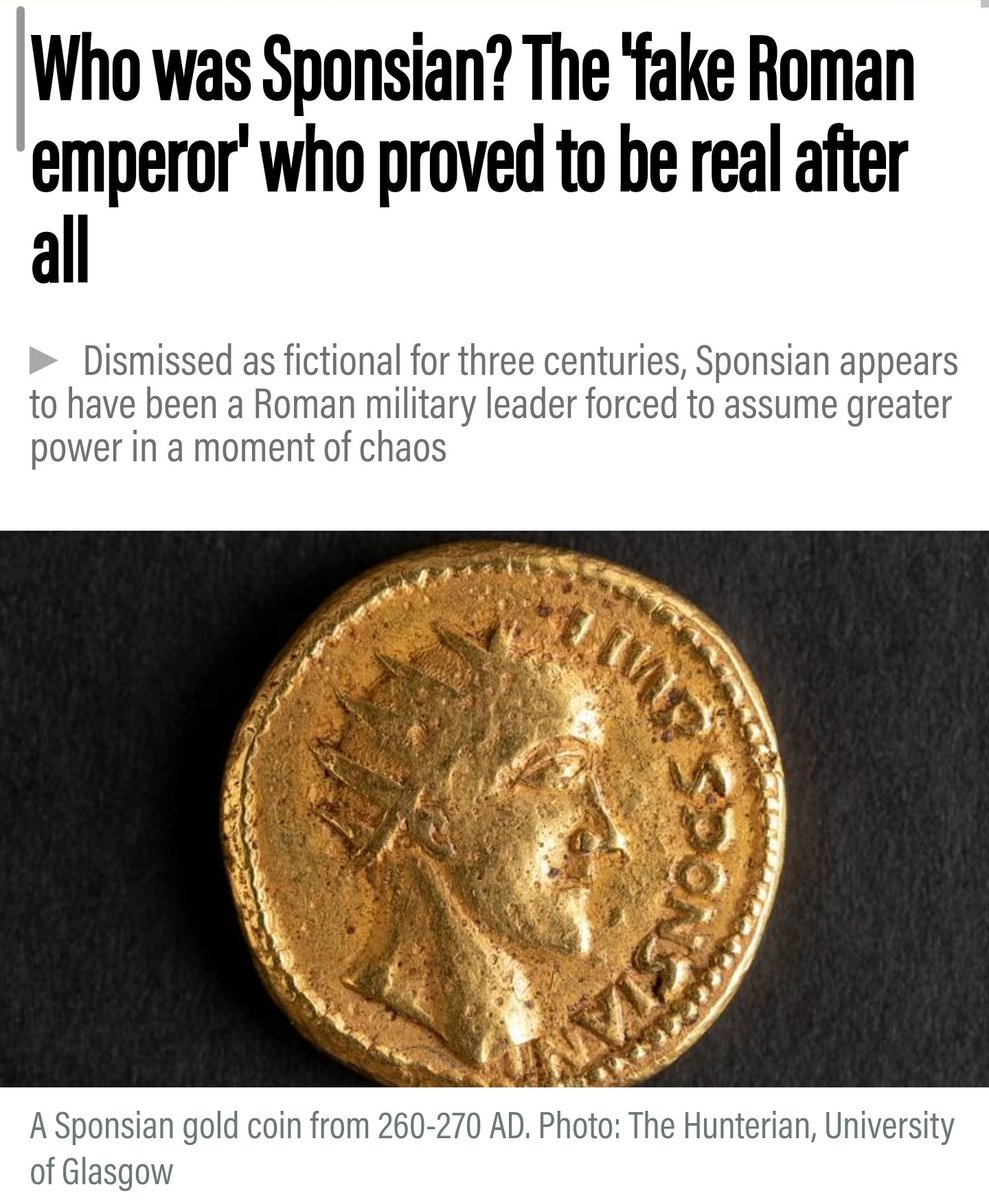
After the assassination of Emperor Severus Alexander — by his own troops, no less — the Roman Empire was besieged by barbarian invasions, peasant rebellions, civil wars, a pandemic (the Plague of Cyprian), and the rise of multiple usurpers vying for power.
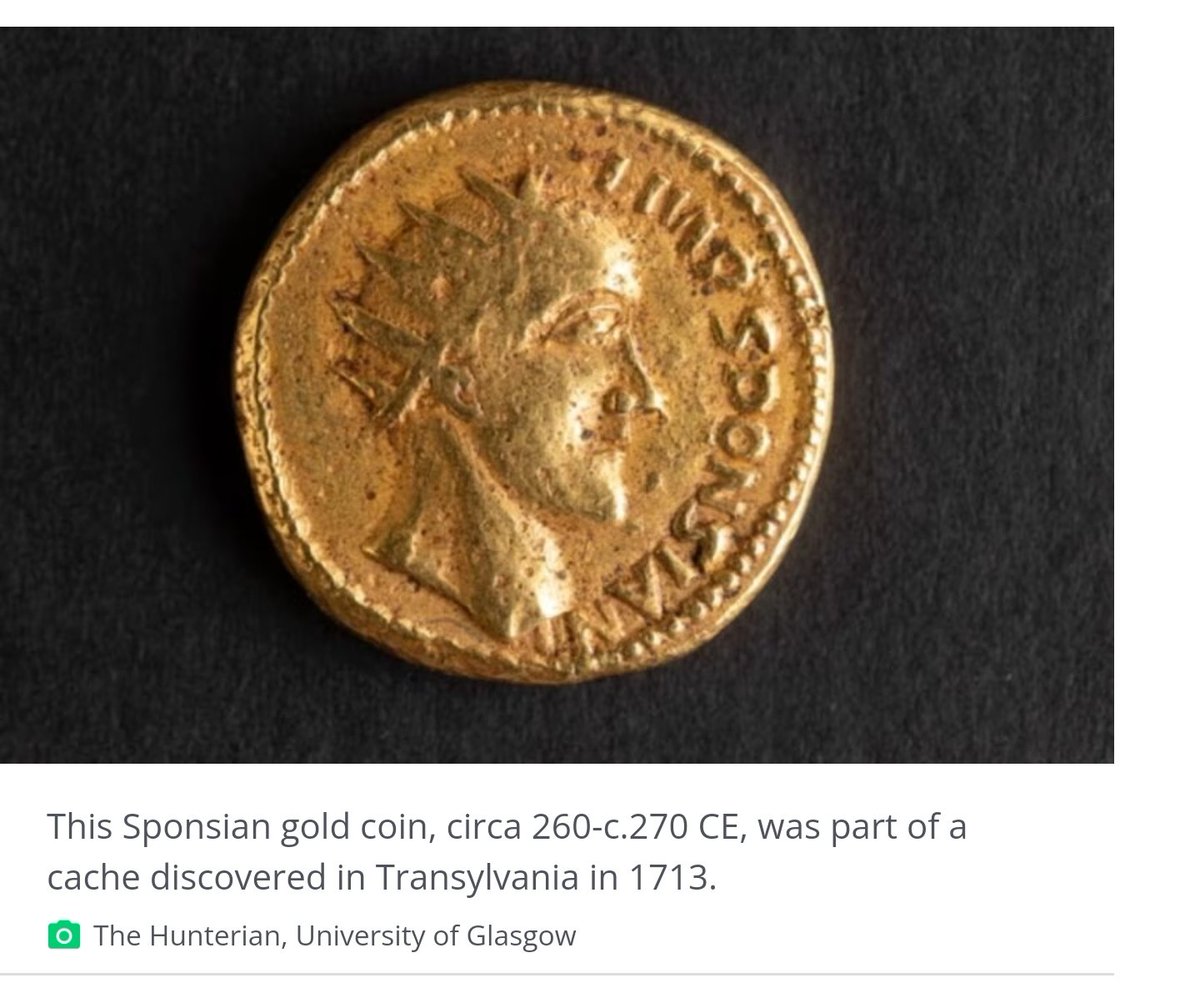
At the time of their discovery, the coins were deemed authentic. But doubts about their authenticity grew over time, and in 1868, French numismatist Henri Cohen declared the Sponsian coins to be "very poor quality modern forgeries".
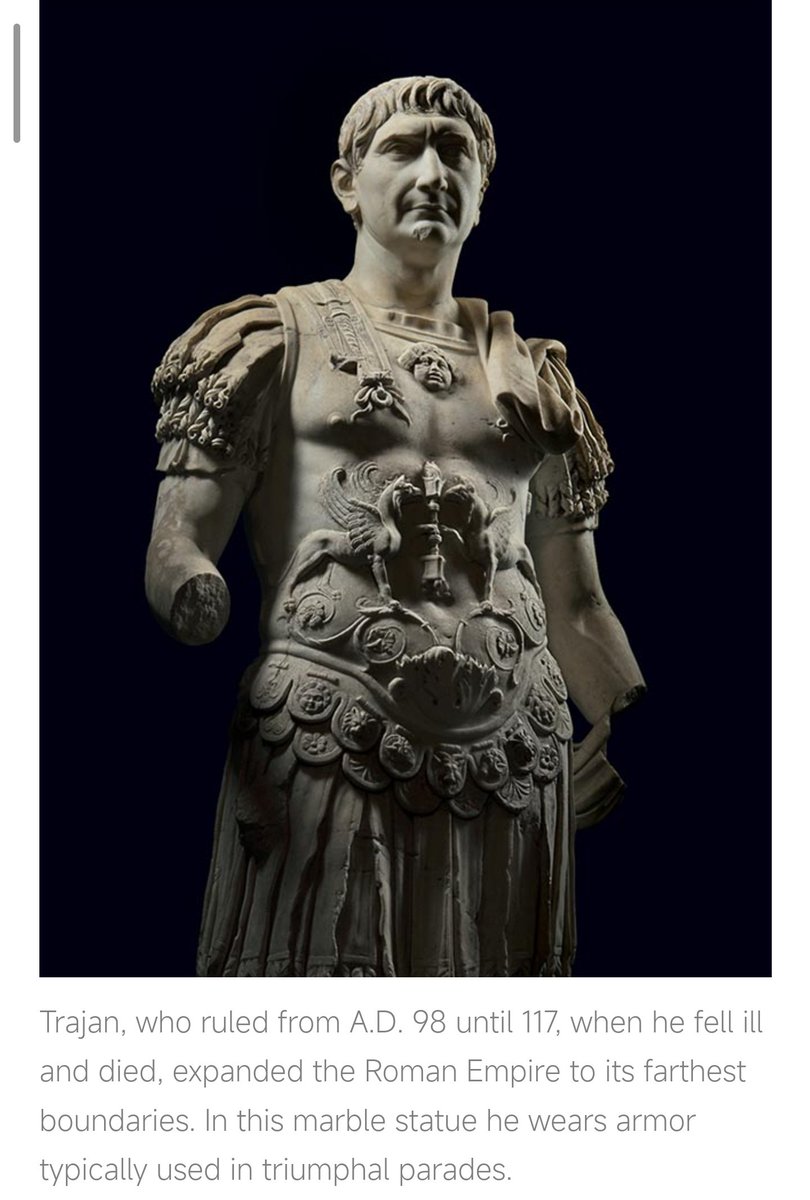
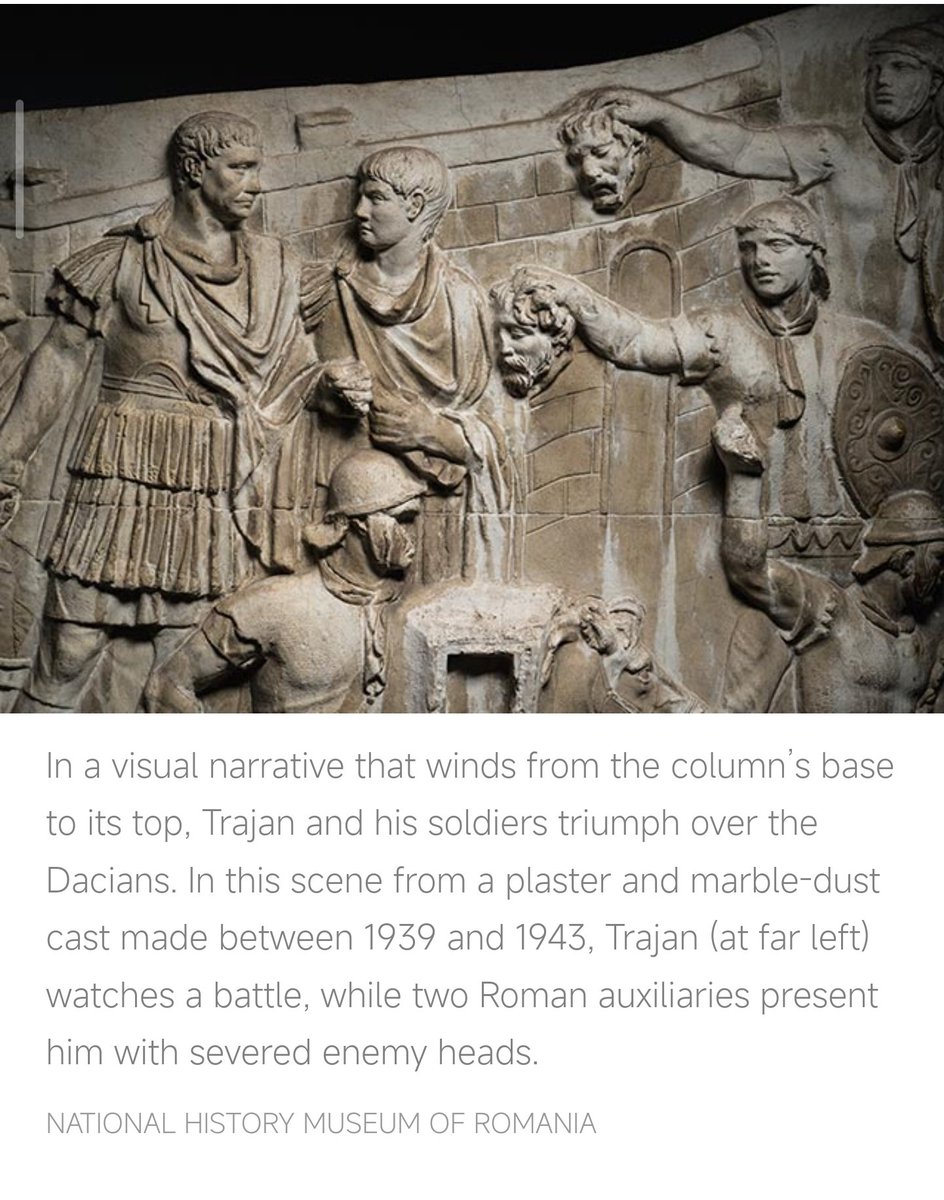
Trajan’s war on the Dacians was the defining event of his 19-year rule. The loot he brought back was staggering. One contemporary chronicler boasted that the conquest yielded a half million pounds of gold and a million pounds of silver, not to mention a fertile new province.
The booty changed the landscape of Rome itself. To commemorate the victory, Trajan commissioned a forum that included a spacious plaza surrounded by colonnades, two libraries, a grand civic space known as the Basilica Ulpia, and possibly even a temple.
Because Trajan left Dacia in ruins, the column and the remaining sculptures of defeated soldiers that once decorated the forum are treasured today by Romanians as clues to how their Dacian ancestors may have looked and dressed.
The Dacians had no written language, so what we know about their culture is filtered through Roman sources.
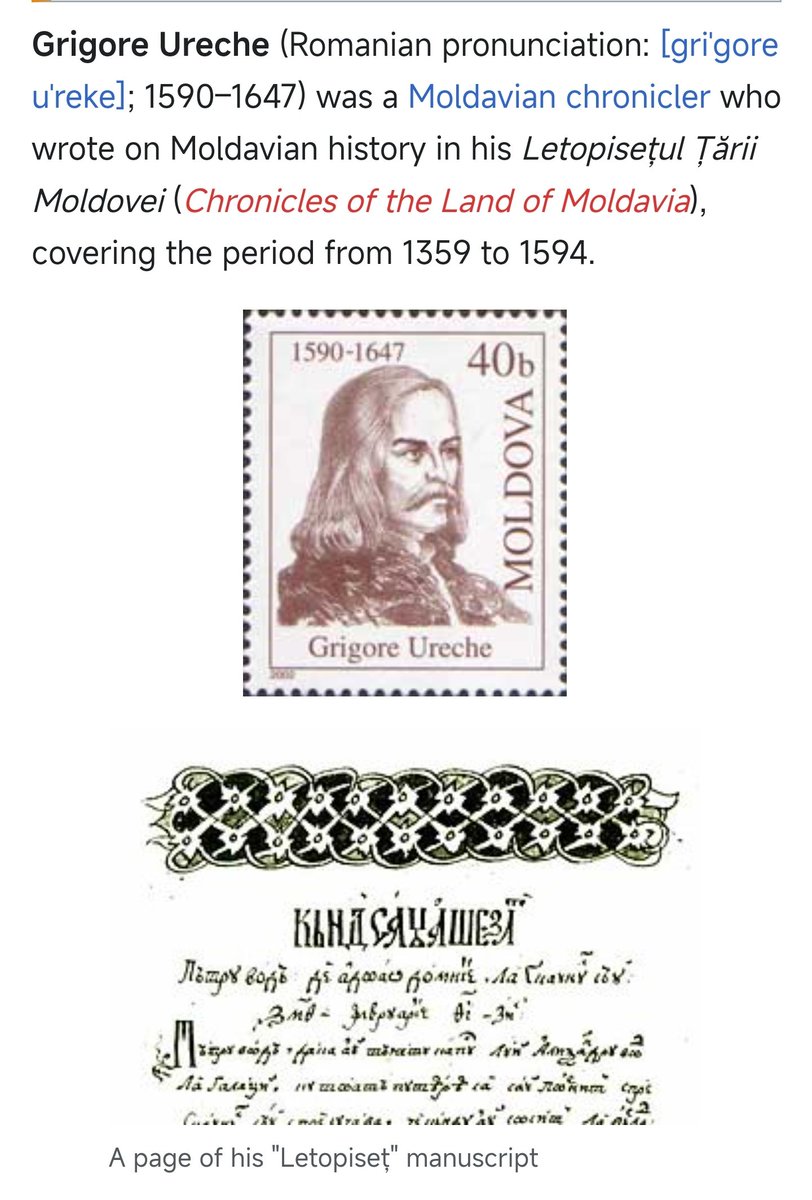
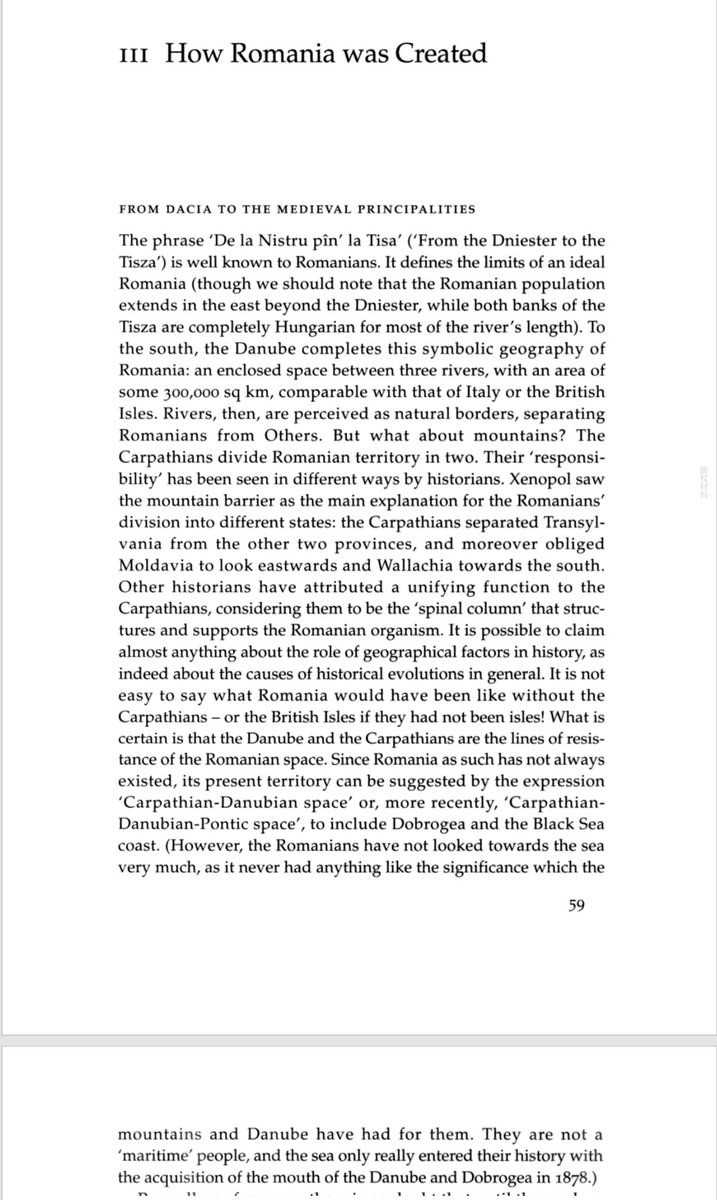
In Romanian historiography it was Grigore Ureche (1590-1647), towards the middle of the seventeenth century, who first noted that the origin of the Romanians was in “Rim”.
books.openedition.org
books.openedition.org
With the exception of Constantin Cantacuzino, who accepted a Daco-Roman mixing in his History of Wallachia, the chroniclers and later historians would agree to nothing less than a pure Roman origin, with the Dacians exterminated or expelled to make way for the conquerors.
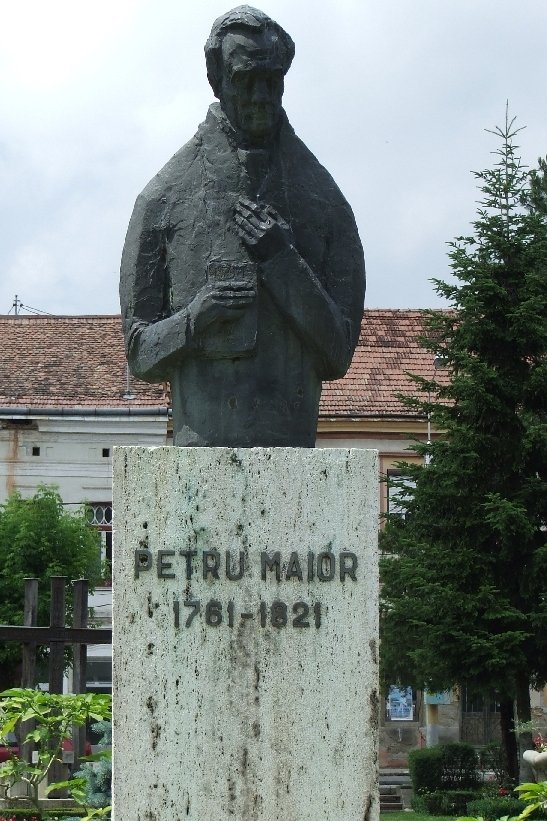
Petru Maior (1756-1821) took pains to demonstrate that the war was not a conventional one, but one of extermination. This is how he dealt with the question of whether the Romans might not still have married Dacian women.
The Dacians' never-contested love of liberty and spirit of sacrifice seemed, to the romantic revolutionary generation, to be virtues worthy of admiration and imitation.
For all the concessions made towards them, the Dacians appear in the romantic period — until after 1850 — more as mythical ancestor figures, sunk deep into a time before history, in a land which still recalled their untamed courage.
The Thracians, and thus the Dacians, symbolized rootedness in the soil of the land; the Romans the political principle and civilization; while the Celts deserved to be invoked since through them Romanians could be more closely related to the French.
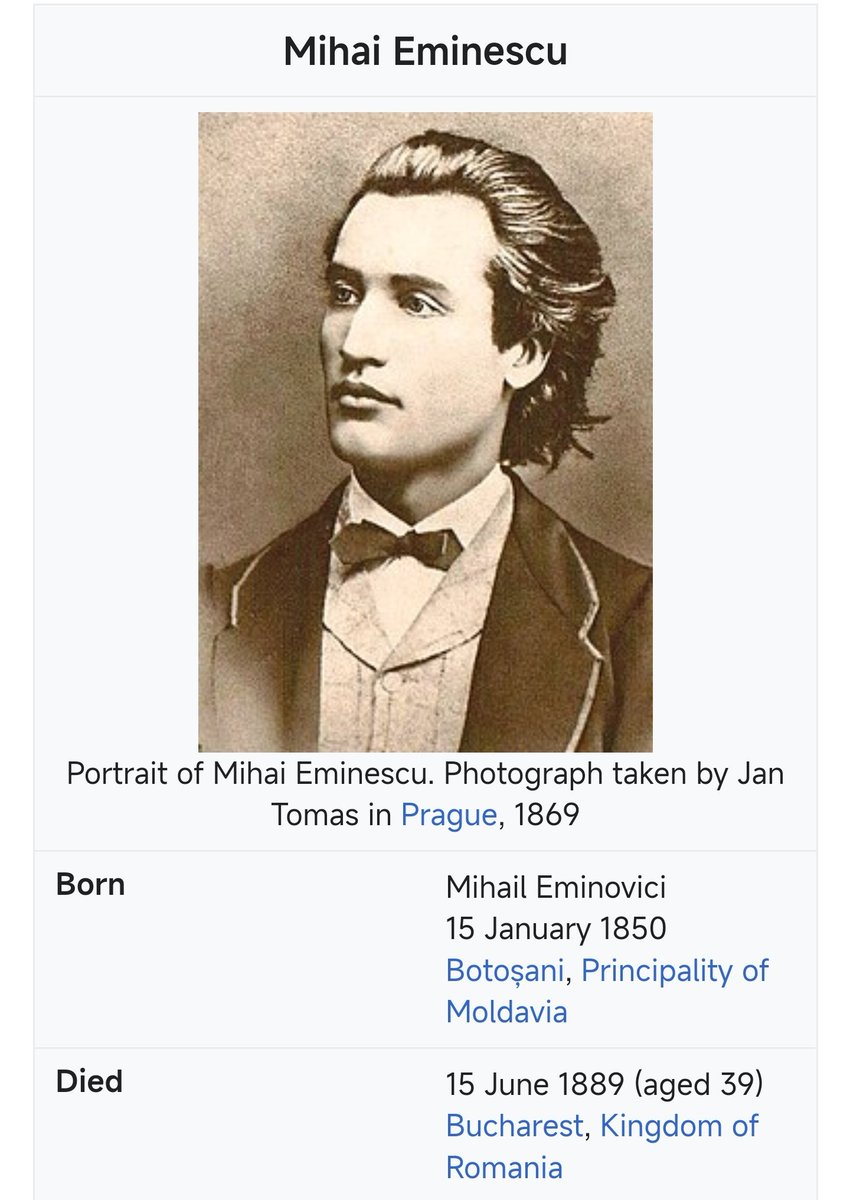
The Dacians are invoked repeatedly in the verses of Mihai Eminescu (1850-1889), the great national poet of the Romanians.
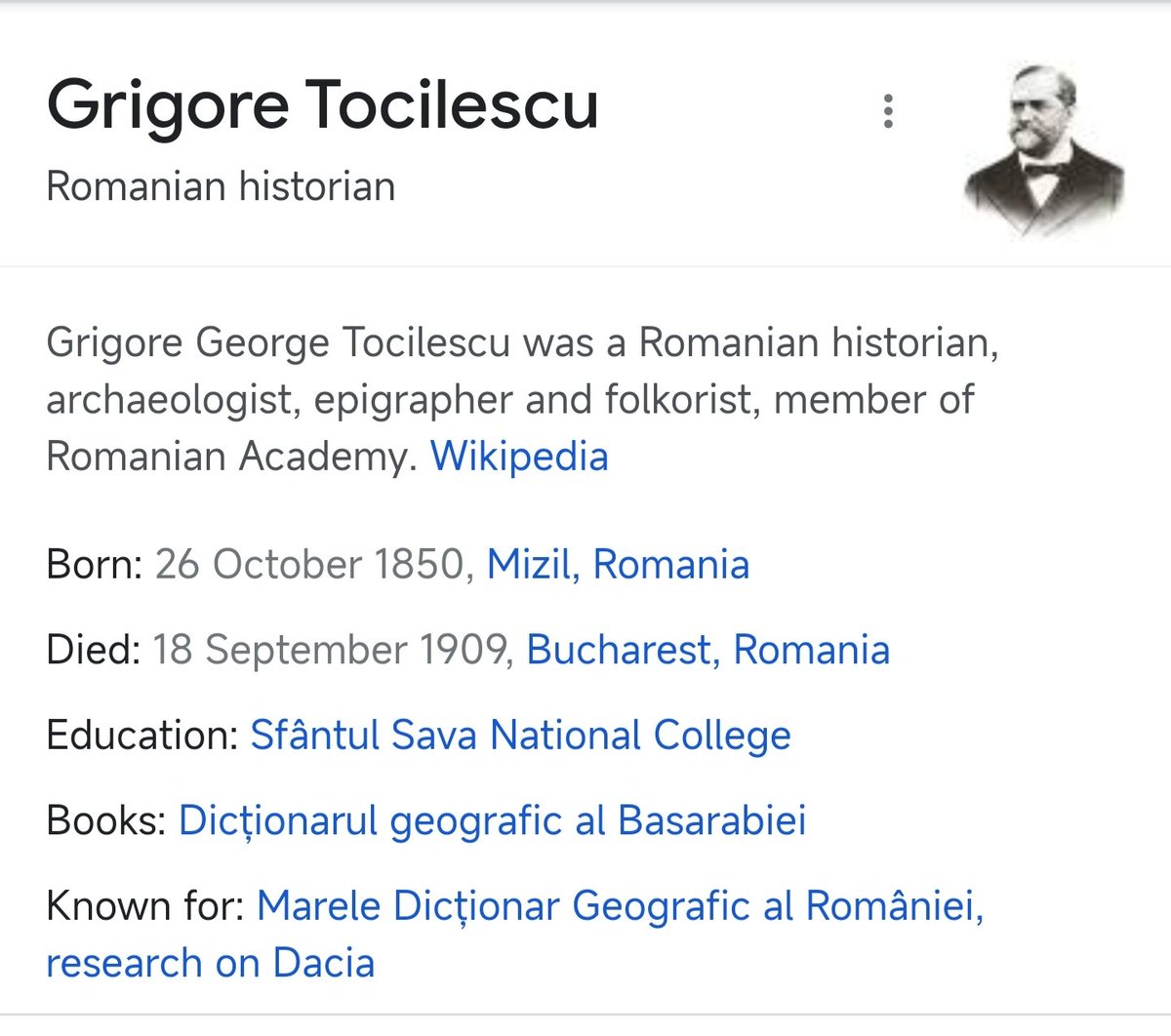
Dacia was also the subject of a doctoral thesis, Dacia before the Romans, defended by Grigore Tocilescu (1850-1909) in 1876 at the University of Prague and awarded the Academic Society’s prize.
In his History of the Romanians in Dada Traiana, the first volume of which appeared in 1888, A. D. Xenopol (1847-1920) assembles a number of proofs and arguments in support of Dacian continuity.
During the communist period, the Romans were consistently referred to as invaders, and their departure from Dacia was seen as a liberation.
Whether good or bad — generally bad at the beginning and good later on — the Romans only represented one episode in a history that stretched over millennia.
There was a certain agitation, too, around the insoluble question of the Dacian language. Whether it was a “Latin” language or different from Latin, it demanded to be reconstituted and perhaps even established as a subject in the university curriculum.
The ongoing match between the Dacians and the Romans was somewhat complicated by the additional involvement of the Slav factor. The Slavs, as is well known, had a significant influence on the Romanian language, as well as on early Romanian institutions and culture.
For Ioan Bogdan (1864-1919), the Slavs became a constituent element of the Romanian synthesis.

Loading suggestions...