

Story Of The Brimah Dynasty Of Ghana, The Yorùbá Warriors That Migrated After The Attack On Ilorin.
A THREAD:
(2face even NTA Mandy RIP legend Lagos chioma pastor Paul Davide oyedepo)
A THREAD:
(2face even NTA Mandy RIP legend Lagos chioma pastor Paul Davide oyedepo)
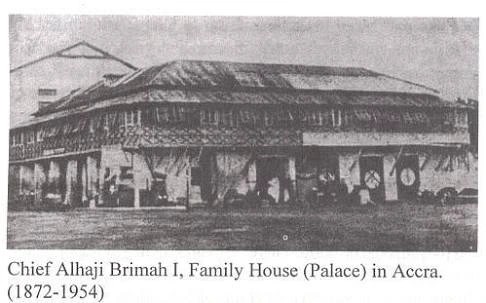
Just a few months after the attacks on Ilorin, which led to the fall of the Oyo empire by the Fulani Jihadists and the converted muslim followers of
Afonja in 1810, several Yorùbá warlords and noblemen fled to different part of Yorùbáland for safety and succor. Some even left Yorùbáland totally to form new Yorùbá settlements. One of such people was Chief Ibrahim the first.
Chief Ibrahim was a Yorùbá warlord and a military
Chief Ibrahim was a Yorùbá warlord and a military
leader at the Old Òyó empire.
Despite being a muslim, he fled Ilorin, not because of fear but because the Fulanis took over the political and spiritual administration of the town. He then went to present day Ghana via the northern border with a lot of other Yorùbá high chiefs.
Despite being a muslim, he fled Ilorin, not because of fear but because the Fulanis took over the political and spiritual administration of the town. He then went to present day Ghana via the northern border with a lot of other Yorùbá high chiefs.
This was more than two hundred years ago and he was welcomed by the High chief of the Ga people. He welcomed him with open arms due to his Ile Ife connection. His name, Ibrahim was corrupted into Brimah which has now become the norm in Ghana when referring to his dynasty.
His dynasty is a member of the traditional council of kings and chiefs in Ghana as the Oba of all Yoruba descendants who came with him 200 years ago and those who came later.
Chief Ibrahim, the patriarch of the Yorùbá Brimah dynasty in Ghana fled Ilorin approximately 200 years
Chief Ibrahim, the patriarch of the Yorùbá Brimah dynasty in Ghana fled Ilorin approximately 200 years
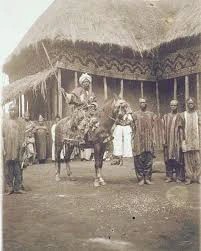
ago and migrated to present day Ghana to form a settlement called "Zango". He was a soldier, a warrior, a merchant, a devout Muslim but a radical loyalist to his Yorùbá race. He was one of the Yorùbá Ilorin muslims who fought against Alimi and Afonja during the Afonja rebellion
against the Aláàfin. How he and his descendants till date were able to remain radically loyal to their Yorùbá Òyó heritage despite being a high ranking Islamic scholar could be a mystery to many. Most especially the fact that he lived at the same time with Afonja and Alimi, the
fulani leader in the town of Ilorin. There were actually several Yorùbá Ilorin high chiefs who were astute Muslims who fought against Fulani imperialism in Ilorin during the Afonja rebellion. As a matter of fact, he escaped to present day Ghana to stay off the bounty of the
fulanis because of his allegiance despite being a muslim by birth. Chief Ibrahim the first had performed the hajj pilgrimage in the late 18th century meaning he was alive during the Òyó empire as a nobility and as a warrior.
The Brimah dynasty is the traditional, political and
The Brimah dynasty is the traditional, political and
spiritual leader of the Yoruba in Ghana till date. The dynasty is also recognized by both the British colonial government and the government of Ghana till date.
The present Òbà of the Brimah dynasty is Chief Peregrino Hamza Braimoh who is a first class king and high chief. Till
The present Òbà of the Brimah dynasty is Chief Peregrino Hamza Braimoh who is a first class king and high chief. Till
date, his descendants identifies themselves first as Yorùbá before being a Ghanaian.There are Yorùbá land across west Africa and outside the continent.I was suprised when I met a lady at Kotoka Airport , Accra , who had never lived in Nigeria before but spoke flawless Òyó Yorùbá.
She was born in Ghana, carries a Ghanaian passport, spoke two local languages fluently but spoke Yorùbá like someone who lives in Ilorin or Iseyin. Like also in Benin Republic, Someone with the name Babatunde Salawu in Yorùbáland would appear on the Benin passports as Tuonde
Salaou because it would be written in French language. As a meritorious,Yoruba race is well famous in the world. The only thing holding Yoruba land back might just be not having her own country. Yorùbá own communities in other countries such as Cuba, Brasil, Togo, Benin republic,
Ghana, Jamaica, and Haiti.
SOURCE: ng.opera.news…
SOURCE: ng.opera.news…
Loading suggestions...