

Alternate history:
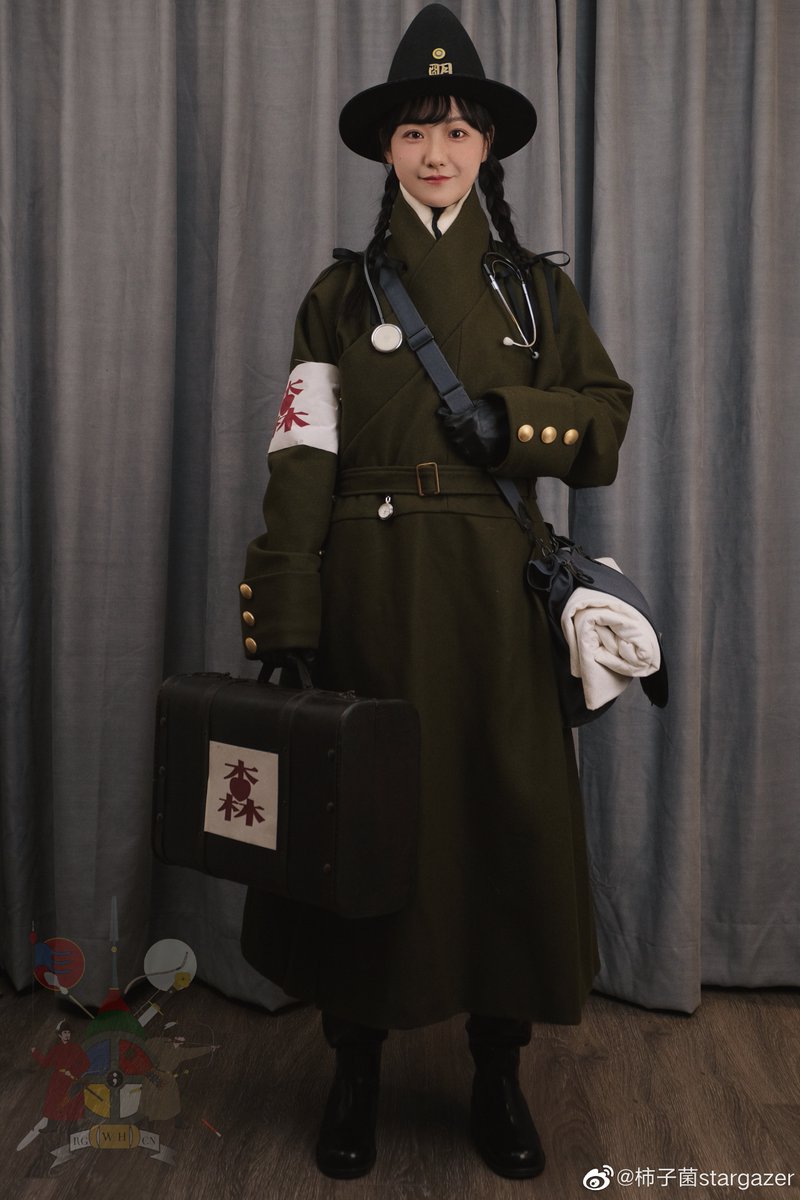
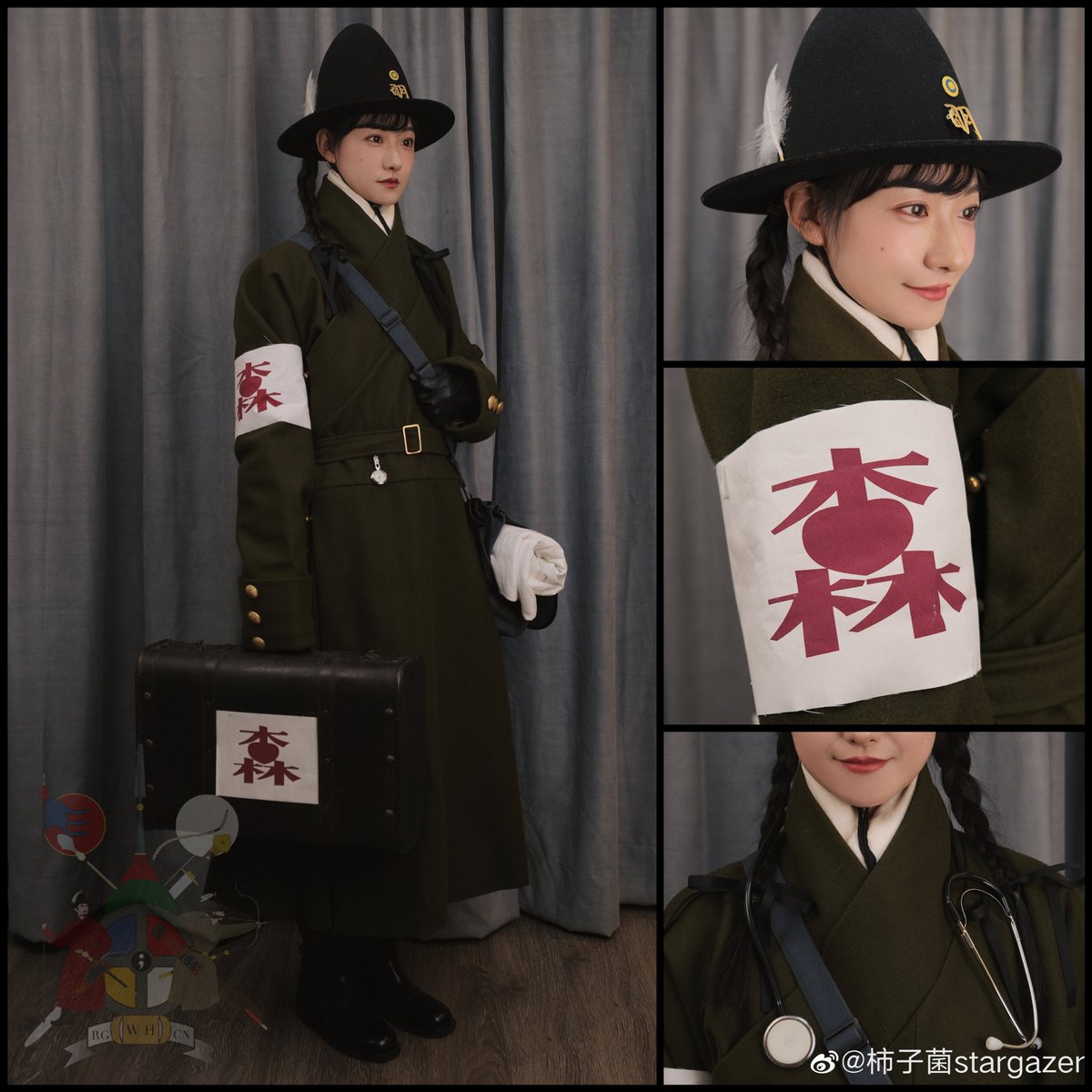
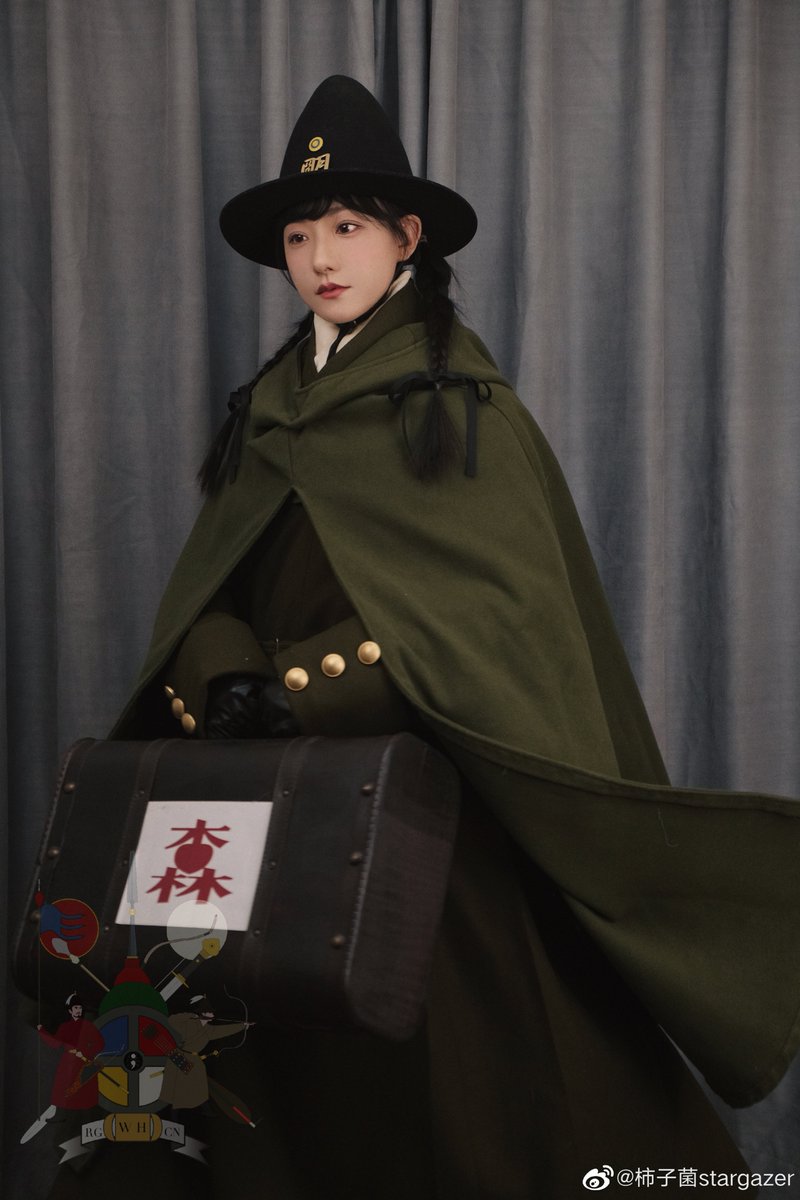
A medic of the Ming Imperial Army.
If Ming Dynasty had survived until 1915.
The Modernized Ming style Hanfu got my curiosity.
So I dug a little deeper and found this...🧵
A medic of the Ming Imperial Army.
If Ming Dynasty had survived until 1915.
The Modernized Ming style Hanfu got my curiosity.
So I dug a little deeper and found this...🧵
I found that Hanfu was not banned during Qing Dynasty.
And the more I think about it, the more it makes sense.
How could a pre-industrial government have enough reach and production capacity to re-outfit an entire country?
And the more I think about it, the more it makes sense.
How could a pre-industrial government have enough reach and production capacity to re-outfit an entire country?
Qing Dynasty only required Han government officials and their family members to change to Manchu clothing.
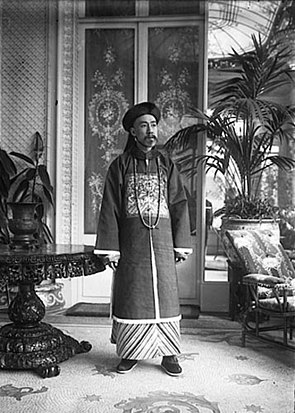
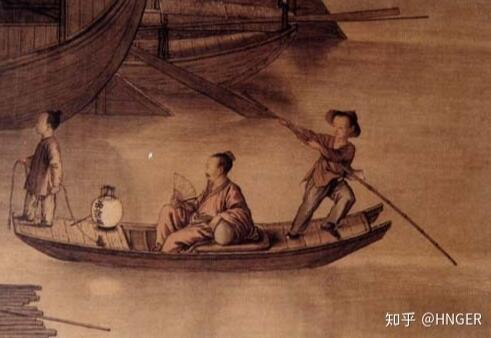
The average commoner still wore Hanfu, decades after the establishment of the Qing Dynasty.
This is a painting of commoners in Guangzhou, made by Italian court painter Giuseppe Castiglione
They even had the Han topknot:
This is a painting of commoners in Guangzhou, made by Italian court painter Giuseppe Castiglione
They even had the Han topknot:
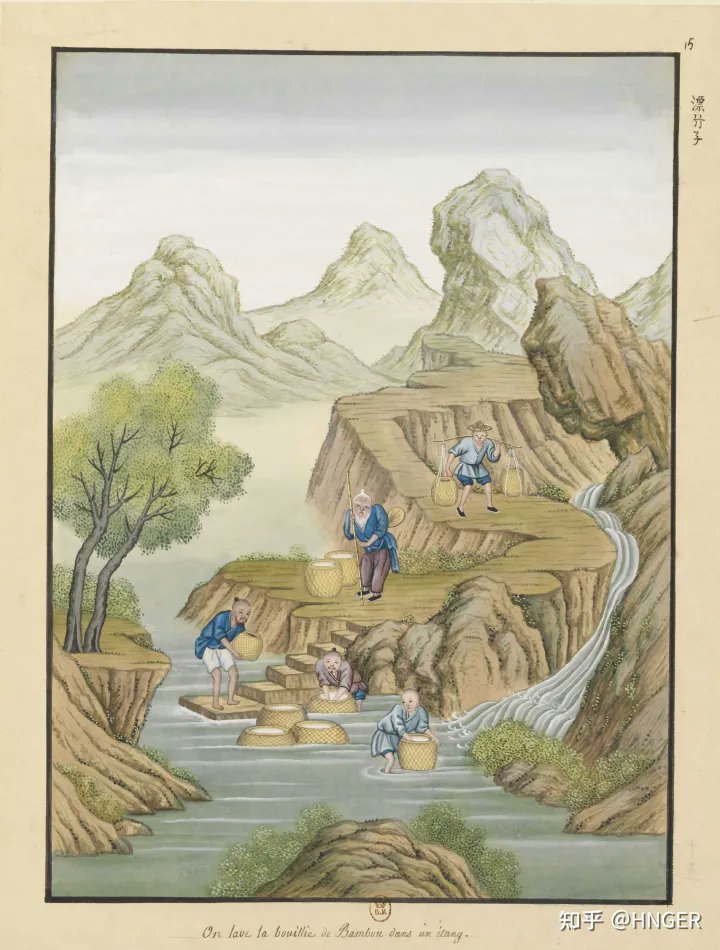
《Art de faire le papier à la Chine》
(Art of making paper in China)
Painted in 1775 by French painter Michel Benoist.
The people still wore Hanfu and had topknots, although they had their foreheads shaved.
This is over 100 years after the start of Qing Dynasty
(Art of making paper in China)
Painted in 1775 by French painter Michel Benoist.
The people still wore Hanfu and had topknots, although they had their foreheads shaved.
This is over 100 years after the start of Qing Dynasty
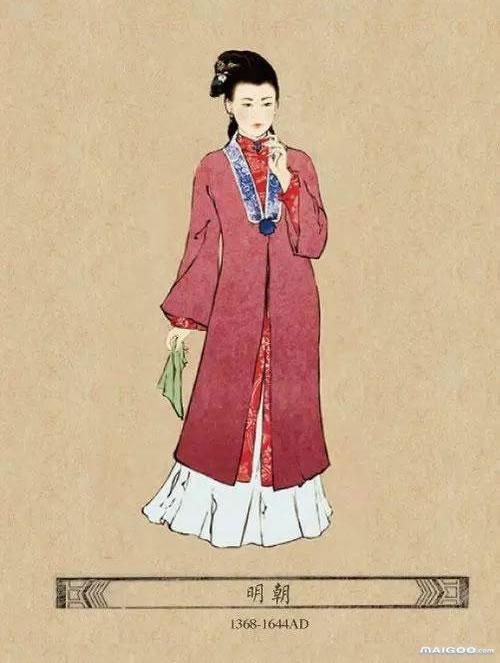
Left is late Ming female attire.
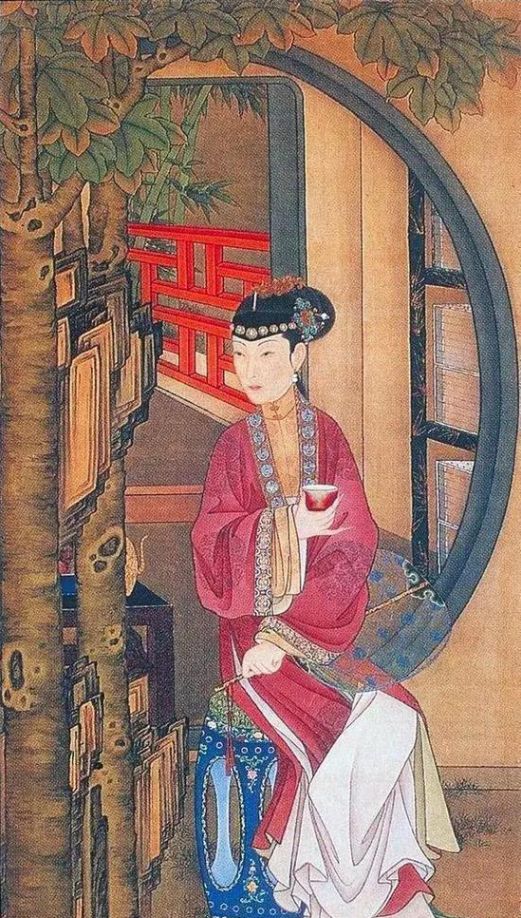
Right is Qing female attire.
Qing dynasty never mentioned anything about restriction on female Hanfu.
The Ming style carried over to Qing Dynasty and continued to evolve.
Right is Qing female attire.
Qing dynasty never mentioned anything about restriction on female Hanfu.
The Ming style carried over to Qing Dynasty and continued to evolve.
By the 1800s, that's when Manchu style clothing started to catch on, spurred by the rise of early modern textile industry.
So the commoner changed into Manchu robes just like how they gradually changed into modern clothing after 1911
So the commoner changed into Manchu robes just like how they gradually changed into modern clothing after 1911
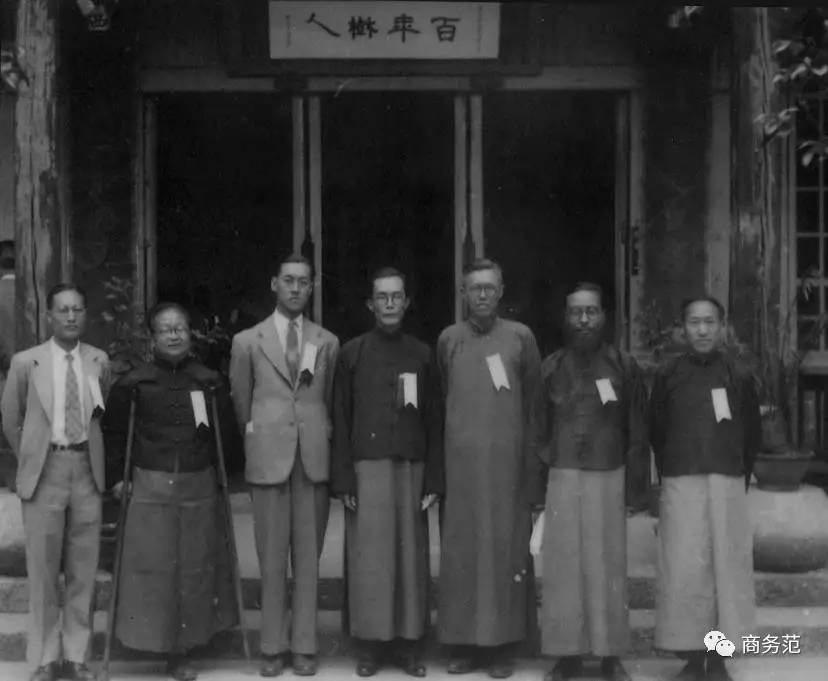
The oppressed peasantry rarely gets any limelight, and have always been a footnote in history.
So we often portray the past through the lens of the aristocratic class.
So we often portray the past through the lens of the aristocratic class.
More of the modernized Ming military uniform
Loading suggestions...