

Cognitive biases are KILLING your crypto portfolio
What’s worse? You don’t even know them
I’ve studied hundreds of them
Here are the 11 most important ones (the 8th is the KEY)
What’s worse? You don’t even know them
I’ve studied hundreds of them
Here are the 11 most important ones (the 8th is the KEY)
Have you ever:
• FOMOed into a coin at All Time Highs
• Lost more money because you were afraid to sell at a loss
• Didn't take profit because you were expecting a lambo
Those are "Thinking errors" bugging your brain
• FOMOed into a coin at All Time Highs
• Lost more money because you were afraid to sell at a loss
• Didn't take profit because you were expecting a lambo
Those are "Thinking errors" bugging your brain
/1 Anchoring Bias
You heard that Floki pumped from $0.001 to $1.3.
You missed out.
Then it goes to $4.7
You don't want to buy anymore.
You feel cheated.
"Its too expensive" in your head.
Then it pumps even more 😫
→ Evaluate a coin based on its POTENTIAL, not its PAST.
You heard that Floki pumped from $0.001 to $1.3.
You missed out.
Then it goes to $4.7
You don't want to buy anymore.
You feel cheated.
"Its too expensive" in your head.
Then it pumps even more 😫
→ Evaluate a coin based on its POTENTIAL, not its PAST.
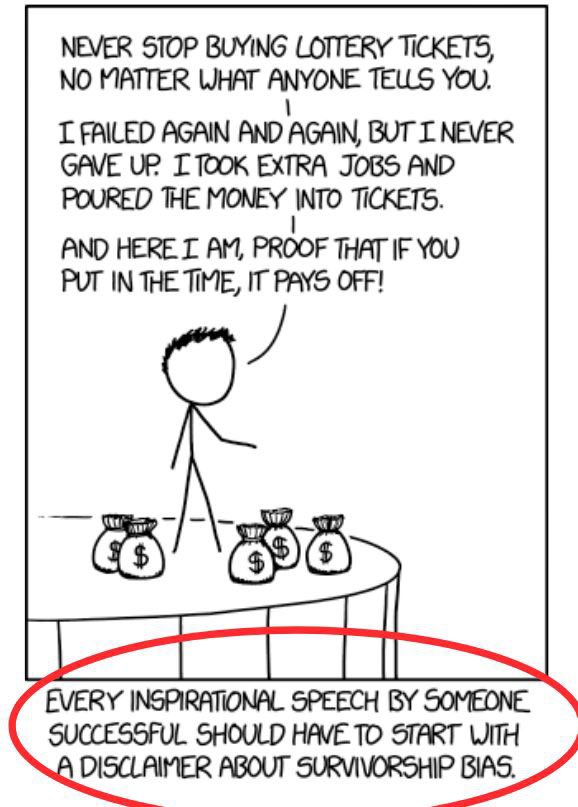
/2 Survivorship Bias
Jon Dalio flipped $2,153 to $1,543,902 with Shiba Inu
So you invest in ONLY memecoins, hoping to do the same.
You don't see the millions of people who tried it and failed
The media only writes about the winners and this affects your perception of the odds
Jon Dalio flipped $2,153 to $1,543,902 with Shiba Inu
So you invest in ONLY memecoins, hoping to do the same.
You don't see the millions of people who tried it and failed
The media only writes about the winners and this affects your perception of the odds
/3 Overconfidence Bias
We think we're smarter than we actually are.
We get few chances of luck and overestimate our abilities
"Beginner luck" I guess
A solid risk management system is the key to beating overconfidence
We think we're smarter than we actually are.
We get few chances of luck and overestimate our abilities
"Beginner luck" I guess
A solid risk management system is the key to beating overconfidence
/4 Endowment Effect
We place a higher value on an investment because we own it.
When you make massive gains on a project, you become emotionally attached and ignore other investment opportunities.
You become emotionally attached to your bags.
We place a higher value on an investment because we own it.
When you make massive gains on a project, you become emotionally attached and ignore other investment opportunities.
You become emotionally attached to your bags.
How To Beat The Endowment Effect
Ask yourself...
"If I didn't own this investment, would I invest in it today?"
This zero based decision making system keeps your decisions neutral and objective.
Ask yourself...
"If I didn't own this investment, would I invest in it today?"
This zero based decision making system keeps your decisions neutral and objective.
/5 Herd Mentality
Most investors tend to follow what other investors are doing.
Humans are social beings. We tend to be largely influenced by emotions, rather than our independent analysis.
In fact, FOMO is caused by the "herd mentality"
Here's and example...
Most investors tend to follow what other investors are doing.
Humans are social beings. We tend to be largely influenced by emotions, rather than our independent analysis.
In fact, FOMO is caused by the "herd mentality"
Here's and example...
A 3 million dollar project slowly rugged last week.
But the whales didn't sell because they were in an elite group called the "Oshies Club".
No one wanted to sell and leave the group.
So they stayed put, and watched their investment go to dust.
PS: The crowd can be wrong.
But the whales didn't sell because they were in an elite group called the "Oshies Club".
No one wanted to sell and leave the group.
So they stayed put, and watched their investment go to dust.
PS: The crowd can be wrong.
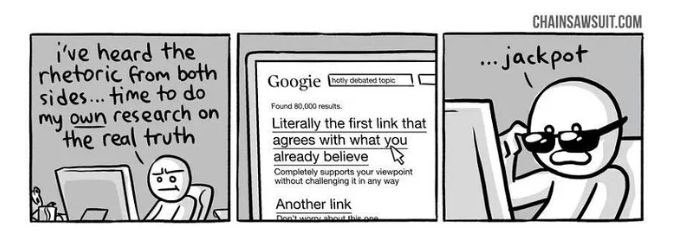
/6 Confirmation Bias
You look for information that tells you what you want to hear about a project.
You follow those information providers and unfollow everyone that spreads FUD.
Its not your fault.
Humans naturally support the weaker party.
But check if the FUD is valid.
You look for information that tells you what you want to hear about a project.
You follow those information providers and unfollow everyone that spreads FUD.
Its not your fault.
Humans naturally support the weaker party.
But check if the FUD is valid.
/7 Sunk Cost Bias
We have the tendency to keep investing more money because we're scared of losing our initial investment.
Be careful when using Dollar Cost Average...
You might get trapped in the Sunk Cost Bias.
We have the tendency to keep investing more money because we're scared of losing our initial investment.
Be careful when using Dollar Cost Average...
You might get trapped in the Sunk Cost Bias.
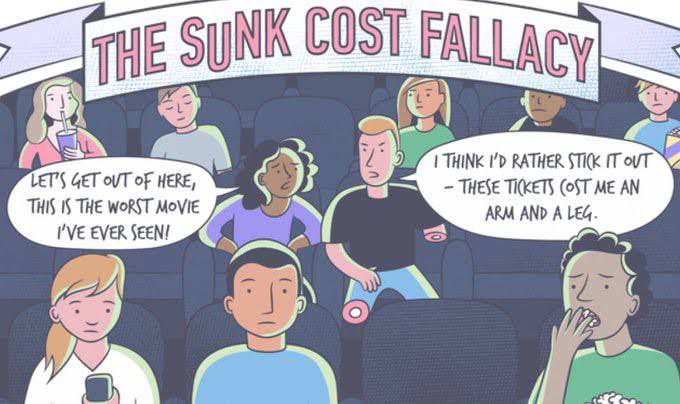
Sunk Cost Bias in real life
You invested $10,000 worth of shares in a supermarket.
But the business is crumbling, and your $10,000 is now $2,743.
"I need another $4k to hire more workers"
You might be tempted to invest more to "save" your $10k
You forget to cut your losses.
You invested $10,000 worth of shares in a supermarket.
But the business is crumbling, and your $10,000 is now $2,743.
"I need another $4k to hire more workers"
You might be tempted to invest more to "save" your $10k
You forget to cut your losses.
/8 Authority Bias
It's the natural tendency follow the leader.
You aped into the influencer's call 6 times and made massive profits
Then you stop doing your research.
"They're the expert, they must be right"
→Experts can be wrong.
→Experts can have ulterior motives.
It's the natural tendency follow the leader.
You aped into the influencer's call 6 times and made massive profits
Then you stop doing your research.
"They're the expert, they must be right"
→Experts can be wrong.
→Experts can have ulterior motives.
/9 Loss Aversion
Losing money is PAINFUL.
And pain is stronger than joy.
The pain of lossing $500 is greater than making $500
In fact, a study shows that your brain assigns about 2.5X the effect when you lose.
+$1250 = -$500
Losing money is PAINFUL.
And pain is stronger than joy.
The pain of lossing $500 is greater than making $500
In fact, a study shows that your brain assigns about 2.5X the effect when you lose.
+$1250 = -$500
The overwhelming fear of loss can make you hold onto your investment for too long.
You can exit and cut your losses
But loss aversion make you prefer to wait it out.
You're afraid of losing money by selling.
You can exit and cut your losses
But loss aversion make you prefer to wait it out.
You're afraid of losing money by selling.
Loss aversion can also make you avoid risks.
Many people have been liquidated in futures trading.
So some people vow to NEVER invest in futures again.
Their loss aversion means they'll miss out on massive gains in the future.
→Weigh the risks vs rewards properly
Many people have been liquidated in futures trading.
So some people vow to NEVER invest in futures again.
Their loss aversion means they'll miss out on massive gains in the future.
→Weigh the risks vs rewards properly
/10 Outcome Bias
Outcome bias arises when a decision is based on the outcome of previous events, without regard to how the past event happened
Many gamblers use evidence from friends to justify their continued playing, thinking it could result in winning a large amount of money
Outcome bias arises when a decision is based on the outcome of previous events, without regard to how the past event happened
Many gamblers use evidence from friends to justify their continued playing, thinking it could result in winning a large amount of money
Another example...
Imagine an investor decides to invest in X token after learning his friend, Peter made massive profit on that token.
Rather than look at the catalysts that could have resulted in Peter's success, the investor is focusing on the money made by Peter.
Imagine an investor decides to invest in X token after learning his friend, Peter made massive profit on that token.
Rather than look at the catalysts that could have resulted in Peter's success, the investor is focusing on the money made by Peter.
/11 Recency Bias
We overweigh RECENT information and events.
More like, the shiny object syndrome.
"This X coin price is boring, I'm going to chase other low-cap coins"
Then they get wrecked in bear markets.
You can beat recency bias by zooming out on the charts
We overweigh RECENT information and events.
More like, the shiny object syndrome.
"This X coin price is boring, I'm going to chase other low-cap coins"
Then they get wrecked in bear markets.
You can beat recency bias by zooming out on the charts
How To Stop Cognitive Biases.
Well, you're already a step ahead. At least you're aware of them.
But here are some strategies you can apply ↓
Well, you're already a step ahead. At least you're aware of them.
But here are some strategies you can apply ↓
→ Call Them Out
Ana paid $125 for tickets to a late night hangout.
She had the chance to do a writing gig that night for $570.
She didn't want to lose the $125 she spent.
I told her that the Sunk Cost bias was affecting her decision making.
Ana paid $125 for tickets to a late night hangout.
She had the chance to do a writing gig that night for $570.
She didn't want to lose the $125 she spent.
I told her that the Sunk Cost bias was affecting her decision making.
→Keep A Checklist
Before making an investment decision, go through your cognitive bias checklist.
It keeps you aware of your thinking flaws.
Before making an investment decision, go through your cognitive bias checklist.
It keeps you aware of your thinking flaws.
→ Create investment systems
A rules-based investment strategy involves setting up a clear set of rules for making investment decisions.
These formulas prevent your emotions from taking the better part of you
A rules-based investment strategy involves setting up a clear set of rules for making investment decisions.
These formulas prevent your emotions from taking the better part of you
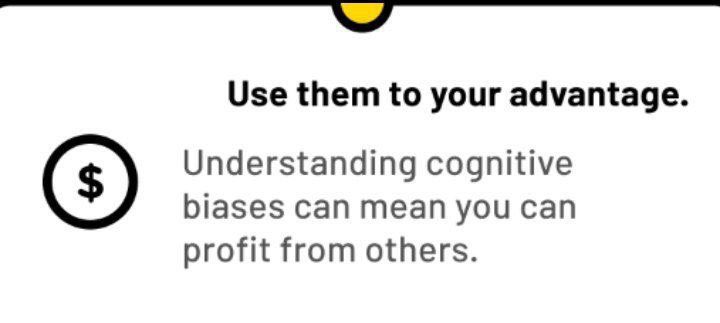
→Use Cognitive Biases To Your Advantage.
Understanding cognitive biases means you can benefit from others
A coin with...
Good narratives + Marketing + Herd mentality will likely do well.
The more the cultish, the more profit potential.
→ Take profit along the way
Understanding cognitive biases means you can benefit from others
A coin with...
Good narratives + Marketing + Herd mentality will likely do well.
The more the cultish, the more profit potential.
→ Take profit along the way
And its a wrap
It took about 37 hours to research and compile this for you.
And I don't farm or artificially pump engagement.
If you got value
• Bookmark this thread and re read often.
• Follow @Joeconceptss for more content
• And leave a COMMENT before leaving.
It took about 37 hours to research and compile this for you.
And I don't farm or artificially pump engagement.
If you got value
• Bookmark this thread and re read often.
• Follow @Joeconceptss for more content
• And leave a COMMENT before leaving.
Loading suggestions...