

A Google employee says the abrupt nature of the company's mass layoffs last month meant some staffers found out which of their colleagues had been laid off when they tried to send them emails and they bounced back.
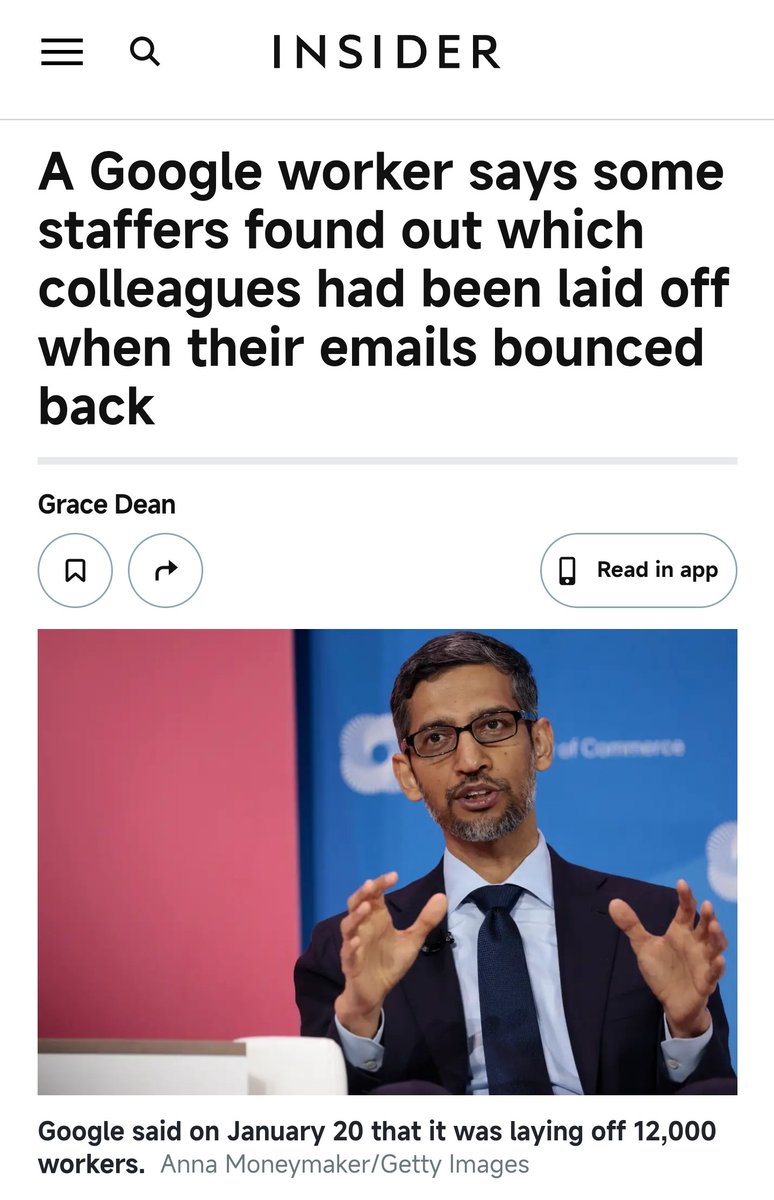
Some affected US workers said they were annoyed at not being able to say goodbye to or thank colleagues. They said they'd been scrambling to find LinkedIn accounts and cell numbers for their former co-workers.
As layoffs roil the tech industry, those affected and bystanders alike have been left shocked at the seeming callousness with which many of the industry giants are opting to communicate job losses to their workforces.
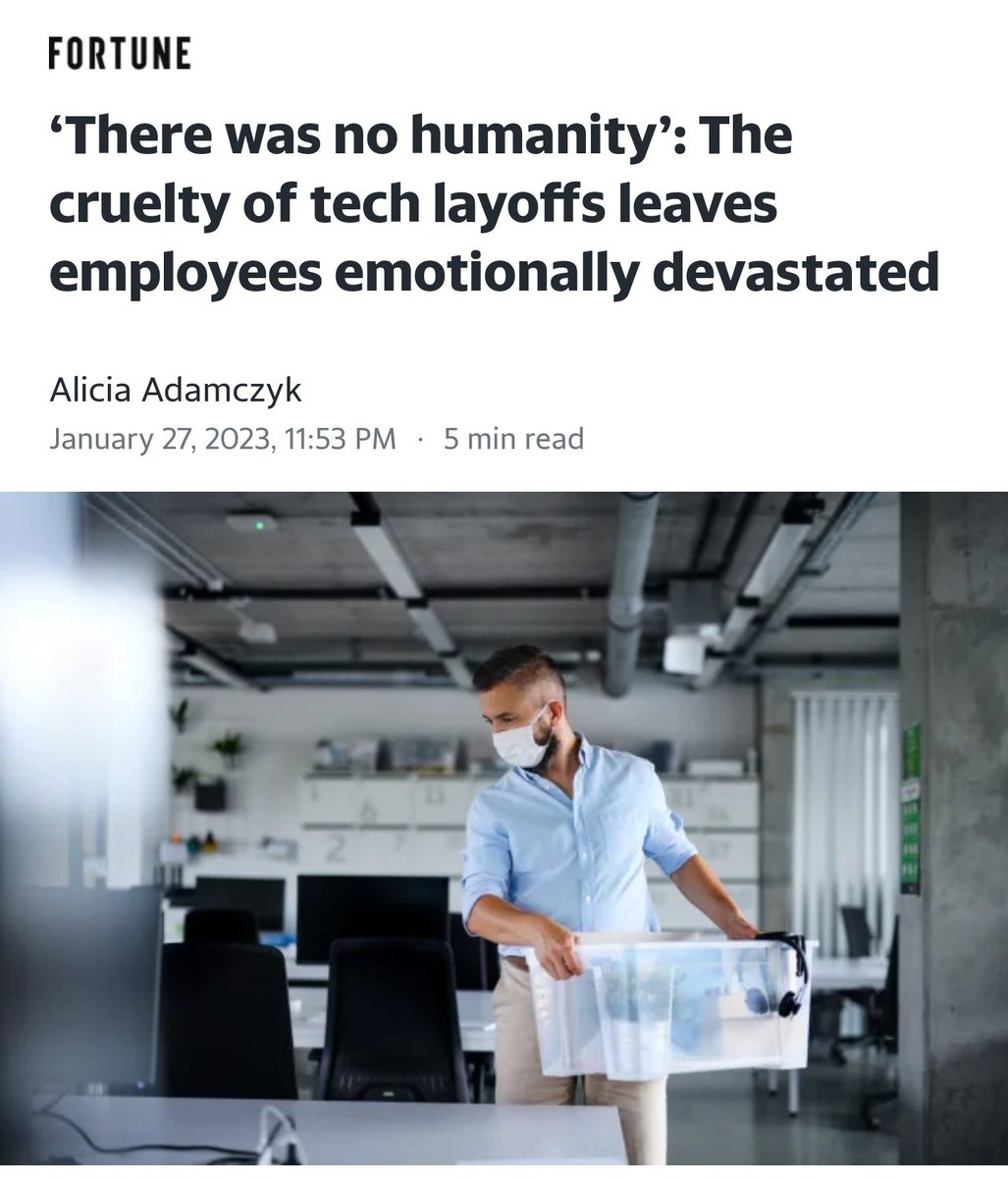
“When you pour your heart and soul into the work that you do, to have the gate just come down and to be so radically severed from everything you worked really, really hard for, it’s emotionally devastating.”
“There's an explicit and implicit commitment to a human-centeredness, and to treating people with kindness and decency. And to feel such a radial disconnect, so abruptly, is very emotionally jarring.”
Stripe CEO Patrick Collison sent a company-wide emailing informing employees that some people were going to lose their jobs. Those employees had one-on-one meetings with their managers to learn the news.
Companies in a range of industries claim this is the only efficient way to do a lot of layoffs. Informing workers personally is too complicated, they say — and too risky, as people might use their access to internal systems to perform acts of sabotage.
Legally, companies have plenty of recourse if laid-off employees steal trade secrets or sabotage systems, and employees who need to find new jobs have little incentive to behave criminally, no matter how upset they may be.
Perhaps the most appalling aspect of termination by email is the asymmetry between what corporations expect of their workers and how they treat them in return.
Many terminated Twitter employees found that their severance offers didn’t materialize for months — and some were called back to work when it turned out the site couldn’t run without them.
Almost without fail, tech companies handled it horribly, with casual brutality and tone-deaf displays — such as at Microsoft, which hosted a private Sting concert at Davos the night before firing 10,000 people.
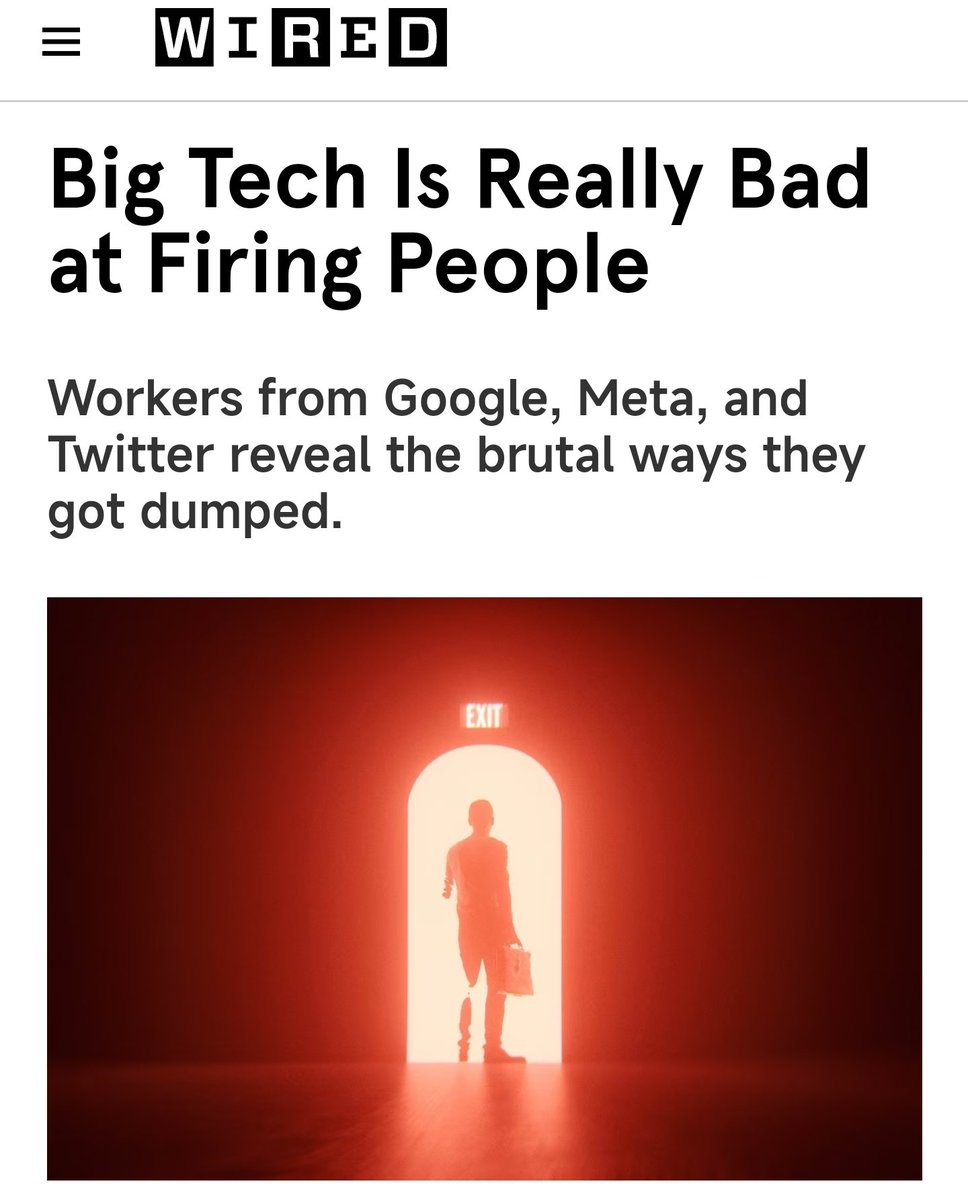
At Salesforce, 8,000 employees were laid off in January, but co-CEO Mark Benioff reportedly ducked questions at an all-hands meeting meant to address the cuts.
“No ‘sincerely,’ no ‘sorry,’ nothing. It was written by a lawyer, so there was no implied guilt or anything in there. It was so cold. Everything about it was so cold.”
“I’m old enough to have been brought up in a so-called 20th-century organization, where you could say workers are viewed as expendable commodities.”
Attitudes toward staff have also worsened during the pandemic. Remote working created a greater separation between managers and their employees.
Loading suggestions...