

Types of Volcanoes.
Easiest and scoring topic for UPSC Prelims, A Thread🧵
Easiest and scoring topic for UPSC Prelims, A Thread🧵
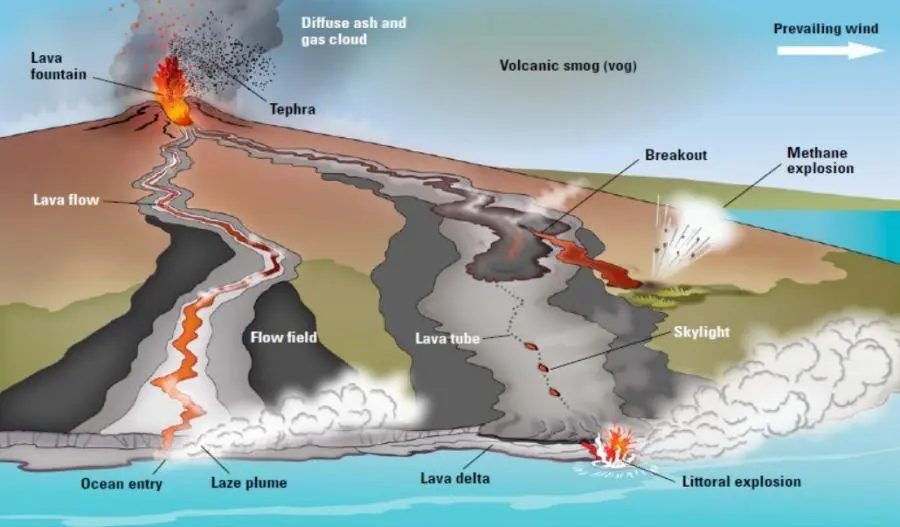
Shield Volcanoes
-Not very steep but are far and wider.
-Extend to great height as well as distance.
-largest of all volcanoes in the world as the lava flows to a far distance. The Hawaiian volcanoes are the most famous examples.
-Low explosive in general
-Not very steep but are far and wider.
-Extend to great height as well as distance.
-largest of all volcanoes in the world as the lava flows to a far distance. The Hawaiian volcanoes are the most famous examples.
-Low explosive in general
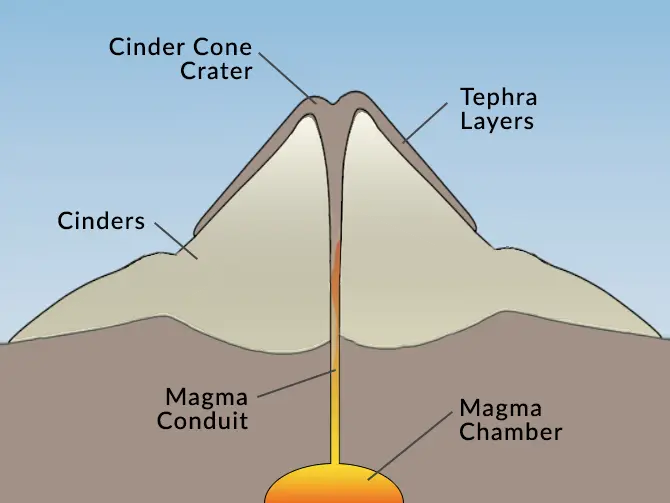
Cinder Cone Volcanoes
-These volcanoes consist almost entirely of loose, grainy cinders and almost no lava.
-Cinders are extrusive igneous rocks
-They have very steep sides and usually have a small crater on top.
-These volcanoes consist almost entirely of loose, grainy cinders and almost no lava.
-Cinders are extrusive igneous rocks
-They have very steep sides and usually have a small crater on top.
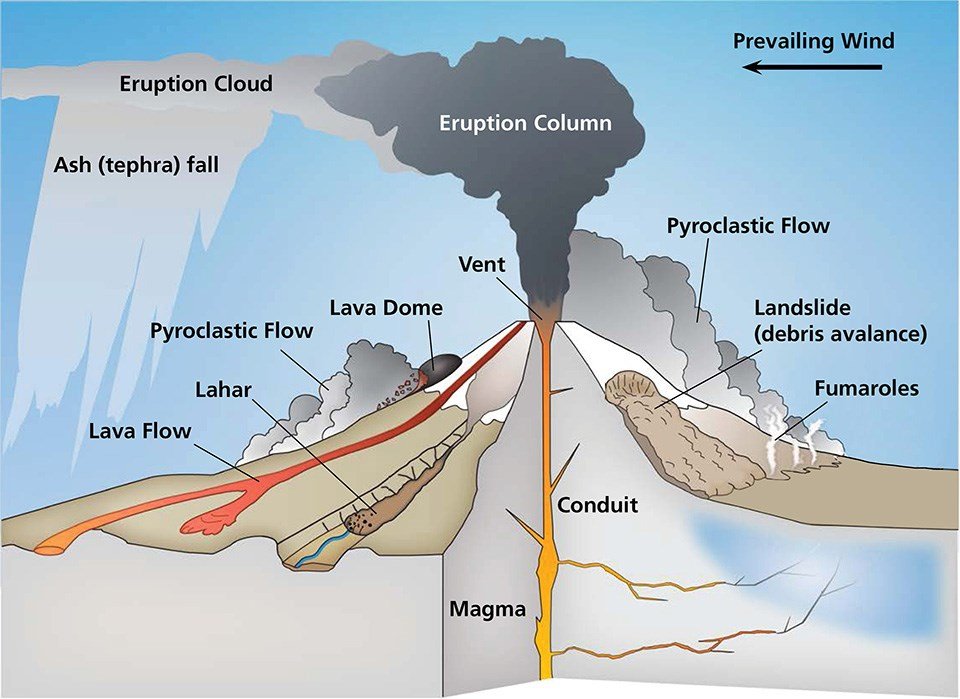
Composite Volcanoes
-Cone shaped with moderately steep sides and sometimes have small craters in their summits.
-Consist of layers of solid lava flows mixed with layers of sand- or gravel-like volcanic rock called cinders or volcanic ash
-Explosive
-Cone shaped with moderately steep sides and sometimes have small craters in their summits.
-Consist of layers of solid lava flows mixed with layers of sand- or gravel-like volcanic rock called cinders or volcanic ash
-Explosive
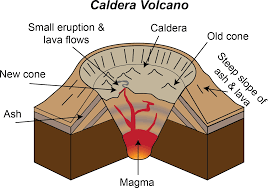
Caldera
-Most explosive, so explosive that when they erupt they tend to collapse on themselves rather than building any tall structure.
-The collapsed depressions are called calderas.
Their explosiveness indicates that its magma chamber is large and in close vicinity.
-Most explosive, so explosive that when they erupt they tend to collapse on themselves rather than building any tall structure.
-The collapsed depressions are called calderas.
Their explosiveness indicates that its magma chamber is large and in close vicinity.
Flood Basalt Provinces
-These volcanoes outpour highly fluid lava that flows for long distances.
-The Deccan Traps from India, presently covering most of the Maharashtra plateau, are a much larger flood basalt province.
-These volcanoes outpour highly fluid lava that flows for long distances.
-The Deccan Traps from India, presently covering most of the Maharashtra plateau, are a much larger flood basalt province.
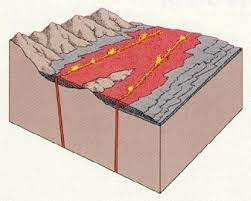
Mid-Ocean Ridge Volcanoes
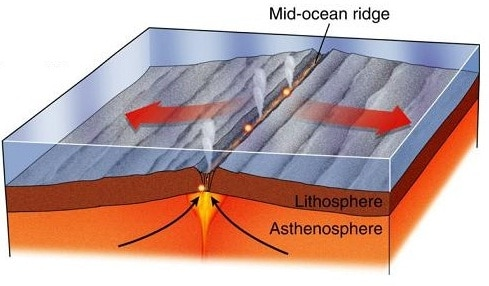
-These volcanoes occur in the oceanic areas.
-There is a system of mid-ocean ridges more than 70,000 km long that stretches through all the ocean basins.
-The central portion of this ridge experiences frequent eruptions.
-These volcanoes occur in the oceanic areas.
-There is a system of mid-ocean ridges more than 70,000 km long that stretches through all the ocean basins.
-The central portion of this ridge experiences frequent eruptions.
Read more at: upscprep.com
Loading suggestions...