
Technology
Environmental Issues
Environment
Investigative Journalism
Environmental Conservation
Recycling
Waste Management
Corporate Responsibility

Last year we began investigating a shoe recycling project run by Dow and the Singapore government. We discovered that shoes they said would be turned into jogging tracks were exported to Indonesia. 🧵TV/story 👇@specialreports reuters.com

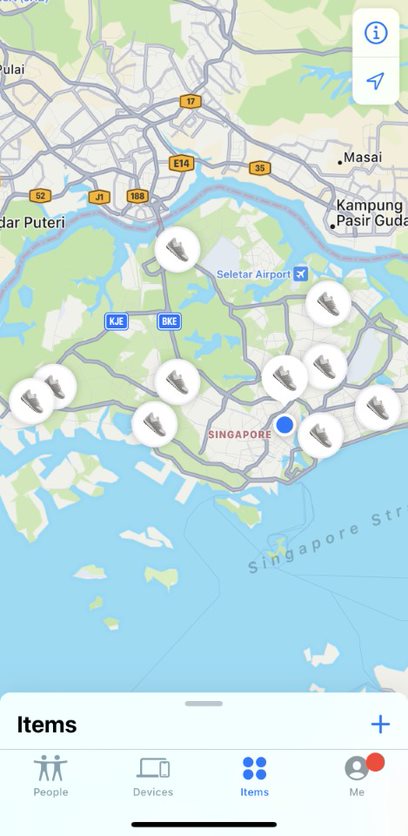
We cut holes inside the soles of 11 shoes, placed a tracker inside, then concealed the devices with the insole. The trackers were synched to a smartphone app that showed where the shoes went. Some of shoes would travel hundreds of miles across air, land and sea

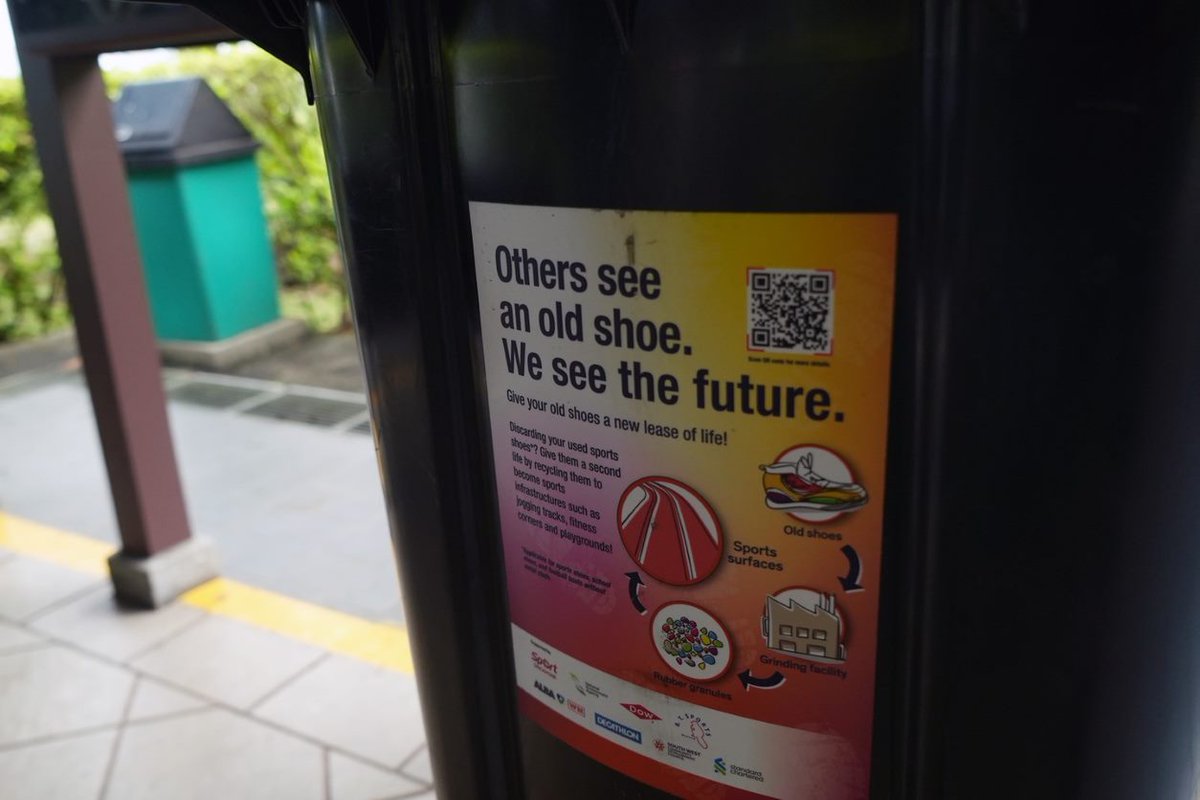
We dropped the shoes off at recycling bins that Dow - a U.S. petrochemical firm - and its partners had placed all over Singapore. They said these shoes would be ground down into a replacement for rubber to be used in playgrounds and running tracks. That didn’t happen.
For months I watched as one by one the shoes moved from the recycling bins to a local textile trader, then to Batam Island in Indonesia. Some shoes went on by air and road to far-flung locations across the archipelago. We went to find them.
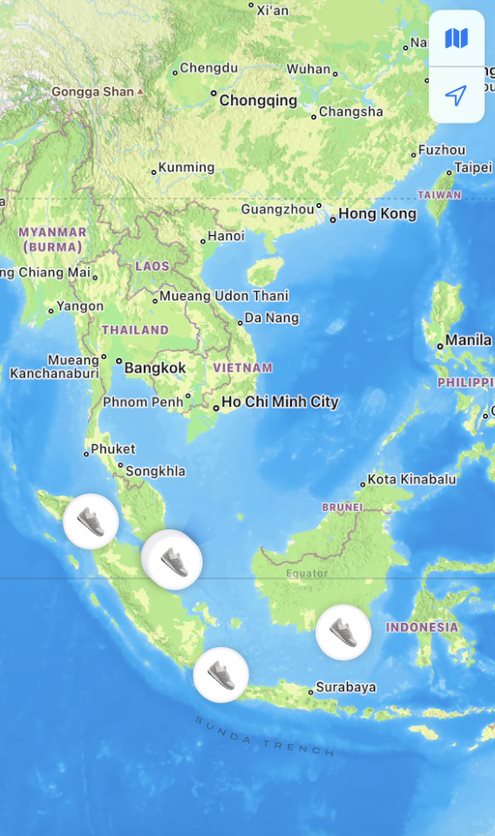
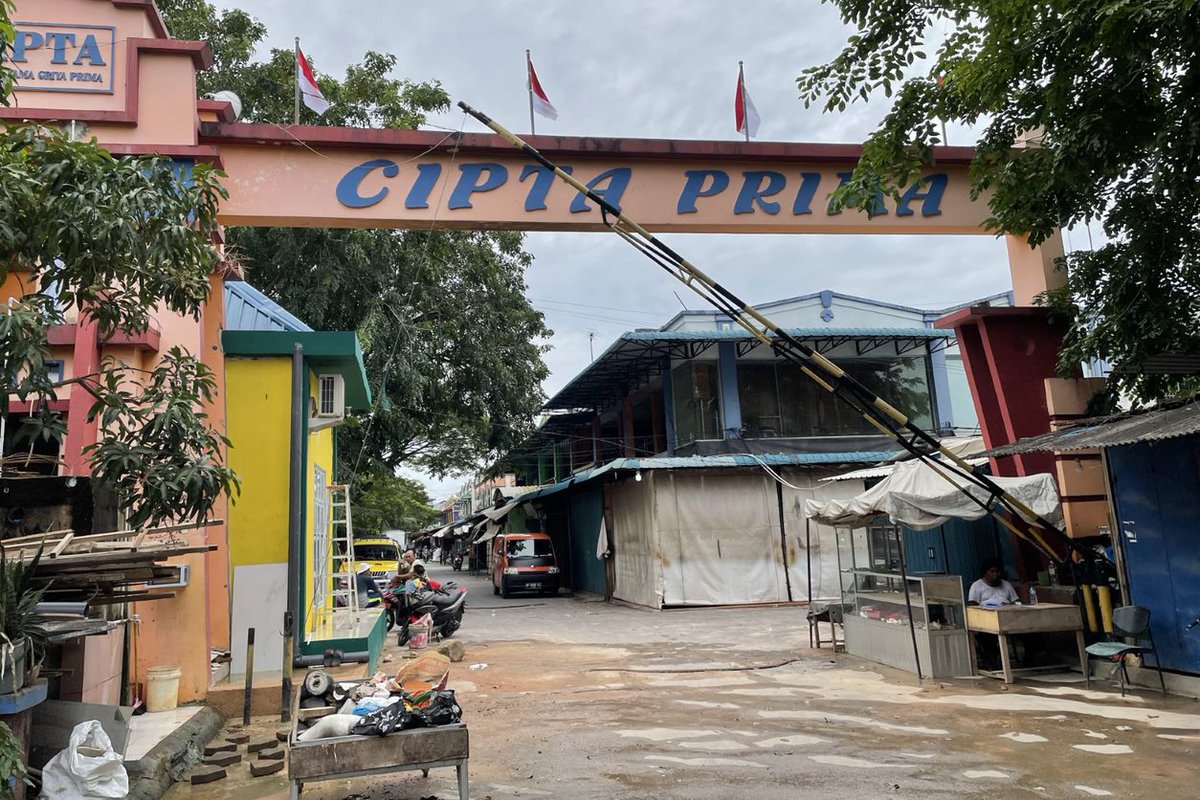
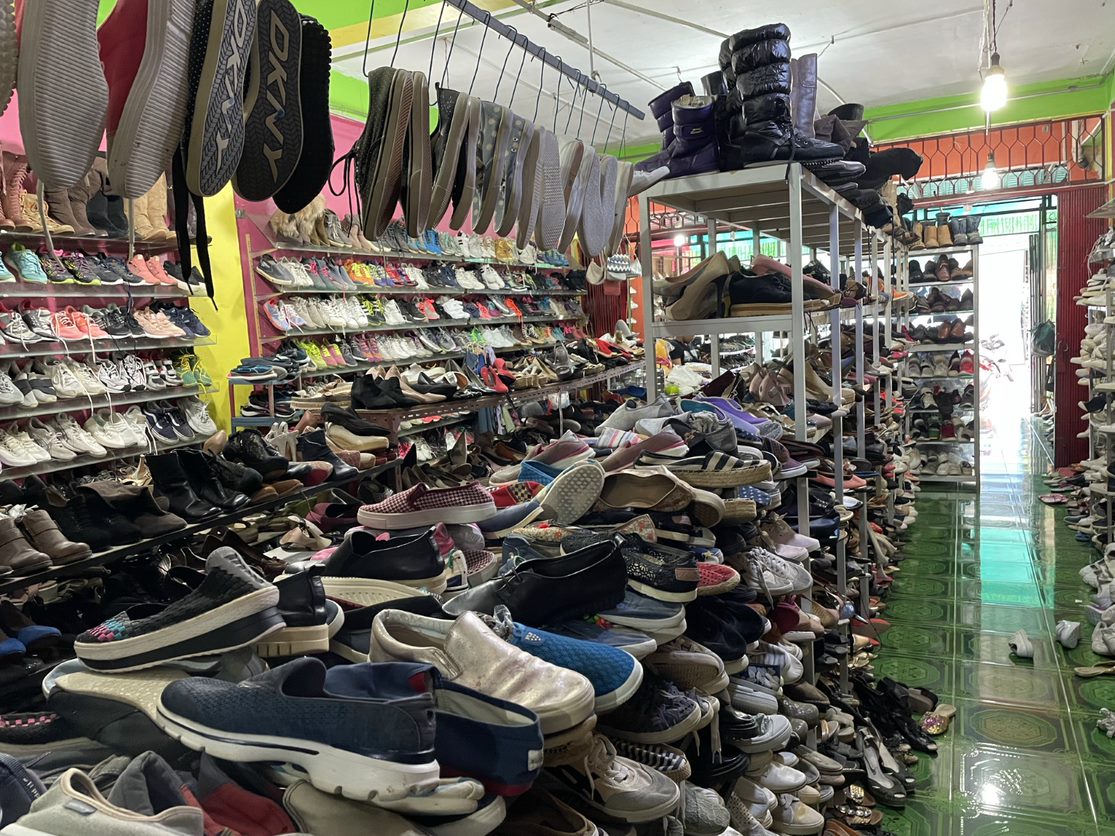
We found two pairs of our shoes being sold in this rundown second-hand goods’ market in Batam. I had to use the beeper function to find my old blue Nikes buried in a huge pile of jumbled up sneakers at the back of a shop
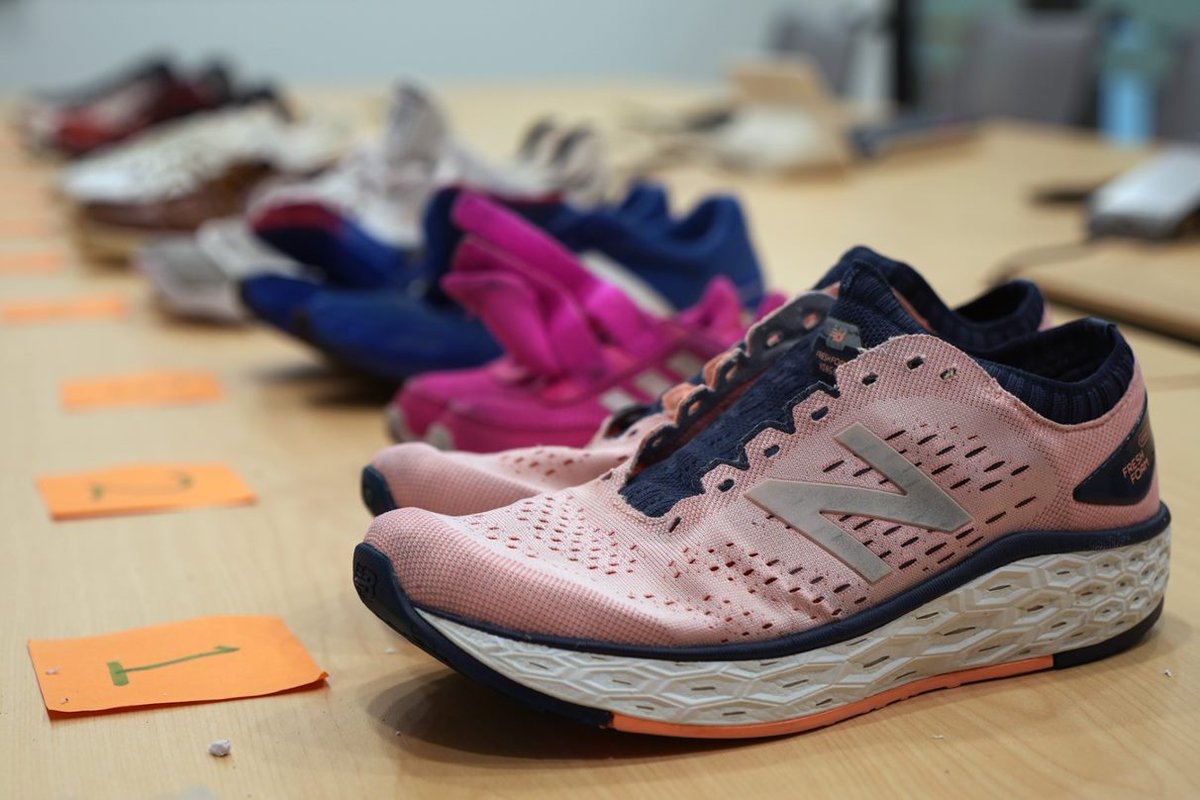
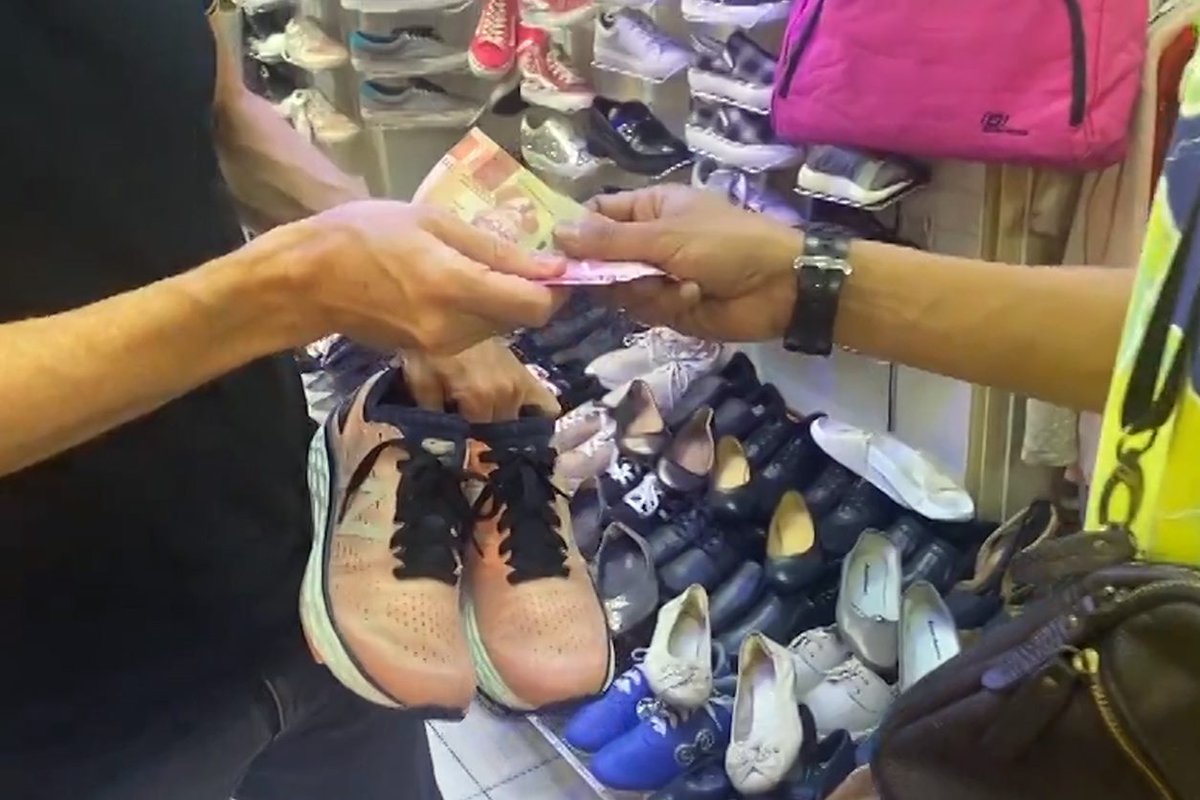
We discovered this pair of shoes - pink and orange New Balance runners - at a mall in Jakarta. They had been on a 800-mile marathon journey, crisscrossing Indonesia, and were cleaned and fitted with new laces. They cost me $20 to buy back!
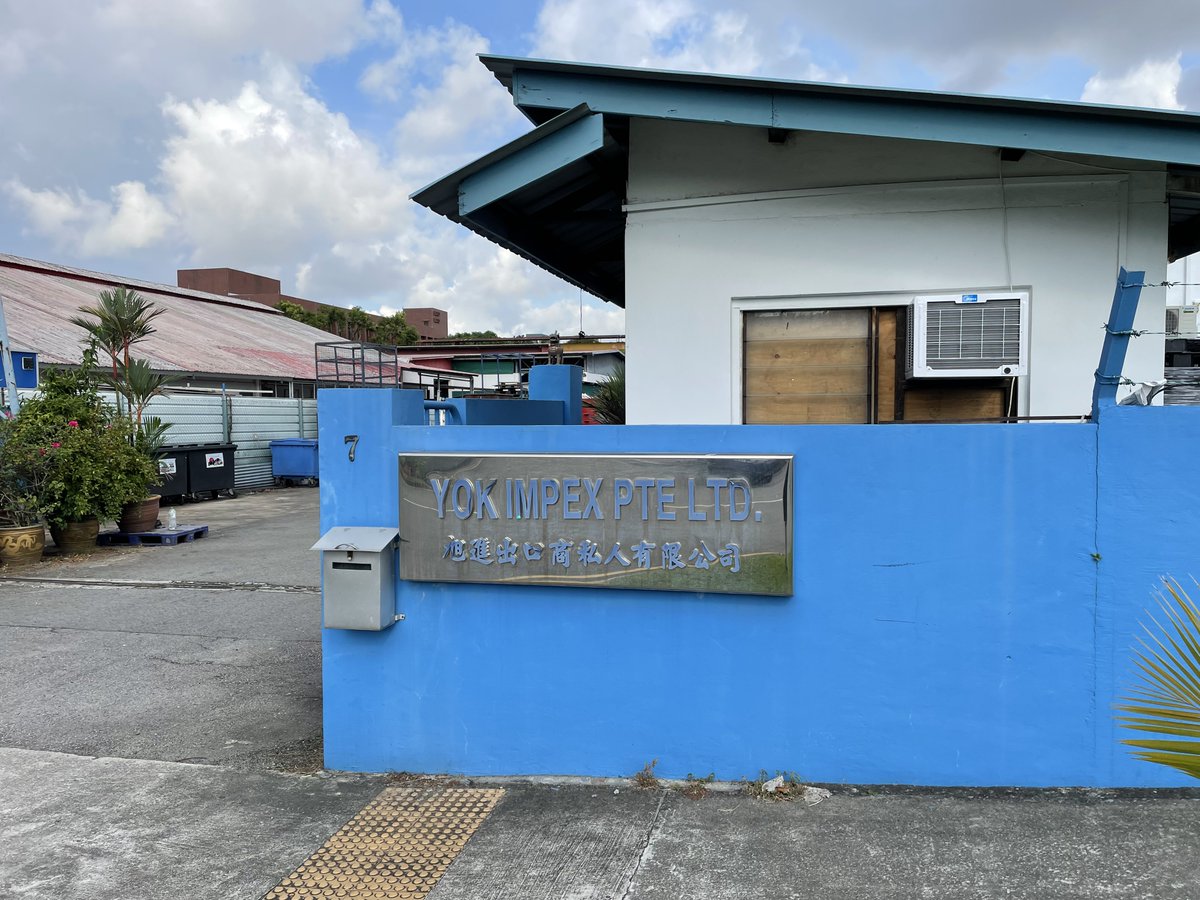
All the shoes had initially gone from the recycling bins to Singapore used clothes exporter, Yok Impex. A Yok Impex manager said if it had exported shoes from Dow’s program it was a mistake. We found dozens of Yok Impex sacks in Batam. Big mistake.
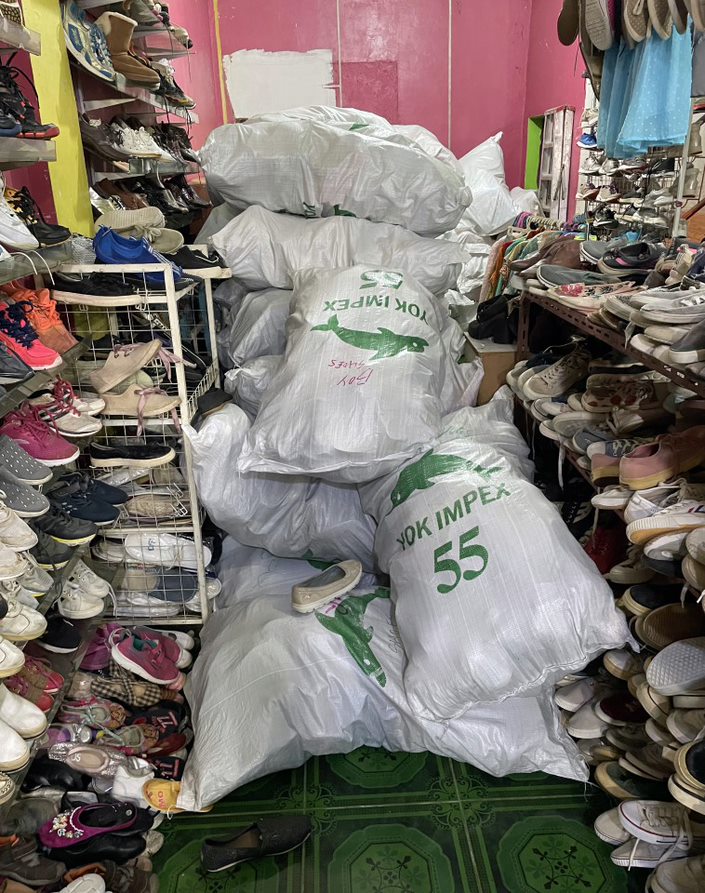
It is illegal to import used clothing and shoes into Indonesia because the government says they spread disease and add to the country’s mounting garbage problem. Much of the torrent of second-hand clothing entering Indonesia ends up burned or in landfill

When we told Dow & Sport Singapore about our findings, they opened an investigation. Six weeks later they told us that Yok Impex had been removed from the project. But they refused to answer simple questions, like: how many shoes have you recycled?
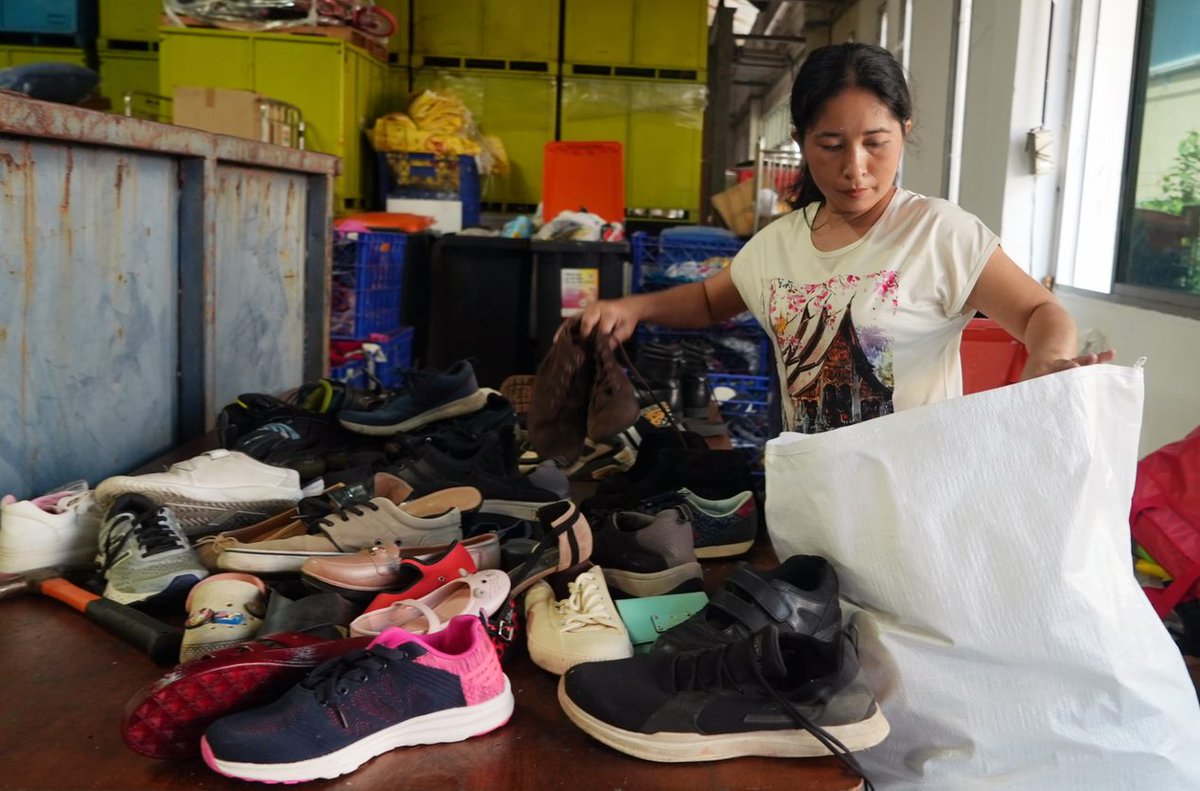
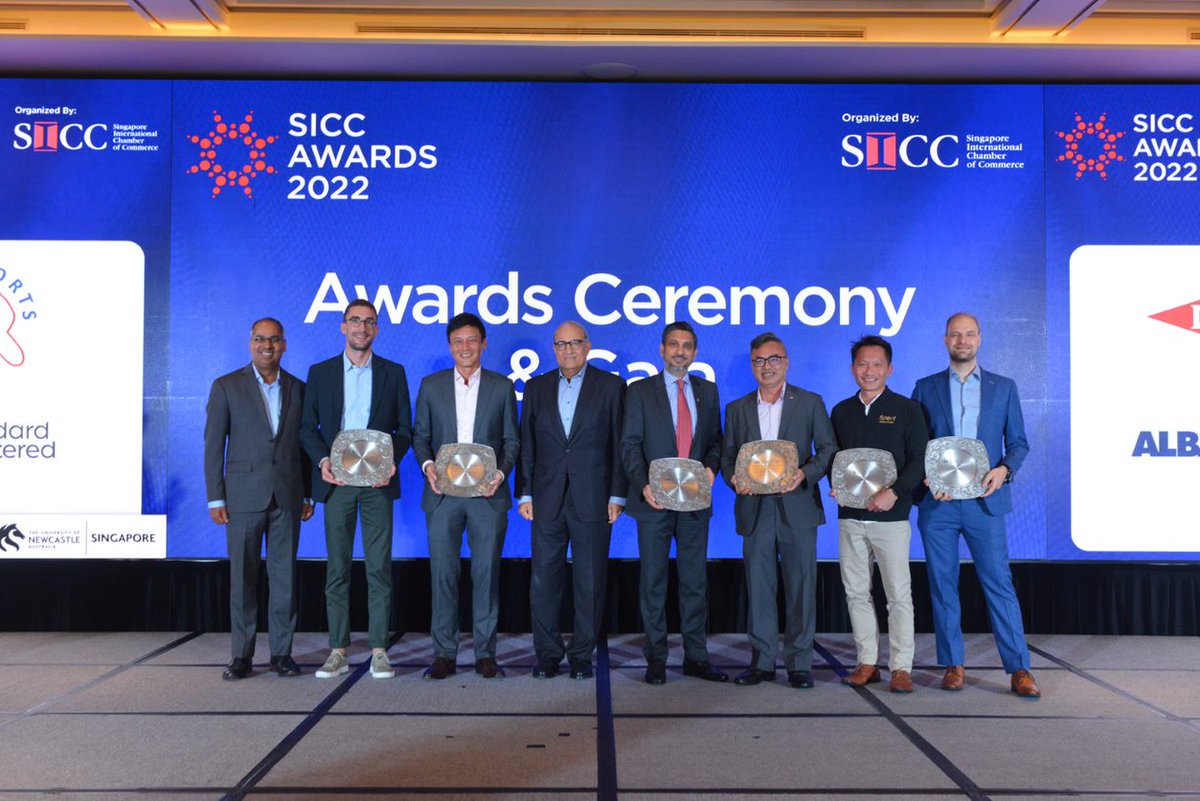
Dow launched a similar project in Malaysia last year, and it has been receiving accolades back in Singapore. In October last year, executives from companies running the program won the “Most Sustainable Collaboration” gong from the Singapore International Chamber of Commerce
This isn't the first dodgy Dow recycling project. In 2021, Reuters investigations revealed that in both the U.S. and India Dow-backed projects to turn plastic waste into clean fuel had failed reuters.com

Loading suggestions...