

First came the Portuguese who held it for almost a century before giving it away to the British in dowry.
One wealthy Portuguese jew in particular—Garcia de Orta—was the key figure in our story at this point. He acquired the whole island on lease from the King himself.
One wealthy Portuguese jew in particular—Garcia de Orta—was the key figure in our story at this point. He acquired the whole island on lease from the King himself.
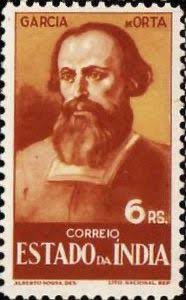
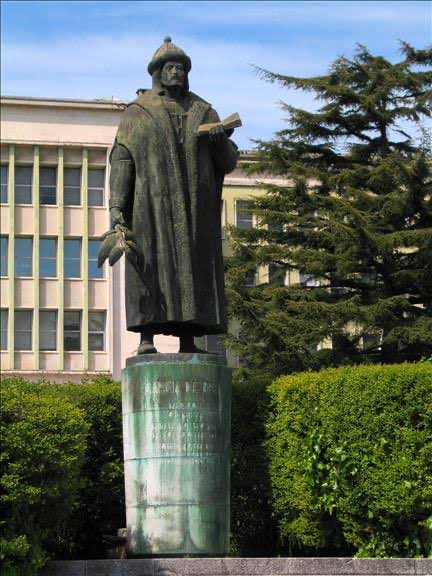
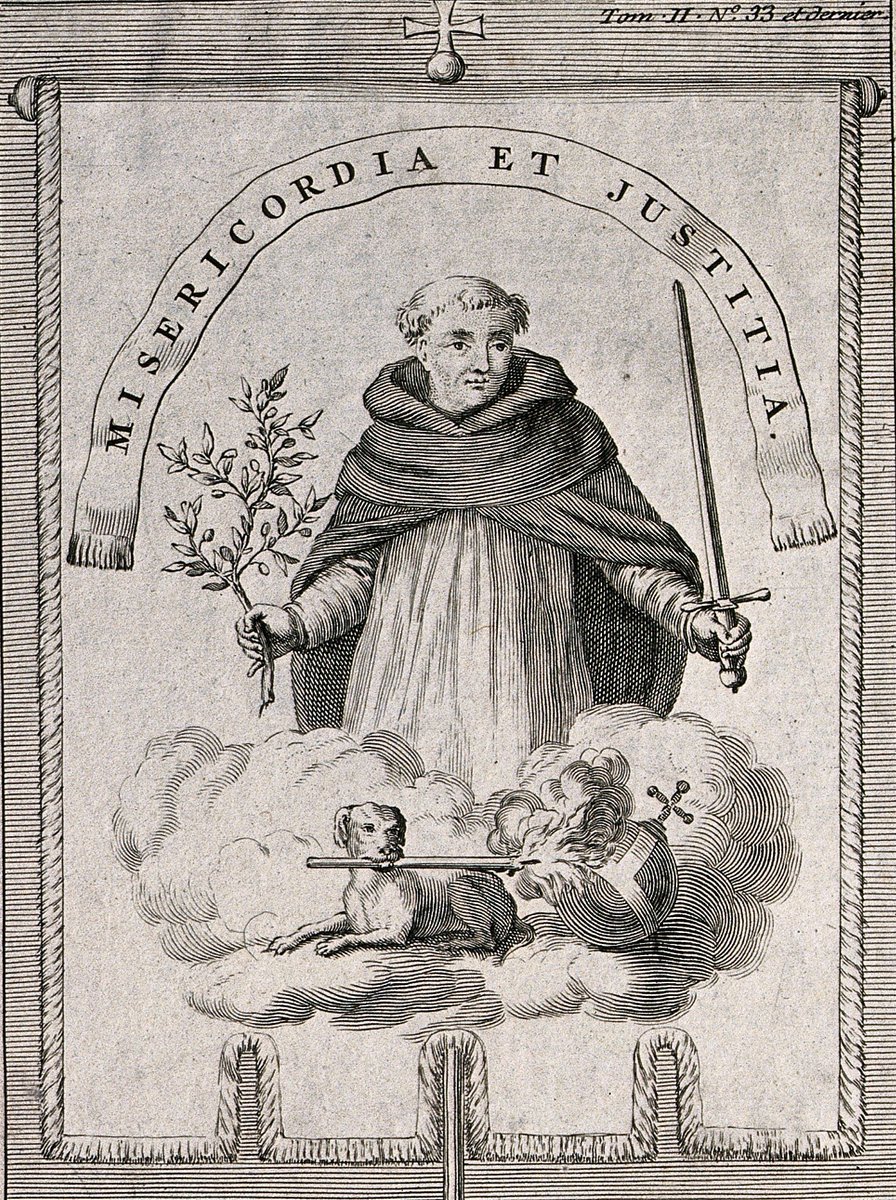
This man, along with his sister, spent much of his life in Portuguese Goa…in the thick of the infamous Inquisitions. While the duo lived comfortably as crypto-Jews for long enough, the sister was finally exposed after the brother died.
She was duly burned at the stake.
She was duly burned at the stake.
Coming back to d’Orta, he’d built himself a lavish manor on the shiny new island he’d leased from the King. He called it Casa da Orta. Fellow Portuguese also called it Bombay Castle.
About a century later, the island would end up in British hands.
About a century later, the island would end up in British hands.
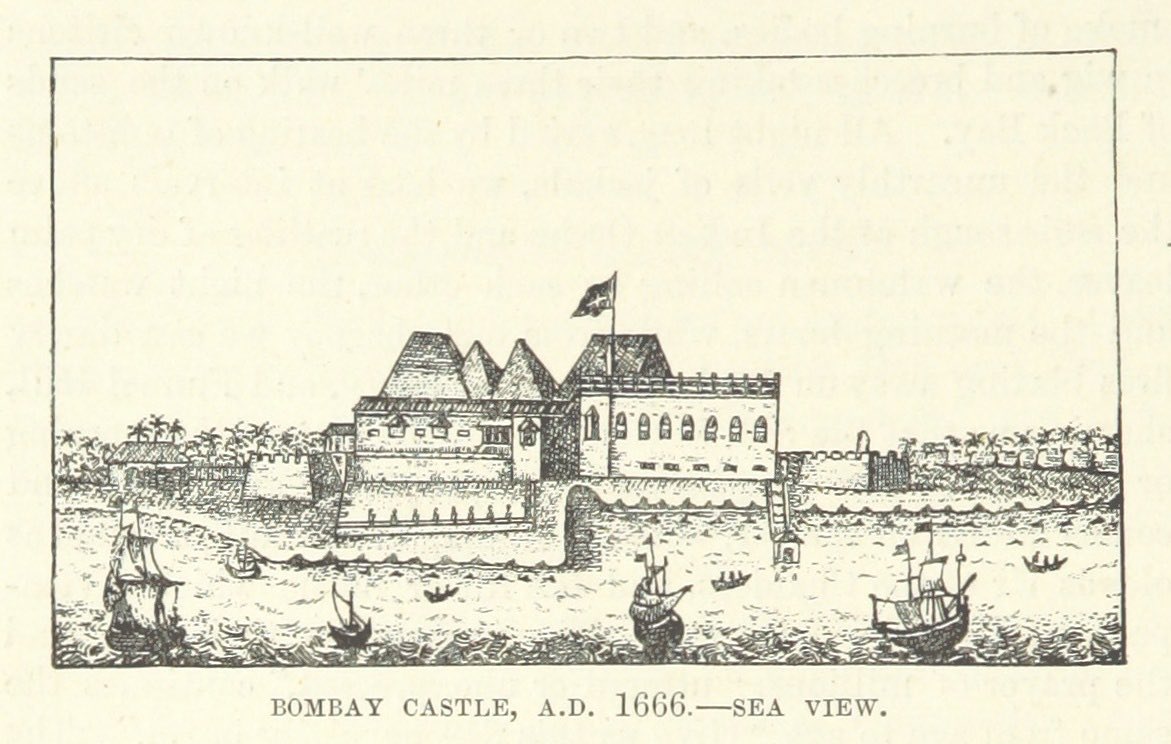
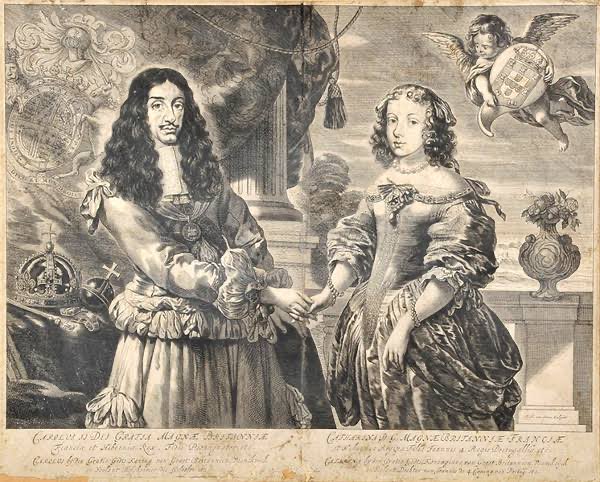
This was when the Portuguese princess Catherine got hitched to the new British king Charles II. But the nascent king didn’t know what to do with it so he leased it to those who did—the East India Company.
They were looking for a new harbor anyway to replace Surat.
They were looking for a new harbor anyway to replace Surat.
Surat was then to India what Amsterdam is today to Holland. But the silting of Tapi has made it increasingly unviable as the entrepot it had been for decades. Bombay offered a splendid harbor, deep enough for the largest of vessels and safe enough for the largest of storms.
Trade flourished and Bombay grew exponentially. The Company soon ran out of room in the Castle and decided to expand. So it built a new one around the existing structure—the Fort.
This was in the first half of the 18th century just before the Company’s success at Plassey.
This was in the first half of the 18th century just before the Company’s success at Plassey.
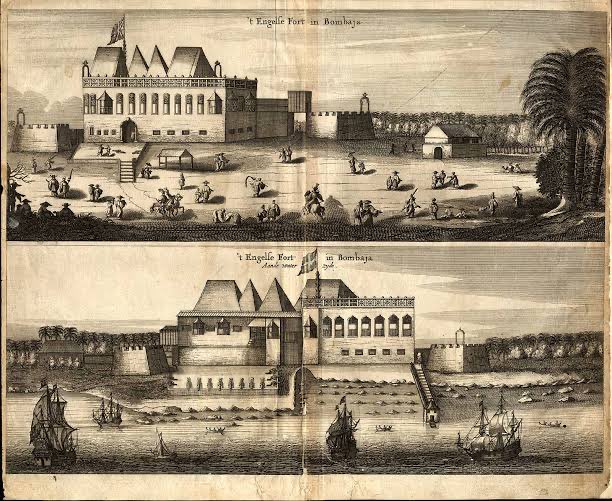
The brand new superstructure, remnants of which still stand as ruins in Mumbai’s Fort area, had three gates. The citadel’s centerpiece was the country’s only Anglican house of worship of the time, St. Thomas Cathedral.
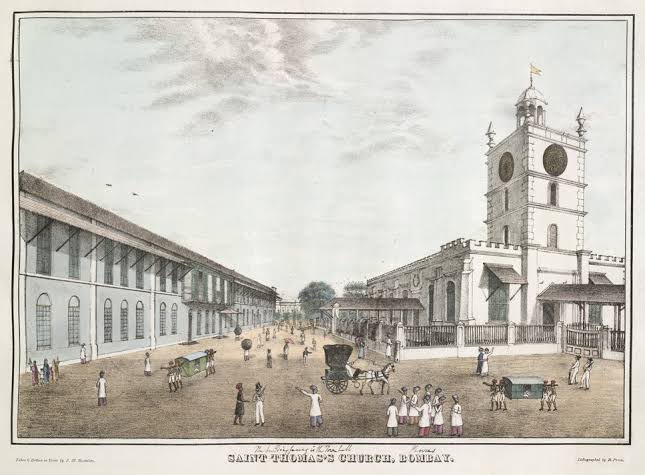
One of the three gates opened to a bustling mercantile center where the GPO stands today and was named Bazaar Gate. The second opened to Apollo Bunder where the Gateway stands today and was called Apollo Gate.
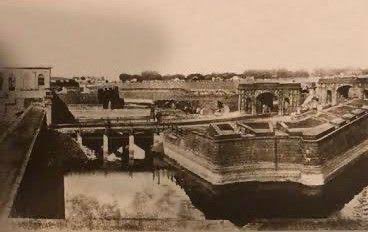
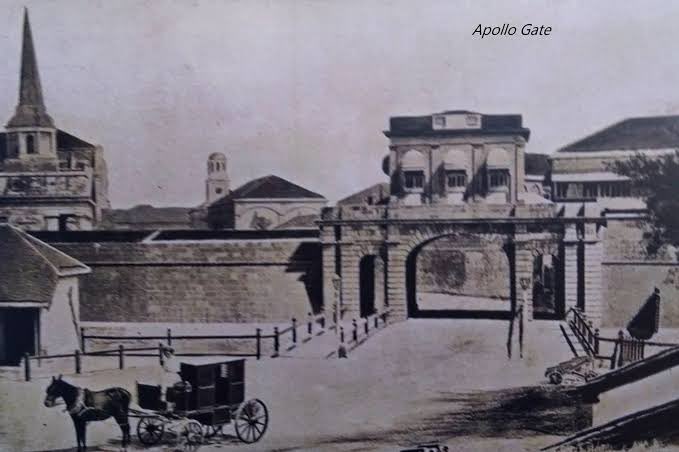
The third led straight to the cathedral and stood where Flora Fountain stands today. They called it Churchgate. For the longest time, this was Bombay. Everything outside the walls was the savage “Black Town” where it was forbidden to venture out after sundown.
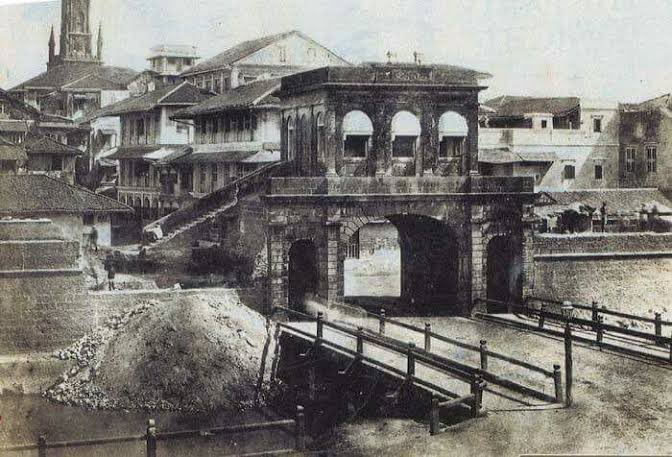
Shortly after the Mutiny of 1857, the administration noticed that the city had run out of room again. One option was to built yet another wall surrounding the existing one, but that’d be too expensive. Besides, cannons and gunpowder had made walled defenses redundant anyway.
So it was decided that the walls would be torn down and new plots be made available for gentrification.
From this point on, Bombay rapidly spilled all over wilderness of the “Black Town” around it and even began to engulf the sea with reclamations.
It hasn’t stopped since.
From this point on, Bombay rapidly spilled all over wilderness of the “Black Town” around it and even began to engulf the sea with reclamations.
It hasn’t stopped since.
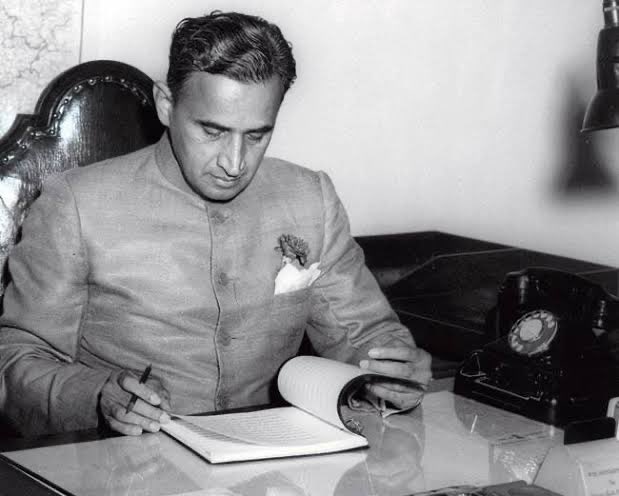
So this was the 300-year-old heritage of Churchgate. Am sure Chintamanrao Deshmukh has one too. Just not sure if it’s got anything to do with the station or the spot where it stands. He was born 34 years AFTER the fort was demolished.
And more than 60 miles away.
And more than 60 miles away.
Loading suggestions...