

Shivappa Nayaka considered the greatest of the Keladi Nayakas, expanded his kingdom all over Malenadu, drove out the Portuguese from Kanara, built forts all over there, and was an excellent administrator too.
Thread.
Thread.
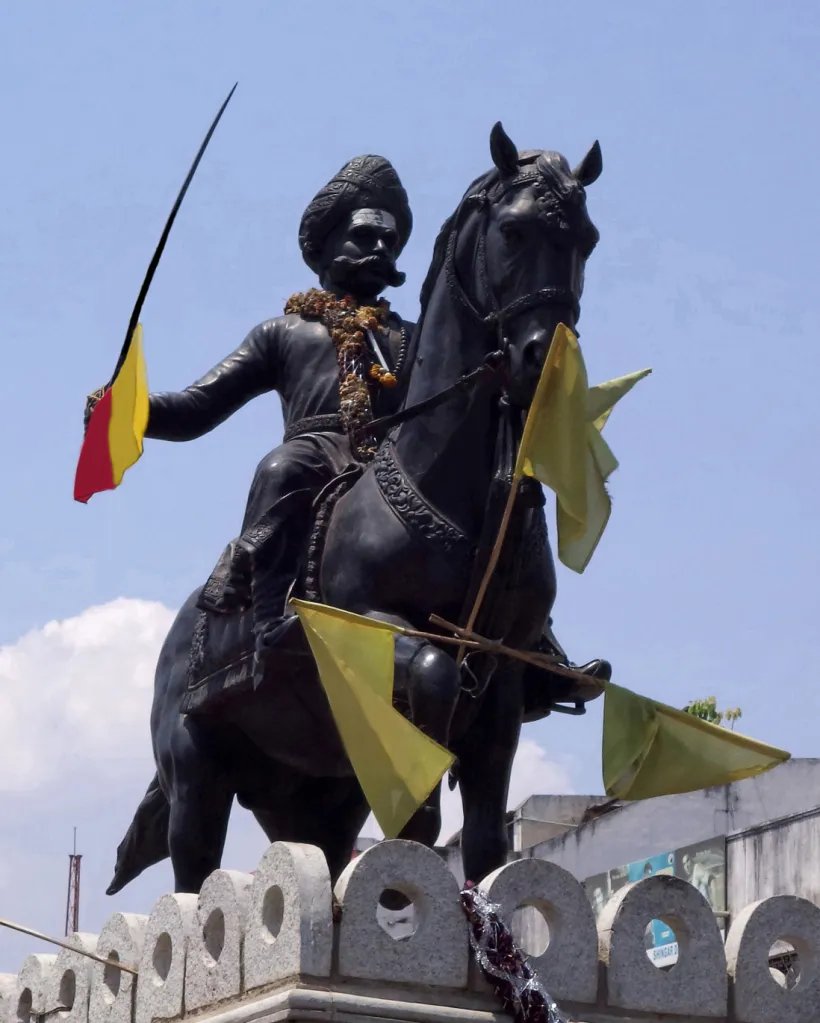
As the Vijayanagara Empire began to decline, many of it's former vassals began to break away and declare themselves as independent kingdoms, the most powerful were Thirumalai Nayak of Madurai, Kanteerava Narasaraja of Mysore and above all Shivappa Nayaka of Ikkeri.
The Keladi Nayakas, were initially vassals of the Vijayanagara Empire, post Tallikota and the fall of Hampi, they declared themselves independent in 1565, and built up a strong kingdom covering Malenadu, Coastal Karnataka and some parts of Malabar.
The kingdom was founded by Chaudappa Nayaka, belonging to the Vokkaliga community, who hailed from a village Pallibailu near Keladi, and his capability saw him become an important feudatory of Vijayanagara Empire.
The kingdom came into it's own under Hiriya Venkatappa Nayaka who became the ruler in 1586, expanded it all over Malenadu, Coastal Karnataka. He defeated the Adil Shahis of Bijapur at Hanagal, and the Portuguese twice in 1618 and 1619.
Shivappa Nayaka is considered the greatest ruler of the dynasty, who ascended the throne in 1645, deposing his own nephew Virabhadra Nayaka, a rather inefficient ruler.
Sri Ranga III, the last ruler of Vijayanagara was deposed by the Bijapur and Golkonda sultans together, and spent his last days in the refuge of Shivappa Nayaka till he passed away in 1678.
He put a check to the Portuguese, and recaptured the ports of Mangalore, Honnavar, and Kundapura on the West Coast from them and by 1653 he drove them out from Karavalli region.
He also conquered a significant part of the Malabar right up to Kasargod, and the forts at Chandragiri, Bekal, Mangalore were built by him.He then attacked north of the Tungabhadra and captured a large amount of territory from the Bijapur sultanate in Dharwad region.
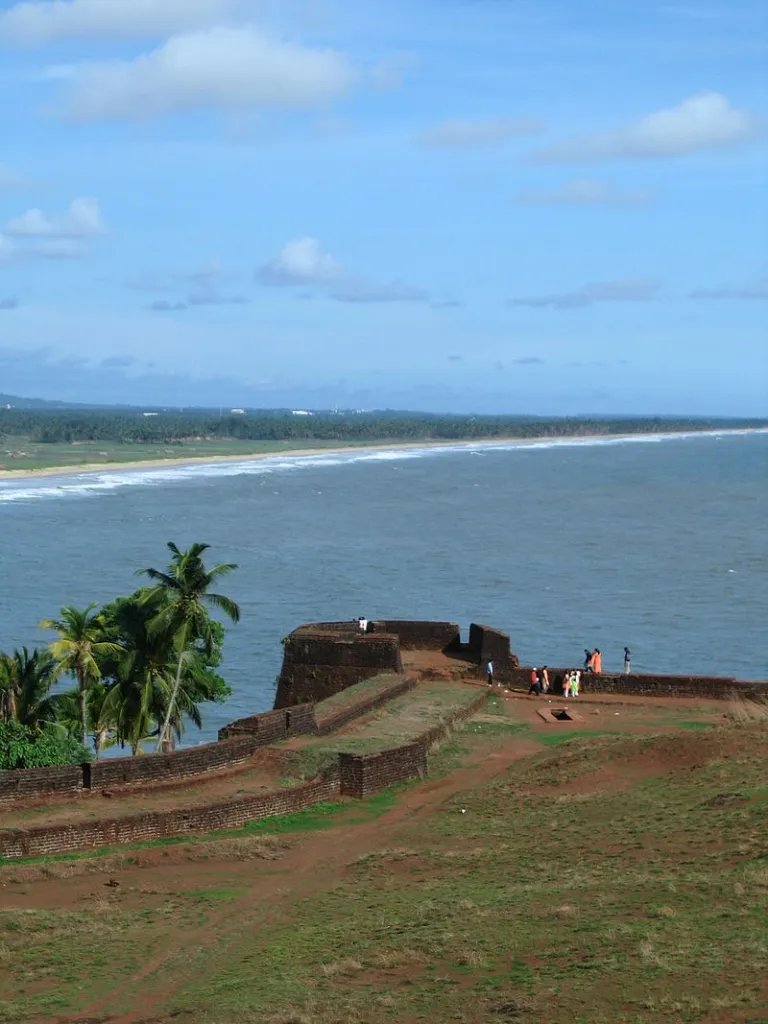
He even attacked Srirangapatna and laid siege to it, however an epidemic forced his army to withdraw. By then the Keladi Nayakas were ruling over Malenadu, Karavalli as well as large areas in N.Karnataka too.
He was a great administrator known for a revenue settlement scheme called Sist, as per which agricultural land would be divided into five categories based on soil type and irrigation facilities.
He came up with a sowing unit called Khanduga, which was used in taxing every irrigable land in varying amounts. The tax rate depended on the yield in these categories, varying from village to village, and was usually 1/3rd of the total yield.
Known for his piety, he performed Vedic sacrifices and rituals, patronized the Advaita order of Shringeri. He encouraged mercantile communities like Komatis, Konkanis to settled down and establish their business in his kingdom.
There was an interesting story of a poor Brahmin Ganesh Mallya, who had come to find a job in the capital. However he had to pass through 8 toll gates, where he had to pay tax at each one of them.
Having no money to pay, he parted with two coconuts, one as a tax, another as a gift to the official. Frustrated, he set up his own toll gate and began to collect tolls from other travellers.
He also handed out a receipt note, signed as Ganeshayya Raja of Kumta, and this went on for 18 months, before Shivappa Nayaka heard of it, and summoned him for it.
When Ganesh confessed he did it illegally for his livelihood, the king impressed by his honesty and business acumen, took him into service.
Shivappa Nayaka passed away in 1660, his palace in Shivamogga is now a Government museum. I believe there is also a proposal to name the Shimoga Railway station after him.
One of the more famous rulers of the Keladi Nayakas was Keladi Chennamma, who gave shelter to Shivaji Maharaj's son Rajaram when he was fleeing from the Mughals, and later beat back Aurangzeb, one of the 2 queens to do so, along with Tarabai.
The Keladi Nayaka's rule was known for it's prosperity and trade. They patronized many Kannada, Sanskrit writers like Linganna, Tirumalabhatta, Bhattoji Dikshita.
They also built some fine temples in Malenadu. The Aghoreshwara Temple in Ikkeri, and Rameshwara Temple in Keladi, are two excellent ones, a blend of Kadamba, Hoysala, Vijayanagara styles.
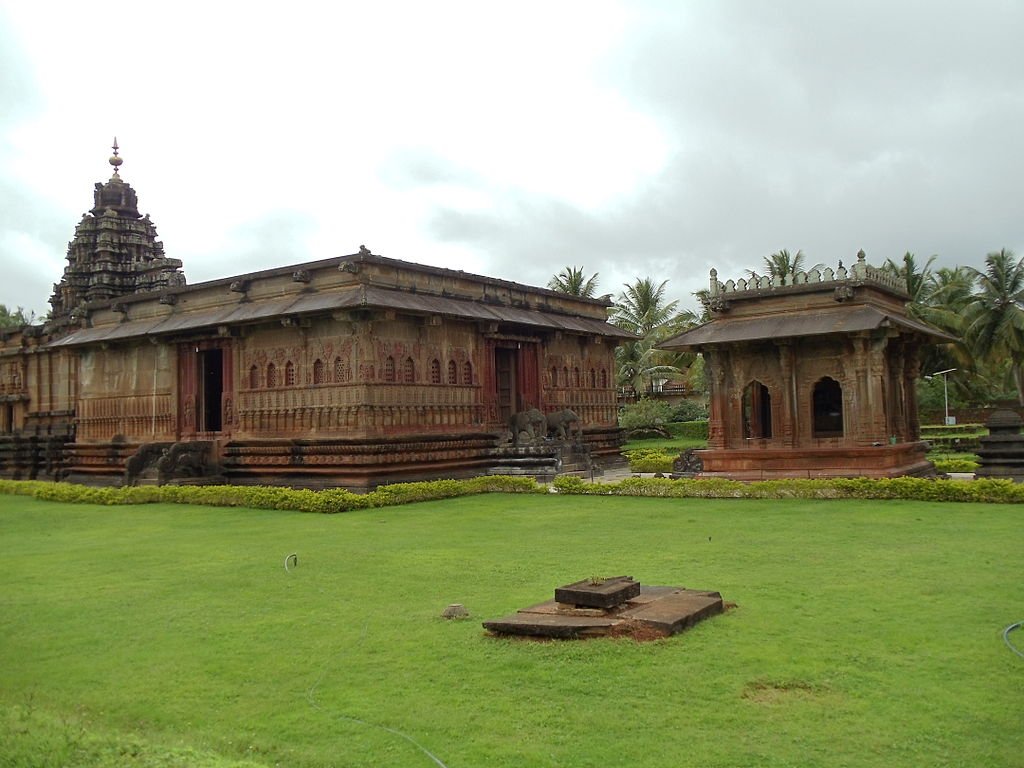
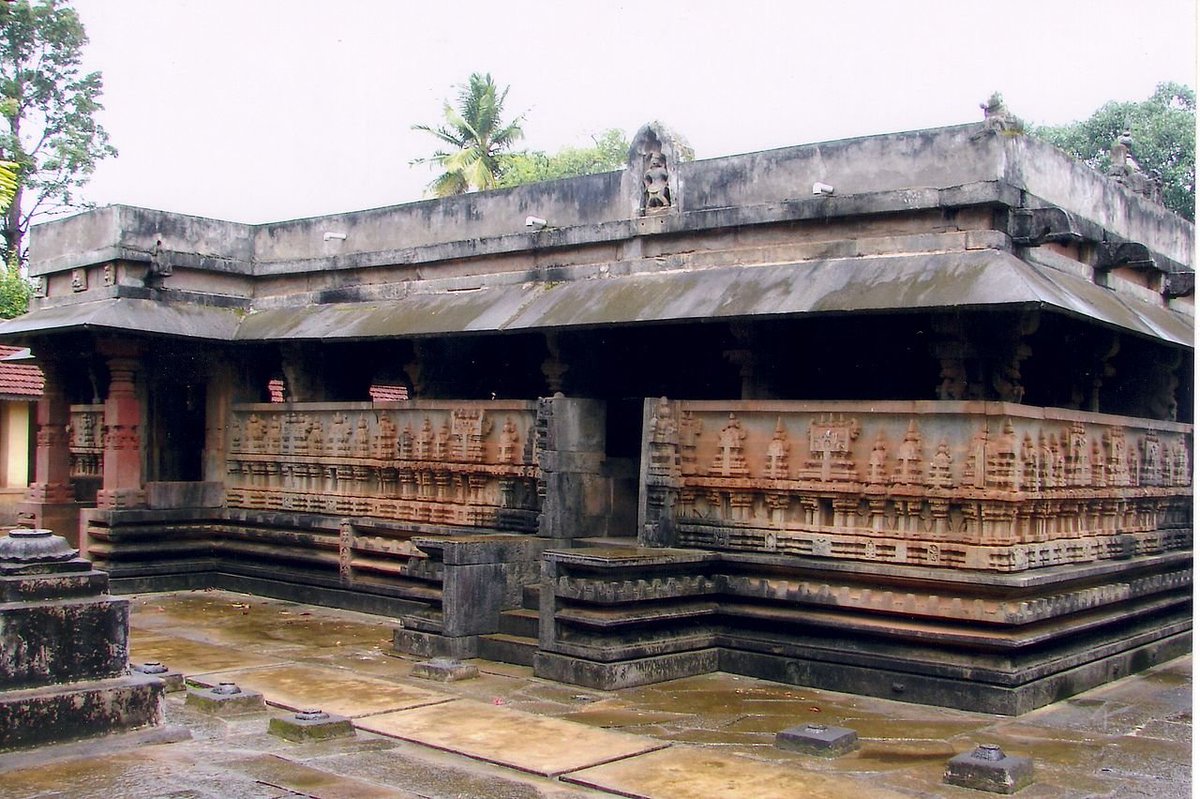
The Keladi Nayakas were Veerashaivas by faith, and spread it all across Malenadu, Kanara. However they were tolerant towards other sects of Hinduism, and other religions too.
The Keladi Nayakas kingdom ended in 1763 with the defeat of the last ruler Rani Virammaji by Hyder Ali, as the kingdom became part of Mysore. Their legacy however still remains to date in Malenadu, Coastal Karnataka.
Loading suggestions...