

10 Excellent Short Econ Books (<300 pages)
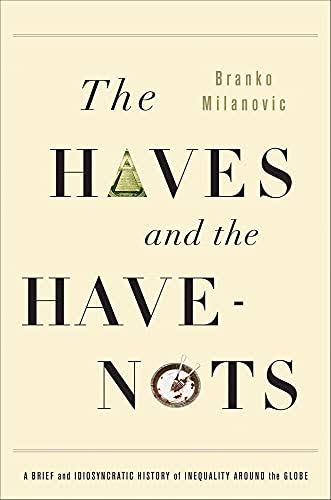
1) The Haves and the Have Nots - @BrankoMilan (272 pages)
Terrific, accessible short intro to inequality and the economic ideas around it, presented with memorable vignettes such as "who was the richest person ever?" Definitely recommend
1) The Haves and the Have Nots - @BrankoMilan (272 pages)
Terrific, accessible short intro to inequality and the economic ideas around it, presented with memorable vignettes such as "who was the richest person ever?" Definitely recommend
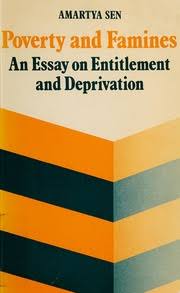
2) An Essay on Entitlement and Deprivation- Amartya Sen (270 pages)
1980s Sen text which changed the way we understand famines (The Entitlement Approach). The approach is also useful way to understand distribution in general, and forms the basis of Sen's later capability approach
1980s Sen text which changed the way we understand famines (The Entitlement Approach). The approach is also useful way to understand distribution in general, and forms the basis of Sen's later capability approach
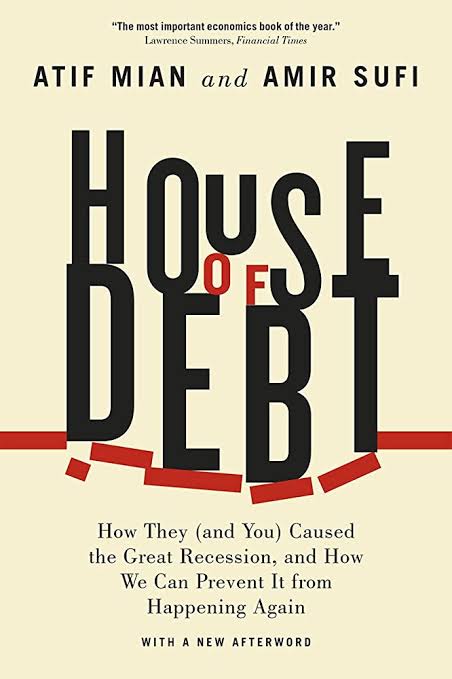
3) House of Debt - @AtifRMian + @profsufi (232 pages)
Great macroecon book even if you're not an economist, detailing how debt can destabilise economies and proposing we restructure in favour of more risk sharing. Well elaborated testing of economic hypotheses as well.
Great macroecon book even if you're not an economist, detailing how debt can destabilise economies and proposing we restructure in favour of more risk sharing. Well elaborated testing of economic hypotheses as well.
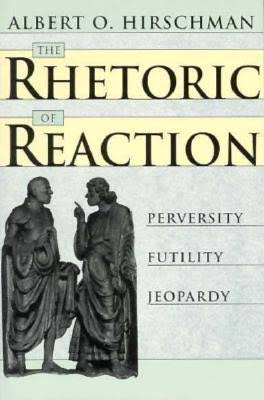
4) The Rhetoric of Reaction -Albert Hirschman (224 pages)
Not technically an Econ book but highly applicable to econ arguments and written by one of the Econ greats. Outlines 3 primary forms of convincing reactionary rhetoric. You may notice these are also often used in Econ args
Not technically an Econ book but highly applicable to econ arguments and written by one of the Econ greats. Outlines 3 primary forms of convincing reactionary rhetoric. You may notice these are also often used in Econ args
5) The Great Demographic Reversal - Goodhart + Pradhan (280 pages)
One of the best grand economic theories I've read in a while, arguing that the aging of the world population can explain macroecon trends over the past decades and into the future. Worth a look.
One of the best grand economic theories I've read in a while, arguing that the aging of the world population can explain macroecon trends over the past decades and into the future. Worth a look.
6) Economics Rules - @rodrikdani (216 pages)
A robust defence of economic modelling, as well as its flaws. Would recommend to anyone unsure why economists are so obsessed with 'models'.
A robust defence of economic modelling, as well as its flaws. Would recommend to anyone unsure why economists are so obsessed with 'models'.
7) Another Now - @yanisvaroufakis (240 pages)
An unusual work, this is a of utopian fiction book in a style similar to William Morris' "News from Nowhere". Details a future society based on Varoufakis' ideals, with interesting economic structures and monetary system.
An unusual work, this is a of utopian fiction book in a style similar to William Morris' "News from Nowhere". Details a future society based on Varoufakis' ideals, with interesting economic structures and monetary system.
8) Animal Spirits - @RobertJShiller + Akerlof (264 pages)
'Behavioural Macroeconomics' doesn't get talked about a lot but this is a great intro, detailing how BE can explain key elements in macroecon cycles. Written right after the GFC, it's definitely worth reading.
'Behavioural Macroeconomics' doesn't get talked about a lot but this is a great intro, detailing how BE can explain key elements in macroecon cycles. Written right after the GFC, it's definitely worth reading.
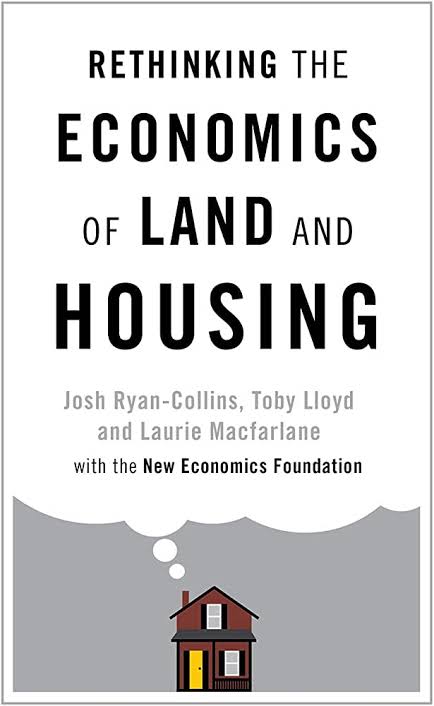
9) Rethinking the Economics of Land and Housing - Ryan-Collins, Lloyd + Macfarlane (280 pages)
Well written argument for the reintroduction of land as a distinct issue in Econ, rather than just another form of capital. Interesting ideas and reforms, even for a non Econ reader.
Well written argument for the reintroduction of land as a distinct issue in Econ, rather than just another form of capital. Interesting ideas and reforms, even for a non Econ reader.
10) What's Wrong With Economics? Robert Skidelsky (248 pages)
The best intro to critiques of mainstream Econ out there, overview includes: methodological individualism, uncertainty and equalibrium modelling. Great for the Econ student wondering why the heterodox are so critical
The best intro to critiques of mainstream Econ out there, overview includes: methodological individualism, uncertainty and equalibrium modelling. Great for the Econ student wondering why the heterodox are so critical

As usual, what would people add to this list? We all love a short book
Loading suggestions...