

The System of Rice Intensification (SRI) is an innovative and holistic agriculture method used to grow rice.
Compared to conventional irrigated rice farming, SRI rice yields 20-100% more, requires 90% less seed, and 40% less water.
Here's a brief summary of the method:
Compared to conventional irrigated rice farming, SRI rice yields 20-100% more, requires 90% less seed, and 40% less water.
Here's a brief summary of the method:
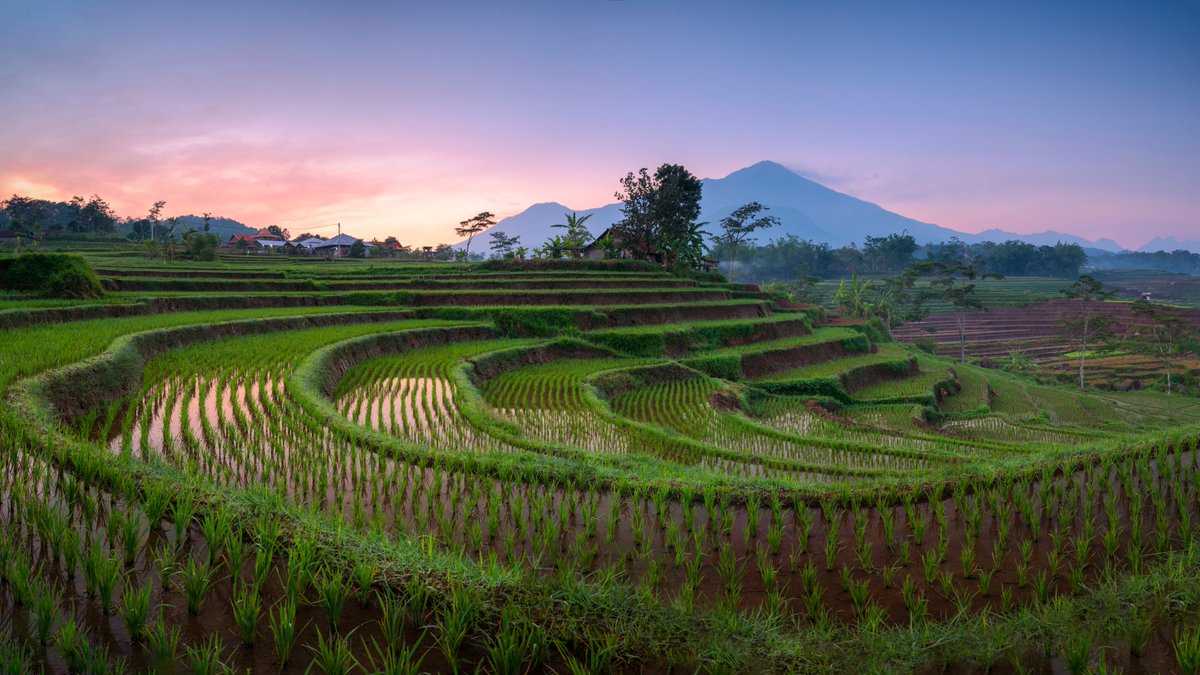
The SRI method of cultivating rice was developed in 1980 by French Jesuit priest and agronomist Henri de Laulanié.
After years of observation and field trials in Madagascar, he devised the SRI method, breaking all the rules of conventional rice cultivation.
After years of observation and field trials in Madagascar, he devised the SRI method, breaking all the rules of conventional rice cultivation.
SRI rice seedlings are transplanted 8-12 days after germination instead of one month after germination in conventional systems.
Next, SRI seedlings are planted singly in grid patterns rather than in straight rows of clumps of multiple seedlings.
Next, SRI seedlings are planted singly in grid patterns rather than in straight rows of clumps of multiple seedlings.
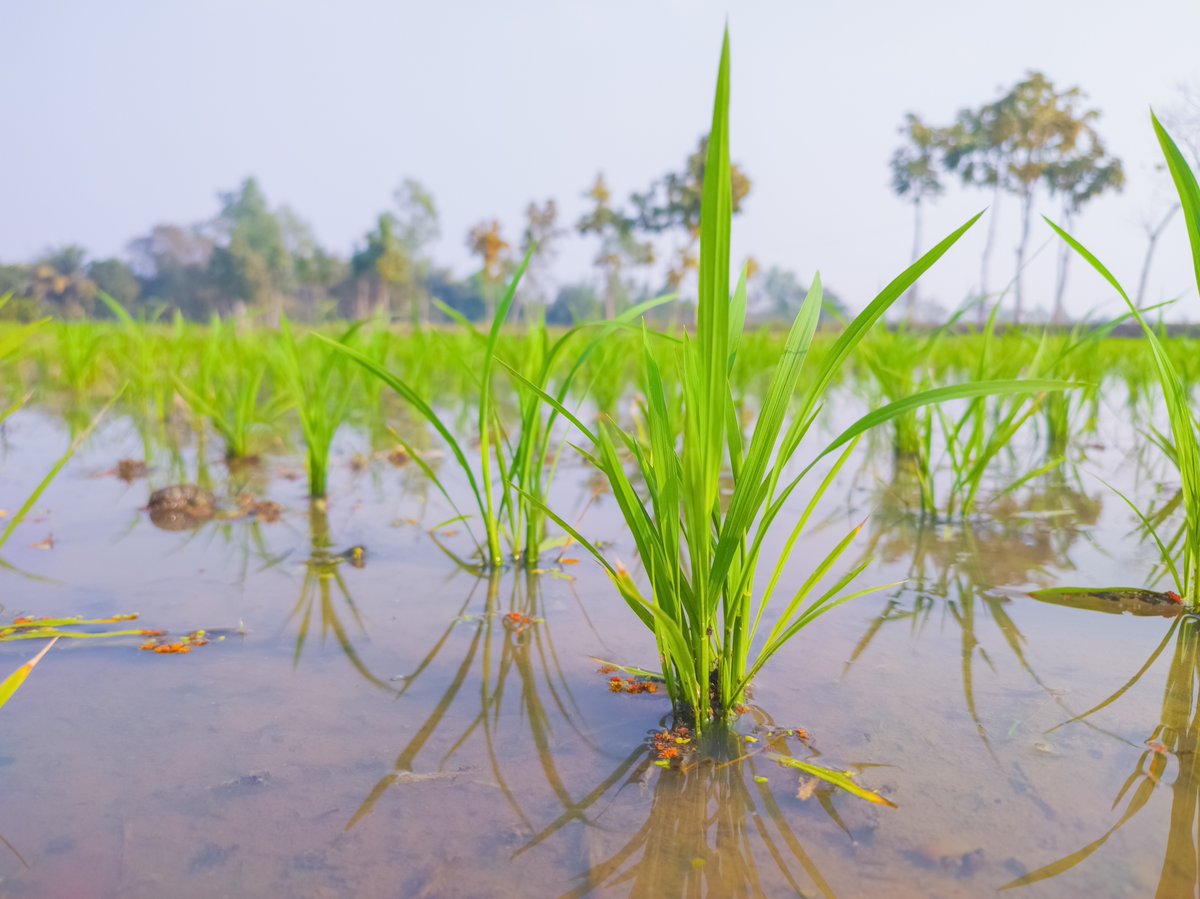
This allows plants' roots and shoots adequate space to grow with unimpeded access to water, nutrients, and sun.
Lower plant density also eliminates conditions favorable to many pests and diseases common in conventional rice production.
Lower plant density also eliminates conditions favorable to many pests and diseases common in conventional rice production.
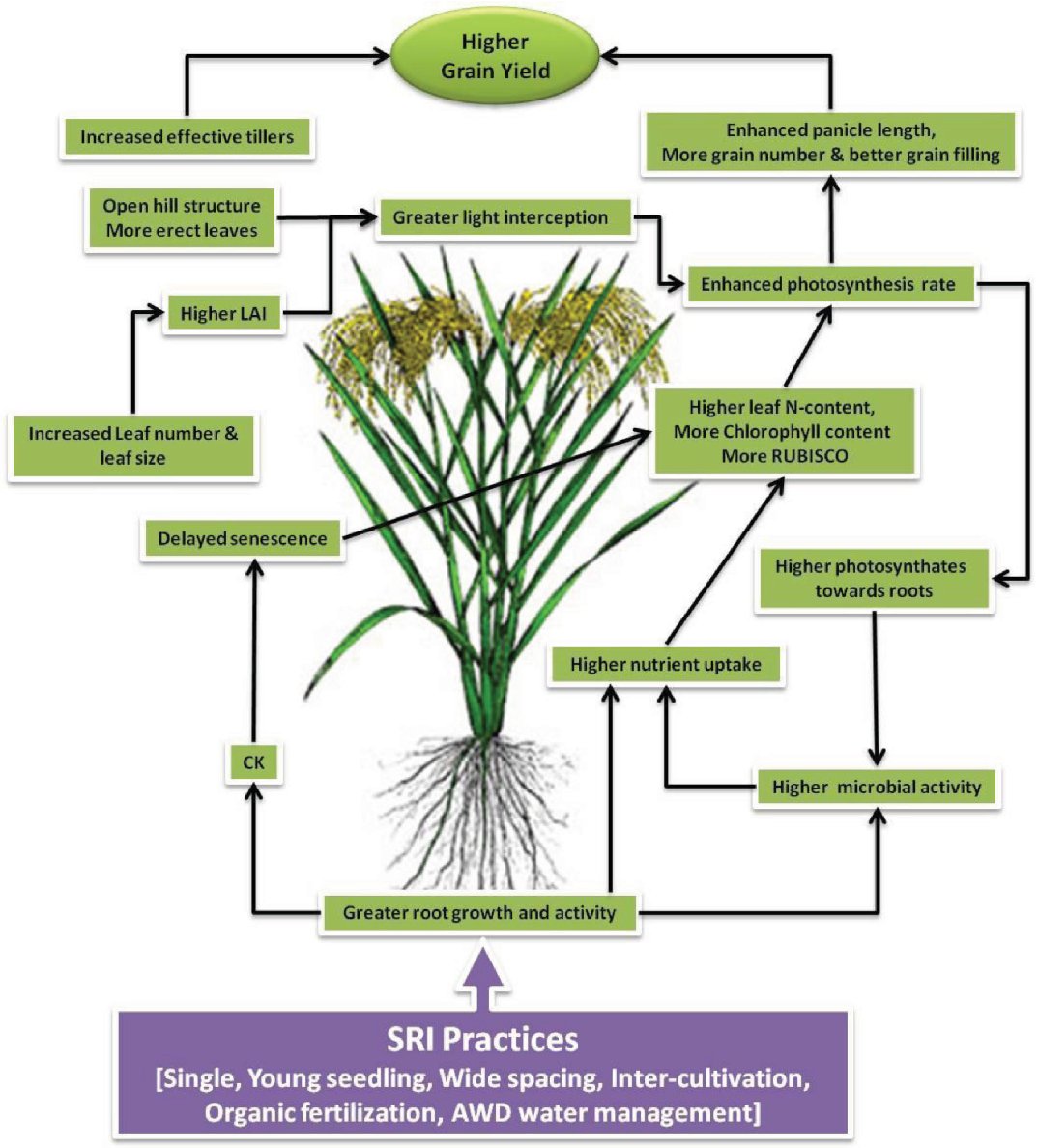
Compared to conventional rice paddies, SRI seedlings grow extensive root systems and develop more tillers, making for resilient, high-yielding plants.
In conventional rice production, paddies are flooded for weed control. Rice can survive these conditions, but weeds can't.
In conventional rice production, paddies are flooded for weed control. Rice can survive these conditions, but weeds can't.
But it's not just weeds that don't survive waterlogged conditions.
Many beneficial soil microbes stop metabolizing in anaerobic conditions caused by continuous flooding
As a result, nutrient cycling is inhibited, soil pathogens flourish, and the rice plants ultimately suffer
Many beneficial soil microbes stop metabolizing in anaerobic conditions caused by continuous flooding
As a result, nutrient cycling is inhibited, soil pathogens flourish, and the rice plants ultimately suffer
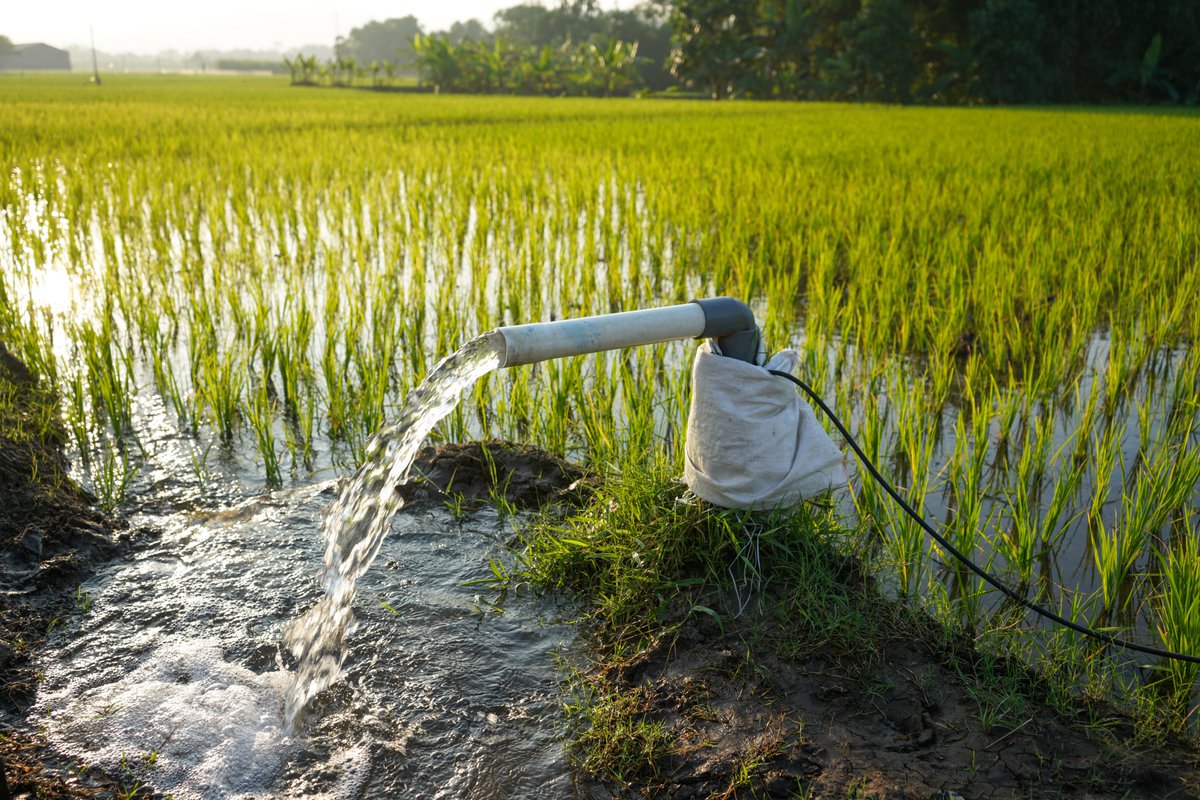
SRI farms irrigate minimally based on optimal plant development and avoid continuously flooding paddies.
This fosters a healthy aerobic soil environment, proper gas exchange, a robust soil microbiome, and ample nutrient uptake – in sharp contrast to conventional rice systems.
This fosters a healthy aerobic soil environment, proper gas exchange, a robust soil microbiome, and ample nutrient uptake – in sharp contrast to conventional rice systems.
The green revolution gets credit for saving millions of people from the brink of starvation, in large part due to a massive yield increase in rice production.
In India, rice yields increased by over 100% in the decades following the green revolution.
In India, rice yields increased by over 100% in the decades following the green revolution.
This yield improvement came from a surge in synthetic fertilizer use, plentiful irrigation, and a select few hybrid rice varieties.
However, conventional irrigated rice yields in India have since cratered and are now only 1% higher than in the pre-green revolution era.
However, conventional irrigated rice yields in India have since cratered and are now only 1% higher than in the pre-green revolution era.
In adopting the industrial agriculture model of the green revolution, India lost ~100,000 varieties of rice.
Most of the remaining varieties are high-yielding hybrids introduced during the green revolution.
Most of the remaining varieties are high-yielding hybrids introduced during the green revolution.
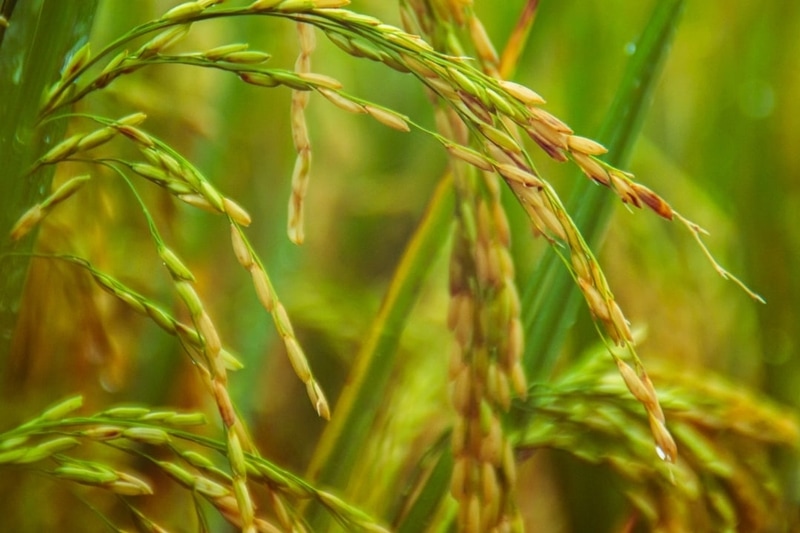
High-yielding hybrids produce grains with lower nutritive quality, often lacking key trace minerals and phytonutrients.
In addition, these hybrids require increasingly higher rates of synthetic fertilizers to maintain productivity.
In addition, these hybrids require increasingly higher rates of synthetic fertilizers to maintain productivity.
In contrast, the SRI method is compatible with all varieties, heirlooms and hybrids alike
The seed cost for SRI production is ~90% less than conventional production.
SRI rice yields are 20-100% more than conventional irrigated systems without relying on synthetic fertilizers.
The seed cost for SRI production is ~90% less than conventional production.
SRI rice yields are 20-100% more than conventional irrigated systems without relying on synthetic fertilizers.
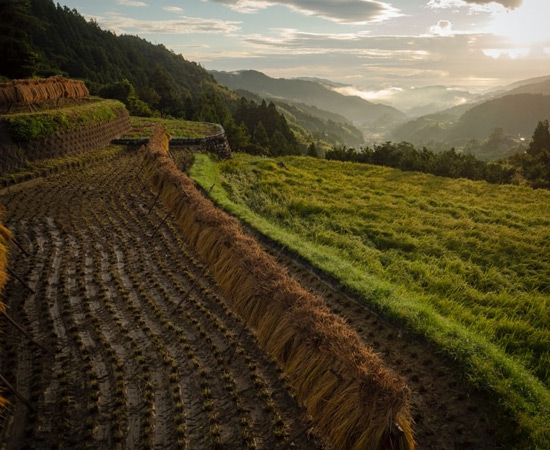
Beyond the yield gains, SRI rice has higher levels of zinc, iron, copper, and magnesium than conventional rice.
The downstream effects of SRI are resoundingly positive. Unlike the results of the green revolution, farmers, consumers, and ecosystems prosper with the SRI method.
The downstream effects of SRI are resoundingly positive. Unlike the results of the green revolution, farmers, consumers, and ecosystems prosper with the SRI method.
More than 10 million farmers now practice SRI in 55 countries.
With the success of this holistic approach, it begs the question:
What other innovative solutions have been overlooked or are still waiting to be discovered?
With the success of this holistic approach, it begs the question:
What other innovative solutions have been overlooked or are still waiting to be discovered?
Loading suggestions...