

Just a quick appreciation thread for the way Isayama explores the themes of cyclicality and the self-imposed nature of our generational conflicts
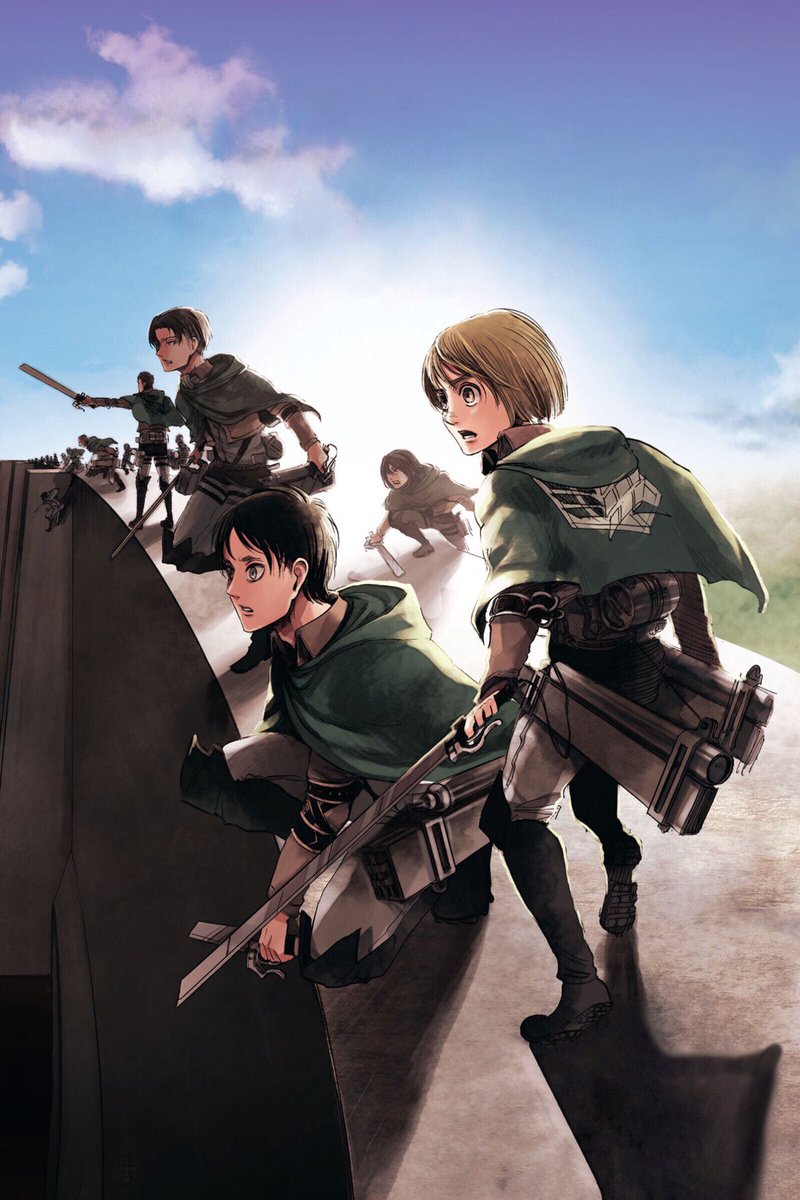
I will primarily look into overarching motifs and repeating patterns that reinforce the exploration of the themes. The approach taken is quite layered - on the one hand you have the repeated appearance of the tree as a foundational symbol of the series
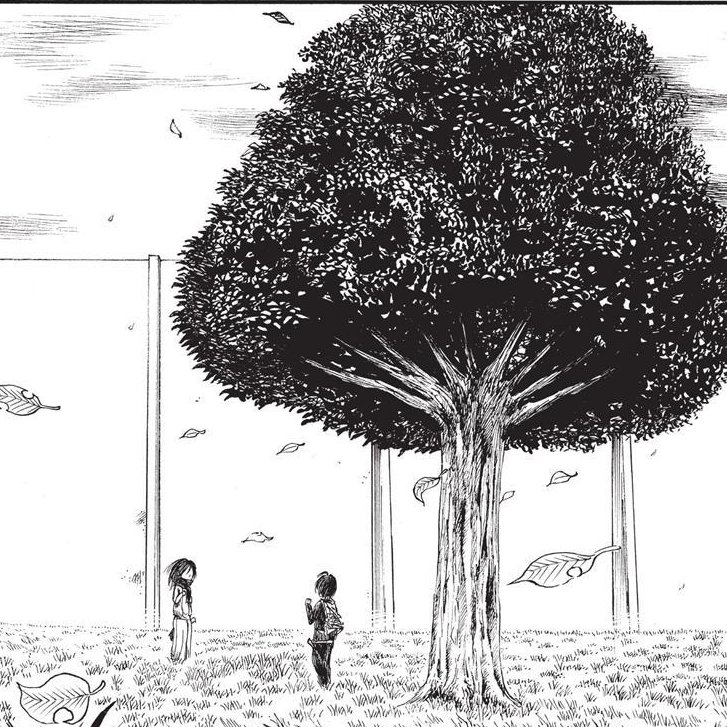
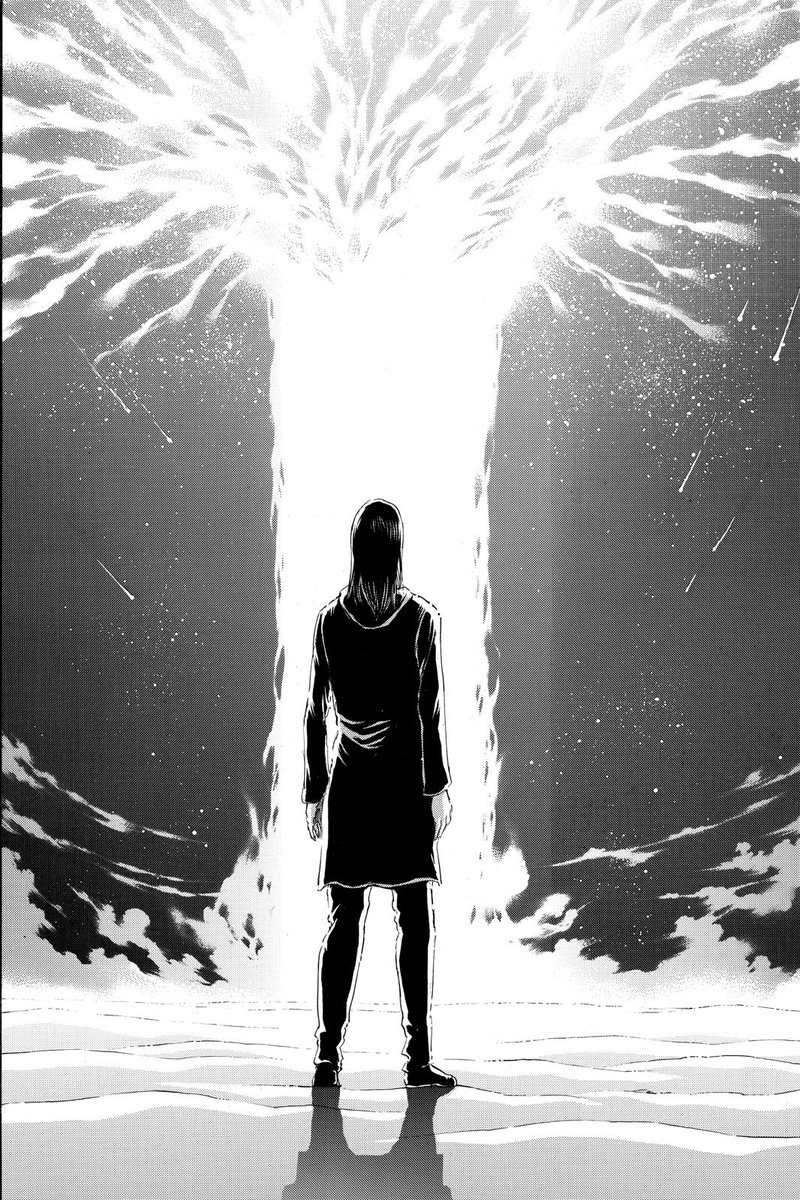
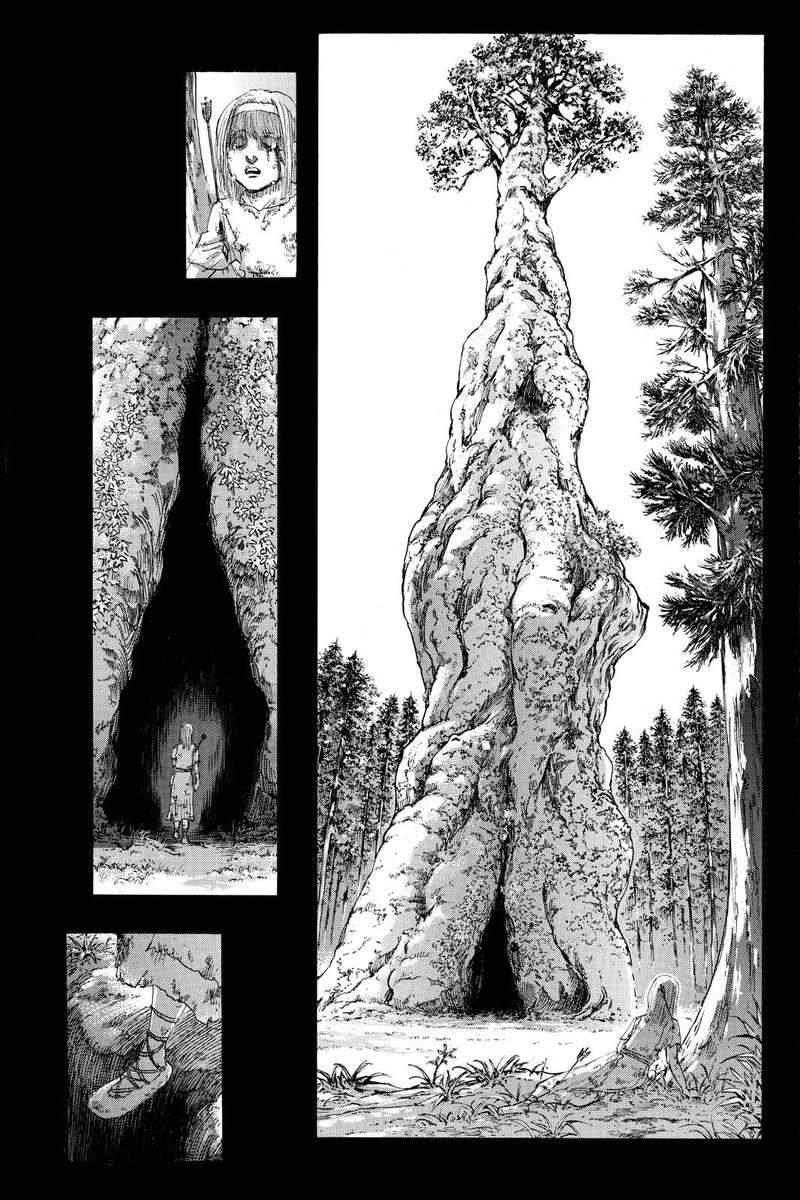
Trees represent life, they represent ancestry and they also represent the fertility of death. They consume pollution and produce the very things we breathe, yet they only exist due to the decay of another previous life that was snuffed out
This dichotomy is perfecty encapsulated within Eren and Mikasa respectively. Whereas Eren is a Jäger, quite literally a Hunter whose purpose it is to assert dominance and end lives, Mikasa is an Ackermann, a 'man of the field', who tends to and nutures life
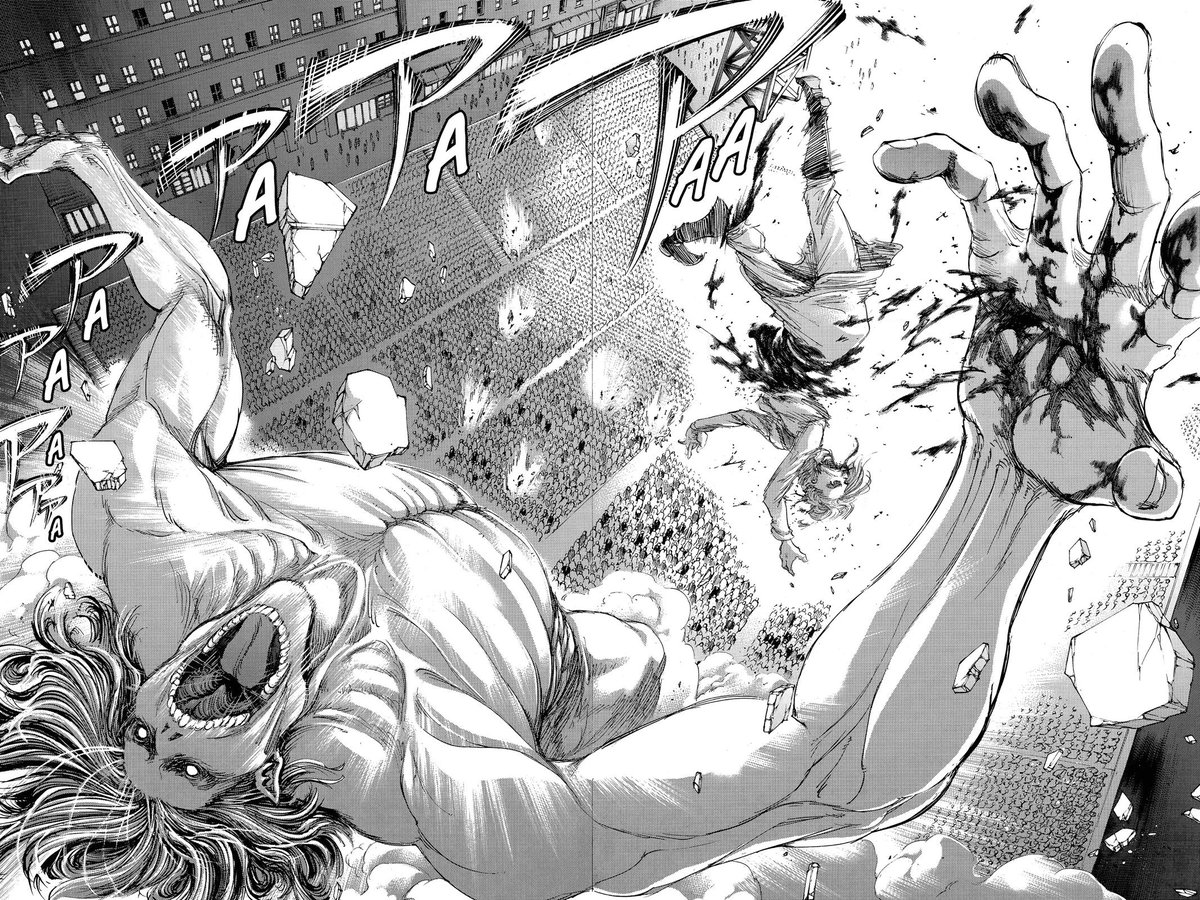
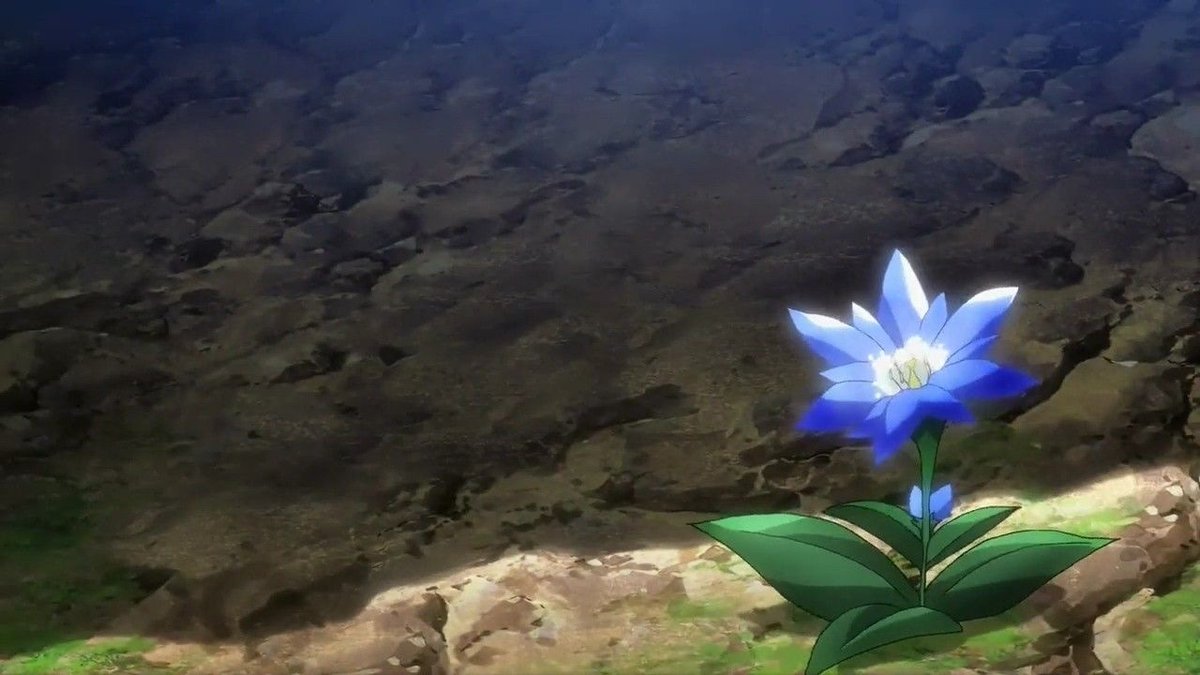
This is why Mikasa is the very person who Ymir views the world through, why she is the very person to end Eren's reign of terror. The conflict but underlying love between the Jäger and the Ackermann is one as old as Cain and Abel. Isayama's interpolation of it is astounding
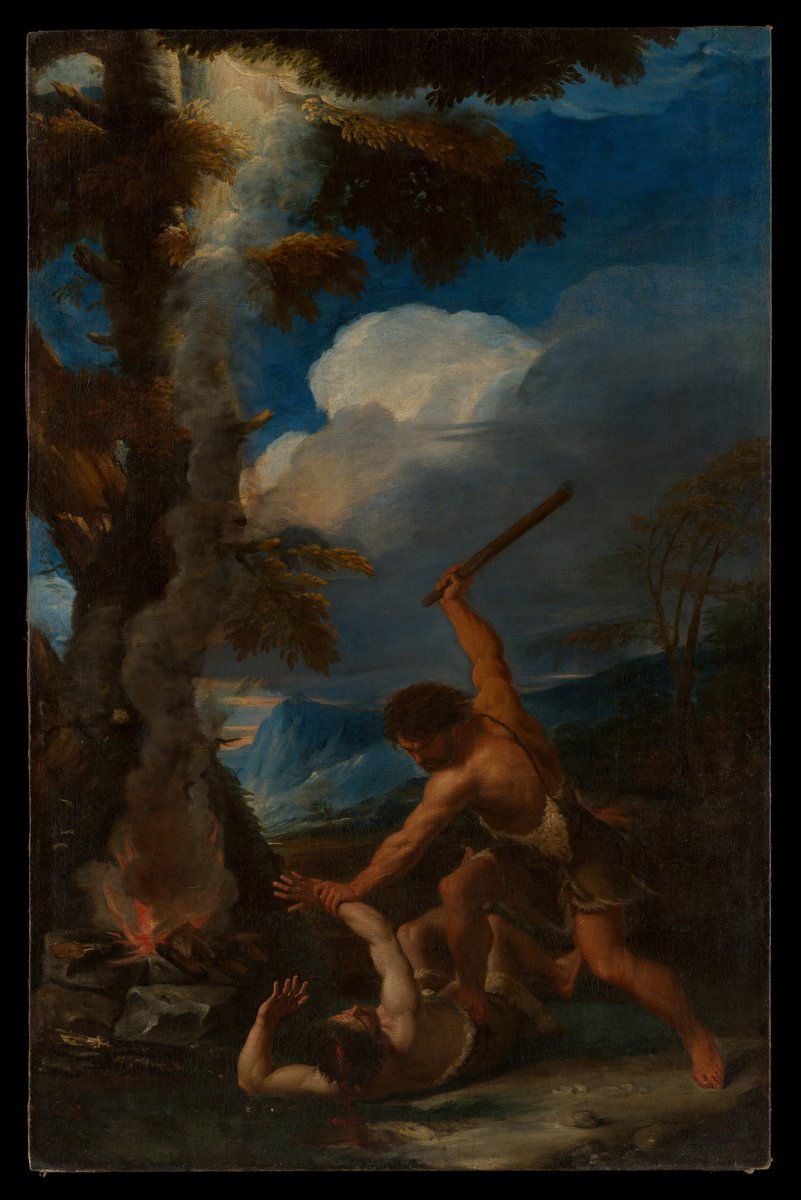
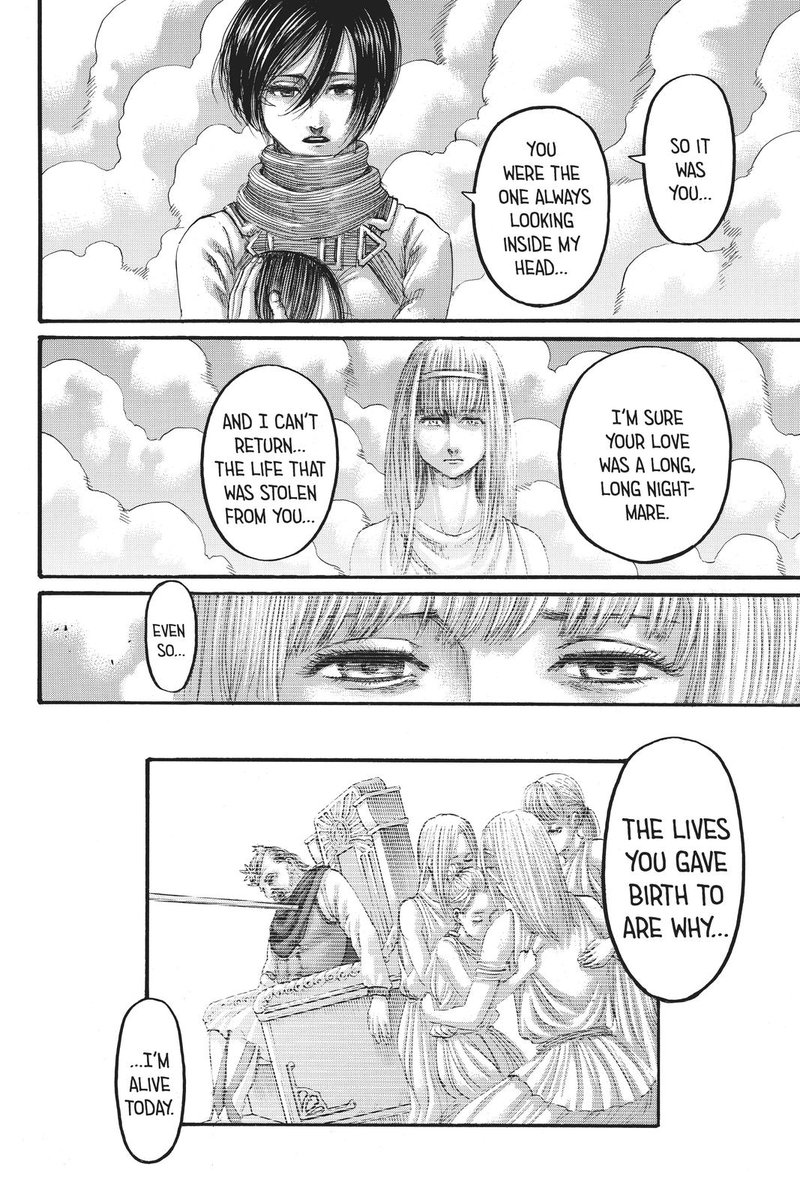
Notice how their respective natures are encapsulated in their last names, the very portion of our names that nobody chooses themselves? It's something that was handed down, something that is generational and permeates our entire history
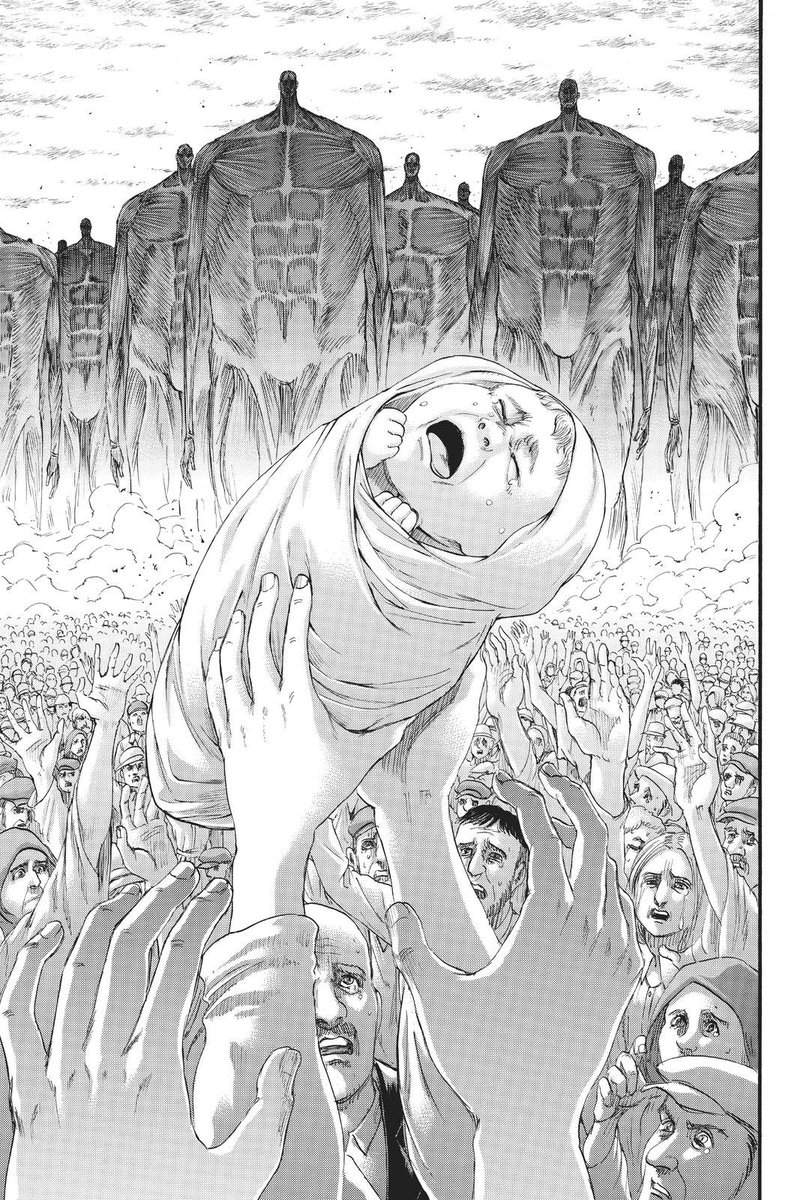
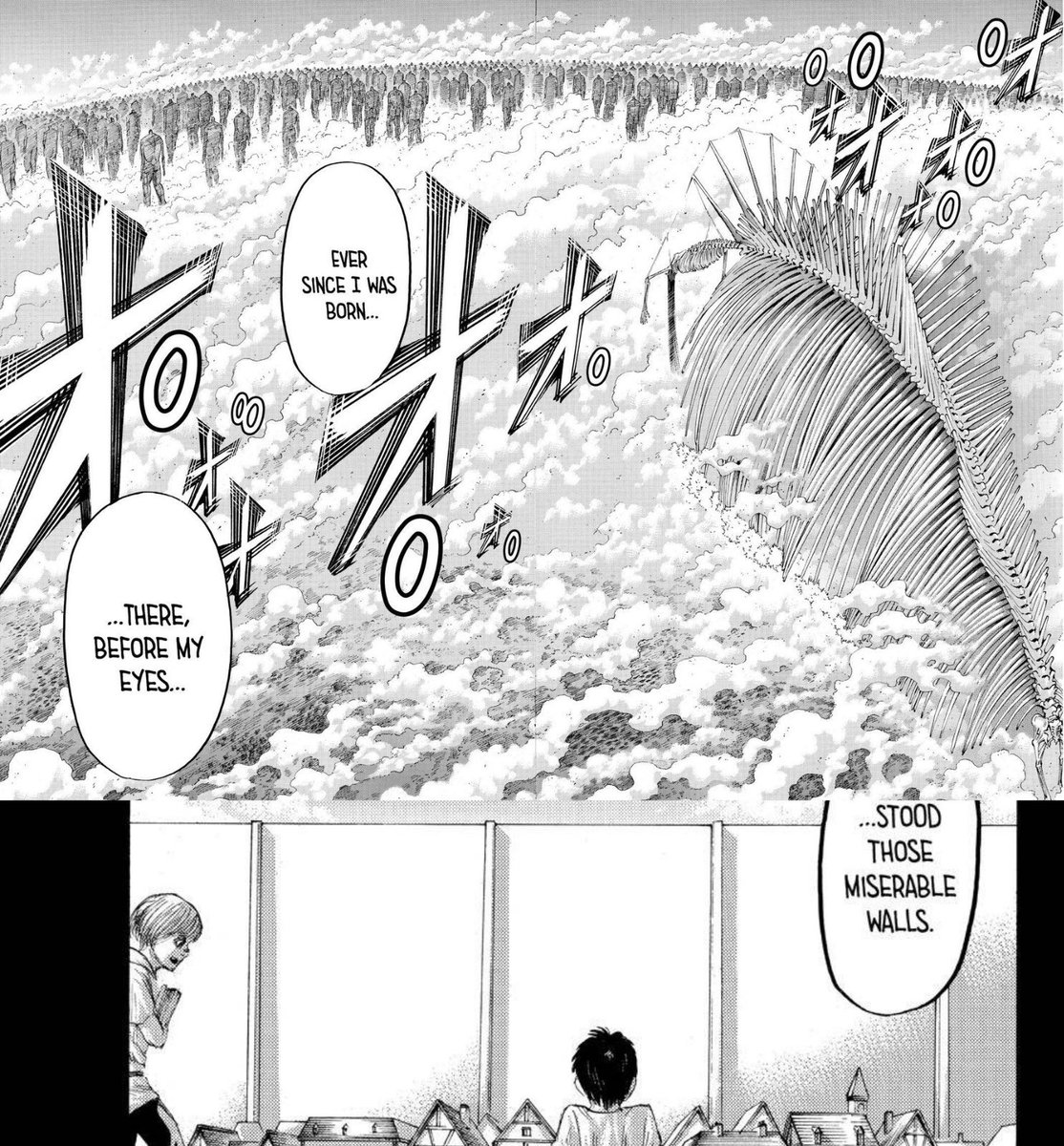
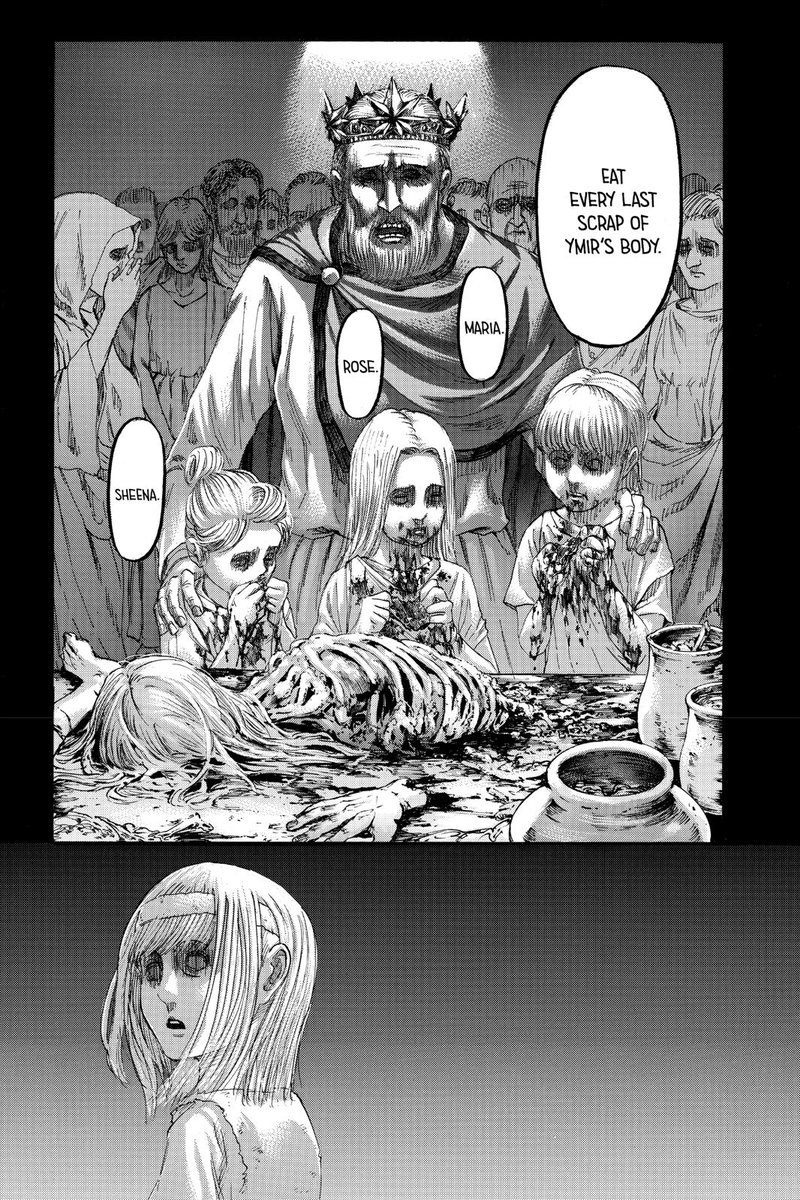
Thus this in turn is represented in the way consumption is a prevalent theme in Attack in Titan, in particular the consumption of your parent. We consume our ancestry, and we in turn end up being consumed by our descendants. It is an incestous cycle of input and regurgitation
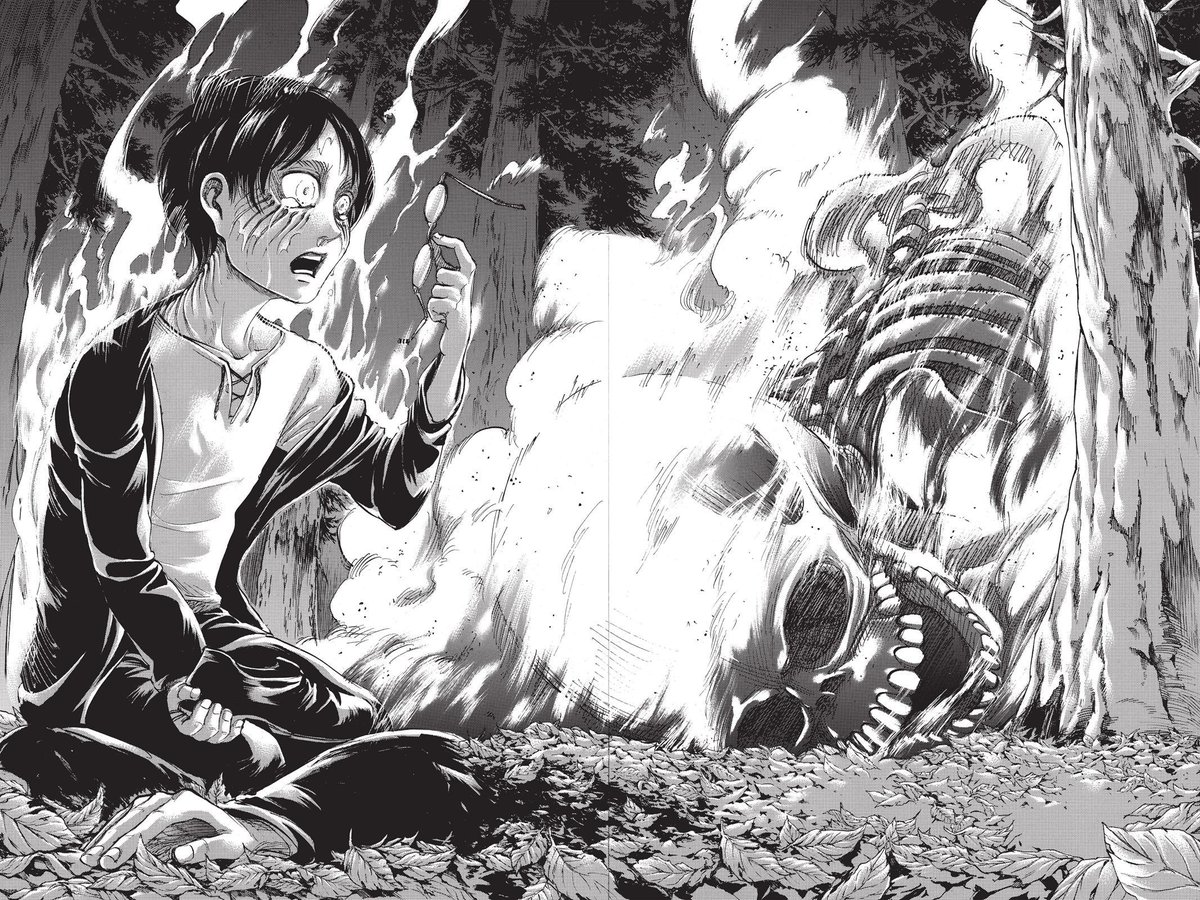
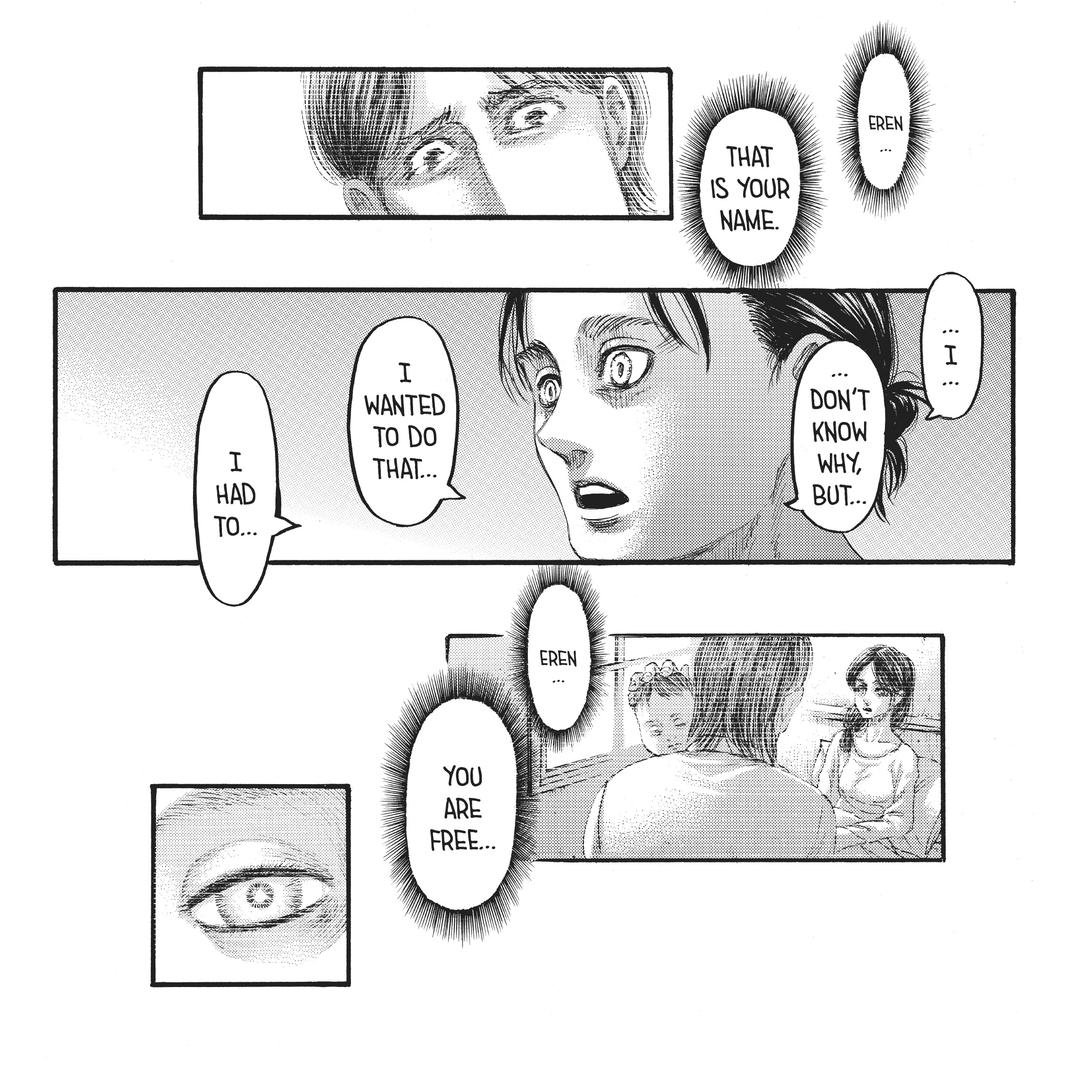
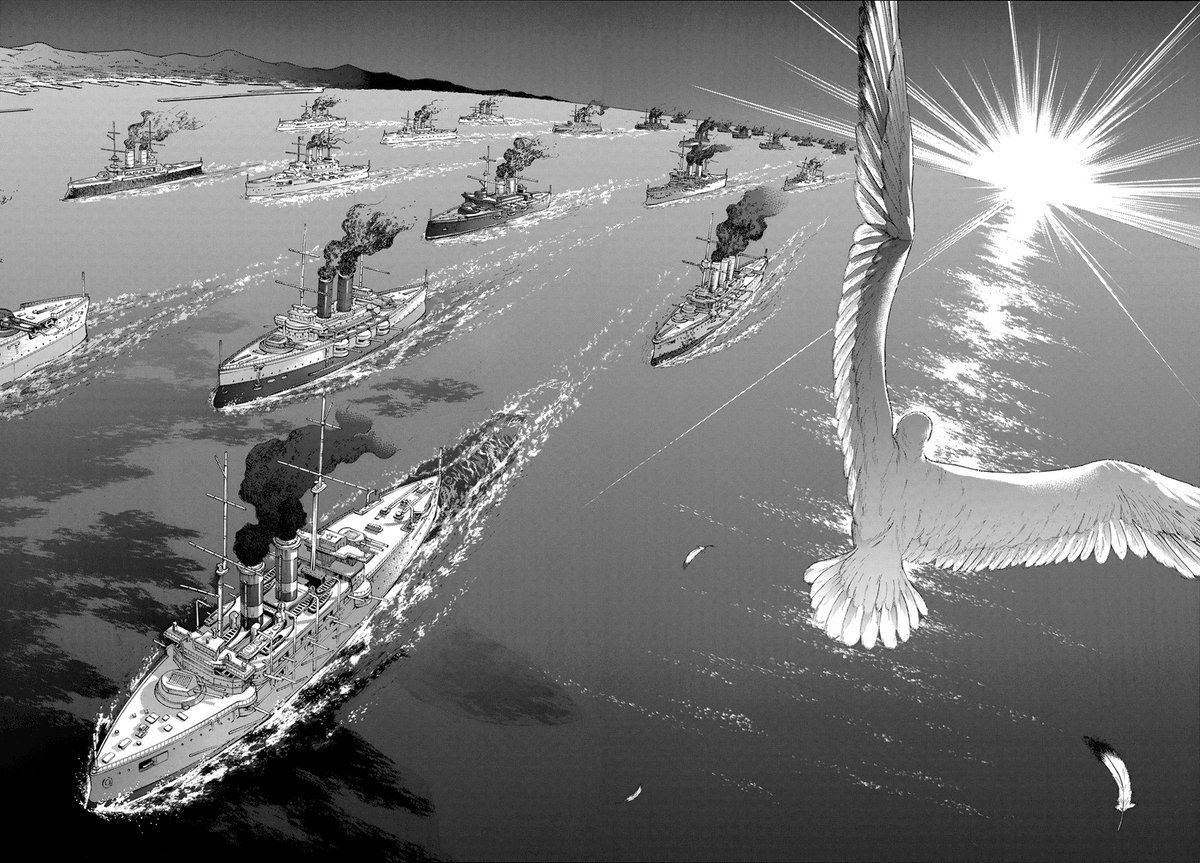
And this yet again beautifully culminates into the overarching cyclical narrative structure of the series at large, how the very end leads seemlessly into the beginning, how it is all self imposed. How we choose how to create our reality yet exactly that chains us down
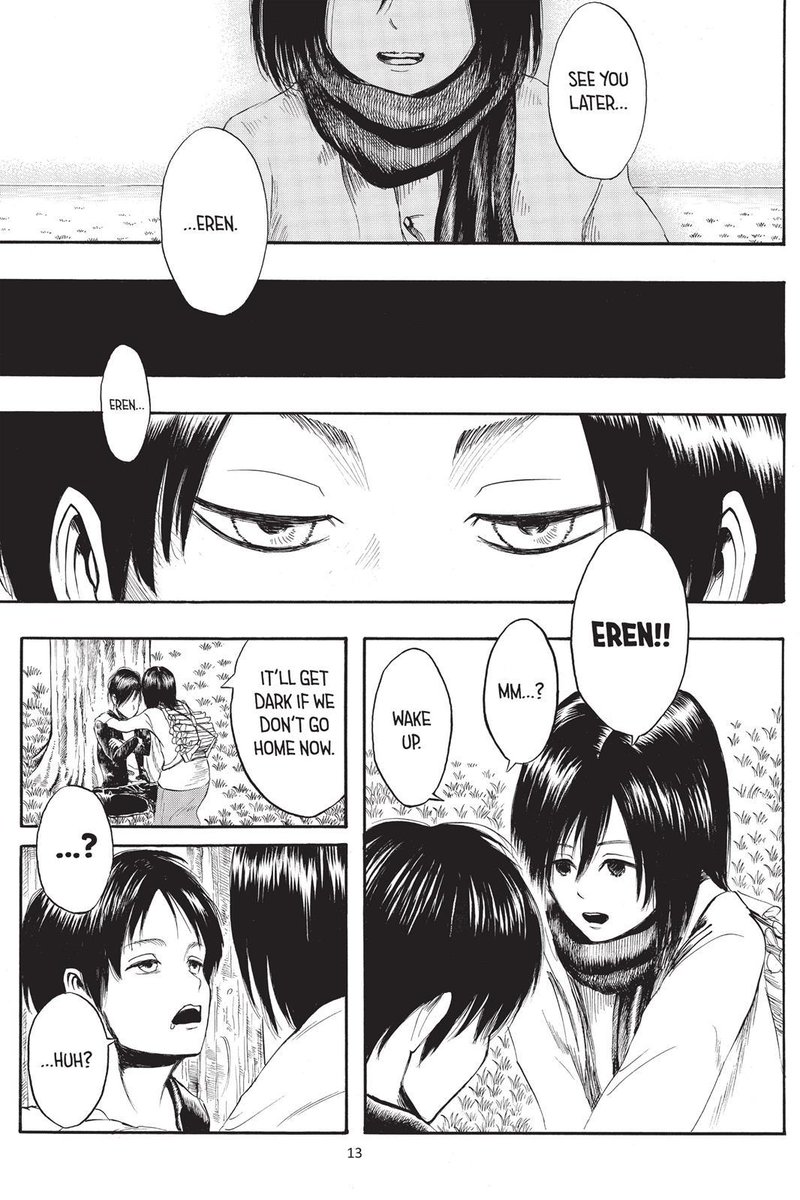
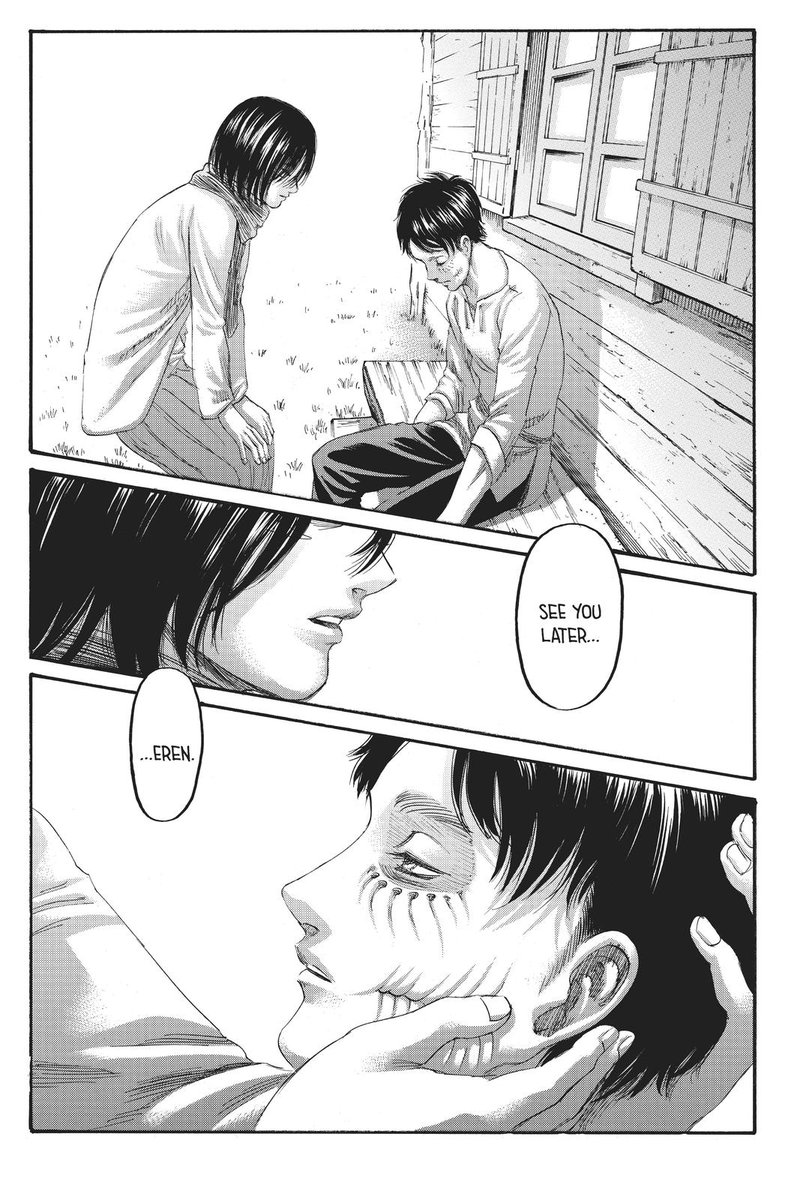
The marriage of contradictions, how it is simultaneously our nature and our own free will that defines who we are and what we do, how our fate is simultaneously out of our hands but also self-imposed. If you really break it down it is hard to process how Isayama came up with this
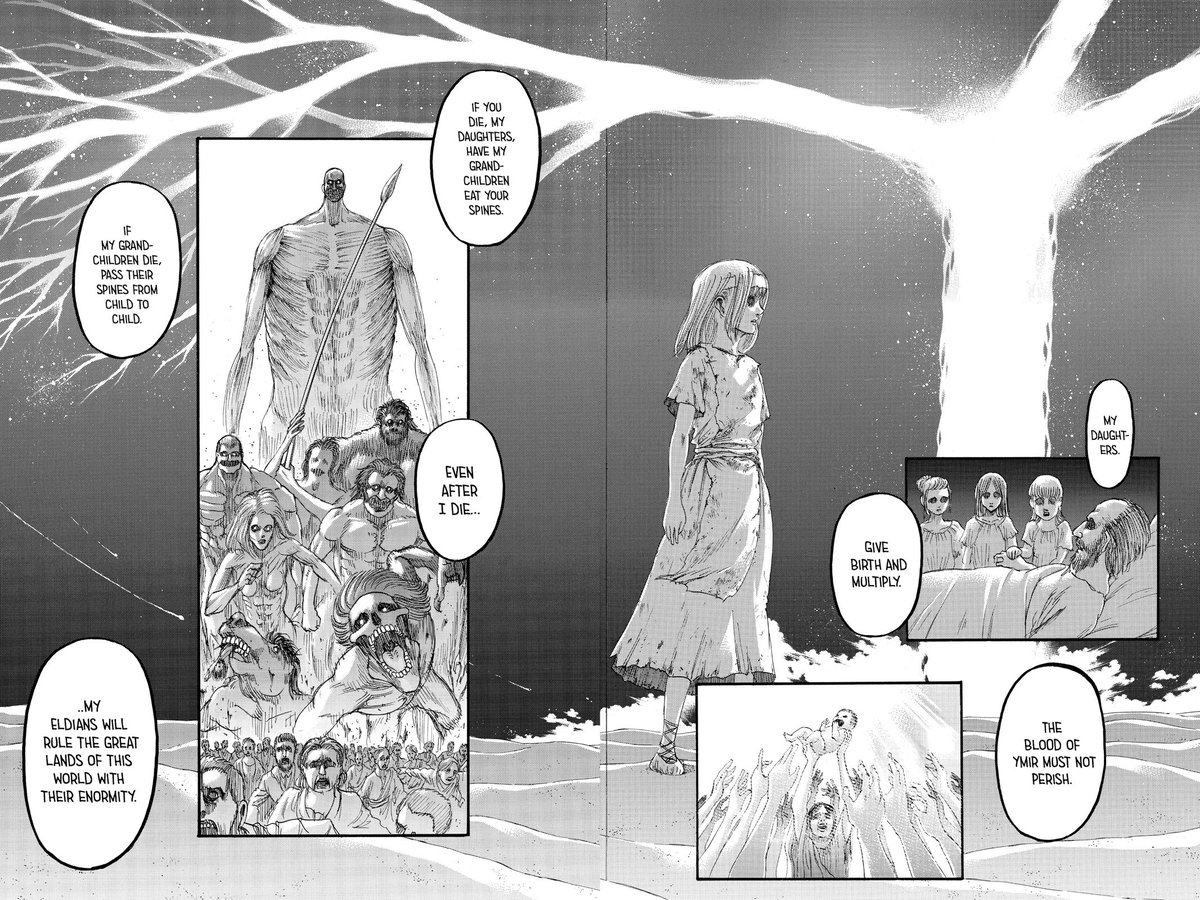
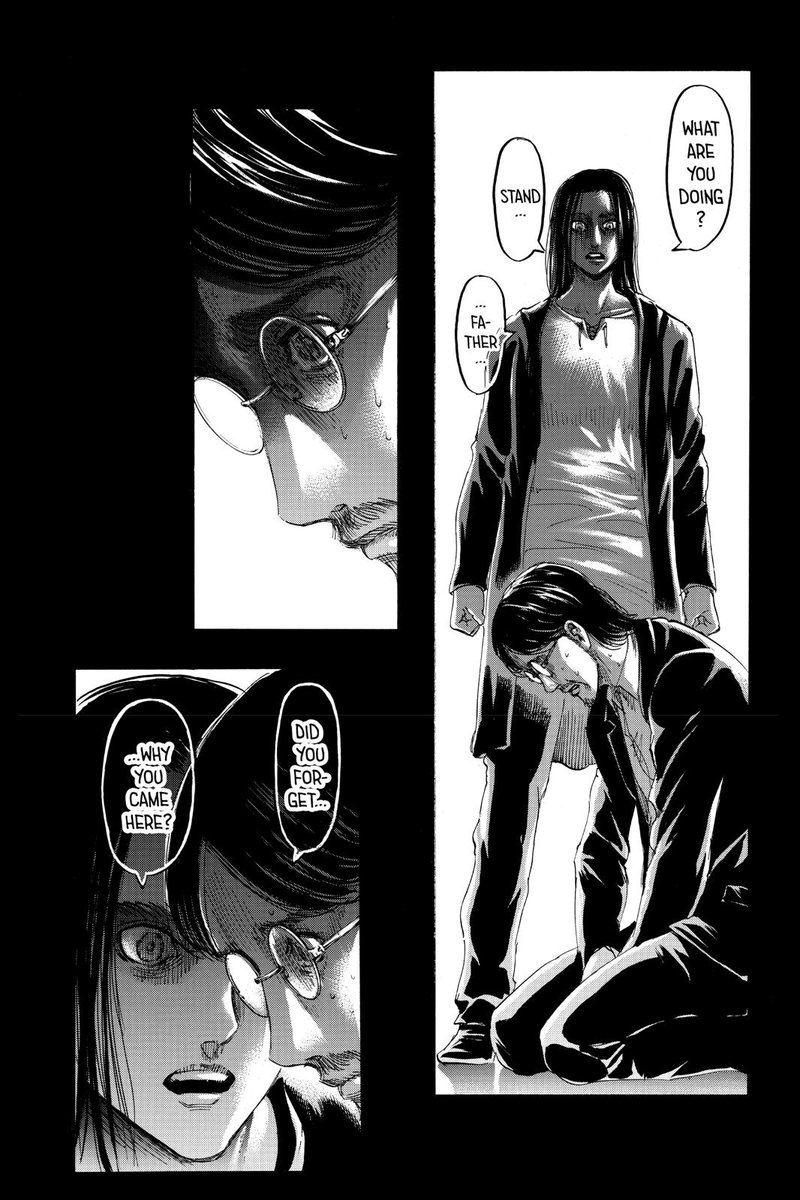
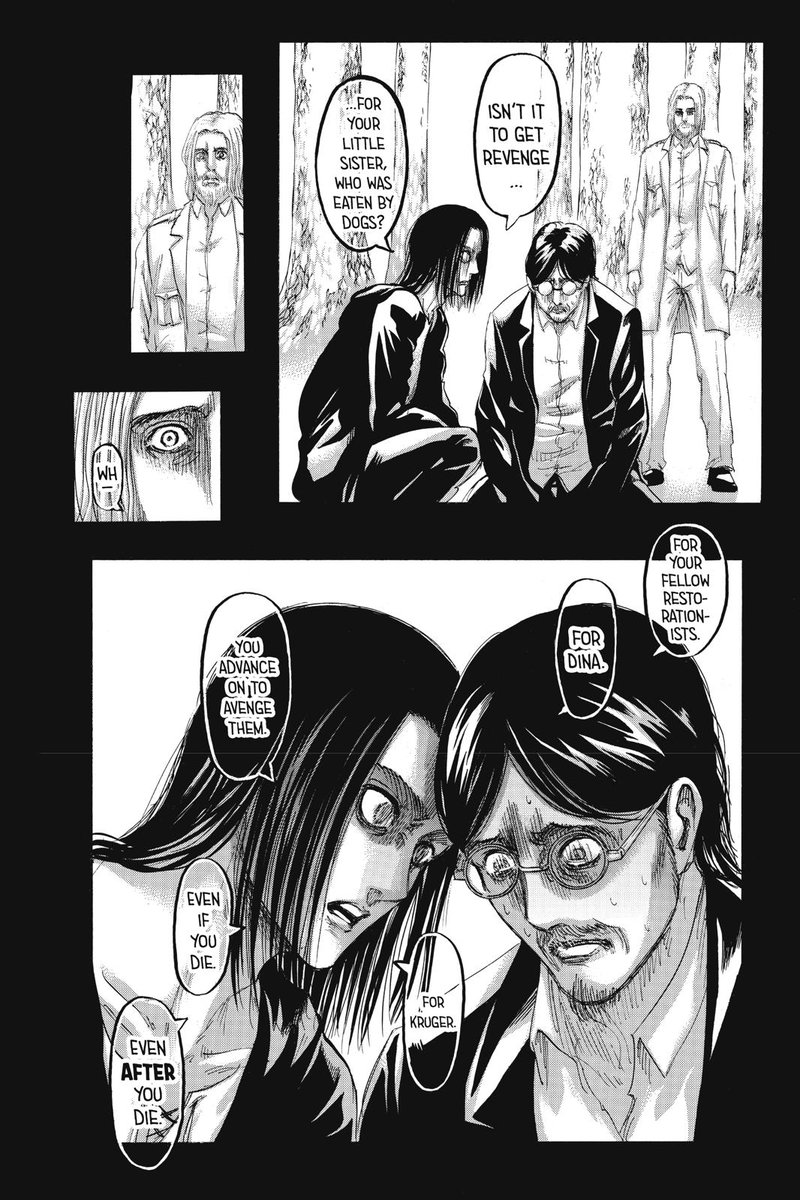
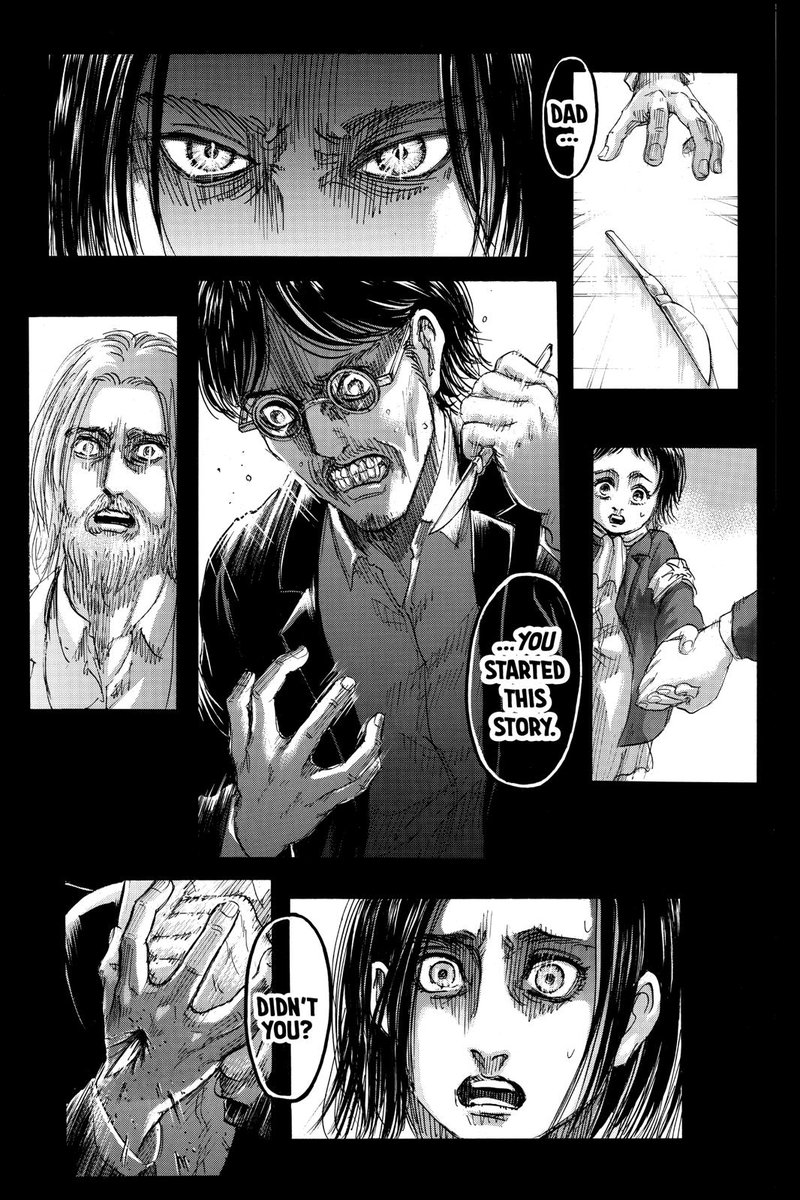
Anyway that's about it for this one, just wanted to get this out my system since I really enjoyed watching the special yesterday and just got reminded how much I adore Isayama's approach to this story
Loading suggestions...