
I just published "The Levels of Warfare, Part 3: Operational Art"
Was the "operational" really a new level of warfare? And did the Soviets invent it?
The answer is no. And it's Clausewitz' fault. Thread.
bazaarofwar.substack.com
Was the "operational" really a new level of warfare? And did the Soviets invent it?
The answer is no. And it's Clausewitz' fault. Thread.
bazaarofwar.substack.com
From its introduction into modern terminology in the 18th century through the 19th, "strategy" simply referred to the maneuvers of an army on campaign. There was rarely any hint that it had anything to do with the conduct of the entire war.
bazaarofwar.substack.com
bazaarofwar.substack.com
Clausewitz changed this when he defined strategy as “the use of the engagement for the object of the war."
This was a radical shift, elevating the concept far beyond the realm of the campaign. But even so, he continued to use "strategy" more in the older manner.
This was a radical shift, elevating the concept far beyond the realm of the campaign. But even so, he continued to use "strategy" more in the older manner.
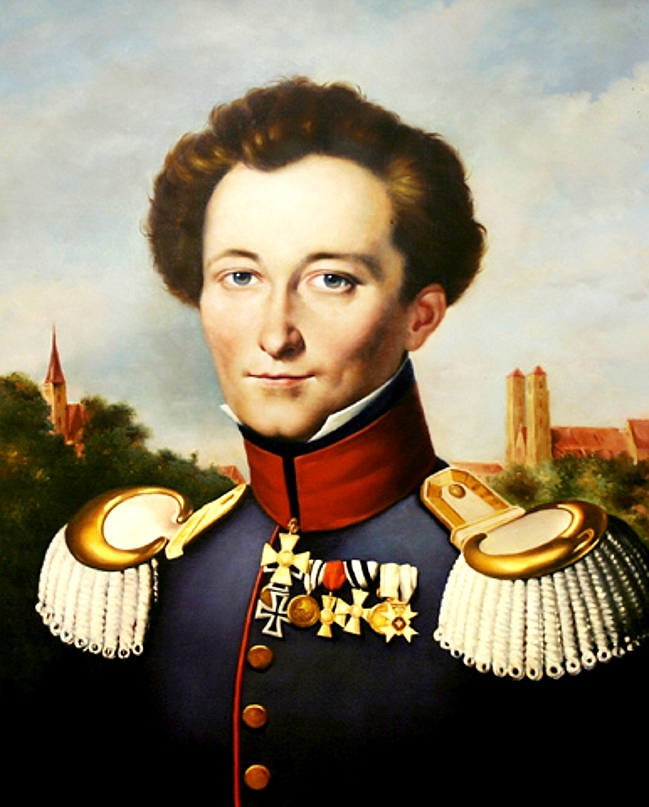
Eventually, however, the tension between these two definitions became too great. German officers began using the term "operational" to describe what had formerly been called strategy - the great maneuvers of an army on campaign.
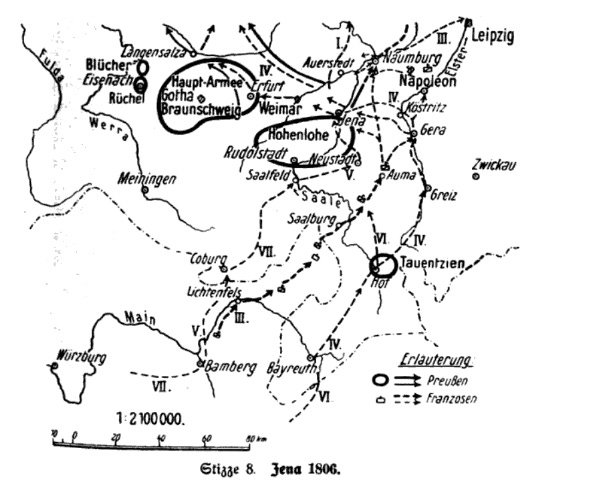
This distinction didn't matter for most of the 19th century, because most 19th century wars were largely fought as a single decisive campaign: Franco-Prussian, Austro-Prussian, Italian Wars of Independence, most of the Napoleonic Wars.
But World War I completely broke the old paradigm. Hugo von Freytag-Loringhoven, a general on the German General Staff, said the following after the war:
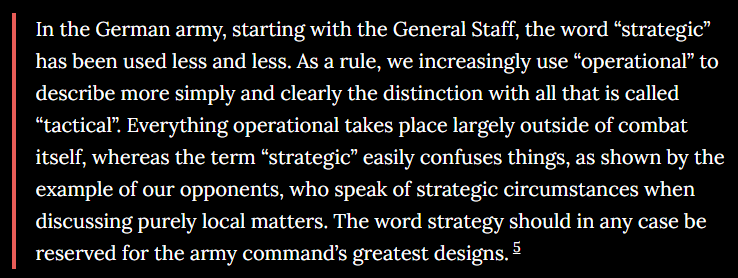
It is thus a complete myth that the "operational" level emerged as a response to the growing scale of warfare. Operations was the new name for strategy, which then got *promoted* to mean war planning....
...just as the 18th century elevated the ancient idea of strategy - which encompassed the battle AND campaign - to strictly mean the campaign.
bazaarofwar.substack.com
bazaarofwar.substack.com
So when the Soviets developed their own concept of "operational art", it was not the "operational" that was new, but the "art": the careful synchronization and sequencing of forces in a deliberate attack.
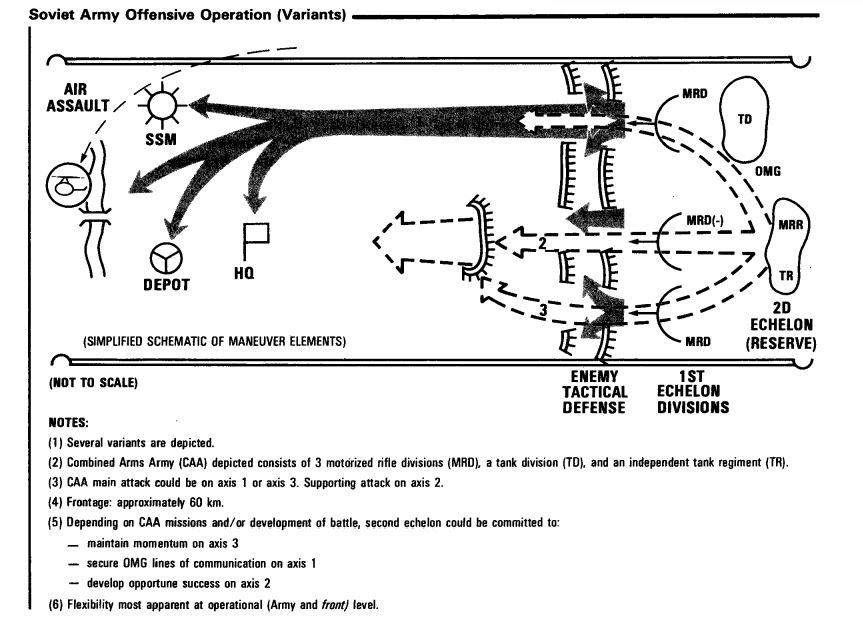
This shift in the meaning of words has caused a lot of confusion, especially when "operational" was adopted into English. It turned much of American doctrine into gobbledy-gook and caused endless pointless debates. This will be the subject of the final part in the series.
I've added a paid option if you want to support. A lot of research goes into these, and I'm trying to put out at least 2 a month. Either way, you can read the full piece here for free:
bazaarofwar.substack.com
bazaarofwar.substack.com
Loading suggestions...