

🧵regarding the CUT and COAG modes of the device commonly referred to as a 'Bovie' or 'diathermy'. Both of these are misnomers, but you know what I mean.
We will go over what CUT and COAG mean, the variations thereof, and assorted other topics.
(1/ )
We will go over what CUT and COAG mean, the variations thereof, and assorted other topics.
(1/ )

Before we get to that:
It's customary to hit the button just *before* the Bovie tip hits the tissue (L picture). We usually *don't* put the Bovie tip on the tissue and then hit the button (as in R picture).
(see the next page for more explanation of this)
It's customary to hit the button just *before* the Bovie tip hits the tissue (L picture). We usually *don't* put the Bovie tip on the tissue and then hit the button (as in R picture).
(see the next page for more explanation of this)
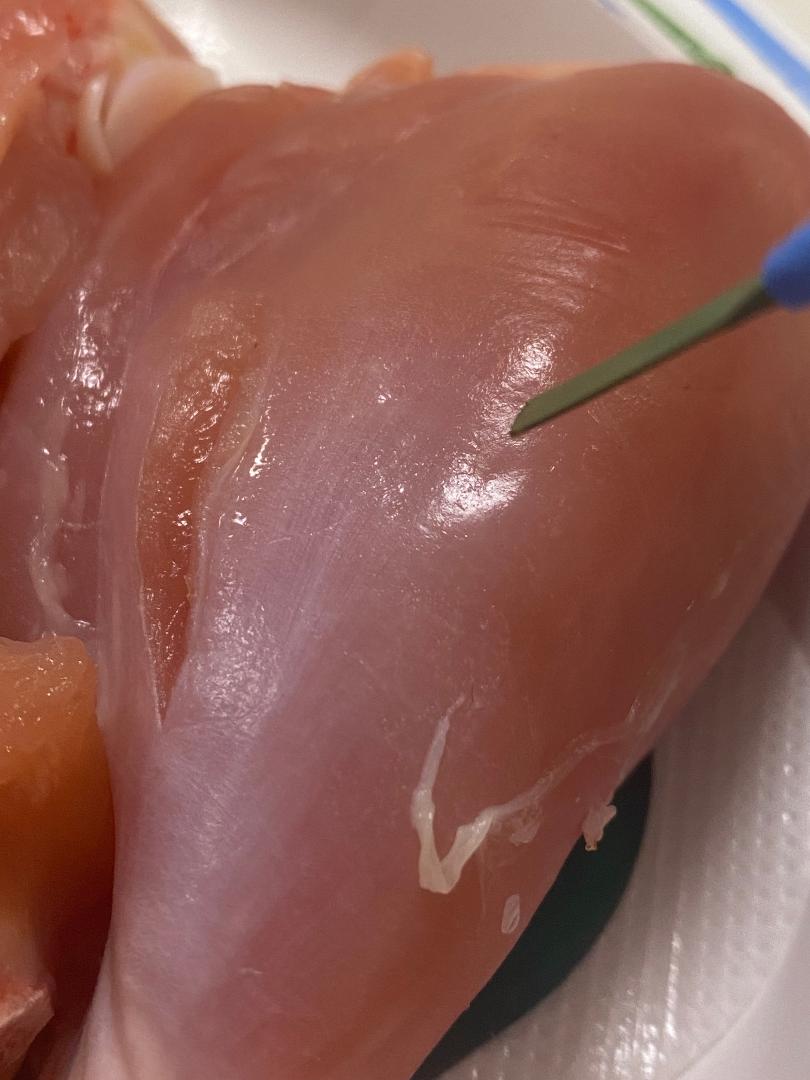
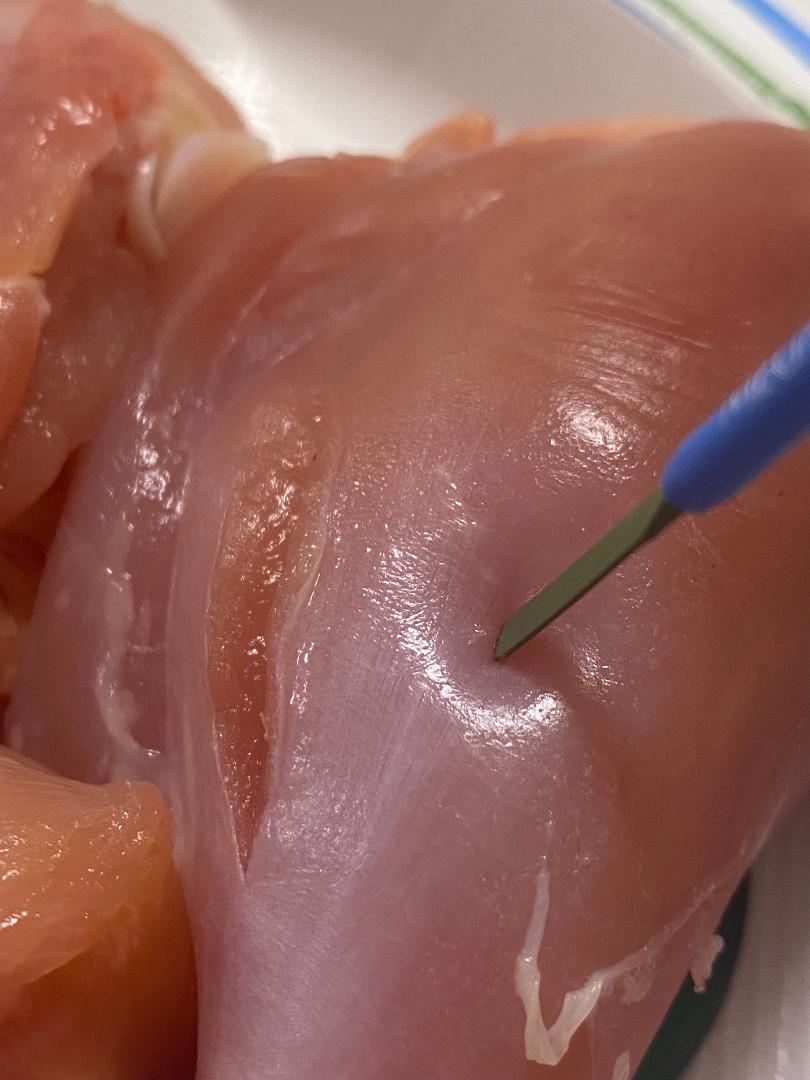
Here I hit the button just before contacting the tissue (sound on).
You hear the beep and then a split second later, you hear the 'sssskk...' of the tissue being burned.
This slight time difference helps your ears distinguish exactly when the tissue burning has started.
You hear the beep and then a split second later, you hear the 'sssskk...' of the tissue being burned.
This slight time difference helps your ears distinguish exactly when the tissue burning has started.

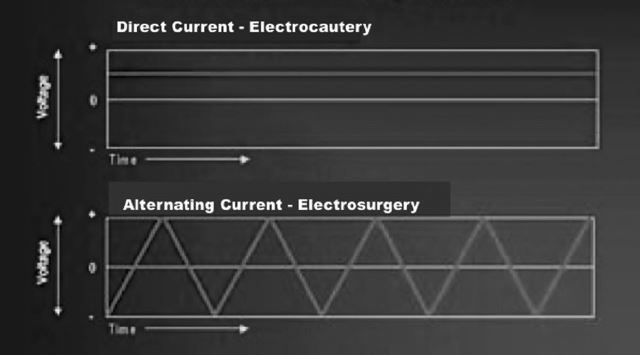
The Bovie uses alternating current (like an electrical outlet), rather than direct current (like a battery).
By adjusting the voltage and the duty cycle (the % of time the current is 'on'), the machine allows for the different 'modes'.
By adjusting the voltage and the duty cycle (the % of time the current is 'on'), the machine allows for the different 'modes'.
'Cut' and 'coag' are just names for predefined voltage and duty cycle settings.
In CUT mode, the voltage is lower, and the duty cycle is 100% - the current is always on.
In COAG mode, the voltage is higher, and the current is on less (depends on setting, but all are < 10%).
In CUT mode, the voltage is lower, and the duty cycle is 100% - the current is always on.
In COAG mode, the voltage is higher, and the current is on less (depends on setting, but all are < 10%).
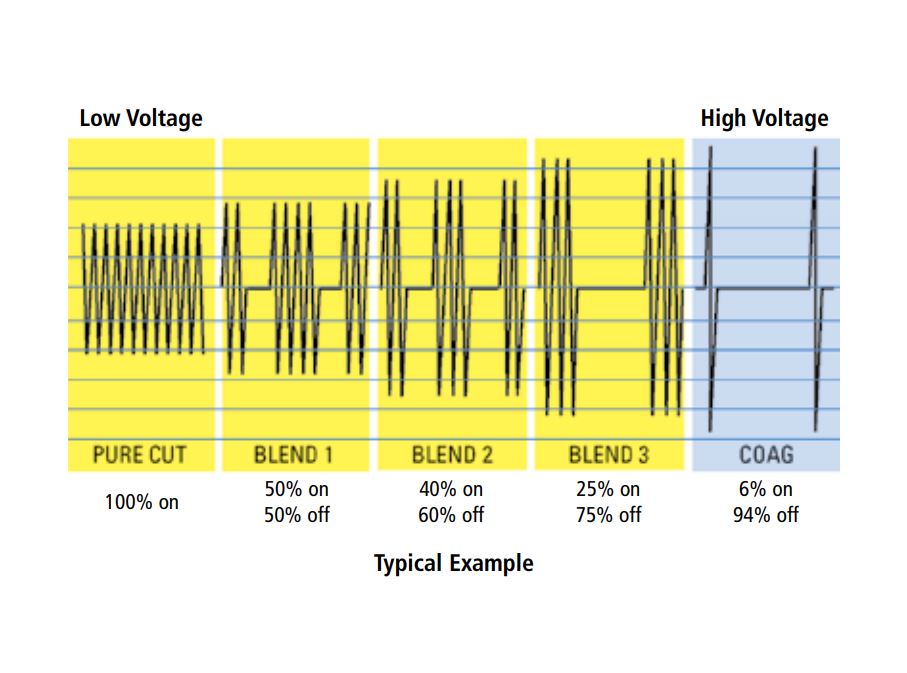
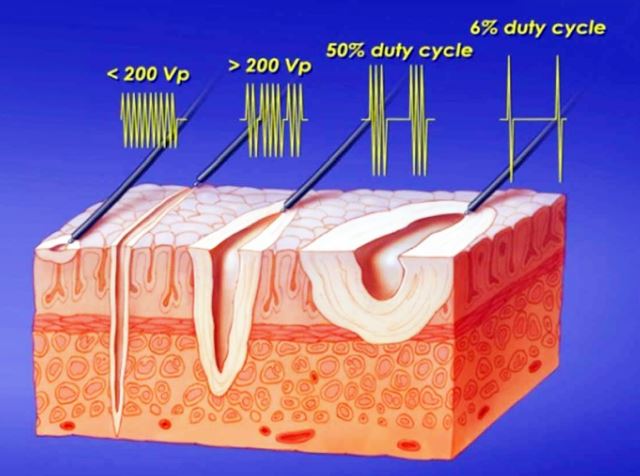
Here's a cartoon showing the effect of the modes (borrowed from Morris et al 2016, open access).
As we move from cut to blend to coag, the area of surrounding tissue coagulation and necrosis becomes larger. But we knew that. Now, let's see it in some chickens 🐔...
As we move from cut to blend to coag, the area of surrounding tissue coagulation and necrosis becomes larger. But we knew that. Now, let's see it in some chickens 🐔...
Here you can see that there is a clear difference between the modes.
The video shows 'coag' mode being used to cut the tissue right next to an incision where the 'cut' mode had been used. Clearly there is more burning and more necrosis of the surrounding tissue on 'coag' mode.
The video shows 'coag' mode being used to cut the tissue right next to an incision where the 'cut' mode had been used. Clearly there is more burning and more necrosis of the surrounding tissue on 'coag' mode.

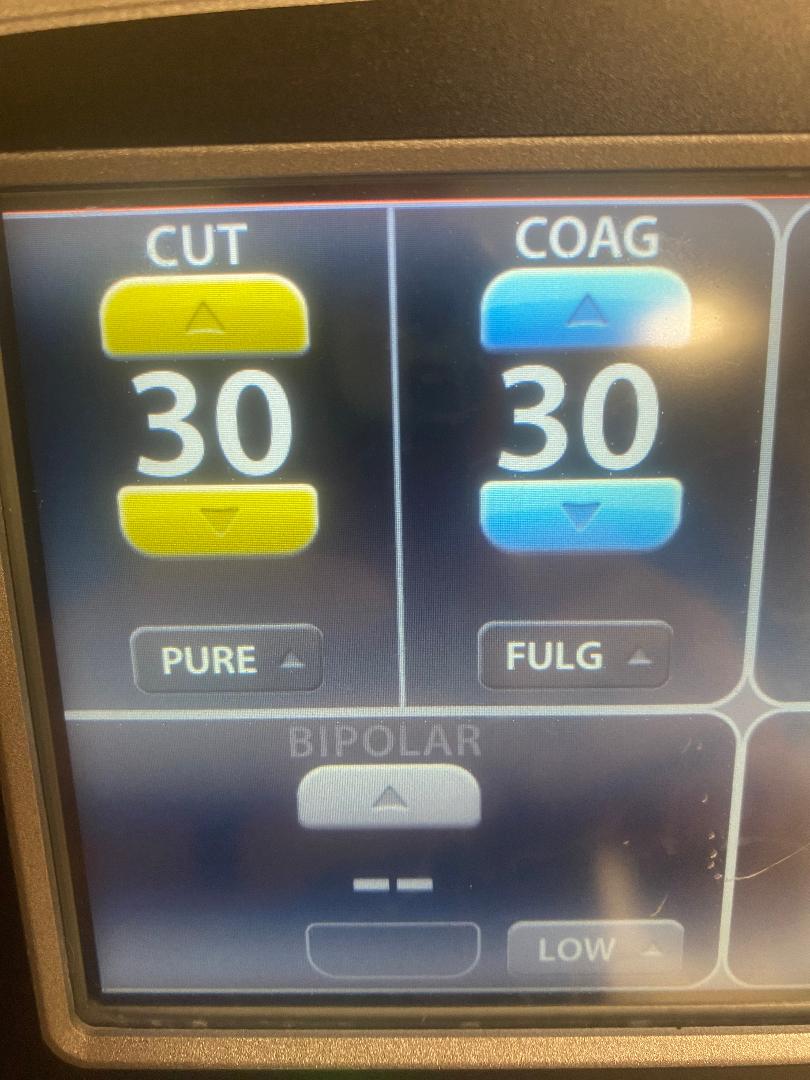
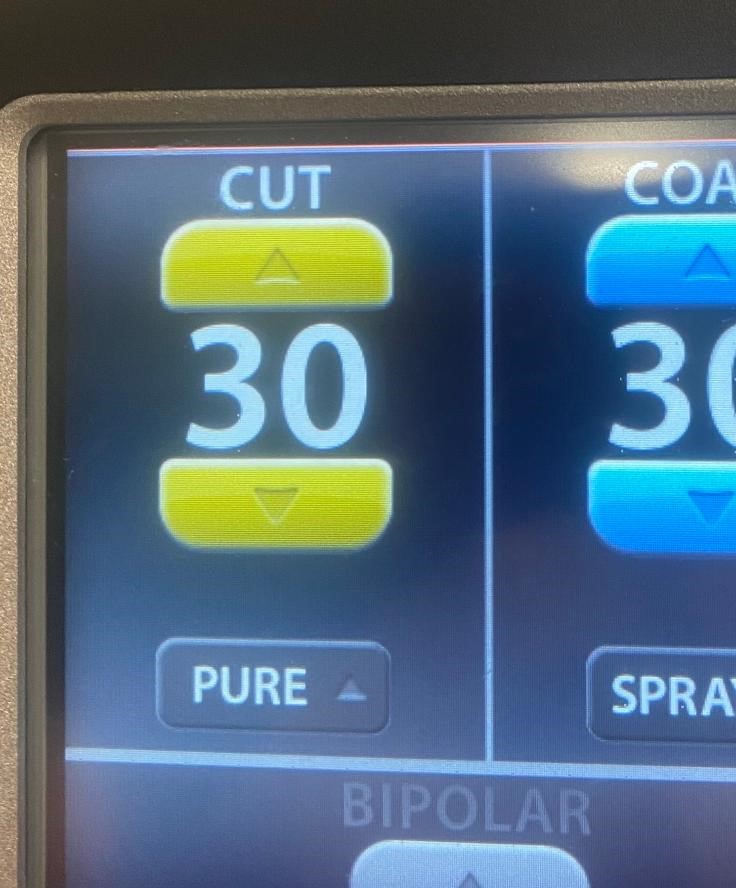
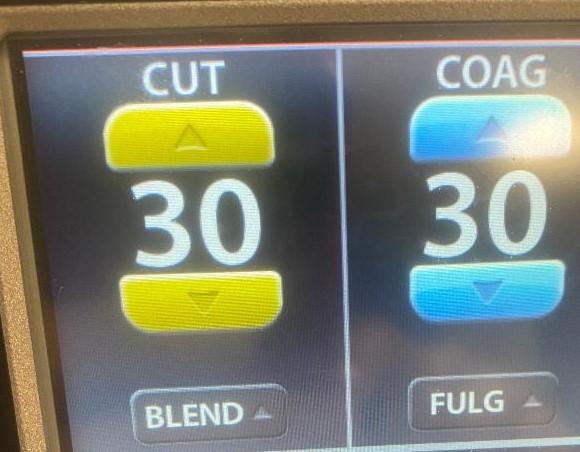
This is an example of a monitor from one of the Bovie machines (or 'energy platform' as it's called).
The default setting for 'cut' mode is called 'pure'. This is the mode we normally associate with the 'cut' mode.
If desired, we can switch to the 'blend' mode.
The default setting for 'cut' mode is called 'pure'. This is the mode we normally associate with the 'cut' mode.
If desired, we can switch to the 'blend' mode.
Here is the chicken tissue being divided with the Bovie on 'cut' at 30 watts.
There is enough heat generated that a thin zone of coagulated tissue is created in places, but it is fairly minimal.
There is enough heat generated that a thin zone of coagulated tissue is created in places, but it is fairly minimal.

When you turn the 'cut' power setting up, the tissue will of course cut faster.
There will also be an increased area of tissue damage surrounding the tissue that is actually divided.
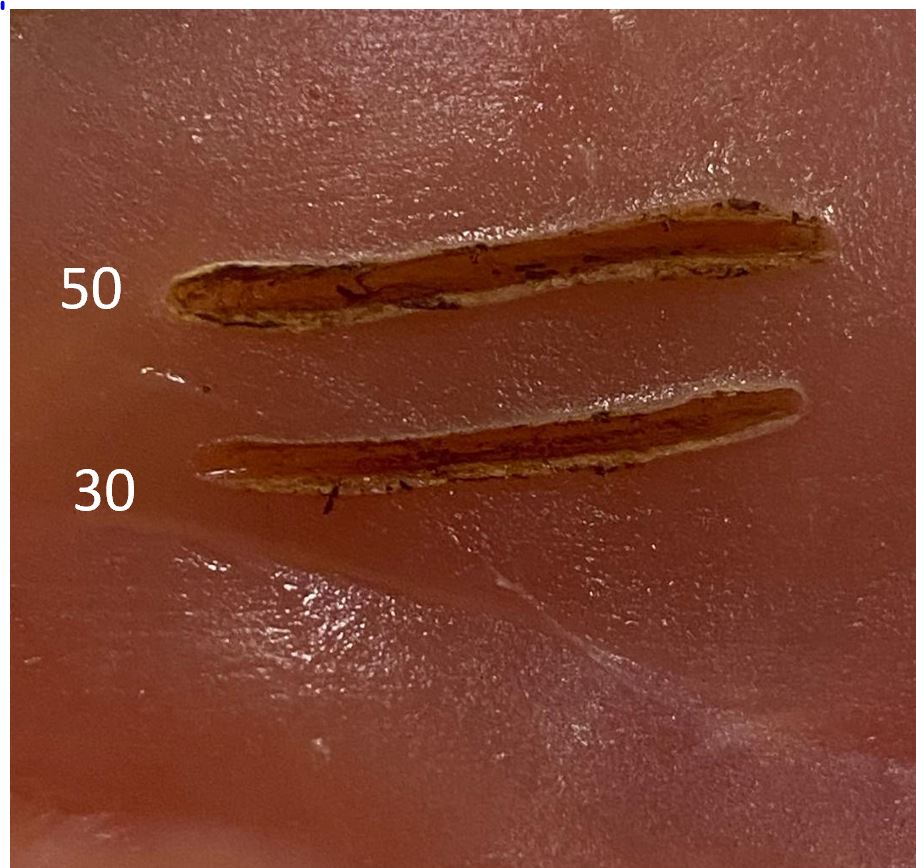
Here you can see similar incisions made with 'cut' at 50 versus 'cut' at 30.
There will also be an increased area of tissue damage surrounding the tissue that is actually divided.
Here you can see similar incisions made with 'cut' at 50 versus 'cut' at 30.
For fun, let's crank it up to 80 on 'cut' mode. The tissue practically explodes apart as the Bovie tip goes through it.
The only time I increase the settings this high is for a necrotizing fasciitis debridement, and even then I rarely go above 70 watts.
The only time I increase the settings this high is for a necrotizing fasciitis debridement, and even then I rarely go above 70 watts.

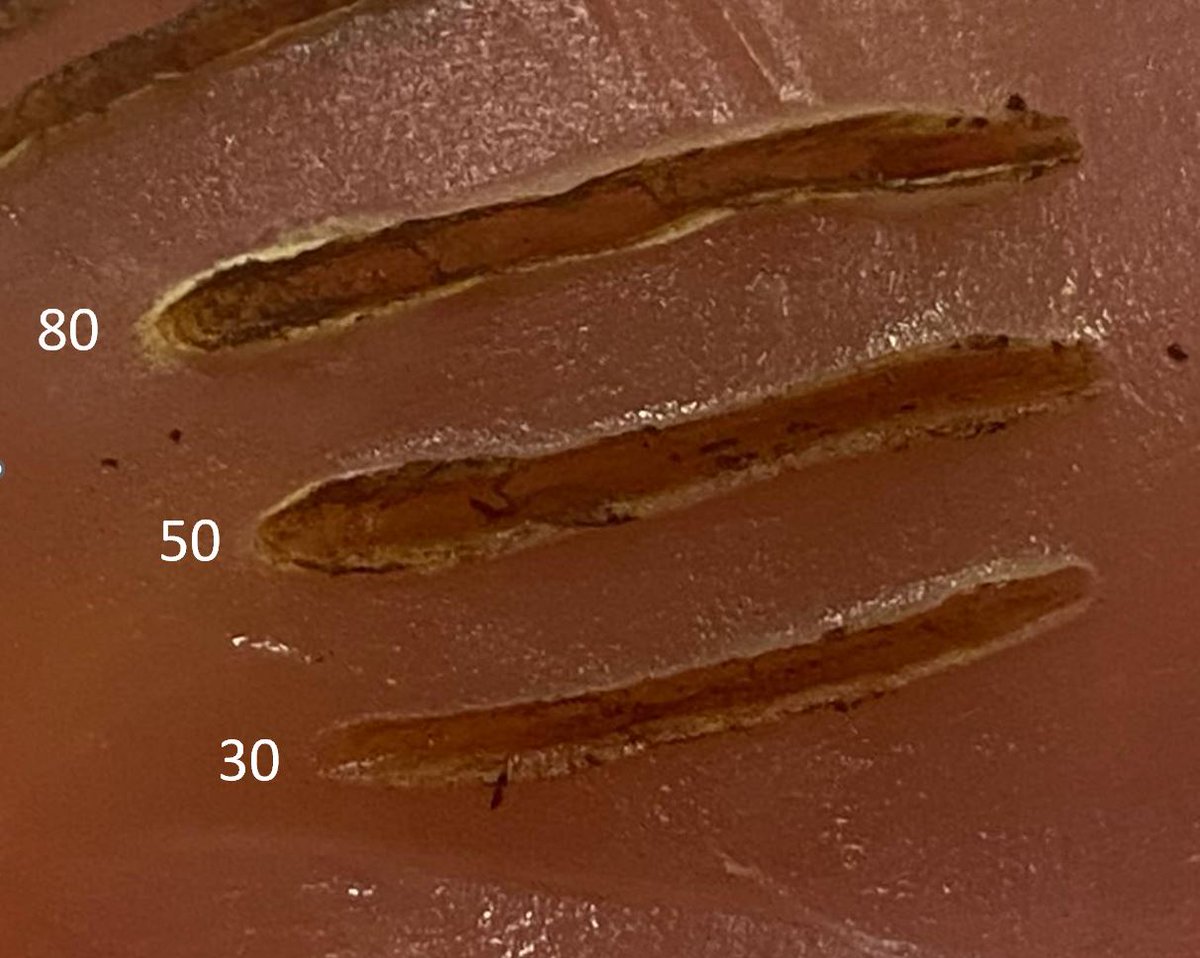
Here are some incisions made with the 'cut' setting at different power levels.
There is increased collateral damage at the higher settings, but it’s not as profound as one would think. Certainly the surrounding tissue damage at '80' is not almost 3x what is seen at '30'.
There is increased collateral damage at the higher settings, but it’s not as profound as one would think. Certainly the surrounding tissue damage at '80' is not almost 3x what is seen at '30'.
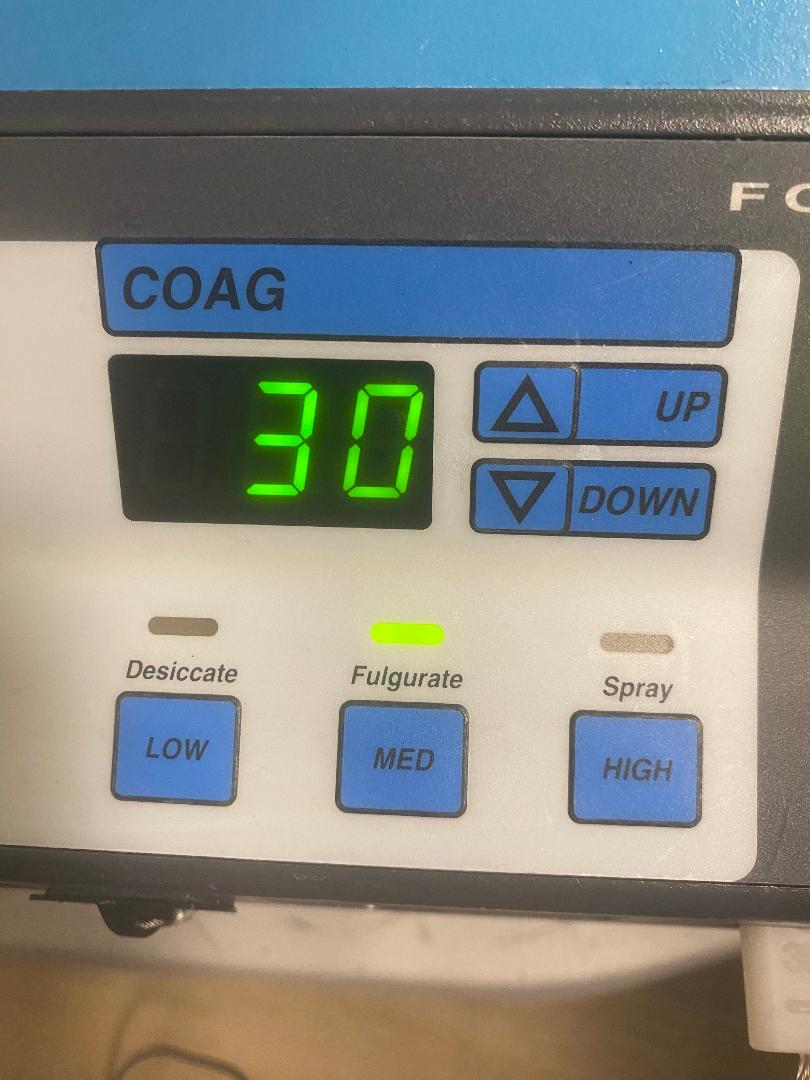
'Coag' mode also comes in 2-3 different forms. The default is the 'fulgurate' mode. Here we have it set to 30 watts.
There is usually also a 'spray' mode. There may also be a 'dessicate' mode, though not always.
There is usually also a 'spray' mode. There may also be a 'dessicate' mode, though not always.
Here is the 'coag' set on 'fulgurate' mode (at 30 watts). Again, this is the default mode on the machine. It will always be 'fulgurate' unless you pick something else.
There is the surrounding area of coagulation necrosis of the tissue that we are all accustomed to.
There is the surrounding area of coagulation necrosis of the tissue that we are all accustomed to.

Here, it is still on 'coag' and in the usual 'fulgurate' mode, but I've turned the power up to 50 watts.
It's hard to show on a video, but the tissue reaction and the 'sparking' are definitely greater, and the tissue burns faster. The collateral damage is a little higher.
It's hard to show on a video, but the tissue reaction and the 'sparking' are definitely greater, and the tissue burns faster. The collateral damage is a little higher.

This is the 'spray' mode on coag (voltage is increased to 9500 V, compared to fulgurate at 8500 V).
You can hear a metallic twang that was not present in the other modes (sound on).
'Spray' mode is designed to burn the tissue in a wider pattern, but more superficially.
You can hear a metallic twang that was not present in the other modes (sound on).
'Spray' mode is designed to burn the tissue in a wider pattern, but more superficially.

This is the coag 'dessicate' mode.
The voltage is much lower (3500 V) than the usual 'fulgurate' mode (8500 V). It is said to be suitable for laparoscopic and delicate tissue work. I don't have a suitable model, but it did take longer to burn the tissue on the chicken.
The voltage is much lower (3500 V) than the usual 'fulgurate' mode (8500 V). It is said to be suitable for laparoscopic and delicate tissue work. I don't have a suitable model, but it did take longer to burn the tissue on the chicken.

Going L to R, I have used the dessicate, fulgurate and spray modes. On the R photo, I have sectioned the tissue afterward to examine the depth.
I have to admit that the differences between modes was not as profound as I expected.
(of course, this is using dead 🐔tissue)
I have to admit that the differences between modes was not as profound as I expected.
(of course, this is using dead 🐔tissue)
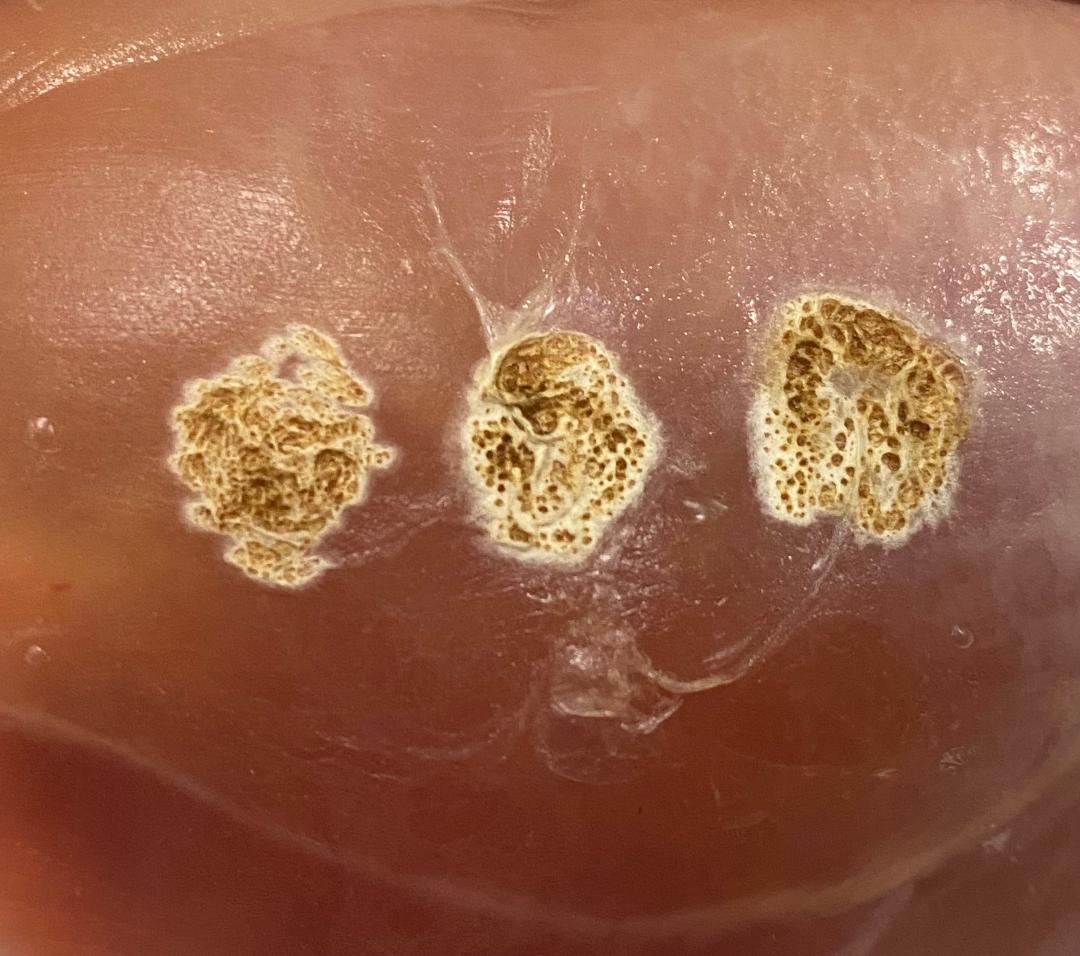
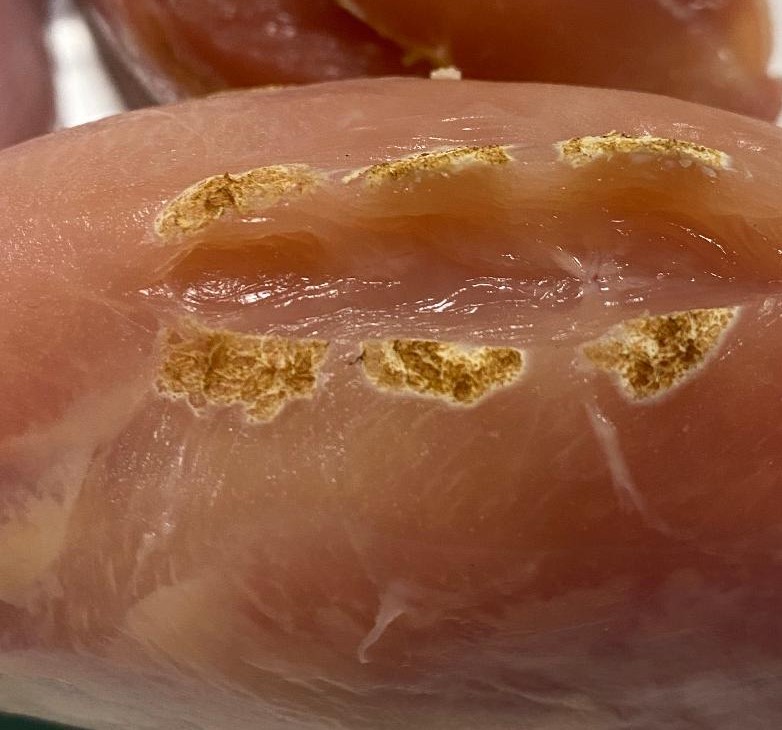
'Blend' mode may mean different things depending on the settings, and to be honest it's difficult to fully explore the concept in a thread.
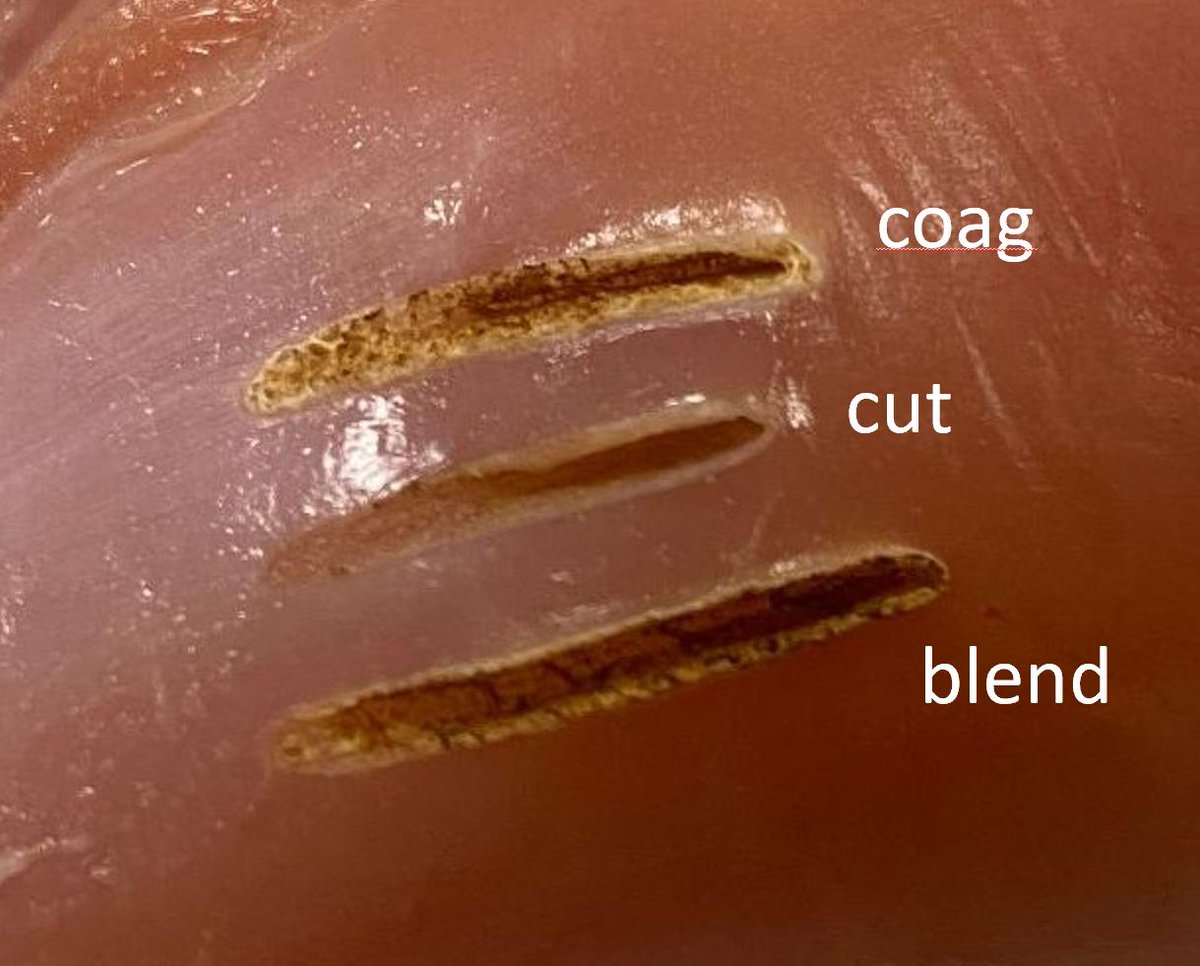
Here are 3 incisions made with the 3 modes using my machine. As expected, 'blend' has an intermediate effect.
Here are 3 incisions made with the 3 modes using my machine. As expected, 'blend' has an intermediate effect.
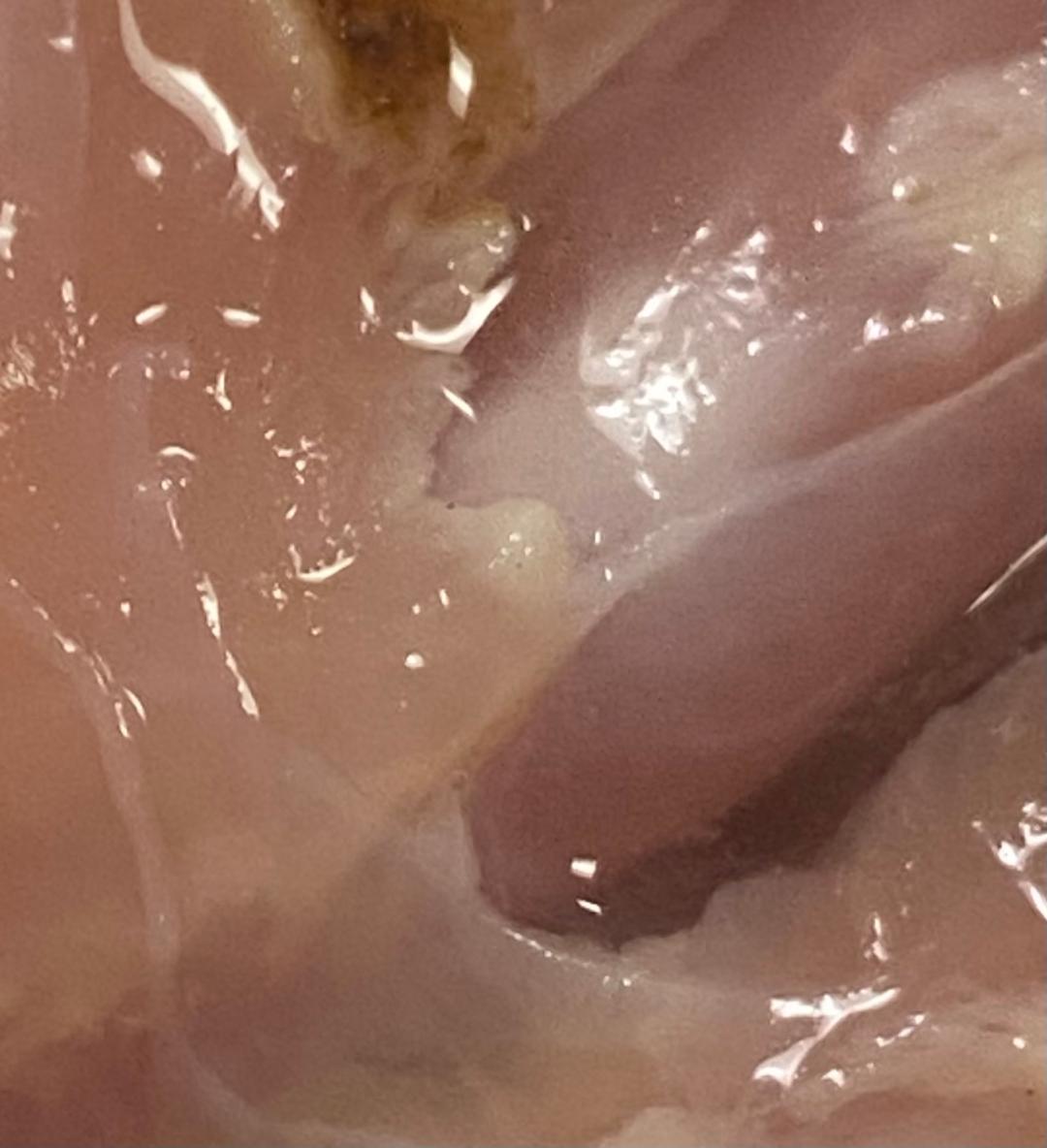
One thing to remember is that none of the modes will work if the field is too wet. Here I have added water to the field (can't use blood 🩸).
The liquid disperses the current, so that even if the Bovie tip contacts the tissue, it either will burn it minimally or not at all.
The liquid disperses the current, so that even if the Bovie tip contacts the tissue, it either will burn it minimally or not at all.

This is after removal of the water. The tissue has been affected, but minimally. There should have been a large area of char given the amount of time the Bovie was applied to it.
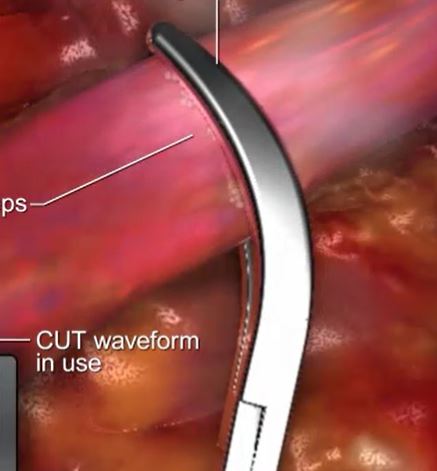
The SAGES FUSE course notes that use of the 'cut' mode leads to a more homogeneous and satisfactory seal of blood vessels, as compared to the 'coag' mode.
At present, I'm still trying to reconcile this. I think it may pertain most when small vessels are precisely grabbed.
At present, I'm still trying to reconcile this. I think it may pertain most when small vessels are precisely grabbed.
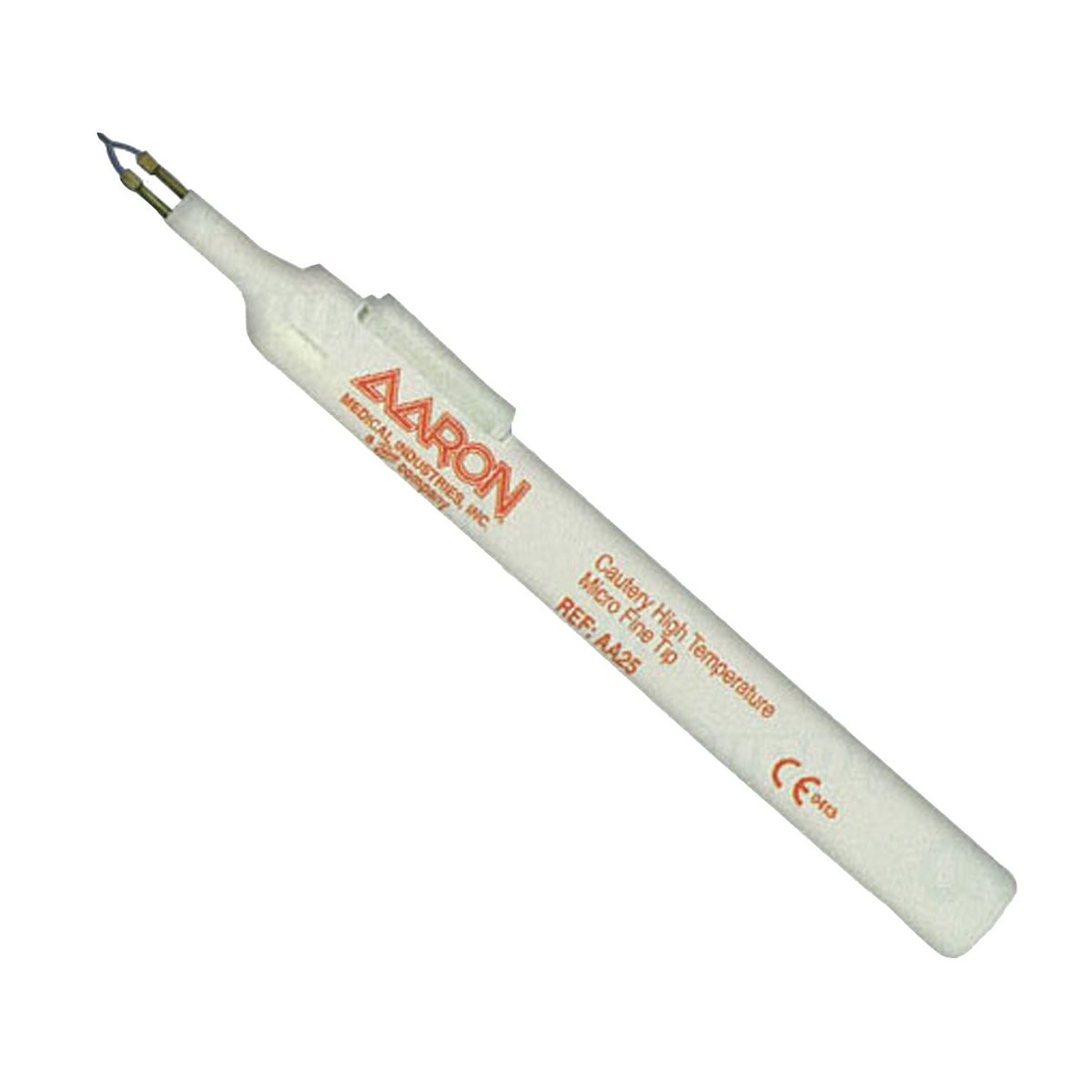
The term 'cautery' is a misnomer when applied to the use of an electrosurgical unit.
This is true 'cautery'. This is a disposable battery powered unit that heats the metallic tip, which then burns the tissue directly. It does not use alternating current.
(actual cautery)
This is true 'cautery'. This is a disposable battery powered unit that heats the metallic tip, which then burns the tissue directly. It does not use alternating current.
(actual cautery)
I mentioned this in the last Bovie🧵, but again the Fundamental Use of Surgical Energy, which is free to anyone, may be accessed on the SAGES website:
⬛️
sages.org
⬛️
sages.org
Addendum:
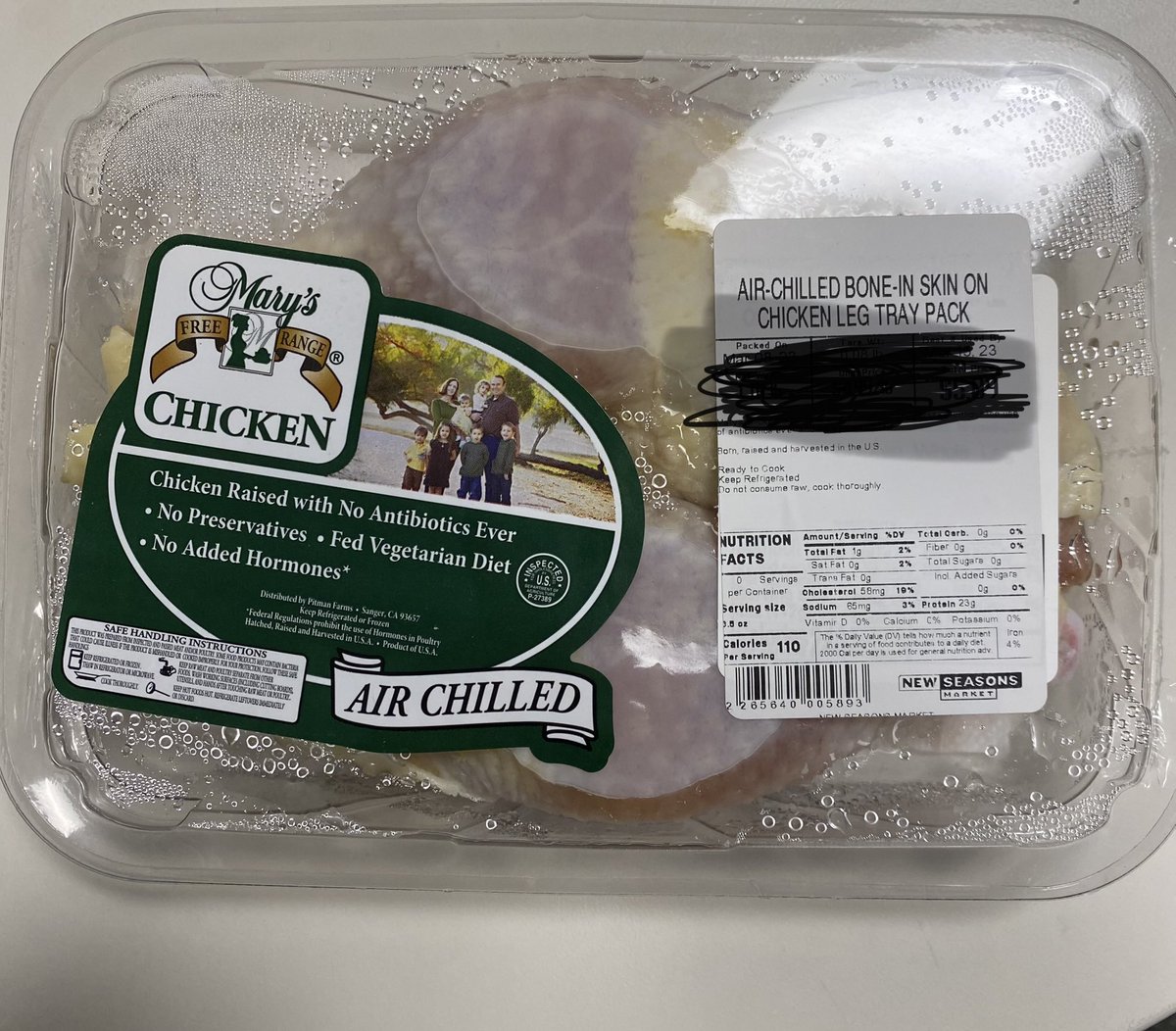
Chicken drumsticks were sourced from New Seasons Market in Beaverton, OR.
Accessed Mar 11, 2023.
With permission.
Chicken-identifying information has been removed to protect confidentiality.
Chicken drumsticks were sourced from New Seasons Market in Beaverton, OR.
Accessed Mar 11, 2023.
With permission.
Chicken-identifying information has been removed to protect confidentiality.
Loading suggestions...