

Mastering Modern JavaScript:
ES6, ES7 and Beyond [Part 1]:
ES6, ES7 and Beyond [Part 1]:
Introduction to Modern JavaScript: ES6, ES7 and Beyond
JavaScript has come a long way since its inception.
With the introduction of new versions of ECMAScript (ES) standards, JavaScript has evolved and improved, offering new features, syntax, and optimizations.
With the introduction of new versions of ECMAScript (ES) standards, JavaScript has evolved and improved, offering new features, syntax, and optimizations.
This thread will help you master modern JavaScript by covering the essentials of ES6, ES7, and beyond.
ES6 (ECMAScript 2015) Features
1. Let and Const
let and const are new ways to declare variables in JavaScript.
let is used when the variable’s value can change, while const is used when the value should remain constant.
1. Let and Const
let and const are new ways to declare variables in JavaScript.
let is used when the variable’s value can change, while const is used when the value should remain constant.

2. Arrow Functions
Arrow functions provide a shorter syntax for declaring functions in JavaScript. They also have a lexical this, meaning that they don’t create their own this context.
Arrow functions provide a shorter syntax for declaring functions in JavaScript. They also have a lexical this, meaning that they don’t create their own this context.

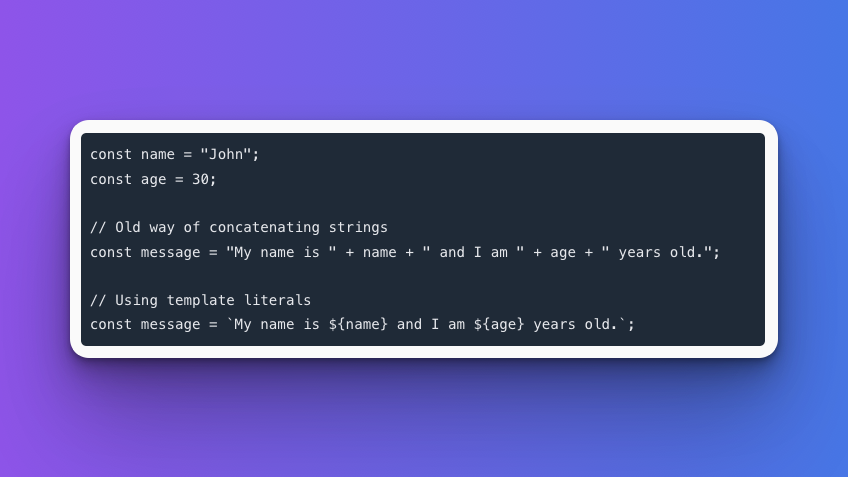
3. Template Literals
Template literals make it easy to create strings with embedded expressions, using backticks (`) and ${expression} syntax.
Template literals make it easy to create strings with embedded expressions, using backticks (`) and ${expression} syntax.
4. Destructuring
Destructuring allows you to extract values from arrays or properties from objects into distinct variables.
Destructuring allows you to extract values from arrays or properties from objects into distinct variables.

5. Default Parameters
Default parameters allow you to set default values for function parameters.
Default parameters allow you to set default values for function parameters.

6. Rest and Spread Operators
The rest operator (...) allows you to represent an indefinite number of elements as an array.
The spread operator is used to expand elements from an iterable.
The rest operator (...) allows you to represent an indefinite number of elements as an array.
The spread operator is used to expand elements from an iterable.

ES7 (ECMAScript 2016) Features
1. Array.prototype.includes()
The includes() method checks if an array contains a specified value, returning true if it does and false otherwise.
The includes() method checks if an array contains a specified value, returning true if it does and false otherwise.

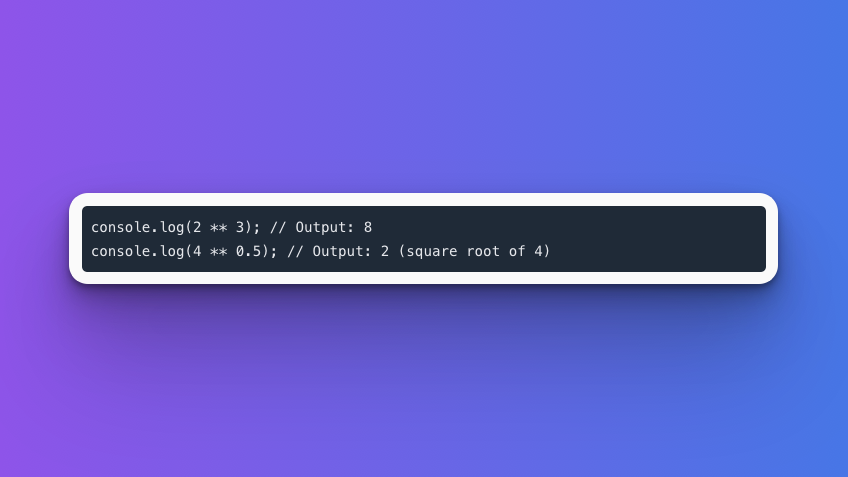
2. Exponentiation Operator
The exponentiation operator (**) is a shorthand for performing exponentiation.
The exponentiation operator (**) is a shorthand for performing exponentiation.
ES8 (ECMAScript 2017) Features
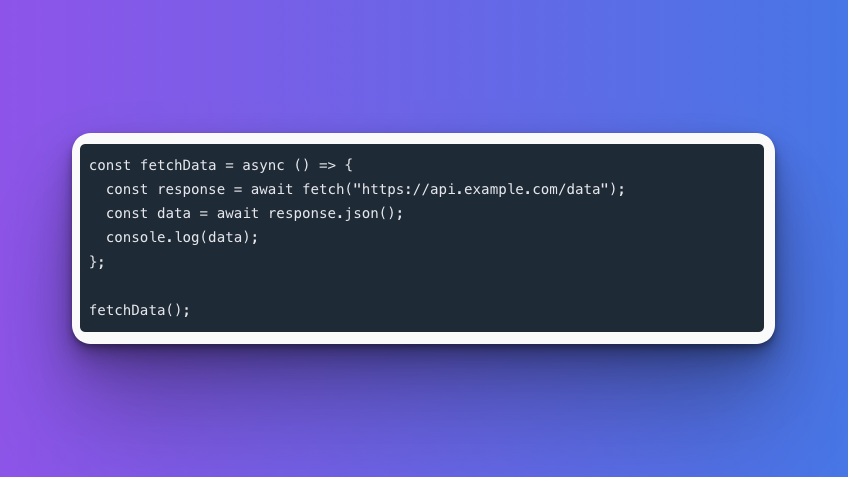
1. Async/Await
async and await make it easier to work with promises in JavaScript, allowing you to write asynchronous code in a more synchronous manner.
async and await make it easier to work with promises in JavaScript, allowing you to write asynchronous code in a more synchronous manner.
2. Object.entries() and Object.values()
Object.entries() and Object.values() are methods that return an array of an object’s key-value pairs and an array of an object’s values, respectively.
Object.entries() and Object.values() are methods that return an array of an object’s key-value pairs and an array of an object’s values, respectively.

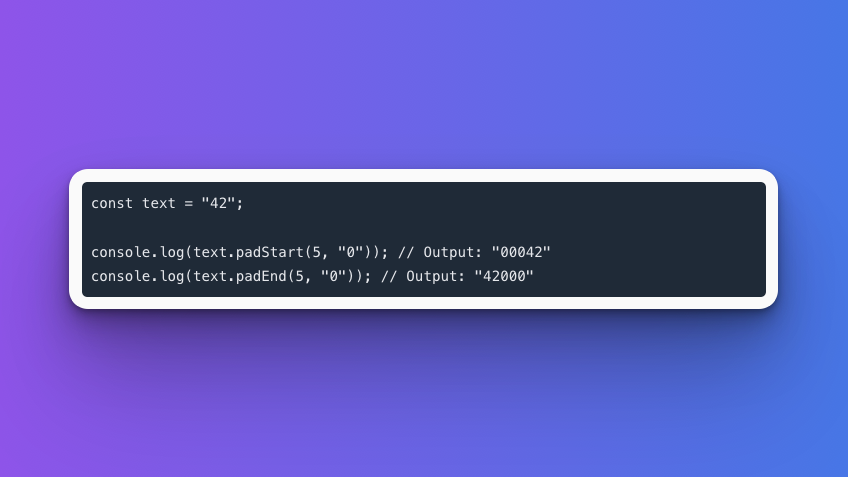
3. String Padding
padStart() and padEnd() are string methods that pad the beginning or end of a string with a specified character.
padStart() and padEnd() are string methods that pad the beginning or end of a string with a specified character.
ES9 (ECMAScript 2018) Features
1. Rest/Spread Properties for Objects
Rest and spread properties can be used with objects, just like with arrays.
Rest and spread properties can be used with objects, just like with arrays.

2. Asynchronous Iteration
Asynchronous iterators allow you to iterate over asynchronous data sources, such as read streams.
Asynchronous iterators allow you to iterate over asynchronous data sources, such as read streams.

3. Promise.prototype.finally()
The finally() method is called when a promise is settled (either fulfilled or rejected), allowing you to run cleanup code regardless of the outcome.
The finally() method is called when a promise is settled (either fulfilled or rejected), allowing you to run cleanup code regardless of the outcome.
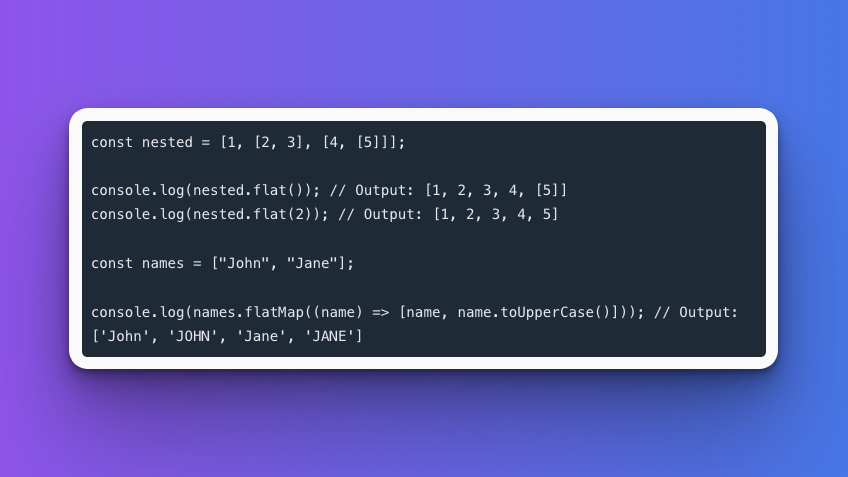
Part 2 coming tomorrow!
That's a wrap!
If you enjoyed this thread:
1. Follow us @codedamncom for more of these.
2. Retweet the first tweet above to share with your friends.
If you enjoyed this thread:
1. Follow us @codedamncom for more of these.
2. Retweet the first tweet above to share with your friends.
Loading suggestions...