

Facebook killed my startup.
I lost $100M and had to let go 100 employees.
One of the darkest periods of my startup journey.
what happened...🧵
I lost $100M and had to let go 100 employees.
One of the darkest periods of my startup journey.
what happened...🧵
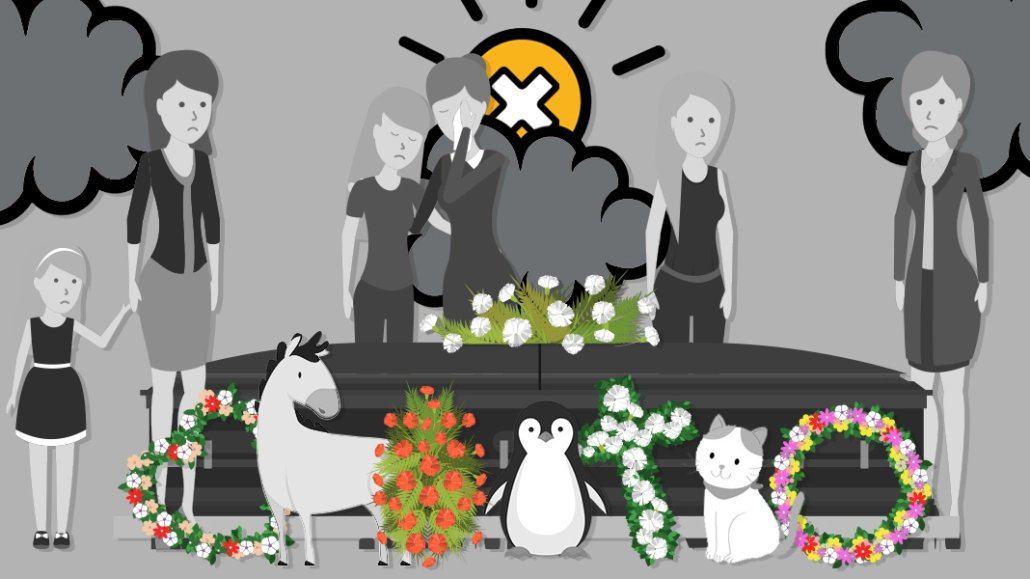
In 2014, I started LittleThings, a feel-good entertainment company.
By 2018, it was thriving.
- On track to make $75m+ year
- Employed 110 creative talents
- Had a promising OTT/Roku streaming channel
Heck, we even outpaced Buzzfeed, ABC, CNN, HuffPo, and Fox!
By 2018, it was thriving.
- On track to make $75m+ year
- Employed 110 creative talents
- Had a promising OTT/Roku streaming channel
Heck, we even outpaced Buzzfeed, ABC, CNN, HuffPo, and Fox!

Like Icarus flying too close to the sun, we were proud of our achievements:
• 20M social media followers
• 40M comScore monthly uniques
• 15M live programming views
• 900M video views
• 20M social media followers
• 40M comScore monthly uniques
• 15M live programming views
• 900M video views

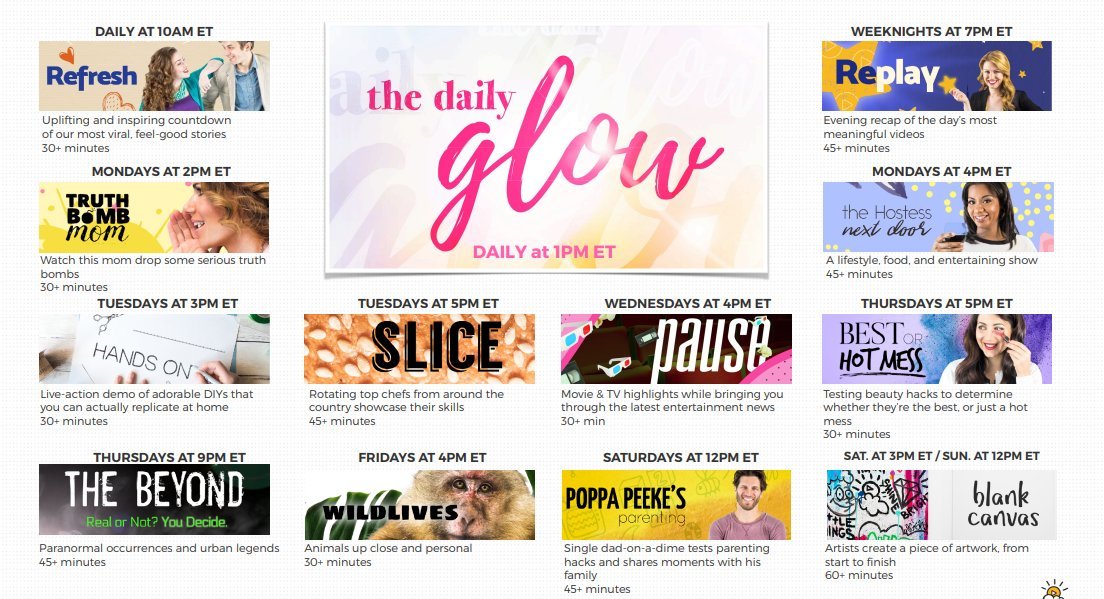
Our live shows included 4+ hours a day of original unique content.
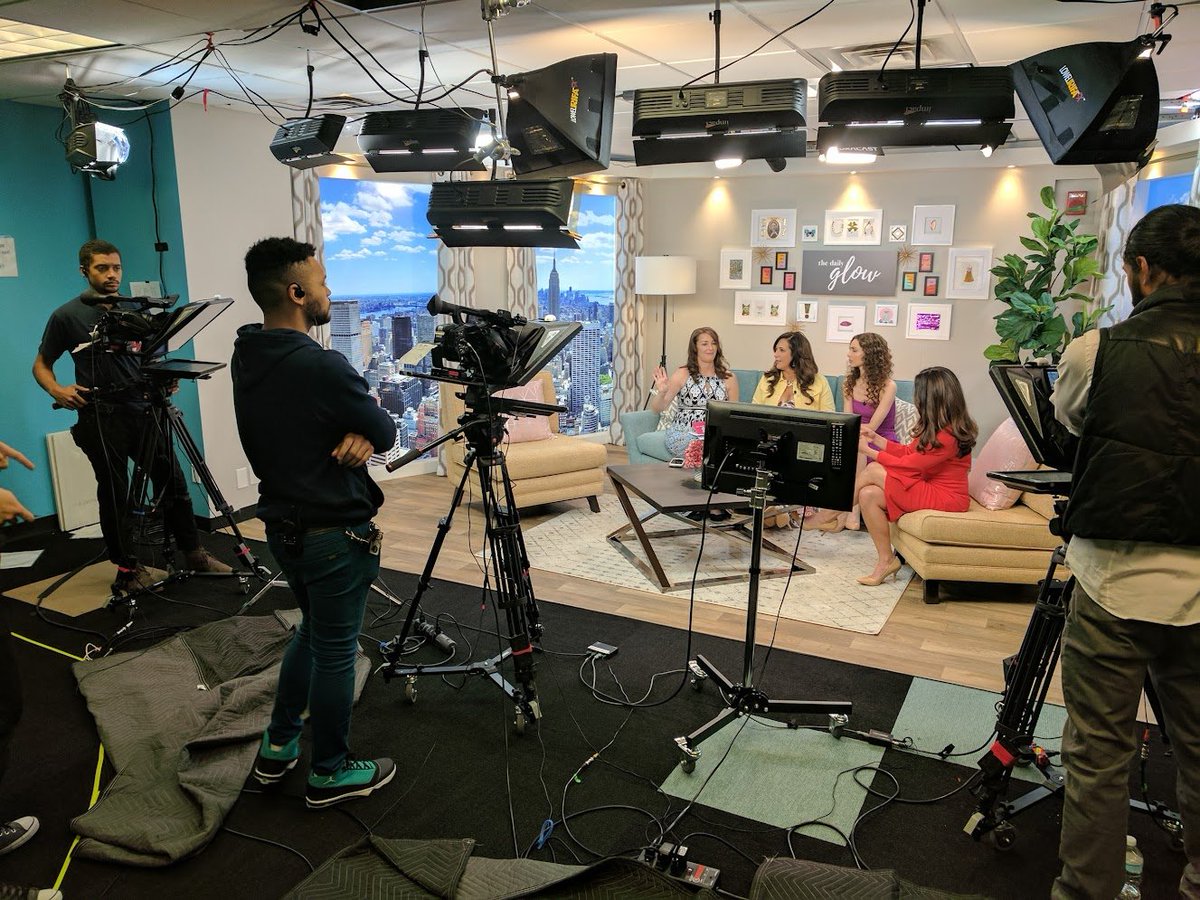
We did shows every day of the week and catered to movie-buffs, makeup fanatics and regular housewives.
EVERYONE!
EVERYONE!
But in Feb 2018, it all came down like a game of Jenga.
As we were heavily dependent on Facebook for growth.
As we were heavily dependent on Facebook for growth.
At LittleThings, we harnessed Facebook’s newsfeed with feel-good articles, videos, and stories.
We did it better than anybody else.
Facebook even profiled us at their conference on the topic 'How to Build a Media Company"
Everything was good, no, great.
We did it better than anybody else.
Facebook even profiled us at their conference on the topic 'How to Build a Media Company"
Everything was good, no, great.
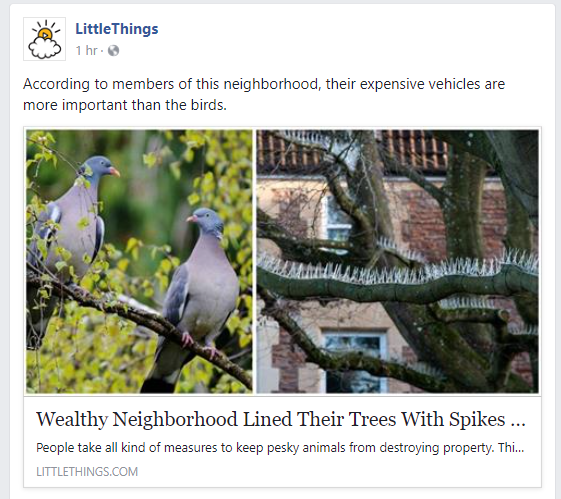
But one day, things turned for the worse.
Zuckerberg decided that Facebook should prioritize real-hard hitting news and thought-provoking op-eds.
His vision was to make Facebook the go-to place for legit news, not just for fam updates and viral memes.
Zuckerberg decided that Facebook should prioritize real-hard hitting news and thought-provoking op-eds.
His vision was to make Facebook the go-to place for legit news, not just for fam updates and viral memes.
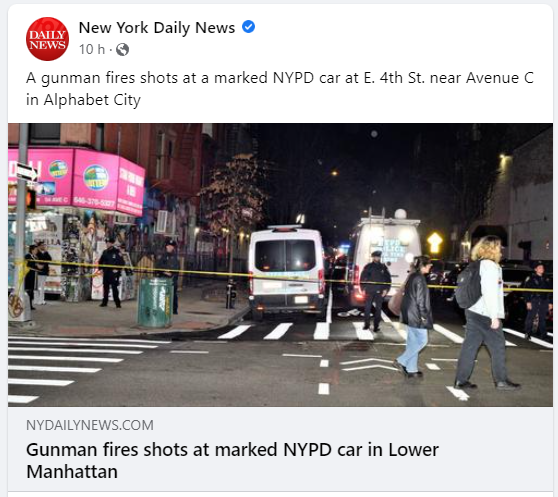
Some friends at Facebook revealed that Zuck wasn't a fan of our fluffy content.
He craved serious news and for Facebook to be a credible source.
No more cute pet videos, no more games.
He craved serious news and for Facebook to be a credible source.
No more cute pet videos, no more games.
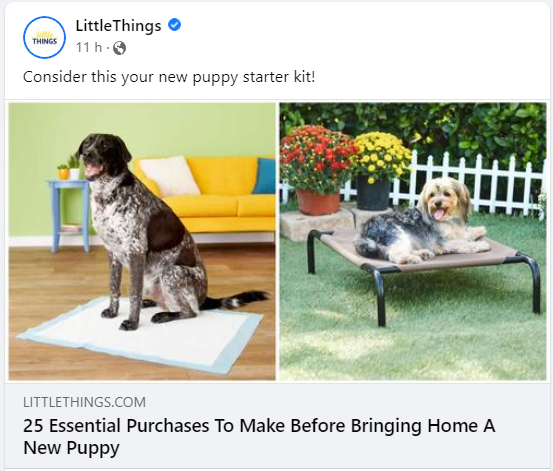
He wanted users to turn to Facebook for real-time updates on current affairs, trends, original news, etc.
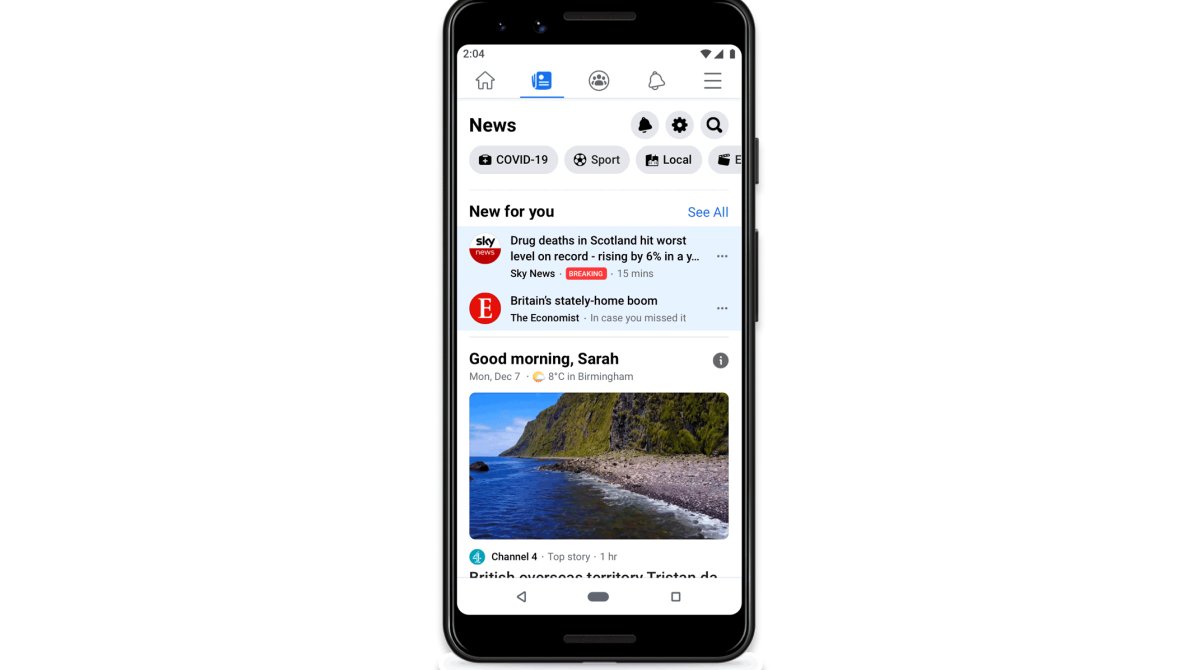
We lost 90% of our organic Facebook traffic overnight.
We were told to pay for ads if we wanted our traffic back.
But paid ads had a razor thin margin compared to organic.
We were told to pay for ads if we wanted our traffic back.
But paid ads had a razor thin margin compared to organic.
We were screwed. Without organic traffic to fund our team, lease, and studios we couldn't keep operating.
It was like a death sentence, especially since we were about to close a $100m deal with a large media conglomerate.
It was like a death sentence, especially since we were about to close a $100m deal with a large media conglomerate.
The buyer got spooked by this abrupt shift (rightfully so), and we had to settle for a fire sale offer.
This was hands down the hardest part of my startup journey.
It was a depressing period in my life.
And it wasn't just us that took a hit from this.
This was hands down the hardest part of my startup journey.
It was a depressing period in my life.
And it wasn't just us that took a hit from this.
Zynga, a video game developer, became a hit with Facebook games like FarmVille and Words With Friends.
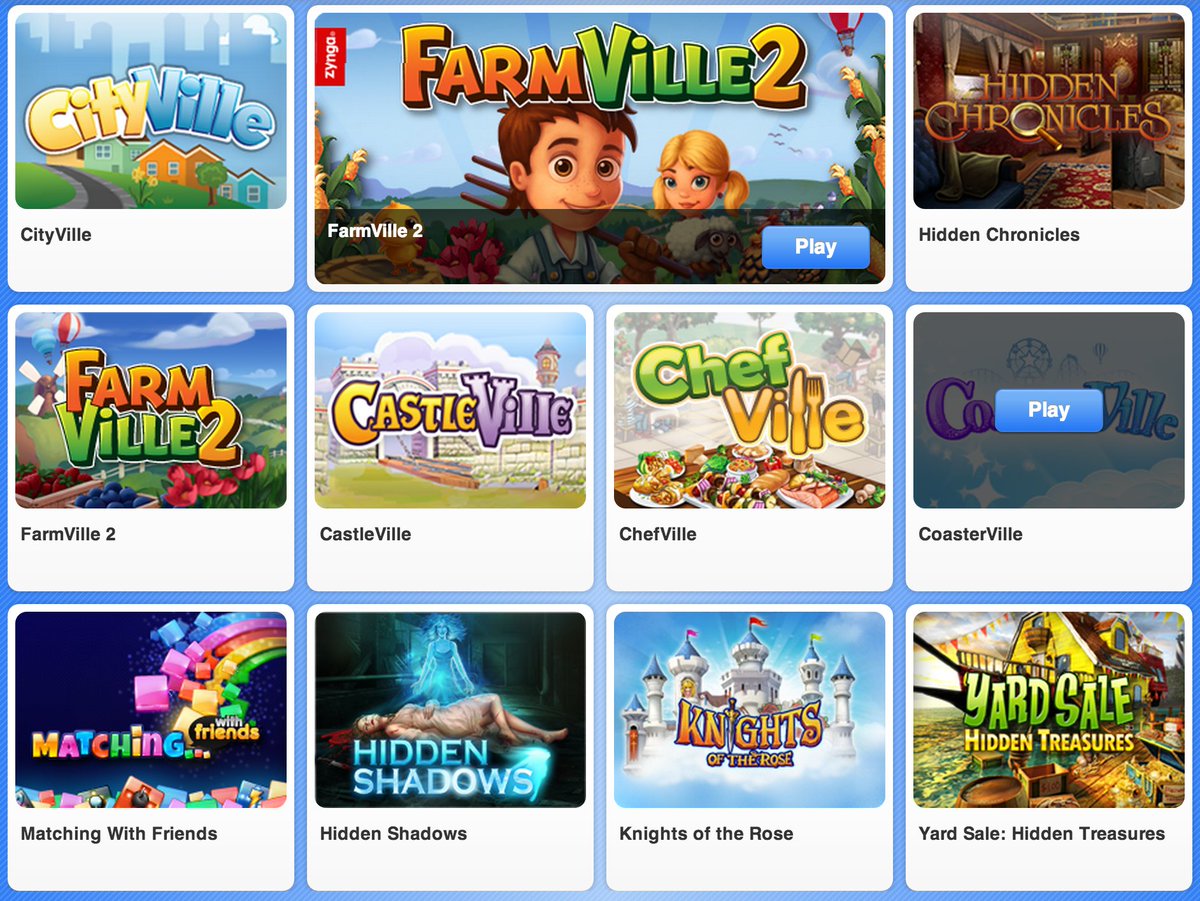
When Facebook started prioritizing mobile ads more, Zynga hit a roadblock.
They were left vulnerable to policy and algorithm changes because they put all their eggs in one basket.
They were left vulnerable to policy and algorithm changes because they put all their eggs in one basket.
Now here's the thing:
All the major platforms pull these out-of-nowhere moves.
and the impact hits small startups, small biz, and creators alike.
All the major platforms pull these out-of-nowhere moves.
and the impact hits small startups, small biz, and creators alike.
But Facebook isn't the only one.
Twitter, YouTube, LinkedIn, Snapchat - all have done it.
Twitter, YouTube, LinkedIn, Snapchat - all have done it.
In 2015, Twitter started experimenting with non-chronological timelines.
A big problem for brands and influencers who lived off Twitter.
It made it way harder to reach followers and upped the ante to produce "relevant" content for Twitter's algorithm.
A big problem for brands and influencers who lived off Twitter.
It made it way harder to reach followers and upped the ante to produce "relevant" content for Twitter's algorithm.
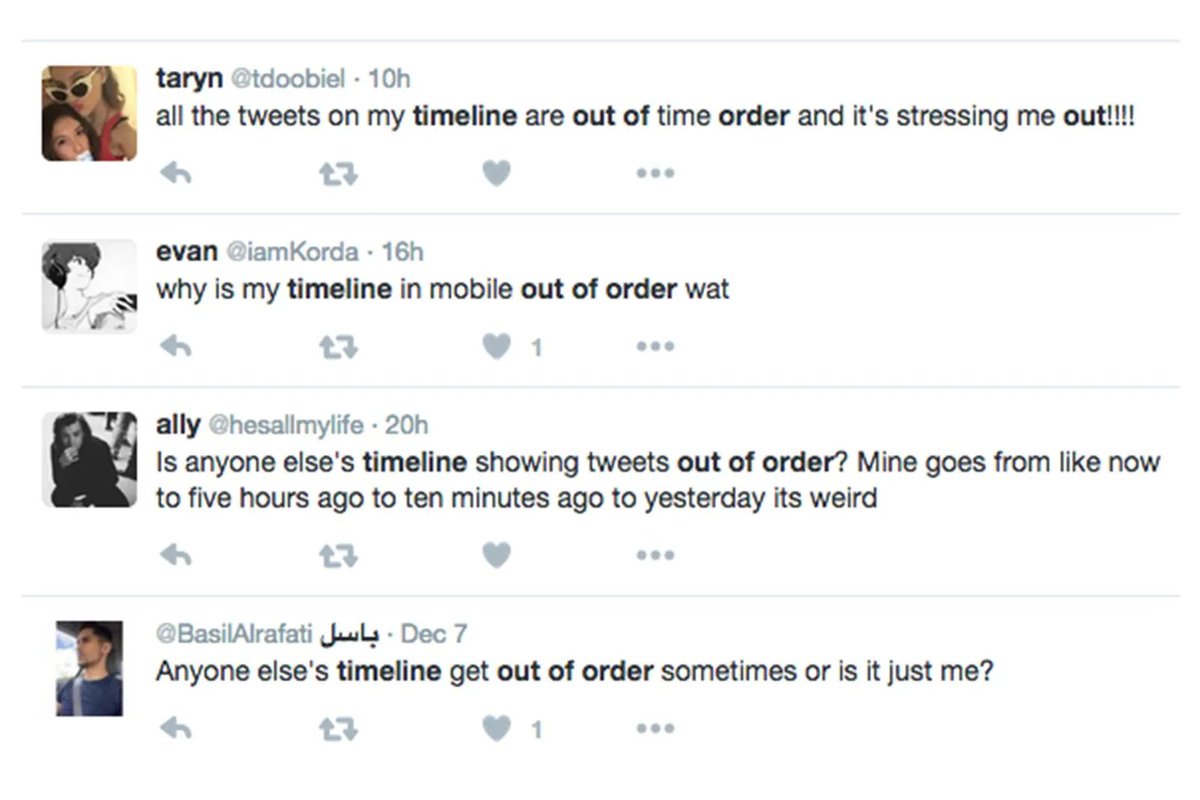
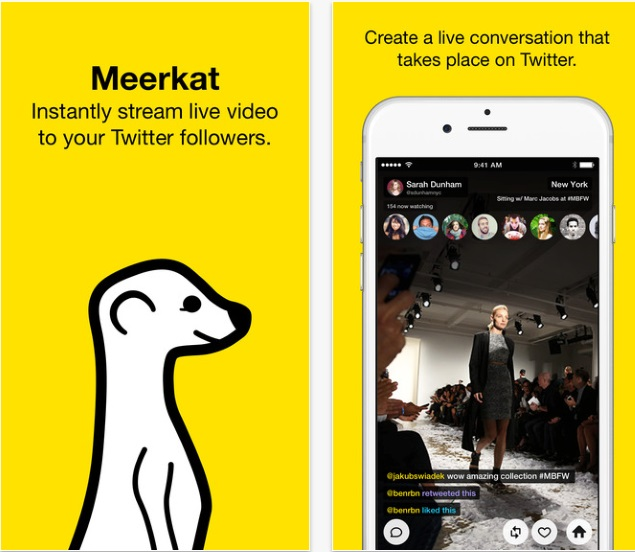
This change led to the downfall of Meerkat, a live-streaming platform that heavily relied on Twitter's chronological timeline.
YouTube, in 2012, switched their algorithm to prioritize watch time over views.
Then in 2018, their demonetization policy dropped the hammer on creators, with some losing up to 90% of their income.
No doubt, these moves wrecked havoc on businesses.
Then in 2018, their demonetization policy dropped the hammer on creators, with some losing up to 90% of their income.
No doubt, these moves wrecked havoc on businesses.
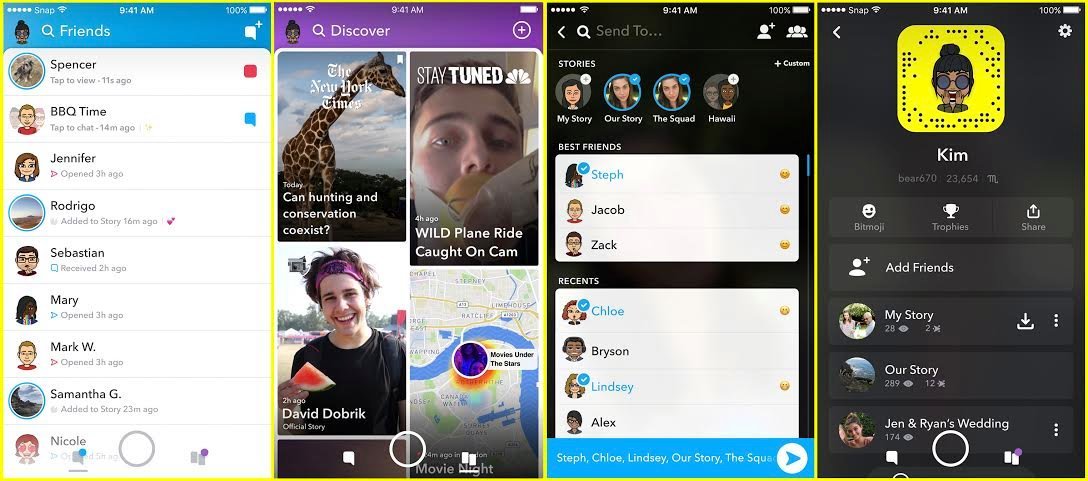
In 2018, Snapchat introduced a redesign that separated friends' and publishers' content.
This caused a steep drop in engagement for both brands and influencers.
This caused a steep drop in engagement for both brands and influencers.
Analytics companies, like Snaplytics for Snapchat, take major blows as users bounce from these major platforms.
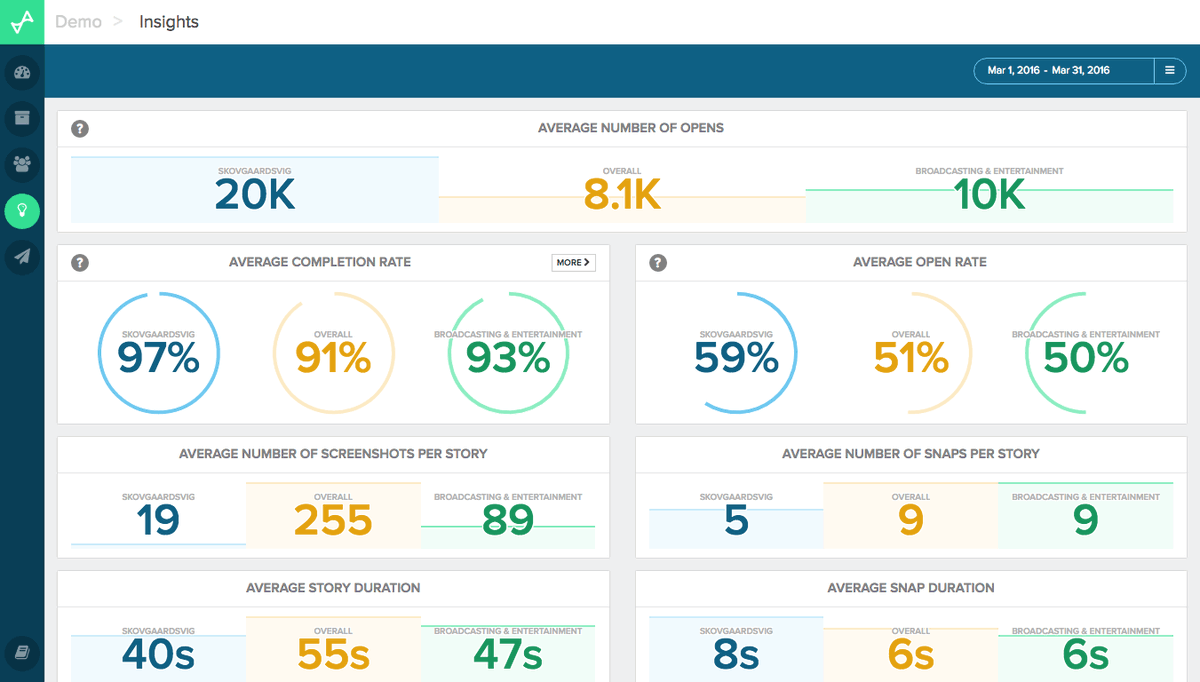
All these companies trusted one platform for their growth. They were essentially building a castle on sand.
If they diversified their channels for growth, they could have weathered the storm.
If they diversified their channels for growth, they could have weathered the storm.
If TikTok suddenly got banned in the USA, creators who solely rely on it would be screaming for help!
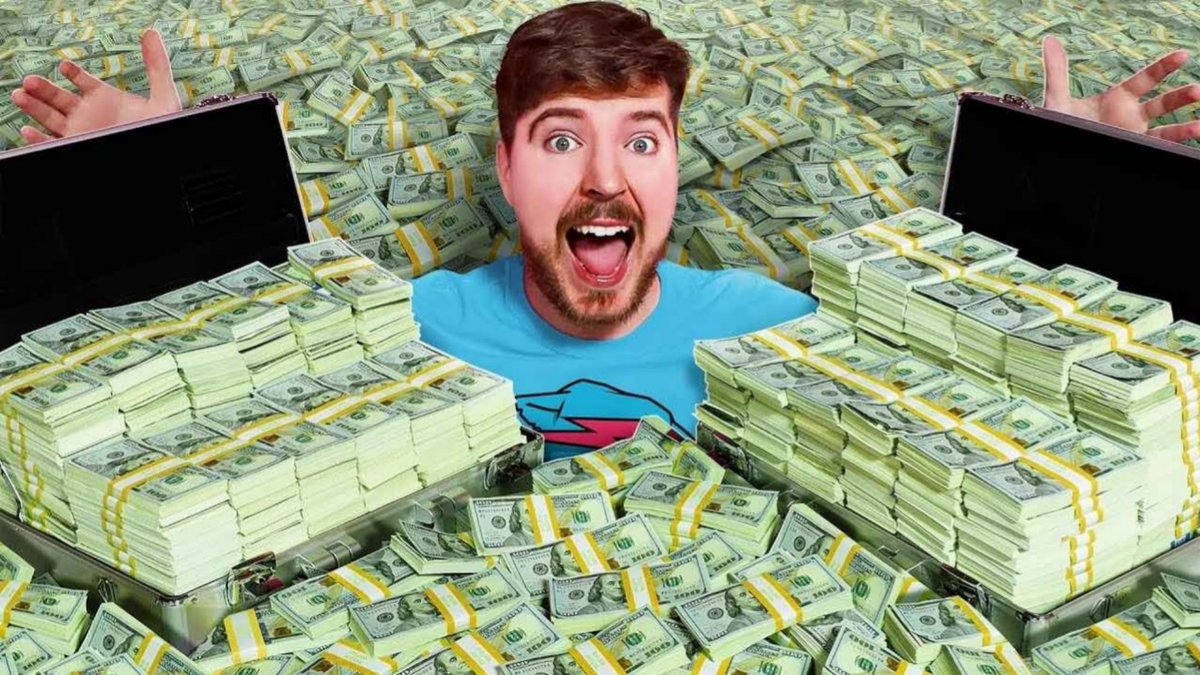
Just think, Mr.Beast puts all his content on YouTube.
Is he risking it all? What if they deprioritize his content one day?
Just think, Mr.Beast puts all his content on YouTube.
Is he risking it all? What if they deprioritize his content one day?
Here's my advice to startup founders and creators alike:
• Diversify your growth channels (sooner than later).
• Join founder groups for confidential support, and biz therapy.
• Be adaptable to change. You never know when a catastrophe is lurking around the corner.
• Diversify your growth channels (sooner than later).
• Join founder groups for confidential support, and biz therapy.
• Be adaptable to change. You never know when a catastrophe is lurking around the corner.
I hope you've found this thread helpful.
Follow me @jspeiser for more.
Like/Retweet the first tweet below if you can:
Follow me @jspeiser for more.
Like/Retweet the first tweet below if you can:
Loading suggestions...