

Thematic analysis is a qualitative data analysis method that involves reading through a data set, and identifying patterns in meaning across the data to derive themes.
Here are the 6 steps of thematic analysis.
Here are the 6 steps of thematic analysis.
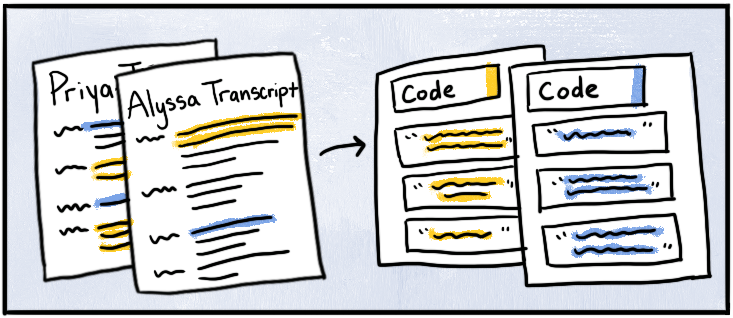
Step 1. Familiarize yourself with the data.
If your data is in the form of audio files, transcribe them yourself or get them transcribed. Read through the transcripts and actively observe meanings and patterns that appear across your data set.
If your data is in the form of audio files, transcribe them yourself or get them transcribed. Read through the transcripts and actively observe meanings and patterns that appear across your data set.
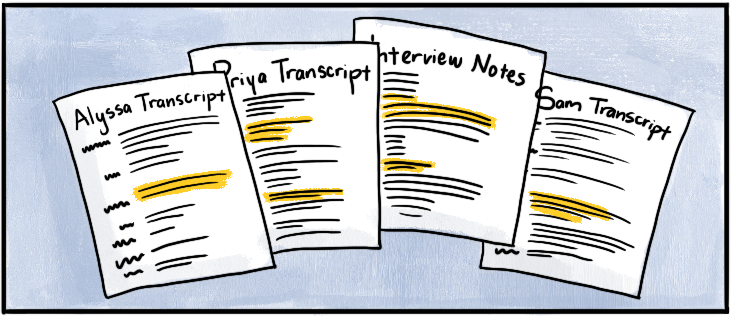
Step 2. Create your initial codes.
Now that you’re familiar with the data, practice thematic analysis coding, and create a set of initial codes that represent the meanings and patterns you saw in the data. Create a codebook to keep track of the codes.
Now that you’re familiar with the data, practice thematic analysis coding, and create a set of initial codes that represent the meanings and patterns you saw in the data. Create a codebook to keep track of the codes.
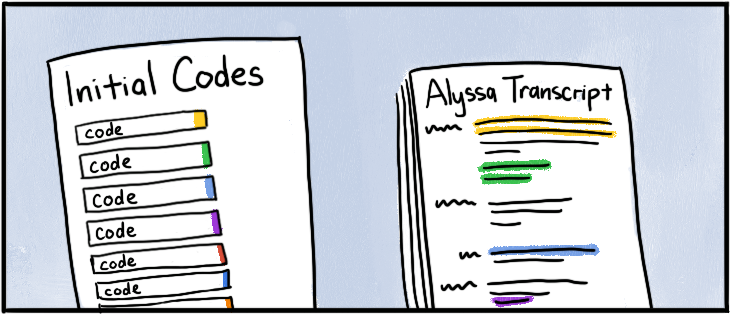
Step 3. Collate codes with supporting data
Now, group together all the excerpts associated with a particular code. If you’re using pen and paper, cut out the excerpts and group them together. If you’re using software like @DelveTool, it will automatically collate for you.
Now, group together all the excerpts associated with a particular code. If you’re using pen and paper, cut out the excerpts and group them together. If you’re using software like @DelveTool, it will automatically collate for you.
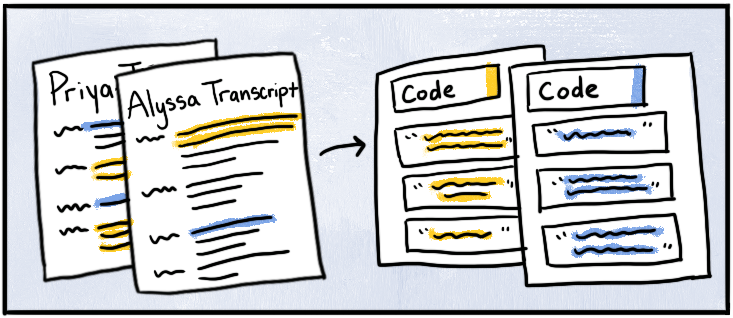
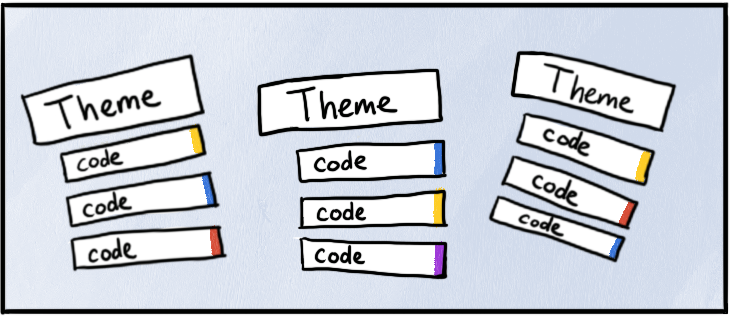
Step 4. Group codes into themes
Now that you have a set of initial codes, sort the codes into potential themes. Themes in qualitative research are a powerful way to see trends and patterns in your data. See how various codes can be combined.
Now that you have a set of initial codes, sort the codes into potential themes. Themes in qualitative research are a powerful way to see trends and patterns in your data. See how various codes can be combined.
Step 5. Review and revise themes
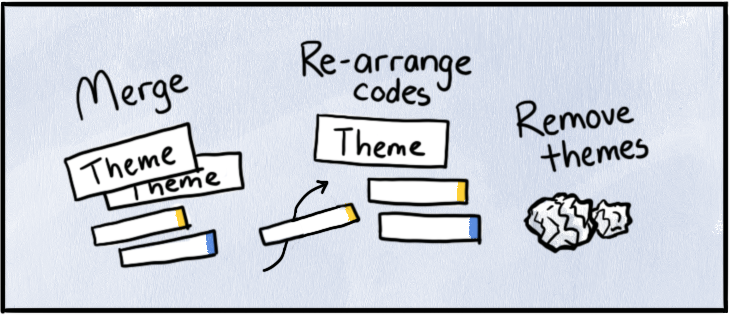
Ensure that each theme has enough data to support them and is distinct. Consider merging together themes that are similar, and removing themes that don’t have enough data to back them up. Begin formulating how your themes can form a narrative.
Ensure that each theme has enough data to support them and is distinct. Consider merging together themes that are similar, and removing themes that don’t have enough data to back them up. Begin formulating how your themes can form a narrative.
Step 6. Write your narrative
Make sure that your narrative tells a coherent story about your data, and choose vivid quotes from your data that help back up your points. Your narrative should include your own interpretive analysis and make an argument for the claims you present.
Make sure that your narrative tells a coherent story about your data, and choose vivid quotes from your data that help back up your points. Your narrative should include your own interpretive analysis and make an argument for the claims you present.

Learn more about thematic analysis here: delvetool.com
Loading suggestions...