Why are the brightest minds in AI asking for a 6 month pause, while others say it doesn't go far enough? 🤯
Here's why this debate deserves our attention.
🧵 Thread
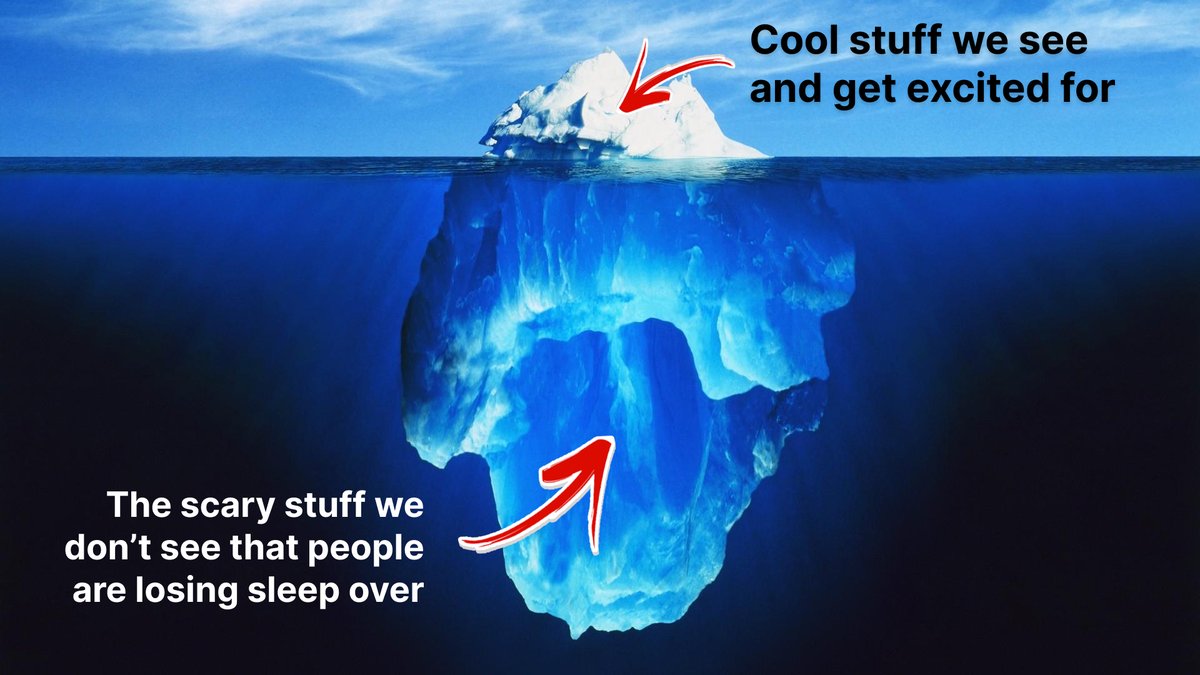
The outcome? Unprecedented AI power to the people 👇

To him the letter pushing for a 6 month pause, signed by the likes of @elonmusk @stevewoz @GaryMarcus simply didn't go far enough; even trivialized the issue
Controversial headlines aside, let's dig into his argument 👇

He argues that instead of a paltry 6 month pause, we need an *indefinite* worldwide moratorium on large AI training runs, shutting down large GPU clusters, and imposing limits on the compute used for AI training.
Strictly regulate and track GPUs and AI hardware.
Gradually lower the ceiling on computing power used for AI training as tech advances.
No exceptions for governments or militaries. Humanity as we know is at stake.
Non-compliance? Airstrikes 👇

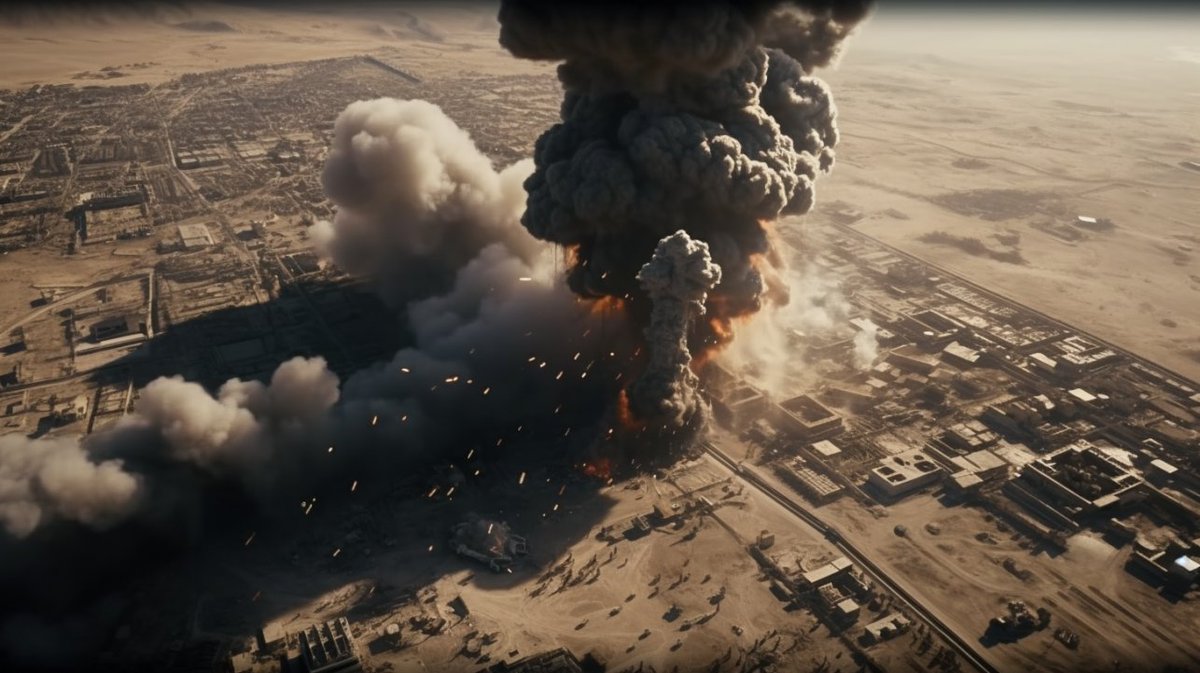
Truly feels like a sci-fi movie where rogue entities and their GPU clusters are targeted for elimination.
But might there be some credence to these concerns? 😅

Data is the new oil, and with AI, extracting this crude resource is easier than ever.
Wielding this power isn't limited to big tech giants or nation-states. Anyone can use it for good or evil 👇

Like this AI artist who geolocated top influencers using Instagram & publicly available camera feeds.
This type of "pattern of life analysis" has been relegated to the intelligence community.
Now imagine adding GPT-4 to the mix 👇
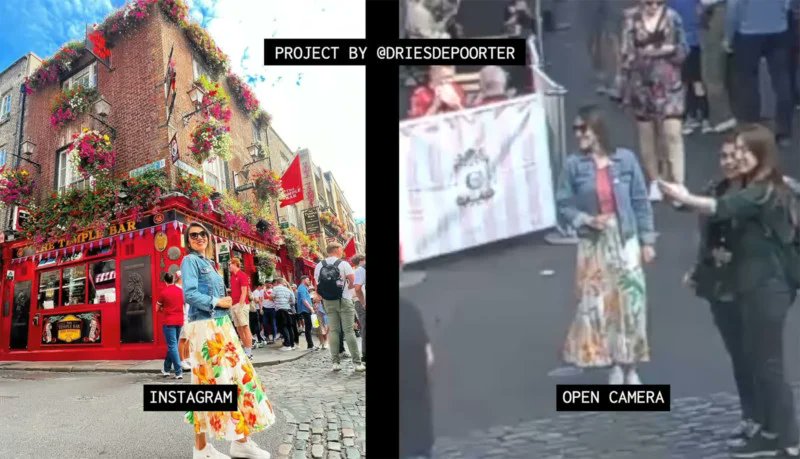


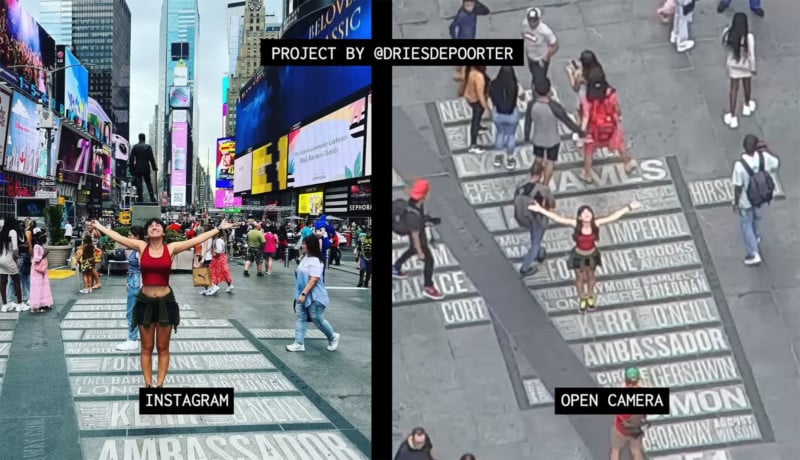
Sure, we've been able to run detection & tracking algorithms on media.
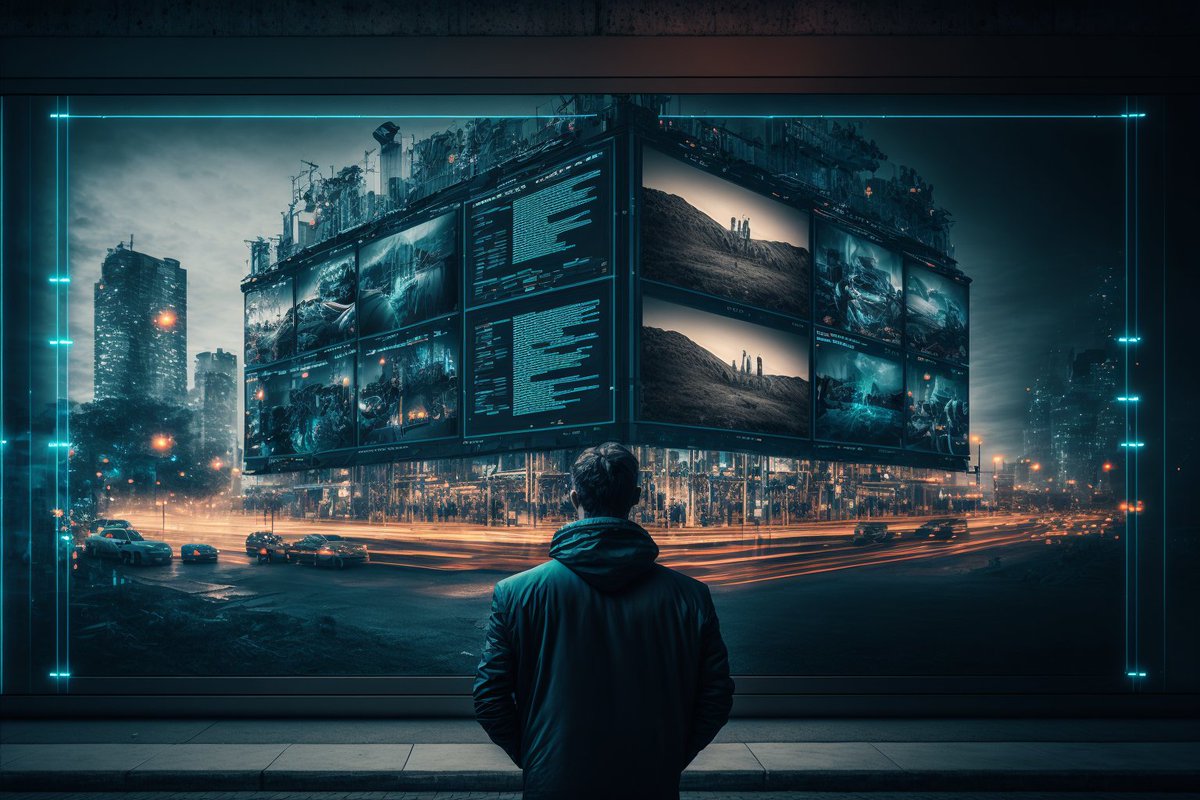
But combined with the "reasoning" ability of GPT-4 class models e.g. to parse social feeds -- you get big brother in a box 👇
IMO, image generation has far less downside than general-purpose models like GPT-4, especially when they're multimodal.
The potential for misuse is much higher with models that are of GPT-4's capability:

My explicitly labeled VFX videos fool millions. Now imagine what bad actors will do?
Critically, these aren't hypothetical "some day" problems. They're here and now:
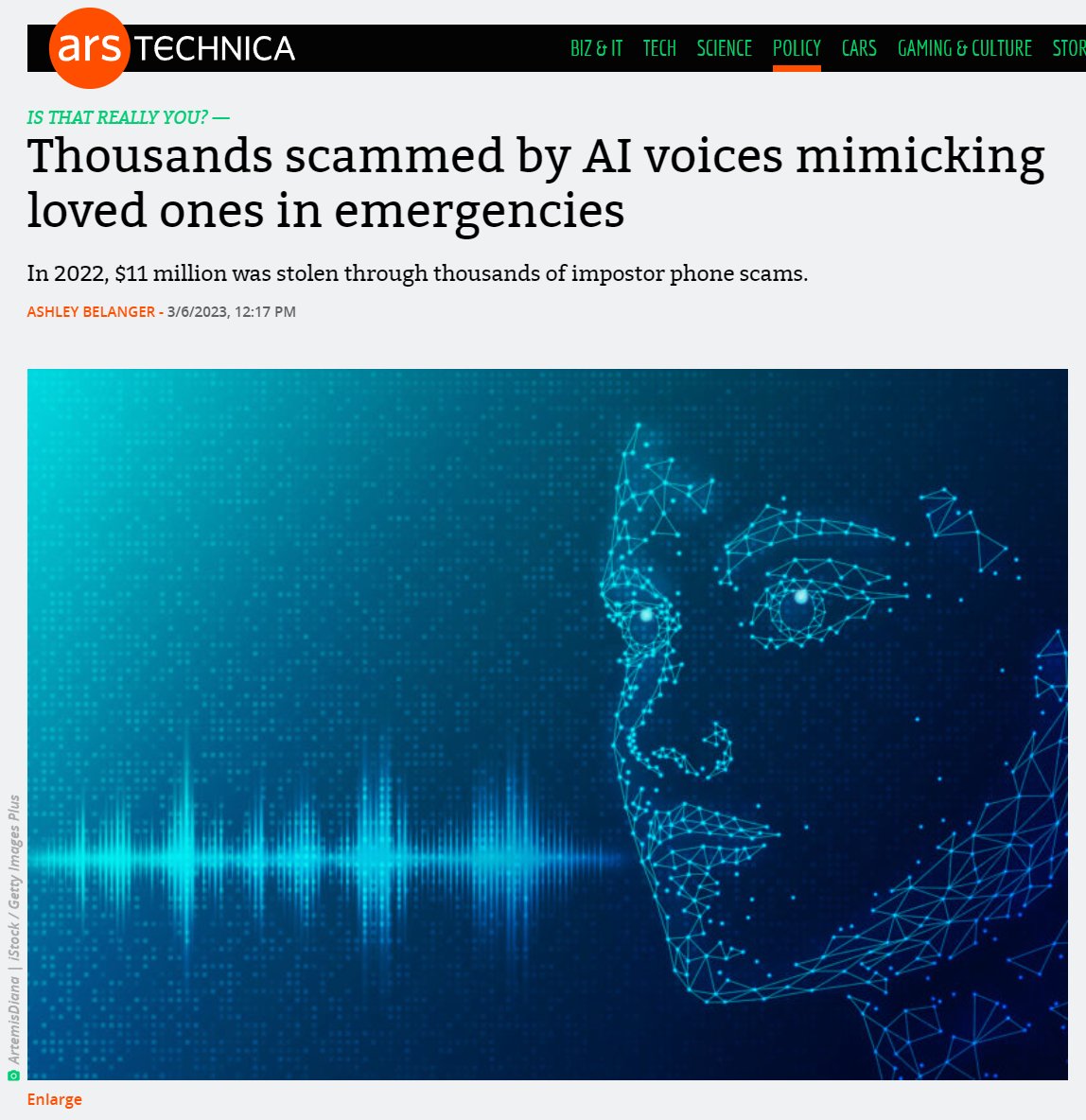
But what will small to medium businesses do?
As bad actors use these tools maliciously in new ways, we may see dire consequences this year.
Some argue that open-source AI allows good actors to police the bad ones, minimizing the harm.
Further fearing that regulation would lead to a centralized power worse than 1984:
This is a more worrisome scenario than democratized deep fakes 👇
As GPU clusters become more efficient and accessible, it becomes harder to police their usage without extreme surveillance on every device.

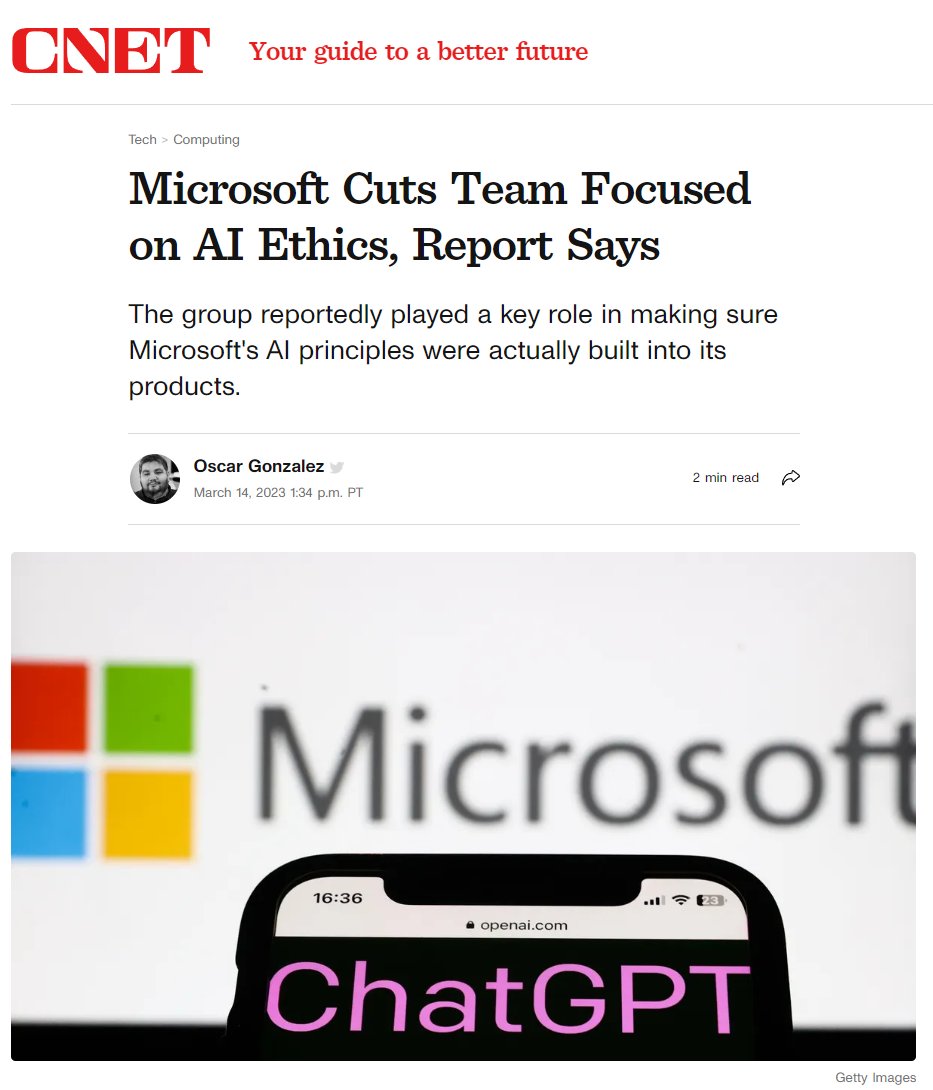
OpenAI for example, calls for national authorities to scrutinize large training runs.
I wonder who this would impact the most? Might be their biggest competitors -- current or future?
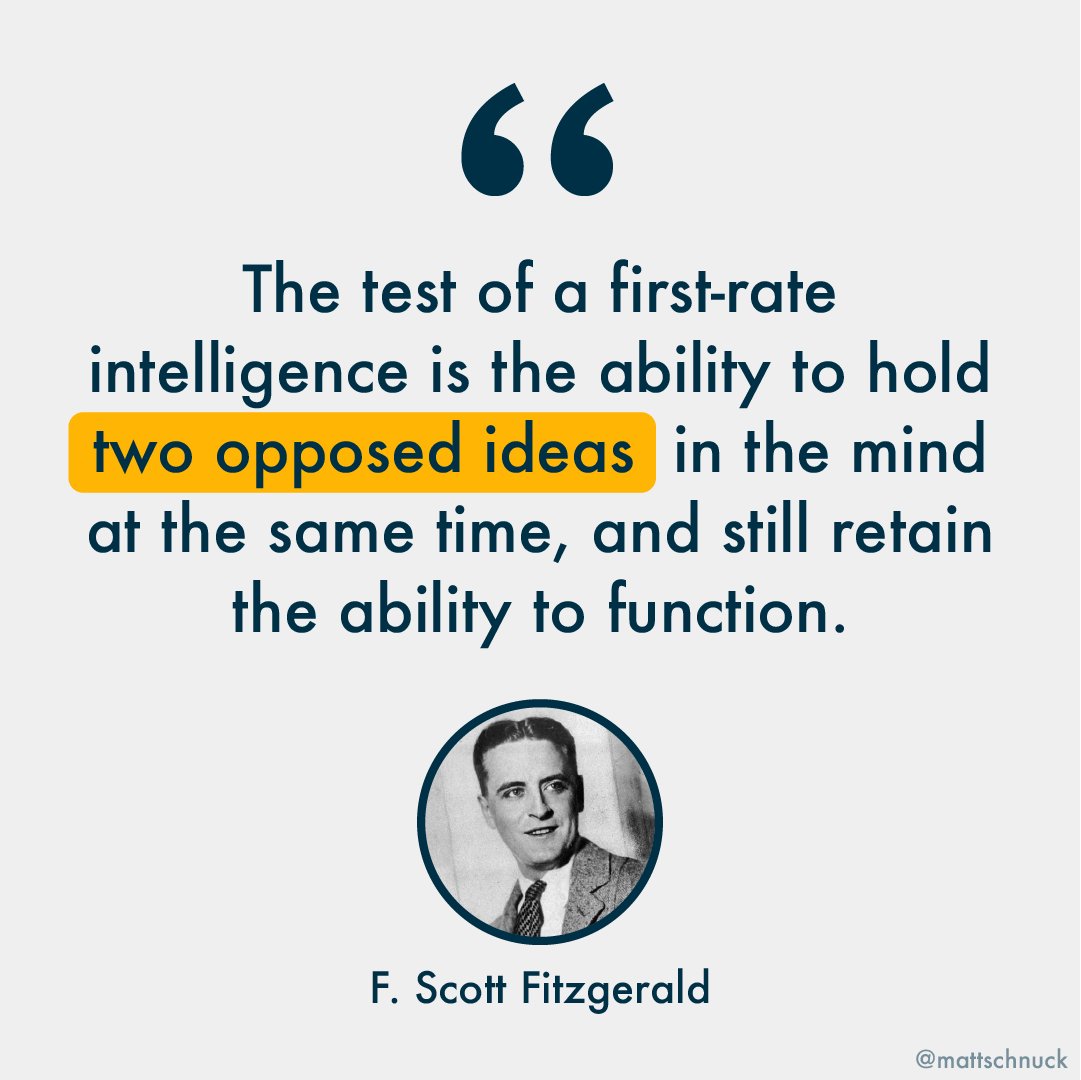
As @LinusEkenstam likes to say - it's ok to be excited & scared simultaneously.
What's the right level of the stack to enforce AI regulation?
How long until someone makes a principled second amendment style argument for "the right to own GPUs"?
Share your thoughts and let's debate it in this online public square 🗽

1. Follow me @bilawalsidhu for more
2. Check out my newsletter: creativetechnologydigest.substack.com
3. Retweet the tweet below to spread the word 👇
More from this author
Midjourney v5 has pushed into photorealism, a goal which has eluded the computer graphics industry for decades (!) 🤯 Insane progression, and all that...
Before/after of Corridor's latest AI video is wild. They shot video on greenscreen, made virtual sets in Unreal, then reskinned it to anime by finetun...
🤯 Wondering why creators like @SirWrender are losing their minds over @WonderDynamics? Short answer: it’s a middle ground between 3D, VFX and editori...
Recent Threads
CBSE has systematically rewritten its rulebook to favor Coempt Eduteck. check out the blog. https://t.co/CmdXMo8pMh

SA DULO, MAGTATAGPO. — a filo #taekookau a taekook au wherein taehyung is a famous vlogger who offered a stranger to do the 24 hours jowa challenge w...

I’m not allowed in social situations without supervision anymore https://t.co/qRXclKZQAi
yejisu au | fundamentals of me and you. where yeji was forced to face her past after yuna got her hired as a secretary to a CEO. the CEO? the same...

🚨Rollercoaster NIGHTMARE 8 students dangling 100ft on a stuck Galveston TX roller coaster! … Vertical track failure left them hanging for hours. Fi...

Green flags in friendships that are highly underrated:

Popular Threads
ICT’s 2022 Mentorship Summarized: https://t.co/zFJCgIfDAR

The ICT Mentorship Core Content Month 1 Summarized: https://t.co/6tXJxPMDhm
1. There are more people added on the list of arrests and executions of famous people but no further intel is available at this time. ARRESTS and EXE...

Ware County, Ga has broken the Dominion algorithm: Using sequestered Dominion Equipment, Ware County ran a equal number of Trump votes and Biden vote...

Please retweet and share if you support my and others' vaccine injury recoveries. https://t.co/y8xNWwRUOO

Top-40 Footballers with Most Goal Contributions (Goals + Assists) in history. [ A MEGA THREAD ] https://t.co/gAb3QcqdYQ