
A quick review of the "Raccoon Dog" stall samples at the Huanan Seafood market
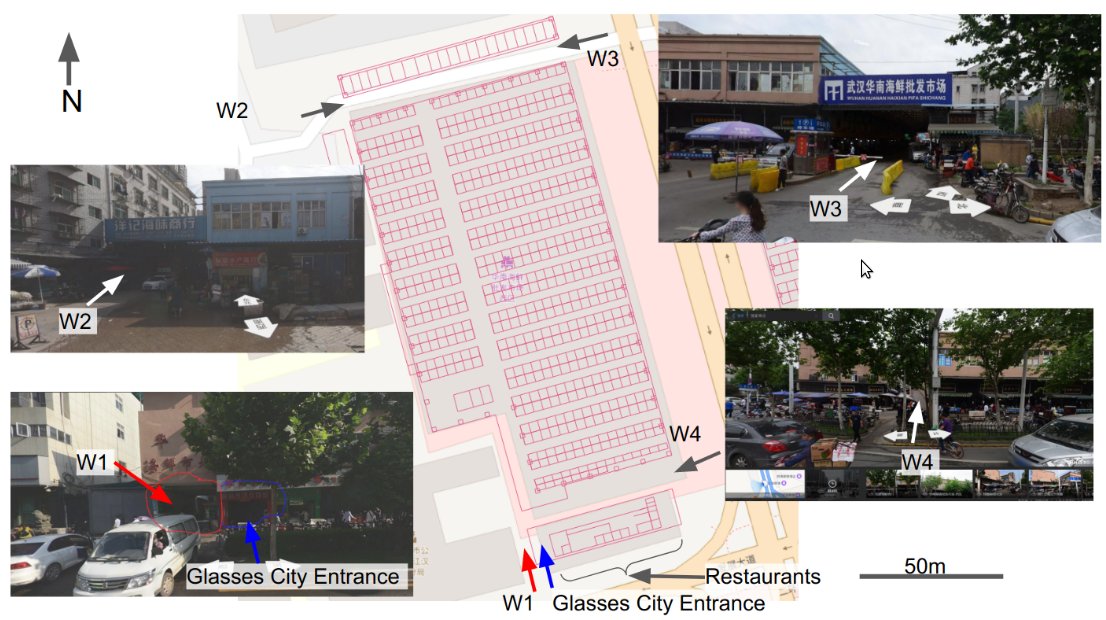
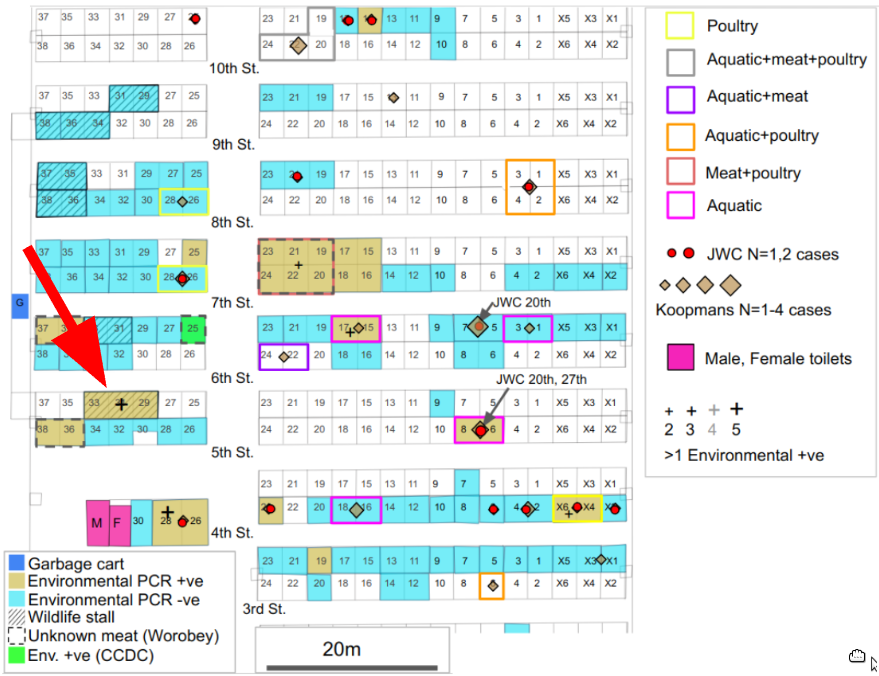
Stall West 6/29-31, located in the south-western part of the market was subject to huge science writer and media coverage after Worobey et al. and Holmes indicated that spillover occurred at this specific stall (red arrow)
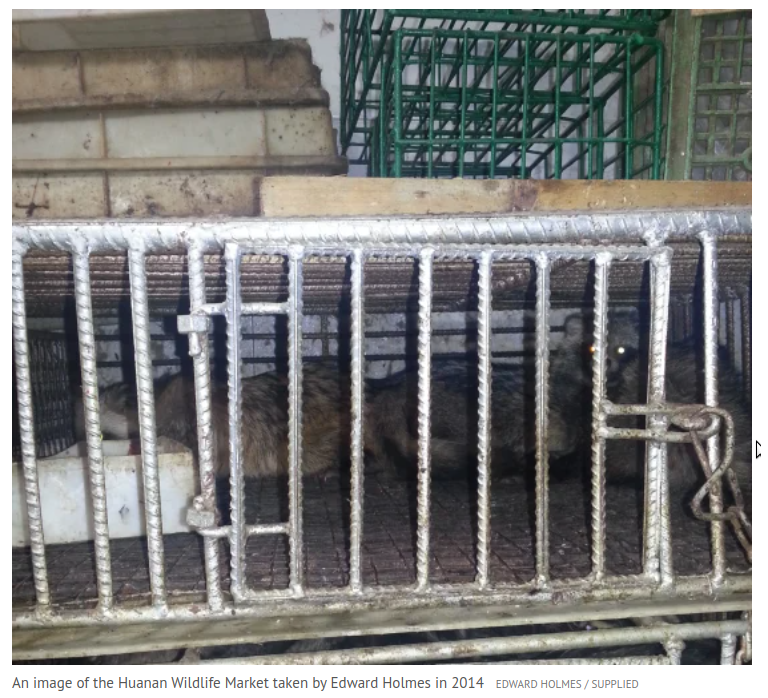
Eddie Holmes photographed a Raccoon Dog at this stall in 2014, when touring the market after visiting the CCDC a few kilometers away (at the time).
Worobey et al. showed an environmental SARS-CoV-2 positive risk map weighted using KDE contouring to show a statistically significant virus level above background level within the black contours in the SW part of the market.
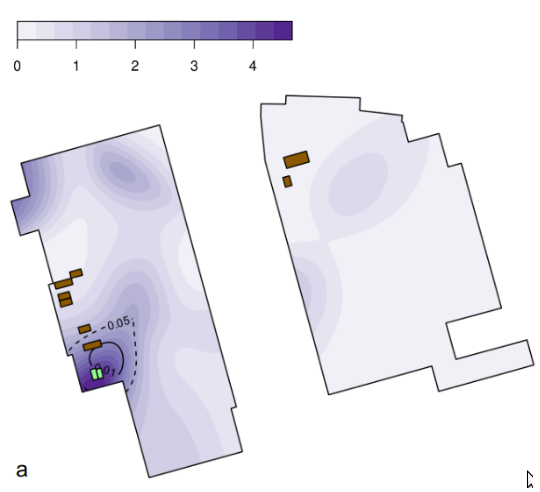
Stall West 6/29-31 is within a p=0.05 contour of statistical significance if use this p value as a cutoff. We repeated the analysis of Worobey et al using the same data and code, but we added the location of the toilets (in green as per last tweet)
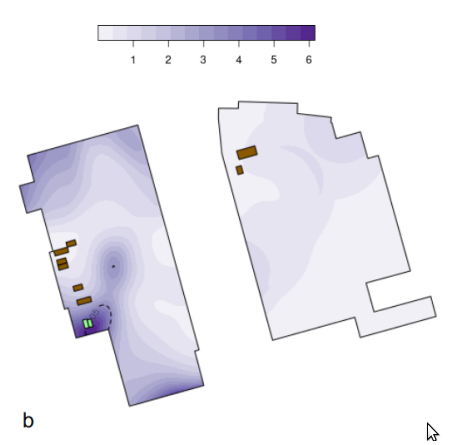
We also repeated the analysis using an adaptive kernel as discussed here:
Liu et al. in their recent Nature paper released raw sequencing datasets for sampling they undertook at the market
nature.com
nature.com
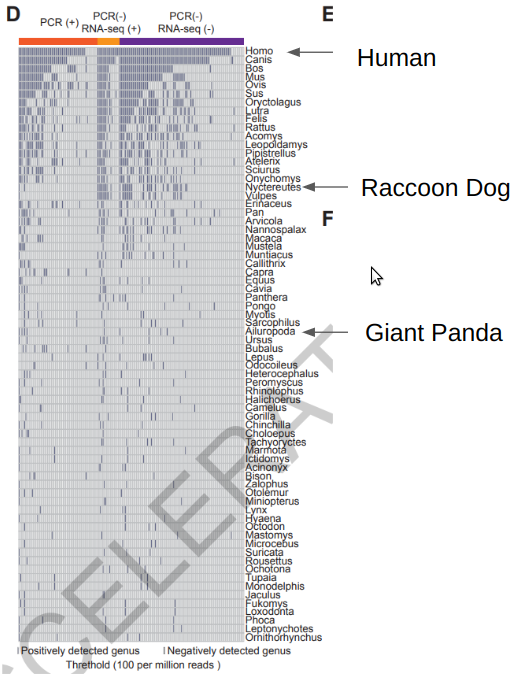
There has been a significant amount of discussion of their results of finding "Panda" and "Chimp" animals at the market and that this proves their analysis is flawed and cannot be trusted as reliable and indicates that Liu et al. are trying to cover-up the market origin
Only trace levels of Panda/Chimp/Gorilla were detected and these almost certainly result from kraken2/barcode classification of NGS reads. These are just a small amount of false +ves of methods that are overall robust.
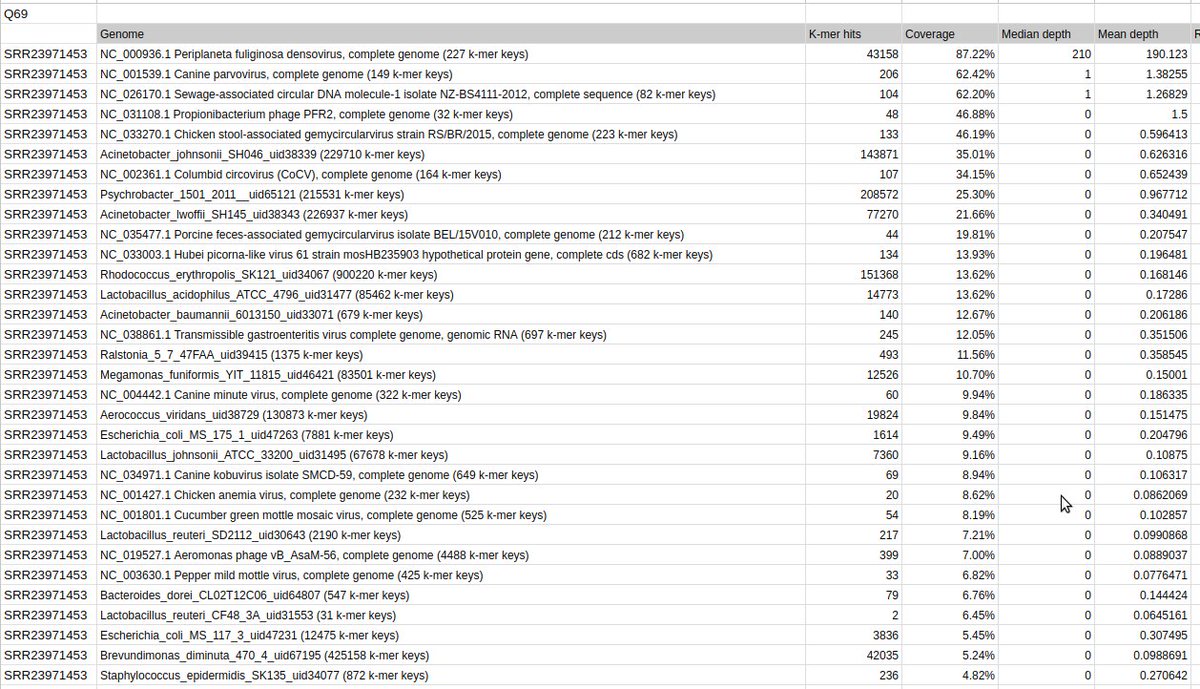
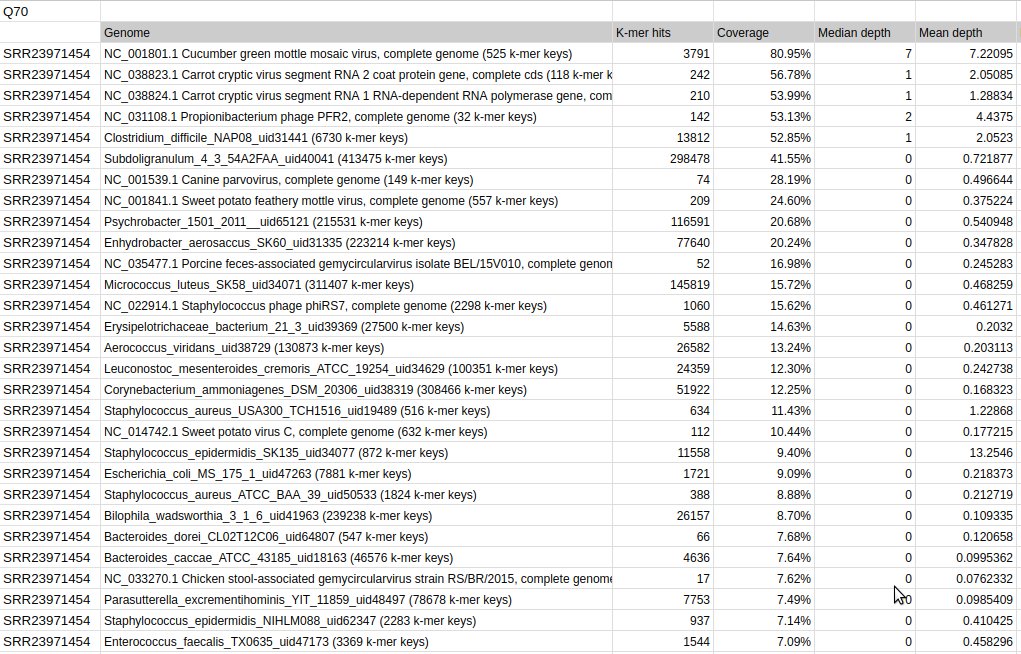
I reviewed the samples from the "origin of COVID-19" stall West 6/29-31 using a kmer method, fastv.
There were 3 samples from this stall: Q68 Ground, Q69 Feather removal machine, Q70 Iron container in inner room, with NGS +ve SARS-CoV-2 results
There were 3 samples from this stall: Q68 Ground, Q69 Feather removal machine, Q70 Iron container in inner room, with NGS +ve SARS-CoV-2 results
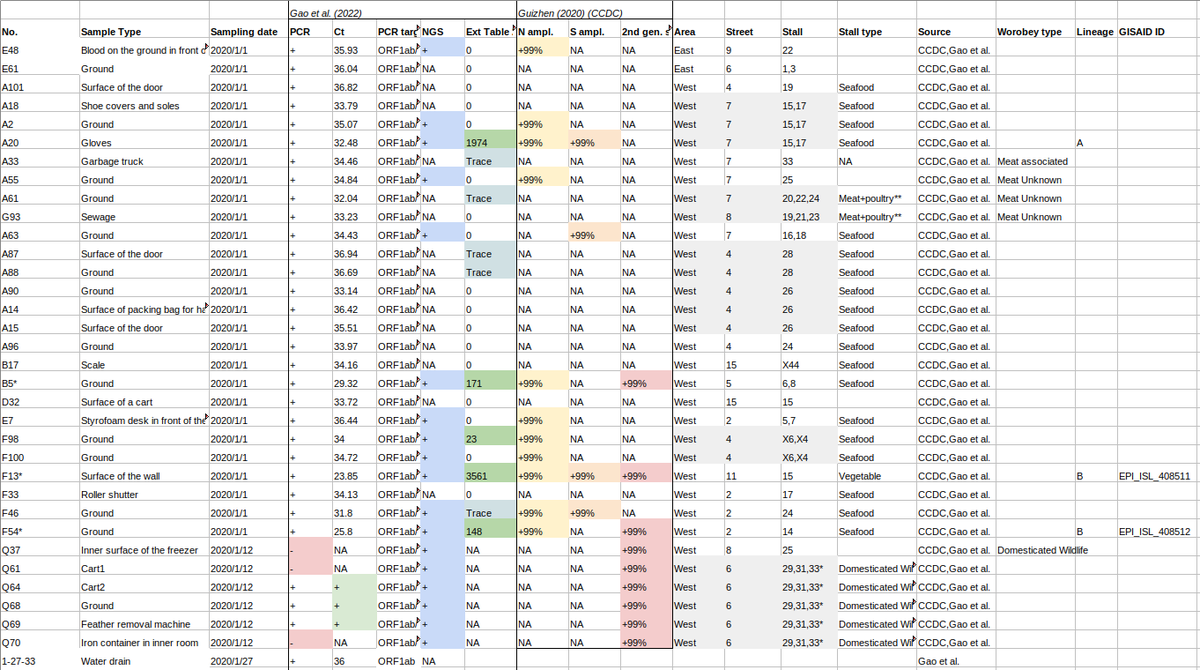
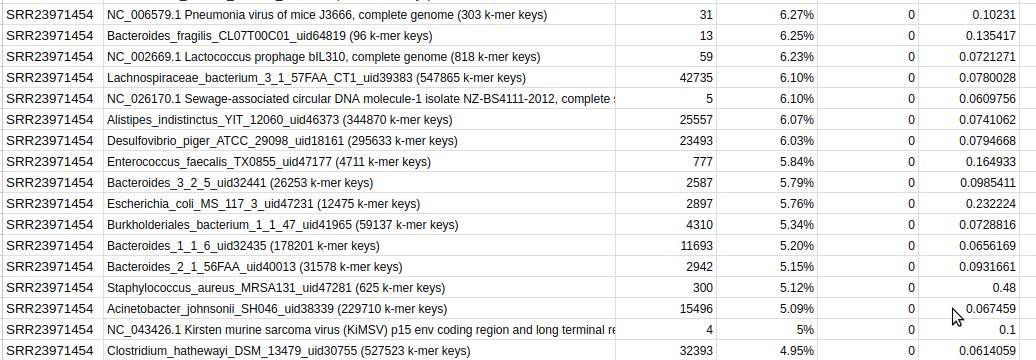
However no SARS-CoV-2 was detected in any of these samples using fastv. Here I only show microbes with a >5% coverage
Q68 (ground): Dog, duck, chicken viruses
Q68 (ground): Dog, duck, chicken viruses
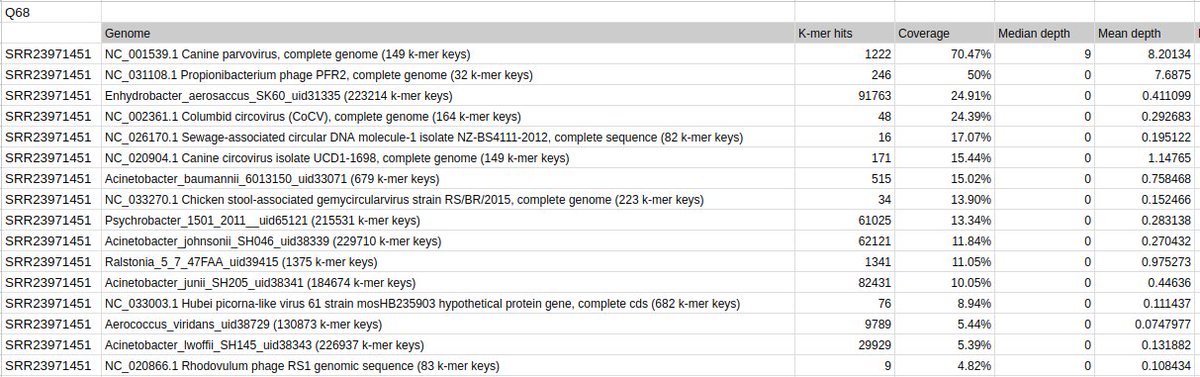
Q69 (Feather removal machine)
Cockroach, dog, bird, pig and mosquito
Cockroach, dog, bird, pig and mosquito
Q70 (Iron container in inner room):
Dog, pig, bird and rodent viruses
Dog, pig, bird and rodent viruses
I also analysed the cart1 and cart2 samples - sampled from garbage carts located in the SW corner of the market- both NGS SARS-CoV-2 positive
Q61 (Cart1):
Dog, raccoon dog, pig, chicken and a mosquito-borne virus
Q61 (Cart1):
Dog, raccoon dog, pig, chicken and a mosquito-borne virus
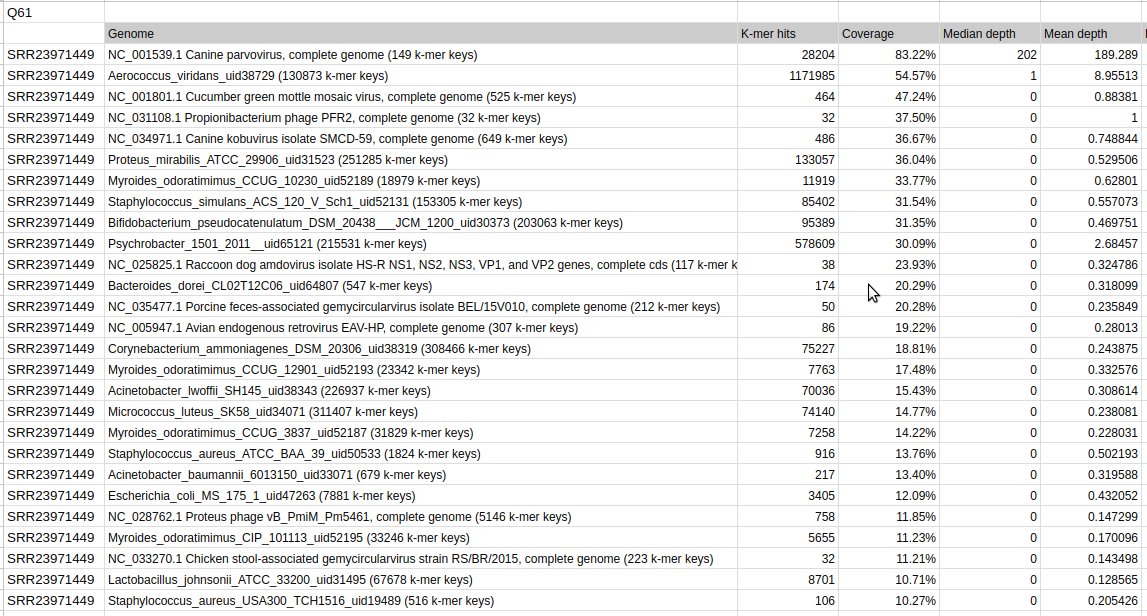
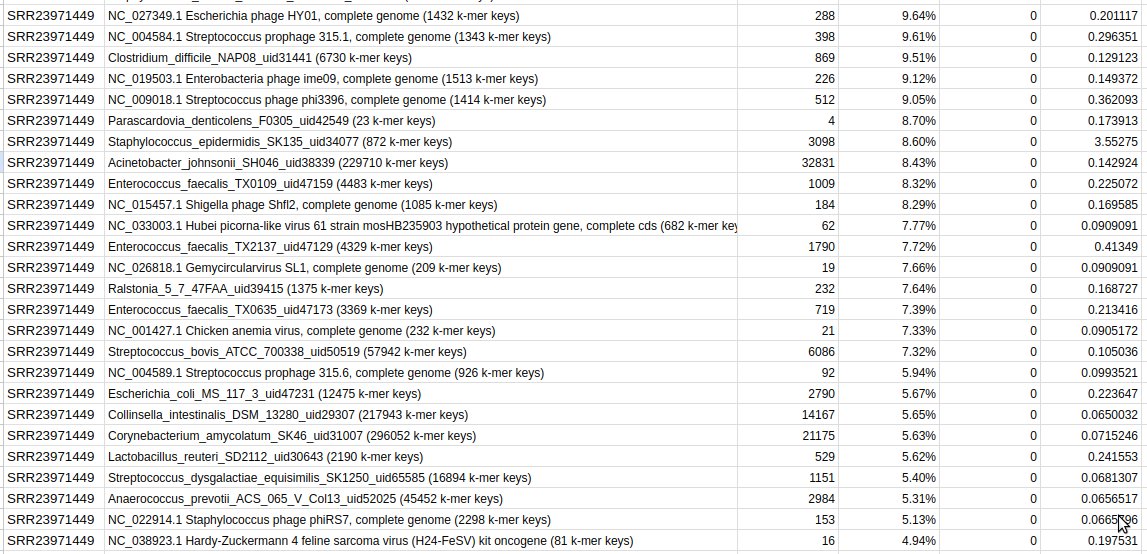
Q64 (Cart2)
Dog, pig, chicken, duck and insect-bone viruses
Dog, pig, chicken, duck and insect-bone viruses
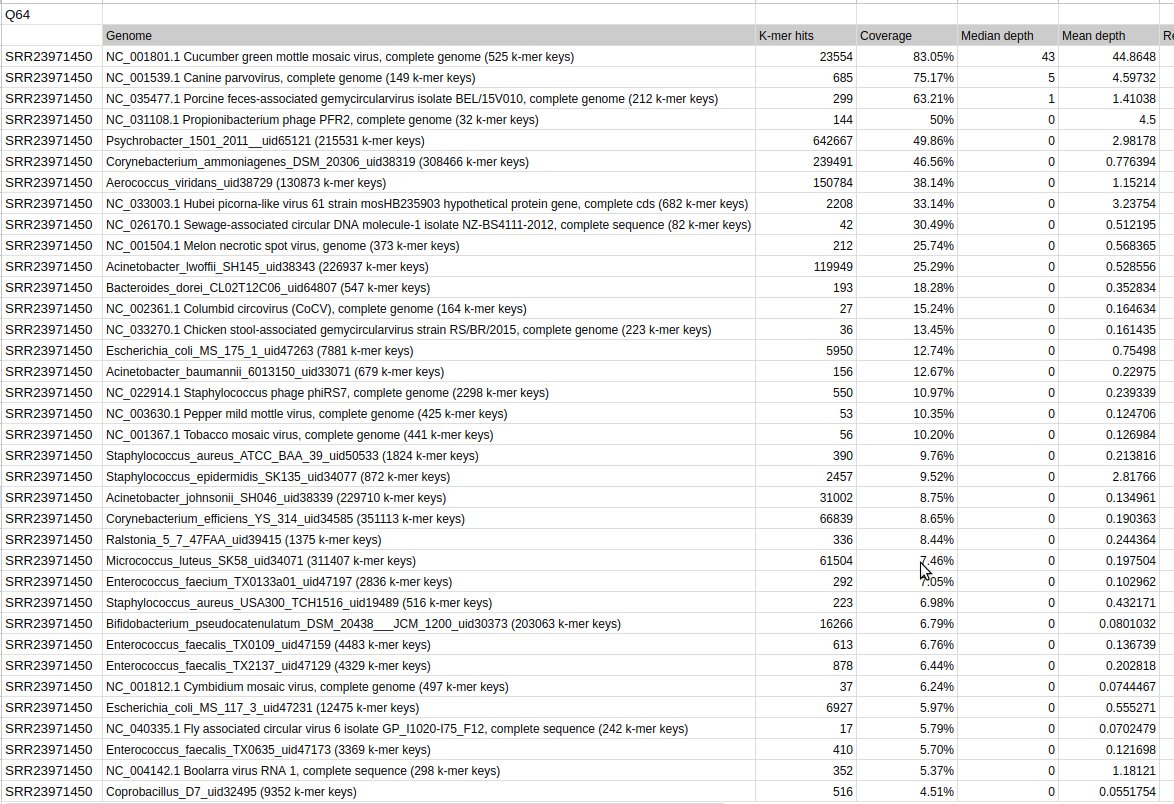
No SARS-CoV-2 was detected using this kmer based approach, the read level (and read ammount and distribution to be confimed after more detailed analysis) if just too low to be detected.
The PCR +ve of some of these samples and NGS +ve result are not in any way indicative that any of these animals were infected with SARS-CoV-2, such trace level of virus are consistent with a background level of SARS-CoV-2 spread from humans through aerosols, and droplets
I also analysed the lineage A sample A20 from gloves at a fishmonger stall also in the western section of the market (West 7/15-17)
Note the completely different microbial profile compared with animal swabs and samples
Note the completely different microbial profile compared with animal swabs and samples

In summary, the analysis of Liu et al. and their conclusion that the data cannot prove that animals were infected and that humans may have brought the virus to the market are totally consistent with the analysis here.
Indeed I would add that these findings are actually inconsistent with an animal being infected with SARS-CoV-2 projenitor virus
You can find our (pre #raccoondoggate and pre Liu et al. 2023) analysis of the evidence for zoonosis at the Huanan Seafood market here:
zenodo.org
zenodo.org
@stevenemassey has undertaken some more detailed analyses of samples here:
Loading suggestions...