

100 million people use ChatGPT.
Fewer than 1% understand it.
A mega thread to get you up to speed:
Fewer than 1% understand it.
A mega thread to get you up to speed:
Artificial intelligence begins in the late 1940s.
Computer pioneers start examining if machines can “think.”
British computer pioneer Alan Turing does the earliest substantial work.
Computer pioneers start examining if machines can “think.”
British computer pioneer Alan Turing does the earliest substantial work.
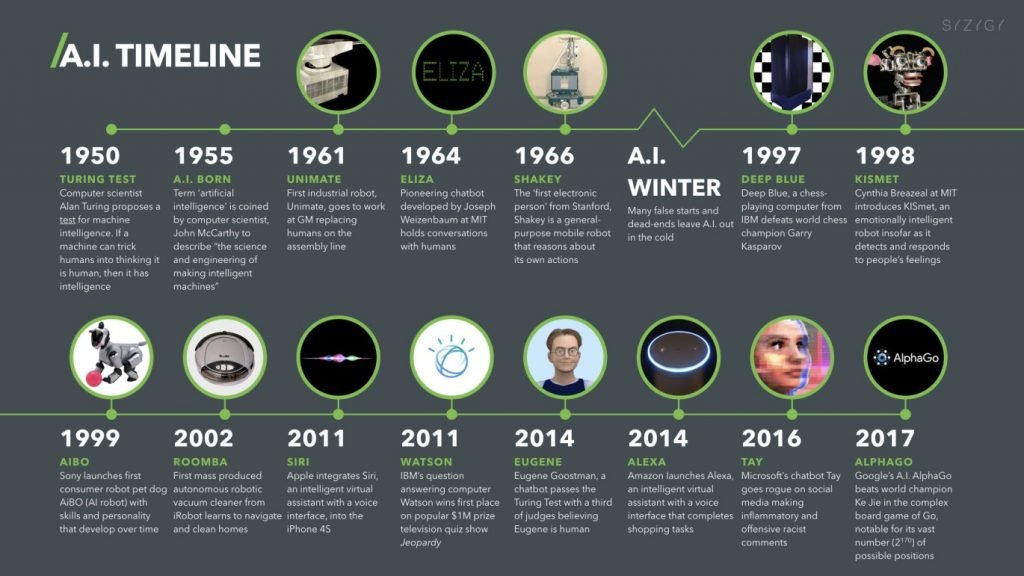
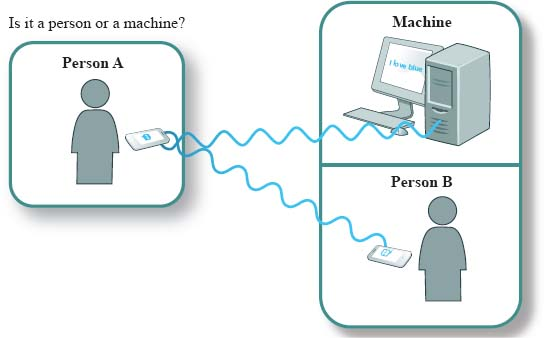
1950 - Turing publishes a seminal paper "Computing Machinery and Intelligence."
He discusses how to build intelligent machines and test their intelligence.
redirect.cs.umbc.edu
He discusses how to build intelligent machines and test their intelligence.
redirect.cs.umbc.edu
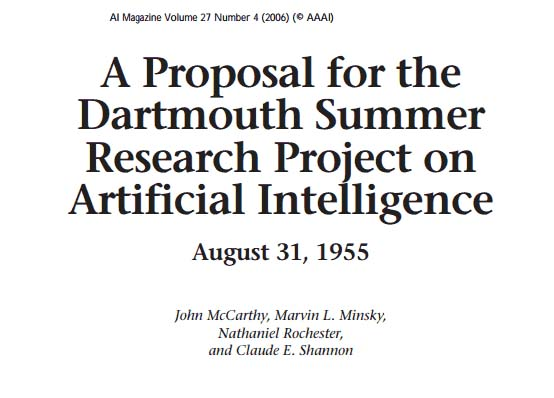
1955 - the term “artificial intelligence” is coined.
1956 - The Dartmouth Summer Research Project on Artificial Intelligence marks the birth of AI as a field of study.
1956 - The Dartmouth Summer Research Project on Artificial Intelligence marks the birth of AI as a field of study.
Between 1957 and 1974 AI flourishes.
Computers can store more information. They become faster, cheaper, and more accessible.
Machine learning algorithms also improve, and researchers get better at knowing which algorithm to apply to their problem.
Computers can store more information. They become faster, cheaper, and more accessible.
Machine learning algorithms also improve, and researchers get better at knowing which algorithm to apply to their problem.
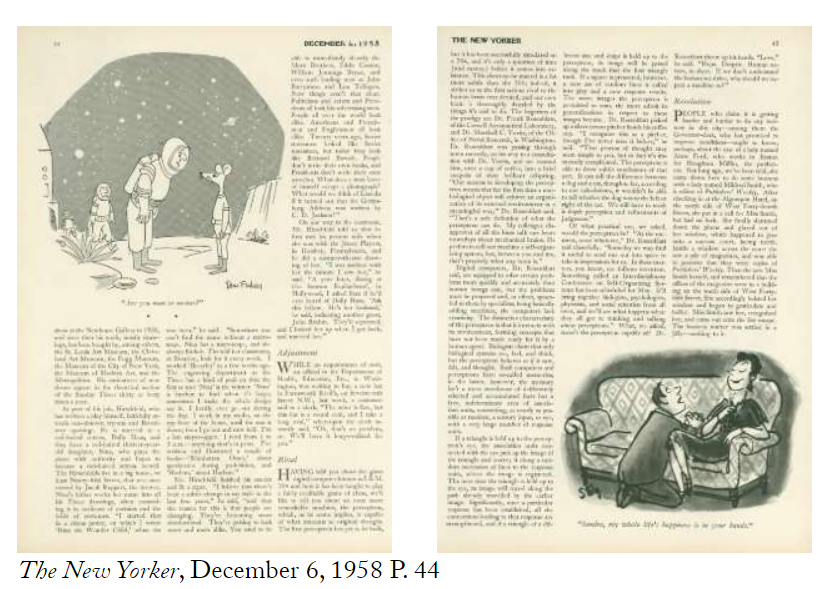
1957 - Perceptron, an early artificial neural network enabling pattern recognition is developed.
The New Yorker calls it a “remarkable machine… capable of what amounts to thought.”
The New Yorker calls it a “remarkable machine… capable of what amounts to thought.”
1961 - the Unimation Company introduces the first robot designed for industrial use.
1963 - MIT develops the first neural network learning machine.
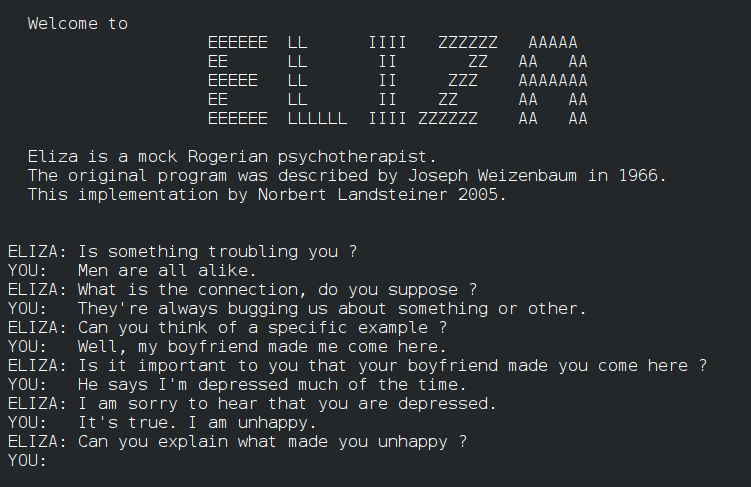
1966 - the ELIZA program is developed. It can mimic a therapist and converse in English.
youtu.be
1963 - MIT develops the first neural network learning machine.
1966 - the ELIZA program is developed. It can mimic a therapist and converse in English.
youtu.be
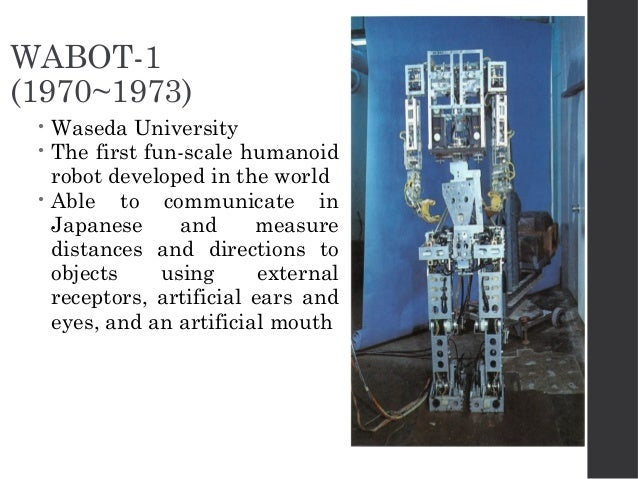
1970 - the first anthropomorphic robot, the WABOT-1 is built at Waseda University in Japan.
It consists of a limb-control system, a vision system, and a conversation system.
It consists of a limb-control system, a vision system, and a conversation system.
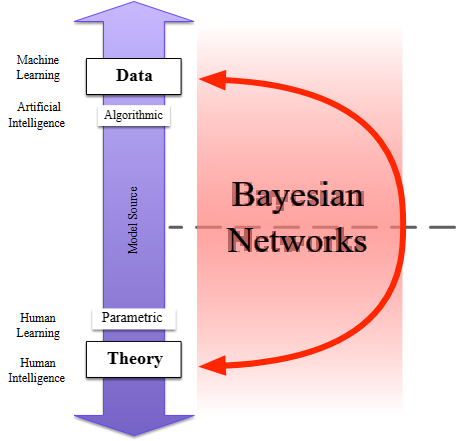
1988 - Judea Pearl @yudapearl publishes "Probabilistic Reasoning in Intelligent Systems."
He is credited with the invention of Bayesian networks.
This work revolutionizes the field of AI & many other branches of engineering and the natural sciences.
api.semanticscholar.org
He is credited with the invention of Bayesian networks.
This work revolutionizes the field of AI & many other branches of engineering and the natural sciences.
api.semanticscholar.org
1988 - Rollo Carpenter develops the chat-bot Jabberwacky.
The goal is to "simulate natural human chat in an interesting, entertaining and humorous manner."
It is an early attempt at creating artificial intelligence through human interaction.
The goal is to "simulate natural human chat in an interesting, entertaining and humorous manner."
It is an early attempt at creating artificial intelligence through human interaction.

In 1991 the emergence of the internet makes it possible for online connections and data to be shared no matter who or where you are.
Since data is the fuel for artificial intelligence this will later be understood as a pivotal moment for AI.
Since data is the fuel for artificial intelligence this will later be understood as a pivotal moment for AI.
1995 - the chatbot A.L.I.C.E (Artificial Linguistic Internet Computer Entity) is developed.
It includes natural language sample data collection on an unprecedented scale, enabled by the internet.
alicebot.org
It includes natural language sample data collection on an unprecedented scale, enabled by the internet.
alicebot.org

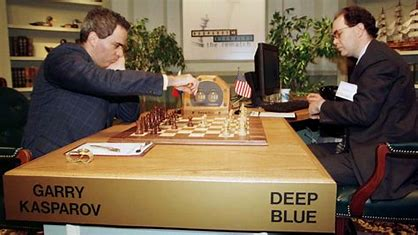
1997 - IBM's Deep Blue defeats world chess champion Garry Kasparov in a six-game match.
1998 - Google launches the first commercial search engine. It uses AI to improve search results.
1999 - Sony introduces the AIBO robot, one of the first robots for entertainment.
1998 - Google launches the first commercial search engine. It uses AI to improve search results.
1999 - Sony introduces the AIBO robot, one of the first robots for entertainment.
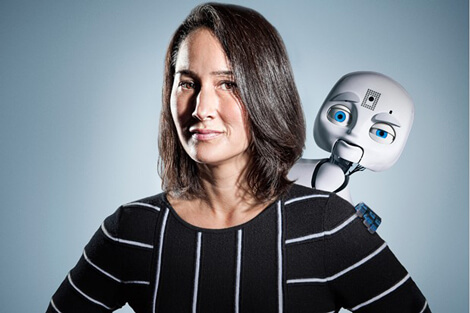
2000 - MIT’s Cynthia Breazeal @cynthiabreazeal develops Kismet, a robot that can recognize and simulate emotions.
2009 - Computer scientists at Northwestern University develop Stats Monkey.
It's a program that writes sports news stories without human intervention.
mediadecoder.blogs.nytimes.com,
It's a program that writes sports news stories without human intervention.
mediadecoder.blogs.nytimes.com,

Tn 2010 the Deep Learning era of AI begins.
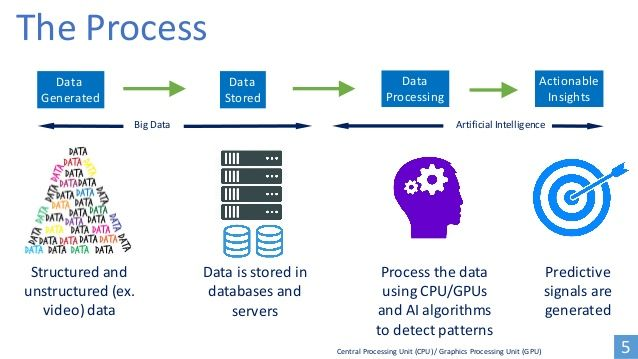
Graphics processors like Nvidia GPUs begin to be used for training deep learning models.
They go on to become the heart of machine learning and revolutionize AI development.
zdnet.com
Graphics processors like Nvidia GPUs begin to be used for training deep learning models.
They go on to become the heart of machine learning and revolutionize AI development.
zdnet.com
In the 2010s two factors come into play that entirely transform AI:
- massive compute power from graphics processing units
- massive amounts of data scraped from the internet.
- massive compute power from graphics processing units
- massive amounts of data scraped from the internet.
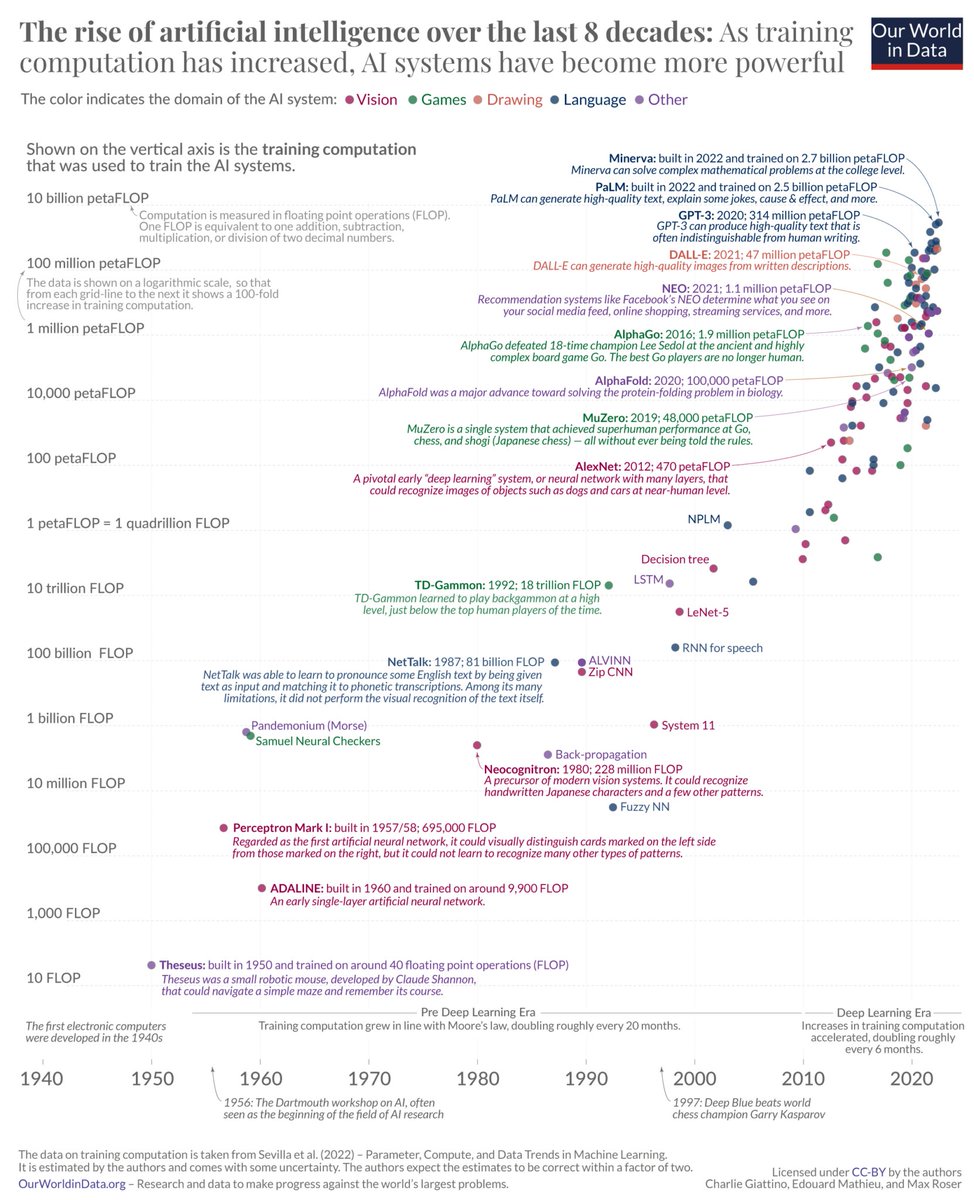
Today’s generative AI models require thousands of GPUs to run.
In fact, OpenAI used 10,000 Nvidia GPUs to train ChatGPT.
techspot.com
In fact, OpenAI used 10,000 Nvidia GPUs to train ChatGPT.
techspot.com

2011 - IBM's Watson, a natural language question answering computer, competes on Jeopardy!
It defeats two former champions.
youtu.be
It defeats two former champions.
youtu.be
2015 - OpenAI is founded as a nonprofit by Elon Musk, Sam Altman, Reid Hoffman, Jessica Livingston, & others.
Their mission is to spend $1 billion to keep humanity safe from evil AI.
Musk later pulls out of the deal and OpenAI takes on corporate backers.
semafor.com
Their mission is to spend $1 billion to keep humanity safe from evil AI.
Musk later pulls out of the deal and OpenAI takes on corporate backers.
semafor.com

2018 - LLMs (Large Language Models) emerge.
LLMs are a type of AI system that's been trained on enormous amounts of text data.
They can understand natural language and produce human-like responses to inputs.
LLMs are a type of AI system that's been trained on enormous amounts of text data.
They can understand natural language and produce human-like responses to inputs.
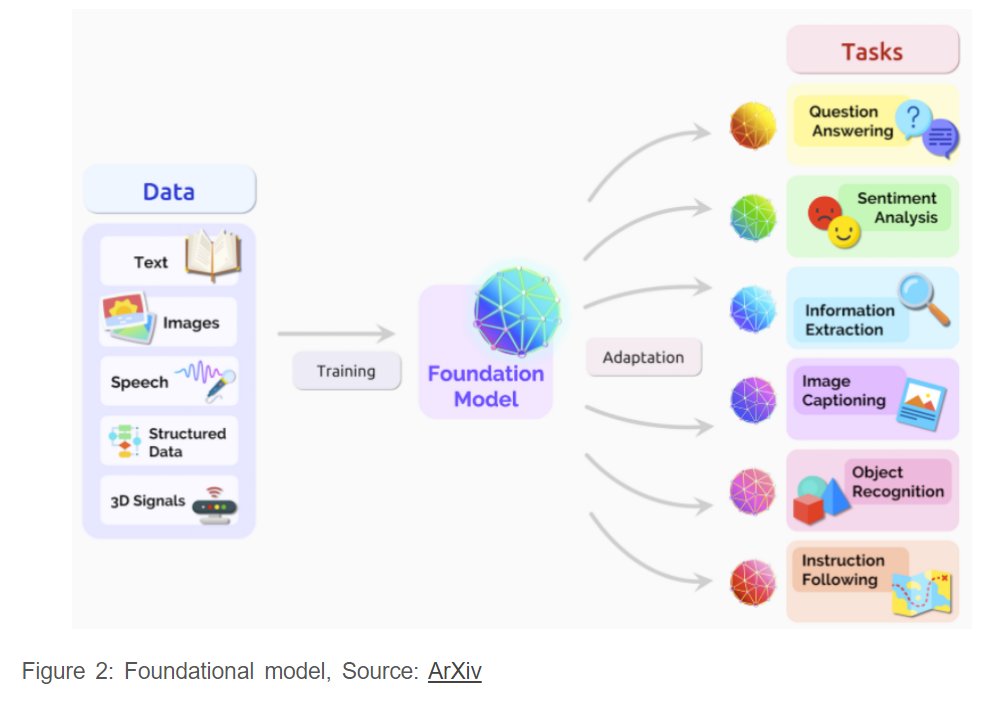
LLMs use advanced machine learning algorithms to understand and analyze human speech.
They are used for chatbots, virtual assistants, language translation, content creation & scientific research.
topbots.com
They are used for chatbots, virtual assistants, language translation, content creation & scientific research.
topbots.com
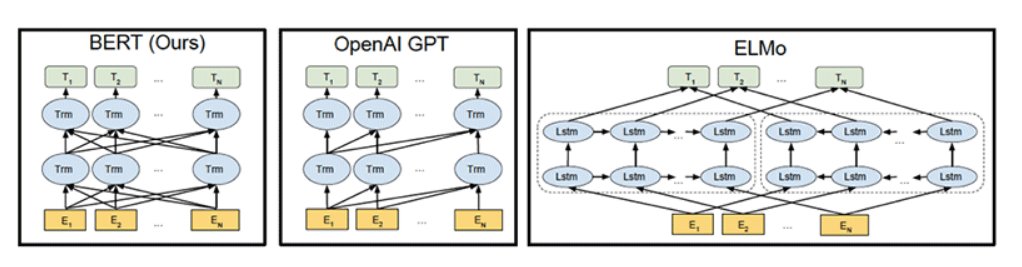

2018 - OpenAI introduces GPT
(Generative Pre-trained Transformer).
This becomes one of the most significant breakthroughs in natural language processing.
(Generative Pre-trained Transformer).
This becomes one of the most significant breakthroughs in natural language processing.
November 30, 2022 - OpenAI launches ChatGPT a chatbot.
It is built on top of GPT-3.5 and GPT-4 large language models.
It is built on top of GPT-3.5 and GPT-4 large language models.

ChatGPT generates human-like text based on prompts from users.
It predicts the next word in a given text, based on the patterns it has learned from a massive amount of data during its training process.
It predicts the next word in a given text, based on the patterns it has learned from a massive amount of data during its training process.

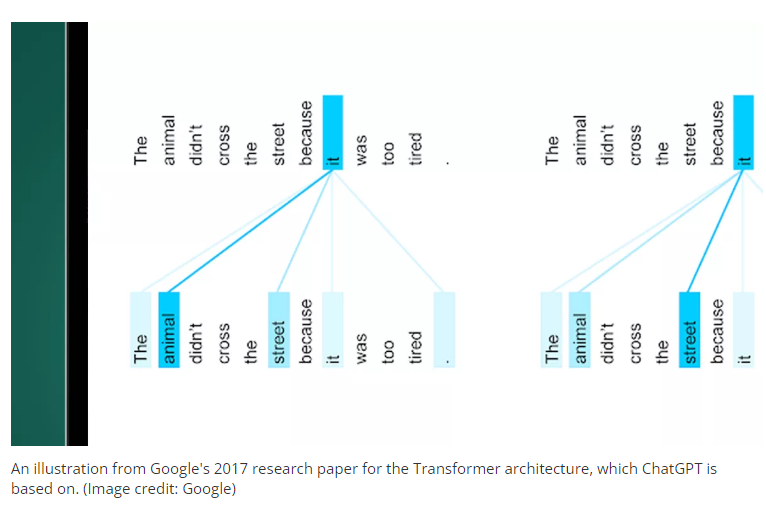
When you prompt ChatGPT it uses ‘transformer architecture’ to respond.
This is a deep learning technique that works through terabytes of data containing billions of words to create an answer.
This is a deep learning technique that works through terabytes of data containing billions of words to create an answer.

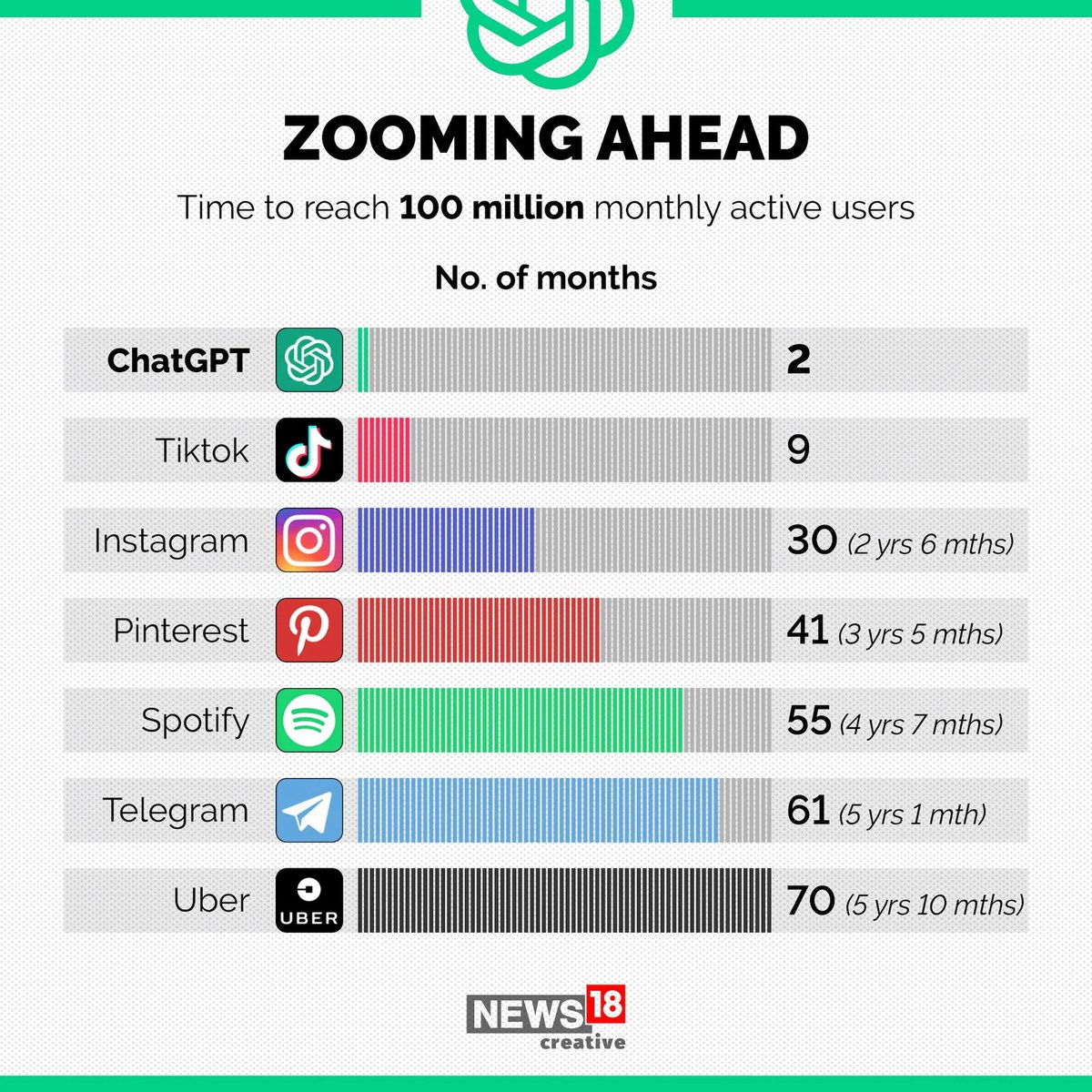
December 4, 2022 - ChatGPT reaches 1 million users.
January 2023 - ChatGPT reaches 100 million active monthly users.
It is the "fastest-growing consumer application in history."
January 2023 - ChatGPT reaches 100 million active monthly users.
It is the "fastest-growing consumer application in history."
March 22, 2023 - more than 1000 AI experts write an open letter.
They say that "AI systems with human-competitive intelligence can pose profound risks to society and humanity."
They want a pause in training systems more powerful than GPT-4. 👇
futureoflife.org
They say that "AI systems with human-competitive intelligence can pose profound risks to society and humanity."
They want a pause in training systems more powerful than GPT-4. 👇
futureoflife.org

That's all for today, folks.
If you enjoyed this, please share by retweeting the first tweet.
I write about emerging technology and the future of humanity.
Follow me
@mishadavinci for more.
If you enjoyed this, please share by retweeting the first tweet.
I write about emerging technology and the future of humanity.
Follow me
@mishadavinci for more.
Want to keep up with emerging technologies and get ahead of the future?
Subscribe to my weekly newsletter.
mishadavinci.substack.com
Subscribe to my weekly newsletter.
mishadavinci.substack.com

For a deep dive into how ChatGPT works read this blog post from Stephen Wolfram:
writings.stephenwolfram.com
writings.stephenwolfram.com

Loading suggestions...