

🧵of 🧵: we've already covered most commonly used sutures.
Today, we cover barbed sutures. The use of barbs wasn't even invented by humans - they are present in many plant and animal species.
But now, barbed sutures are becoming more and more common, as we'll see:
(1/ )
Today, we cover barbed sutures. The use of barbs wasn't even invented by humans - they are present in many plant and animal species.
But now, barbed sutures are becoming more and more common, as we'll see:
(1/ )
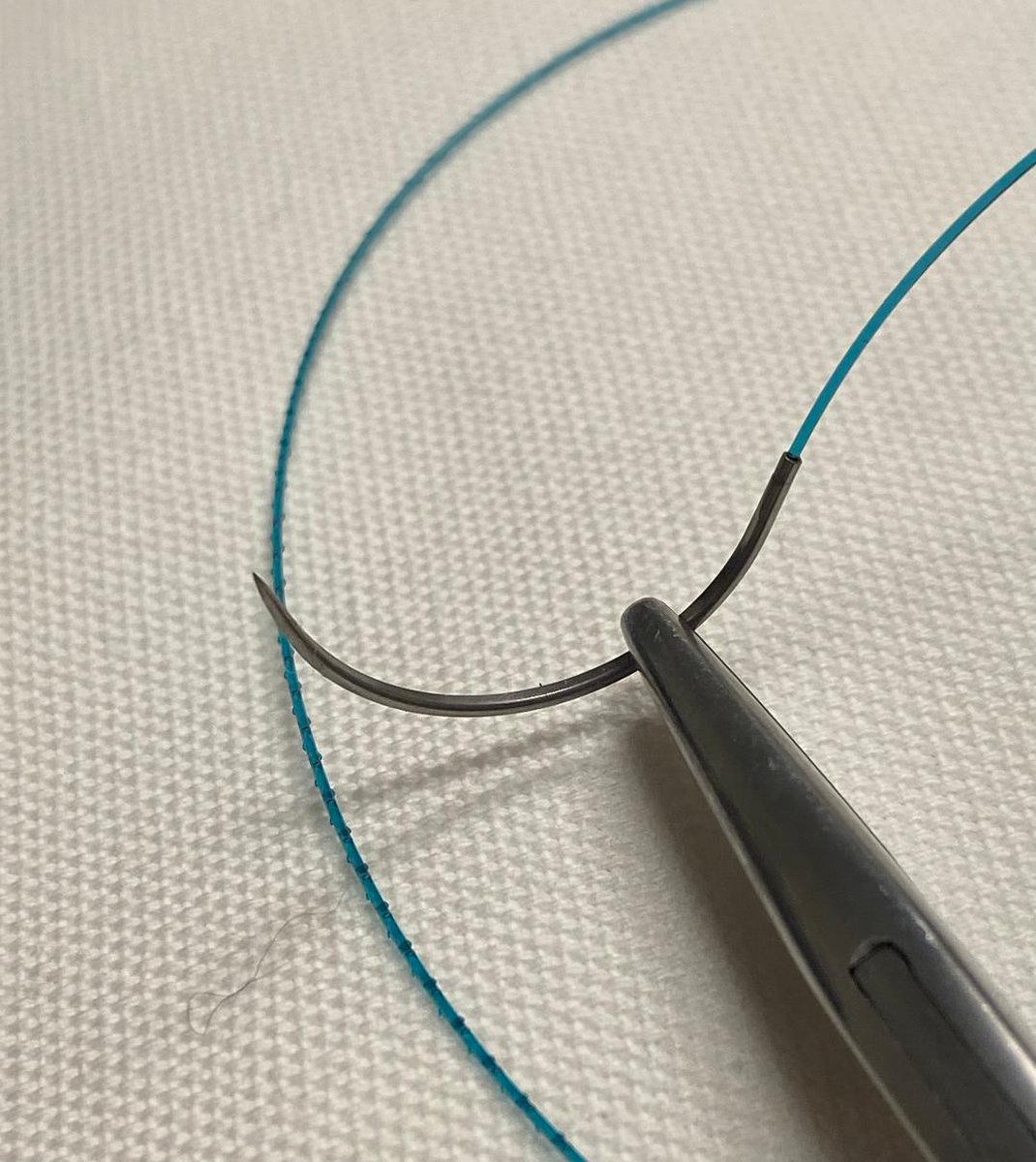
The most common barbed sutures are the V-loc suture (made by Covidien) and Stratafix (made by Ethicon).
I will NOT attempt to compare these two against each other directly. Instead, we will talk about barbed sutures in general.
I will NOT attempt to compare these two against each other directly. Instead, we will talk about barbed sutures in general.

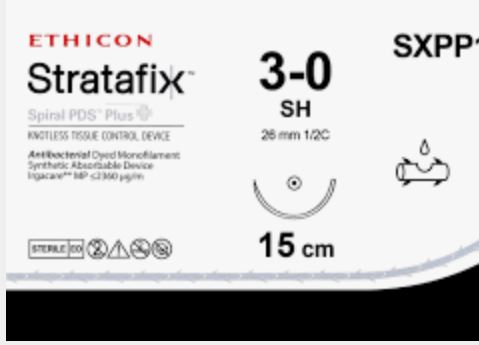

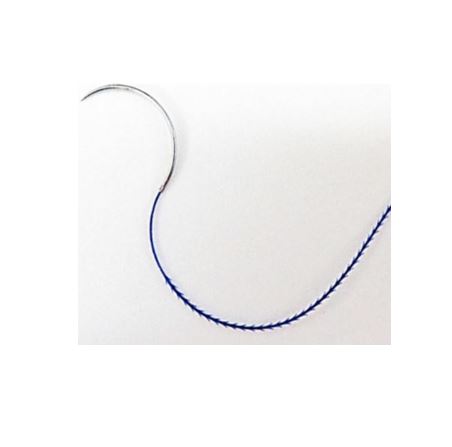
The first thing one notices is that barbed sutures tend to be short - 6" to 12". One reason they can be short is that you don't usually tie knots.
One end is secured by passing the needle through the anchor. There are several ways to 'finish' the suture. More on this later.
One end is secured by passing the needle through the anchor. There are several ways to 'finish' the suture. More on this later.
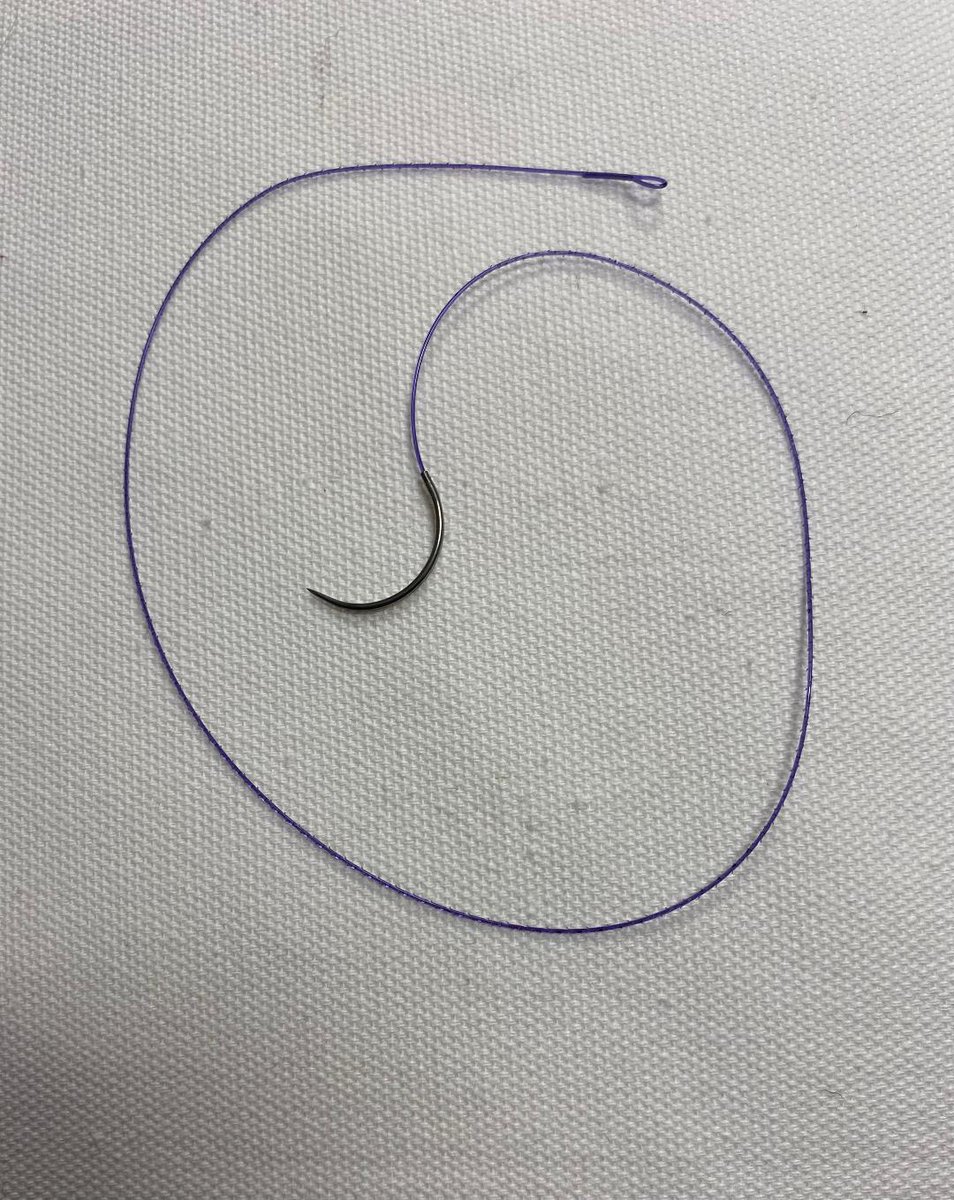
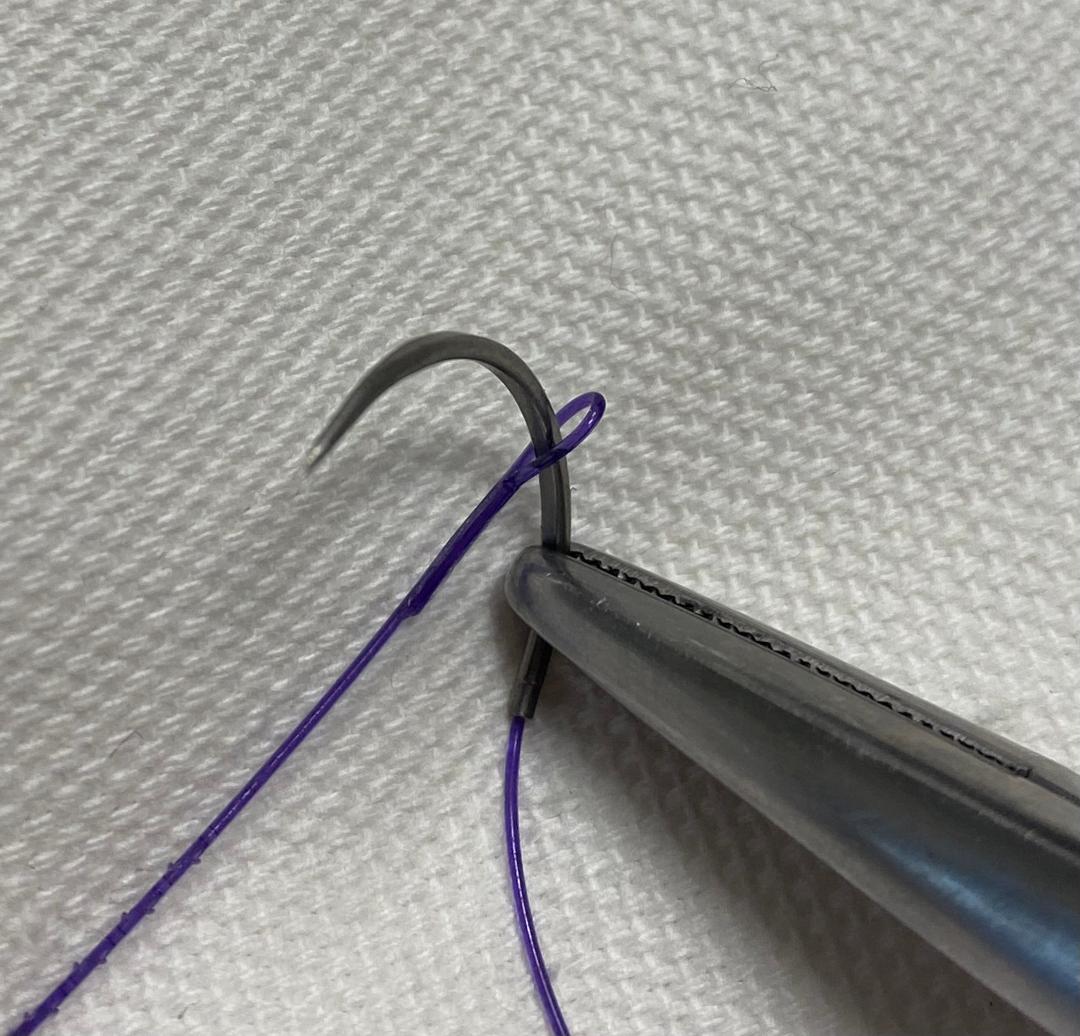
Another reason barbed sutures are short is that they're commonly used in laparoscopic and robotic cases. If the sutures were too long, they would be all over the place and difficult to manage.
Also, they can't be cut to length, as you need the anchor to be on the end.
Also, they can't be cut to length, as you need the anchor to be on the end.
Despite their small size, the barbs of the suture keep it from being pulled back once it has gone through the tissue.
Here I have grabbed some tissue, and I am not able to pull it back through again, as I would with a 'normal' suture. In fact, I can’t pull it back even slightly.
Here I have grabbed some tissue, and I am not able to pull it back through again, as I would with a 'normal' suture. In fact, I can’t pull it back even slightly.

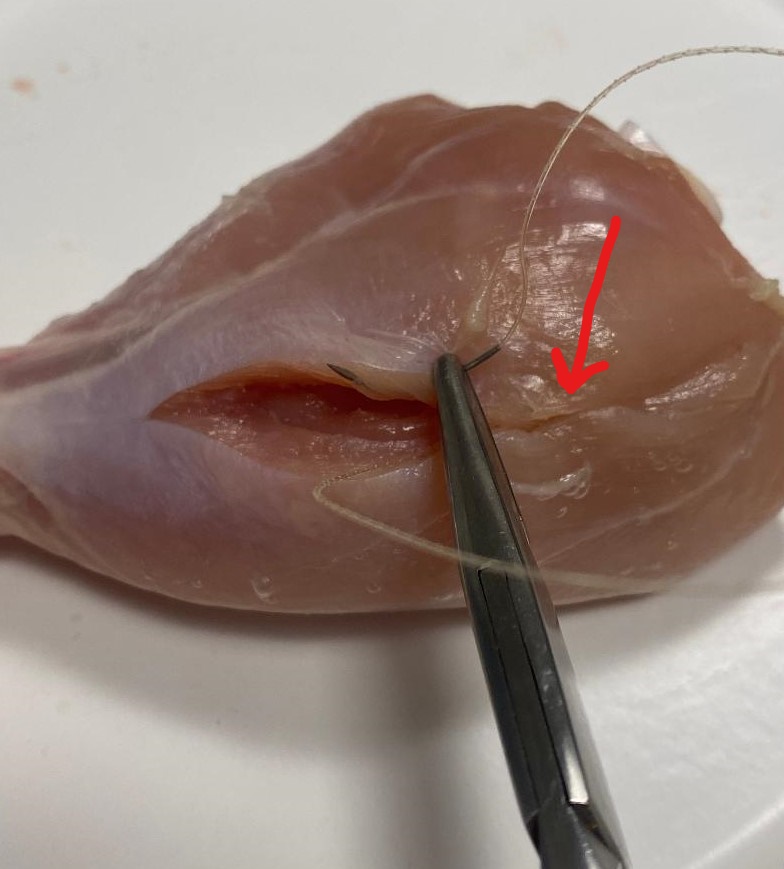
One main advantage this leads to is that after it is tightened, the tissue will stay there, and one doesn't need an assistant to 'follow'.
Here, the 2 edges of the portion I have closed (red arrow) stay in place without anyone 'following' me.
Here, the 2 edges of the portion I have closed (red arrow) stay in place without anyone 'following' me.
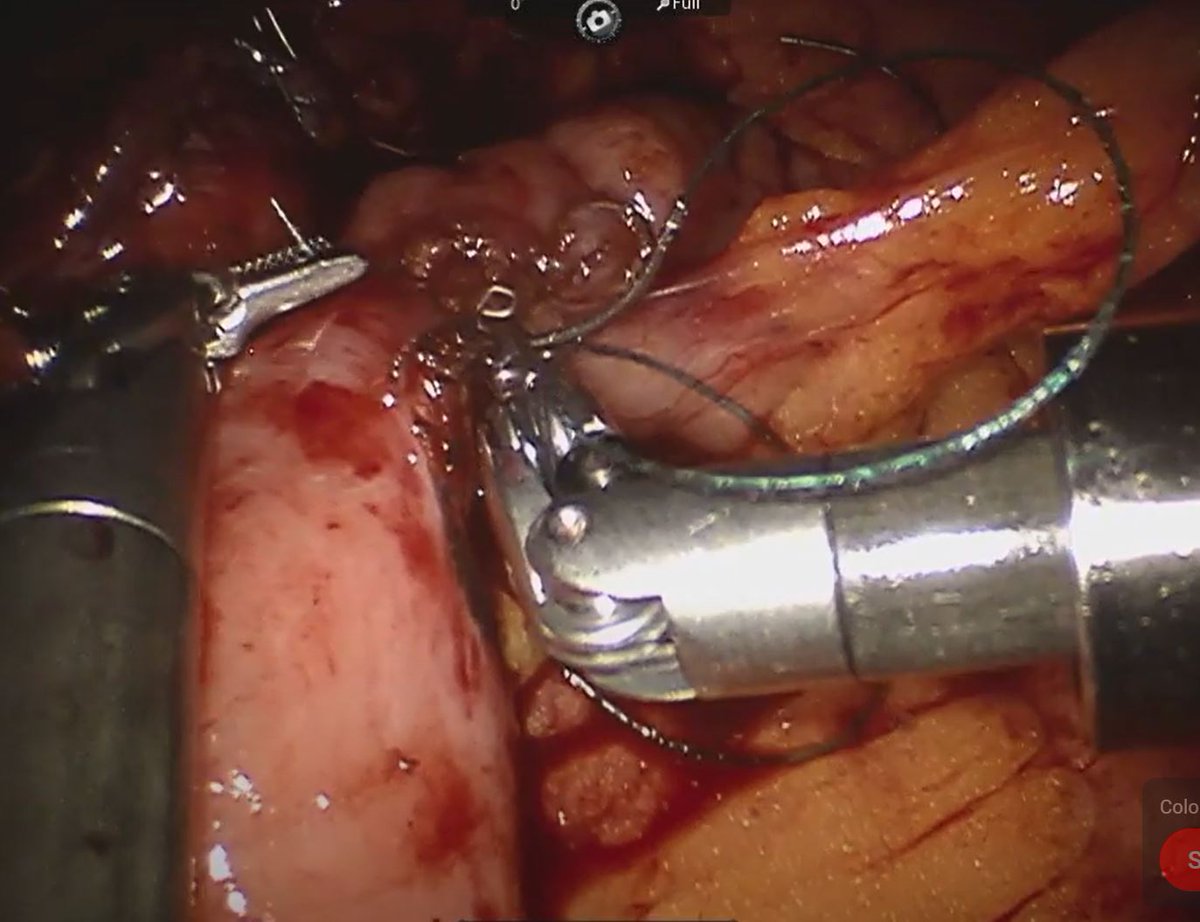
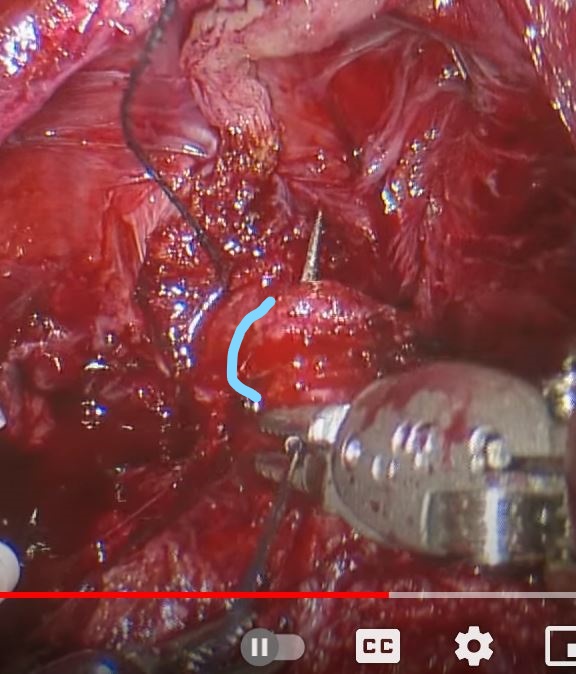
This characteristic of barbed sutures is quite useful for laparoscopic cases, where it may not be possible to maintain tension on the suture.
Here, the part of the anastomosis that has already been done (blue line) stays together nicely even though no one pulls on the strand.
Here, the part of the anastomosis that has already been done (blue line) stays together nicely even though no one pulls on the strand.
This means that one of the disadvantages is that once the stitch is thrown, you've essentially committed to it. It can't easily be 'fixed'.
Here I have travelled farther than I intended. I'd like to pull it back and redo it. But I can't do this because the barbs won't let me.
Here I have travelled farther than I intended. I'd like to pull it back and redo it. But I can't do this because the barbs won't let me.
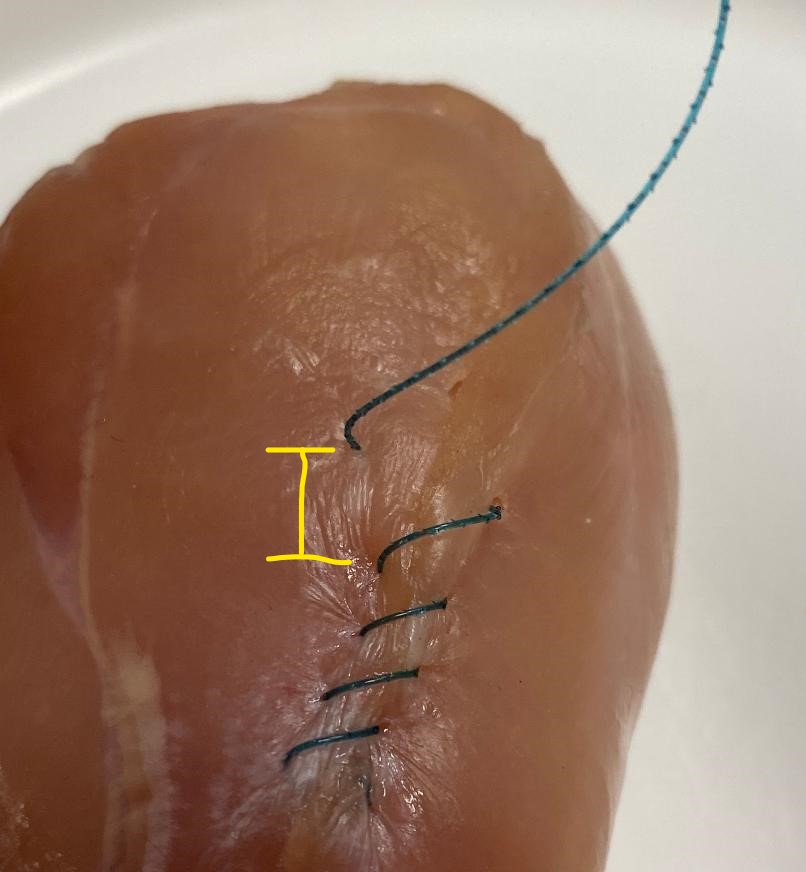
So now we're at the end of a suture line. We said there would be no knots. How do we finish it then?
We will go over a few different ways to do this next.(for some photos, beef is filling in, as the 🐔are on strike).
We will go over a few different ways to do this next.(for some photos, beef is filling in, as the 🐔are on strike).
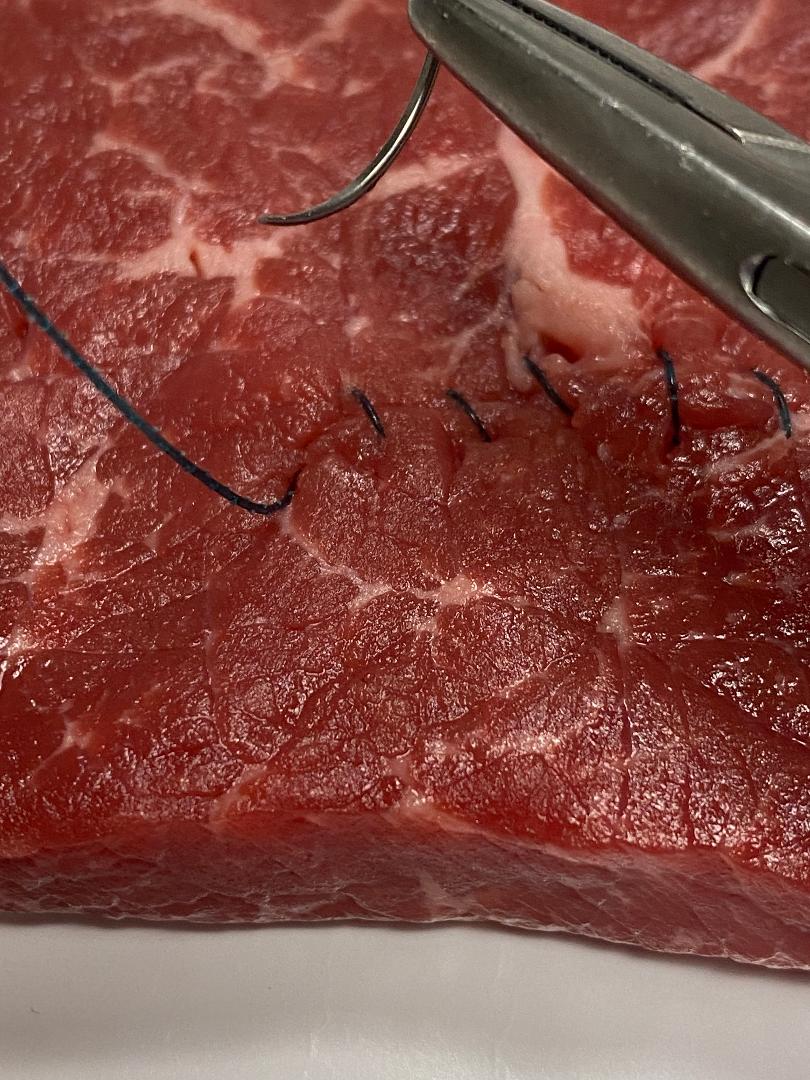
Once the suture line is complete, some surgeons don't do anything else...they end it by simply cutting the suture at the level of the tissue, trusting that the barbs will do their job and keep the suture in place.
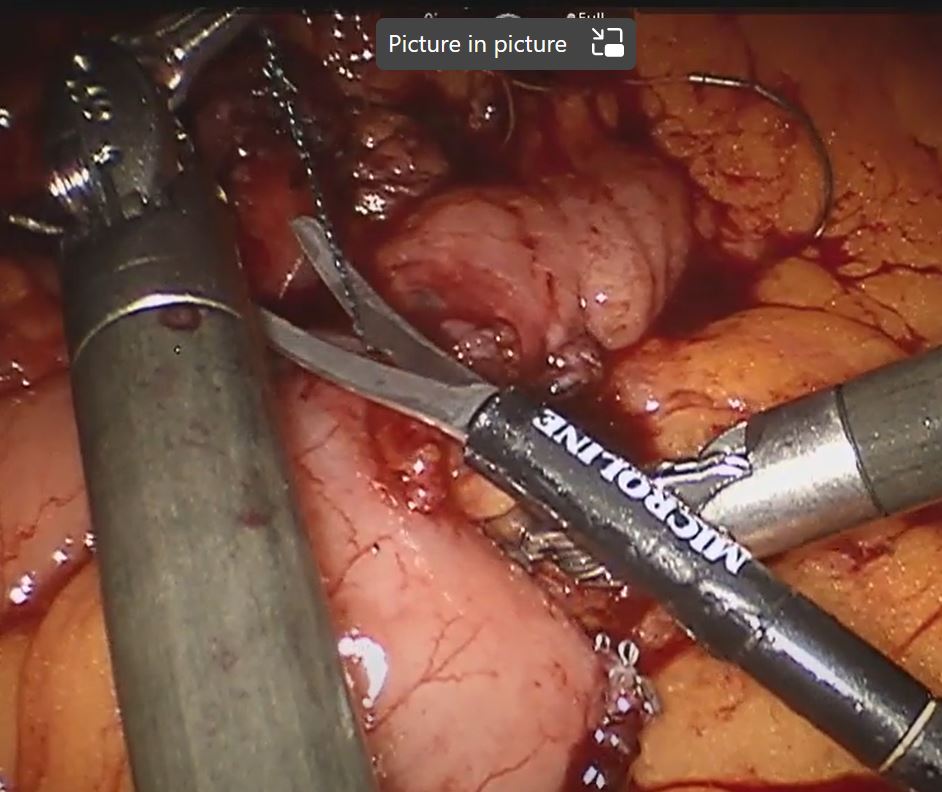
Probably a more common method is to take the suture and then go back in the other direction for 2-3 bites, and then cut it off, either at the tissue level or with a little 'tail'.
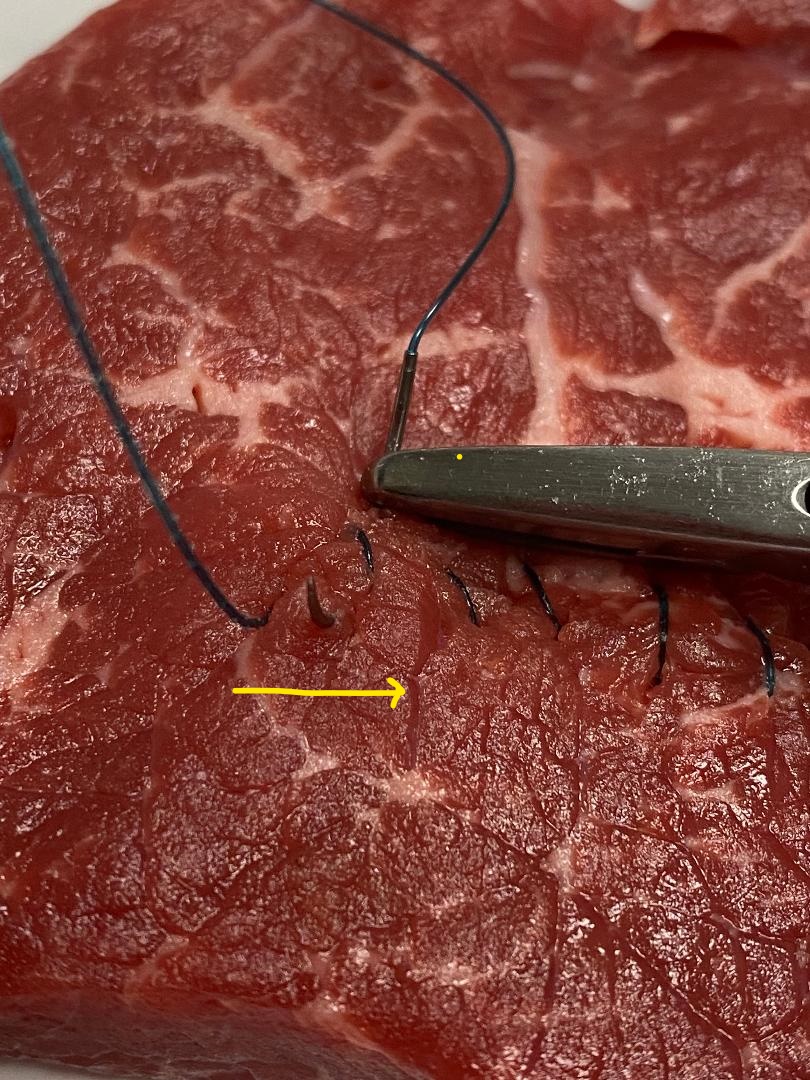
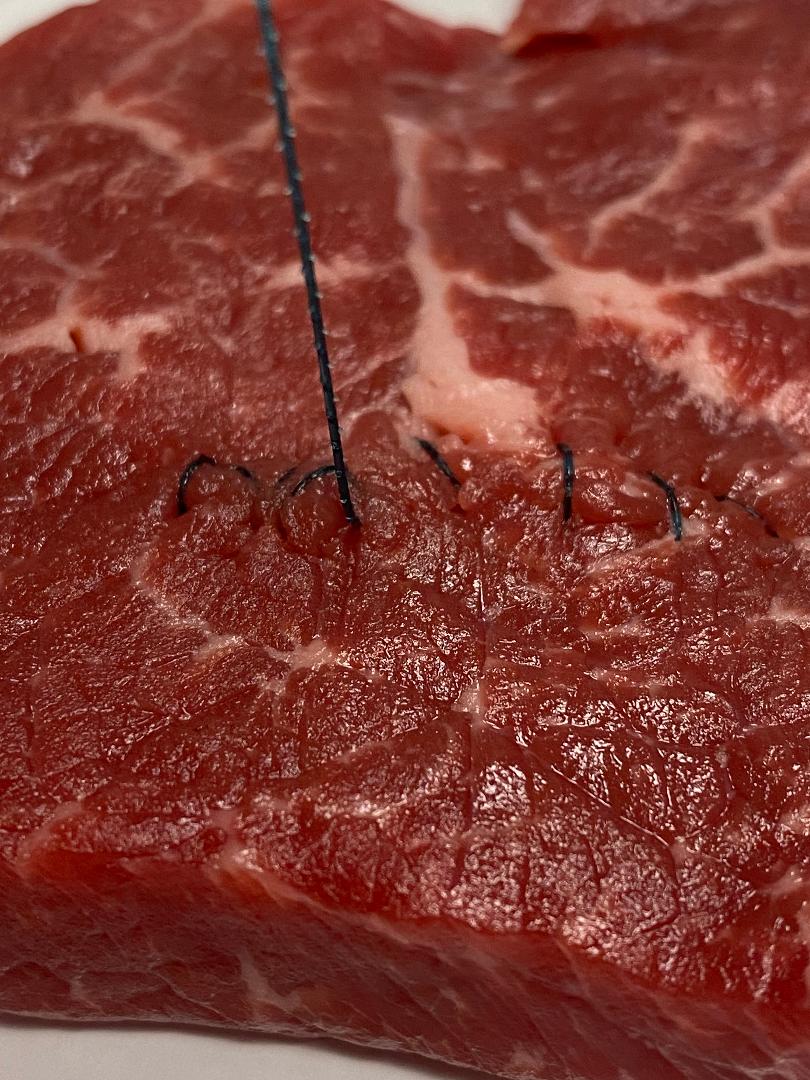
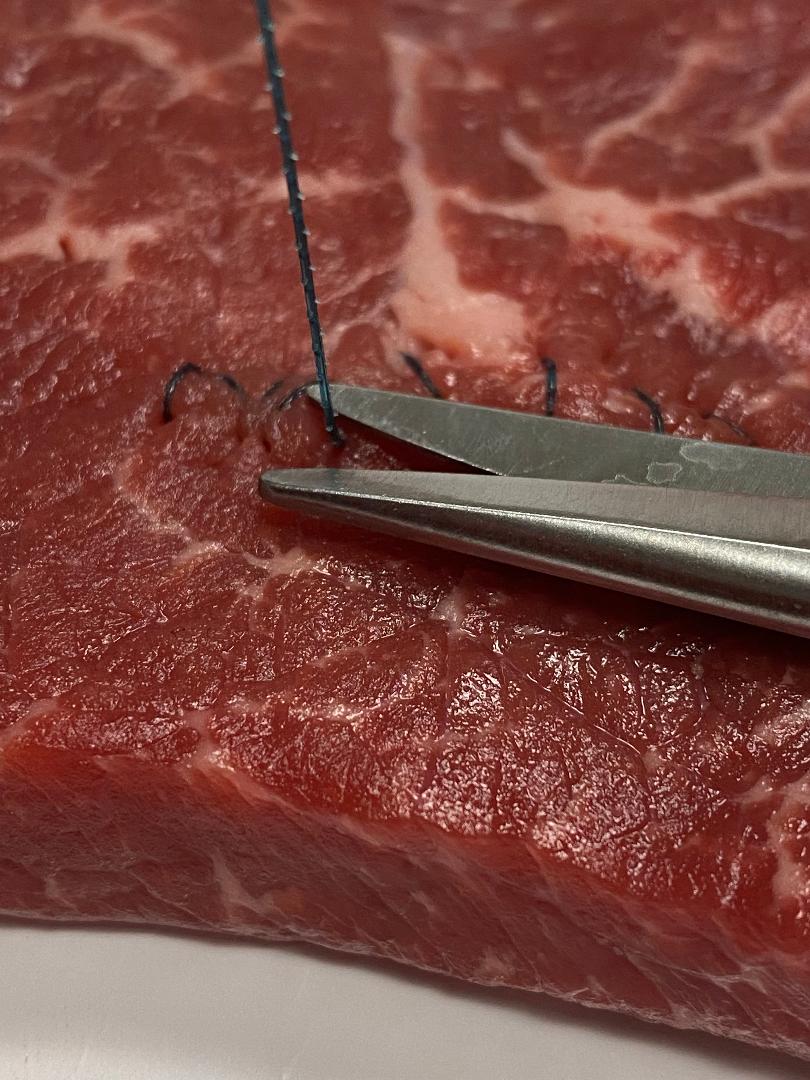
Here's a very similar version of the same idea.
Once the suture line is done, the needle is reversed, one bite is taken in the other direction, and then the needle is brought out through the tissue surface and cut.
Once the suture line is done, the needle is reversed, one bite is taken in the other direction, and then the needle is brought out through the tissue surface and cut.
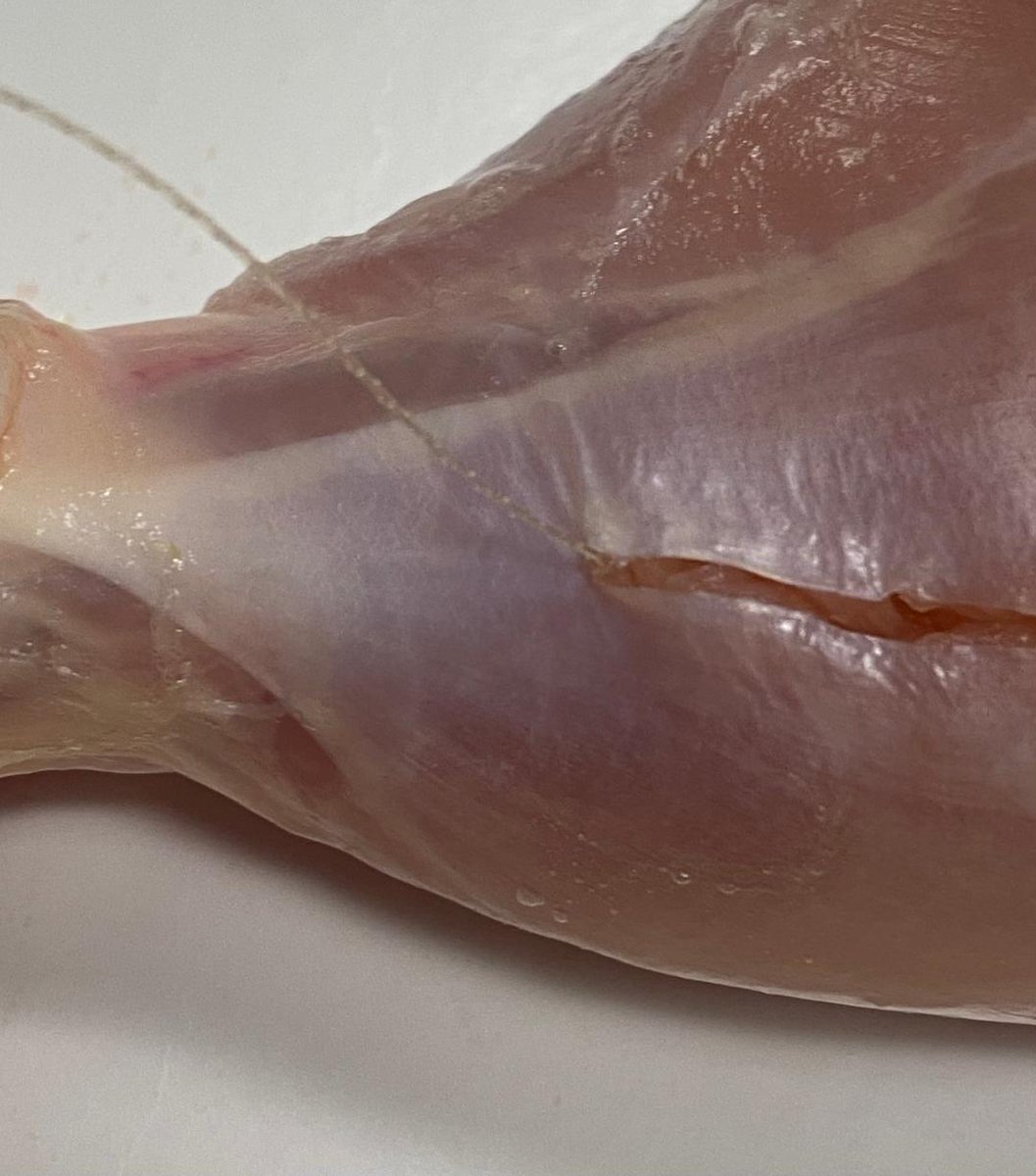
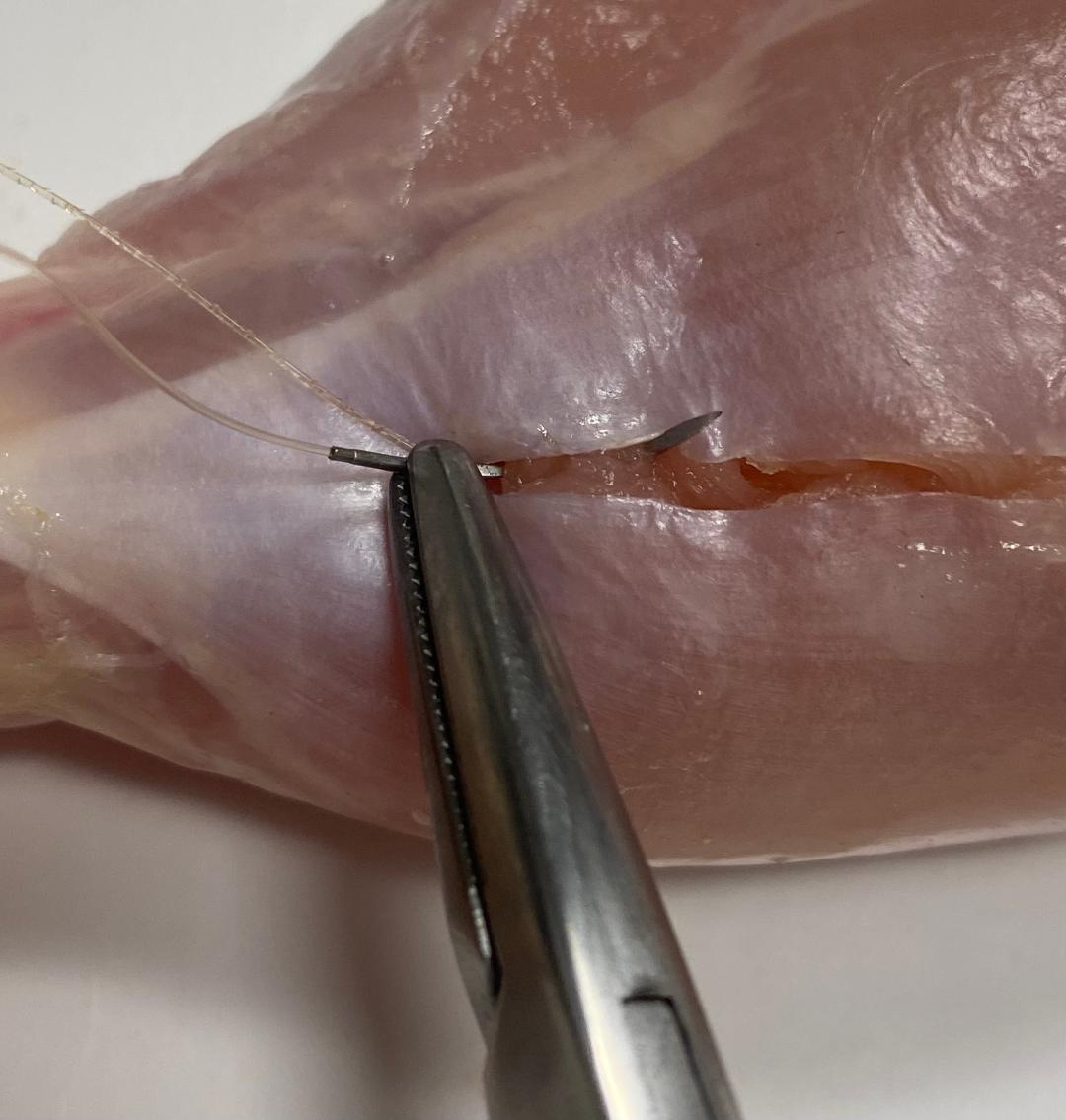
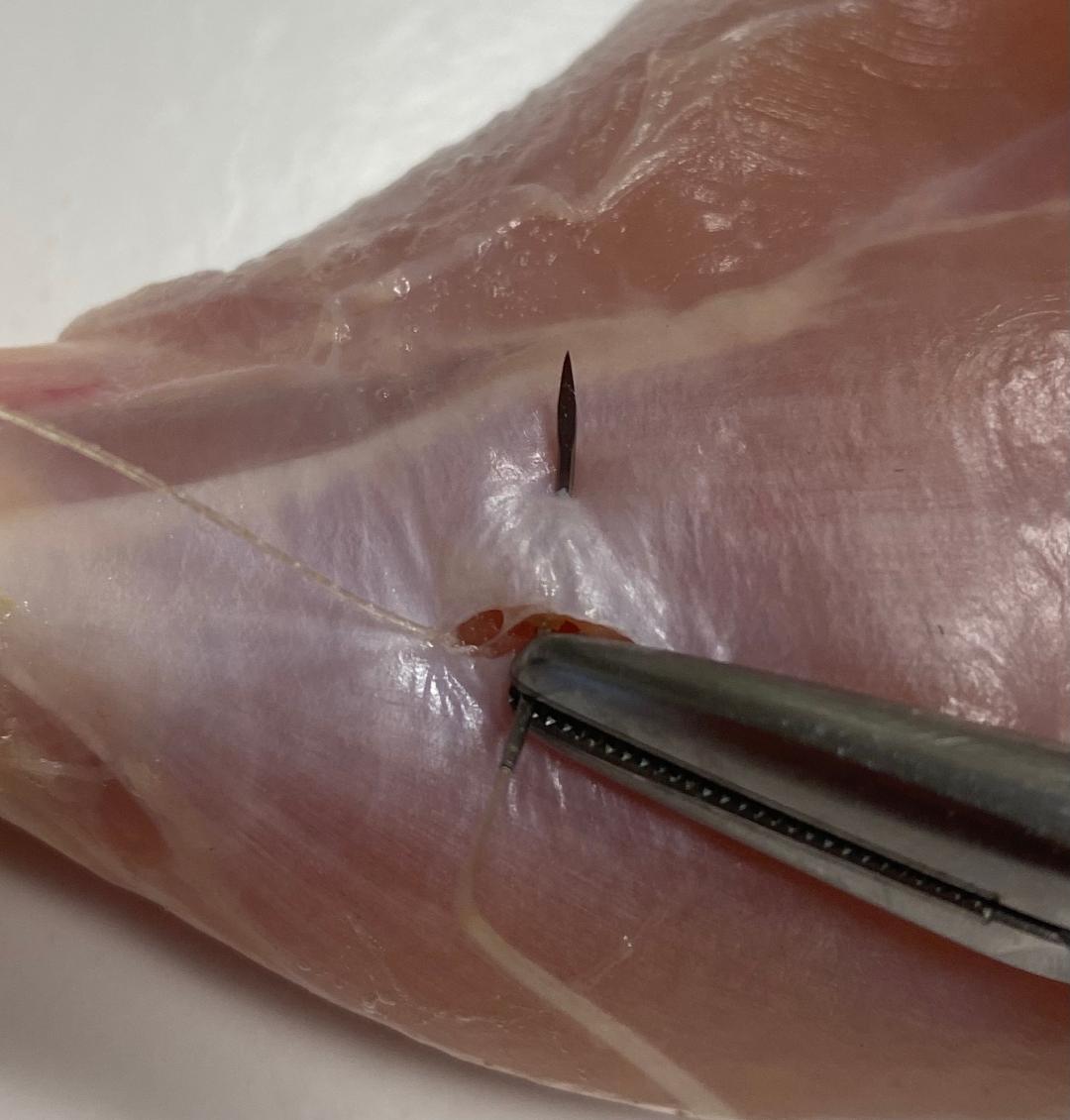
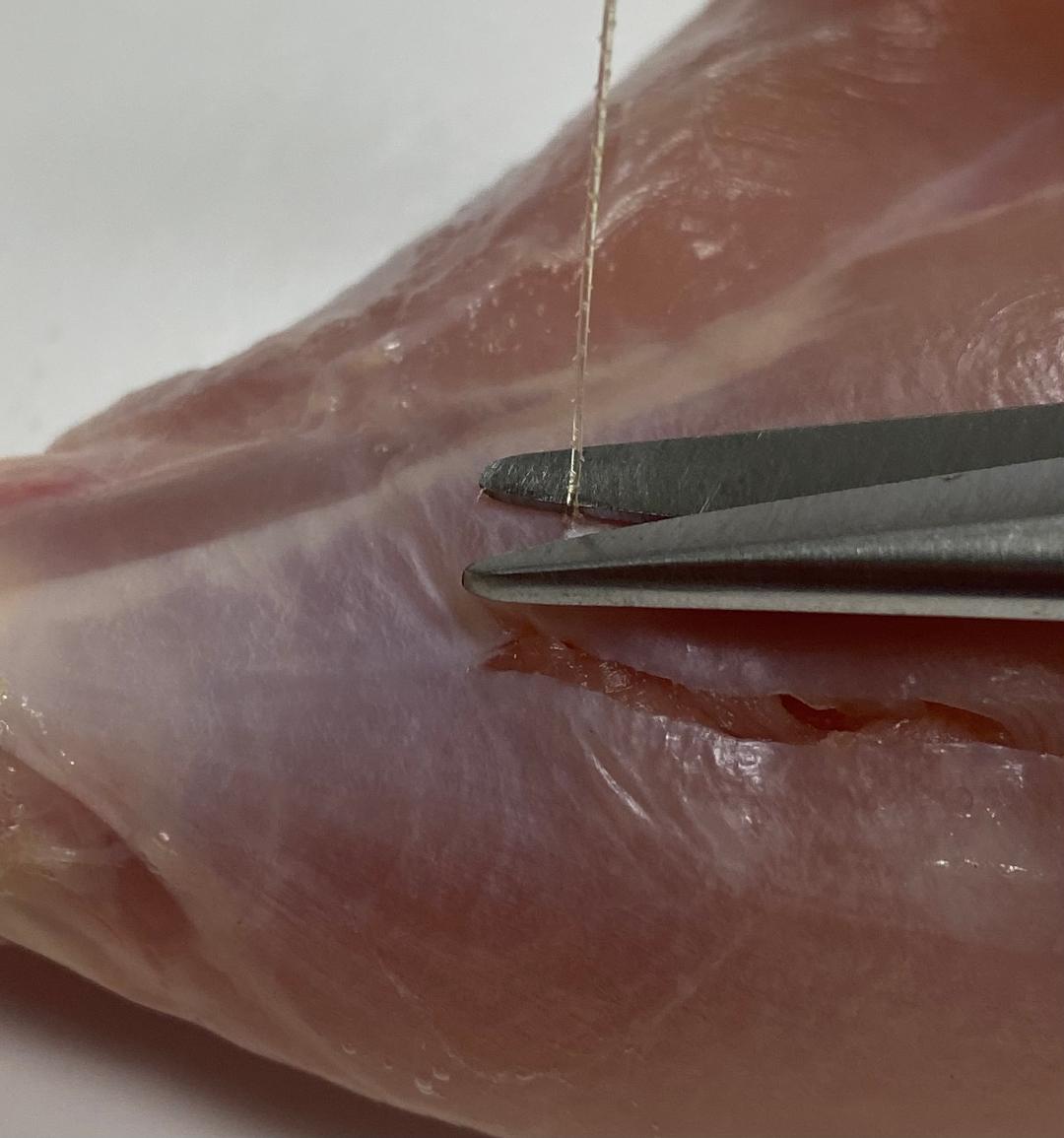
Here, a bowel anastomosis has been completed, and the surgeon has left a long 'tail' (which hasn't been cut yet).
They have added a couple of clips to encourage the suture not to slip back too far. As to whether this helps or not...🤔
They have added a couple of clips to encourage the suture not to slip back too far. As to whether this helps or not...🤔
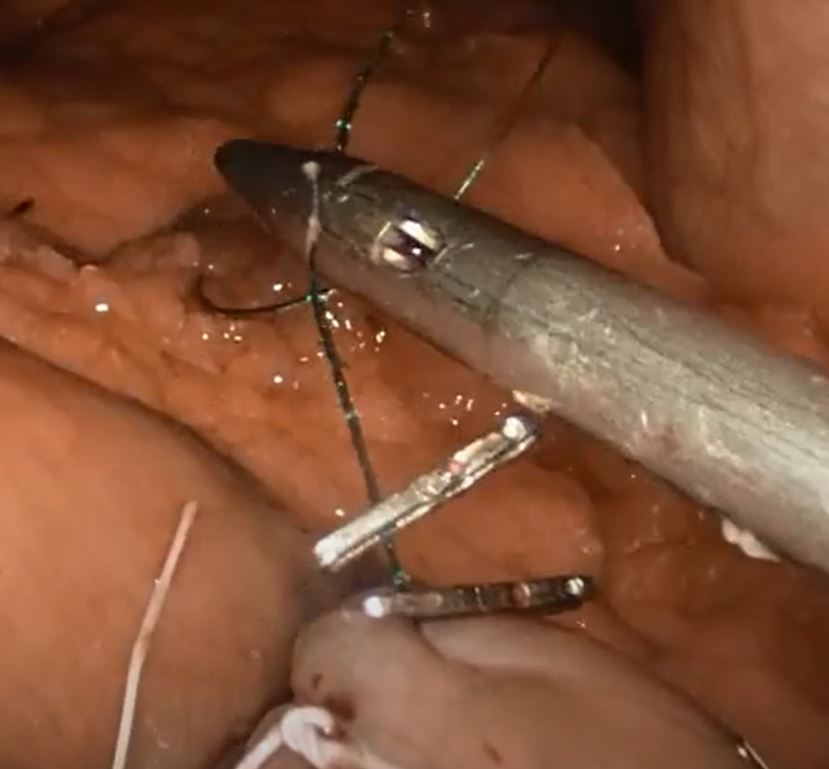
There are some examples of surgeons tying actual knots with barbed suture. Usually this is when 2 strands are tied together.
Here, @Averywalker21 finishes an anastomosis by tying the 2 strands with a conventional square knot.
Here, @Averywalker21 finishes an anastomosis by tying the 2 strands with a conventional square knot.
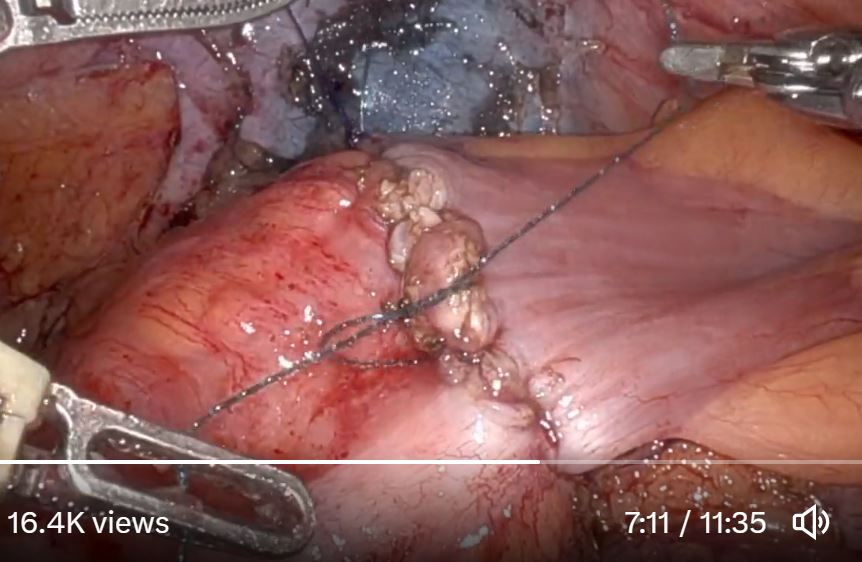
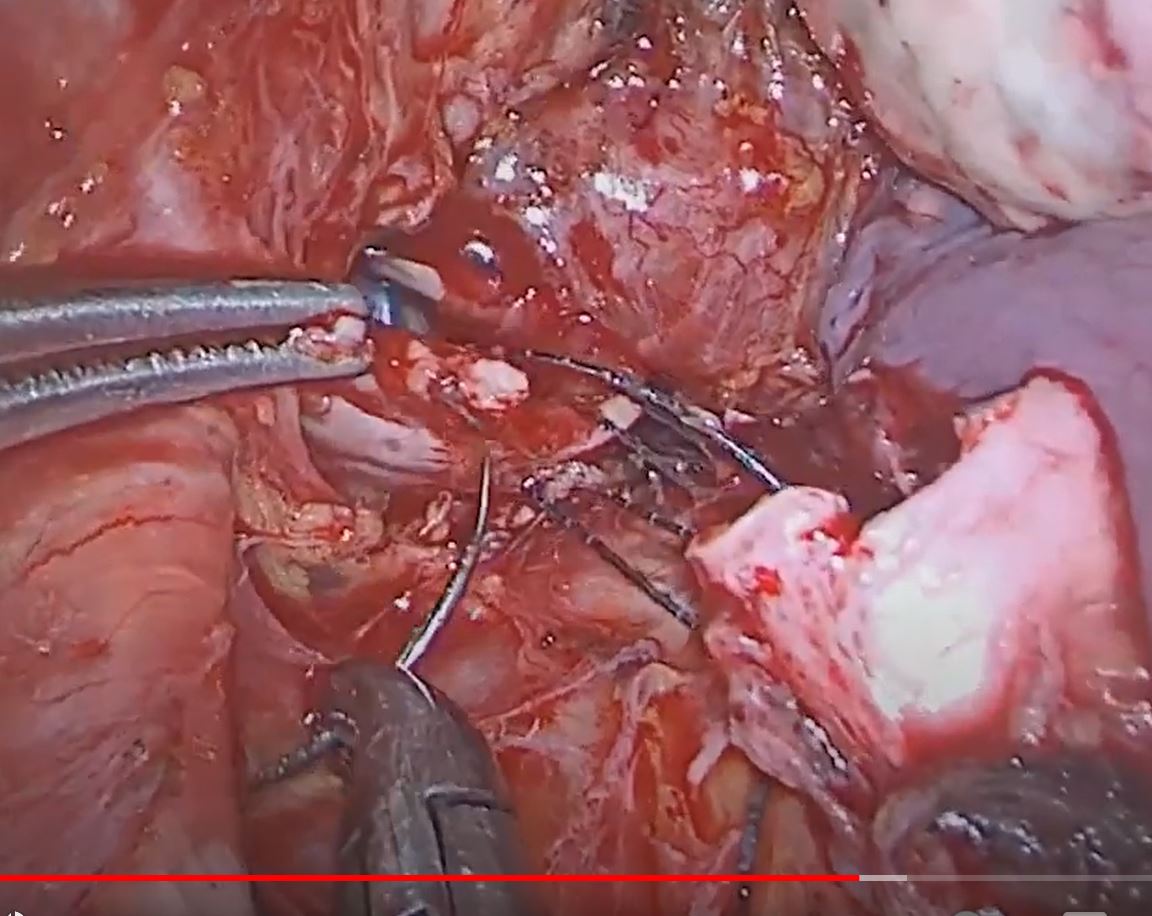
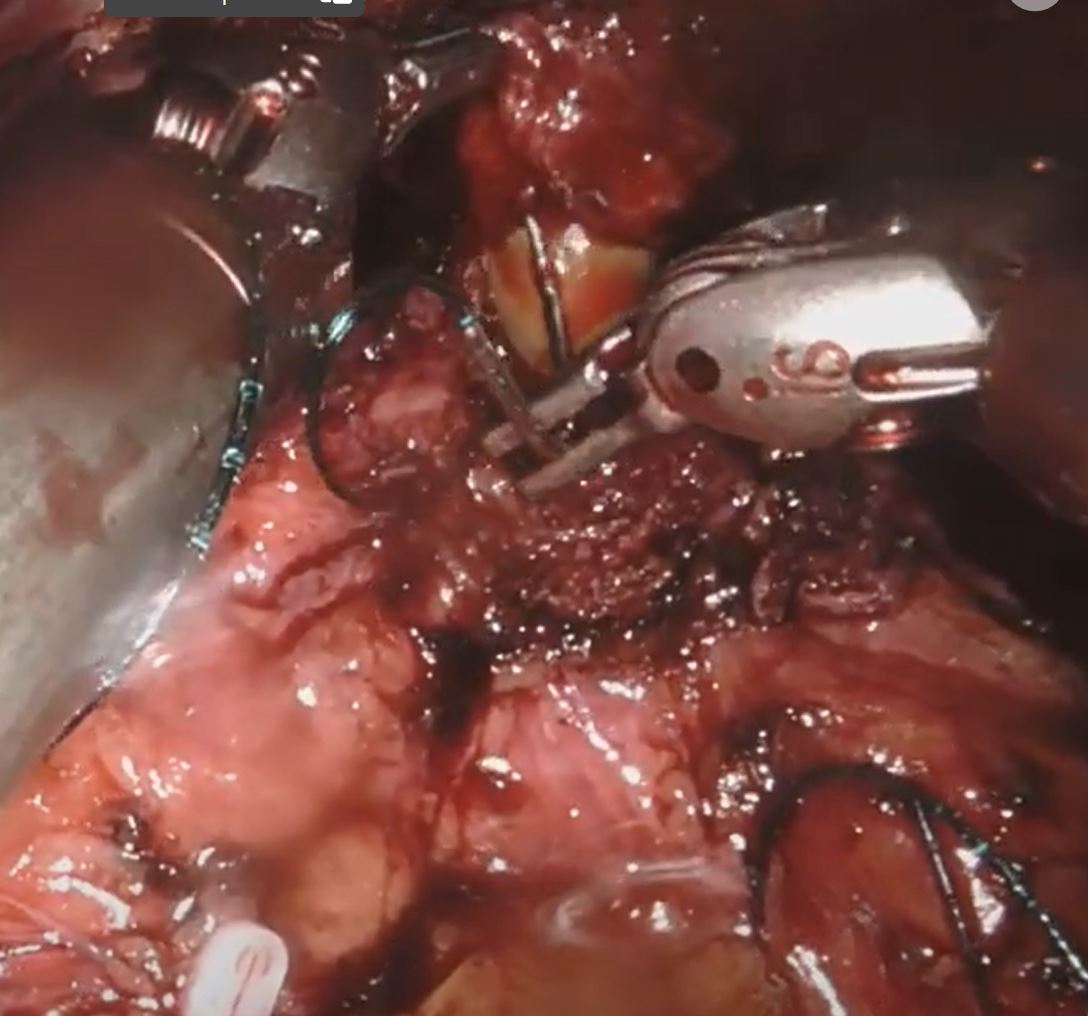
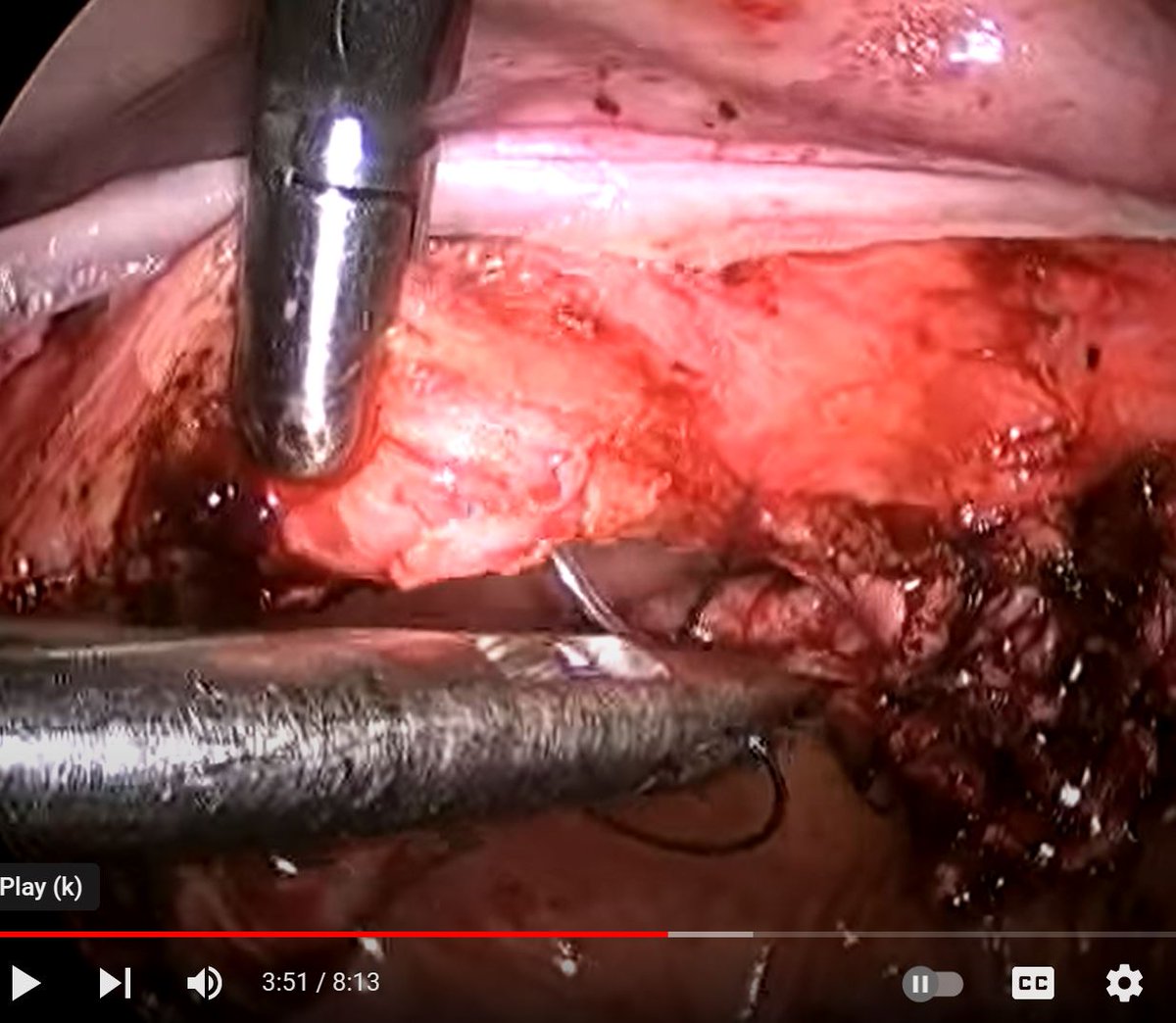
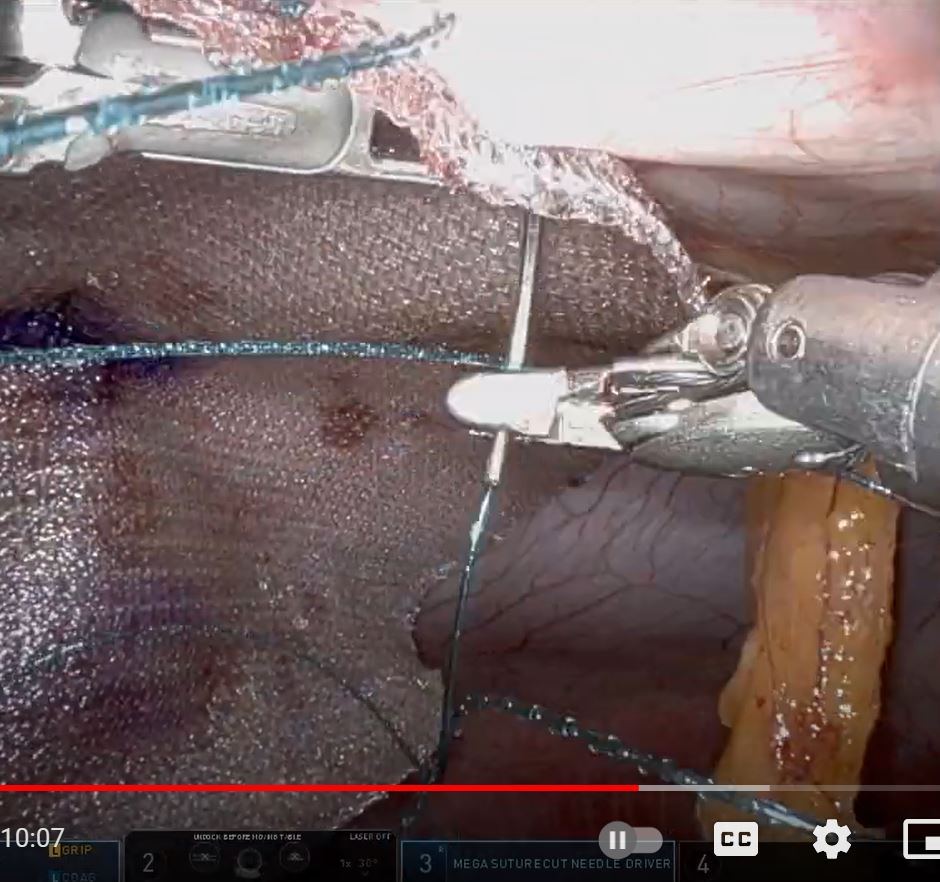
Barbed sutures have now been used in operations in many different specialties. Some examples include:
- bronchial anastomosis (upper L)
- vesicourethral anastomosis (upper R)
- closure of vaginal cuff (lower L)
- securing ventral hernia mesh (lower R)
And many more...
- bronchial anastomosis (upper L)
- vesicourethral anastomosis (upper R)
- closure of vaginal cuff (lower L)
- securing ventral hernia mesh (lower R)
And many more...
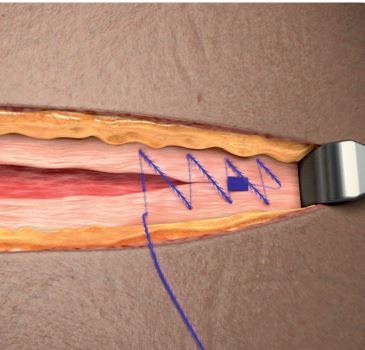
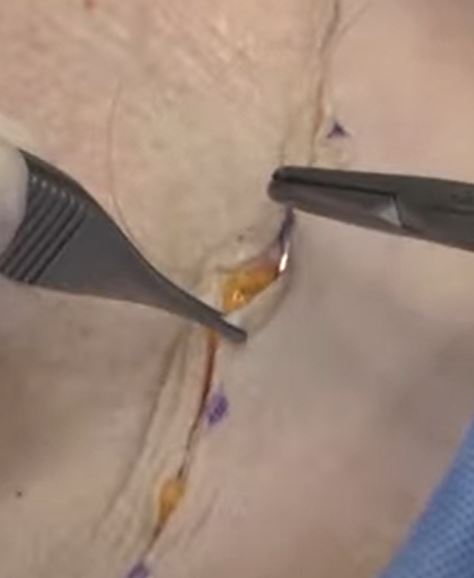
There is an increasing number of applications for barbed sutures in open surgery, and they do come in longer versions.
As an example, #1 Stratafix has been used for closing abdominal fascia, and 2-0 and 3-0 V-loc or Stratafix is often used to close superficial tissue layers.
As an example, #1 Stratafix has been used for closing abdominal fascia, and 2-0 and 3-0 V-loc or Stratafix is often used to close superficial tissue layers.
Generally, barbed sutures are in the #1 to 4-0 range.
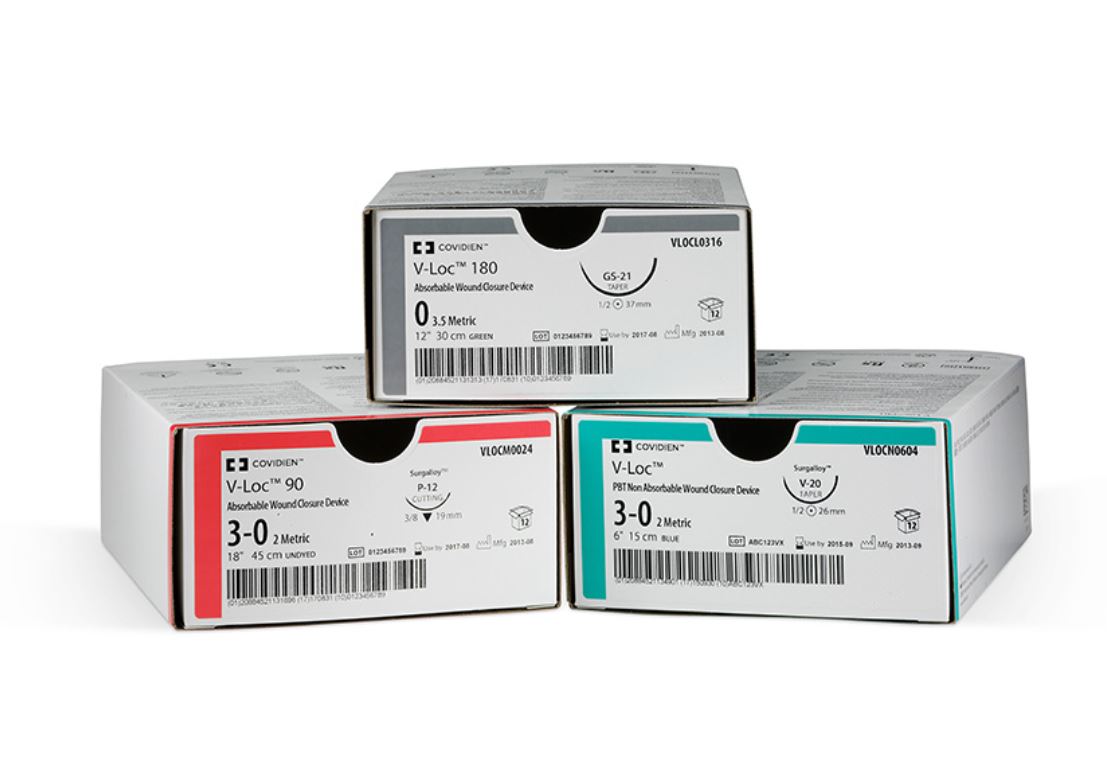
V-loc comes in '90' and '180' versions, which refers to the # days it takes to fully absorb. There is also a permanent version.
Stratafix is based either off PDS, Monocryl, or polypropylene suture material.
V-loc comes in '90' and '180' versions, which refers to the # days it takes to fully absorb. There is also a permanent version.
Stratafix is based either off PDS, Monocryl, or polypropylene suture material.

References:
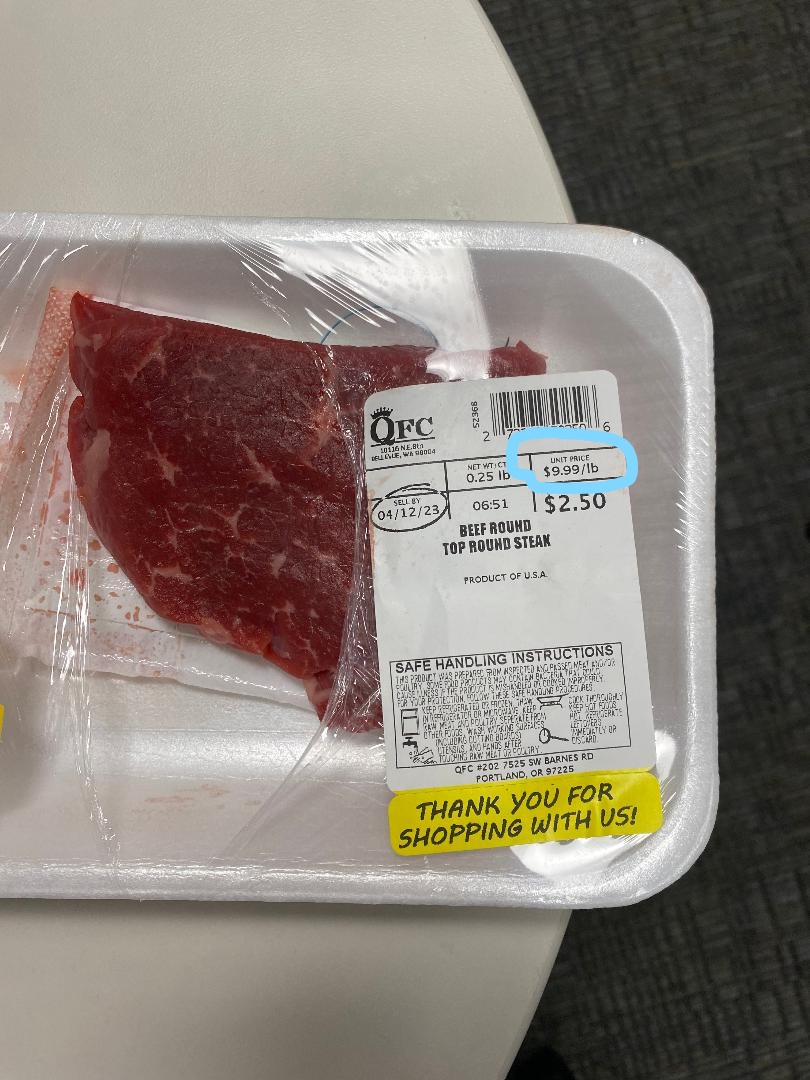
Chicken and beef were obtained from QFC market in Beaverton, OR.
As the chickens were on strike for a portion of the 🧵, I needed to use beef, which was considerably more expensive and was not at all accustomed to performing this type of work.
⬛️
Chicken and beef were obtained from QFC market in Beaverton, OR.
As the chickens were on strike for a portion of the 🧵, I needed to use beef, which was considerably more expensive and was not at all accustomed to performing this type of work.
⬛️
Loading suggestions...