

HOW TO CALM YOUR MIND WITH MEDITATION:
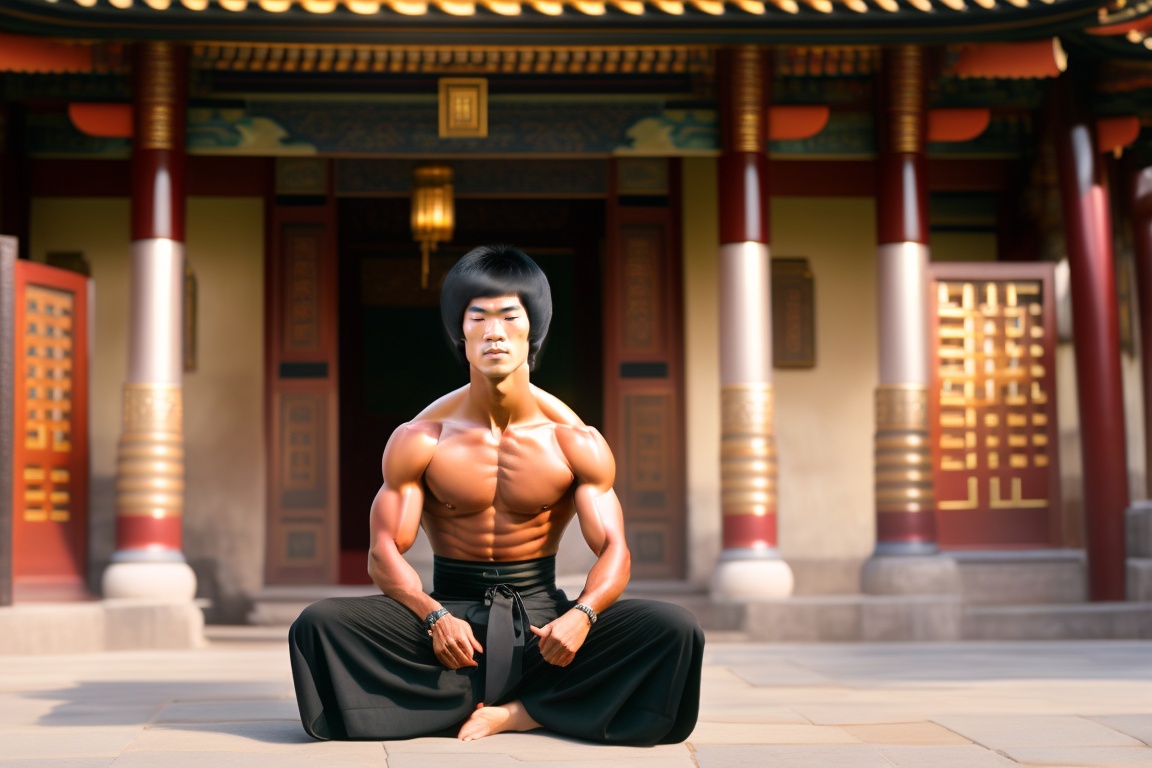
There's no such thing as peace of mind - because the very nature of the mind is chaotic and conflictual.
What you truly desire is peace from your mind. But the mind has a way of tricking you into believing that external chases like money, drugs, or sex will bring inner peace.
What you truly desire is peace from your mind. But the mind has a way of tricking you into believing that external chases like money, drugs, or sex will bring inner peace.
Meditation is the only direct path to freedom!
Meditation is not a way of escaping reality, or suppressing your thoughts. It is a tool for self-discovery that allows you to tap into the deeper realms of your being and attain a sense of tranquillity beyond the chaos of life.
Meditation is not a way of escaping reality, or suppressing your thoughts. It is a tool for self-discovery that allows you to tap into the deeper realms of your being and attain a sense of tranquillity beyond the chaos of life.
What people fail to understand is that - the attitude to meditation is much more important than any technique. A change in perspective will make you progress faster in your meditative practise...
First and foremost, don't be goal oriented.
Meditation teaches you to appreciate the present moment as it is. And you can only enjoy the moment when you aren't trying too hard to impose your expectations.
The moment you try to achieve anything, you've missed the point.
Meditation teaches you to appreciate the present moment as it is. And you can only enjoy the moment when you aren't trying too hard to impose your expectations.
The moment you try to achieve anything, you've missed the point.
The desire to achieve future goals will distract you from the present.
To meditate effectively, allow your mind to wander and enjoy the experience. It's like walking a dog; let it roam as it pleases, but hold on to the leash.
To meditate effectively, allow your mind to wander and enjoy the experience. It's like walking a dog; let it roam as it pleases, but hold on to the leash.
Next, unlearn the myth that you need 100% concentration to have a good meditation session. Not only is that practically impossible, but it's also completely unnecessary.
Relaxation is key to reconnecting with your consciousness.
Relaxation is key to reconnecting with your consciousness.
Start with a body scan to release any tension in your feet, hips, spine, chest, neck and face.
Do this as much as possible throughout the day.
The supreme understanding to have is that all efforts to quiet the mind can be observed from a deeper space of stillness and silence.
Do this as much as possible throughout the day.
The supreme understanding to have is that all efforts to quiet the mind can be observed from a deeper space of stillness and silence.
The most crucial attitude to becoming meditative is.
Understand and accept two things:
1 - You are not your body, but the life force within it.
2 - You are not your thoughts, nor the thinker of them. You are the consciousness that observes them come and go.
Understand and accept two things:
1 - You are not your body, but the life force within it.
2 - You are not your thoughts, nor the thinker of them. You are the consciousness that observes them come and go.
HOW TO MASTER MEDITATION
To become meditative, you need an anchor of mindfulness. This will serve as a fail-safe that returns and grounds you in the present whenever your mind inevitably wanders into wonderland. Here are some highly effective anchors you can practise with;
To become meditative, you need an anchor of mindfulness. This will serve as a fail-safe that returns and grounds you in the present whenever your mind inevitably wanders into wonderland. Here are some highly effective anchors you can practise with;
- Your breath
This is a powerful and accessible anchor that can lead you to the depths of your being, to the boundary between the material and spirit world.
As Bruce Lee said;
"A man who has mastered his breath is no longer a slave to his emotions, but a master of them."
This is a powerful and accessible anchor that can lead you to the depths of your being, to the boundary between the material and spirit world.
As Bruce Lee said;
"A man who has mastered his breath is no longer a slave to his emotions, but a master of them."
Shallow breathing can trigger anxiety, restlessness, and physical ailments. So avoid breathing into your chest.
Instead, breathe deeply into your belly. Feel your belly rise and fall as you attentively follow each inhale to the exchange point at the naval.
Instead, breathe deeply into your belly. Feel your belly rise and fall as you attentively follow each inhale to the exchange point at the naval.
- Your nose tip
The act of watching the tip of the nose is a form of meditation rooted in the Yoga. This technique is called "Trataka," which translates to "steady gazing".
It is a powerful anchor that trains your mind to be attentive to what is right in front of you.
The act of watching the tip of the nose is a form of meditation rooted in the Yoga. This technique is called "Trataka," which translates to "steady gazing".
It is a powerful anchor that trains your mind to be attentive to what is right in front of you.
- Surrounding sounds:
Listening is truly a lost art. The deeper you listen, the less you think and vice versa.
Your physical senses all have a metaphysical twin. That is you can listen with your inner ears, look with your inner eyes, and feel with your inner bodies.
Listening is truly a lost art. The deeper you listen, the less you think and vice versa.
Your physical senses all have a metaphysical twin. That is you can listen with your inner ears, look with your inner eyes, and feel with your inner bodies.
True listening goes beyond just hearing words and sounds. It involves paying attention to the underlying silence that is prevalent between and beneath them.
By doing so, you'll awaken your metaphysical senses and deepen your awareness of the world around you.
By doing so, you'll awaken your metaphysical senses and deepen your awareness of the world around you.
MEDITATION TECHNIQUES
1) Mindfulness meditation:
This is the art of observing your thoughts, feelings and any sensations as they arise. It is a form of effortless watchfulness that detaches you from the vibrations of the material world.
1) Mindfulness meditation:
This is the art of observing your thoughts, feelings and any sensations as they arise. It is a form of effortless watchfulness that detaches you from the vibrations of the material world.
When you meditate;
Sit by the river bank of your mind and observe the currents of thought as they flow through your consciousness.
Don’t try to suppress your thoughts in any way. Remember, don't be goal oriented.
Sit by the river bank of your mind and observe the currents of thought as they flow through your consciousness.
Don’t try to suppress your thoughts in any way. Remember, don't be goal oriented.
You can neither stop thoughts from coming nor stop them from going. Retract your attention and they'll naturally subside back into silence.
Observe with detachment, acceptance and loving attention. Soon you'll come to realize that you are beyond your mind.
Observe with detachment, acceptance and loving attention. Soon you'll come to realize that you are beyond your mind.
2) Mantra meditation.
This involves repeating a word or phrase to subdue the thoughts. The mantra can be anything that holds great significance to you. But the most powerful ones are "Om", "Aum" and "I am". These mantras will dehypnotize and awaken you from all illusions.
This involves repeating a word or phrase to subdue the thoughts. The mantra can be anything that holds great significance to you. But the most powerful ones are "Om", "Aum" and "I am". These mantras will dehypnotize and awaken you from all illusions.
As you sit to meditate;
Start repeating the mantra loudly or silently to yourself.
If you're chanting out loud, use a soft and gentle voice. And if you're chanting silently, do it with intensity.
Put your heart into it until your mind becomes absorbed in the mantra.
Start repeating the mantra loudly or silently to yourself.
If you're chanting out loud, use a soft and gentle voice. And if you're chanting silently, do it with intensity.
Put your heart into it until your mind becomes absorbed in the mantra.
Let every cell of your body reverberate with the sound.
And iff your mind wanders, simply bring your focus back to the sound and feeling of the mantra. Do this for 30-60 minutes.
Post meditation, try to keep the chanting going on inwardly and carry that vibration with you.
And iff your mind wanders, simply bring your focus back to the sound and feeling of the mantra. Do this for 30-60 minutes.
Post meditation, try to keep the chanting going on inwardly and carry that vibration with you.
3) Visualization meditation. This can be very helpful in bringing serenity into your inner world. Imagine a bright light emanating from your heart or enveloping your body. If you mind's in a frenzy, you can imagine a black hole right above my heart absorbing everything.
4) Gazing meditation;
This involves focusing your gaze on a focal point or object. The eyes are the windows to the soul, so this technique will definitely improve your concentration and guide you into deeper states of consciousness.
This involves focusing your gaze on a focal point or object. The eyes are the windows to the soul, so this technique will definitely improve your concentration and guide you into deeper states of consciousness.
Sit in a comfortable position and choose a focal point to gaze on. This could be a crystal, shadow, candle flame, flower petal, sculpture or any other object that you find visually appealing. Gently rest your gaze on the visual anchor.
Allow your eyes to relax and soften. Even if your mind wanders, simply return attention to the eyes. Feel the attentive energy brimming up in your eyes. Soon you'll start to feel the Divine presence with you that sees through your eyes.
5) Walking meditation:
This is a staple form of meditation in Buddhist satsangs. It unwinds the mind and dispels negative energy from the body. The benefits of long walks also extend to your sleep, creativity and physical health.
This is a staple form of meditation in Buddhist satsangs. It unwinds the mind and dispels negative energy from the body. The benefits of long walks also extend to your sleep, creativity and physical health.
When you meditate;
Walk with alertness, and be conscious of every step you take. Feel the connection with the earth as your feet touch the ground. Keep your gaze downwards as much as you can and within a space of 5 feet from where you are. Scanning around will only distract you.
Walk with alertness, and be conscious of every step you take. Feel the connection with the earth as your feet touch the ground. Keep your gaze downwards as much as you can and within a space of 5 feet from where you are. Scanning around will only distract you.
Avoid plugging your ears with circular music on your meditative walks. You don't always have to stimulate your mind with dopamine. Fall in love with listening to the sounds of nature - to the singing birds and whistling trees. You can also chant a mantra to boost concentration.
Remember - meditation never feels good in the act. You only see the benefits after-the-fact.
Your mind getting 'noisier' during your practice is actually a good sign so don't get discouraged.
Stop being scared of your own mind, and stop escaping your feelings.
Love yourself...
Your mind getting 'noisier' during your practice is actually a good sign so don't get discouraged.
Stop being scared of your own mind, and stop escaping your feelings.
Love yourself...
There’s no success without self-discipline, and no discipline without self-awareness.
Learn how to;
- Journal & meditate
- Become disciplined and organized
- Defeat procrastination and other negative habits.
Get the Art of Success today👇🏻
themarvlee.gumroad.com
Learn how to;
- Journal & meditate
- Become disciplined and organized
- Defeat procrastination and other negative habits.
Get the Art of Success today👇🏻
themarvlee.gumroad.com

Loading suggestions...