

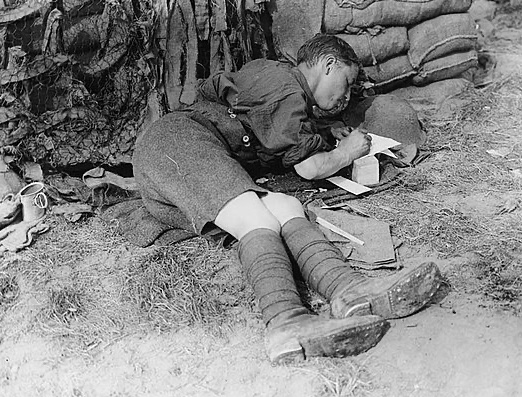
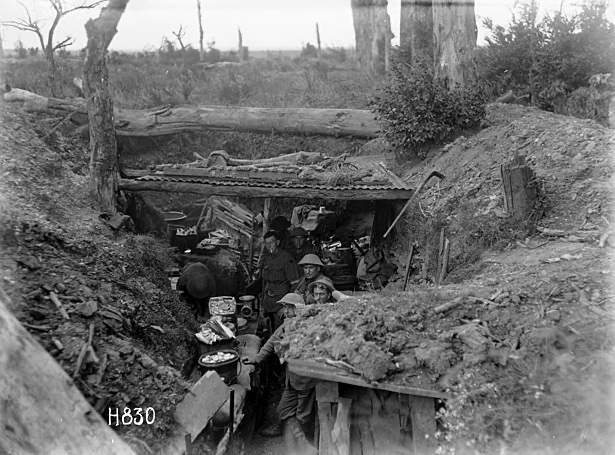
J.R.R. Tolkien is sitting in the trenches and looking around at the dead bodies.
40 years later the Lord of the Rings is published.
So, what is the deep connection between WWI and Tolkien’s books?
40 years later the Lord of the Rings is published.
So, what is the deep connection between WWI and Tolkien’s books?
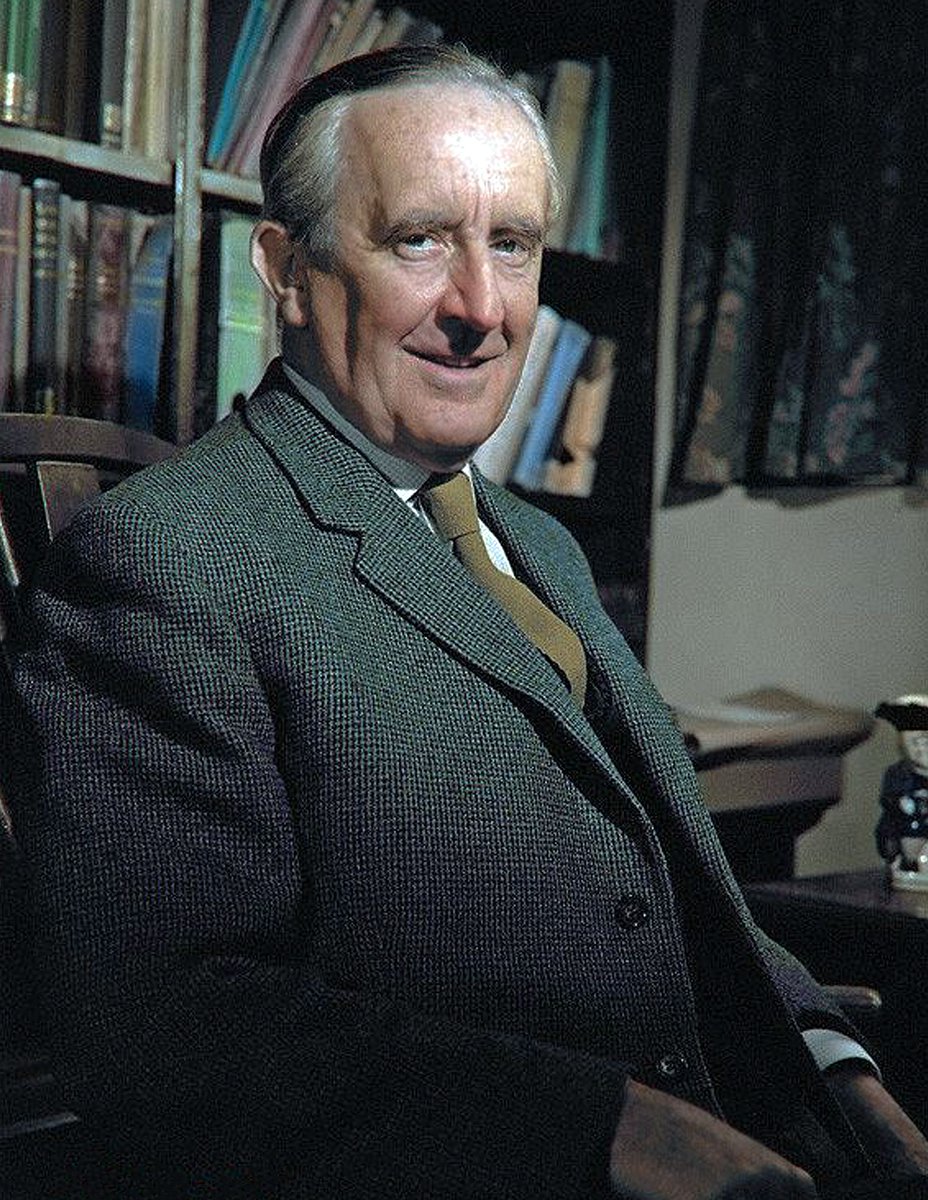
Tolkien lies in the bunker writing.
Mortar shells explode in the distance.
Just a couple months ago he was listening to birds in the parks of England.
Mortar shells explode in the distance.
Just a couple months ago he was listening to birds in the parks of England.
The year is 1916.
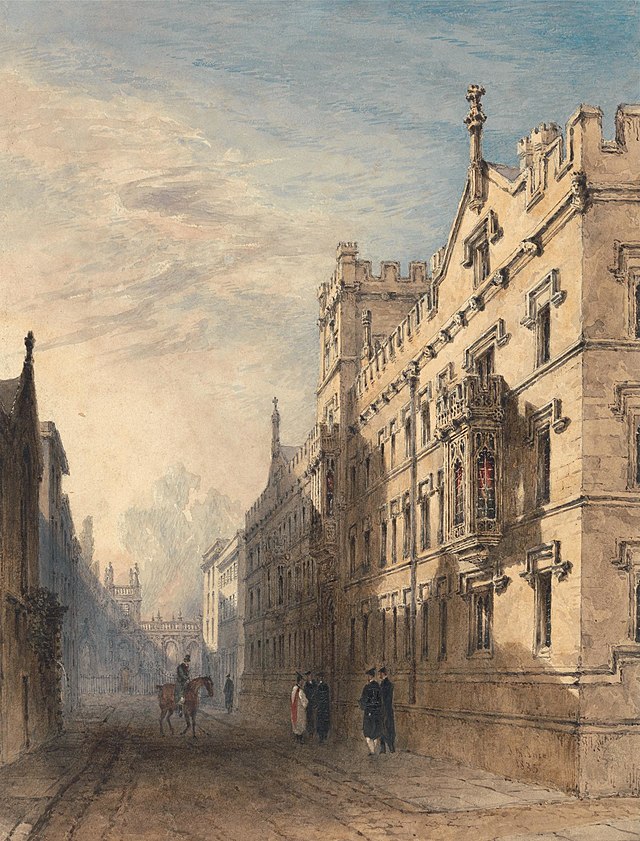
Tolkien had been studying at King Edward’s School in Birmingham and Exeter College, Oxford.
Things were going well for the young man.
Tolkien had been studying at King Edward’s School in Birmingham and Exeter College, Oxford.
Things were going well for the young man.
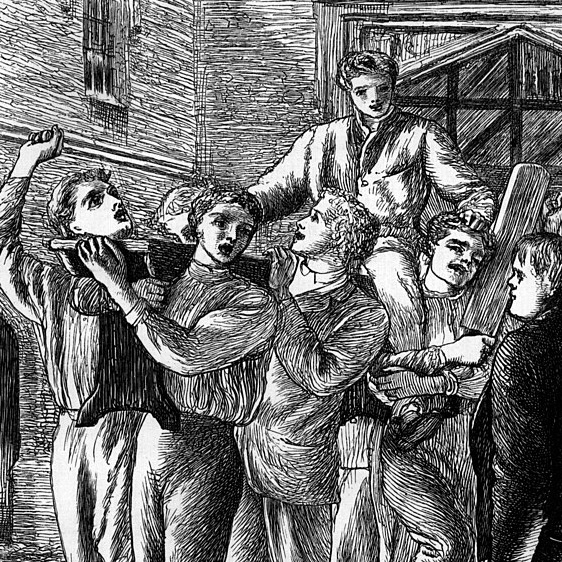
Prior to enlisting he had been ferociously studying language and debating with his four friends, within their infamous club called the “T. C. B. S.” (Tea Club, Barrovian Society).
Tolkien even invented his own language during this time, called Qenya - influenced by Finnish.
Tolkien even invented his own language during this time, called Qenya - influenced by Finnish.
Unlike many young men of this time, Tolkien didn't join the fight against the Central Powers right away.
After a couple years, he chose to ship off to help his country though.
Before doing so, he made sure to marry his beloved Edith.
After a couple years, he chose to ship off to help his country though.
Before doing so, he made sure to marry his beloved Edith.
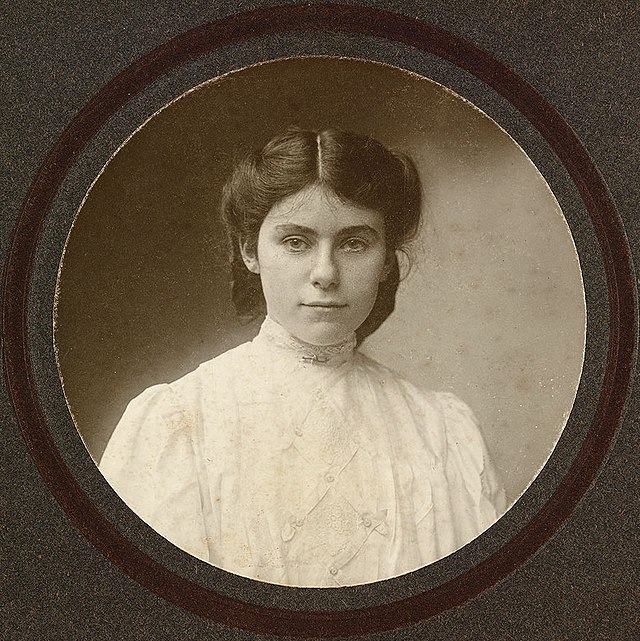
He was sent to active duty on the Western Front, just in time for the Somme offensive.
Although his time at war didn't last long, it was no less traumatic...
Although his time at war didn't last long, it was no less traumatic...
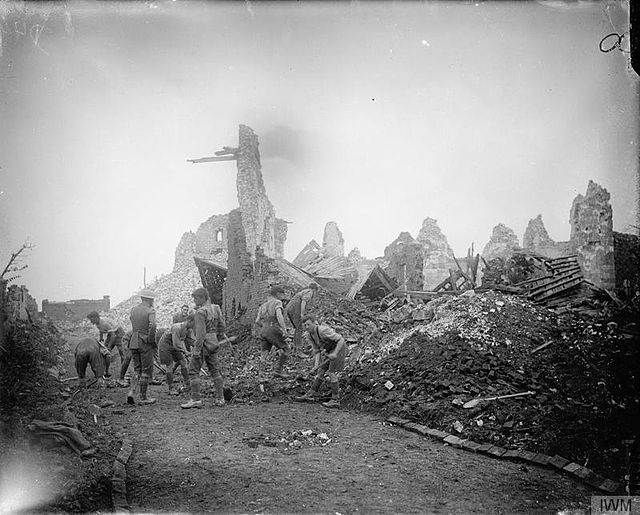
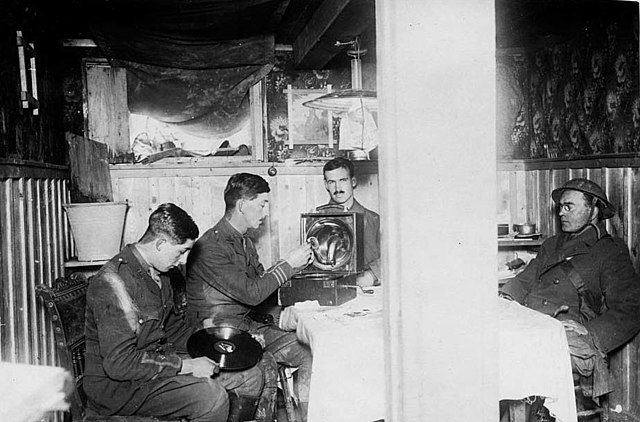
To escape the explosion and annoying gramophone music that often filled the trenches, Tolkien would write.
His writings were kept in a notebook and the story he worked on while at war was called: "The Book of Lost Tales."
His writings were kept in a notebook and the story he worked on while at war was called: "The Book of Lost Tales."
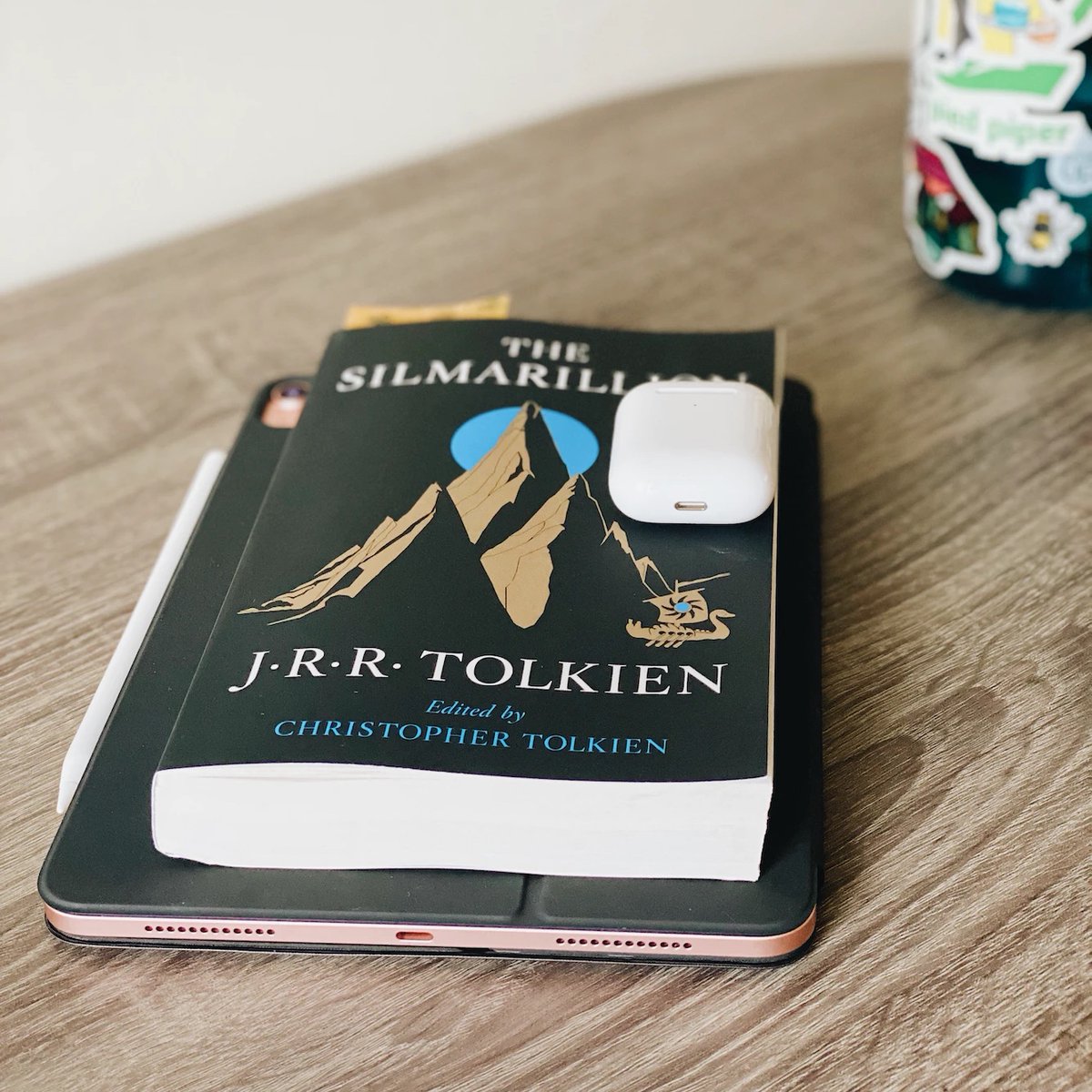
He never ended up finishing that book, but after his death, it was edited and published by his son, Christopher.
The name of that book ended up being: "The Silmarillion."
The name of that book ended up being: "The Silmarillion."
He would save most of his ideas for his other famous books, the Hobbit and The Lord of the Rings.
The Hobbit was published in 1937 and The Lord of the Rings was published in 1954.
The Hobbit was published in 1937 and The Lord of the Rings was published in 1954.
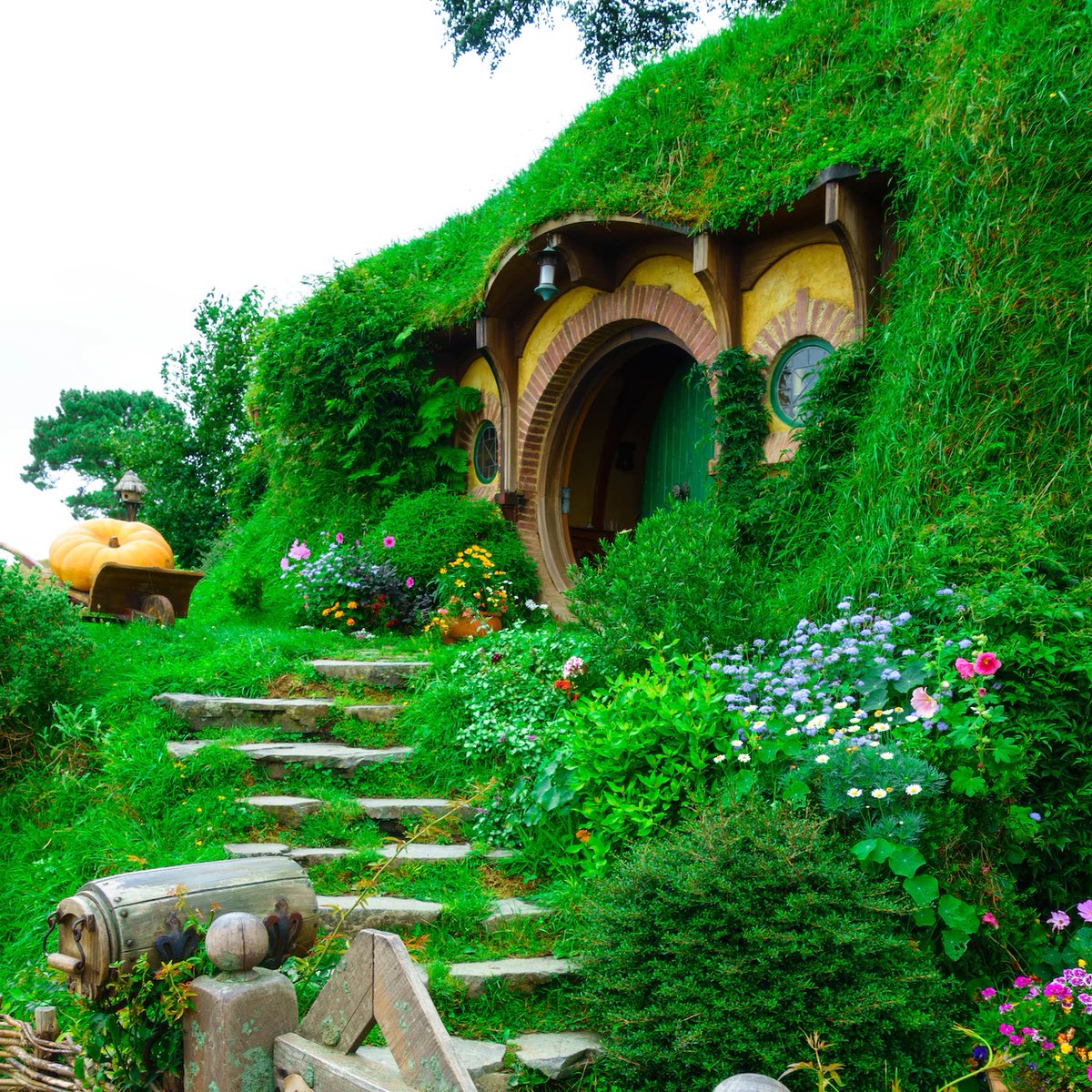
Interestingly, Tolkien has stated that the books are not an allegory for the World War, which they easily could be seen as.
But, he acknowledges his experiences in the trenches influenced his later stories.
But, he acknowledges his experiences in the trenches influenced his later stories.
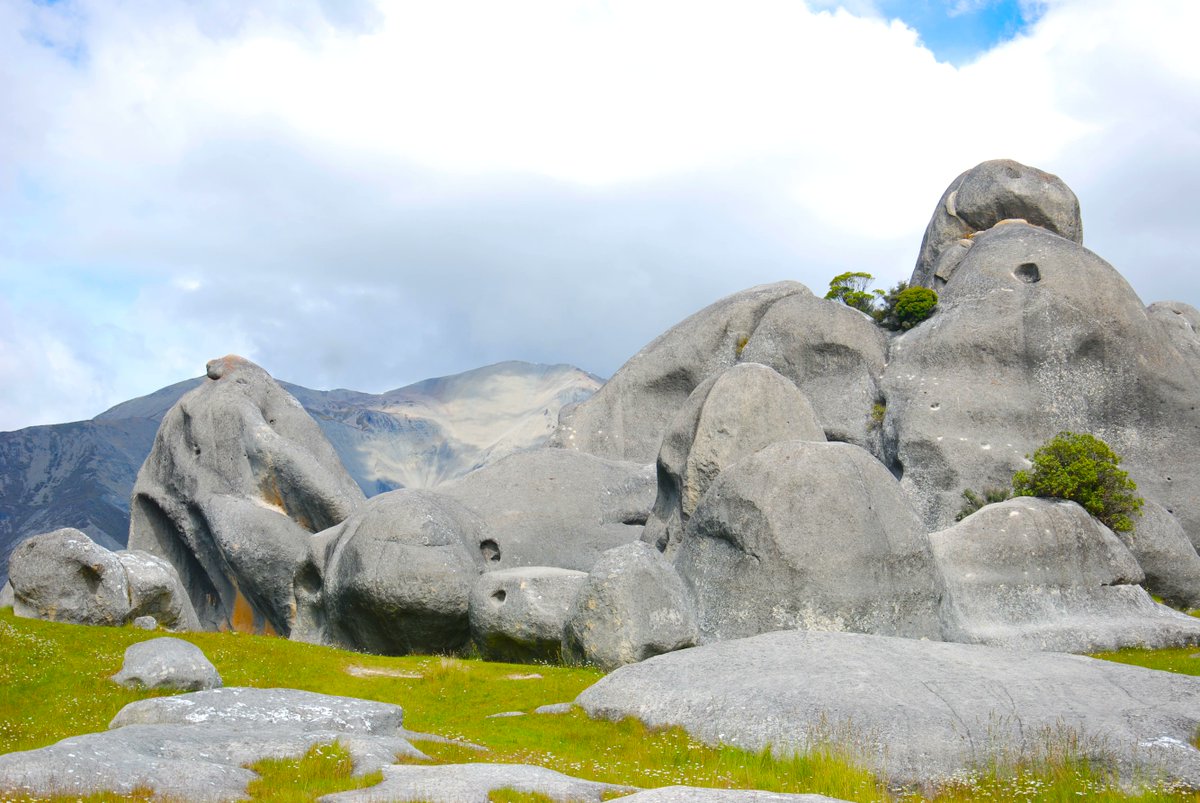
One of the most poignant examples of this was the Dead Marshes in the Lord of the Rings:
“[Sam] fell and came heavily on his hands, which sank deep into sticky ooze, so that his face was brought close to the surface of the dark...
“[Sam] fell and came heavily on his hands, which sank deep into sticky ooze, so that his face was brought close to the surface of the dark...
![One of the most poignant examples of this was the Dead Marshes in the Lord of the Rings:
“[Sam] fel...](https://pbs.twimg.com/media/Ftx_RGYakAUztZP.jpg)
...mere. For a moment the water below him looked like some window, glazed with grimy glass, through which he was peering. Wrenching his hands out of the bog, he sprang back with a cry. ‘There are dead things, dead faces in the water,’ he said with horror. ‘Dead faces!’”
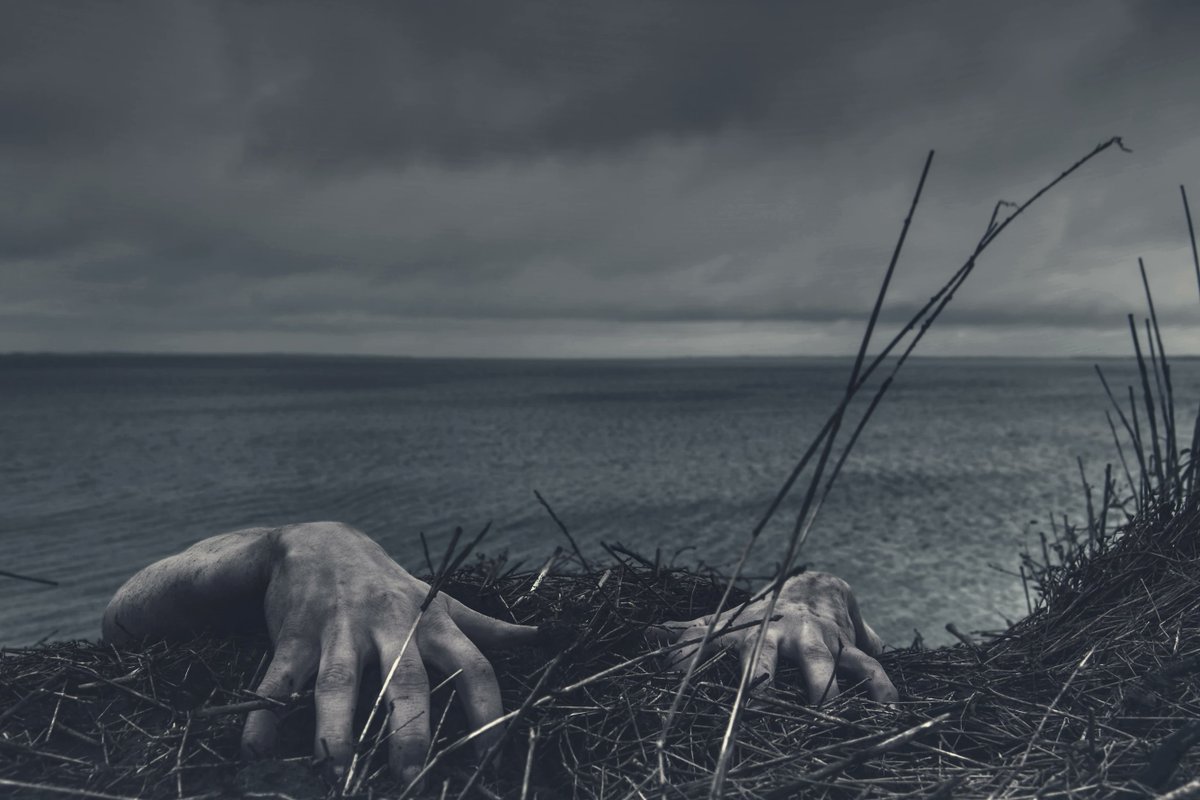
Hopefully, you remember this scene from either the movie or the book, but it is clearly a representation of what Tolkien saw out on the battlefield.
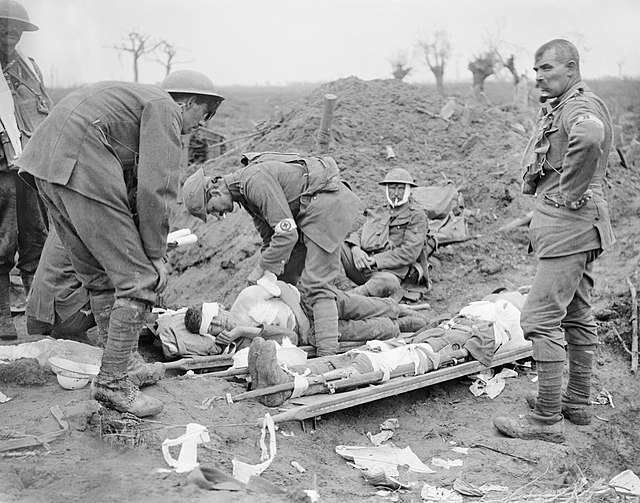
At the Somme, pits, and pools held the dead men, and many faces/bodies showed through the mud.
At the Somme, pits, and pools held the dead men, and many faces/bodies showed through the mud.
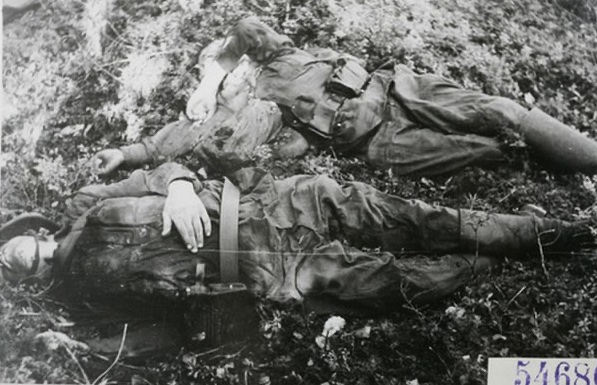
Other examples:
- The British camaraderie and Sam/Frodo's friendship.
- No Man's Land and its resemblance to the desolate lands of Mordor and Isengard.
- Returning veterans and their difficulty adjusting to civilian life - just as Frodo experiences after his journey.
- The British camaraderie and Sam/Frodo's friendship.
- No Man's Land and its resemblance to the desolate lands of Mordor and Isengard.
- Returning veterans and their difficulty adjusting to civilian life - just as Frodo experiences after his journey.
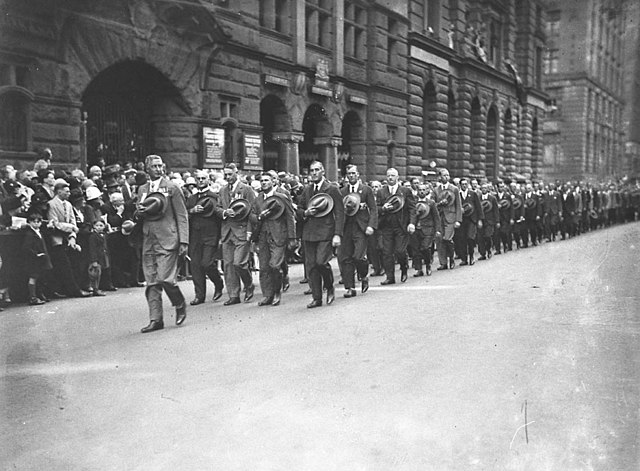
And lastly, there's a sense of deep change as a result of the war, even though the Central Powers were defeated, just as Sauron was.
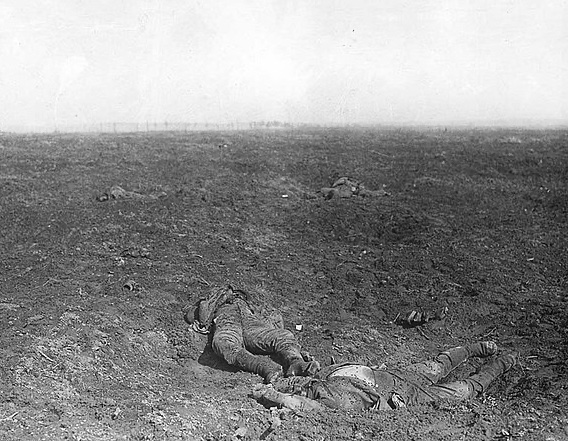
The connections between the Great War and Tolkien's work are incredibly interesting.
We could be here all day discussing Tolkien, specifically how his books were used as a house for his languages, but that's a story for another time...
We could be here all day discussing Tolkien, specifically how his books were used as a house for his languages, but that's a story for another time...
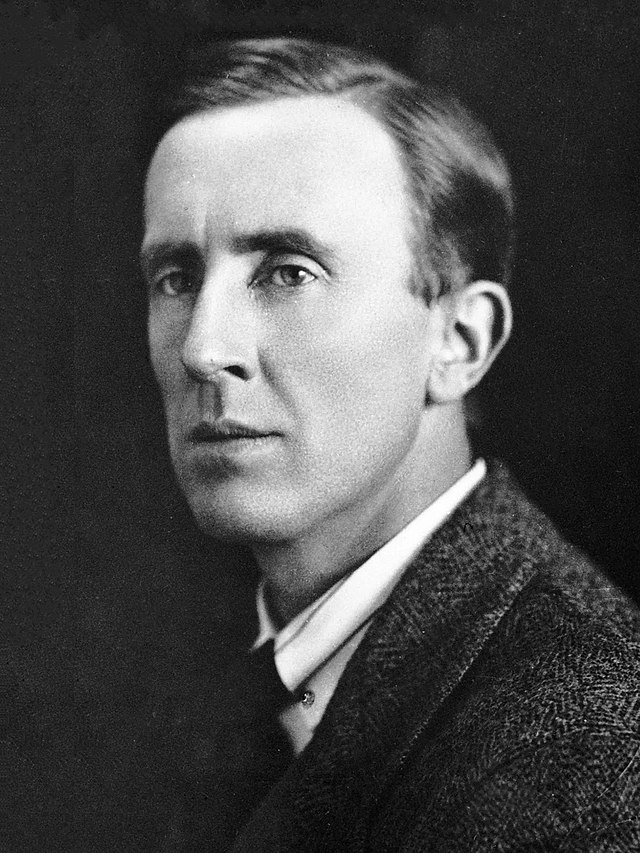
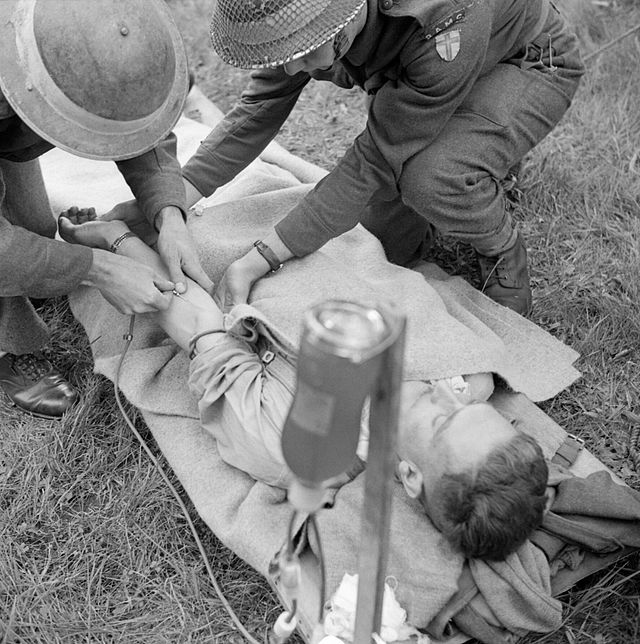
After four months in the trenches, Tolkien came down with "trench fever," which was a typhus-like infection many suffered from in the unsanitary trenches.
Due to the severity of his illness, he was shipped back to England.
Due to the severity of his illness, he was shipped back to England.
Over the course of the next several decades, Tolkien would write his legendary novels; The Hobbit and The Lord of the Rings.
Could he have written these novels without his experiences in WWI?
Maybe, but would they have been as good?
Probably not...
Could he have written these novels without his experiences in WWI?
Maybe, but would they have been as good?
Probably not...
In what way is this story useful to you?

Who knows what horrors life has in store...
But you have a choice, you can choose to let horrific events drag you down or you can view them as a catalyst for higher ascension.
Tolkien believed in the latter...
But you have a choice, you can choose to let horrific events drag you down or you can view them as a catalyst for higher ascension.
Tolkien believed in the latter...
Tolkien said:
"A real taste for fairy-stories was wakened by philology on the threshold of manhood, and quickened to full life by war.”
Many people after the war did not adopt this mindset, unfortunately.
"A real taste for fairy-stories was wakened by philology on the threshold of manhood, and quickened to full life by war.”
Many people after the war did not adopt this mindset, unfortunately.
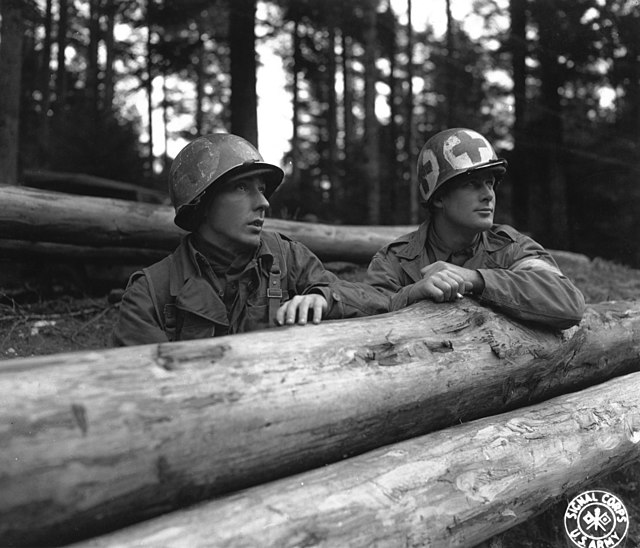
Tons of men were destroyed by what they experienced, and understandably so, but if Tolkien had let go of himself due to the horrors, we would not have his incredible tales.
Do everything you can to not let go of yourself in the face of life's hardships.
Do everything you can to not let go of yourself in the face of life's hardships.
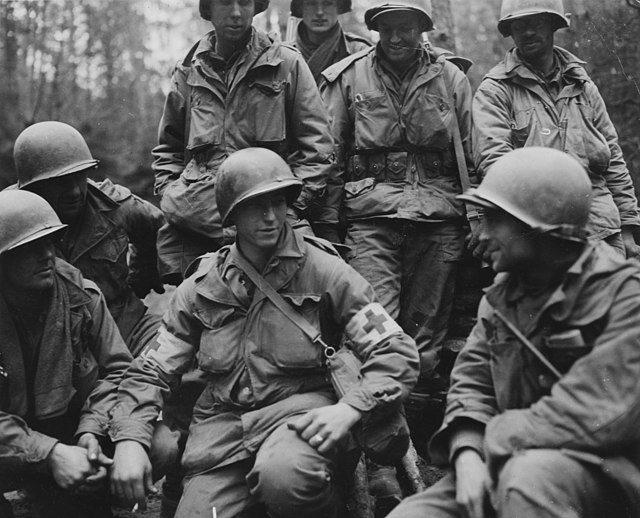
You may not have sat in trenches while your best friends were shot, but you have likely experienced serious trauma.
You can probably also recognize how that trauma affected you...
You can probably also recognize how that trauma affected you...

Were you broken by the trauma?
Or did you rise above it?
What makes the difference?
Or did you rise above it?
What makes the difference?

It basically just comes down to mindset.
By far, your best option is to treat all experiences as lessons.
"Alright, this was an incredibly painful lesson, but what can I learn from it to further ascend?"
Run a feedback loop in your mind.
By far, your best option is to treat all experiences as lessons.
"Alright, this was an incredibly painful lesson, but what can I learn from it to further ascend?"
Run a feedback loop in your mind.

KNOWLEDGE:
- The "storm" is coming, but how will you handle it? When you endure trauma, do everything in your power to rise above and learn from it. Use your pain as a catalyst to produce or give something truly Great to the world. A lot of times Great Work requires Great Pain!…
- The "storm" is coming, but how will you handle it? When you endure trauma, do everything in your power to rise above and learn from it. Use your pain as a catalyst to produce or give something truly Great to the world. A lot of times Great Work requires Great Pain!…

Loading suggestions...