

Everyone knows about Charles Darwin and his Theory of Evolution.
But what were the childhood and teenage years like for this intellectual giant?
Well, the story involves collecting beetles, in his mouth…
But what were the childhood and teenage years like for this intellectual giant?
Well, the story involves collecting beetles, in his mouth…
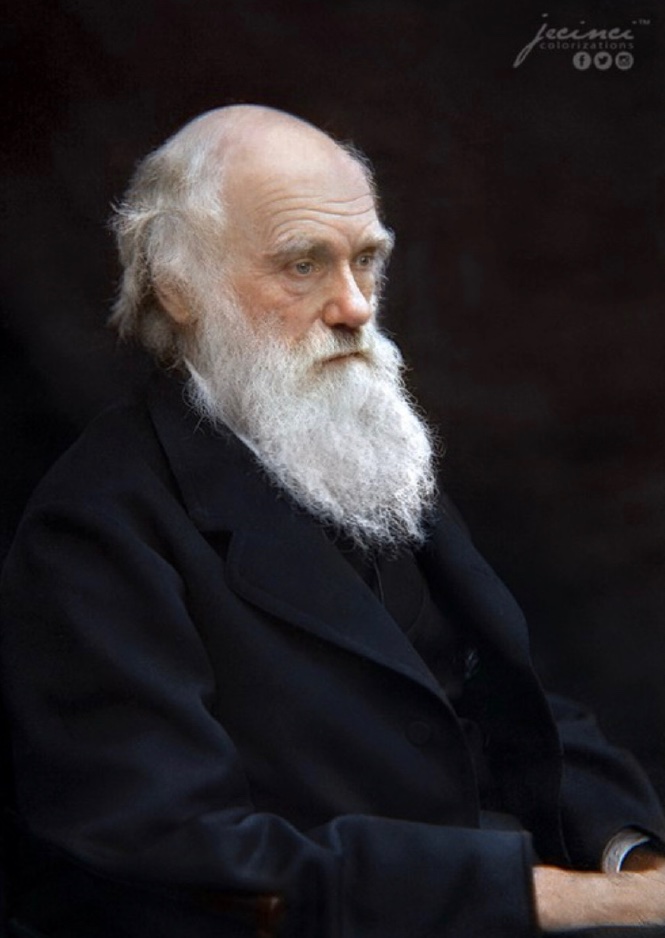
On May 4th, 1796, Darwin began writing his autobiography.
An editor asked for an account of the development of his mind and character.
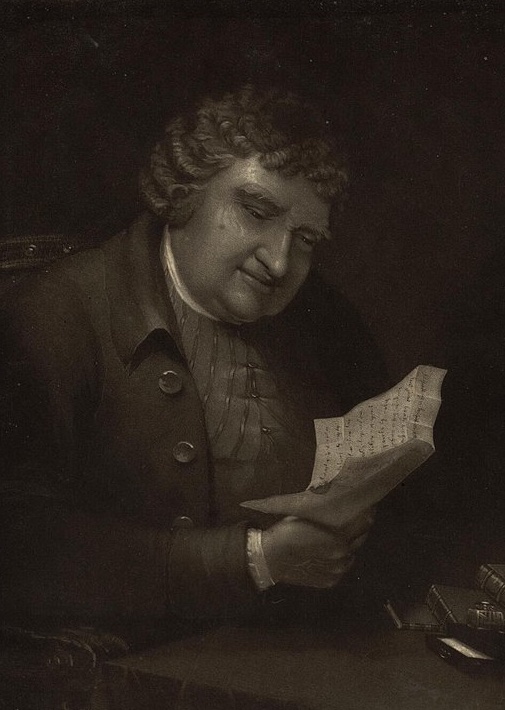
Darwin chose to write it for one reason though, he thought his children might like it, as he would've liked to read about his grandfather.
An editor asked for an account of the development of his mind and character.
Darwin chose to write it for one reason though, he thought his children might like it, as he would've liked to read about his grandfather.
Darwin was born in Shrewsbury, England on February 12th, 1809.
His father told him:
“Persons with very powerful minds generally had memories extending far back to a very early period of life.”
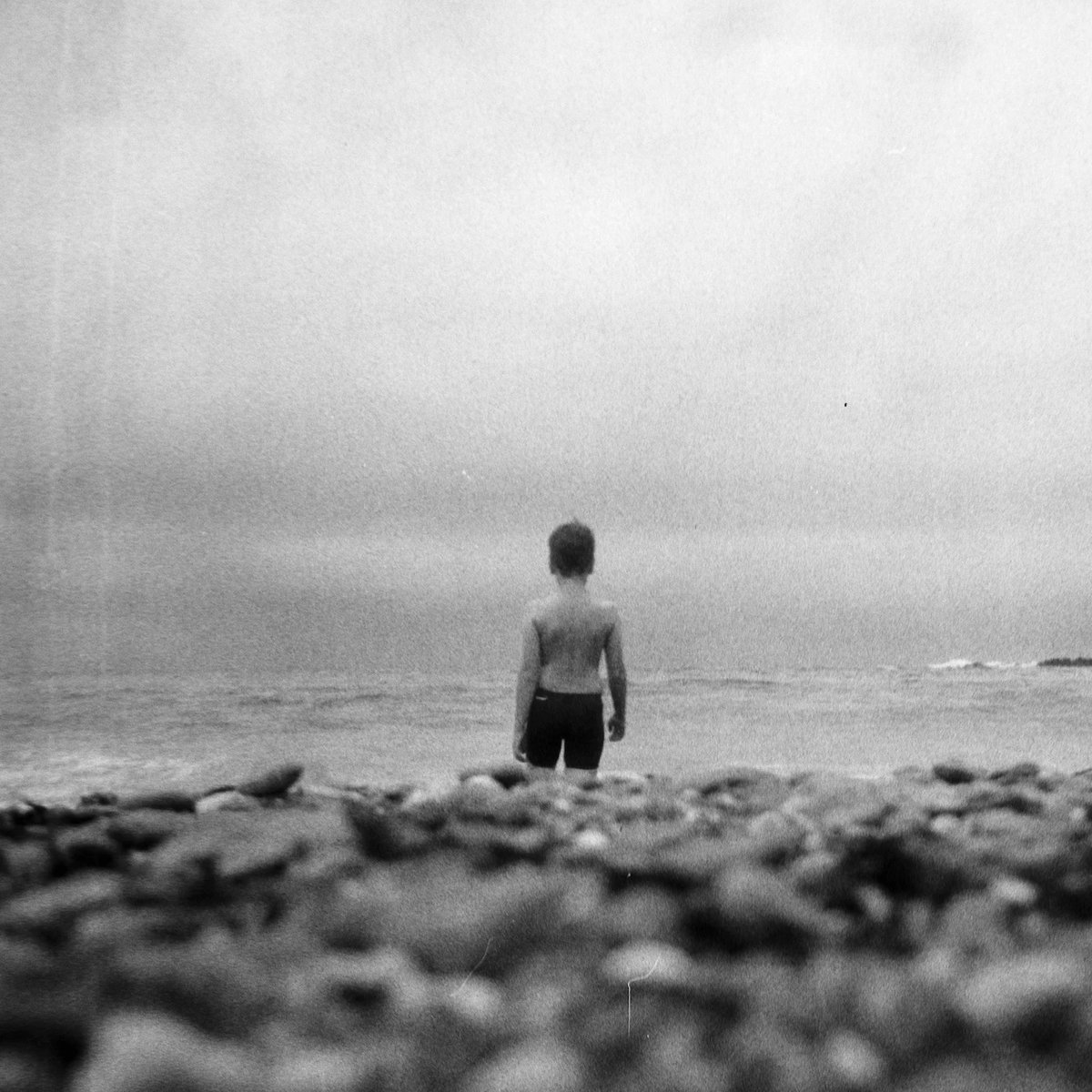
But Darwin’s earliest memory was of himself at the beach when he was 4...
His father told him:
“Persons with very powerful minds generally had memories extending far back to a very early period of life.”
But Darwin’s earliest memory was of himself at the beach when he was 4...
This wasn’t the only thing that worried Darwin’s father (his mother died when he was 8).
Darwin also appeared to be much slower intellectually than his sister.
And he was considered to be a “naughty boy,” always being mischievous.
Darwin also appeared to be much slower intellectually than his sister.
And he was considered to be a “naughty boy,” always being mischievous.
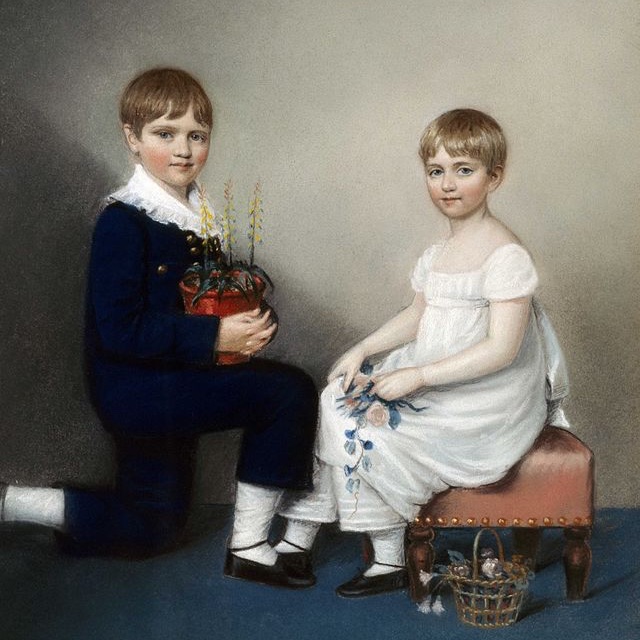
When Darwin wasn’t causing trouble in the house, he could be found studying nature.
The desire to collect, whether it be seashells, plants, rocks, coins, etc. was present from the very beginning.
And he was also a fan of long walks, a habit he kept up even into old age.
The desire to collect, whether it be seashells, plants, rocks, coins, etc. was present from the very beginning.
And he was also a fan of long walks, a habit he kept up even into old age.
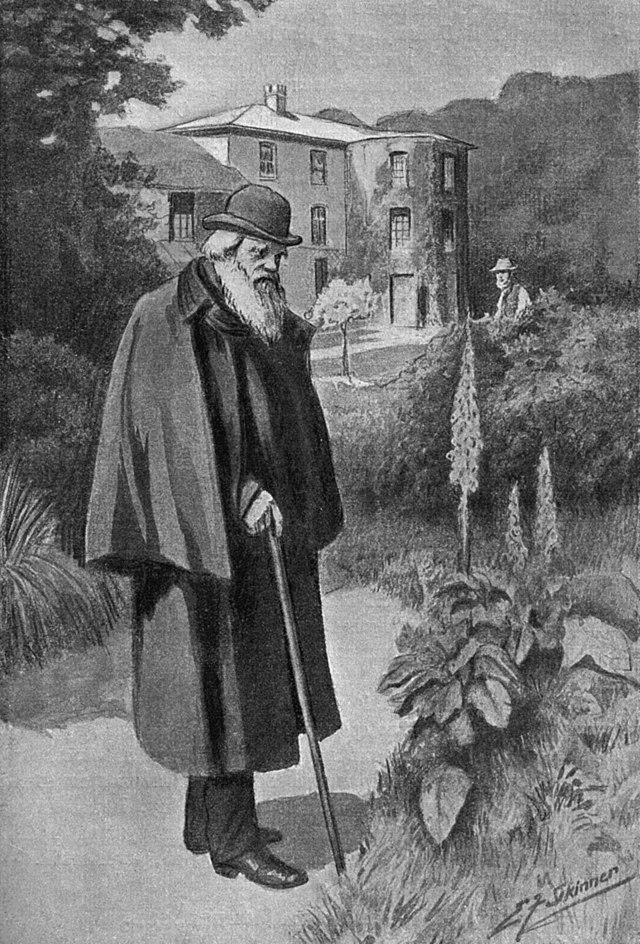
In his autobiography, he isn’t able to recall what he thought about during those walks but just remembers being lost in thought:
“I often became quite absorbed, and once, whilst returning to school on the summit of the old fortifications around Shrewsbury, which had been...
“I often became quite absorbed, and once, whilst returning to school on the summit of the old fortifications around Shrewsbury, which had been...
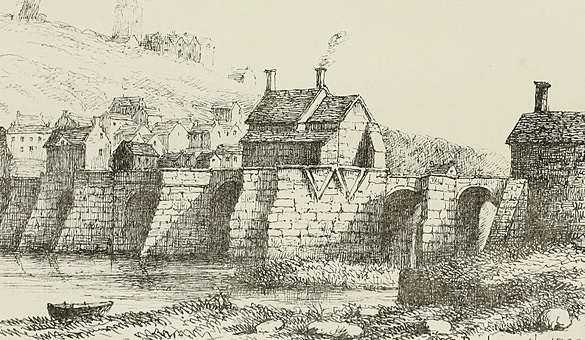
...covered into a public footpath with no carpet on one side, I walked off and fell to the ground, but the height was only seven or eight feet.”
Have you ever been this lost in thought?
Have you ever been this lost in thought?
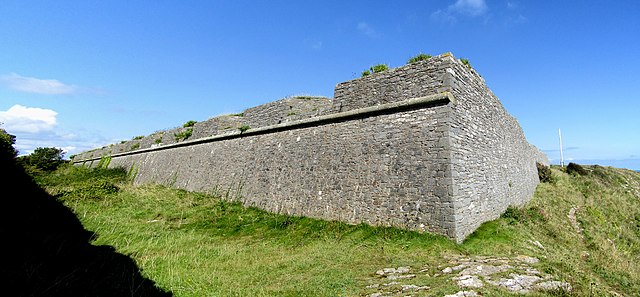
While falling, he had a succession of rapid thoughts.
He remembers the event was “hardly compatible with what physiologists have, I believe, proved about each thought requiring quite an appreciable amount of time.”
A foreshadowing of his challenging of preconceived notions…
He remembers the event was “hardly compatible with what physiologists have, I believe, proved about each thought requiring quite an appreciable amount of time.”
A foreshadowing of his challenging of preconceived notions…
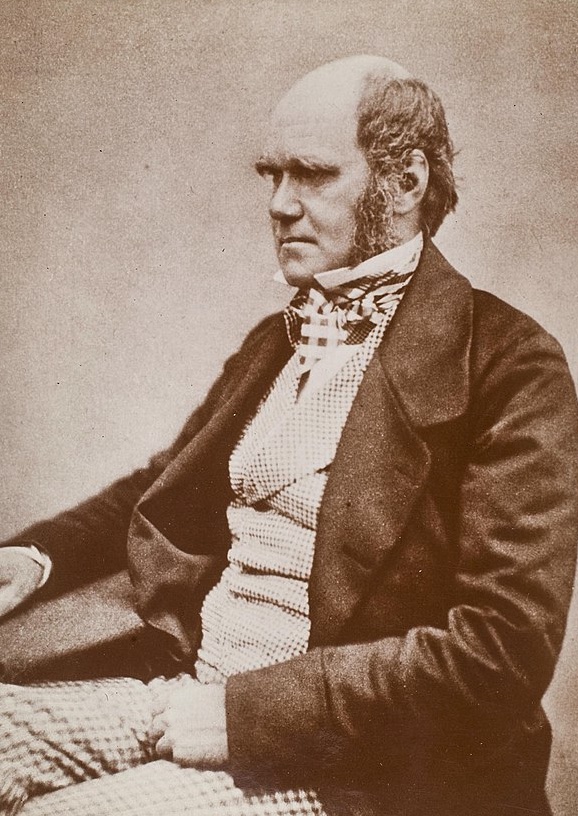
School was a struggle.
Darwin was taught the usual for the period: strictly classical with some ancient geography and history.
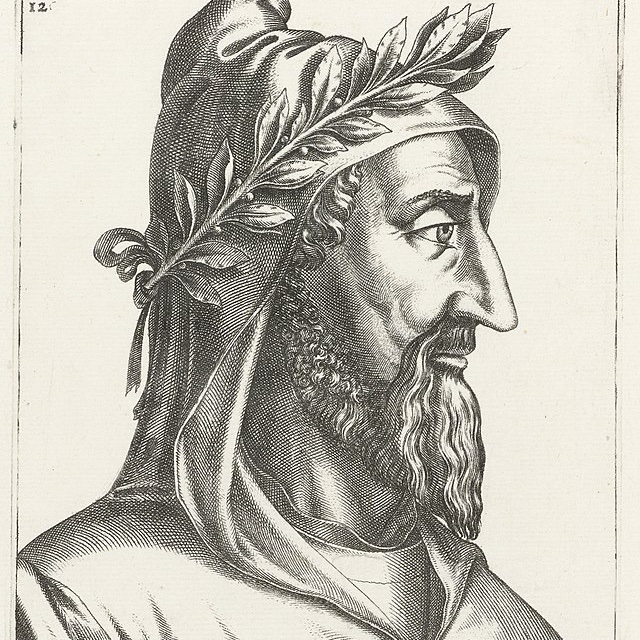
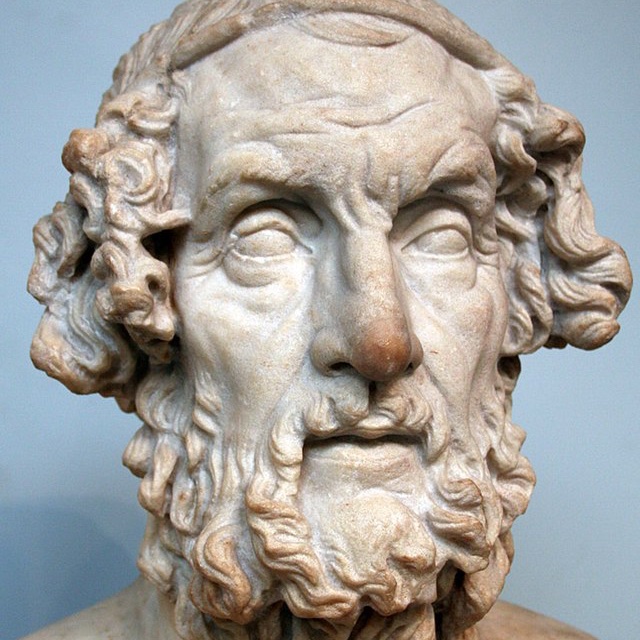
He would devote immense time trying to memorize verses from the works of Virgil and Homer, but within 48 hours, the 40 or 50 lines would be forgotten.
Darwin was taught the usual for the period: strictly classical with some ancient geography and history.
He would devote immense time trying to memorize verses from the works of Virgil and Homer, but within 48 hours, the 40 or 50 lines would be forgotten.
Growing up Darwin was considered average.
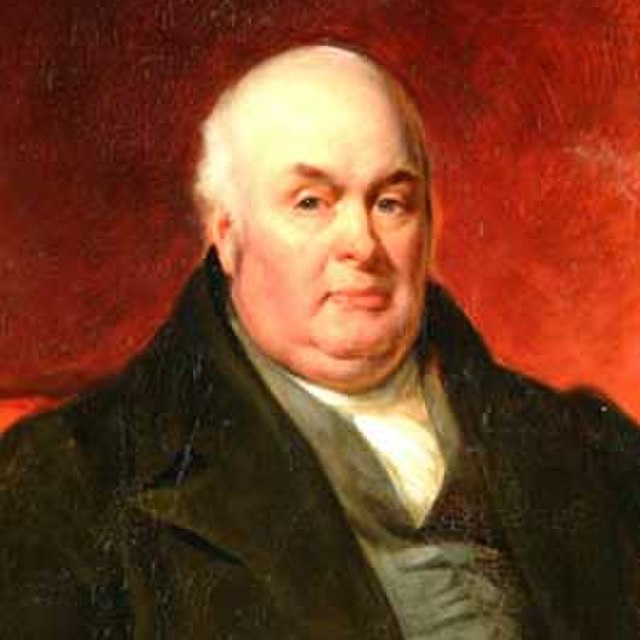
His father’s comments:
“You care for nothing but shooting, dogs, and rat-catching, and you will be a disgrace to yourself and all your family.”
His father was an accomplished physician and clearly unhappy with his son’s prospects…
His father’s comments:
“You care for nothing but shooting, dogs, and rat-catching, and you will be a disgrace to yourself and all your family.”
His father was an accomplished physician and clearly unhappy with his son’s prospects…
There was hope though:
“Looking back as well as I can at my character during my school life, the only qualities which at this period promised well for the future, were, that I had strong and diversified tastes, much zeal for...
“Looking back as well as I can at my character during my school life, the only qualities which at this period promised well for the future, were, that I had strong and diversified tastes, much zeal for...
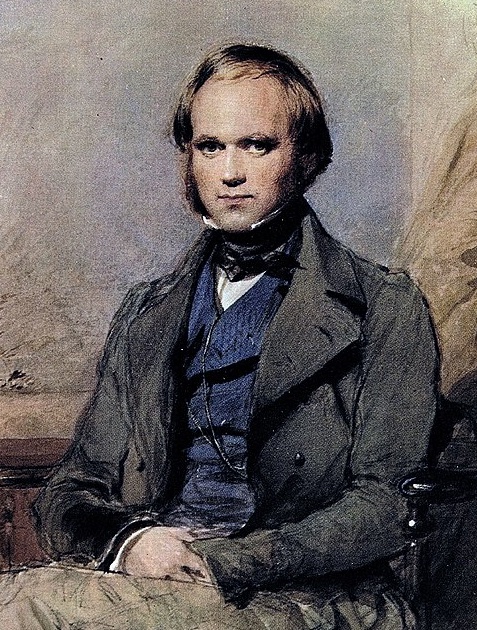
...whatever interested me, and a keen pleasure in understanding any complex subject or thing.”
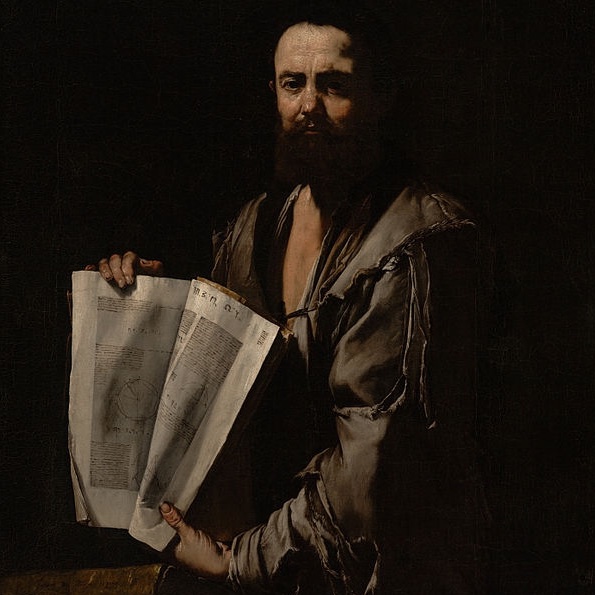
When he was introduced to Euclid, he remembers attaining intense satisfaction with the geometrical proofs.
When he was introduced to Euclid, he remembers attaining intense satisfaction with the geometrical proofs.
As Darwin entered his teenage years, his passion for science, the outdoors, and collecting would remain, and the collecting was unique:
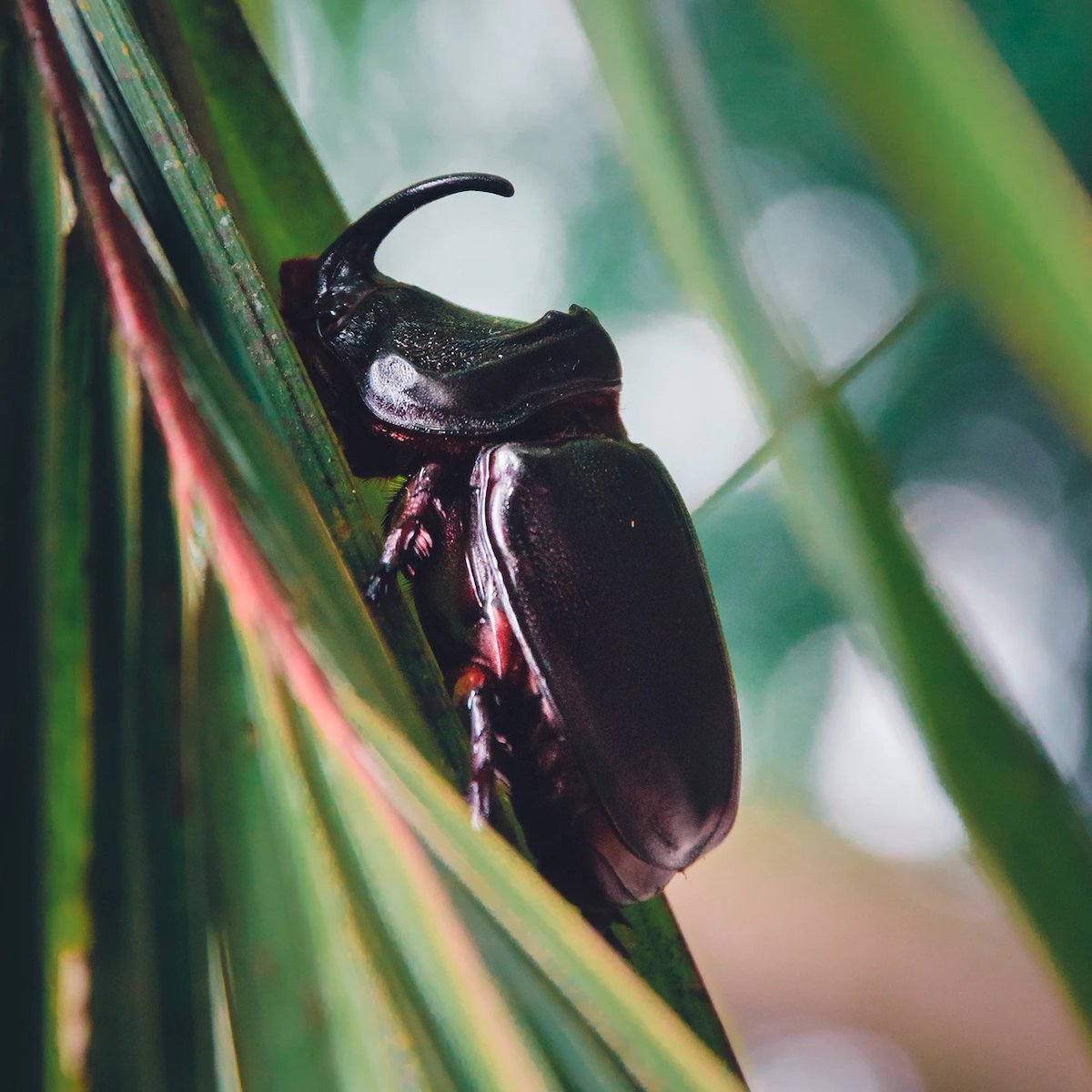
“One day, on tearing off some old bark, I saw two rare beetles, and seized one in each hand; then I saw a third and new kind, which I could...
“One day, on tearing off some old bark, I saw two rare beetles, and seized one in each hand; then I saw a third and new kind, which I could...
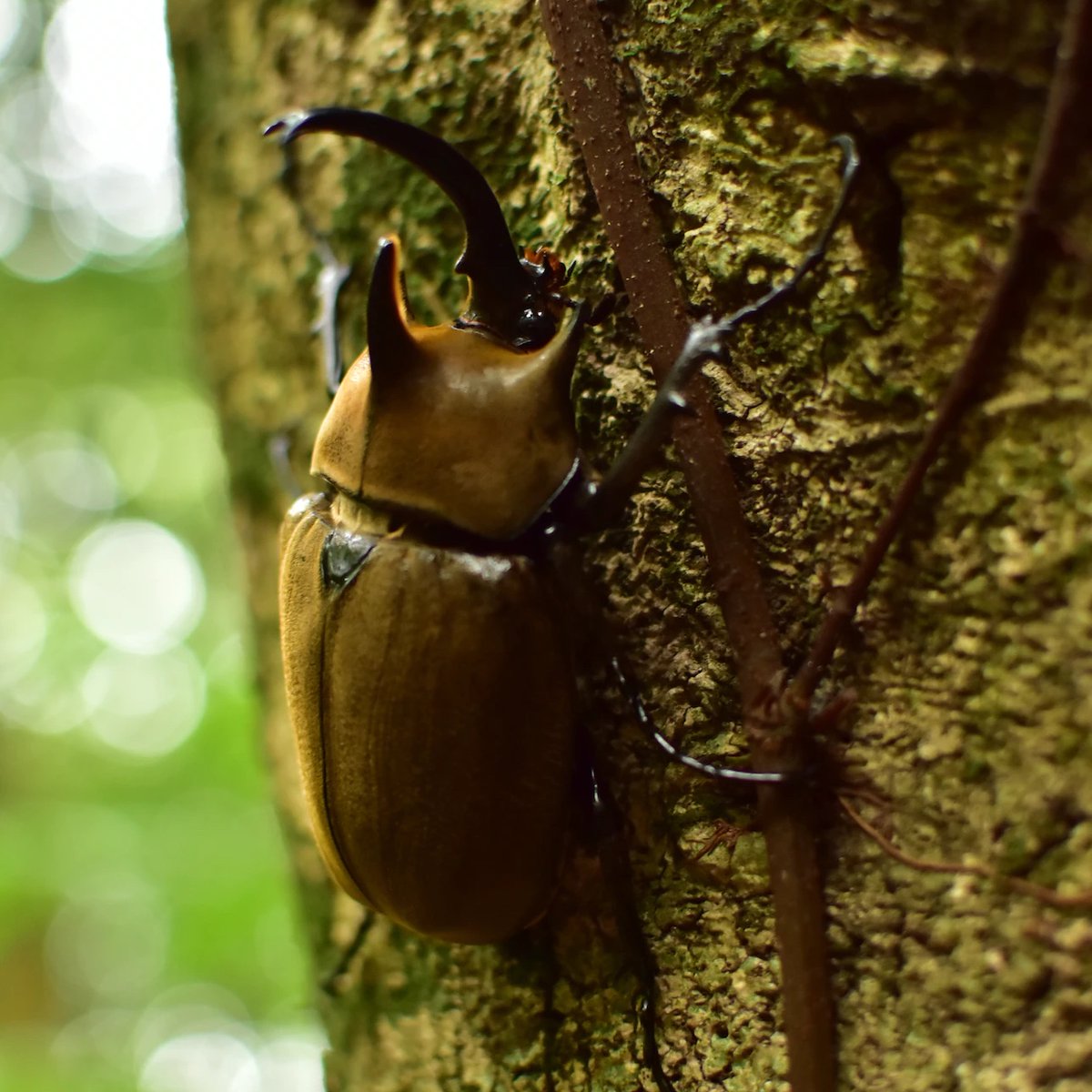
...not bear to lose, so that I popped the one which I held in my right hand into my mouth. Alas! it ejected some intensely acrid fluid, which burnt my tongue so that I was forced to spit the beetle out, which was lost, as was the third one."
Darwin was committed...
Darwin was committed...
Darwin’s life very nearly got derailed by his father as he tried to push the young man in the direction of medicine while at university and when that failed, he pressured Darwin to become a clergyman.
He was destined for neither though.
He was destined for neither though.
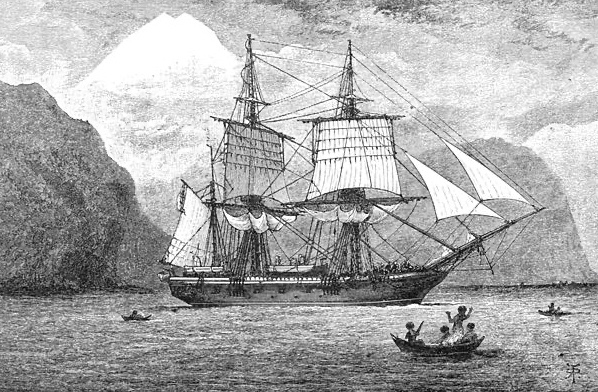
The next part of Darwin’s life, The Voyage of the HMS Beagle is incredibly interesting but we will save that for later.
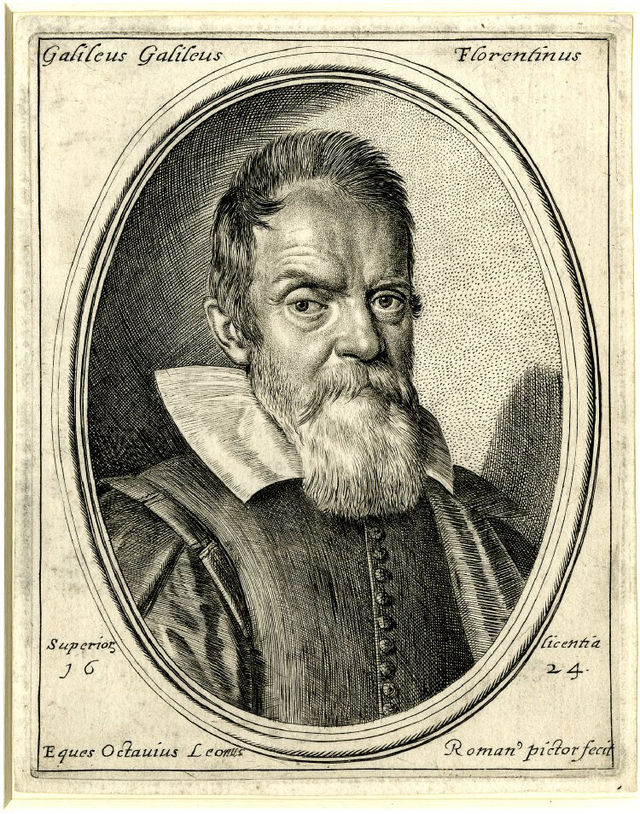
Before we move on to what we can learn from Darwin’s early life, I want to point out the peculiar parallels between Darwin’s life and that of Galileo Galilei.
Before we move on to what we can learn from Darwin’s early life, I want to point out the peculiar parallels between Darwin’s life and that of Galileo Galilei.
They shared a distaste for school from the very beginning.
They hated school but were drawn towards science and even shared a love for Euclid’s work specifically.
They were freed to pursue their passions at around the very same age while at university.
Continued...
They hated school but were drawn towards science and even shared a love for Euclid’s work specifically.
They were freed to pursue their passions at around the very same age while at university.
Continued...
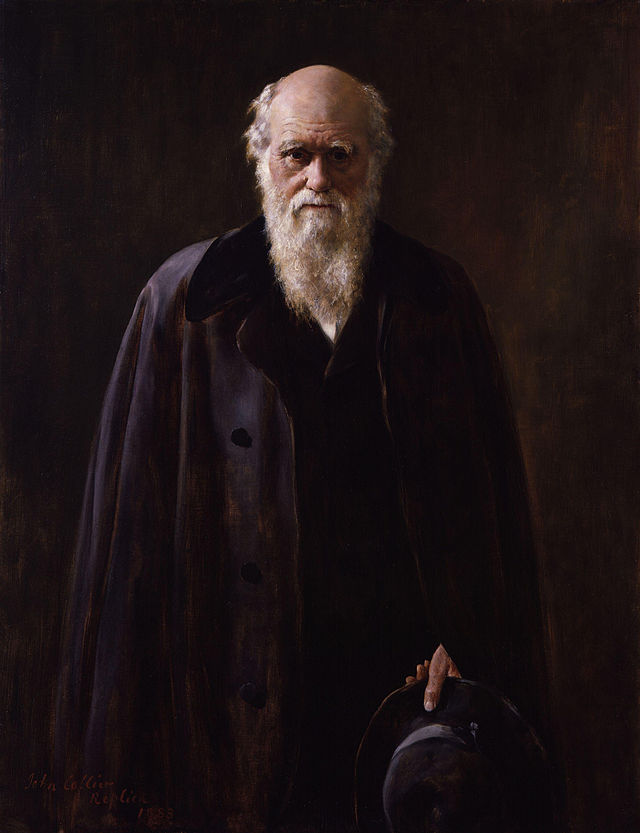
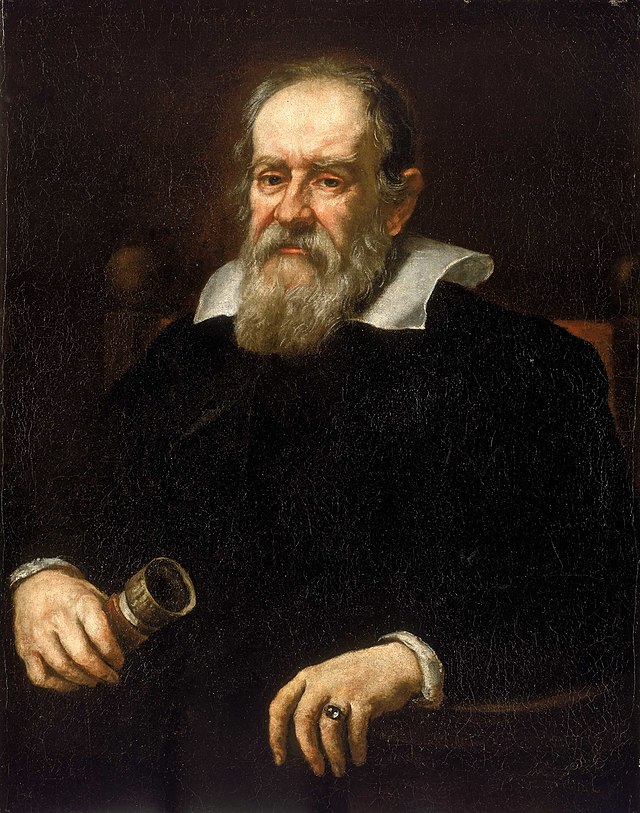
They both developed controversial work that challenged the established beliefs of the day.
And the two also changed the world due to their courage in sharing their ideas in spite of the consequences of doing so.
A reincarnation perhaps?
Pretty cool, nonetheless.
And the two also changed the world due to their courage in sharing their ideas in spite of the consequences of doing so.
A reincarnation perhaps?
Pretty cool, nonetheless.
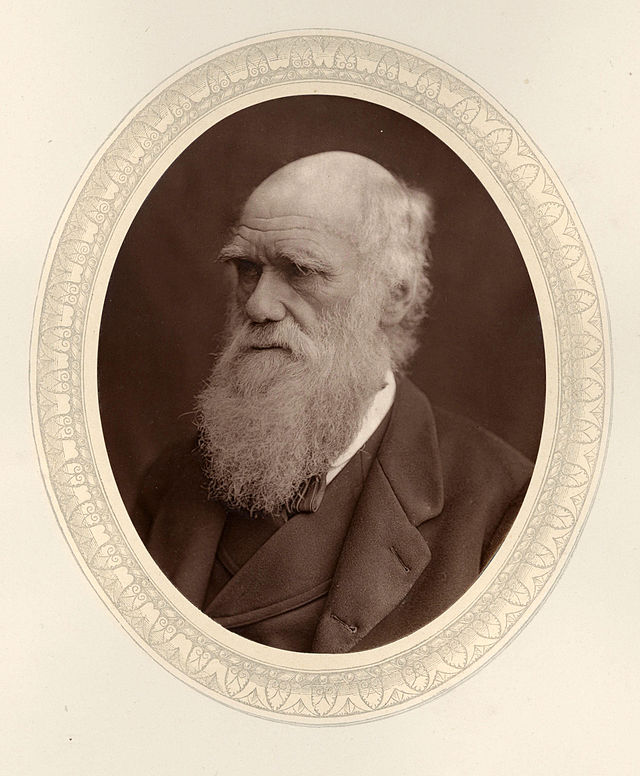
Lots of interesting stuff here, but what can we learn from Darwin’s early life?
Aside from the lesson of leaning into your innate passions and ignoring outside pressures, I think the most useful lesson comes from the beetle story actually.
Aside from the lesson of leaning into your innate passions and ignoring outside pressures, I think the most useful lesson comes from the beetle story actually.
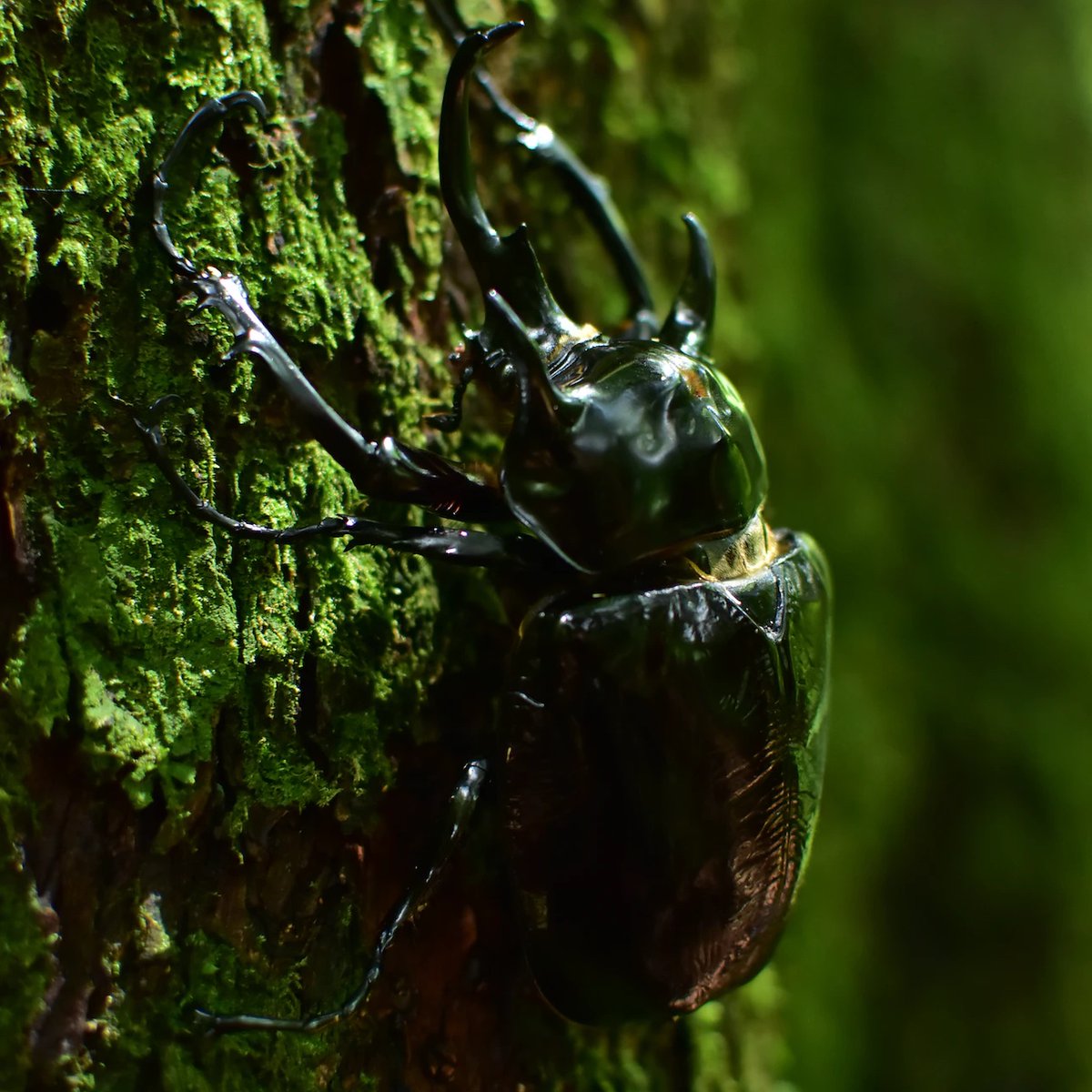
If you are willing to do what others will not do, you will find success.
Do you know anyone who would be willing to store a beetle in their mouth because they didn’t have room in their hands?
Exactly…
Do you know anyone who would be willing to store a beetle in their mouth because they didn’t have room in their hands?
Exactly…
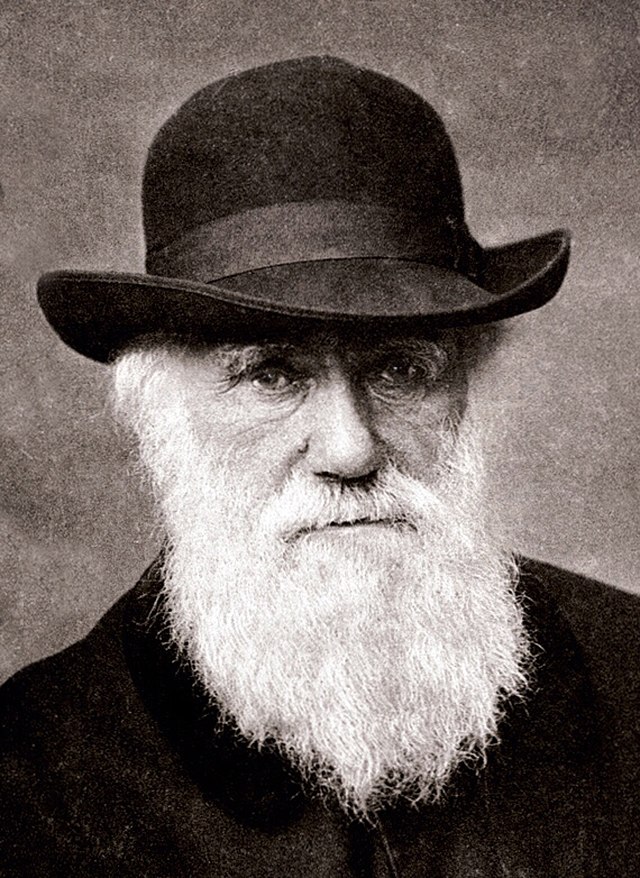
Darwin’s willingness to extend far beyond what others are willing to do played a huge role in developing a groundbreaking work later down the road.
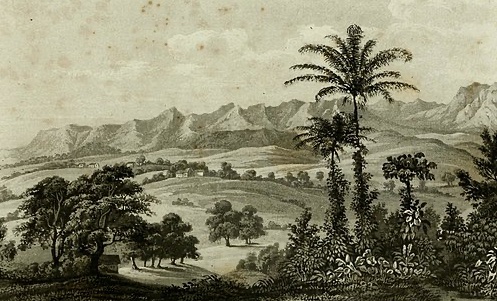
As I write about Darwin’s travels in South America, you will see that his willingness to "go hard” never ceased.
As I write about Darwin’s travels in South America, you will see that his willingness to "go hard” never ceased.
USEFUL KNOWLEDGE:
- Doing what others are not willing to do, allows you to accomplish what others cannot accomplish.
Quite simple, but not well appreciated. Do you think Darwin would have accomplished what he had if he didn’t do seemingly “insane” things? Pretty low chance, I…
- Doing what others are not willing to do, allows you to accomplish what others cannot accomplish.
Quite simple, but not well appreciated. Do you think Darwin would have accomplished what he had if he didn’t do seemingly “insane” things? Pretty low chance, I…

Loading suggestions...