

Are stained glass windows the most underrated form of art?
(This is the Sainte-Chapelle in Paris, built nearly 800 years ago)
(This is the Sainte-Chapelle in Paris, built nearly 800 years ago)

Although the history of stained glass goes back further, the oldest surviving stained glass windows are these ones in Augsburg Cathedral, Germany.
They were made in the 11th century and depict some of the Biblical prophets.
They were made in the 11th century and depict some of the Biblical prophets.

What is stained glass?
There are many different complex and ingenious methods of producing and using it, each of which result in different textures, tones, balances of colour, and detail.
But the fundamentals remain clear: it is coloured glass, seen in the light.
There are many different complex and ingenious methods of producing and using it, each of which result in different textures, tones, balances of colour, and detail.
But the fundamentals remain clear: it is coloured glass, seen in the light.
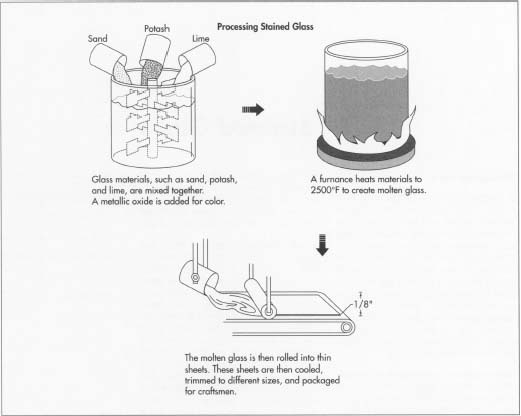

As construction methods improved and architectural ambition grew during the Middle Ages, so too did the scale and use of stained glass.
It was a craft intimately tied to developments in architecture and the ability of masons to build ever-larger windows.
It was a craft intimately tied to developments in architecture and the ability of masons to build ever-larger windows.
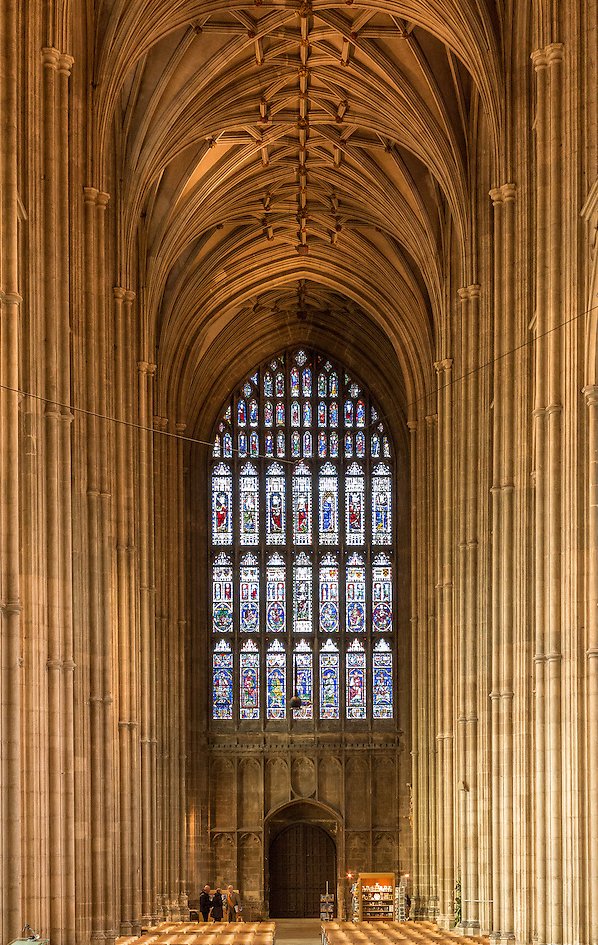
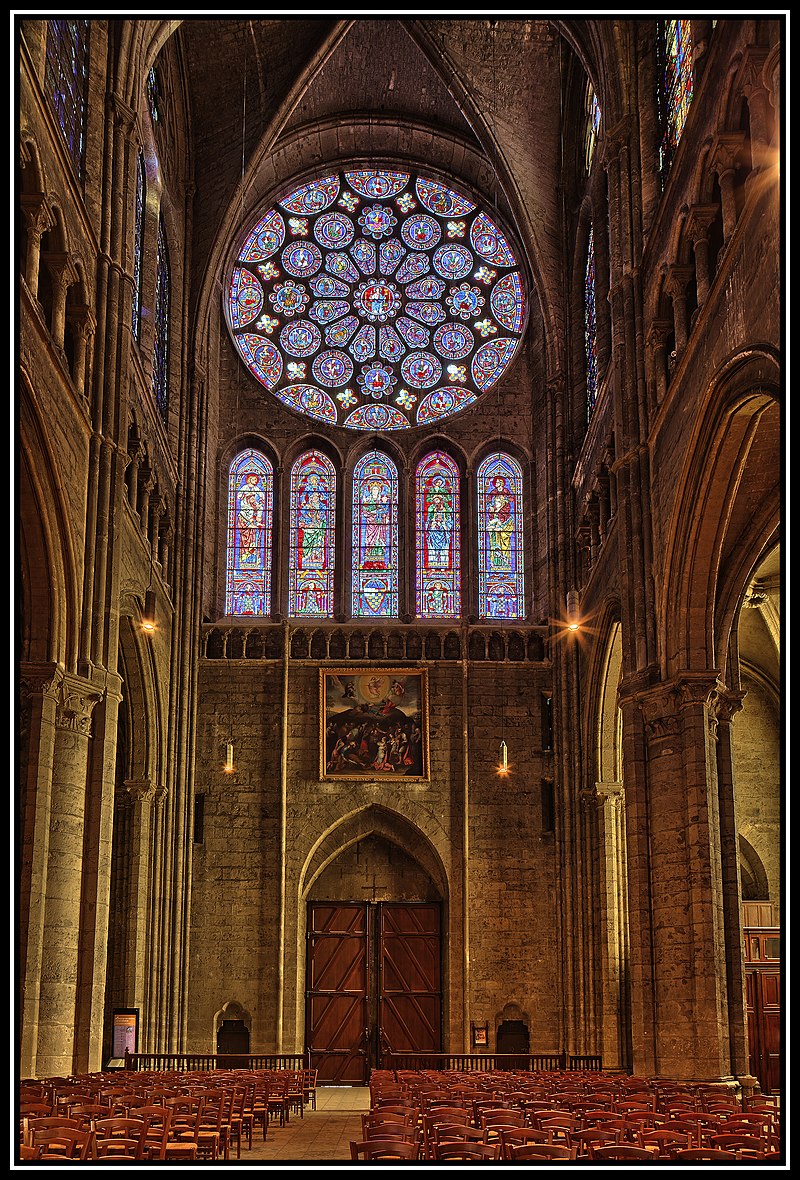
And so it was in the great age of Gothic cathedral construction that brilliant, anonymous craftsmen and artists made windows like these, in Chartres Cathedral, during the 12th and 13th centuries.
A new and wholly unique form of art had been created.
A new and wholly unique form of art had been created.
What was the point of stained glass?
Well, you could ask the same thing about all art. But, in context, there was a specific purpose.
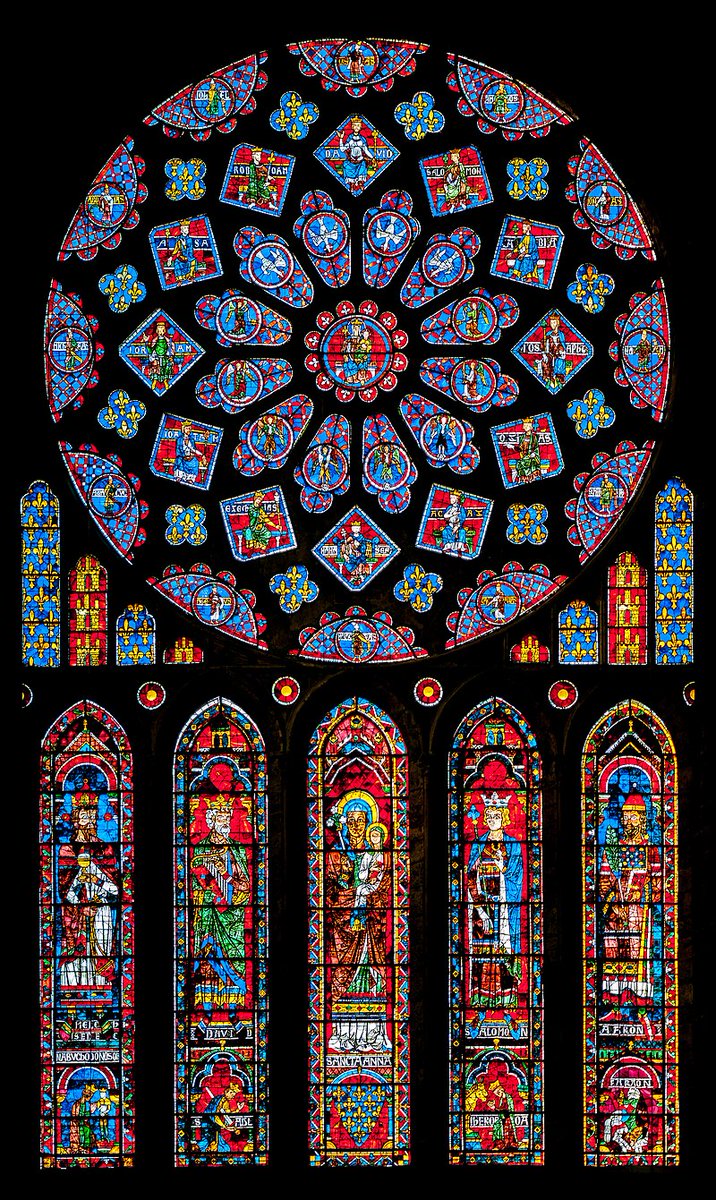
Like much religious art, stained glass told the stories of the Bible and of the saints for people who could not read.
Well, you could ask the same thing about all art. But, in context, there was a specific purpose.
Like much religious art, stained glass told the stories of the Bible and of the saints for people who could not read.
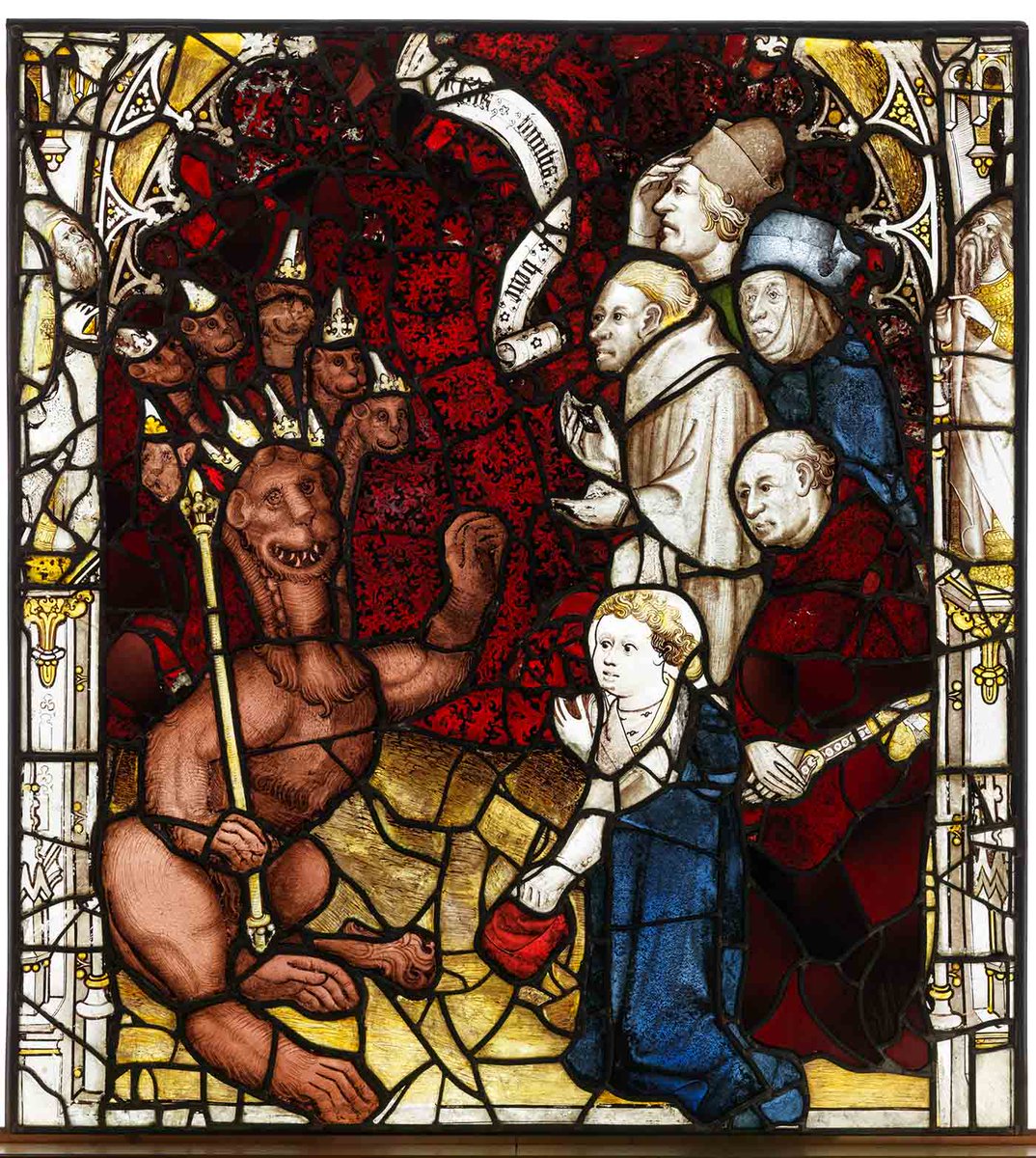
And so, however beautiful they are, the stained glass window cannot wholly be separated from its original context as a solution to the problem of illiteracy.
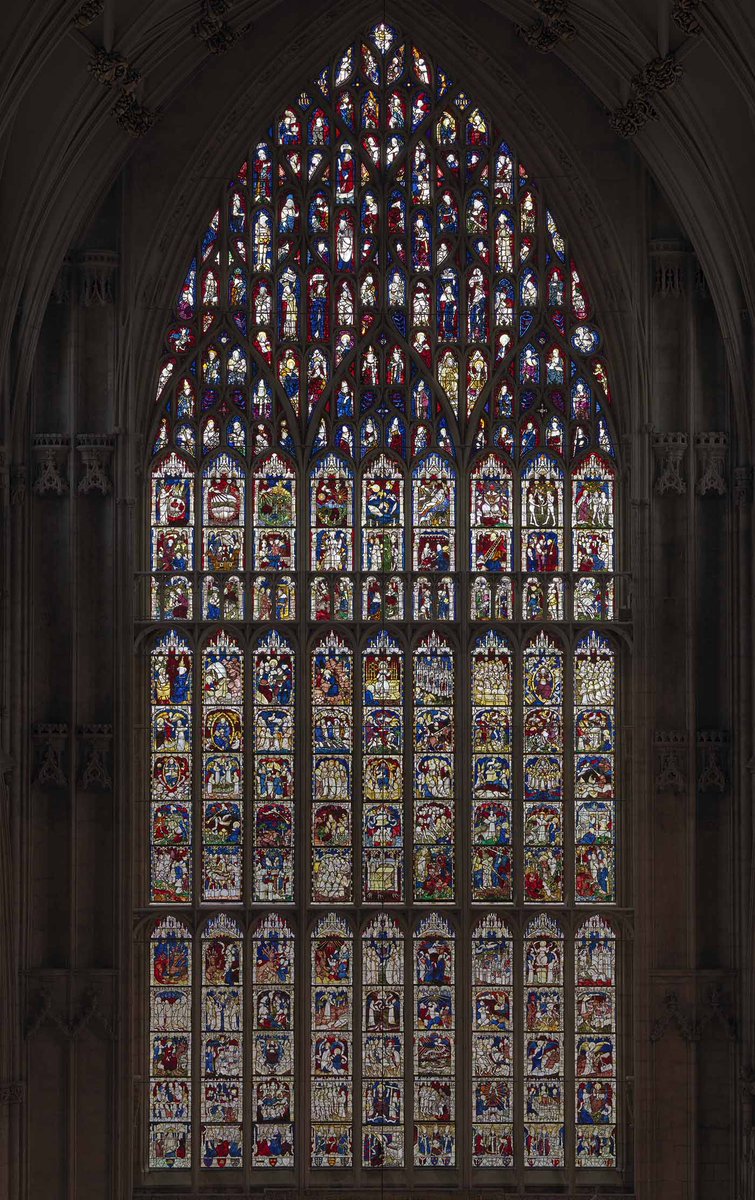
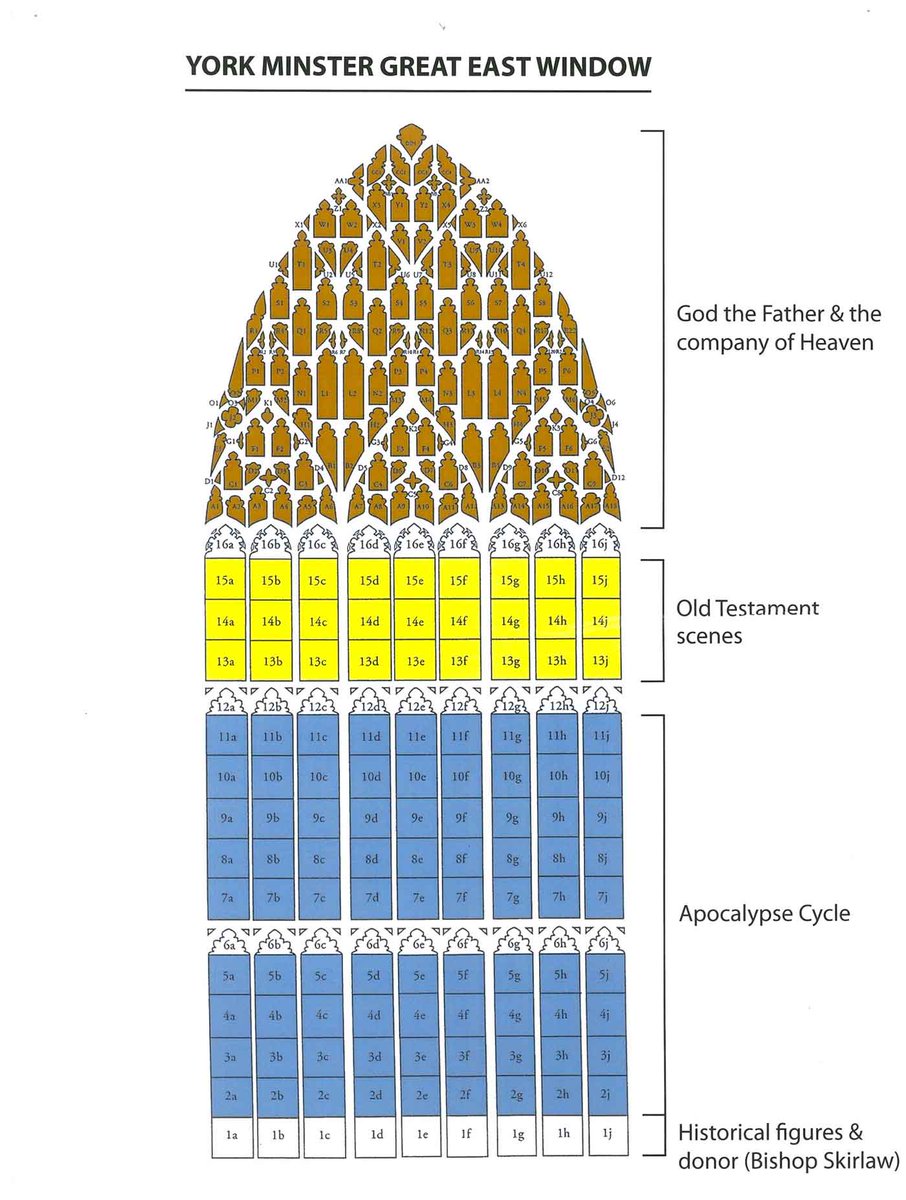
But stained glass was not purely instructive. After all, many of these windows were too high or distant to be followed and thoroughly understood.
And so their purpose was related to our senses as much as our intellect, to semi-abstract beauty as much as storytelling.
And so their purpose was related to our senses as much as our intellect, to semi-abstract beauty as much as storytelling.
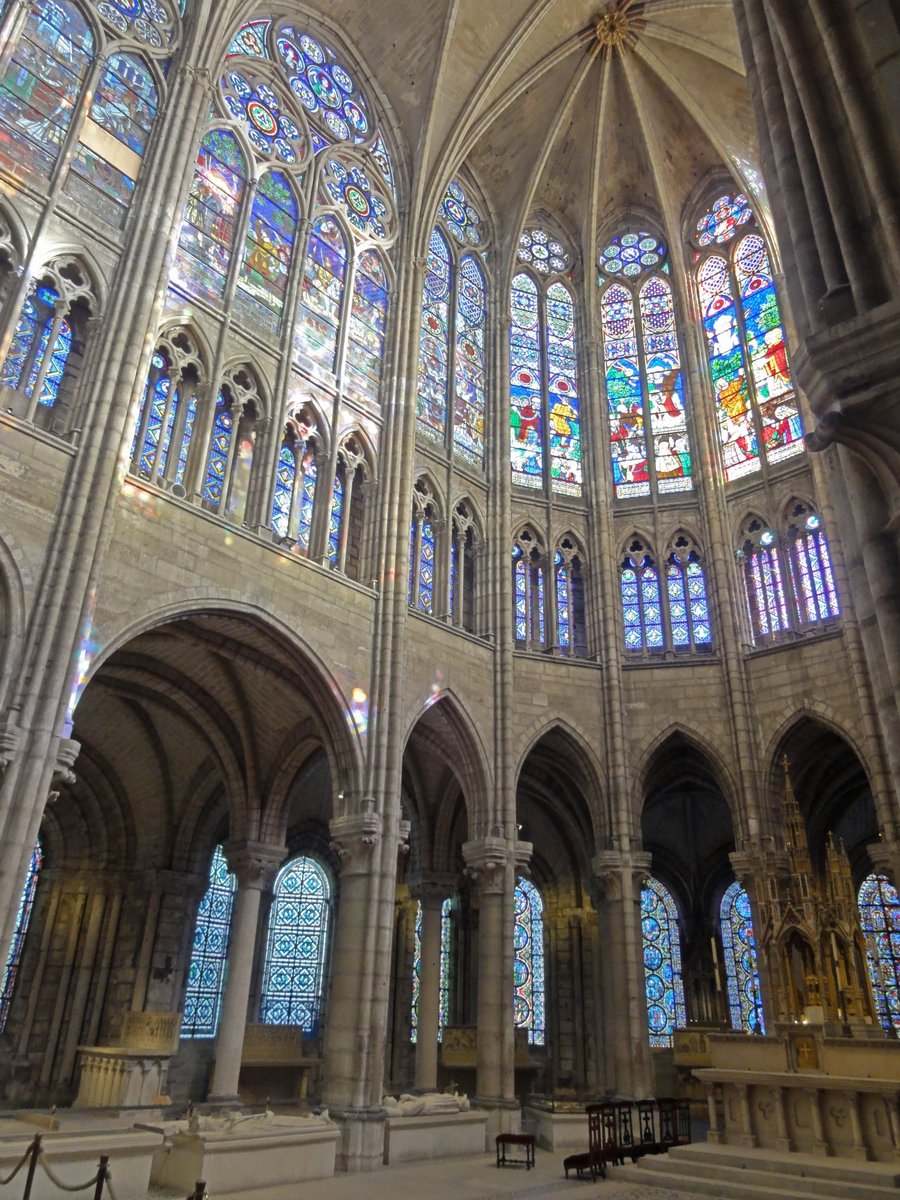
The unique quality of stained glass, unlike painting & sculpture, even photography & cinema, is its eternally shifting relationship with light.
Though more physically restricted than other art forms, by working solely in light and colour it becomes the most weightless of all.
Though more physically restricted than other art forms, by working solely in light and colour it becomes the most weightless of all.
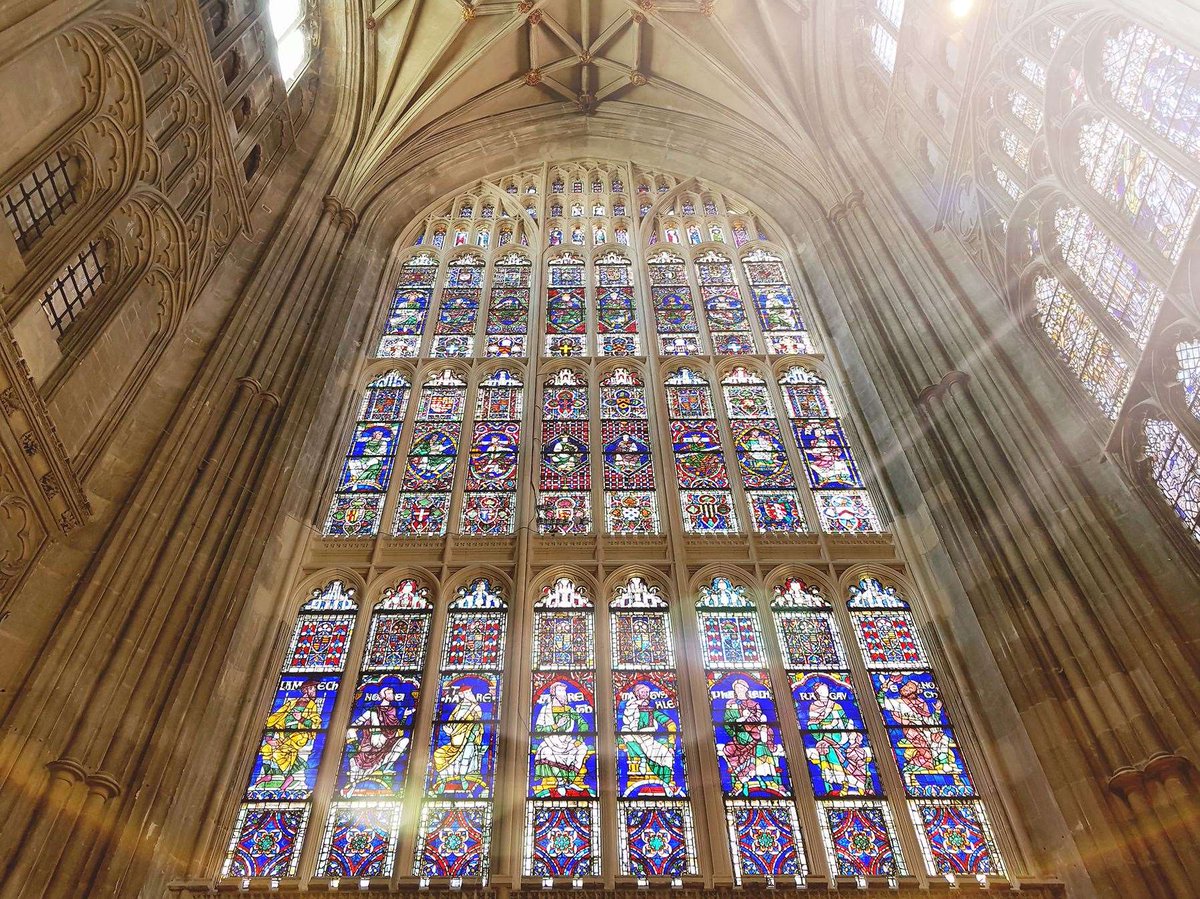
And so the messages of scripture were conveyed not only through the stories depicted, but by the art form itself.
Cathedrals became chambers of shimmering, technicolour light; earthly expressions of Heaven, of a celestial city made real.
Cathedrals became chambers of shimmering, technicolour light; earthly expressions of Heaven, of a celestial city made real.
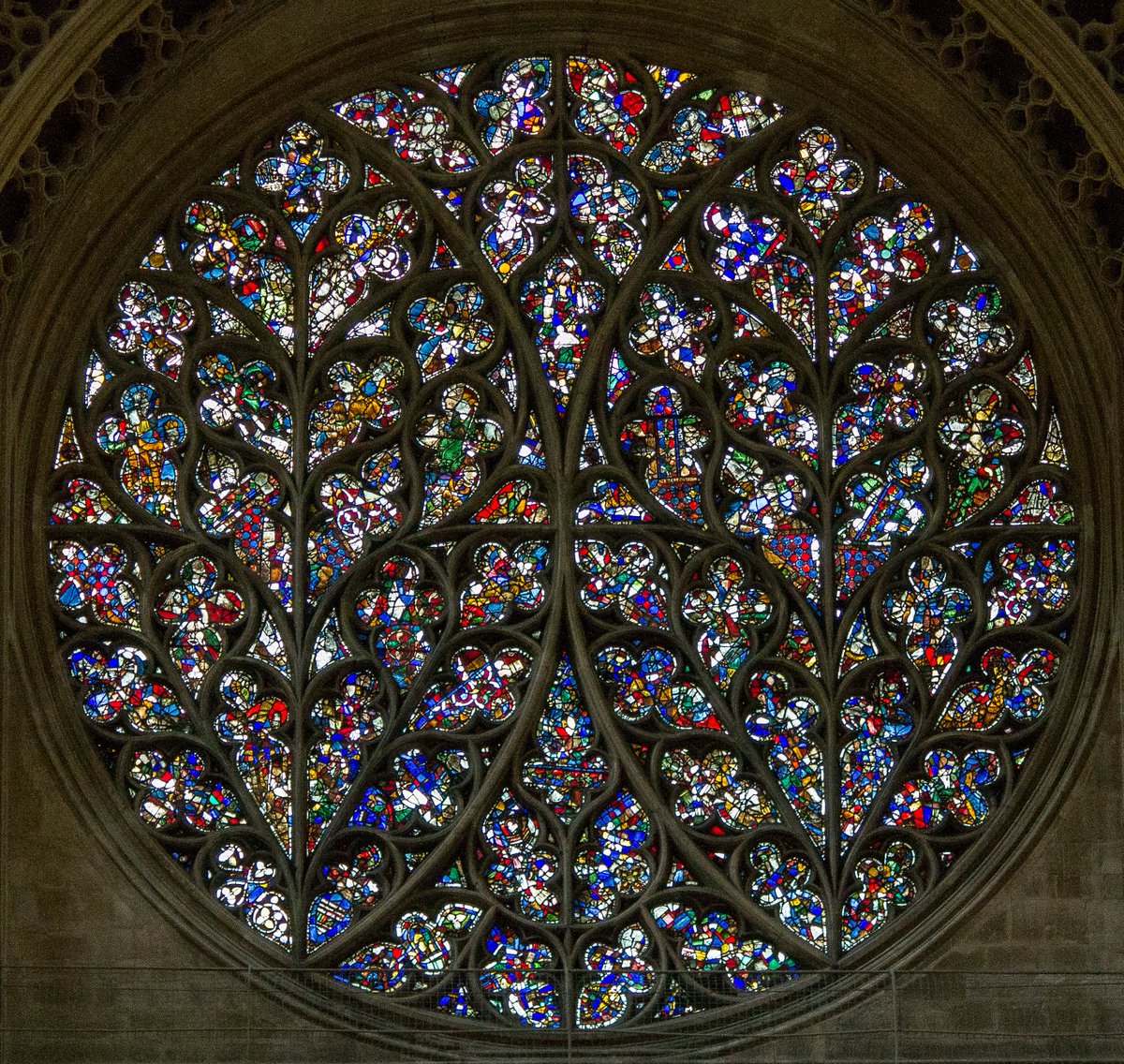
Of course, stained glass windows also memorialised those who paid for them.
But the people who funded these expensive windows weren't only princes. Guilds of workers often contributed (even shoemakers!) and were duly memorialised.
A window was a source of shared pride.
But the people who funded these expensive windows weren't only princes. Guilds of workers often contributed (even shoemakers!) and were duly memorialised.
A window was a source of shared pride.
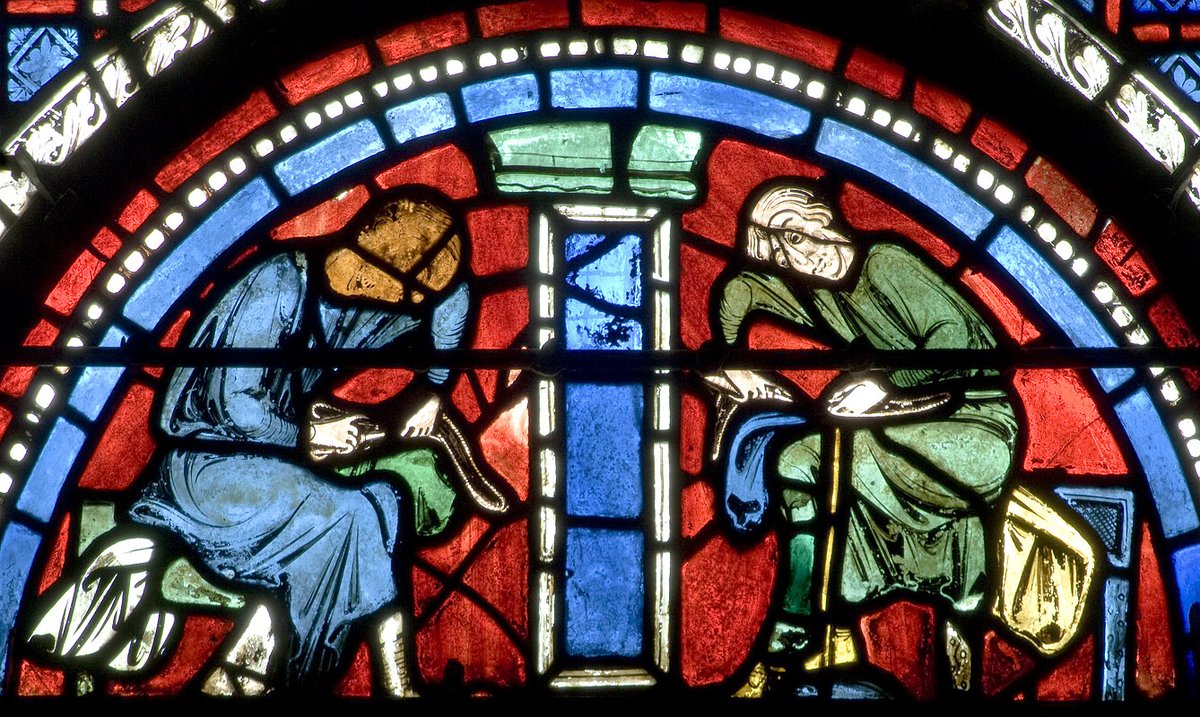
And so stained glass became an industry, inasmuch as there could be a Medieval industry.
There was plenty of innovation, such as the "silver stain" method in the 14th century. It made new colours available and allowed for more detailed glass painting.
There was plenty of innovation, such as the "silver stain" method in the 14th century. It made new colours available and allowed for more detailed glass painting.
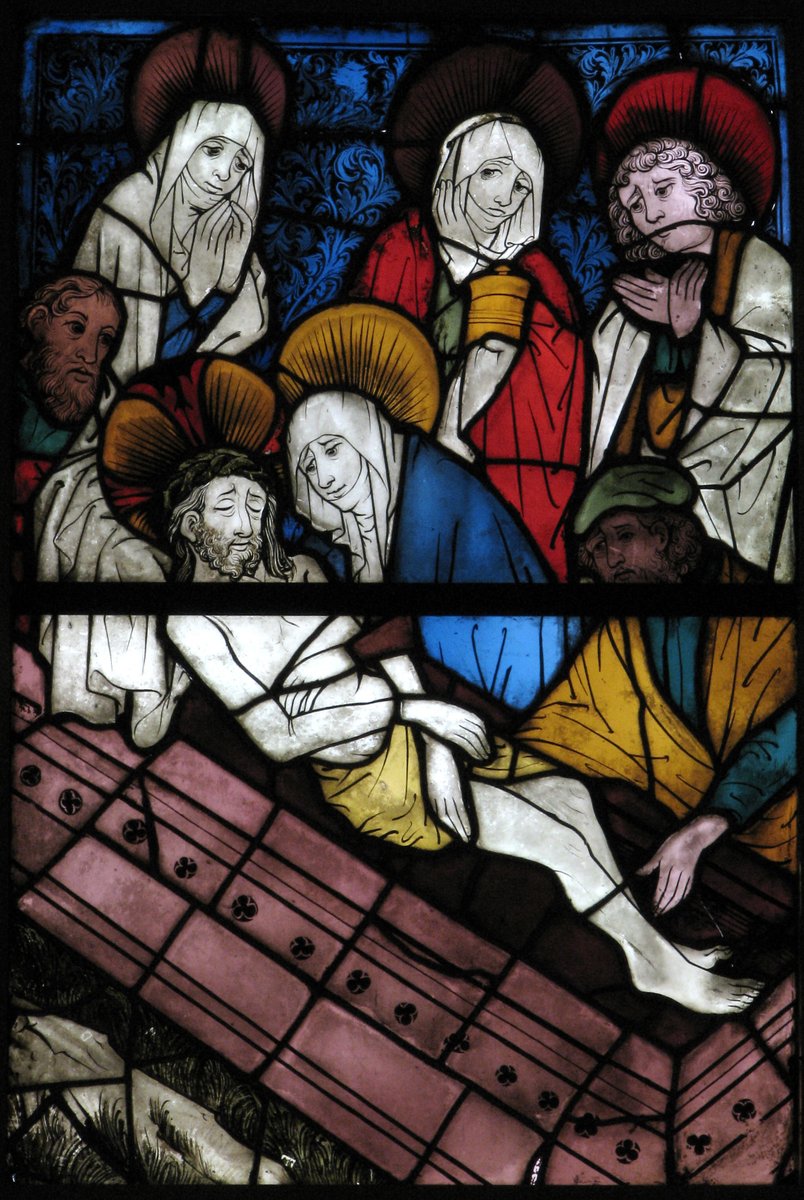
Stained glass continued to evolve until the 16th century, as the Middle Ages rolled into the Renaissance, and beyond.
One of the biggest changes was the introduction of new colours which replaced the early Medieval dominance of blue.
One of the biggest changes was the introduction of new colours which replaced the early Medieval dominance of blue.
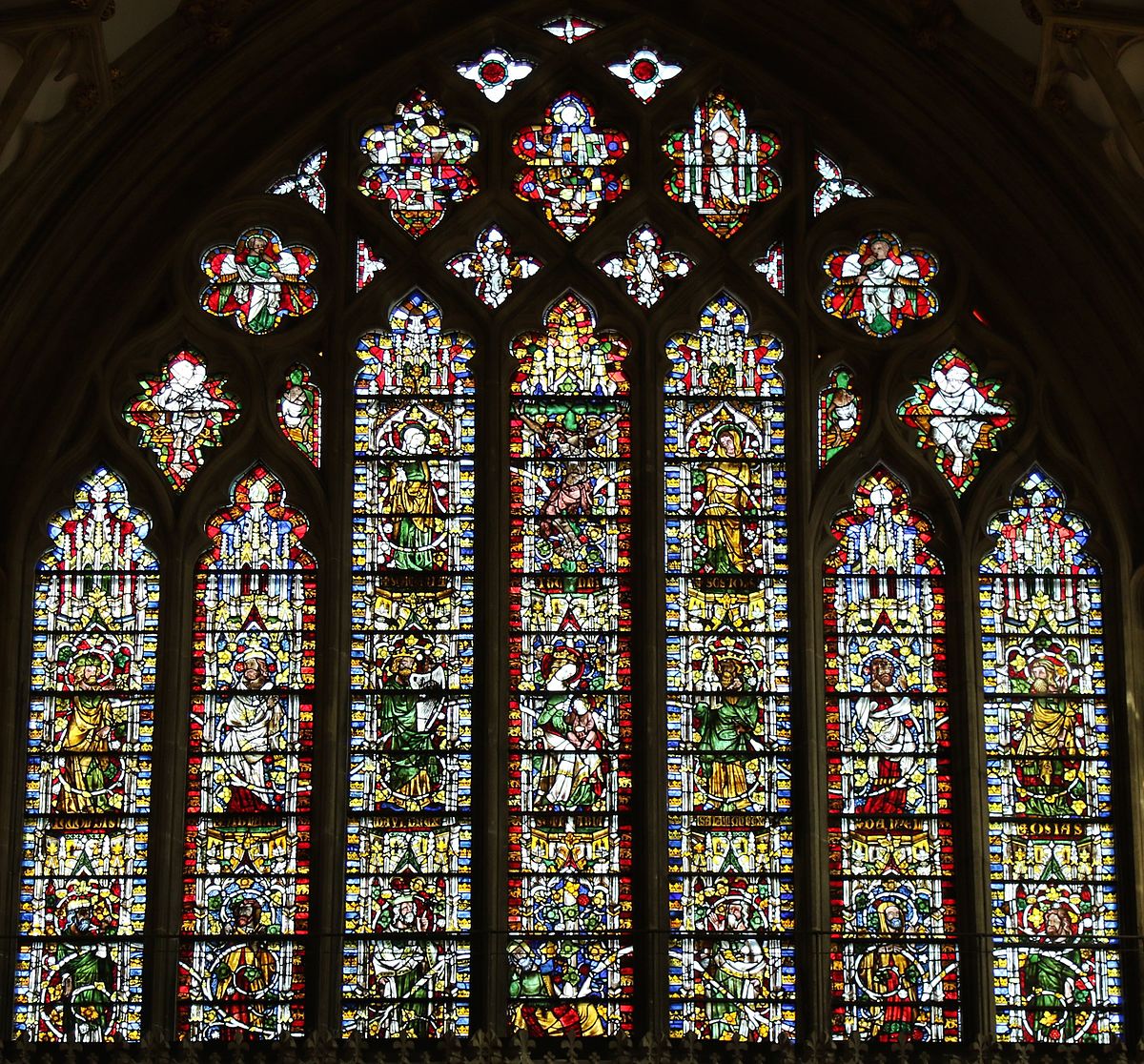
And another, made possible by technical innovation, was stained glass of far greater detail; glass artists were soon able to portray people and buildings and environments in a much more realistic way.
Almost as if they were competing with painters.
Almost as if they were competing with painters.
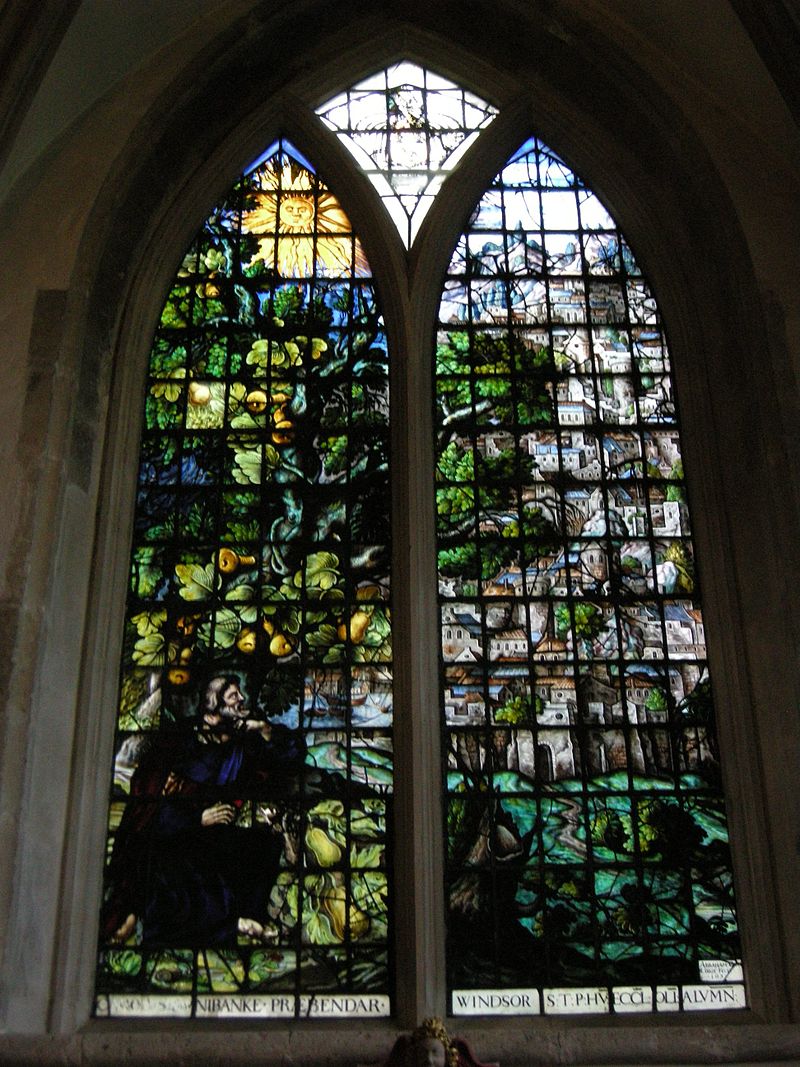
There were many more technical innovations which made the glass itself thinner and more consistent, the colours purer, and the scenes depicted ever more realistic.
And there was an increasing tendency to place coloured scenes over white backgrounds.
And there was an increasing tendency to place coloured scenes over white backgrounds.
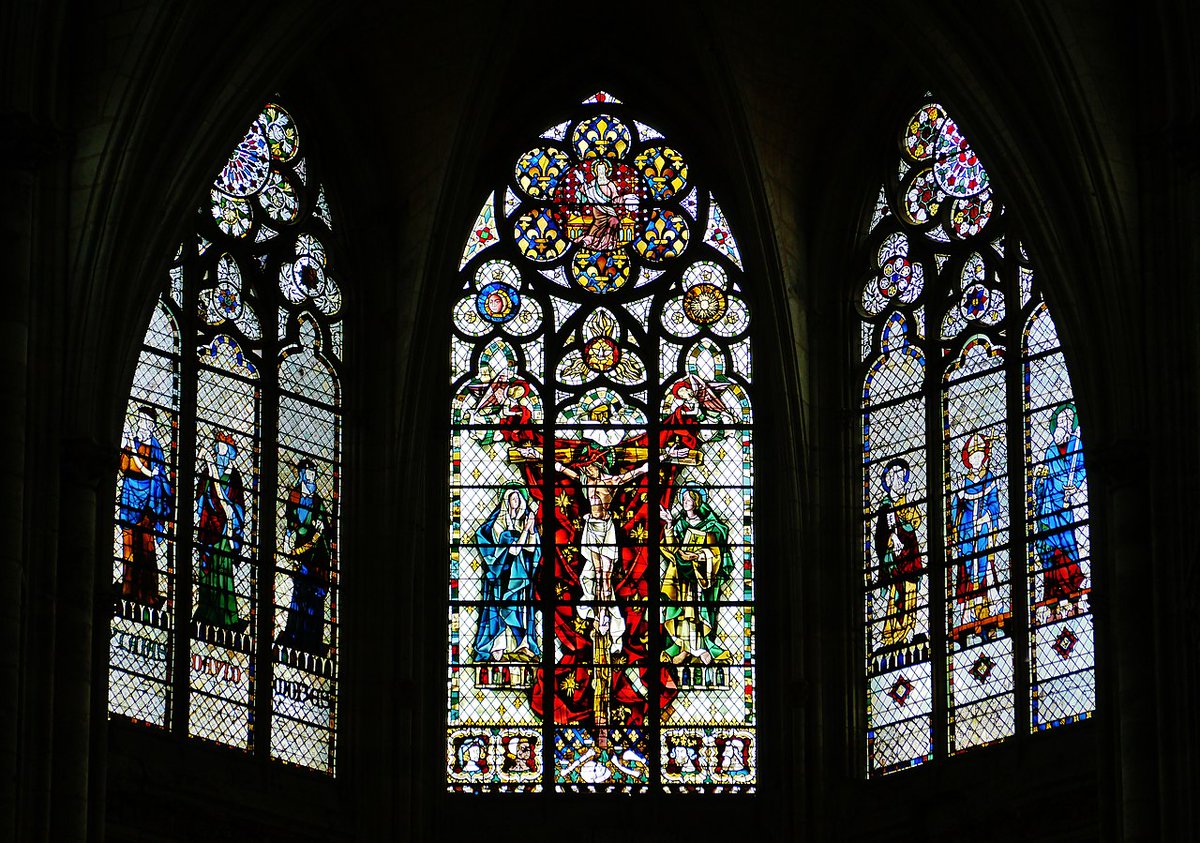
But most beautiful about Medieval stained glass was its mix of simplicity and imperfection; an imperfection which produced more powerful & varied effects of colour and light.
Perhaps all that innovation and realism refined the majesty out of stained glass.
Perhaps all that innovation and realism refined the majesty out of stained glass.
Unsurprisingly, stained glass has had a complicated and difficult history. It is, by its very nature, incredibly fragile.
Whether because of accident, the weather, or intention, an incalculable number of windows have been destroyed down the centuries.
Whether because of accident, the weather, or intention, an incalculable number of windows have been destroyed down the centuries.
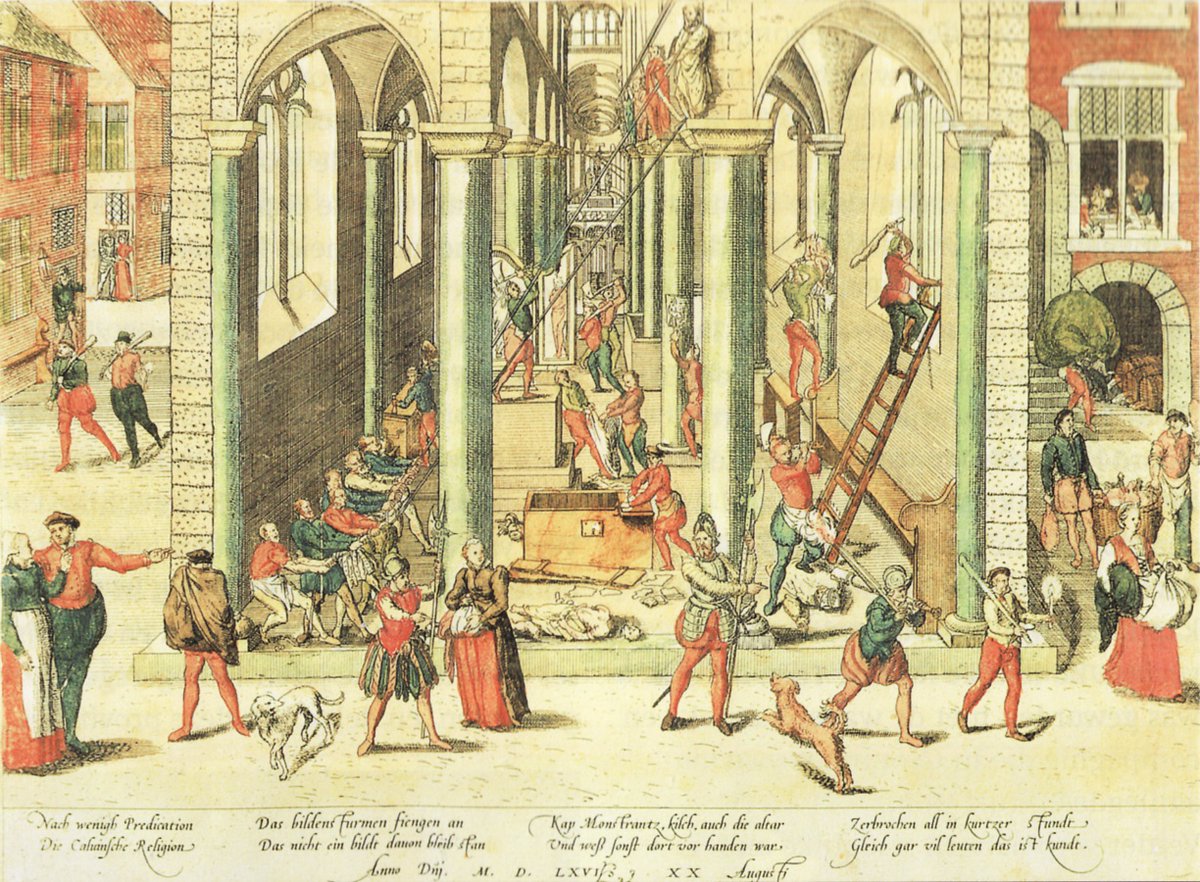
In Italy frescos and murals were preferred as the primary art form in churches, whereas in Northern Europe stained glass was of greater importance.
The eight hundred year old Sainte-Chapelle in Paris is France's answer to the Sistine Chapel:
The eight hundred year old Sainte-Chapelle in Paris is France's answer to the Sistine Chapel:
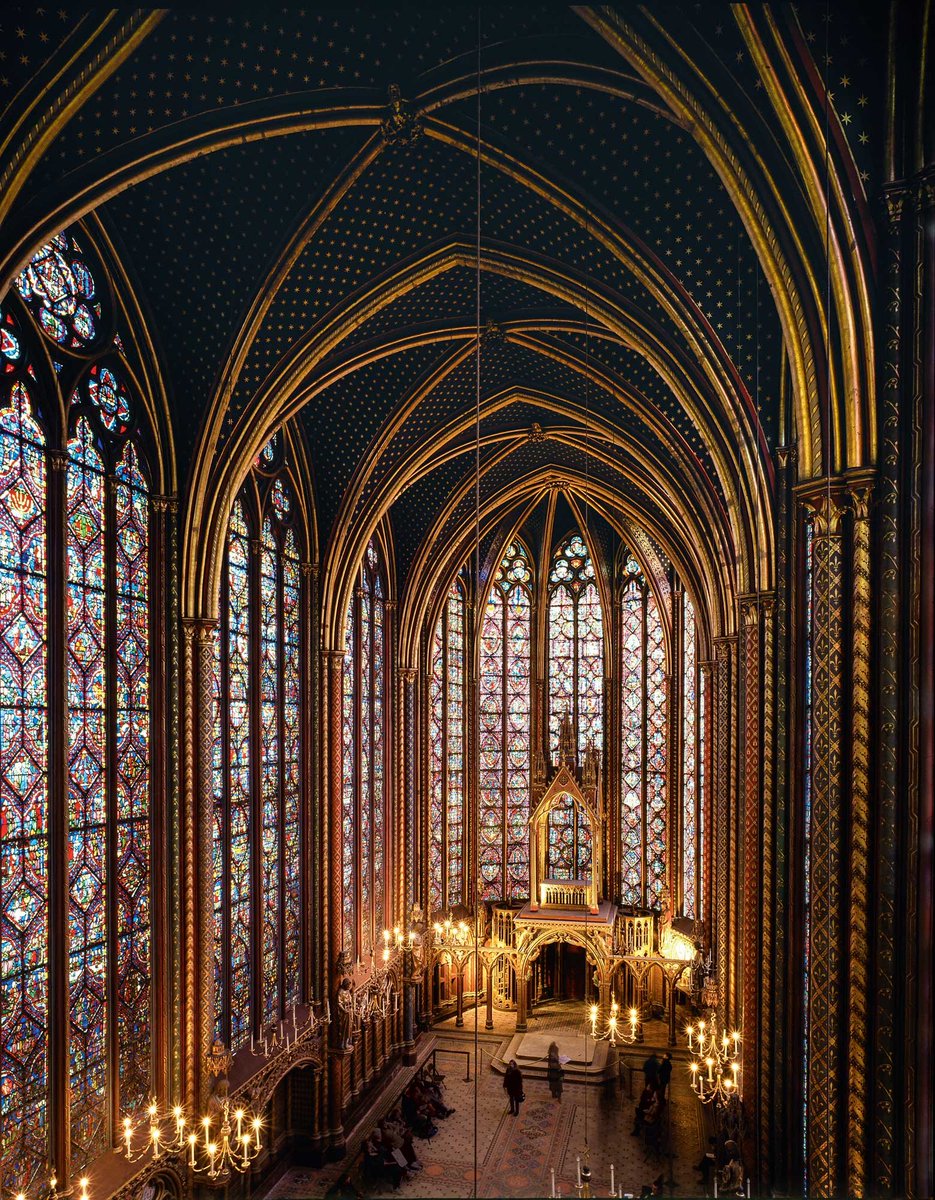
In the 19th century, concurrent with the Gothic Revival, there was a renewed interest in stained glass.
The Arts and Crafts Movement in England sought a return to the Medieval methods of production, impurities and all, though others stuck to a more refined style.
The Arts and Crafts Movement in England sought a return to the Medieval methods of production, impurities and all, though others stuck to a more refined style.
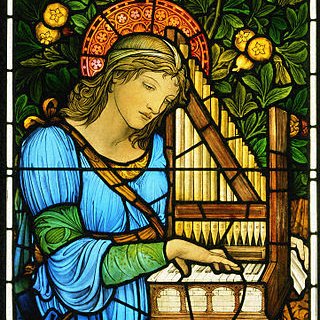
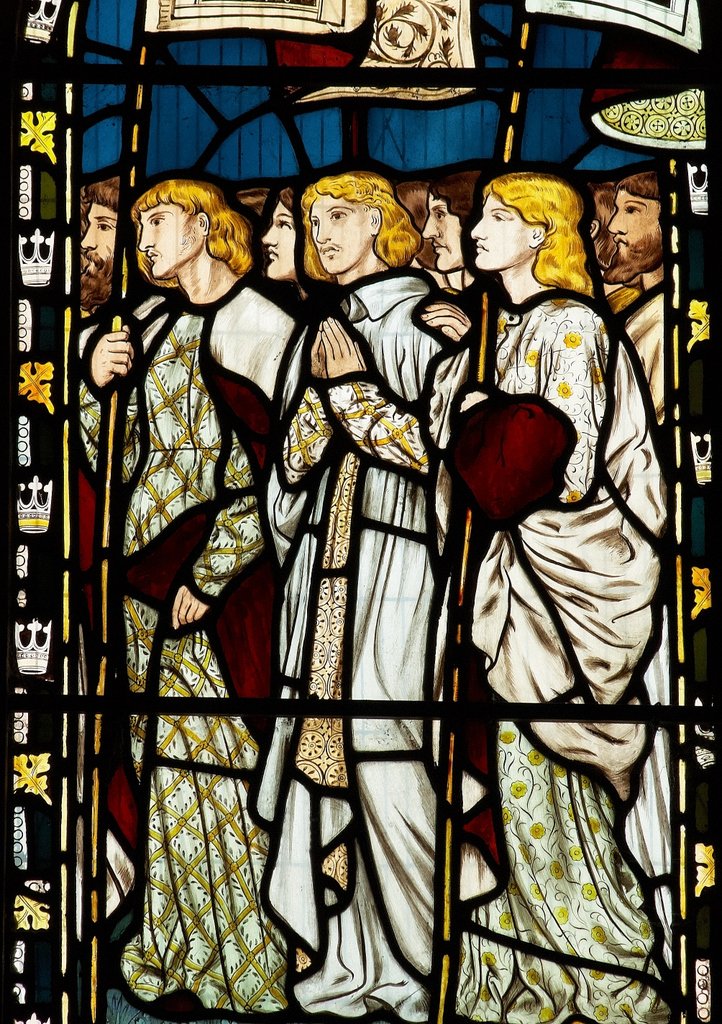
Stained glass was an artisanal craft and so it makes sense that we find so much of it in Art Nouveau.
Only, rather than the Gothic Revival's historical approach, Art Nouveau designers like Louis Tiffany took it in new directions, even creating new forms of stained glass.
Only, rather than the Gothic Revival's historical approach, Art Nouveau designers like Louis Tiffany took it in new directions, even creating new forms of stained glass.
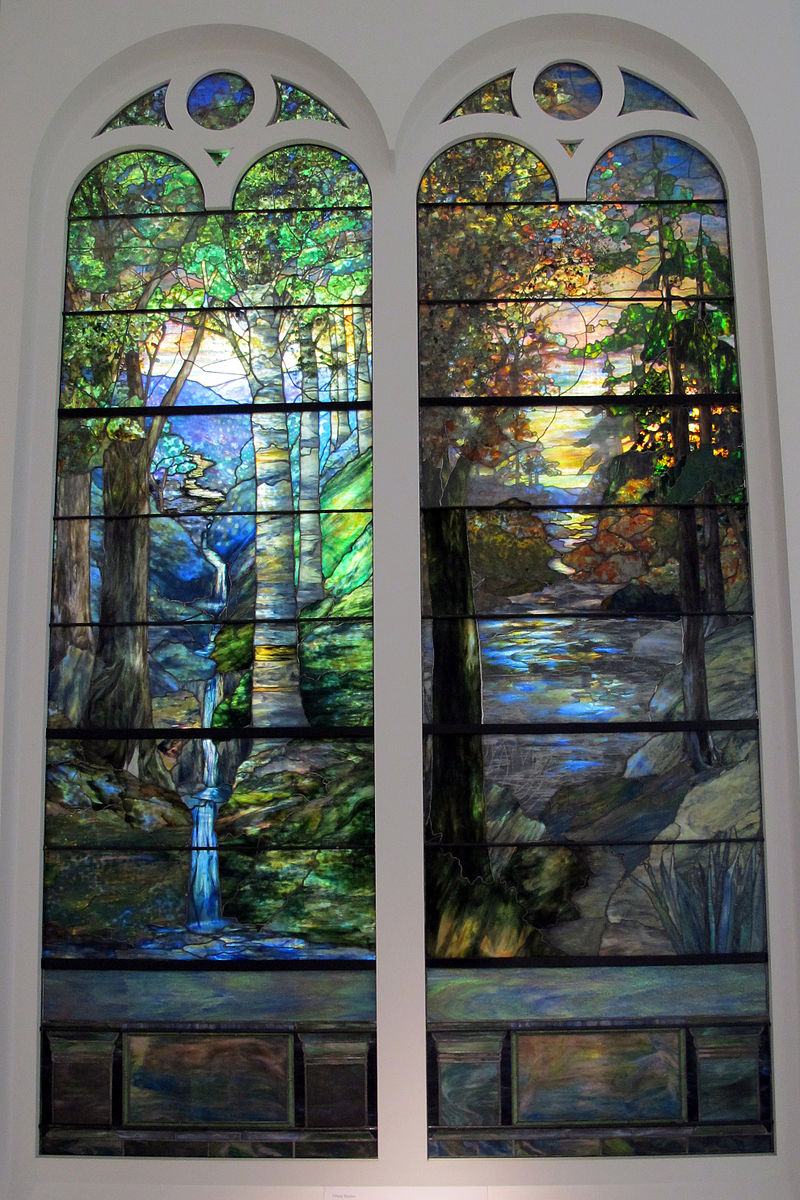
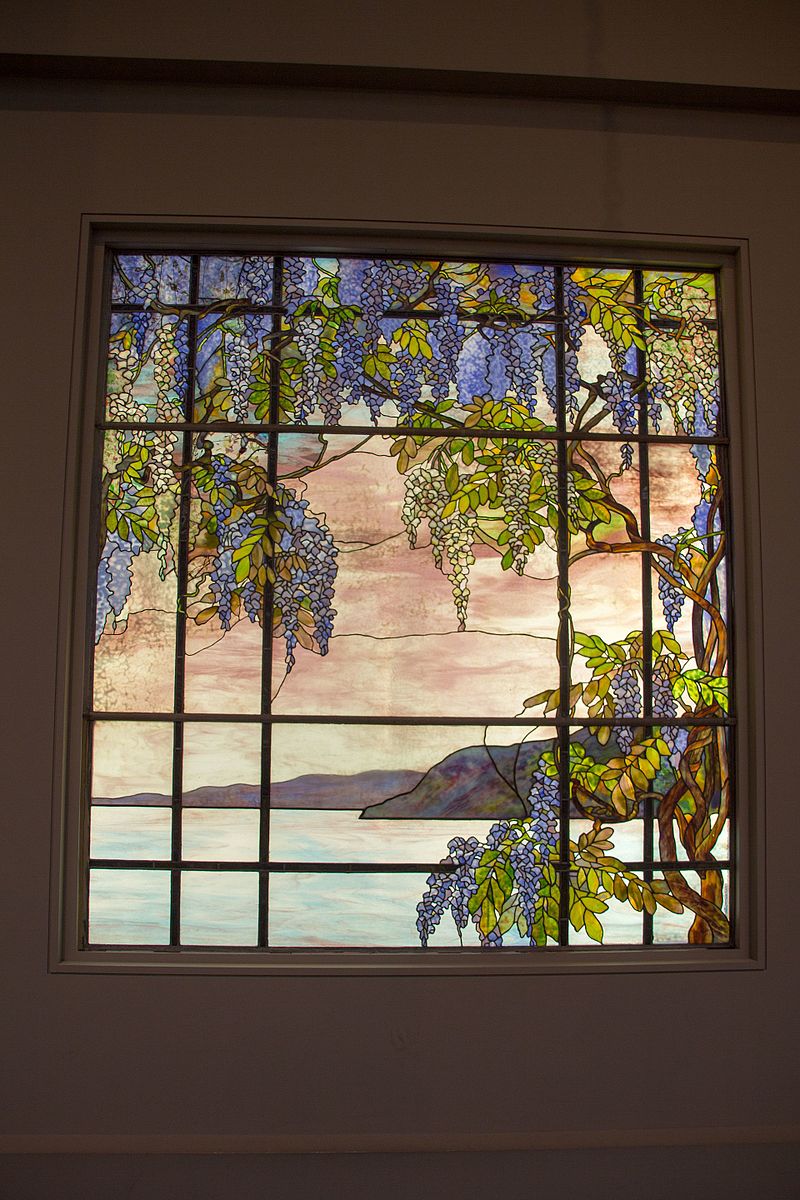
And the legacy of stained glass continued into the 20th century, with artists as varied as Alphonse Mucha and Marc Chagall commissioned to design windows in their own, highly distinctive styles.
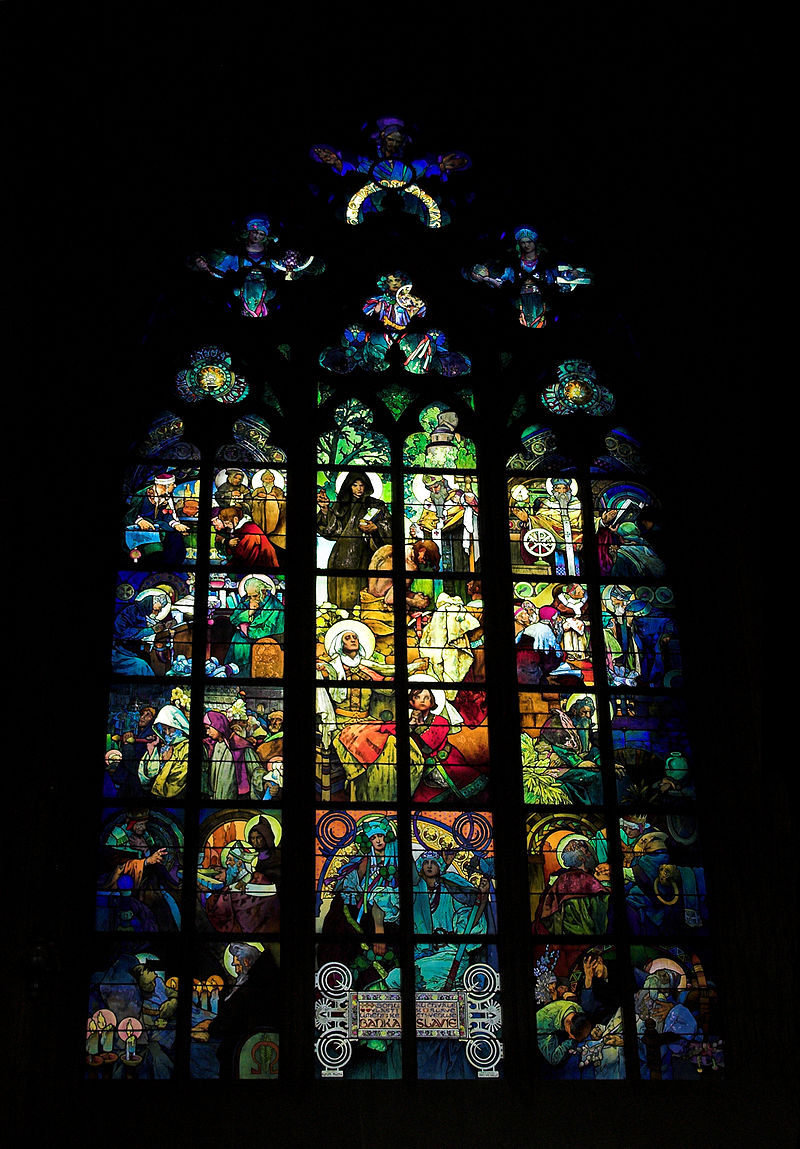
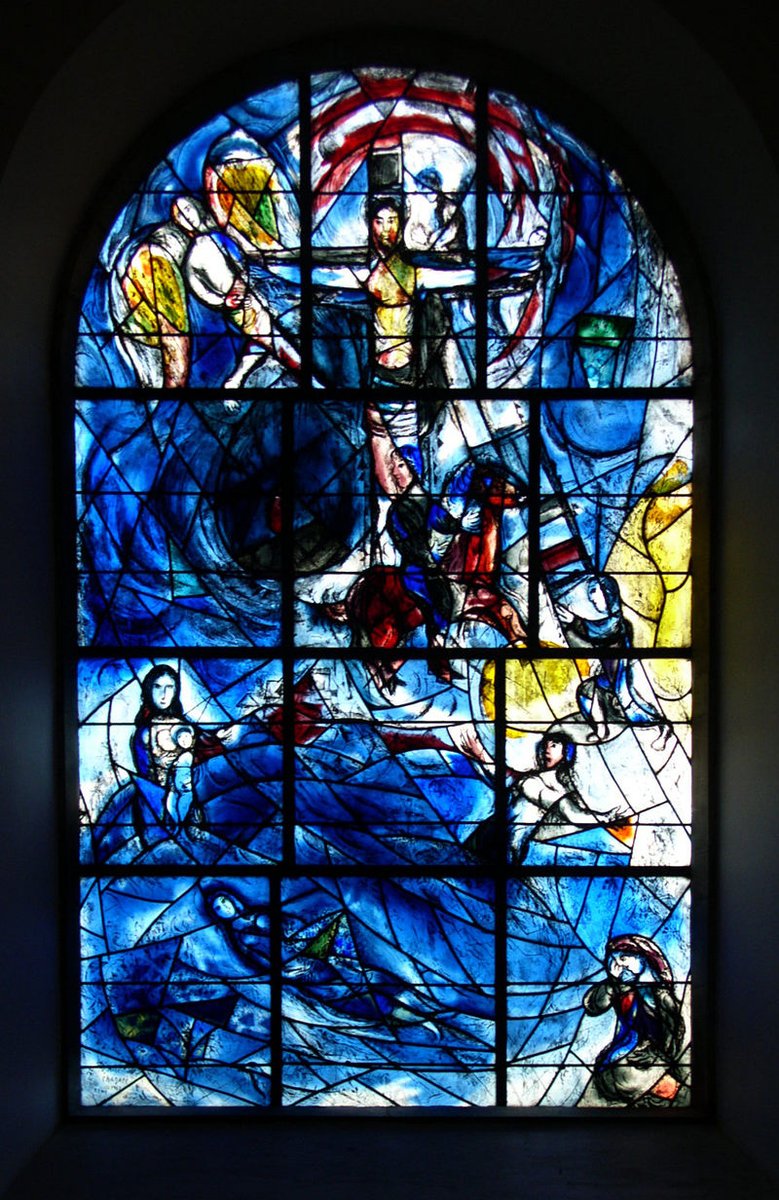
Stained glass was not exclusive to cathedrals; in mosques, too, it has a long and rich heritage.
Indeed, the non-representational art and architecture of Islam lends itself well to the abstract qualities of stained glass, perhaps nowhere more famously than in Iran's Pink Mosque:
Indeed, the non-representational art and architecture of Islam lends itself well to the abstract qualities of stained glass, perhaps nowhere more famously than in Iran's Pink Mosque:
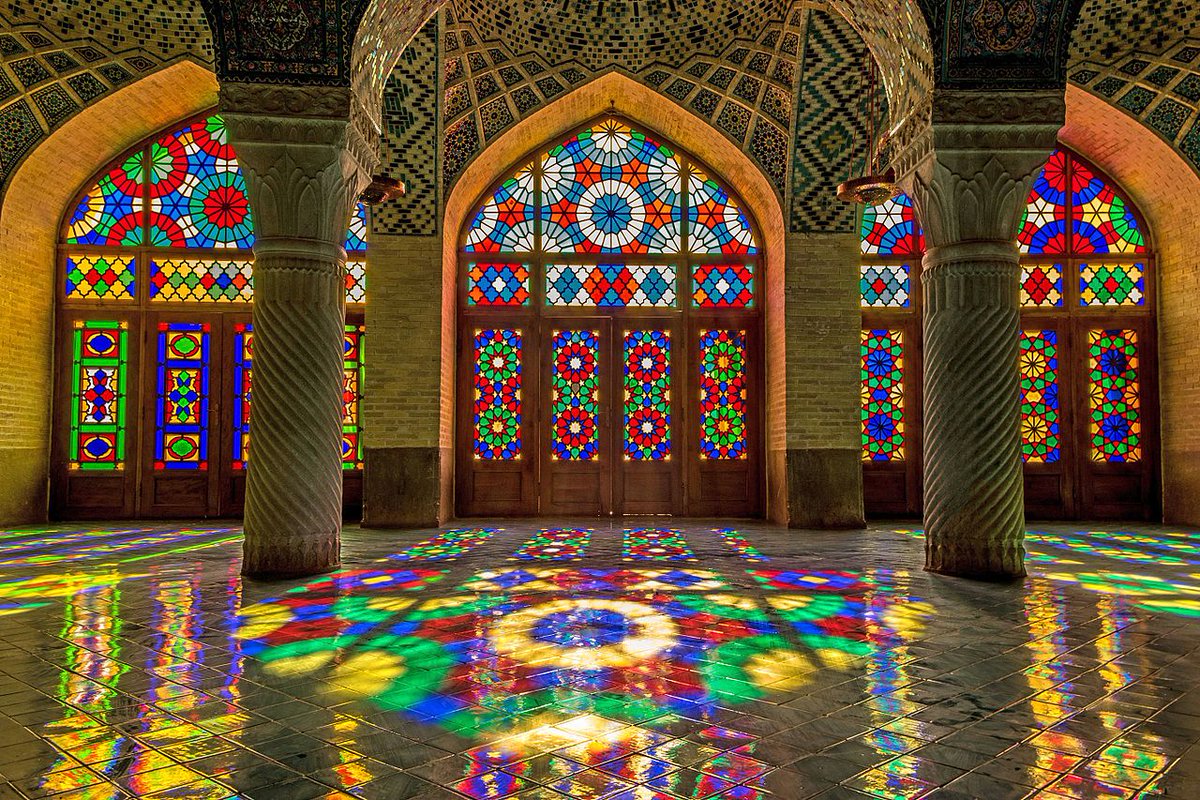
There is no other form of art like stained glass, one which draws so immediately on our physical senses, altering the space around us and eternally evolving not only as the sun crosses the sky but as the seasons change.
No single stained glass window is ever the same twice.
No single stained glass window is ever the same twice.
Loading suggestions...