

How to join the top 1% of fastest learners:
9 (research-based) techniques:
9 (research-based) techniques:
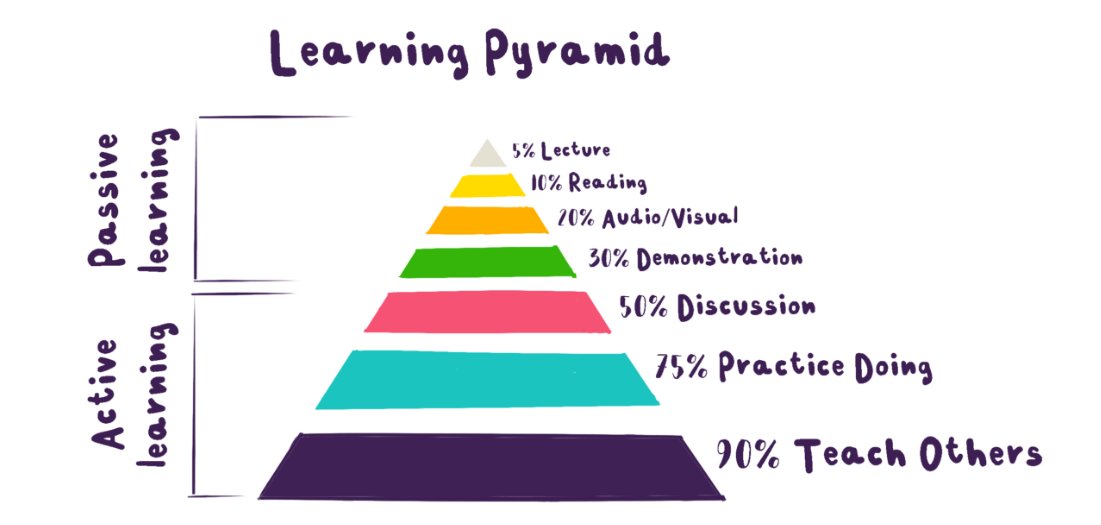
Learning is a skill.
But it's rarely taught.
We're constantly trying to learn new things, but never stop to ask...
“Is this the best way I could be doing this?”
Today I'm sharing 9 research-backed techniques you can use to optimize your learning:
But it's rarely taught.
We're constantly trying to learn new things, but never stop to ask...
“Is this the best way I could be doing this?”
Today I'm sharing 9 research-backed techniques you can use to optimize your learning:
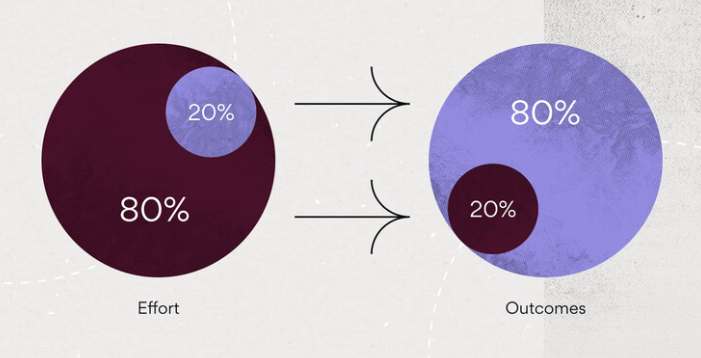
🧠 Break it down with the 80/20 Rule
80% of the results come from 20% of the inputs.
Before you start learning something—identify the most impactful 20%.
For example:
🎸 Guitar — The 20 chords used most in popular songs
🗣 Languages — The 500 most commonly used words
80% of the results come from 20% of the inputs.
Before you start learning something—identify the most impactful 20%.
For example:
🎸 Guitar — The 20 chords used most in popular songs
🗣 Languages — The 500 most commonly used words
🧠 Use immersion to your advantage
Learning Spanish?
Moving to Spain is probably going to fast-track your progress.
This can be applied to other skills:
👨💻 Coding - Start a project with friends
🎸 Guitar - Join a band
Put yourself in an environment that promotes learning.
Learning Spanish?
Moving to Spain is probably going to fast-track your progress.
This can be applied to other skills:
👨💻 Coding - Start a project with friends
🎸 Guitar - Join a band
Put yourself in an environment that promotes learning.
🧠 Use the Feynman Technique
STEP 1: Identify a topic
STEP 2: Try to explain it to a 5-year-old
STEP 3: Study to fill in knowledge gaps
STEP 4: Organize, convey, and review
I suggest checking out this amazing thread from @SahilBloom for an in-depth look:
STEP 1: Identify a topic
STEP 2: Try to explain it to a 5-year-old
STEP 3: Study to fill in knowledge gaps
STEP 4: Organize, convey, and review
I suggest checking out this amazing thread from @SahilBloom for an in-depth look:
🧠 Learn from multiple sources at once
Your brain is a complex machine.
If you can get more parts of it firing, you will be more likely to remember what you're studying.
• Books
• Audio
• Video
Experiment with different ways of stimulating your brain.
Your brain is a complex machine.
If you can get more parts of it firing, you will be more likely to remember what you're studying.
• Books
• Audio
• Video
Experiment with different ways of stimulating your brain.
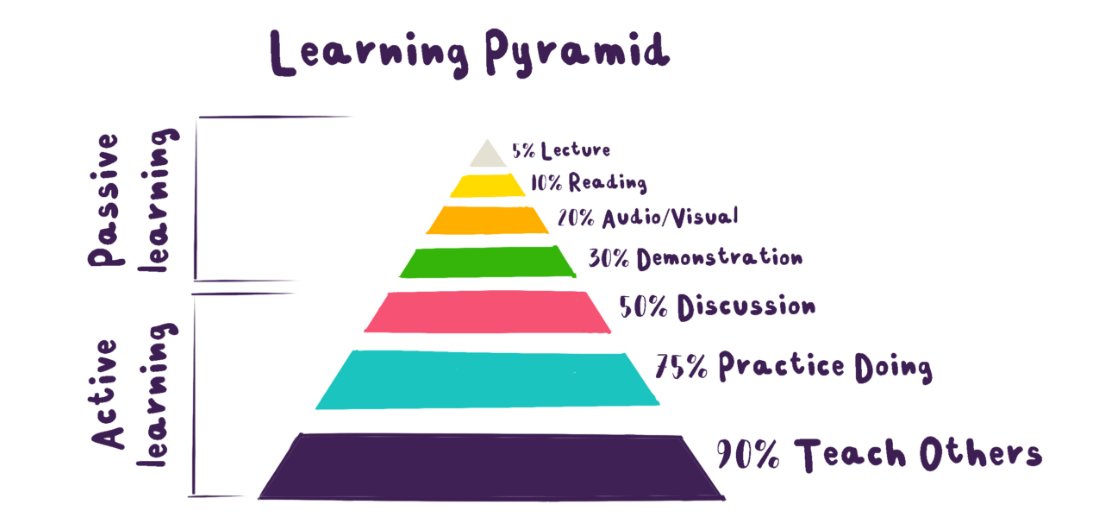
🧠 Test yourself
Good for learning = putting information into your brain
Better for learning = recalling information from your brain
Test your knowledge early and often.
This will also help you identify weak points that you can come back and target later.
Good for learning = putting information into your brain
Better for learning = recalling information from your brain
Test your knowledge early and often.
This will also help you identify weak points that you can come back and target later.
🧠 Dedicate 20 hours of focused learning
Fuck the 10,000 hour rule.
Studies show that you can become proficient at something in as little as 20 hours.
But how you use that 20 hours is critical.
One of my favorite TED Talks goes deep on this topic:
youtube.com
Fuck the 10,000 hour rule.
Studies show that you can become proficient at something in as little as 20 hours.
But how you use that 20 hours is critical.
One of my favorite TED Talks goes deep on this topic:
youtube.com
🧠 Handwriting > Typing
To each their own.
But research shows that retention rates improve when we pick the pen and paper over the mouse and keyboard.
Here's a great article about note-taking:
scotthyoung.com
To each their own.
But research shows that retention rates improve when we pick the pen and paper over the mouse and keyboard.
Here's a great article about note-taking:
scotthyoung.com

🧠 Distributed practice > cramming
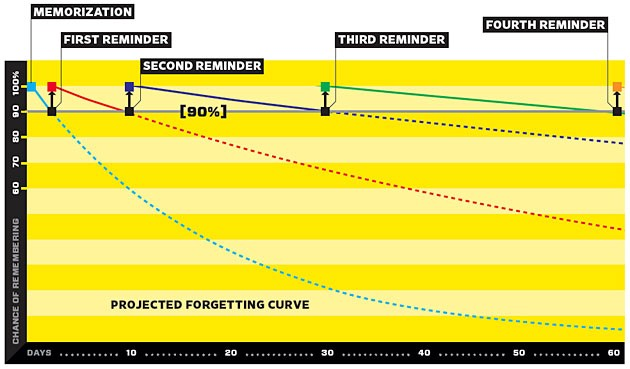
You may be able to scrape through your calculus exam by cramming all night—but a week later you're going to have forgotten all of it.
Your brain will reward you for using spaced-repetition.
I recommend an app called Anki for this.
You may be able to scrape through your calculus exam by cramming all night—but a week later you're going to have forgotten all of it.
Your brain will reward you for using spaced-repetition.
I recommend an app called Anki for this.
🧠Avoid all-nighters
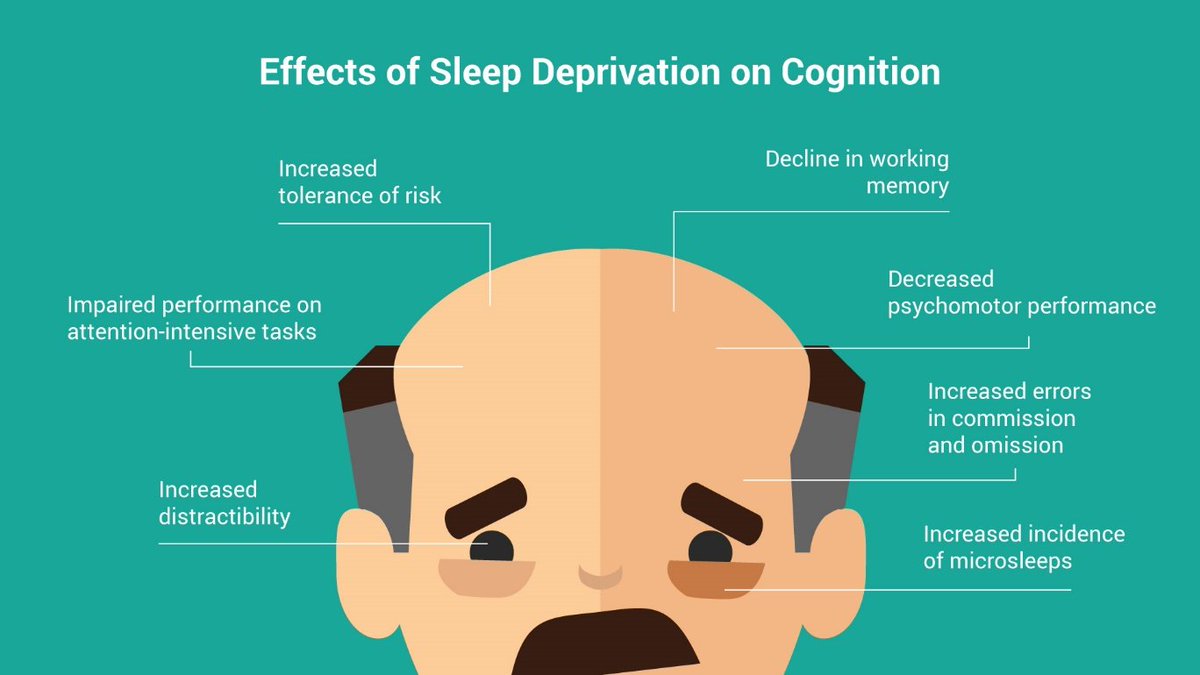
Memory is solidified when you sleep.
Avoid those all-night Netflix binges to give your brain the best chance of cementing your knowledge.
Memory is solidified when you sleep.
Avoid those all-night Netflix binges to give your brain the best chance of cementing your knowledge.
That's a wrap!
If you dug this thread:
Give it a RT.
Your audience will love it, and it helps me out too.
Cheers!
If you dug this thread:
Give it a RT.
Your audience will love it, and it helps me out too.
Cheers!
Loading suggestions...