
Two new surgical RCT's just released by @nejm @AANSNeuro
If you're caring for patients with stroke or traumatic brain injury, these trials might change your practice or help you understand what we surgeons do and why ...
Here comes an evidence based surgery megathread ...
If you're caring for patients with stroke or traumatic brain injury, these trials might change your practice or help you understand what we surgeons do and why ...
Here comes an evidence based surgery megathread ...


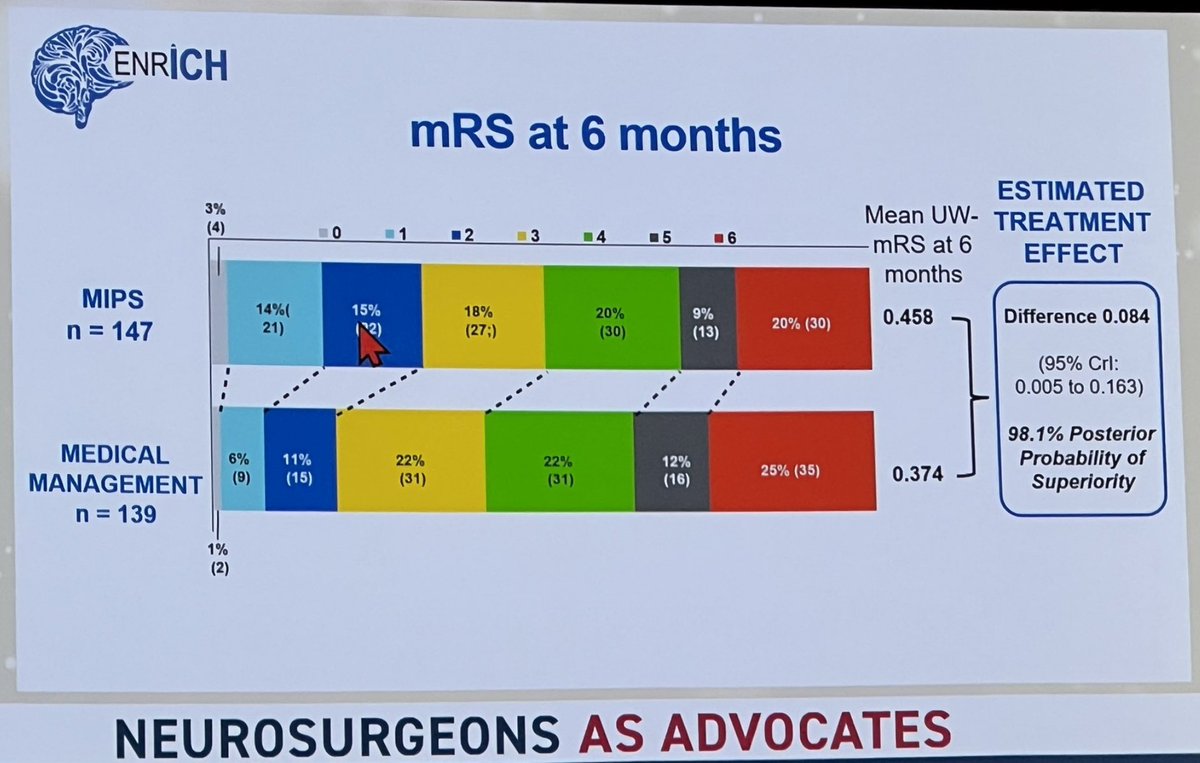
1. ENRICH, early results presented by @EmoryNeurosurg @gpradil2 . Patients with acute lobar hemorrhagic stroke whose hemorrhage was removed had better functional outcomes at 6 months.
@AdamArthurMD called it one of the most important surgical trials ever presented. Here's why...
@AdamArthurMD called it one of the most important surgical trials ever presented. Here's why...
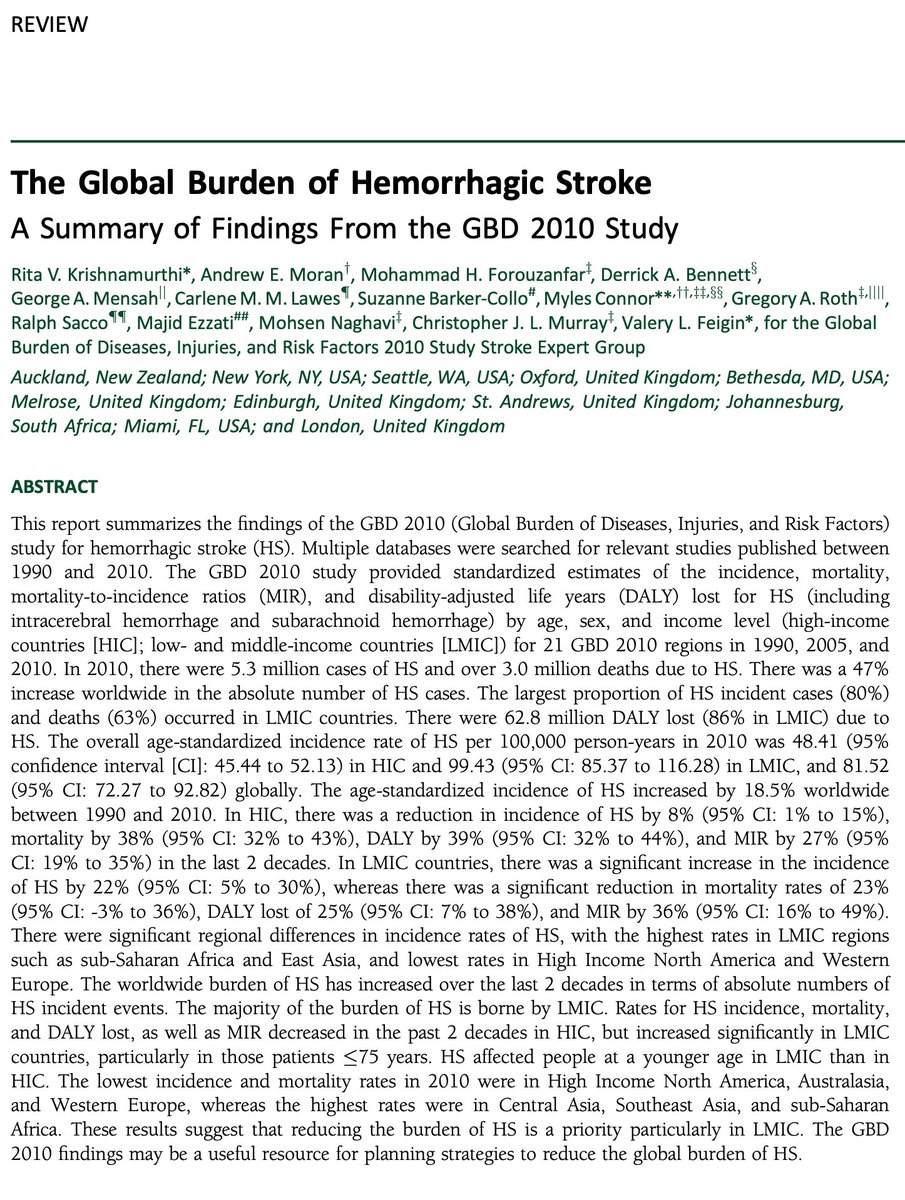
Sudden bleeding into the brain kills over 3 million people per year worldwide.
Even when the bleeding stops, the pressure from the blood clot against the brain can cause brain injury and death.
Brain surgery to remove the clot is risky, so a new method was trialed ...
Even when the bleeding stops, the pressure from the blood clot against the brain can cause brain injury and death.
Brain surgery to remove the clot is risky, so a new method was trialed ...
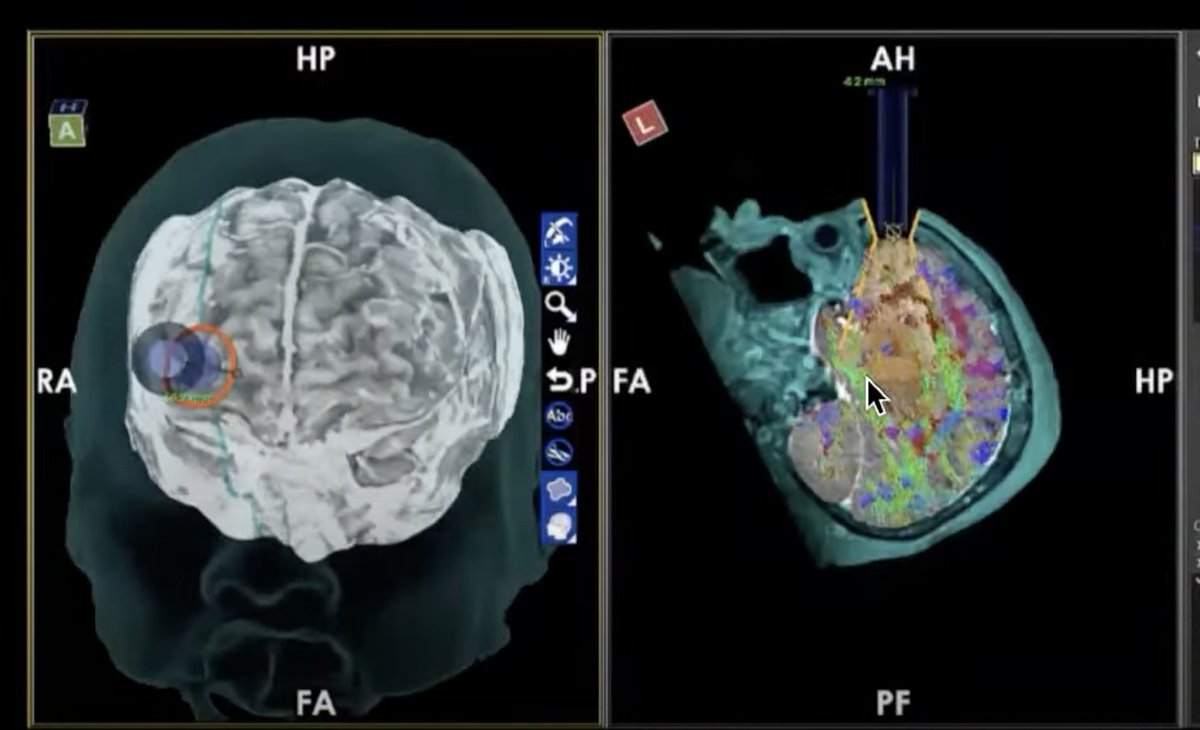
Building from prior evidence, a small tube system was used in carefully selected patients, early on in their stroke injury. The patients with bleeding nearer the surface of the brain that was well removed with this technique did best.
...but that's not all from this week
...but that's not all from this week

The trial found similar outcomes overall but different risks. Leaving the bone off led to a 1 in 10 greater risk of infection, but an extra 1 in 10 patients with the bone put back had to have it removed later.
Now that we know the risks, we can make better decisions for our pts!
Now that we know the risks, we can make better decisions for our pts!
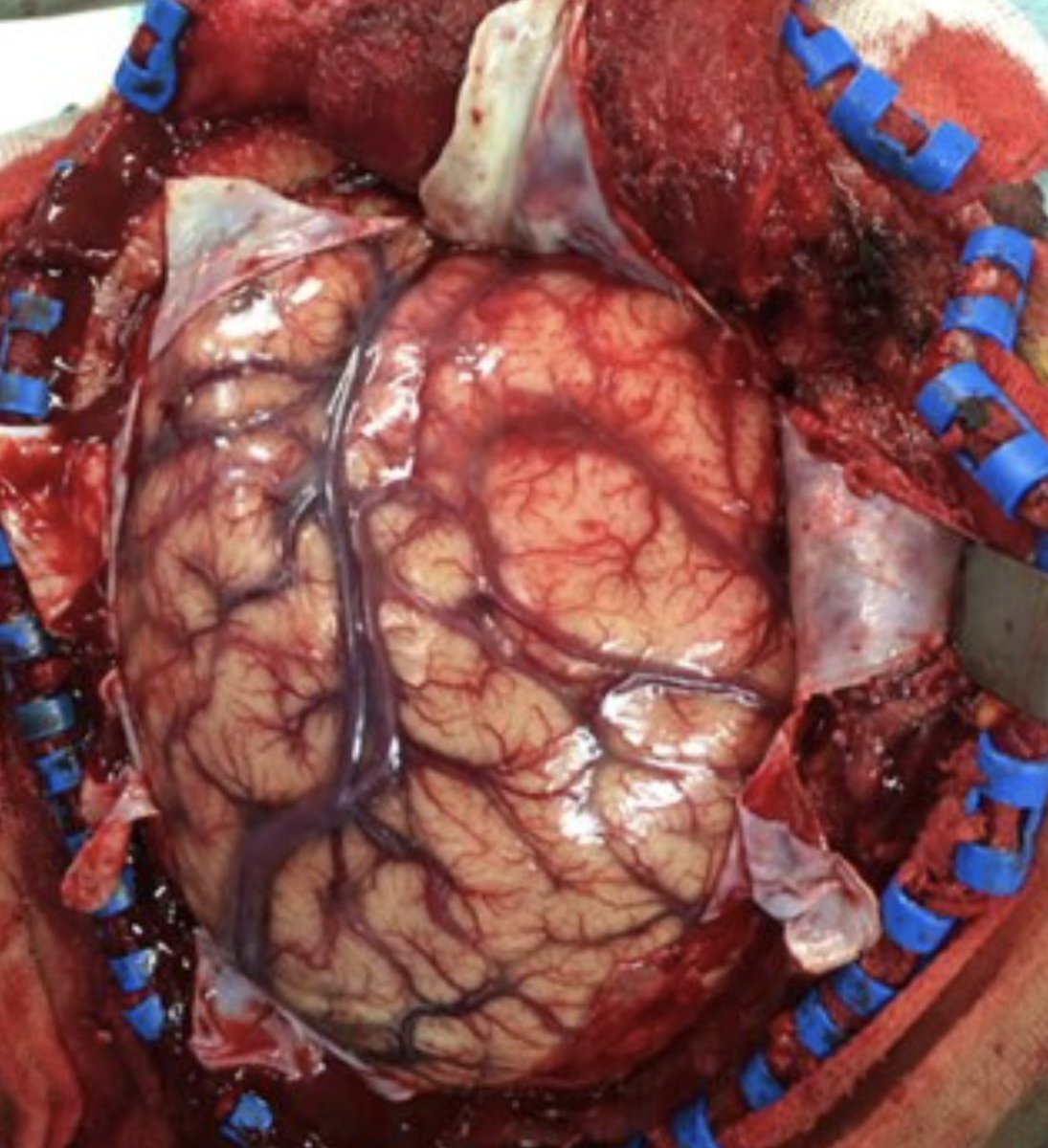
We should applaud both teams (of many surgeons) for generating the highest quality evidence. Surgical RCT's are a rare, almost endangered species.
Their hard work aids our decisionmaking and improves understanding in treating these two severe brain injuries.
Their hard work aids our decisionmaking and improves understanding in treating these two severe brain injuries.
Two other thoughts for the @nejm trial.
1. for decompressive craniectomy, I should add those patients all need a second surgery to have the bone replaced, which itself had about a 10% rate of adverse effects.
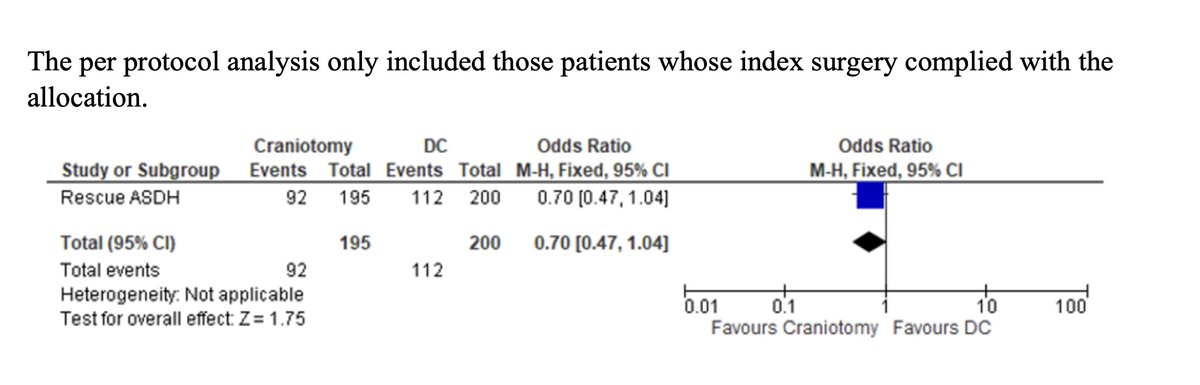
2. Digging through the tables, the slight edge in favor of…
1. for decompressive craniectomy, I should add those patients all need a second surgery to have the bone replaced, which itself had about a 10% rate of adverse effects.
2. Digging through the tables, the slight edge in favor of…
Loading suggestions...