

Helen Keller was deaf and blind.
But she was far from being dumb.
In fact, guess what Mark Twain said about her and Napoleon...
But she was far from being dumb.
In fact, guess what Mark Twain said about her and Napoleon...
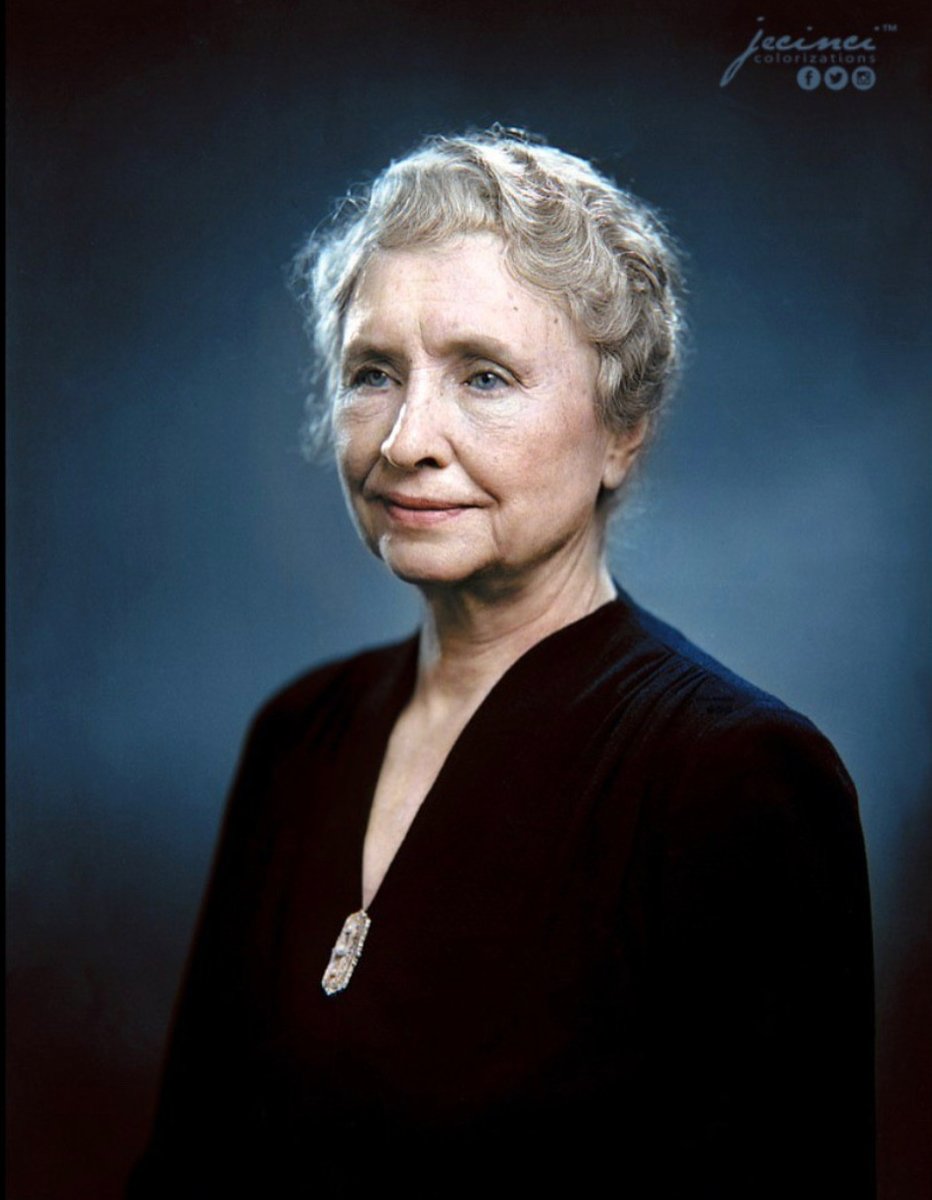
Helen Keller was not born deaf or blind.
When she was only 19 months old, she came down with an illness (possibly Scarlet fever), which left her without sight or the ability to hear.
It appeared that she was going to be a hopeless case…
When she was only 19 months old, she came down with an illness (possibly Scarlet fever), which left her without sight or the ability to hear.
It appeared that she was going to be a hopeless case…
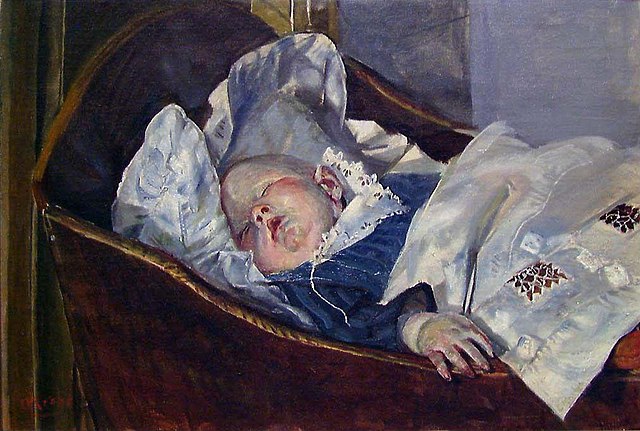
Her early years were rough as you might imagine…
In Dale Carnegie’s book: Five Minute Biographies, he says:
“She grew up like a wild animal in the jungle. She smashed and destroyed every object that displeased her. She crammed her food...
In Dale Carnegie’s book: Five Minute Biographies, he says:
“She grew up like a wild animal in the jungle. She smashed and destroyed every object that displeased her. She crammed her food...
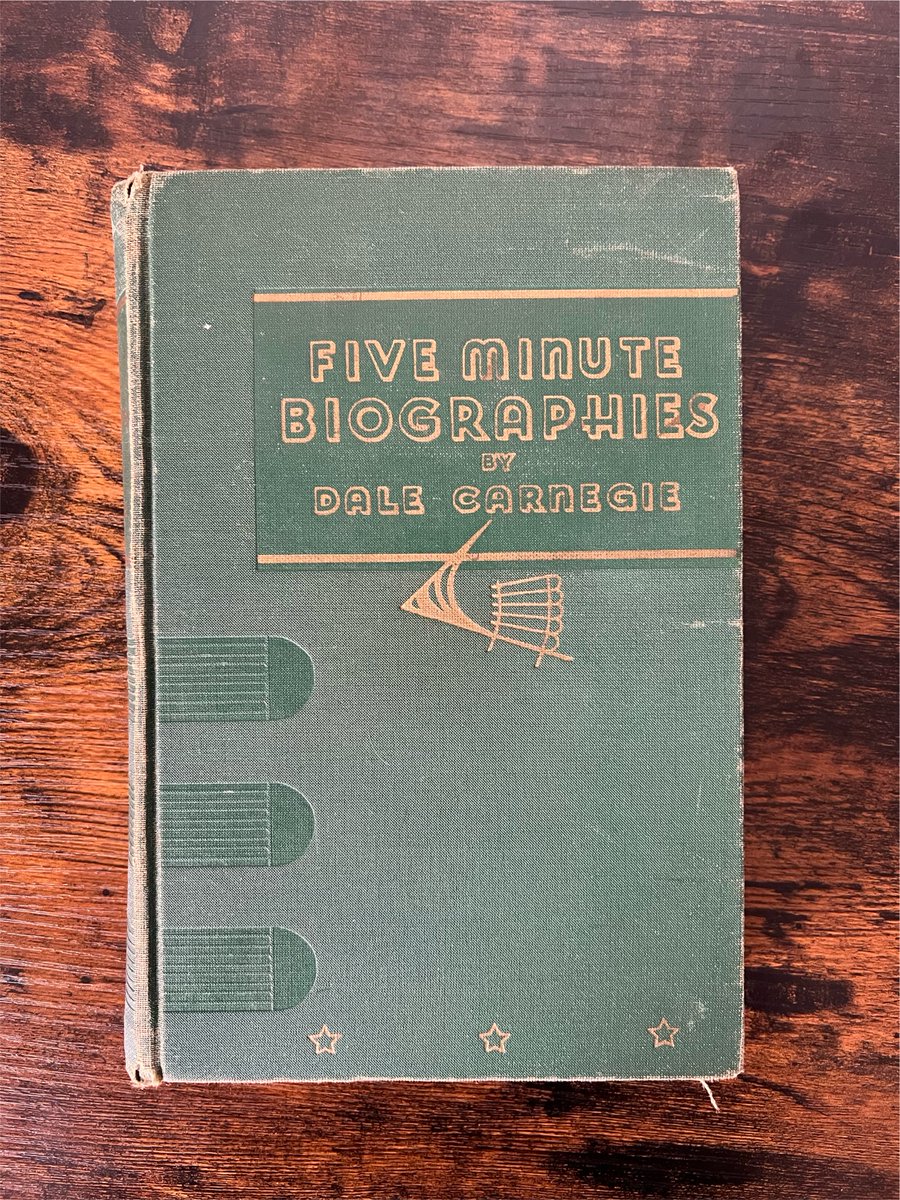
...into her mouth with both hands, and when anyone tried to correct her, she flung herself upon the floor and kicked and thrashed and tried to scream.”
Can you really blame the child though...
Can you really blame the child though...

Interestingly, Alexander Graham Bell came to the rescue.
He examined the young girl when she was 6 and their parents then sent her to the Perkins Institute for the Blind in Boston.
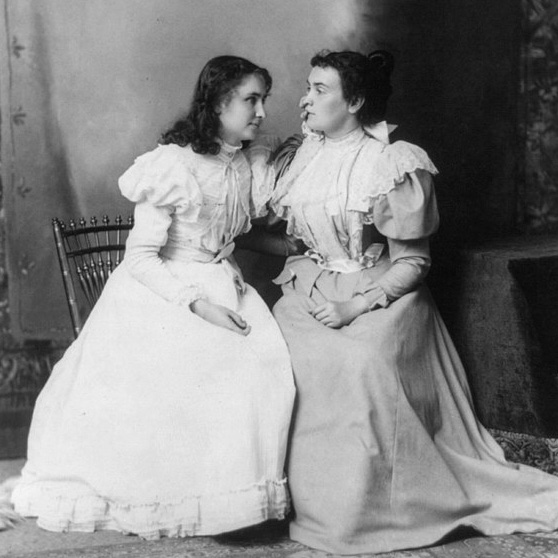
In 1887, Keller met one of the greatest educators of all time in Anne Sullivan.
He examined the young girl when she was 6 and their parents then sent her to the Perkins Institute for the Blind in Boston.
In 1887, Keller met one of the greatest educators of all time in Anne Sullivan.
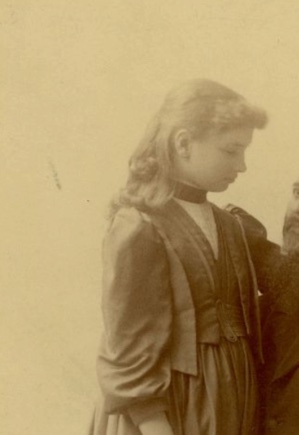
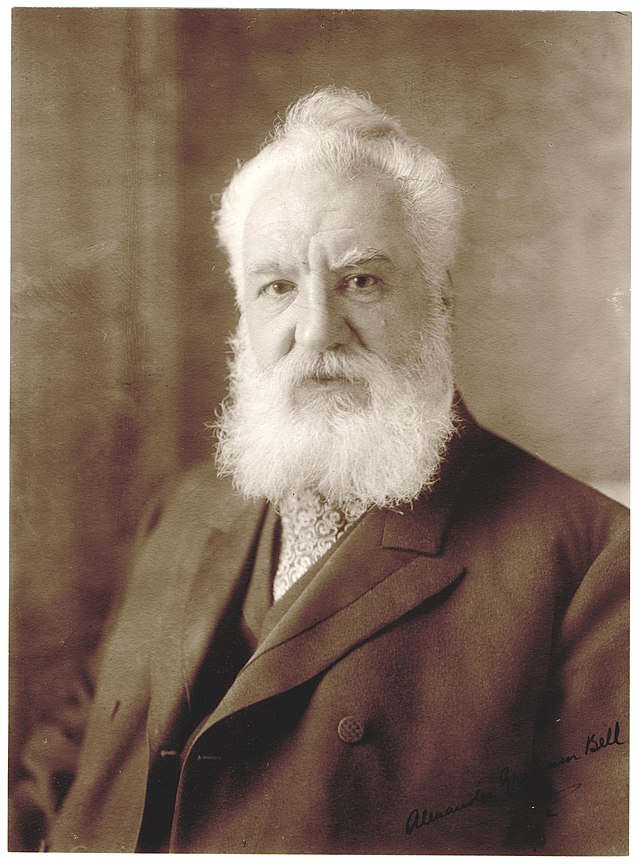
Sullivan had been sent to the Perkins Institute because she herself was losing her sight, but she fortunately never lost it.
Sullivan’s own life was full of tragedy and heart-breaking poverty…
Sullivan’s own life was full of tragedy and heart-breaking poverty…
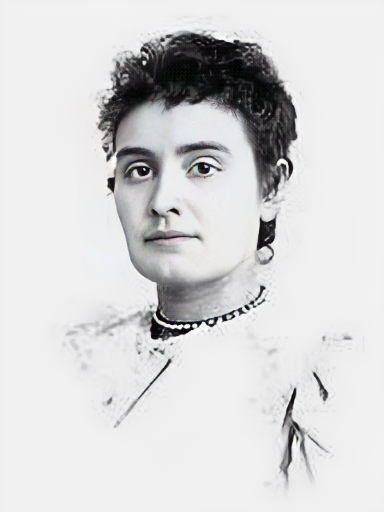
When Sullivan was 10, she had been sent with her younger brother to live in the poorhouse in Tewksbury, Massachusetts.
The house was so overcrowded that the two children were forced to sleep in the “dead room.”
This room was where they kept the dead bodies that awaited burial…
The house was so overcrowded that the two children were forced to sleep in the “dead room.”
This room was where they kept the dead bodies that awaited burial…
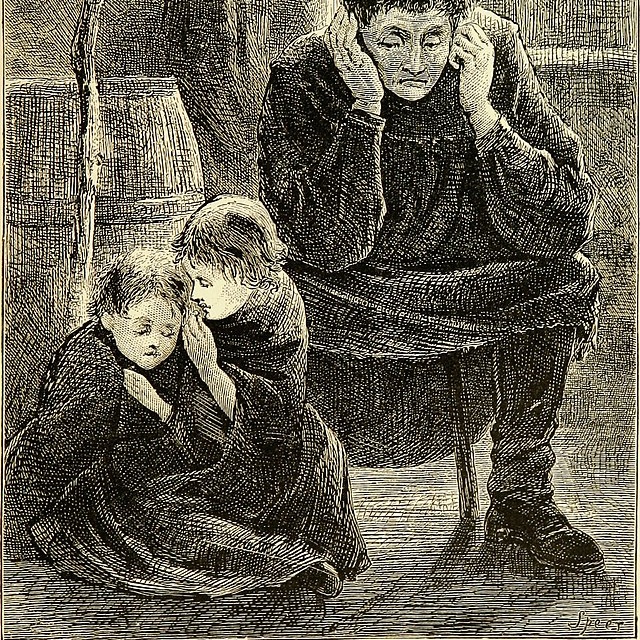
The impact that 20 year old Sullivan had on young Keller, cannot be overstated.
Within 1 month, Sullivan was successfully communicating with a child who lived in “utter darkness and withering silence.”
Within 1 month, Sullivan was successfully communicating with a child who lived in “utter darkness and withering silence.”
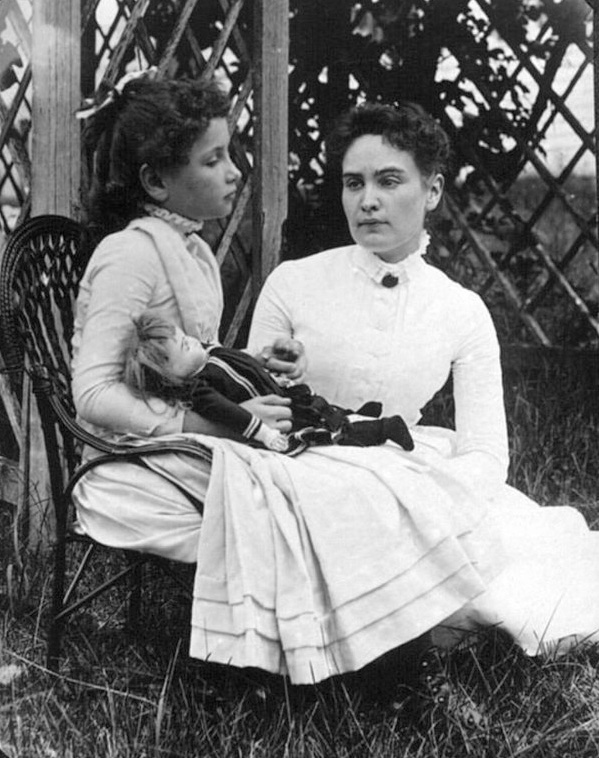
Keller recalling Sullivan coming into her life:
“It would have been difficult,” she says, “to find a happier child than I was as I lay in my crib at the close of that eventful day and lived over the joys it had brought me, and for the first time, longed for a new day to come.”
“It would have been difficult,” she says, “to find a happier child than I was as I lay in my crib at the close of that eventful day and lived over the joys it had brought me, and for the first time, longed for a new day to come.”
Word started to get around about Keller’s miraculous transformation.
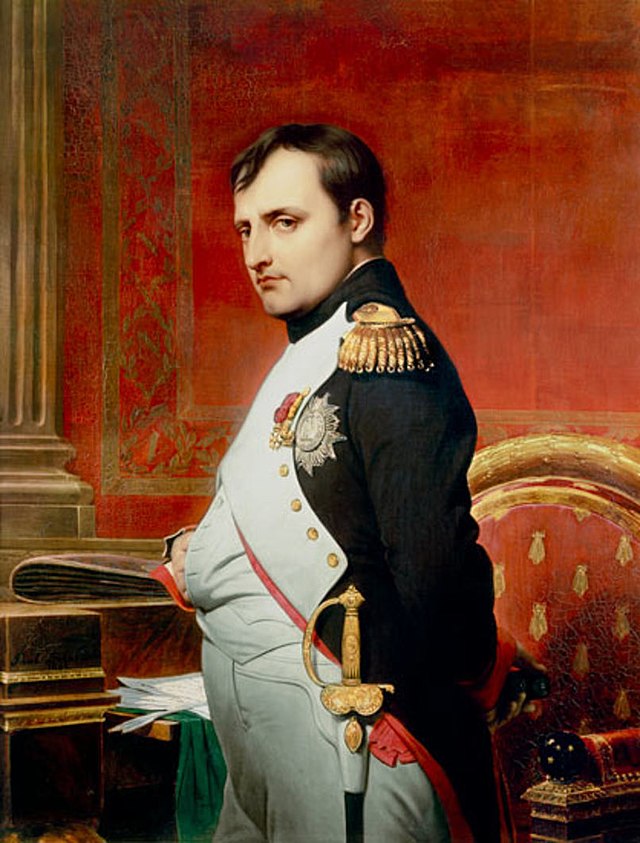
When she was 15, Mark Twain said:
"The two most interesting characters of the nineteenth century are Napoleon and Helen Keller."
Things would only get more extraordinary though…
When she was 15, Mark Twain said:
"The two most interesting characters of the nineteenth century are Napoleon and Helen Keller."
Things would only get more extraordinary though…
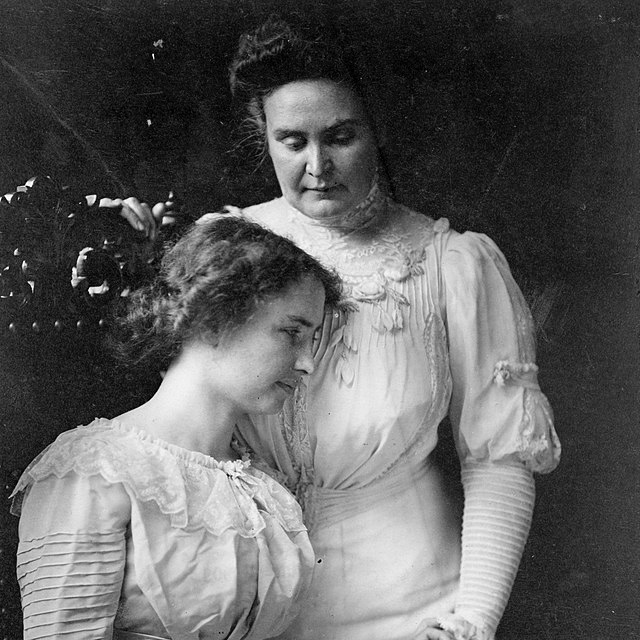
When Keller was 20 years old, she entered Radcliffe college.
At this point she could read and write just as well as any other student, plus her speech had returned!
The first sentence she said was:
“I am not dumb now.” She repeated it over and over, escatic with her progress.
At this point she could read and write just as well as any other student, plus her speech had returned!
The first sentence she said was:
“I am not dumb now.” She repeated it over and over, escatic with her progress.
Throughout her adult years she would go on to live a more fulfilling life than most regular people.
She read 100x more books than the average person.
She made a movie about her own life and acted in it.
And even though she’s deaf, she enjoyed music far more than most people.
She read 100x more books than the average person.
She made a movie about her own life and acted in it.
And even though she’s deaf, she enjoyed music far more than most people.

So, what were her other senses like?
Her sense of taste and smell were probably super strong right?
No, only her sense of touch was highly developed.
According to Carnegie:
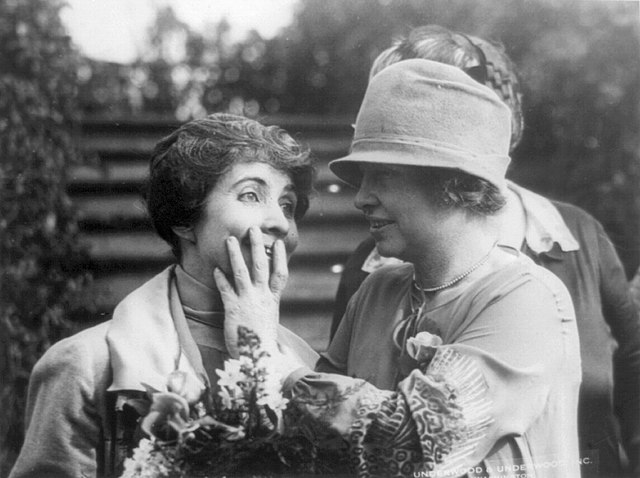
“Her sense of touch is so acute that she can understand what her friends are saying by...
Her sense of taste and smell were probably super strong right?
No, only her sense of touch was highly developed.
According to Carnegie:
“Her sense of touch is so acute that she can understand what her friends are saying by...
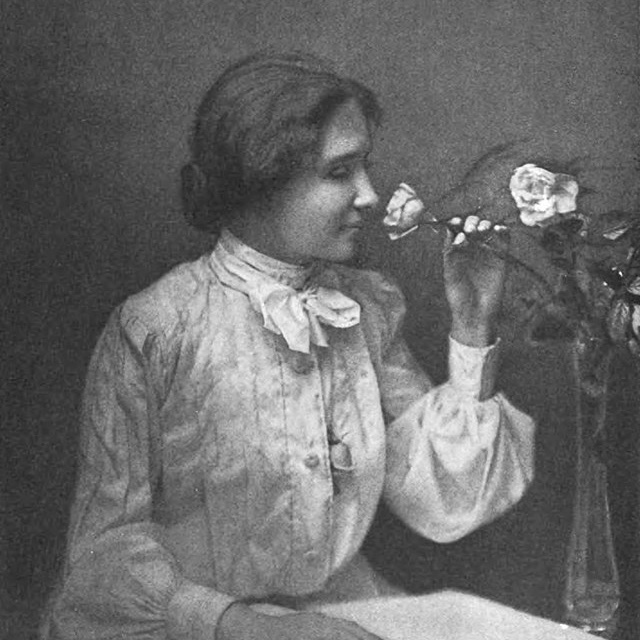
...placing her fingers lightly over their lips, and she enjoys music by putting her hands on the wood of a piano, or a violin; she even listens to radio by feeling the vibrations of the cabinet. She enjoys singing by putting her fingers lightly on the throat of the singer.”
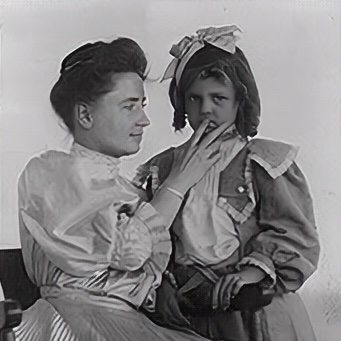
Incredible!
It reminds me of Beethoven and his connection to music once he became deaf - we’ll be visiting that story eventually.
Keller could even remember a person by their handshake.
It reminds me of Beethoven and his connection to music once he became deaf - we’ll be visiting that story eventually.
Keller could even remember a person by their handshake.
When Keller would shake hands with someone, she could collect all sorts of info, especially someone's mood, and she would remember the hand for years.
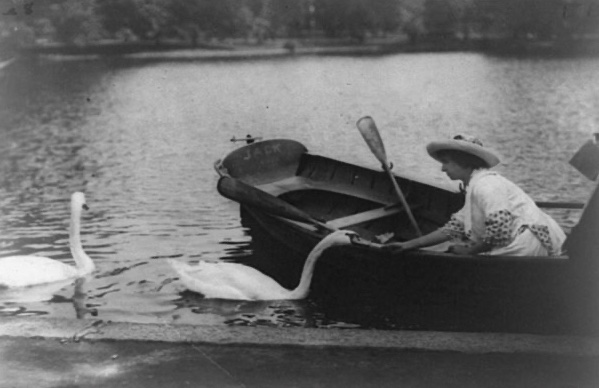
Other things she did:
-Rowed boats
-Played chess and checkers
-Rode horses
-Played solitaire
-Knitted and crocheted
Other things she did:
-Rowed boats
-Played chess and checkers
-Rode horses
-Played solitaire
-Knitted and crocheted
Would you rather be deaf or blind?
Most people would probably choose to be deaf right?
Well, believe it or not, Keller said she missed the sound of the human voice more than anything else.
Most people would probably choose to be deaf right?
Well, believe it or not, Keller said she missed the sound of the human voice more than anything else.
An unbelievable story
So, you’re definitely not blind if you’re reading this (hopefully not deaf either) but we can still learn something from Keller.
So, you’re definitely not blind if you’re reading this (hopefully not deaf either) but we can still learn something from Keller.
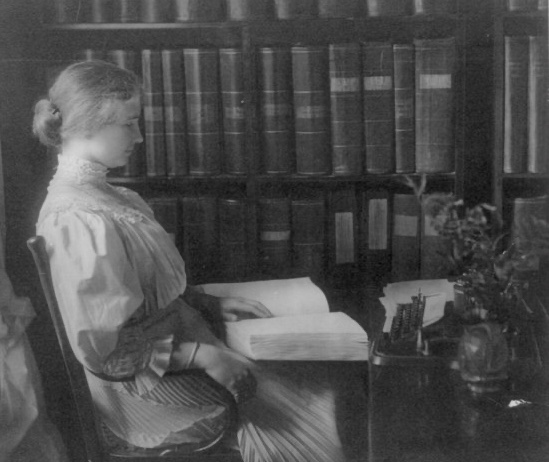
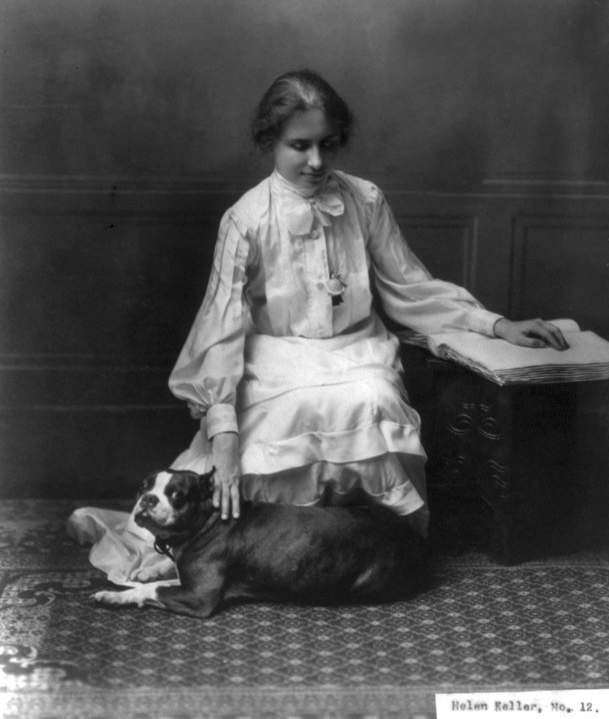
One lesson is to roll with life’s punches, but another more important aspect to highlight is what’s possible when you dedicate enough time to developing a particular dimension of yourself.
We are far more capable than we think we are.
We are far more capable than we think we are.
For example, when Nikola Tesla was a child, he spent an immense amount of time with his mother developing his imagination and visualization abilities.
When he wrote his autobiography later in his life, he said:
“I must trace to my mother’s influence what-ever inventiveness...
When he wrote his autobiography later in his life, he said:
“I must trace to my mother’s influence what-ever inventiveness...
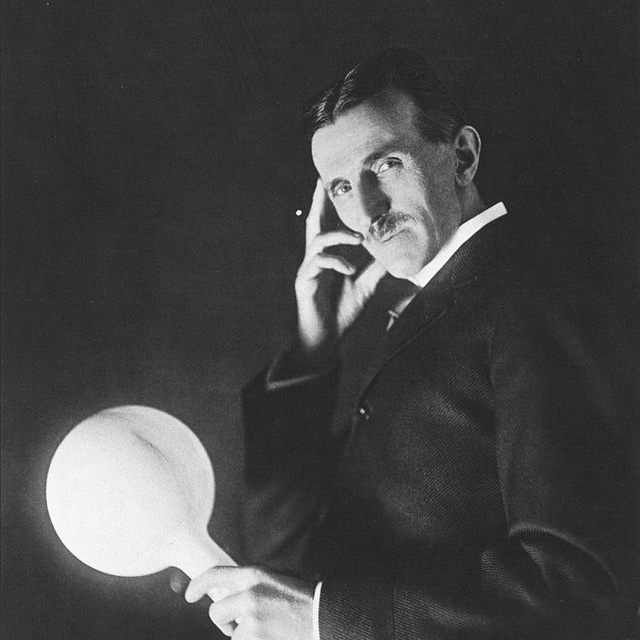
...I possess, the training she gave me must have been helpful. It comprised all sorts of exercises, such as guessing one another’s thoughts, discovering the defects of some form or expression, repeating long sentences or performing mental calculations. These daily lessons...

...were intended to strengthen memory and reason and especially to develop the critical sense and were undoubtably very beneficial.”
A lot of abilities we attribute to being "talents" seem to have more root in time spent developing them - you have to dig into the stories though.
A lot of abilities we attribute to being "talents" seem to have more root in time spent developing them - you have to dig into the stories though.

There’s so much about the human body and mind we have yet to fully understand!
Very exciting thinking about what we have yet to figure out about how these things work, hopefully A.I. will help us with this too.
Try diving into these subjects!
Very exciting thinking about what we have yet to figure out about how these things work, hopefully A.I. will help us with this too.
Try diving into these subjects!

USEFUL KNOWLEDGE:
- We do not understand the potential of our mental and physical abilities as humans. So, try tapping into these reservoirs of power.
Additionally, if you have a child that is disabled, you may benfit from studying Helen Keller and her education which was…
- We do not understand the potential of our mental and physical abilities as humans. So, try tapping into these reservoirs of power.
Additionally, if you have a child that is disabled, you may benfit from studying Helen Keller and her education which was…

Loading suggestions...