

Xiongnu- Huns- Hungarians
The Xiongnu were a tribal confederation, so their racial and ethnic composition may be very complex.
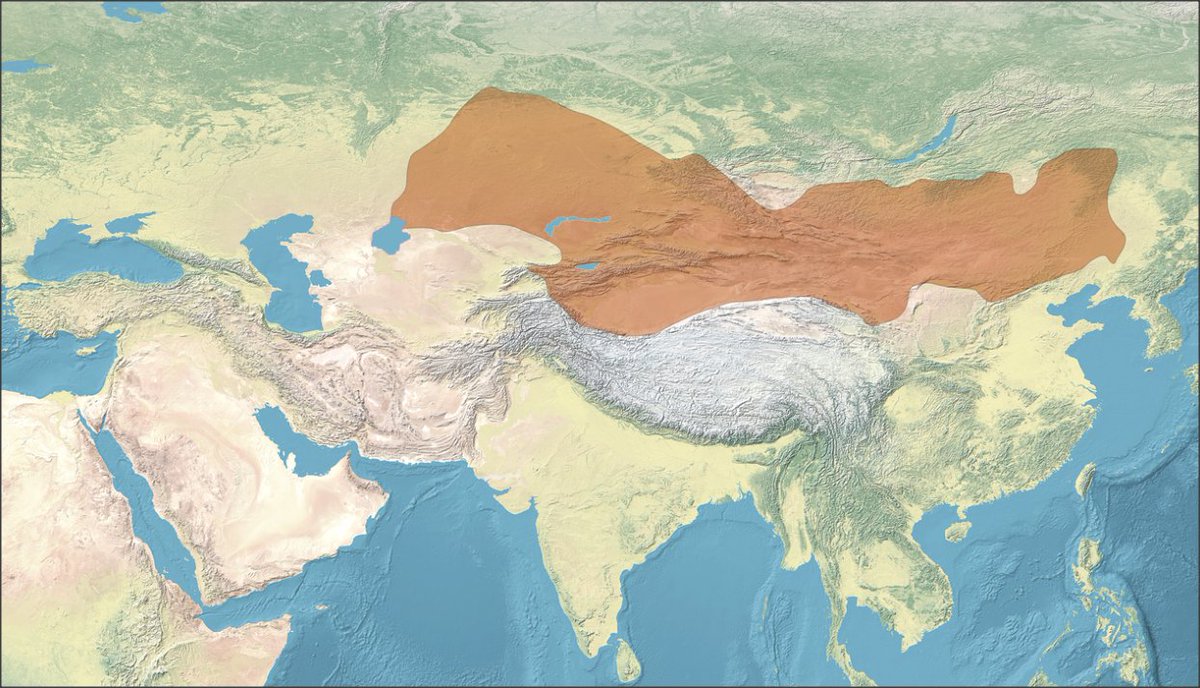
The Huns were nomadic warriors, likely from Central Asia, who are best known for invading and terrorizing Europe in the 4th and 5th centuries A.D. and hastening the downfall of the Western Roman Empire.
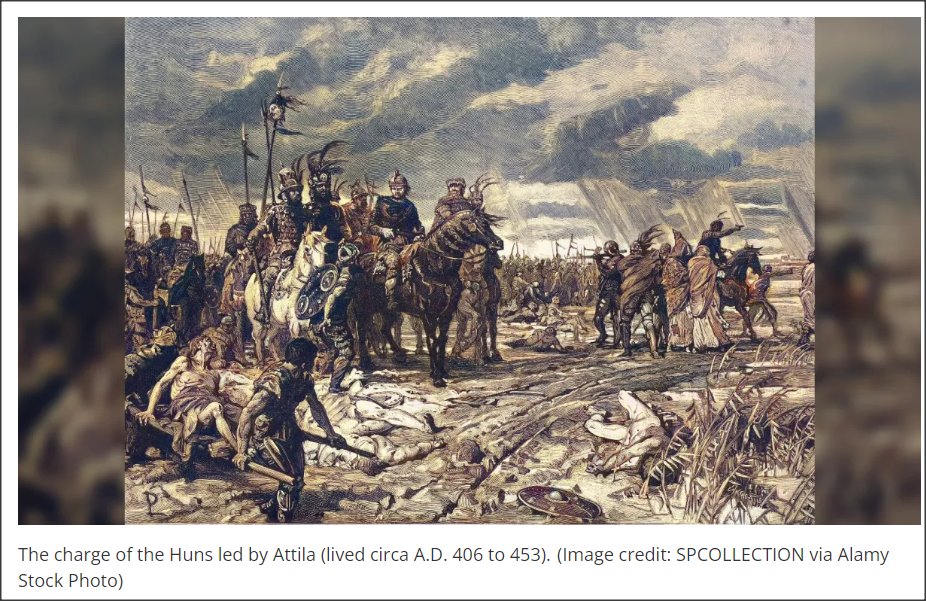
The most notable Roman writer to describe the Huns in some detail was the historian and soldier Ammianus Marcellinus (330-395), though his descriptions were flavored with a heavy dose of bias and ethnocentrism.
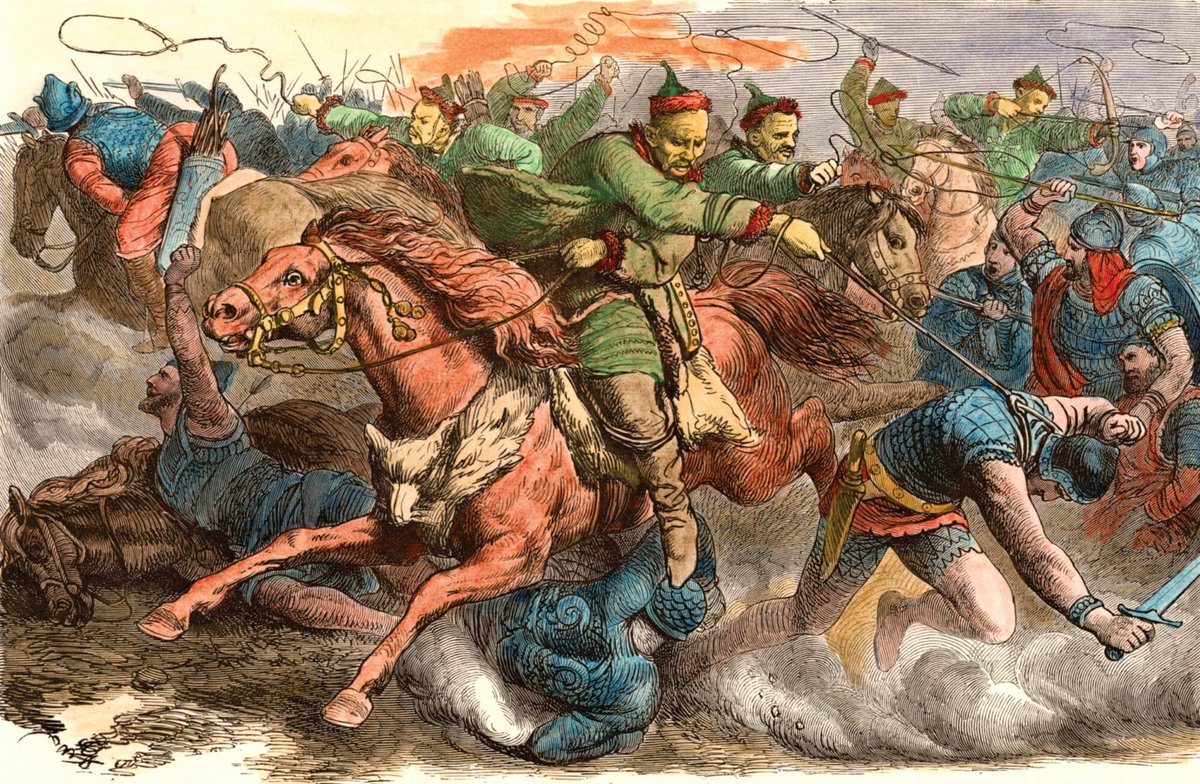
Ammianus, however, praised the Huns' equestrian skills, and attributed those skills to a life spent in the saddle.
This westward movement of Hunnish peoples initiated what historians call the "Great Migration" — a mass movement of Germanic peoples into Roman territory.
It was the Huns who drove the Goths, Vandals and Alans west, all nations that would swoop down on Roman provinces like ravenous predatory birds. They were to dismember the Empire and feed upon its decaying carcass after its fall. razib.substack.com
Archaeological reliefs and Chinese records suggested that the Xiongnu were a group of people from many races. They had East Asian, West Eurasian, Turkic, and Iranian tribes in their ranks.
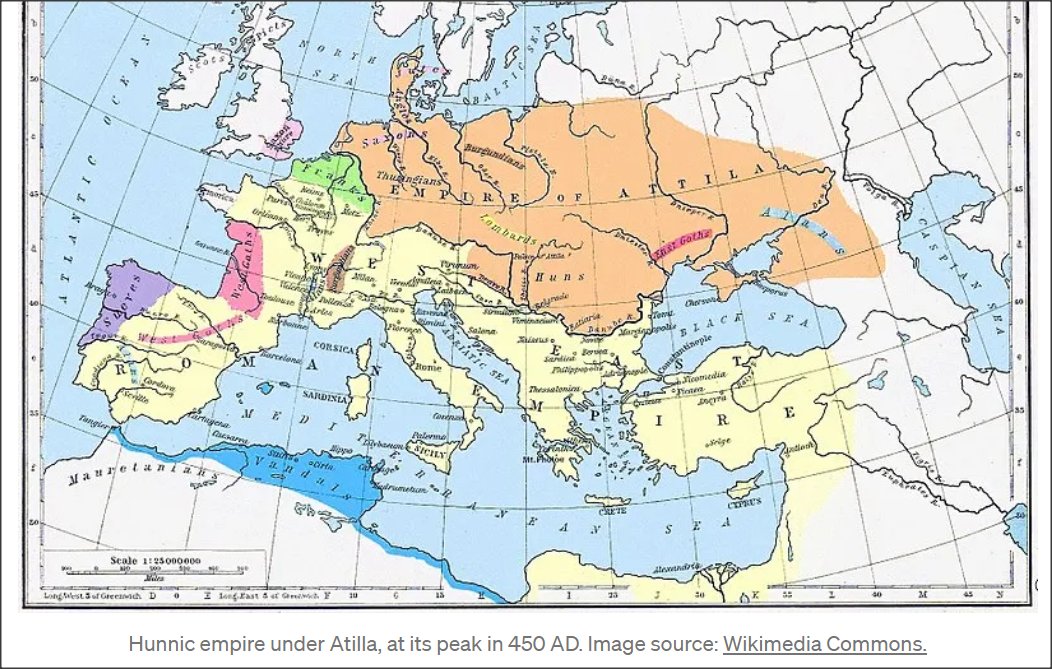
As the Huns spread westward, they assimilated several Eurasian tribes, including the Alans, who were Iranic. Many Germanic tribes, such as the Gepids, were also among Atilla’s forces.
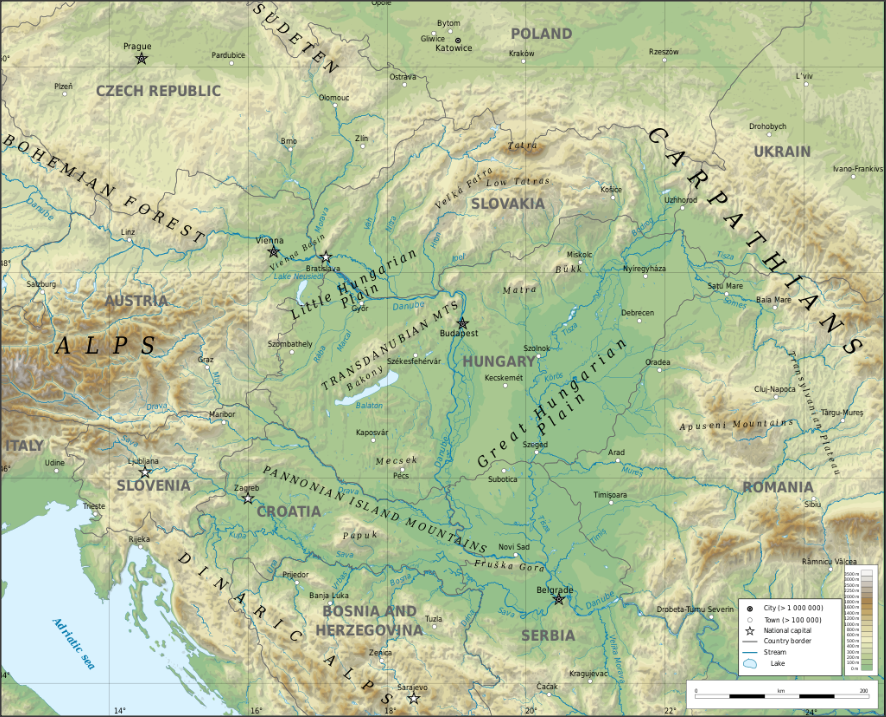
Sometimes known as the Gepidae to Roman writers, they had followed the Goths on their slow migration south-eastwards, ending up in the Pannonian basin where they formed a short-lived tribal kingdom known as Gepidia.
Between the Dniester and the Danube, the Tervingi, later known as the Visigoths, held sway. Their leader, Athanaric, was outmaneuvered by the Huns, who forded the Dniester at night and struck at the Tervingi from behind.
The Huns raided the Eastern Roman Empire in 422 at a time when it was again at war with the Sassanids.
In the Western Roman Empire, Aetius was preoccupied with the Visigoths and Burgundians in Gaul.
For several years after the Treaty of Margus, Attila and Bleda secured their realm by suppressing unruly tribes and by conquering new ones along the periphery.
In the East, relations between the Roman Empire and Attila deteriorated. Tribute had not been paid, refugees not returned and the bishop of Margus had plundered Scythian tombs in Hun territory.
Attila murdered his brother Bleda in or around 445. Under the sole rule of Attila the power of the Huns reached all time highs.
Attila had numerous wives and sons, but he had left no provisions for his succession. Attila’s sons, Ellac, Dengizich, and Ernakh, divided the empire.
The Hun vassals saw Attila’s death as an opportunity to rid themselves of their overlords. Led by Ardaric the Gepid, the Gepids and Goths shattered the Hun supremacy in an epic battle by the Nedao (Nedava) River in 454 or 455.
Hunnic dominance in Central and Eastern Europe was broken as a result of the battle.
Before 1905, the Yellow Peril discourse focused mainly on economics and the long-term effects of imperialism.
It argued that the imperialist framework might create profits from overseas markets in the short run but would lead to the industrialization of Japan and China in the…
It argued that the imperialist framework might create profits from overseas markets in the short run but would lead to the industrialization of Japan and China in the…
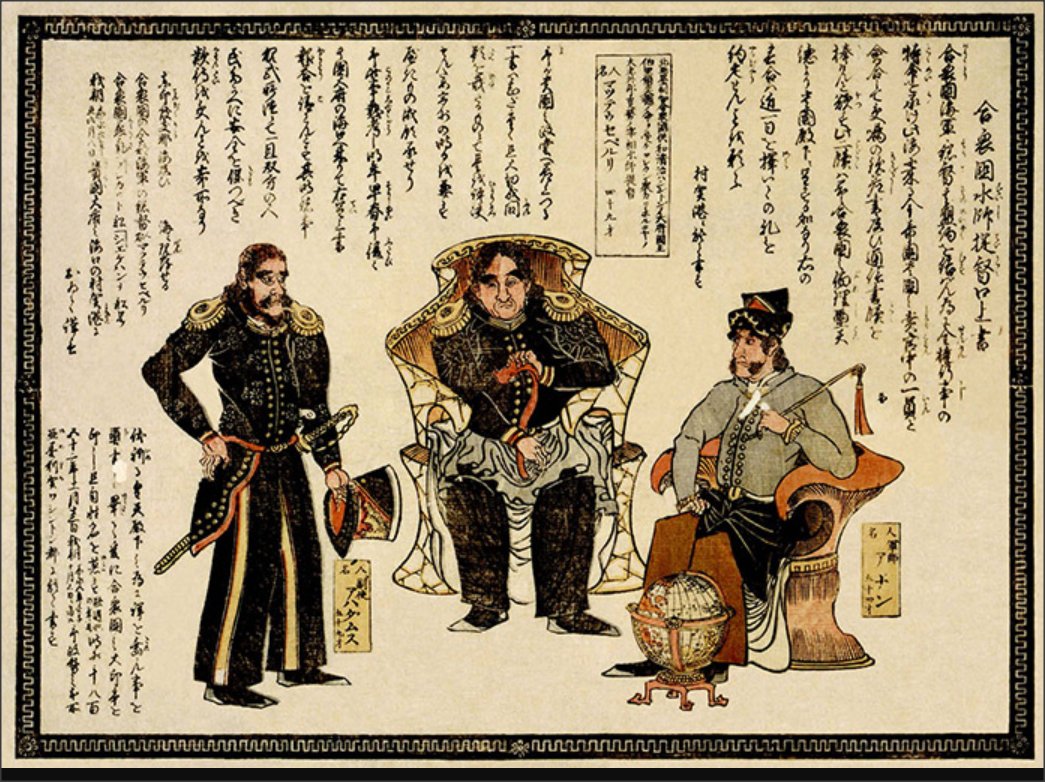
In 1896 and 1897, Britain, the United States and the German Reich each dispatched a commission to East Asia to study the local economic conditions; in all three cases, their reports emphasized the tangible benefits rather than the potential dangers of Western economic engagement.
Resistance to Chinese immigration forced US political institutions to react by passing the Chinese Exclusion Act of 1882, which severely curtailed Chinese labor migration.
Local administrators and landowners' associations in West Prussia repeatedly suggested recruiting Chinese agricultural laborers in the 1890s and 1900s, sparking a controversy in which social and cultural stereotypes were mustered against the importation of Chinese labor.
Besides issues of economic development, there was also a political dimension to the Yellow Peril, as East Asia was primarily perceived as a political and military threat to Europe and North America.
Coverage of the Boxer War rested on the telegraph network that by 1900 spanned the entire globe and to which China had first been connected as early as the 1870s.
Lionel James' (1871–1955) reports from the Russo-Japanese War for The Times of London were the first wireless…
Lionel James' (1871–1955) reports from the Russo-Japanese War for The Times of London were the first wireless…

Although as a global media event, the First Sino-Japanese War was dwarfed by the two subsequent wars in 1900–1901 and 1904–1905 respectively, its catalytic function for the Yellow Peril discourse is beyond dispute.
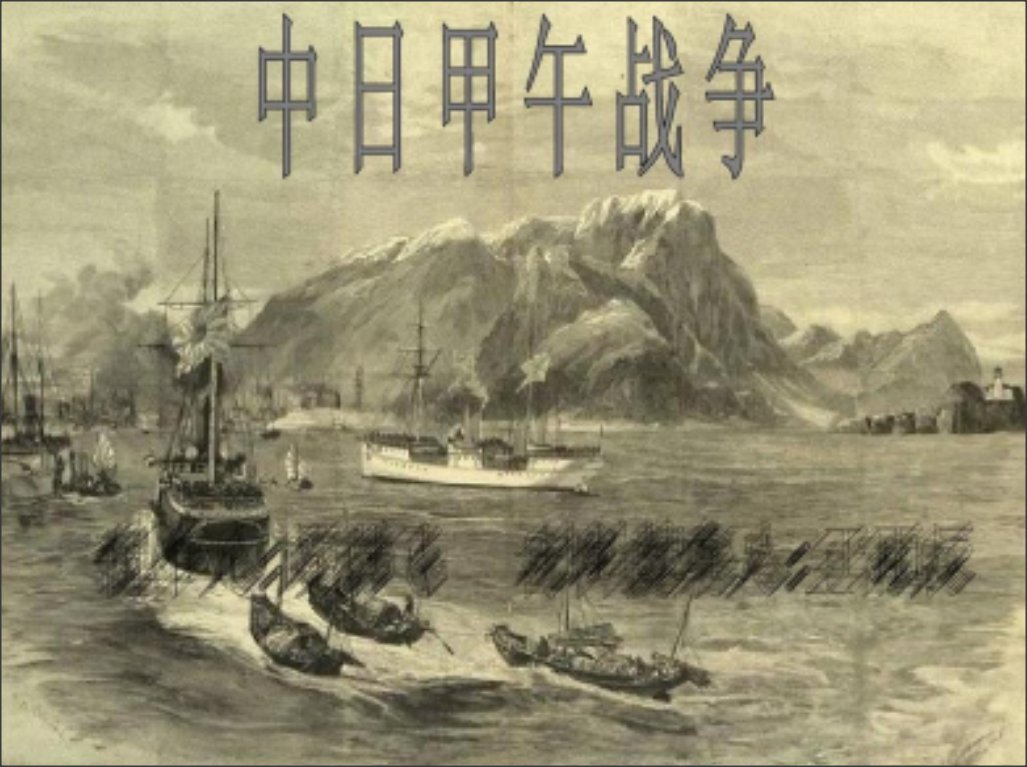
The war between the East Asian island state and its larger continental neighbour undoubtedly marked an important point in Japan's "mimetic imperialism", a term coined by the American historian Robert Eskildsen.

In Europe, the Yellow Peril discourse emerged against the background of a perceived Japanese threat to the status quo.
Wilhelm II conceived the painting "Peoples of Europe, protect your most sacred values!" (Völker Europas, wahrt eure heiligsten Güter) .
Wilhelm II conceived the painting "Peoples of Europe, protect your most sacred values!" (Völker Europas, wahrt eure heiligsten Güter) .
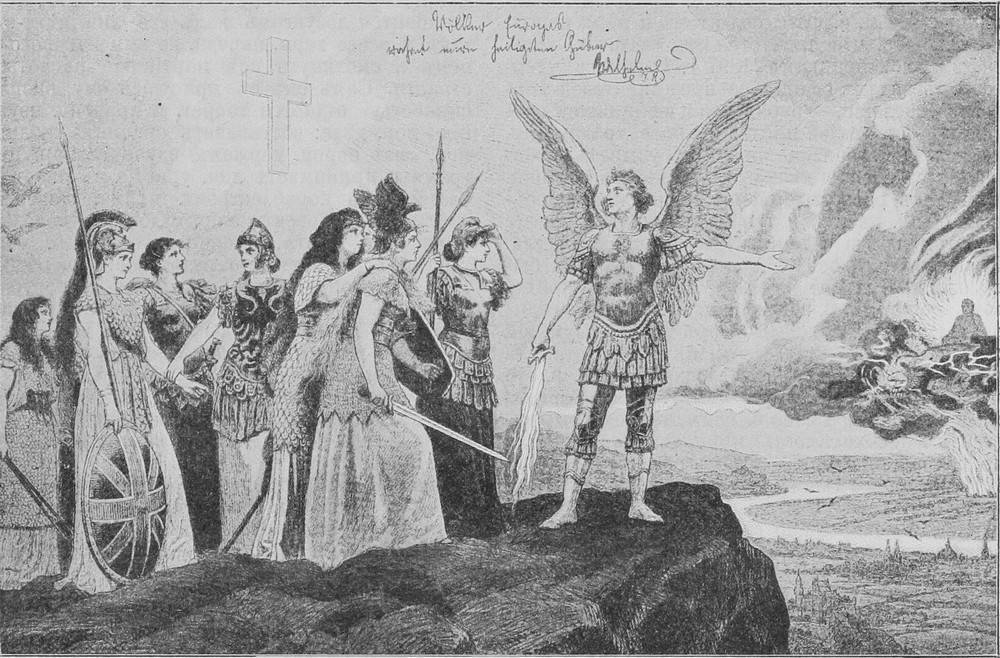
The German leader instrumentalized the idea of a Yellow Peril as part of a diplomatic diversion, to redirect the Russian gaze away from the Reich's eastern border and towards East Asia.
However, the impact of the Kaiser's intervention went far beyond its immediate context.
However, the impact of the Kaiser's intervention went far beyond its immediate context.
During the Boxer War, when communication with the besieged European communities in China was cut off, Western reporters frequently resorted to speculations and rumors, culminating in the claim all Europeans in Beijing had been massacred.
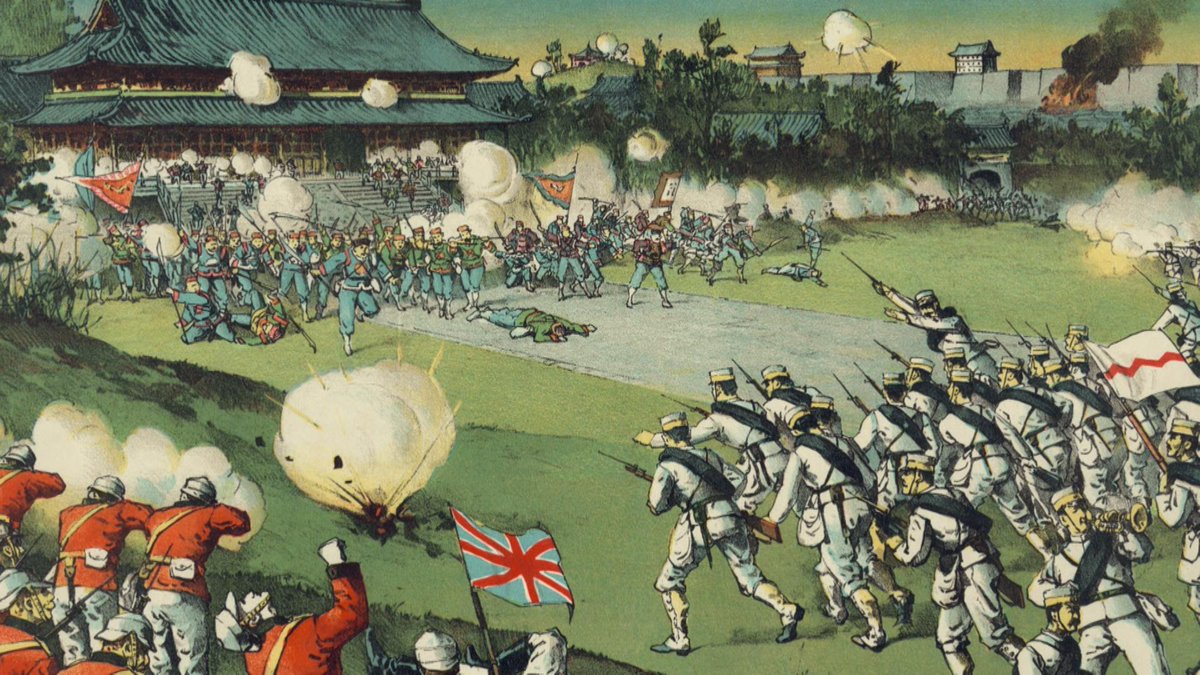
After the relief of Beijing , with more correspondents on the ground and more comprehensive information available through detailed letters rather than sparse telegrams, the focus of attention shifted to the conduct of the Allied troops in China.
The atrocities committed by troops of the Western powers gave rise to a controversial debate about the merits and shortcomings of the multinational intervention and, more generally, of the transnational informal empire in China.
Sir Robert Hart 赫德 (1835–1911), the Inspector General of the Chinese Maritime Customs Service who was also under siege in the Legation Quarter, acknowledged the dangers that an arms build-up in China might entail: "The Boxer patriot of the future will possess the best weapons…
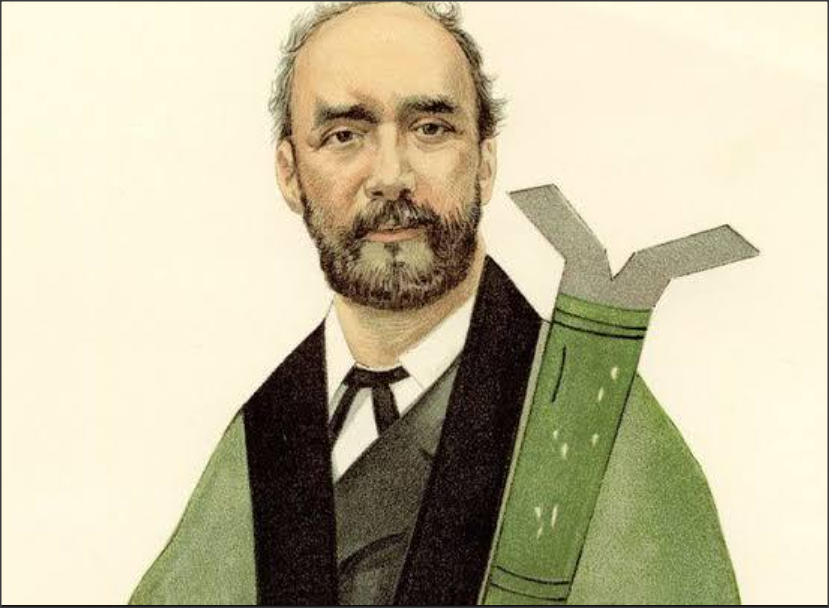
The German missionary Martin Maier (1866 – 1954) lumped Japan and China together, in part because he attributed the Yellow Peril to racial differences as well as hatred of the "Western" foreigners in both countries.
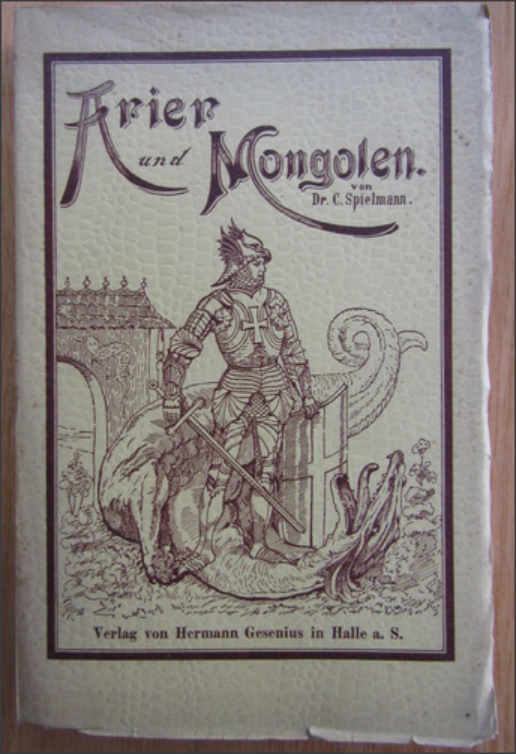
The German archivist Christian Spielmann (1861–1917) in his book Arier und Mongolen (Aryans and Mongols), took a stand against a perceived enthusiasm for Japan, placing the Russo-Japanese War in the larger context of a perennial conflict between 'Aryans' and 'Mongols'.
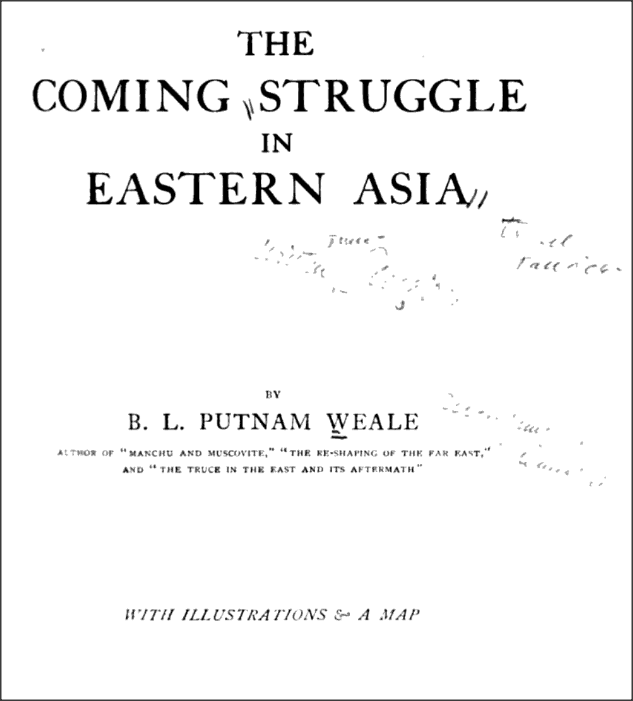
The Englishman Bertram Lennox Simpson (1877–1930), writing under the pseudonym B.L. Putnam Weale, had thoroughly revised his former Japan-friendly attitude by the time he published his monumental The Coming Struggle in Eastern Asia.
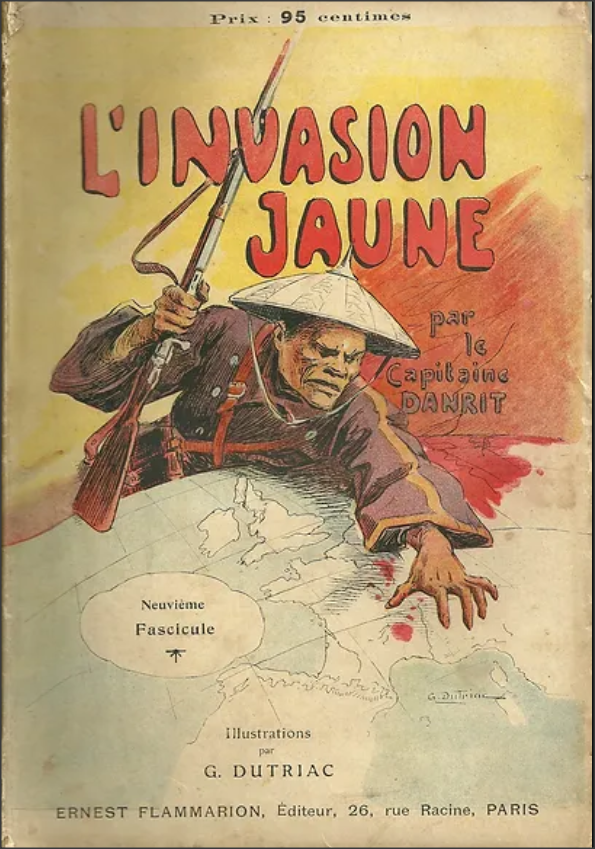
The Yellow Peril was also invoked to play on fears of invasion which were a common obsession across Europe in the 1900s, exemplified by L'invasion Jaune, published by Capitaine Danrit, pseudonym of Colonel Emile-Cyprien Driant (1855–1916), in 1909.
Further reading,
The Boxer War: Media and Memory of an Imperialist Intervention
By Thoralf Klein
books.google.com
The Boxer War: Media and Memory of an Imperialist Intervention
By Thoralf Klein
books.google.com
Loading suggestions...