
What "counts" as "International Relations"?
Cynthia Enloe challenged IR scholars to answer that question, turning our understanding of international politics upside down.
[THREAD]
Cynthia Enloe challenged IR scholars to answer that question, turning our understanding of international politics upside down.
[THREAD]
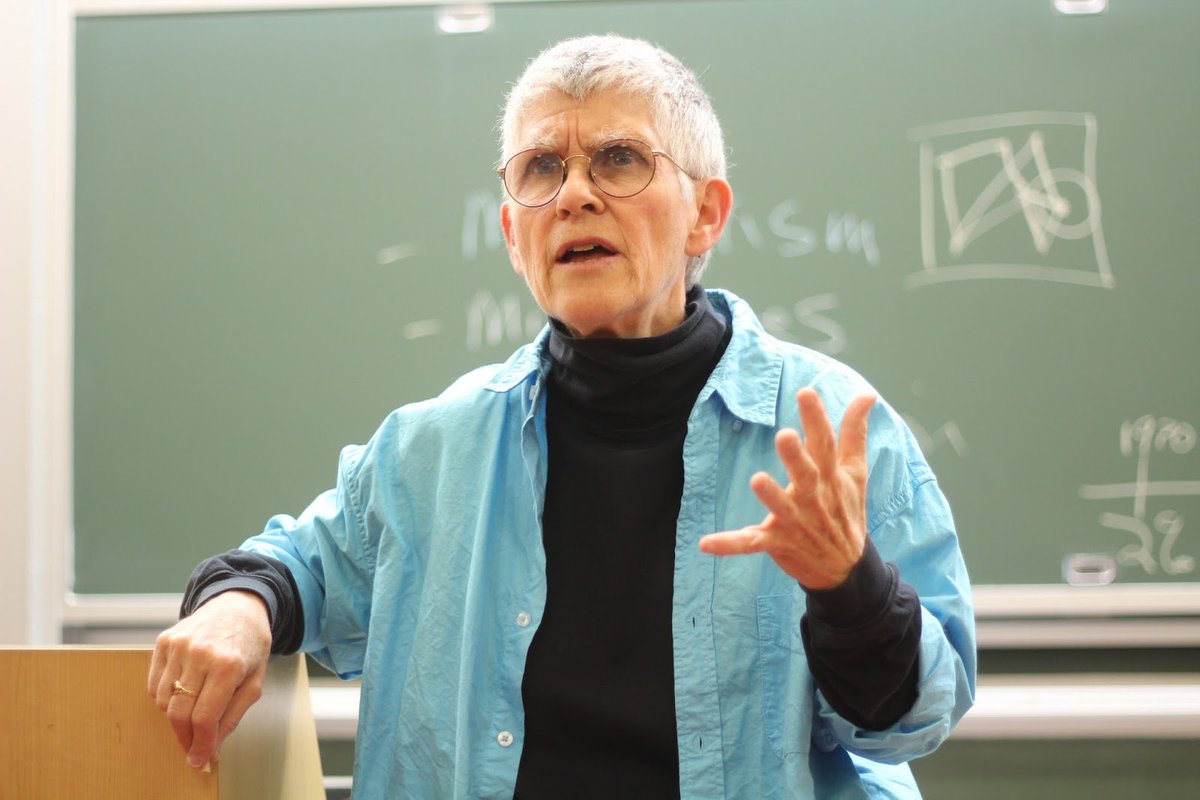
Enloe is a pioneer in the study of Feminist international relations thought.
A key influence of Enloe's work was not to make gender a "topic" an IR scholar CAN study, but to show that gender is something IR scholars MUST study.
journals.uchicago.edu
A key influence of Enloe's work was not to make gender a "topic" an IR scholar CAN study, but to show that gender is something IR scholars MUST study.
journals.uchicago.edu
Enloe's best known and most widely cited work is her 1990 (and subsequently updated & re-released) book, "Bananas, Beaches, and Bases".
amazon.com
amazon.com

That book builds on and expands on Enloe's 1983 book, "Does Khaki Become You?"
amazon.com
amazon.com

In both books, a core idea is that we need to rethink the "top down" approach to international politics.
This means, for instance, less focus on the actions of the leaders or ministers involved in diplomacy.
This means, for instance, less focus on the actions of the leaders or ministers involved in diplomacy.
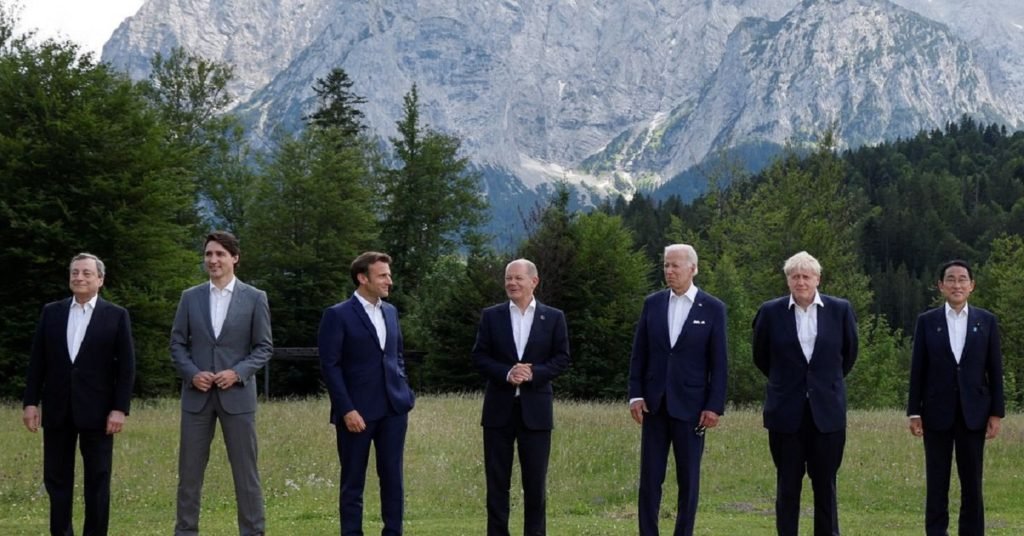
Instead, we need to focus on those who enable and support those leaders and ministers. Without the latter, the former can't make "politics" happen.
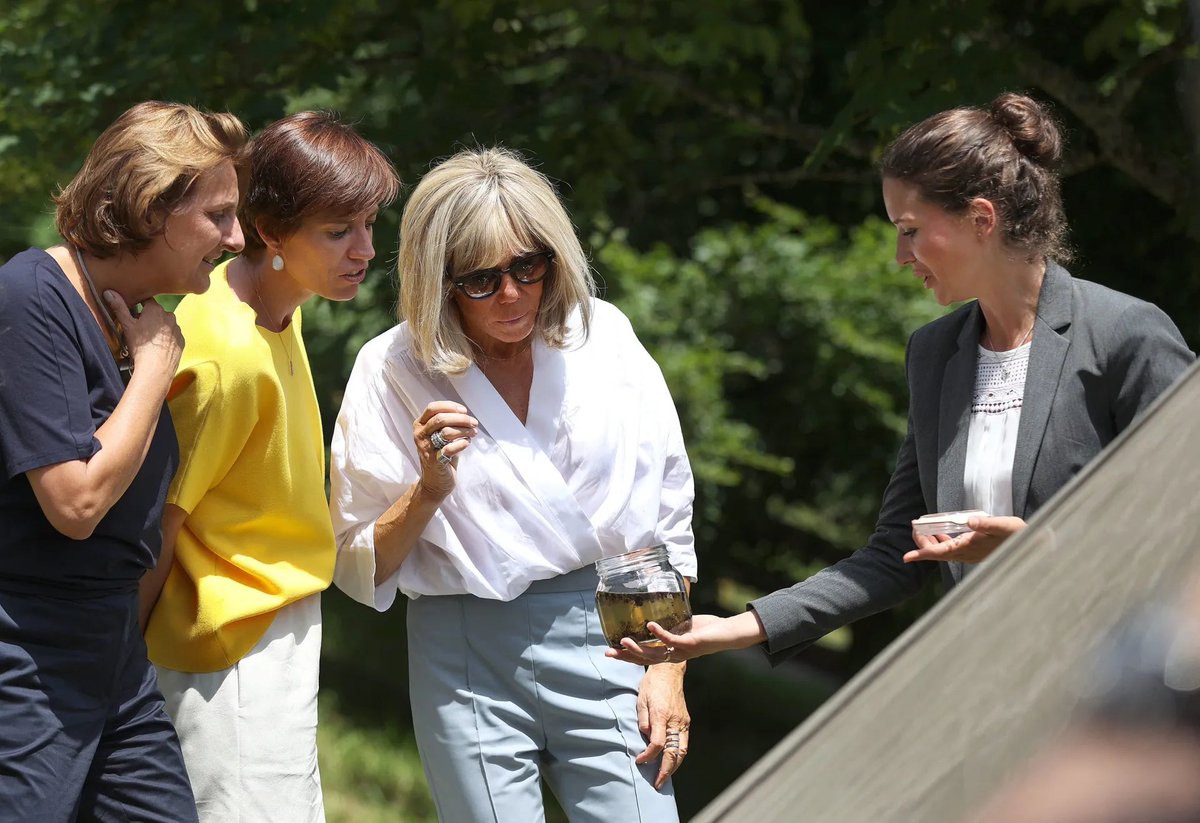
Doing so will shift our focus from men (who are commonly in those top roles) to women (who are typically in those supporting roles).
This will also shift our attention from rare events (e.g. a summit) to international politics as it plays out on a typical, daily basis.
This will also shift our attention from rare events (e.g. a summit) to international politics as it plays out on a typical, daily basis.
For me, the value in taking this alternative approach is well demonstrated by considering a key event: the end of the Cold War.
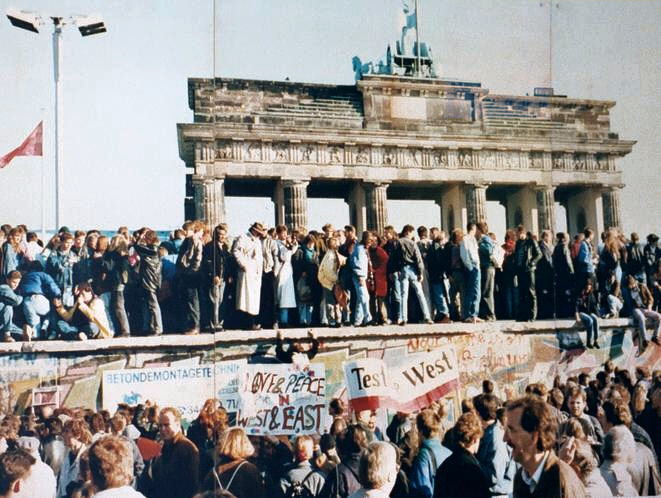
The collapse of the Berlin Wall (and then the Soviet Union itself) prompted IR scholars to opine about "what's next?"
The views ranged widely.
The views ranged widely.
John Mearsheimer (1990) said we're heading "Back to the Future", meaning get ready for more conflict in Europe.
jstor.org
jstor.org
Francis Fukuyama (1992) said that we're at the "End of History", meaning that liberal democracy will prosper (even if there will be hiccups ahead)
amazon.com
amazon.com

Samuel Huntington (1993) said that religion and culture (i.e. "civilization") will be the sources of "clashes"
foreignaffairs.com
foreignaffairs.com

Enloe had a different take, which she put forward in the 1993 book, "The Morning After"
amazon.com
amazon.com

Actually, Enloe's take wasn't just different; it completely turned the issue on its head.
Work such as Fukuyama, Mearsheimer, and Huntington saw the "Cold War" as "over".
Enloe thought otherwise.
Work such as Fukuyama, Mearsheimer, and Huntington saw the "Cold War" as "over".
Enloe thought otherwise.
As Enloe wrote in the introduction, the "Cold War" was about a "militarization" of society at all levels. That wasn't over.
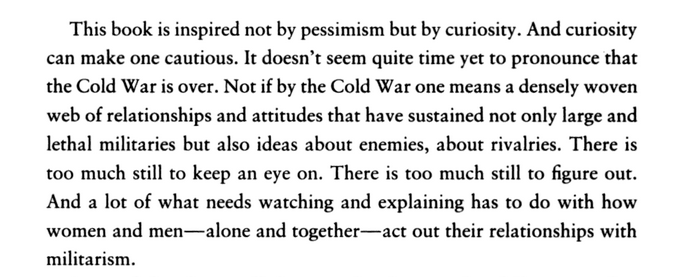
Enloe (page 100) defines militarization as "occurring when any part of society is controlled by or dependent on the military or on military values. Virtually anything can be militarized."
That included (her first example) toys (which could be a whole other 🧵)
That included (her first example) toys (which could be a whole other 🧵)

That militarization of society wasn't changing, even if the means of militarization would shift.
This is because militarizing societies impact, and often rely on, particular relationships between men and women and notions of masculinity.
Those were unlikely to change.
This is because militarizing societies impact, and often rely on, particular relationships between men and women and notions of masculinity.
Those were unlikely to change.
Reading Enloe's book gives a whole new understanding to the need for "rogue" states in the post-Cold War world (we need threats in a militarized society)...
foreignaffairs.com
foreignaffairs.com

....and even to predicting Russian revanchism, which we are witnessing today.
politico.eu
politico.eu

Overall, Enloe's work shifts our view from "War is the central problem of international politics" to "Militarization is the central problem of international politics".
One - war - is rare. The other - militarization - is not.
One - war - is rare. The other - militarization - is not.
Hence, Enloe work, by turning the focus of international politics around, suggests that international relations is underselling itself as a academic field.
If IR adopted a feminist approach focused on militarization, it would be even MORE relevant as a social science.
[END]
If IR adopted a feminist approach focused on militarization, it would be even MORE relevant as a social science.
[END]
Loading suggestions...