

🧵
1/
Few understand how much warfare has changed in 70 years.
Sure most look at the Afghan defeats of the Soviets then the US and conclude insurgencies matter, but Afghanistan is a place these empires should have won!
the guerillas lacked their ultimate weapon:
Mega-cities
1/
Few understand how much warfare has changed in 70 years.
Sure most look at the Afghan defeats of the Soviets then the US and conclude insurgencies matter, but Afghanistan is a place these empires should have won!
the guerillas lacked their ultimate weapon:
Mega-cities

2/
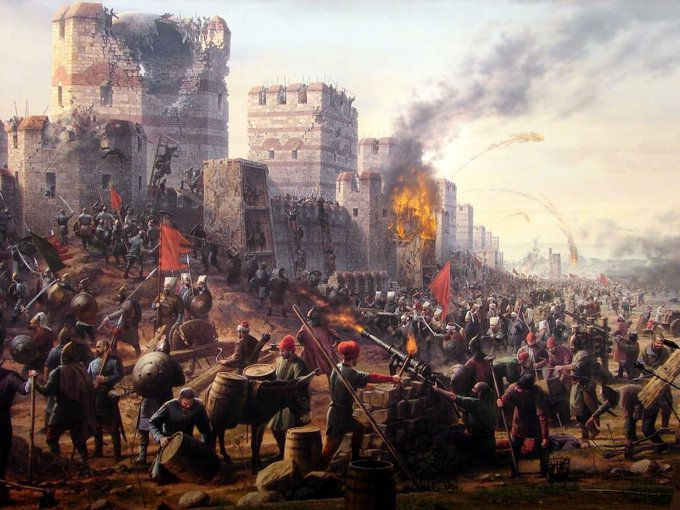
Cities have always challenged armies.
Troy held 10 years, Athens held off the Spartans 30 years, hell Constantinople maintained its shrinking empire/kingdom/city-state 1000 years after Rome fell.
Cities have always challenged armies.
Troy held 10 years, Athens held off the Spartans 30 years, hell Constantinople maintained its shrinking empire/kingdom/city-state 1000 years after Rome fell.
3/
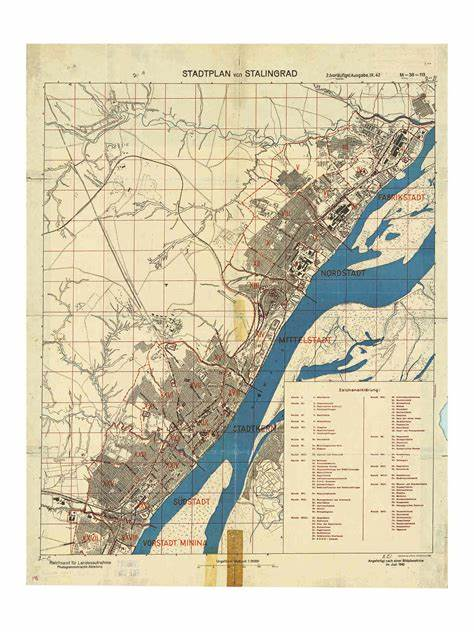
the European theatre of WW2 was defined by 2 massive urban battles.
First Stalingrad broke the Wehrmacht's forward momentum and ended German dreams of Russian conquest
2 million people died in that city
.
It was only 3km deep from the surrounding fields to the Volga river
the European theatre of WW2 was defined by 2 massive urban battles.
First Stalingrad broke the Wehrmacht's forward momentum and ended German dreams of Russian conquest
2 million people died in that city
.
It was only 3km deep from the surrounding fields to the Volga river
4/
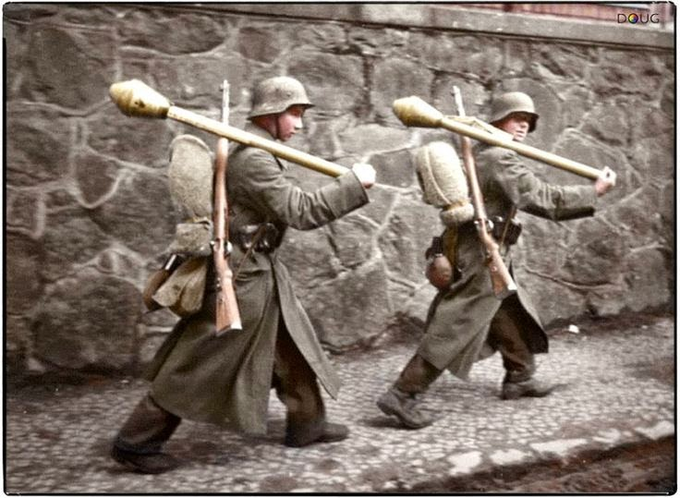
Second: the battle of Berlin, Hitler's Gotterdammerung.
Out of Men, Fuel, and equipment conscripted Women, elderly, and children fought into the very halls of the Reichstag
Despite this they inflicted even casualties on the Veteran red army ~100k dead, and 200-300k wounded
Second: the battle of Berlin, Hitler's Gotterdammerung.
Out of Men, Fuel, and equipment conscripted Women, elderly, and children fought into the very halls of the Reichstag
Despite this they inflicted even casualties on the Veteran red army ~100k dead, and 200-300k wounded
5/
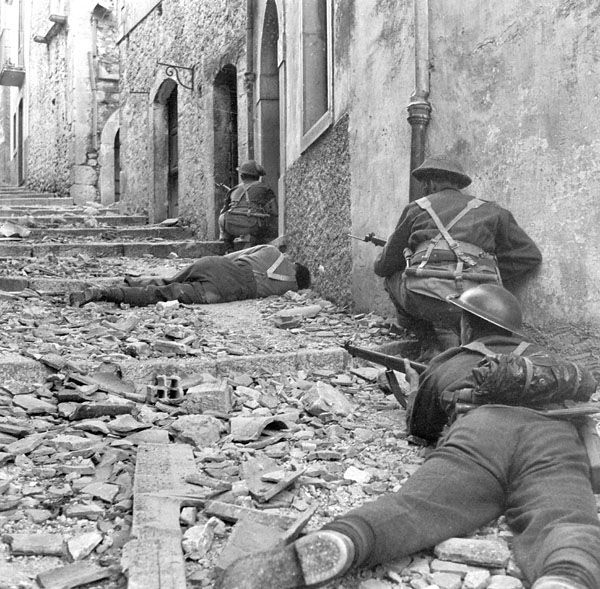
Cities devour the advantages of advanced armies.
Intelligence and coordination gets consumed by the density of the space, skill and training buried under ambushes and traps, advanced weapons go unused and obstructed in fights that can be decided by the knife.
Cities devour the advantages of advanced armies.
Intelligence and coordination gets consumed by the density of the space, skill and training buried under ambushes and traps, advanced weapons go unused and obstructed in fights that can be decided by the knife.
6/
For this reason most armies do everything they can to avoid fighting in cities.
Usually The tactics are to go around cities and decide the war in the field, to negotiate deals with the city's factions (how the empires controlled Kabul), and finally to starve them out.
For this reason most armies do everything they can to avoid fighting in cities.
Usually The tactics are to go around cities and decide the war in the field, to negotiate deals with the city's factions (how the empires controlled Kabul), and finally to starve them out.
7/
All of these tactics are fast becoming non-viable.
Berlin was 3 million people and 15-20 miles wide in 1945.
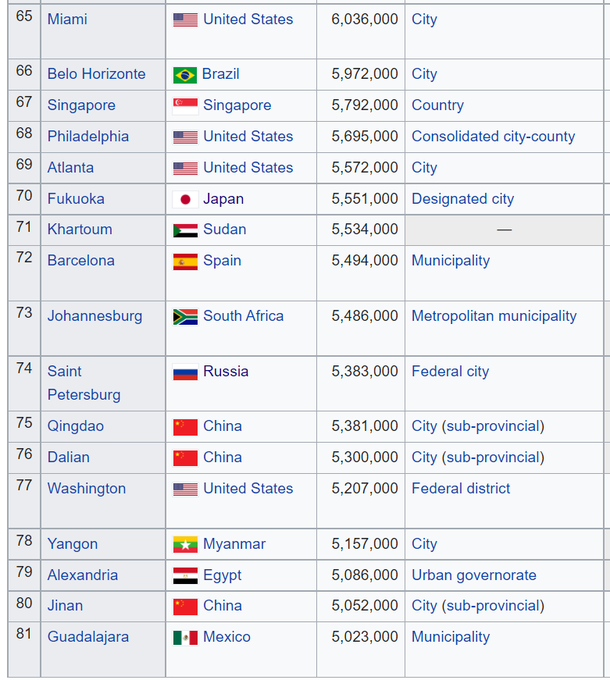
There are currently 81 cities with metro areas larger than 5 million.
All of these tactics are fast becoming non-viable.
Berlin was 3 million people and 15-20 miles wide in 1945.
There are currently 81 cities with metro areas larger than 5 million.
8/
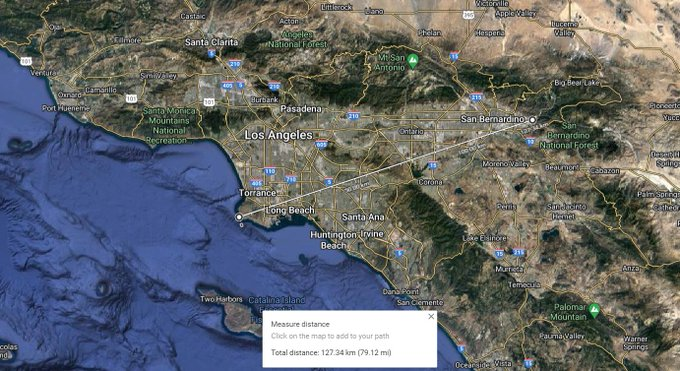
Simply put: its now impossible to go around many of these cities.
Many are hundreds of kilometers wide and rest on geographic chokepoints between key regions, rivers, waterways, and mountain ranges
Simply put: its now impossible to go around many of these cities.
Many are hundreds of kilometers wide and rest on geographic chokepoints between key regions, rivers, waterways, and mountain ranges
9/
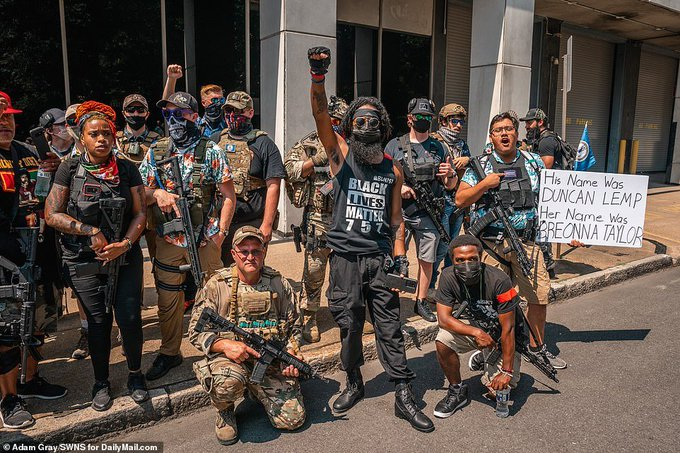
Likewise, the world has urbanized so quickly going from 35% of people living in cities in 1950, to 80% in more Urban countries like the US...
Its now harder and harder to just buy off the urban factions... everyone is urban
Likewise, the world has urbanized so quickly going from 35% of people living in cities in 1950, to 80% in more Urban countries like the US...
Its now harder and harder to just buy off the urban factions... everyone is urban
10/
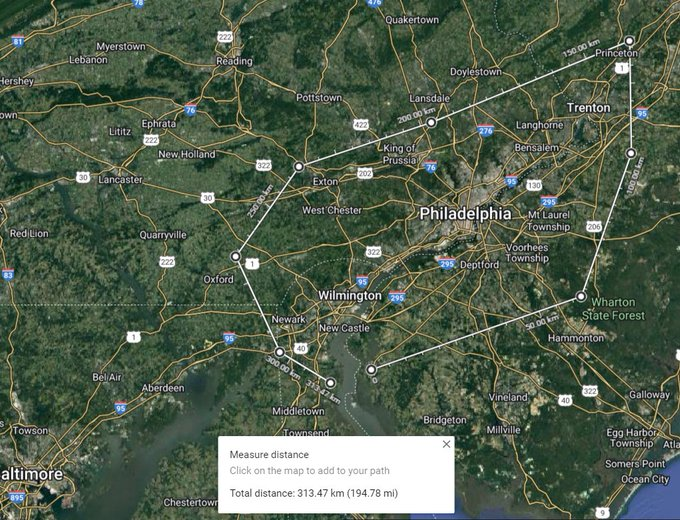
Finally large cities are too big to besiege.
lets take Philadelphia. To besiege it without entering the city would require a 200 mile stretch of round the clock checkpoints, river patrols, and forest foot patrols... all while 5mil people try to smuggle or kill you
Finally large cities are too big to besiege.
lets take Philadelphia. To besiege it without entering the city would require a 200 mile stretch of round the clock checkpoints, river patrols, and forest foot patrols... all while 5mil people try to smuggle or kill you
11/
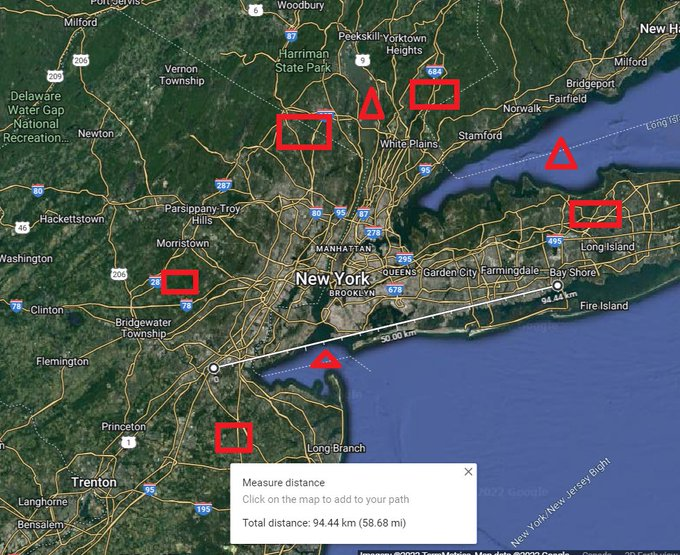
That's a simple example. NYC would require dividing your army into 5 parts, one isolated on Long Island, then maintaining over 500 miles of checkpoint and patrols as well as 3 separate naval forces that are divided by the city and are physically cut off from each other
That's a simple example. NYC would require dividing your army into 5 parts, one isolated on Long Island, then maintaining over 500 miles of checkpoint and patrols as well as 3 separate naval forces that are divided by the city and are physically cut off from each other
12/
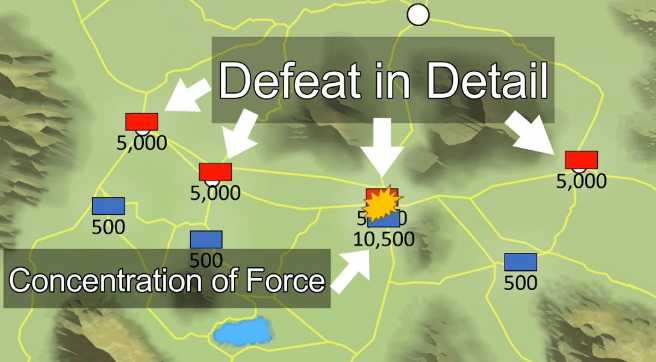
And note, all those individual separate forces need to be individually stronger than the defenders lest defenders concentrate and defeat them in detail.
The number of besiegers you need increases exponentially as the size of a city increased linearly
And note, all those individual separate forces need to be individually stronger than the defenders lest defenders concentrate and defeat them in detail.
The number of besiegers you need increases exponentially as the size of a city increased linearly
13/
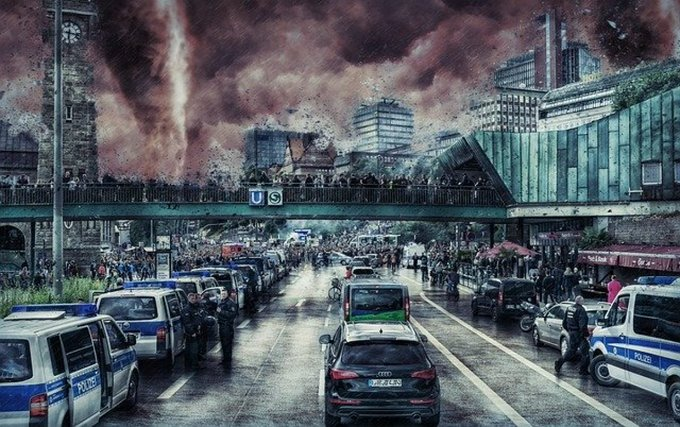
Rural Survivalist types get offended at this, they imagine cities as death traps and that their political enemies will inevitably lose political power without electrical power.
Rural Survivalist types get offended at this, they imagine cities as death traps and that their political enemies will inevitably lose political power without electrical power.
14/
The only problem is: This has never happened!
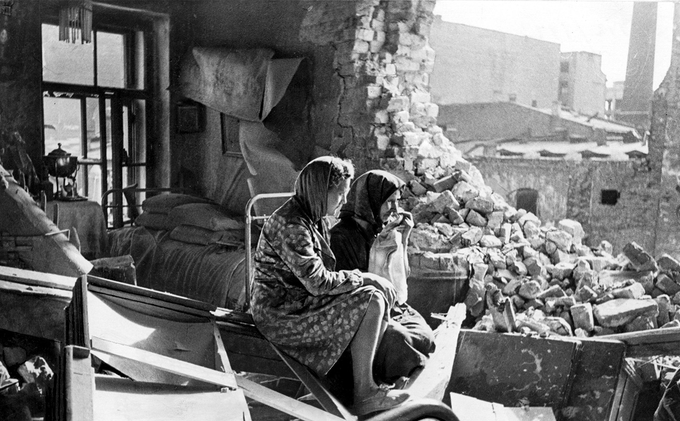
Even in the most hellish besieged cities Sarajevo, Mosul, Leningrad, hell Masada or Troy, total deprivation did not cause political power to break.
Civilians can be starving and it just makes the armed factions more powerful.
The only problem is: This has never happened!
Even in the most hellish besieged cities Sarajevo, Mosul, Leningrad, hell Masada or Troy, total deprivation did not cause political power to break.
Civilians can be starving and it just makes the armed factions more powerful.
15/
The armed factions inevitably are the ones that control the food and resources if there isn't enough.
Horrifically The people who benefit most from chaos and deprivation ted to be the political factions causing it.
Terror and economic collapse makes recruitment easier.
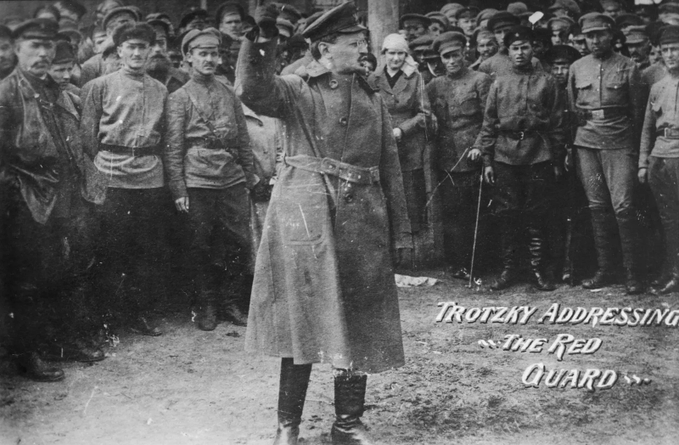
The armed factions inevitably are the ones that control the food and resources if there isn't enough.
Horrifically The people who benefit most from chaos and deprivation ted to be the political factions causing it.
Terror and economic collapse makes recruitment easier.
16/
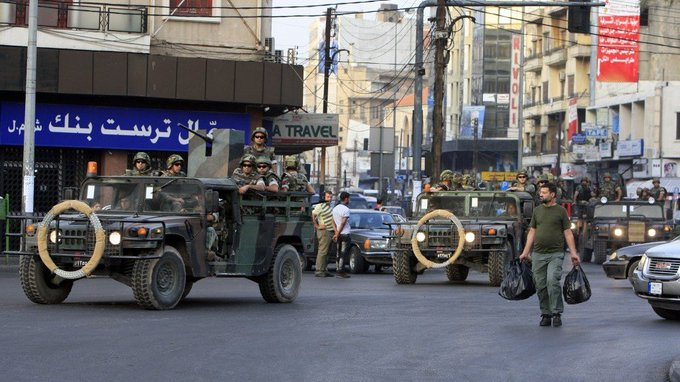
You certainly don't want to be a civilian in a besieged or war-torn city... but that won't make it any more controllable or politically stable.
You certainly don't want to be a civilian in a besieged or war-torn city... but that won't make it any more controllable or politically stable.
17/
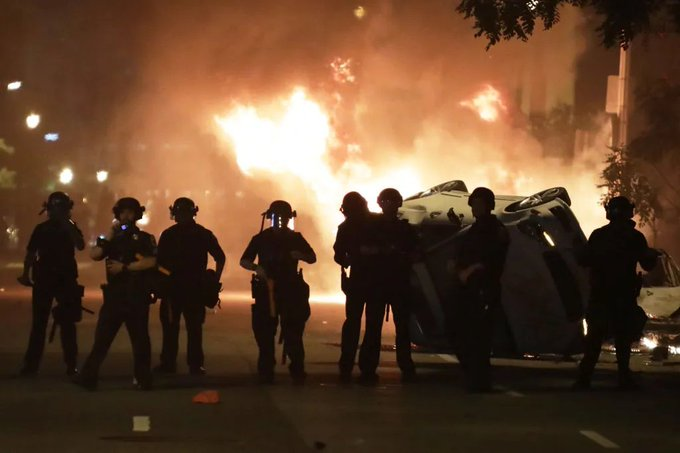
The scale of modern Mega-cities make it nigh impossible to retake them once lost, and their complexity and profitability as seats of commerce mean factions can and will rise to contest them in any power vacuum
We've already seen just how tenuous control over them really is
The scale of modern Mega-cities make it nigh impossible to retake them once lost, and their complexity and profitability as seats of commerce mean factions can and will rise to contest them in any power vacuum
We've already seen just how tenuous control over them really is
18/
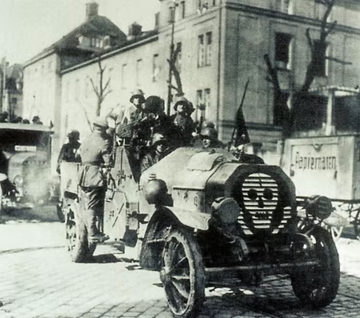
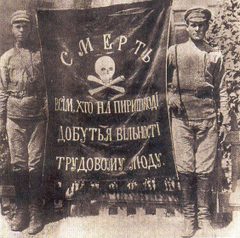
It is very likely we'll see at-least a few developed states fail or go into revolution at some point during the 21st century... it happened several times during the 20th
And in the past 10 years we've seen inklings of this trend from Kiev, to Cairo, to Hong Kong, to Seattle
It is very likely we'll see at-least a few developed states fail or go into revolution at some point during the 21st century... it happened several times during the 20th
And in the past 10 years we've seen inklings of this trend from Kiev, to Cairo, to Hong Kong, to Seattle
19/
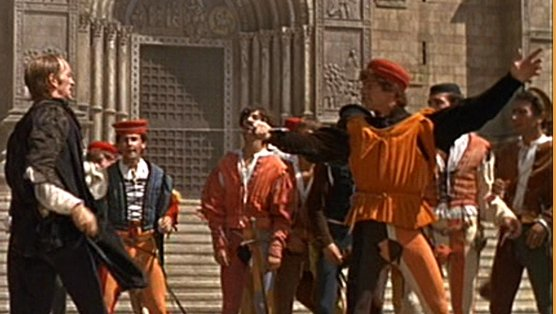
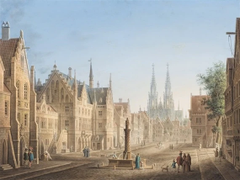
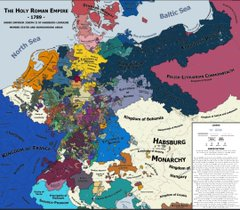
Beyond that demographics don't lend themselves to wars of reconquest, the most likely outcome is a return to a semi-medieval model, where an increasing # of cities are defacto free-cities barely loyal to their larger political unit, with internal politics even more opaque.
Beyond that demographics don't lend themselves to wars of reconquest, the most likely outcome is a return to a semi-medieval model, where an increasing # of cities are defacto free-cities barely loyal to their larger political unit, with internal politics even more opaque.
20/
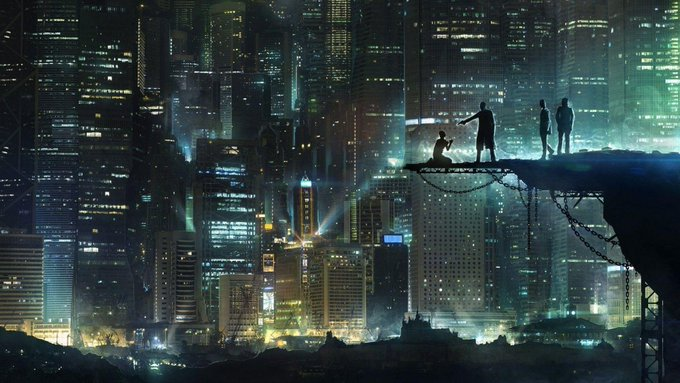
Once authority is majorly disrupted don't expect authoritarian ideologies or central governments to be able to impose themselves again, the Concrete jungles we've built are what high mountains and actual jungles were to the empires of old: fundamentally unconquerable spaces
Once authority is majorly disrupted don't expect authoritarian ideologies or central governments to be able to impose themselves again, the Concrete jungles we've built are what high mountains and actual jungles were to the empires of old: fundamentally unconquerable spaces
READ MY BLOG!
Go to my profile. Click on the link, and read my piece on motorcycles in warfare.
Do it!
Go to my profile. Click on the link, and read my piece on motorcycles in warfare.
Do it!

Loading suggestions...