

Albert Einstein was often lost in thought, but he always had one thing with him.
And no, it wasn’t his pipe…
Hint: Wolfgang
And no, it wasn’t his pipe…
Hint: Wolfgang
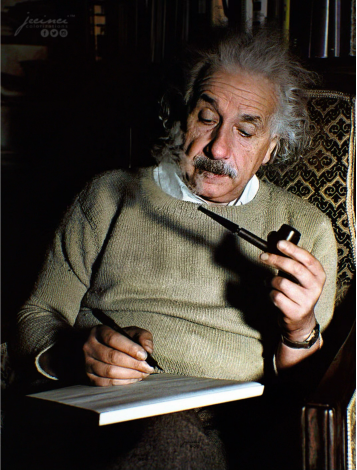
Einstein loved music:
“Life without playing music is inconceivable for me,” he stated.
“I live my daydreams in music. I see my life in terms of music… I get most joy in life out of music.”
“Life without playing music is inconceivable for me,” he stated.
“I live my daydreams in music. I see my life in terms of music… I get most joy in life out of music.”
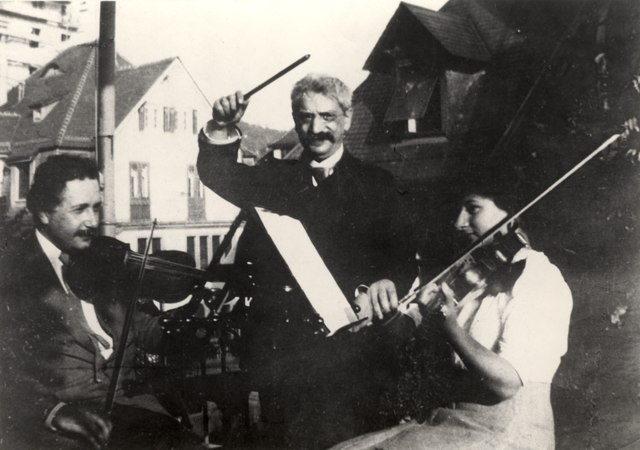
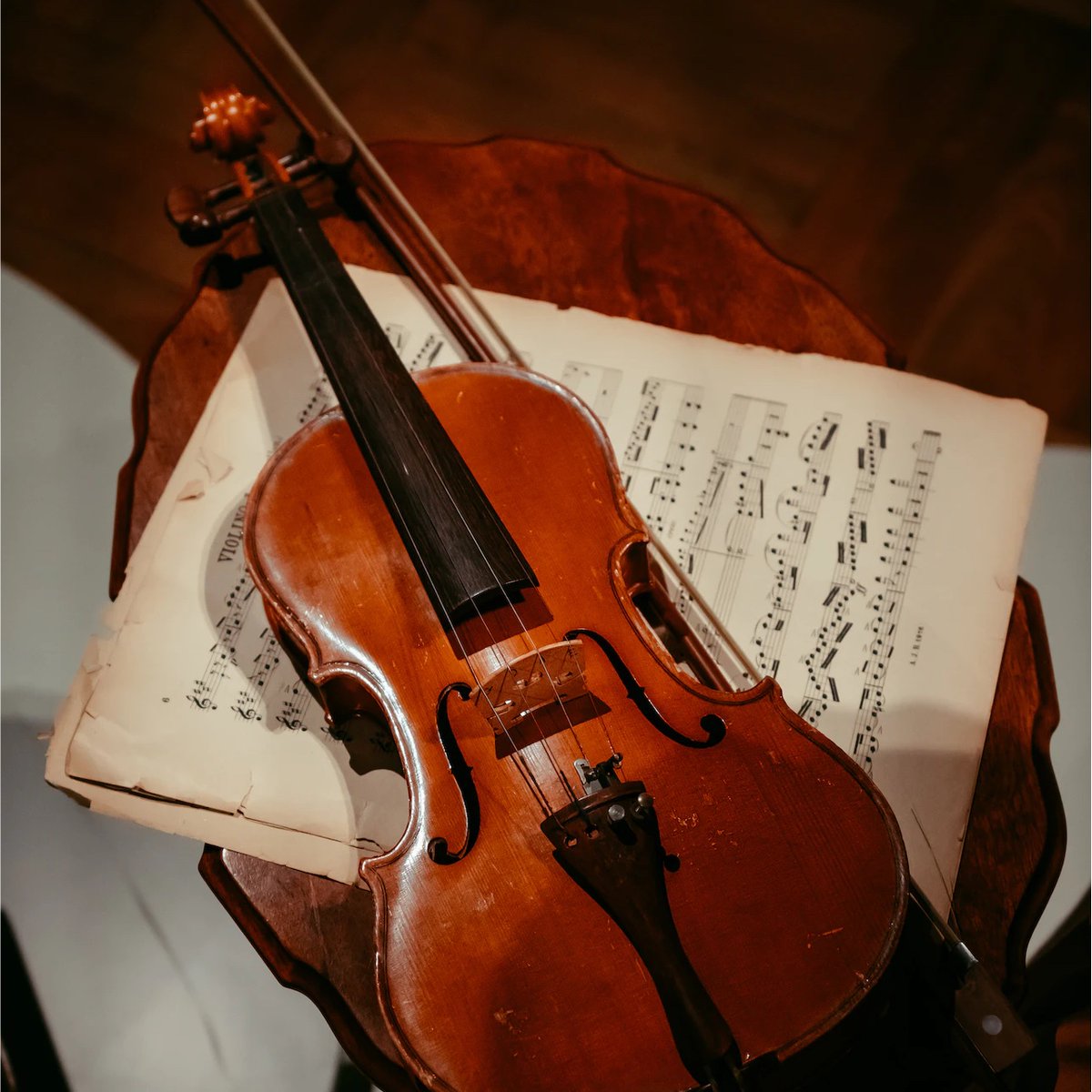
Wherever Einstein would go, he would bring along a battered case containing his precious violin.
He referred to the violin as: “Lina”
He referred to the violin as: “Lina”
This music-loving scientist developed the theory of relativity and the most famous equation ever written: E=mc^2.
Einstein helped lay the foundations for modern quantum theory, won a Nobel Prize, and is often the person people think of when they hear the word: “genius.”
Einstein helped lay the foundations for modern quantum theory, won a Nobel Prize, and is often the person people think of when they hear the word: “genius.”
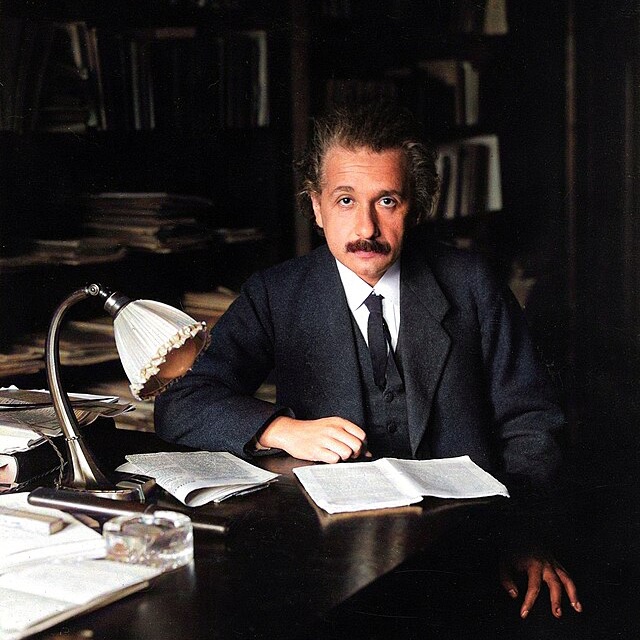
Surprisingly though, Einstein has said that if he hadn't been a scientist he would've been a musician.
Einstein dove into music when he was a kid.
His mother, Pauline was an accomplished pianist herself and signed her son up for piano lessons.
Einstein dove into music when he was a kid.
His mother, Pauline was an accomplished pianist herself and signed her son up for piano lessons.
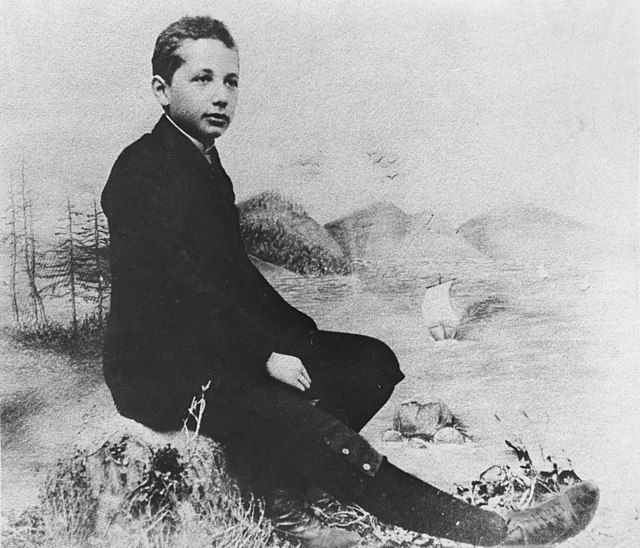
Although Einstein did not take to piano lessons passionately (meaning he was rumored to have thrown a chair at his teacher...), after several years he discovered Mozart.
Einstein immediately fell in love with Mozart’s violin sonatas at the age of 13.
Einstein immediately fell in love with Mozart’s violin sonatas at the age of 13.
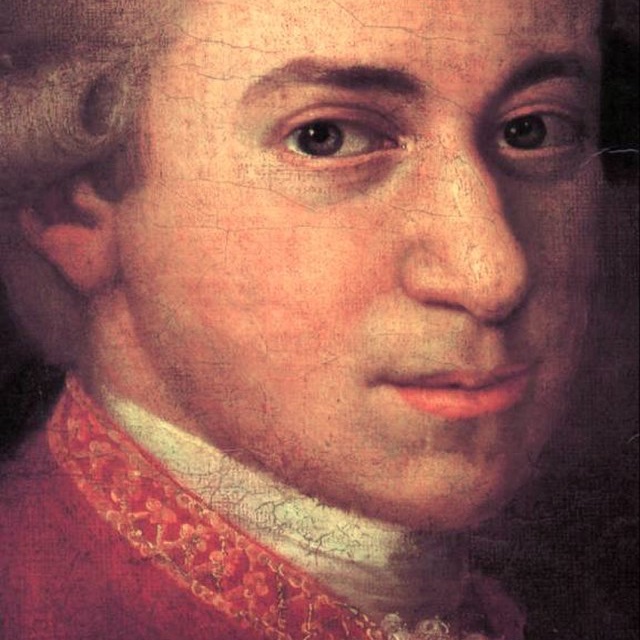
From the moment Einstein discovered Mozart, till the day he died, music was a burning passion.
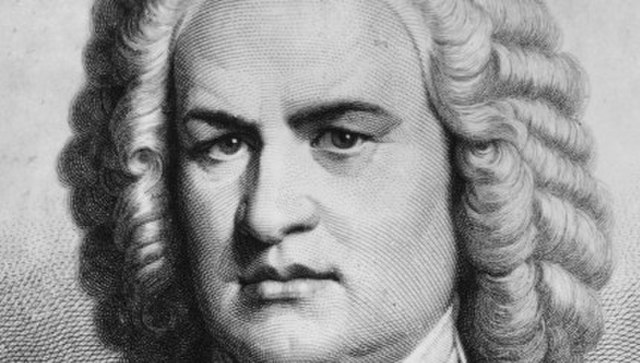
He also liked Bach.
Whether Einstein was at home or traveling he could be consistently found playing “Lina” by himself, with his wife, or with friends.
He also liked Bach.
Whether Einstein was at home or traveling he could be consistently found playing “Lina” by himself, with his wife, or with friends.
When Einstein moved to Princeton, NJ to avoid Nazi Germany, he would host weekly music sessions at his home every Wednesday night.
He would even travel around the city during holidays playing with carolers.
Imagine you open the door and Einstein is playing the violin for you...
He would even travel around the city during holidays playing with carolers.
Imagine you open the door and Einstein is playing the violin for you...

This passion was felt by everyone around him.
Elsa even claimed it was the reason she'd fallen in love with him:
“because he played Mozart so beautifully on the violin.”
Elsa even claimed it was the reason she'd fallen in love with him:
“because he played Mozart so beautifully on the violin.”
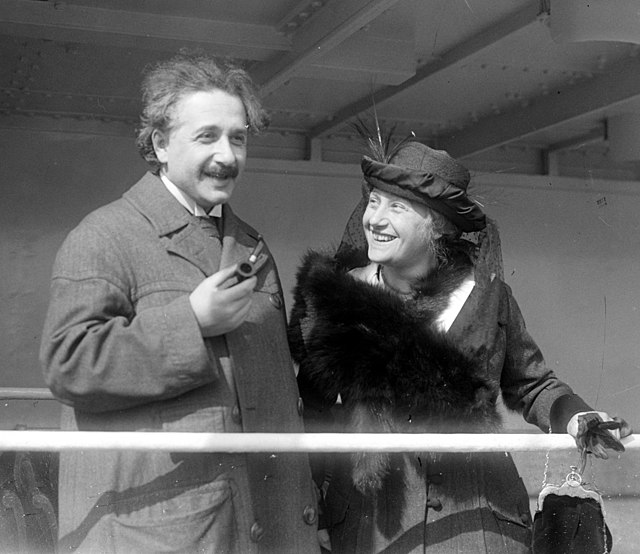
Women in particular found his playing to be captivating.
Another woman who listened to him play said:
“He had the kind of male beauty that could cause havoc"
Another woman who listened to him play said:
“He had the kind of male beauty that could cause havoc"
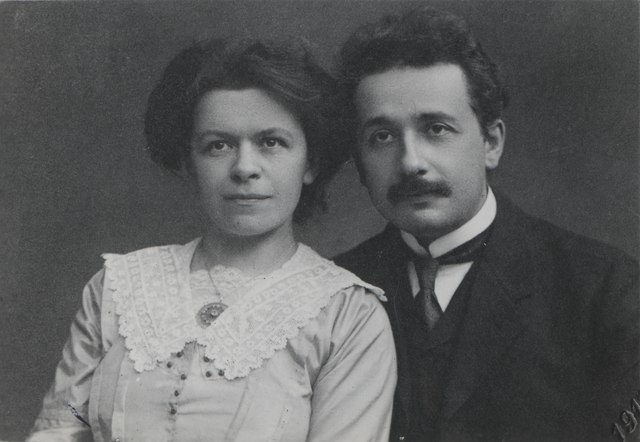
One friend of Einstein’s wrote:
“There are many musicians with much better technique, but none, I believe, who ever played with more sincerity or deeper feeling.”
Did you know all this about Einstein?
“There are many musicians with much better technique, but none, I believe, who ever played with more sincerity or deeper feeling.”
Did you know all this about Einstein?
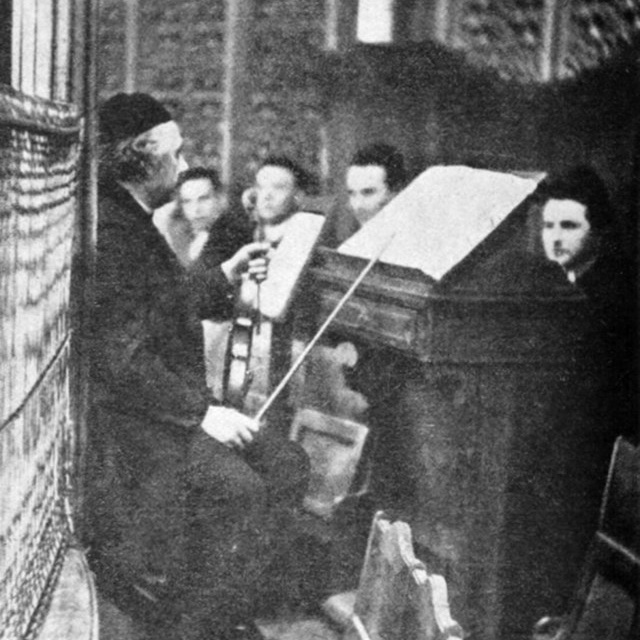
So, how does this connect with his thinking abilities and what can we learn here?
His deep use of music allowed him to bring a unique aesthetic quality to his work. He sought out beauty, harmony, simplicity, and unification for his theories.
Music helped him accomplish this.
His deep use of music allowed him to bring a unique aesthetic quality to his work. He sought out beauty, harmony, simplicity, and unification for his theories.
Music helped him accomplish this.
Elsa told the story of him one day being completely lost in thought.
He would wander to his piano (which he eventually grew to also appreciate), play for half an hour, and jot down notes all the while.
He would wander to his piano (which he eventually grew to also appreciate), play for half an hour, and jot down notes all the while.
For two weeks he would do this nonstop; work for hours alone, thinking deeply, and then occasionally emerging for a piano session.
From this bizarre two weeks came a working draft of the theory of relativity.
From this bizarre two weeks came a working draft of the theory of relativity.
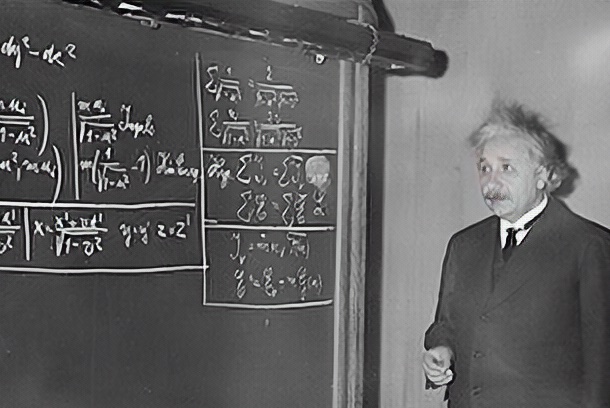
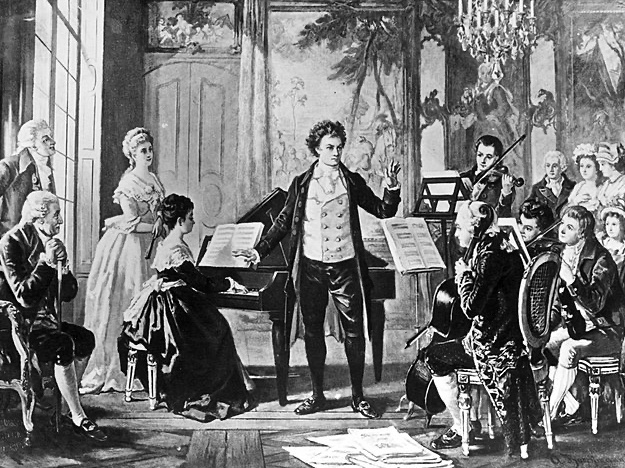
Mozart sought to express more than most composers while using the simplest notes.
Einstein was doing the same thing but in a different field.
They were both seeking the same purity and harmonious nature for their work.
Einstein was doing the same thing but in a different field.
They were both seeking the same purity and harmonious nature for their work.
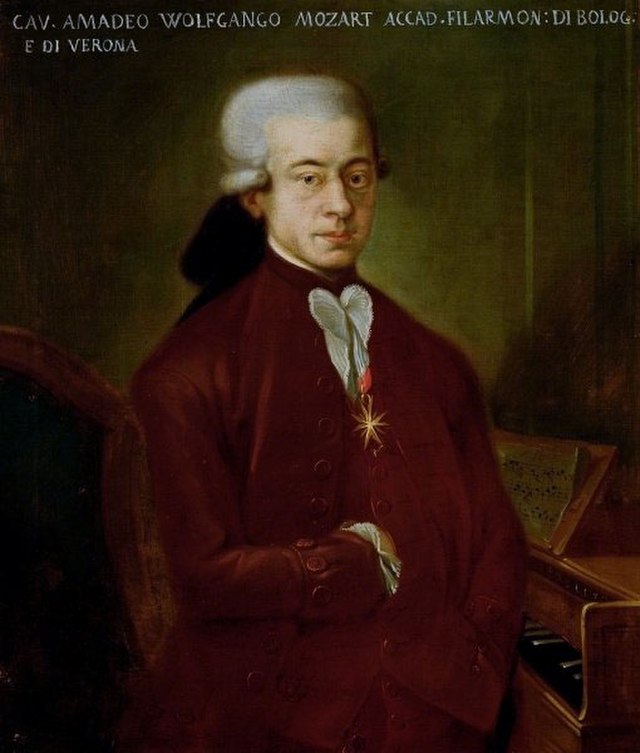
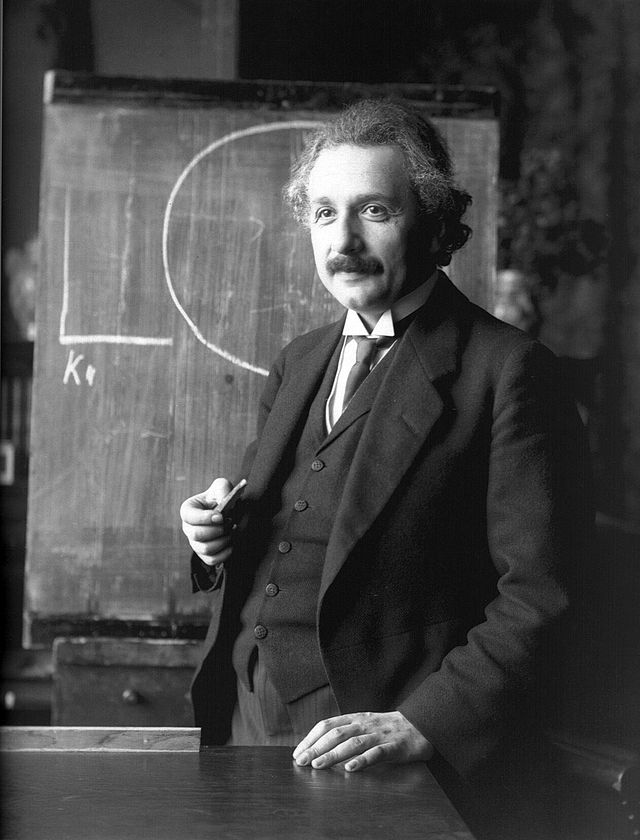
Einstein saw complementarity between different subjects.
He could see connections between things others could not because he was accessing different parts of his mind through the stimulation certain music provided.
He could see connections between things others could not because he was accessing different parts of his mind through the stimulation certain music provided.
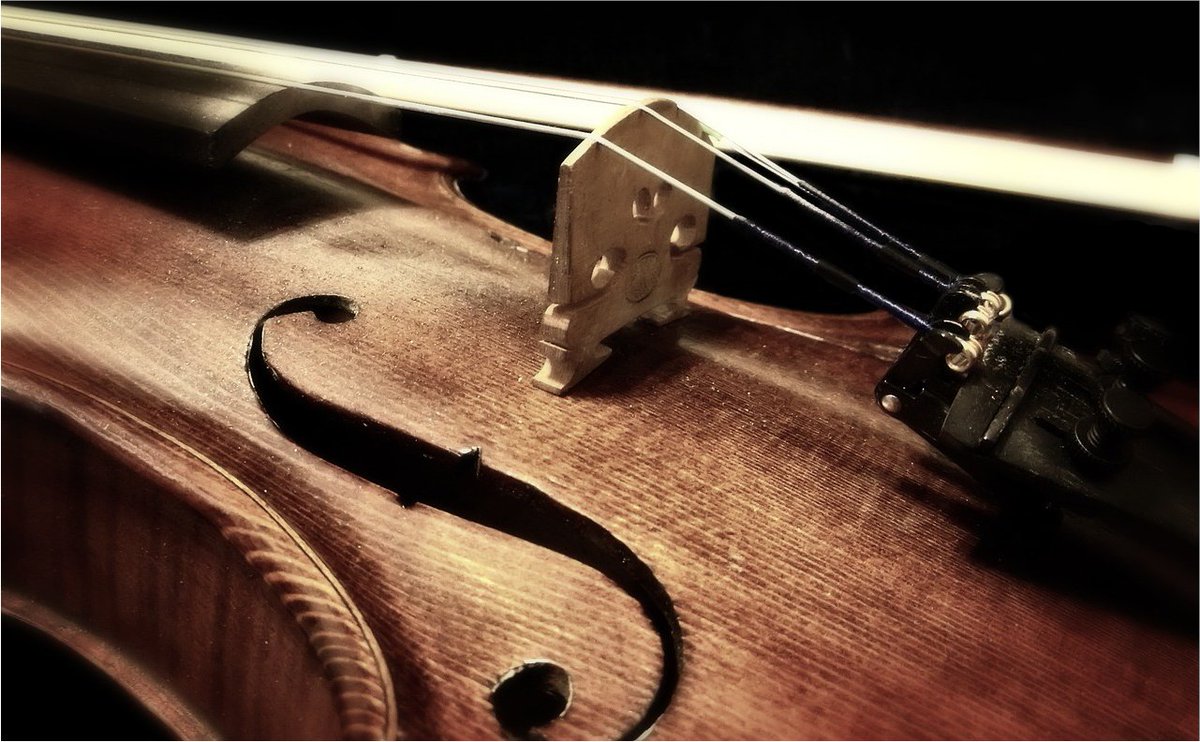
To produce a complete theory, he needed to use a more complete mind - science and the humanities - the right brain and the left brain.
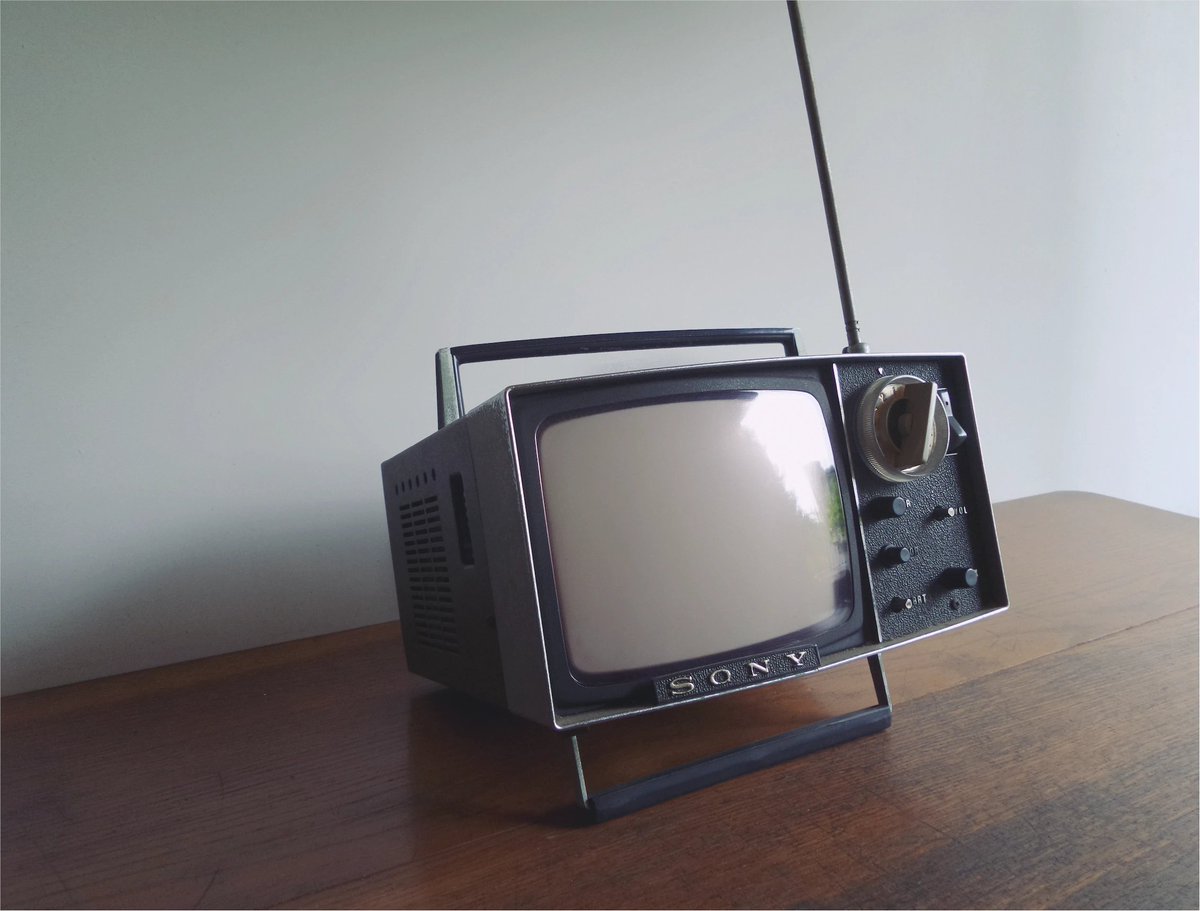
Think of your mind as a TV...
Think of your mind as a TV...
Let's say:
One channel is history.
Another channel is biology.
If you watch both channels you are going to have a more complete picture of reality right?
One channel is history.
Another channel is biology.
If you watch both channels you are going to have a more complete picture of reality right?
If you collect more information about history and biology, you will be able to make connections between the two - they will be complimentary to some degree.
Well, Einstein was just tuned in intensely to the scientific and musical channels.
Well, Einstein was just tuned in intensely to the scientific and musical channels.
It is unlikely Einstein would have come up with his theories if it hadn't been for the help of music.
We will return to the power of music later...
We will return to the power of music later...
USEFUL KNOWLEDGE:
-Explore music. And incorporate it into your thinking time.
But try exploring music that is harmonious in nature, music that makes you feel like you are ascending rather than descending. Once you recognize this difference, how you see music will change…
-Explore music. And incorporate it into your thinking time.
But try exploring music that is harmonious in nature, music that makes you feel like you are ascending rather than descending. Once you recognize this difference, how you see music will change…

First colorized image credit: @jecinci with permission
Loading suggestions...