

Shakespeare wrote 37 plays, 154 sonnets and introduced over 1,700 new words to the English language.
But was he even a real person?
Or was “Shakespeare” a pen name for a secret group of famous men who lived during his time?
But was he even a real person?
Or was “Shakespeare” a pen name for a secret group of famous men who lived during his time?

So, first off, let’s examine why Shakespeare might not have been able to accomplish what he did.
One reason that people doubt Shakepeare’s authorship, was due to his lack of education.
He is considered to have had only 7 years of local primary school education.
One reason that people doubt Shakepeare’s authorship, was due to his lack of education.
He is considered to have had only 7 years of local primary school education.
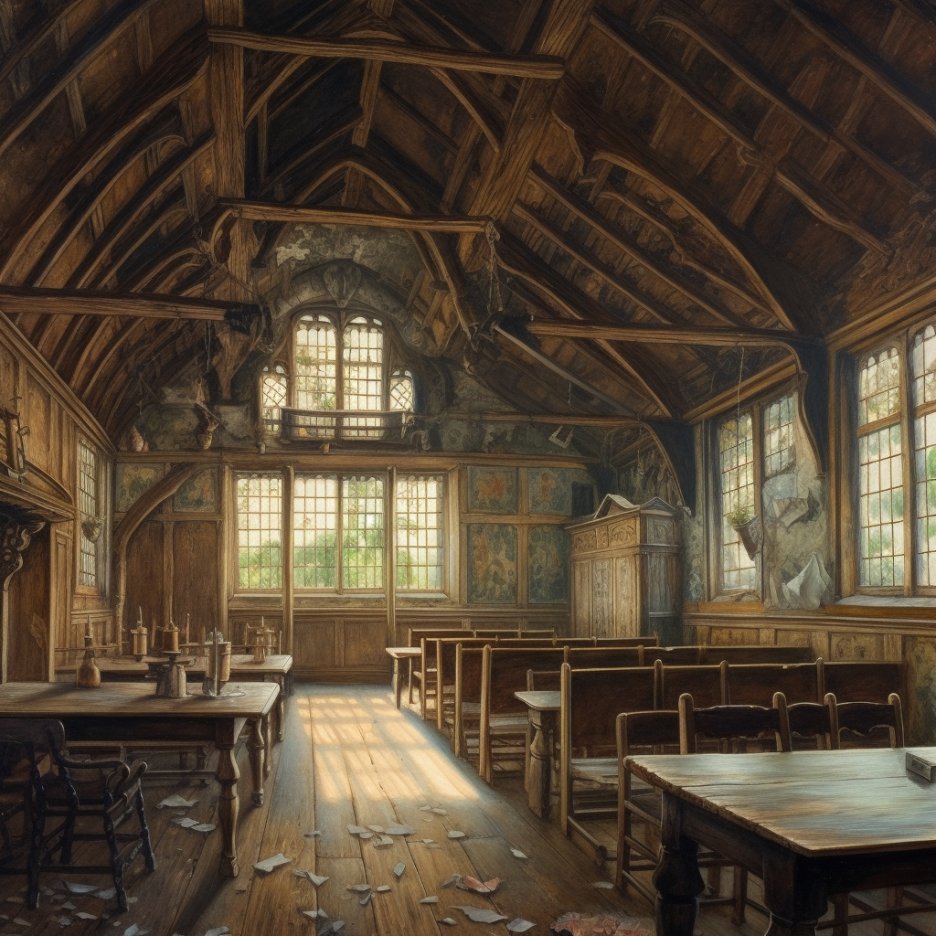
Shakespeare never went to university.
This makes it hard for people to believe that he would have had the knowledge of languages, grammar, and vast vocabulary to produce the complex works.
Both of his parents appear to have been illiterate (and his own kids too supposedly).
This makes it hard for people to believe that he would have had the knowledge of languages, grammar, and vast vocabulary to produce the complex works.
Both of his parents appear to have been illiterate (and his own kids too supposedly).
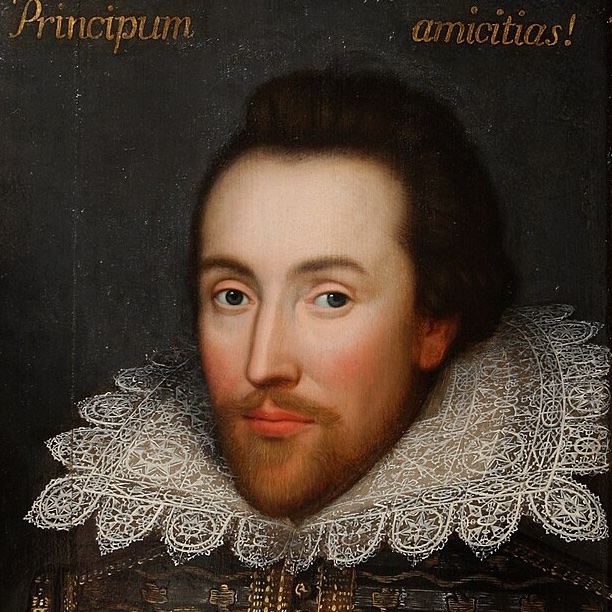
So, maybe Shakespeare was self-educated?
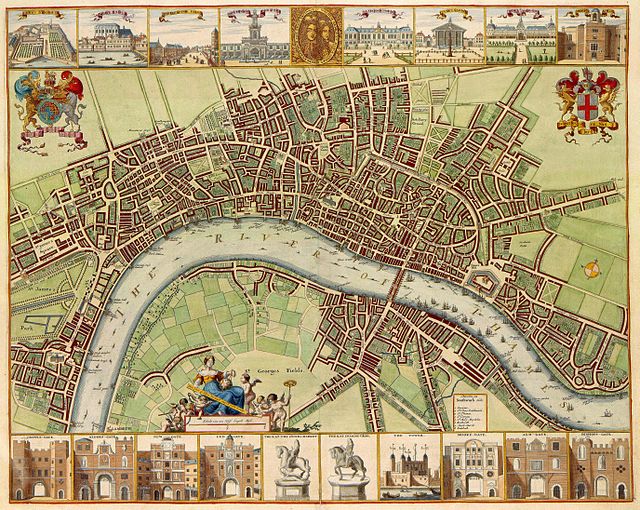
Well, during that time, in order to produce the works he did in the late 16th century, he would have likely needed to do a lot of traveling.
The problem is that there is no evidence of Shakespeare leaving England…
Well, during that time, in order to produce the works he did in the late 16th century, he would have likely needed to do a lot of traveling.
The problem is that there is no evidence of Shakespeare leaving England…
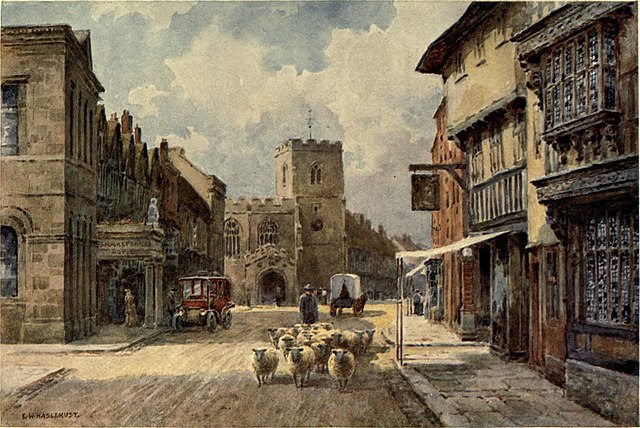
He had to have been loved by the public though right?
Well, there was no public mourning for his death, strangely...
But in his will, surely there’s mention of his work?
No, there isn't...
Well, there was no public mourning for his death, strangely...
But in his will, surely there’s mention of his work?
No, there isn't...
Shakespeare's will does not contain any mention of his writings or written works.
Despite 16 of his plays being published posthumously, his will remains completely silent on the subject.
Very curious…
Despite 16 of his plays being published posthumously, his will remains completely silent on the subject.
Very curious…

We could go on, but clearly, things are not lining up here…
So, what’s going on?
Well, let’s consider that his name (seems like he was at least a real person) was used as a pen name for others.
So, what’s going on?
Well, let’s consider that his name (seems like he was at least a real person) was used as a pen name for others.
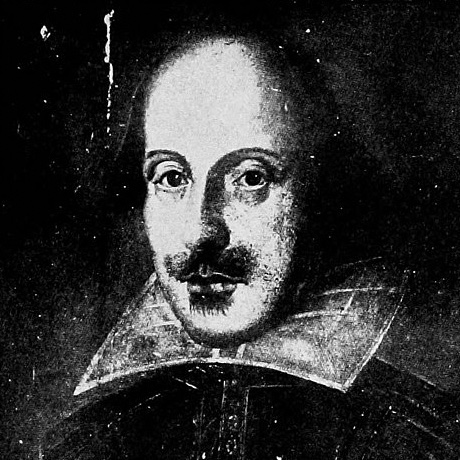
Here is a list of people who have questioned Shakespeare’s authorship:
-Mark Twain
-Henry James
-Orson Welles
-Derek Jacobi
-Mark Rylance
-Walt Whitman
-Sigmund Freud
-Charlie Chaplin
-Ralph Waldo Emerson
No fools on that list...
-Mark Twain
-Henry James
-Orson Welles
-Derek Jacobi
-Mark Rylance
-Walt Whitman
-Sigmund Freud
-Charlie Chaplin
-Ralph Waldo Emerson
No fools on that list...
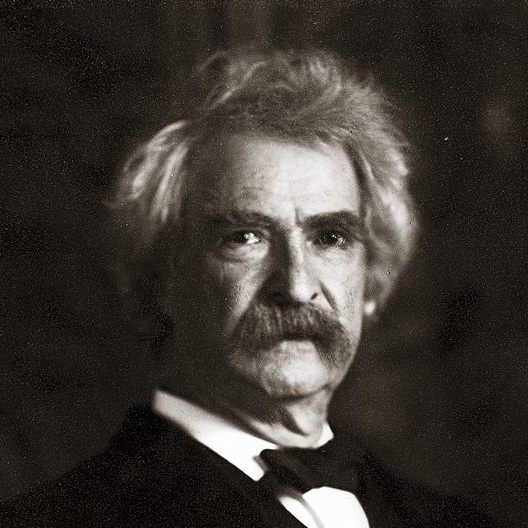
So, who would this pen name belong to though?
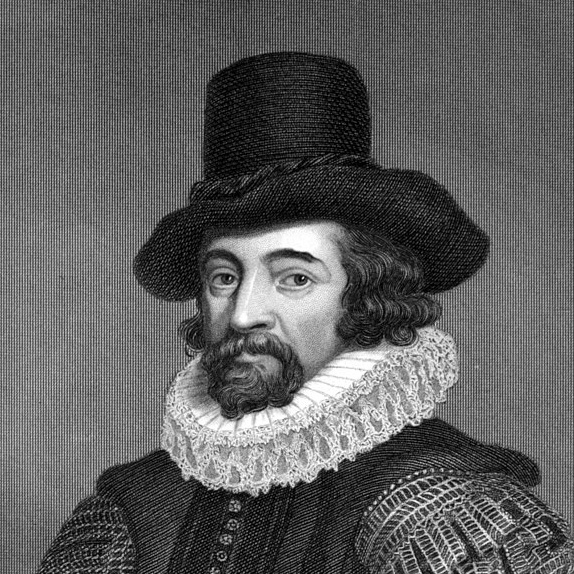
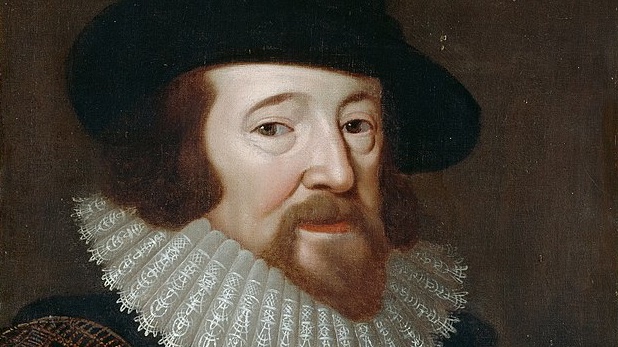
First subject in question: Francis Bacon (Baconian theory)
He was an accomplished Cambridge graduate and a well-regarded philosopher.
He played an important role in the development and popularization of the scientific method.
He was an accomplished Cambridge graduate and a well-regarded philosopher.
He played an important role in the development and popularization of the scientific method.
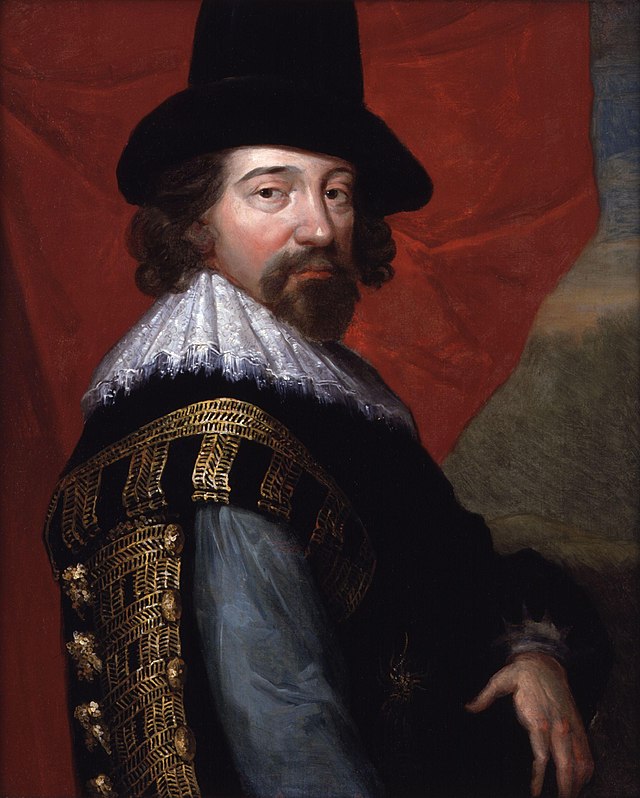
Bacon also ascended the ranks of the Tudor court, attained the esteemed position of Lord Chancellor, and was a member of the Privy Chamber.
His knowledge lines up quite well with the scientific knowledge, legal codes, and traditions, which appear throughout Shakespeare’s plays.
His knowledge lines up quite well with the scientific knowledge, legal codes, and traditions, which appear throughout Shakespeare’s plays.
There are even conspiracies that go deeper.
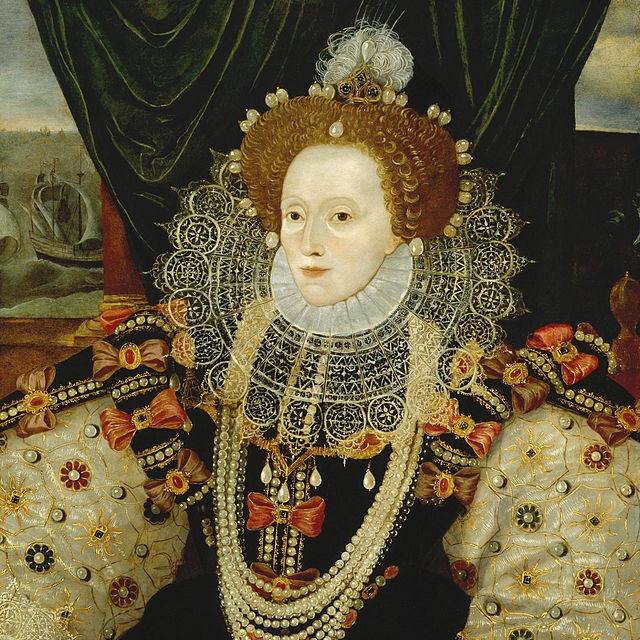
Claiming that Bacon encoded Shakespeare’s works revealing alternative histories of the Tudor era, specifically that he himself was the illegitimate son of the potentially not-so-virgin: Queen Elizabeth I…
But we won’t go into that.
Claiming that Bacon encoded Shakespeare’s works revealing alternative histories of the Tudor era, specifically that he himself was the illegitimate son of the potentially not-so-virgin: Queen Elizabeth I…
But we won’t go into that.
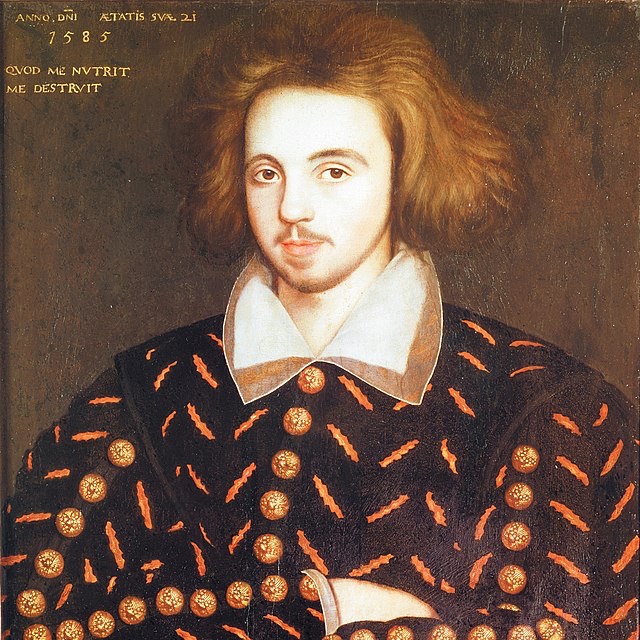
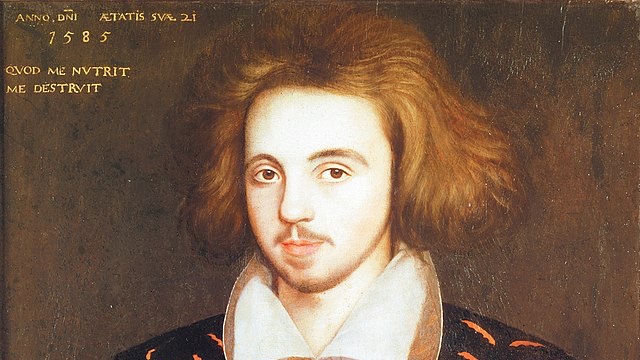
Next suspect: Christopher Marlowe (Marlovian theory)
This guy was actually a famous playwright of the day.
He was given both a Bachelor's and Master’s degree by Cambridge even though he came from a modest background, like Shakespeare.
This guy was actually a famous playwright of the day.
He was given both a Bachelor's and Master’s degree by Cambridge even though he came from a modest background, like Shakespeare.
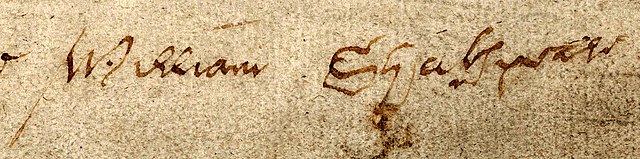
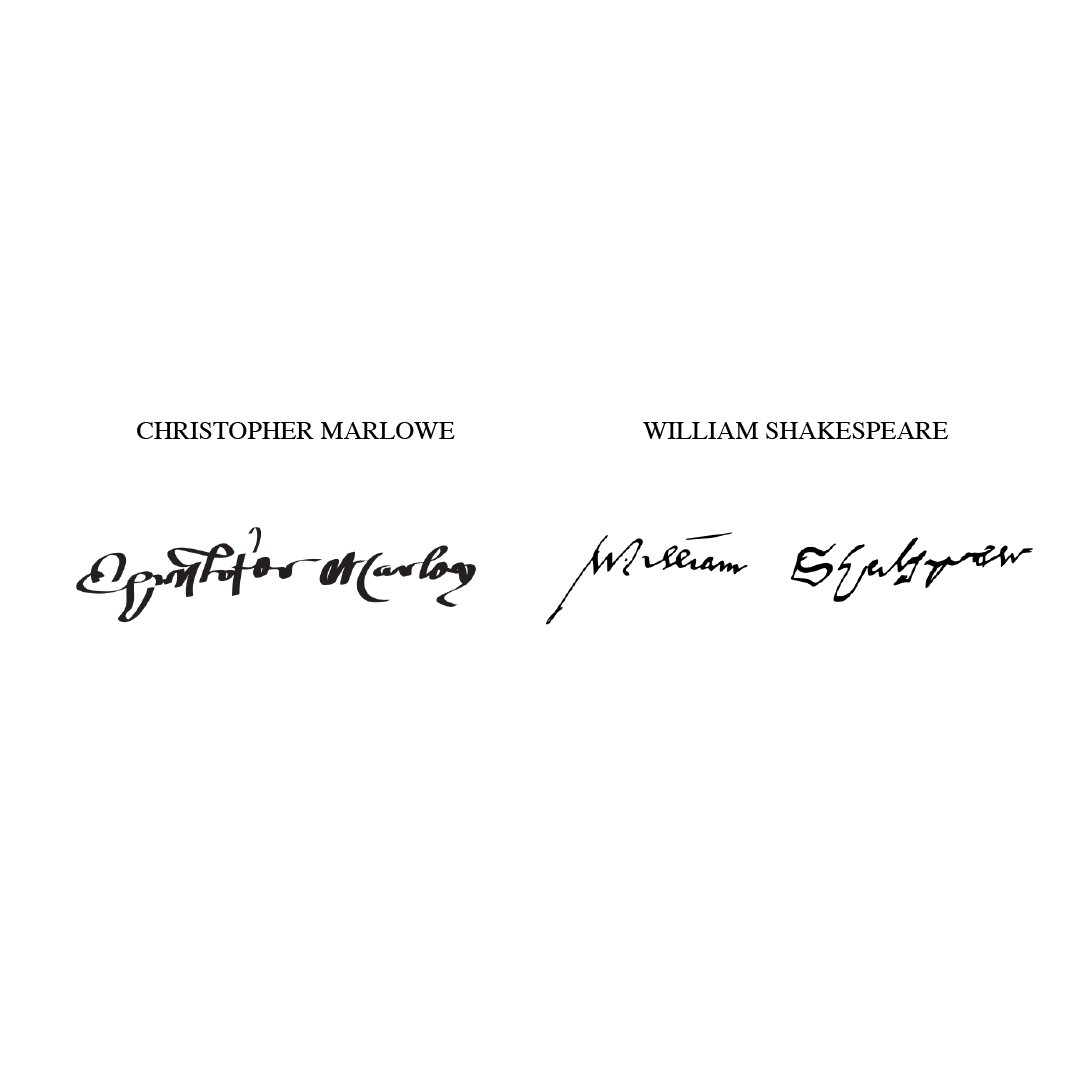
Marlowe and Shakepeare’s writings are similar, especially their signatures.
There are countless examples online.
The "S" in Shakespeare also looks a little like a "C" ...
There are countless examples online.
The "S" in Shakespeare also looks a little like a "C" ...
Marlowe's supporters claim he was a spy for the Tudor court.
However, the man’s advocacy for anti-religious groups and the publication of what was considered atheist work placed him in a vulnerable and hazardous situation.
And then you have his mysterious death…
However, the man’s advocacy for anti-religious groups and the publication of what was considered atheist work placed him in a vulnerable and hazardous situation.
And then you have his mysterious death…

He is claimed to have faked his death to avoid persecution and went underground to pursue a literary career.
And 10 days after his supposed death, the first Shakespearean play was published…
Coincidence?
And 10 days after his supposed death, the first Shakespearean play was published…
Coincidence?
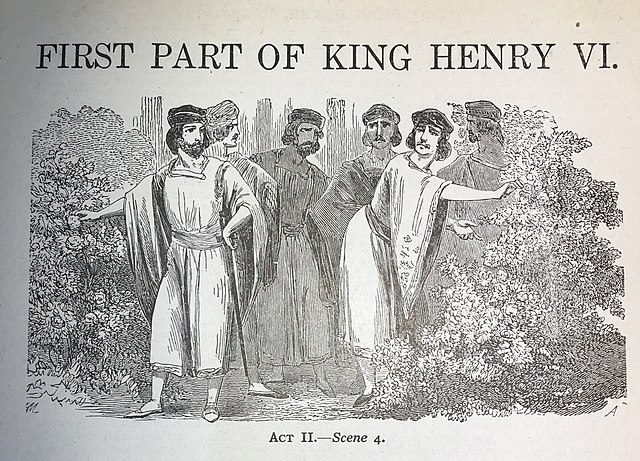
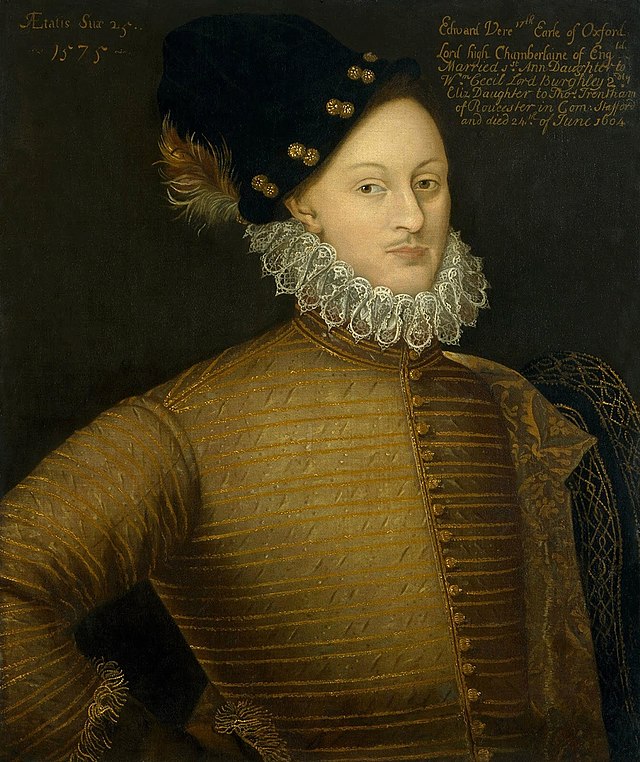
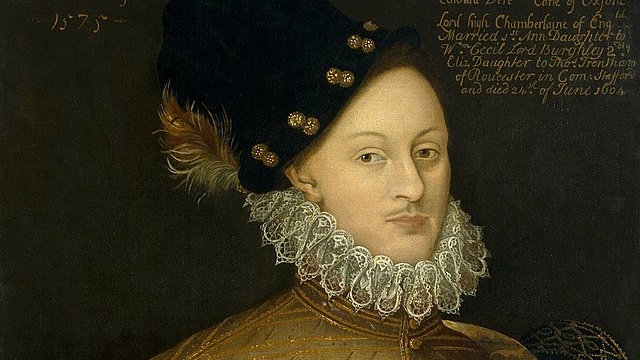
Third suspect: Edward de Vere (Oxfordian theory)
He was a renowned dramatist and poet during the Tudor era.
De Vere grew up in the household of Queen Elizabeth I’s advisor, William Cecil.
He had a lot of wealth and power, and he traveled all over Europe.
He was a renowned dramatist and poet during the Tudor era.
De Vere grew up in the household of Queen Elizabeth I’s advisor, William Cecil.
He had a lot of wealth and power, and he traveled all over Europe.
De Vere especially loved Italy; both the language and culture.
Is there a connection here to the numerous Italian-set works in the Shakespeare canon?
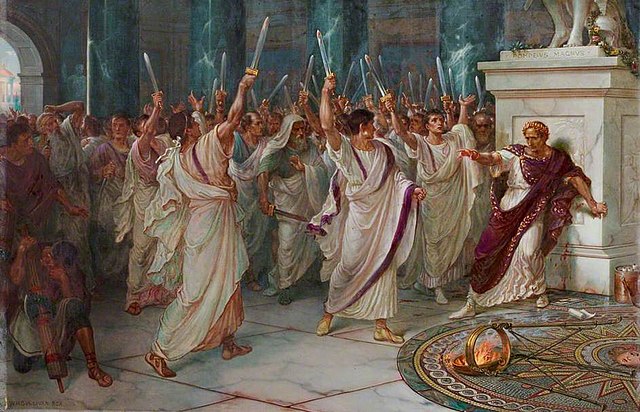
De Vere also relished history, particularly ancient history.
He would have been perfect for writing a play like Julius Caesar…
Is there a connection here to the numerous Italian-set works in the Shakespeare canon?
De Vere also relished history, particularly ancient history.
He would have been perfect for writing a play like Julius Caesar…
Last suspect: William Stanley (Derbyite theory)
Again, this man was wealthy, educated, well-traveled, and powerful - like all the others.
He was tutored by great literalists, like Richard Lloyd, who wrote “The Nine Worthies.”
Again, this man was wealthy, educated, well-traveled, and powerful - like all the others.
He was tutored by great literalists, like Richard Lloyd, who wrote “The Nine Worthies.”
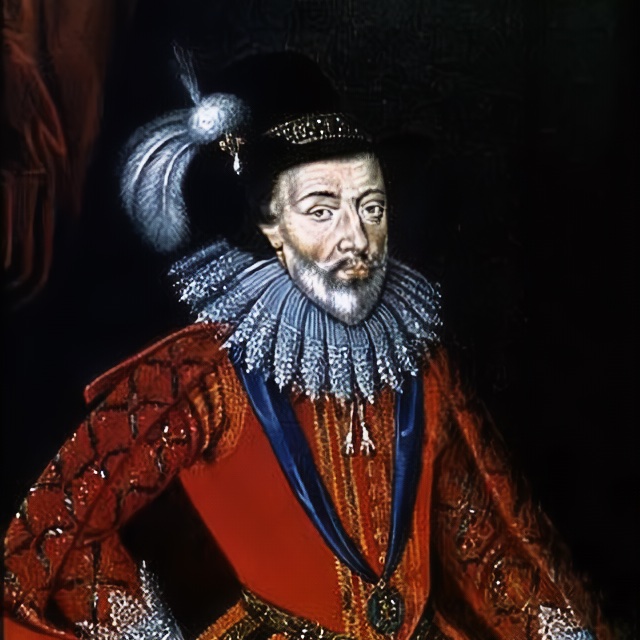
Stanley ended up serving in the Court after his brother died making him the sixth Earl of Derby and was also later appointed a position as Knight of the Garter in 1601.
He basically had a heavy hand in the Court and royal ‘happenings.'
He basically had a heavy hand in the Court and royal ‘happenings.'
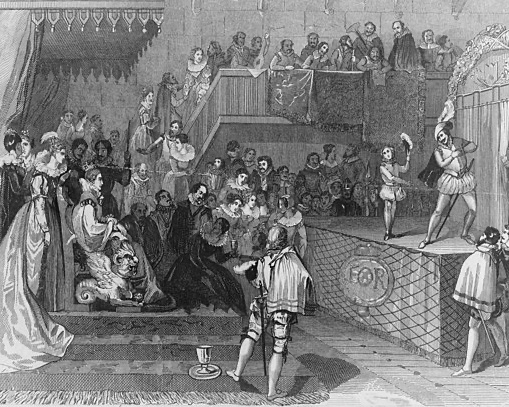
Not only are there strange connections between William’s life/name and Shakespeare’s works (like everyone else mentioned) but he was also reported on by a spy and was said to have been:
“busied only in penning comedies for the common players”
“busied only in penning comedies for the common players”

So, there’s a lot of weirdness going on.
Although there are a lot of passionate theorists out there...
The most logical conclusion in my eyes is that William Shakespeare could have been a pen name for all these men, or even more, potentially.
Although there are a lot of passionate theorists out there...
The most logical conclusion in my eyes is that William Shakespeare could have been a pen name for all these men, or even more, potentially.
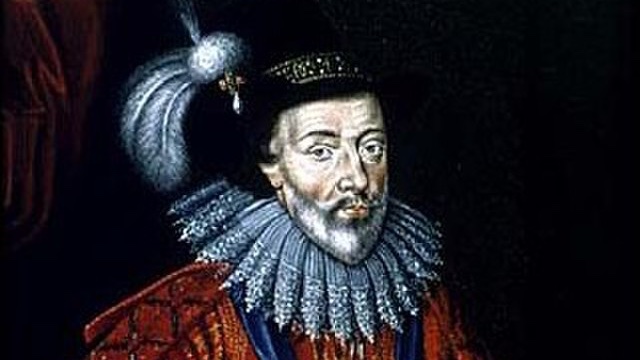
You can make a case for any one of the these men we have already listed, so why couldn’t it be all of them?
The one thing they all had in common was that they had a connection to the Court, so if they were to be found out, they could have faced serious consequences...
The one thing they all had in common was that they had a connection to the Court, so if they were to be found out, they could have faced serious consequences...
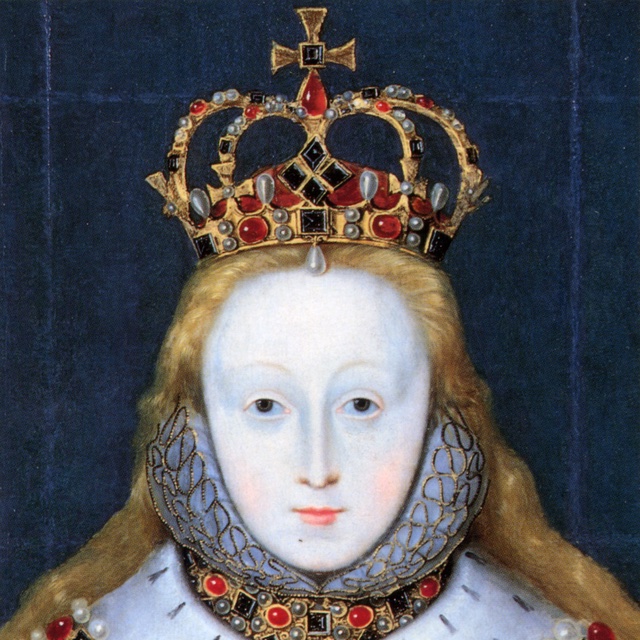
With all this being said, William Shakespeare could certainly have written everything himself though.
There may be simple explanations for all the weirdness going on with his work/authorship.
Personally, I would like this to be the case, but only time will tell… hopefully…
There may be simple explanations for all the weirdness going on with his work/authorship.
Personally, I would like this to be the case, but only time will tell… hopefully…
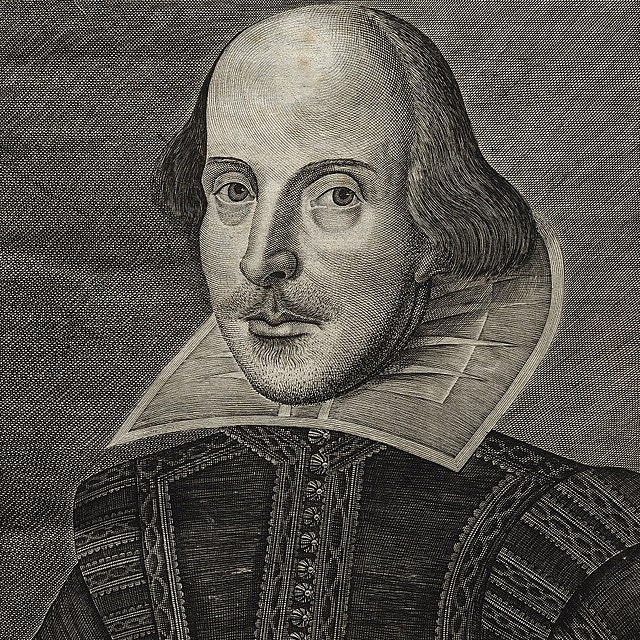
So, pretty interesting stuff right?
Well, is there anything you can apply to your own life from this story?
Well, is there anything you can apply to your own life from this story?
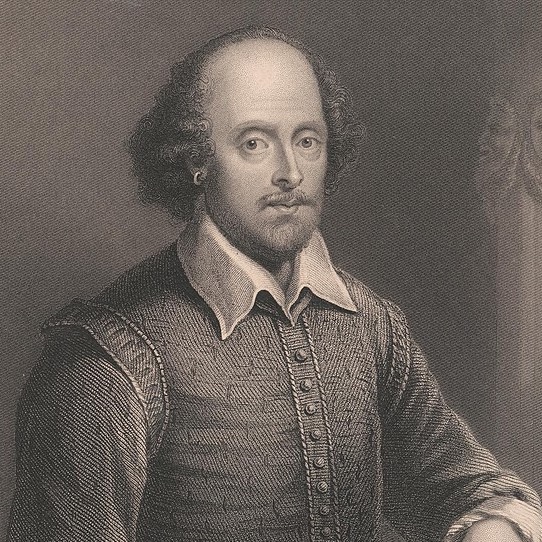
USEFUL KNOWLEDGE:
-Question everything when reading history.
History is a distillation of info, and not necessarily an accurate one… we know very little about what actually happened in the past, and a huge chunk of it is probably wrong… Much of the Foundation of History is…
-Question everything when reading history.
History is a distillation of info, and not necessarily an accurate one… we know very little about what actually happened in the past, and a huge chunk of it is probably wrong… Much of the Foundation of History is…

Loading suggestions...