
300 years ago a famous Italian artist called Giovanni Battista Piranesi did something strange.
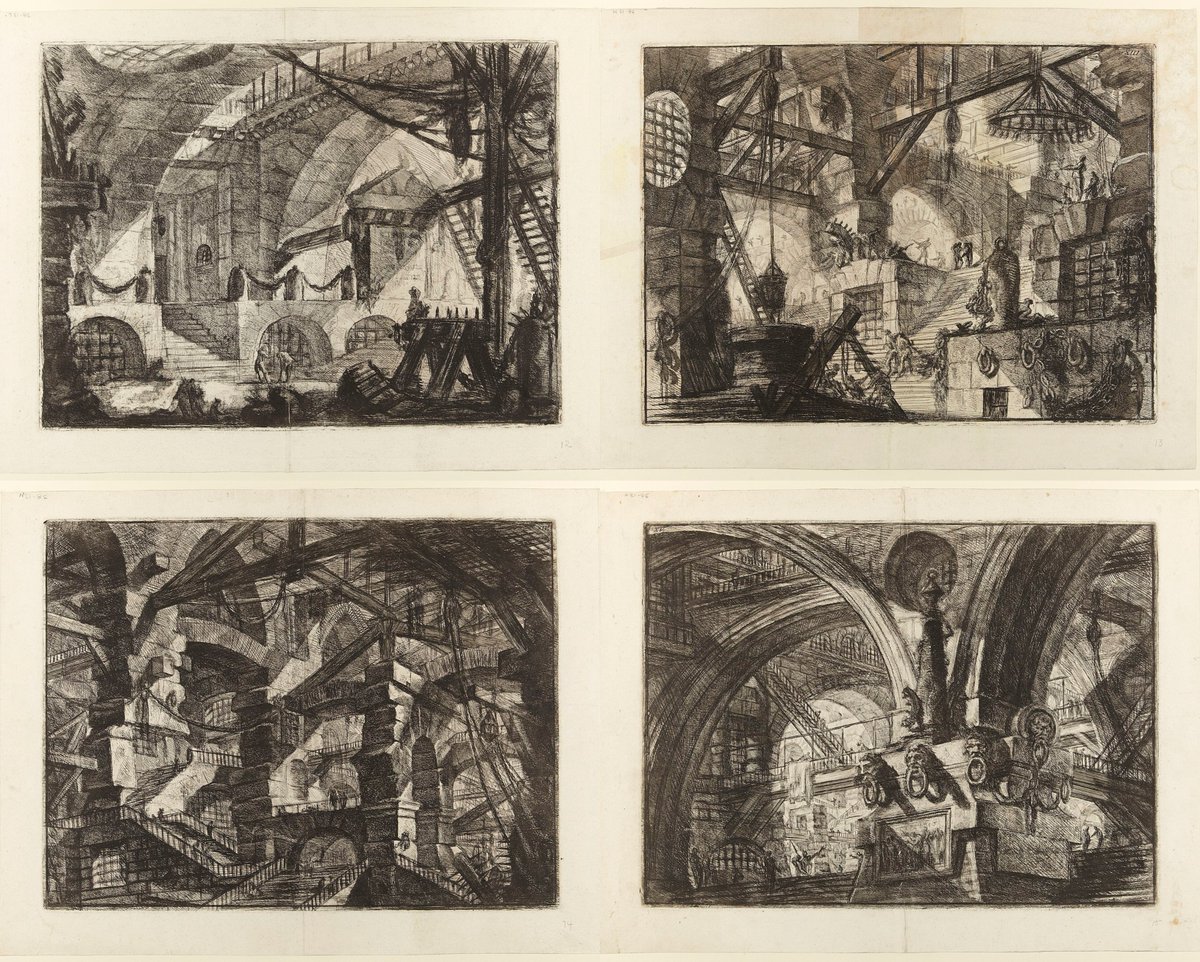
He drew an infinite, imaginary prison filled with impossible architecture, shadowy figures, and mysterious torture devices.
Why? Nobody knows...
He drew an infinite, imaginary prison filled with impossible architecture, shadowy figures, and mysterious torture devices.
Why? Nobody knows...

Giovanni Battista Piranesi, the son of a master stonemason, was born near Venice in the year 1720.
After training as an architect and set designer he went to Rome at the age of twenty, where he would become one of the most popular and influential artists of the century.
After training as an architect and set designer he went to Rome at the age of twenty, where he would become one of the most popular and influential artists of the century.

This was the age of the Grand Tour, when rich travellers from across Europe came to Italy in masses.
And it was the Age of Enlightenment, an era of new ideas about philosophy, politics, history, and architecture.
Three new forms of art were in fashion at the time.
And it was the Age of Enlightenment, an era of new ideas about philosophy, politics, history, and architecture.
Three new forms of art were in fashion at the time.
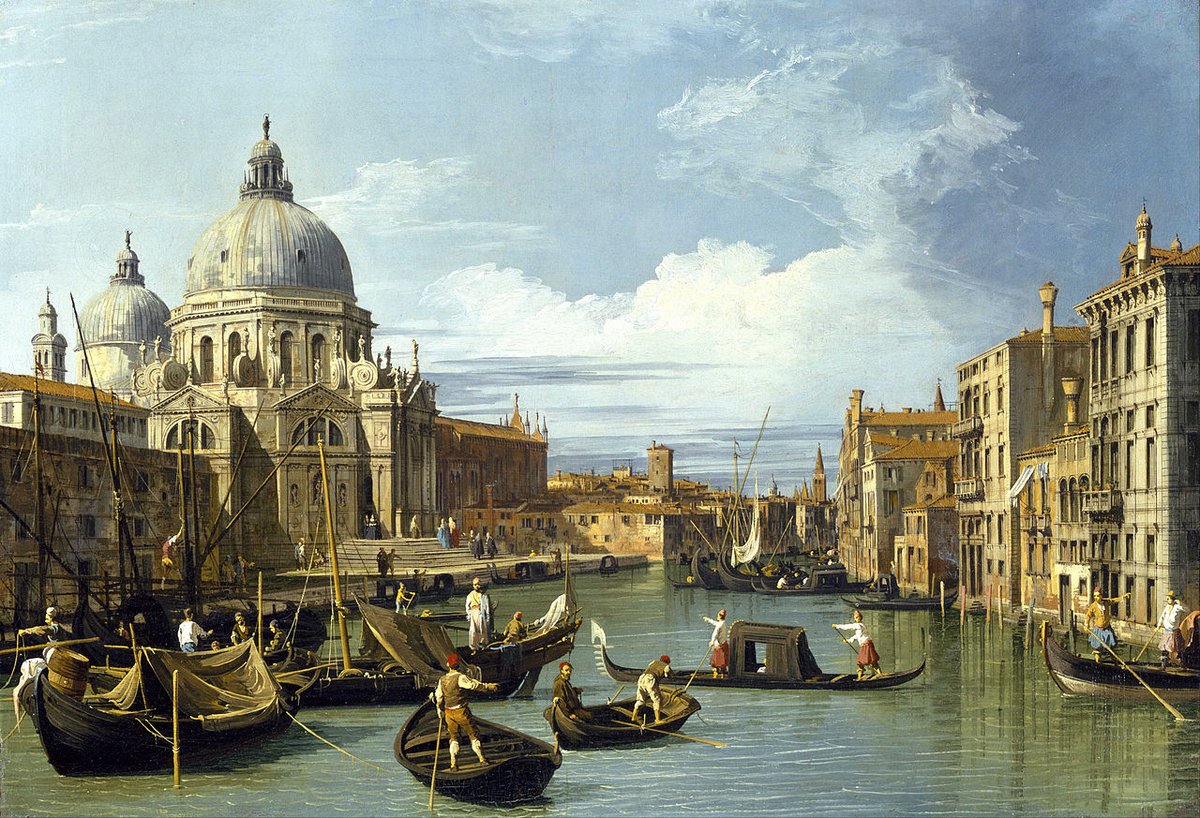
The first were "veduti" — highly detailed cityscapes — which were popular with wealthy tourists as souvenirs of the places they had been.
Canaletto is the most famous vedutista; his views of Venice were hugely successful in England, where he went himself to paint London.
Canaletto is the most famous vedutista; his views of Venice were hugely successful in England, where he went himself to paint London.
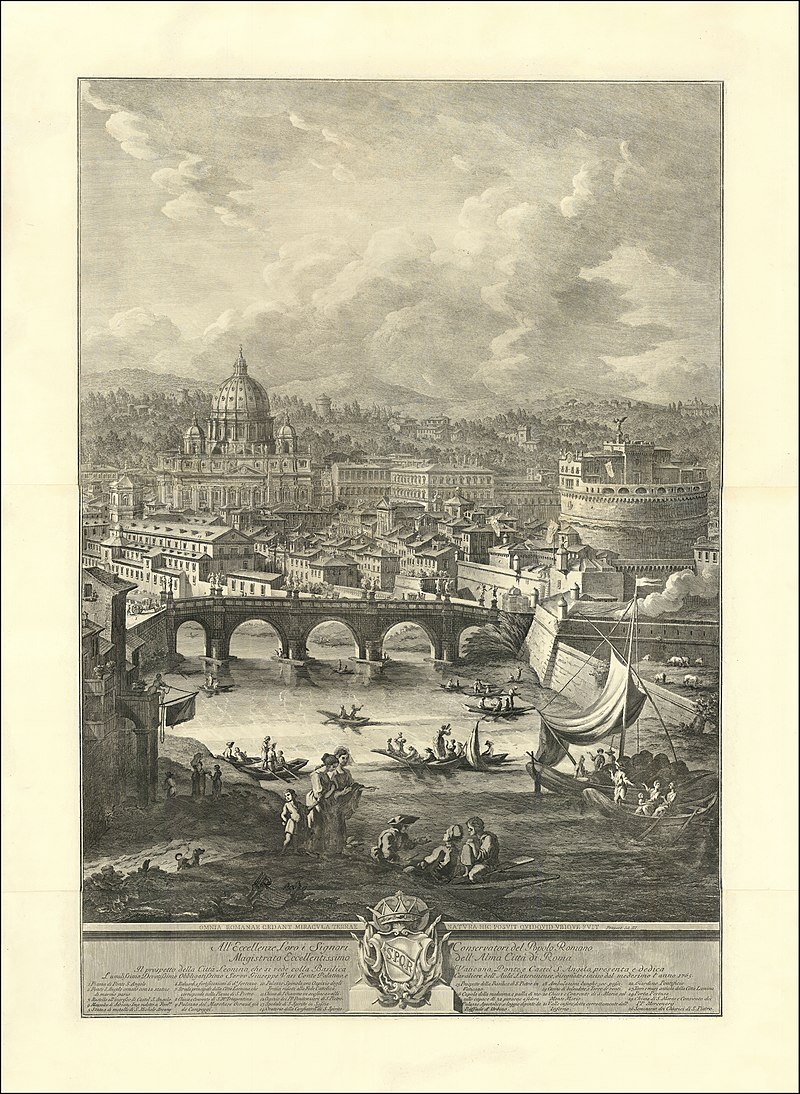
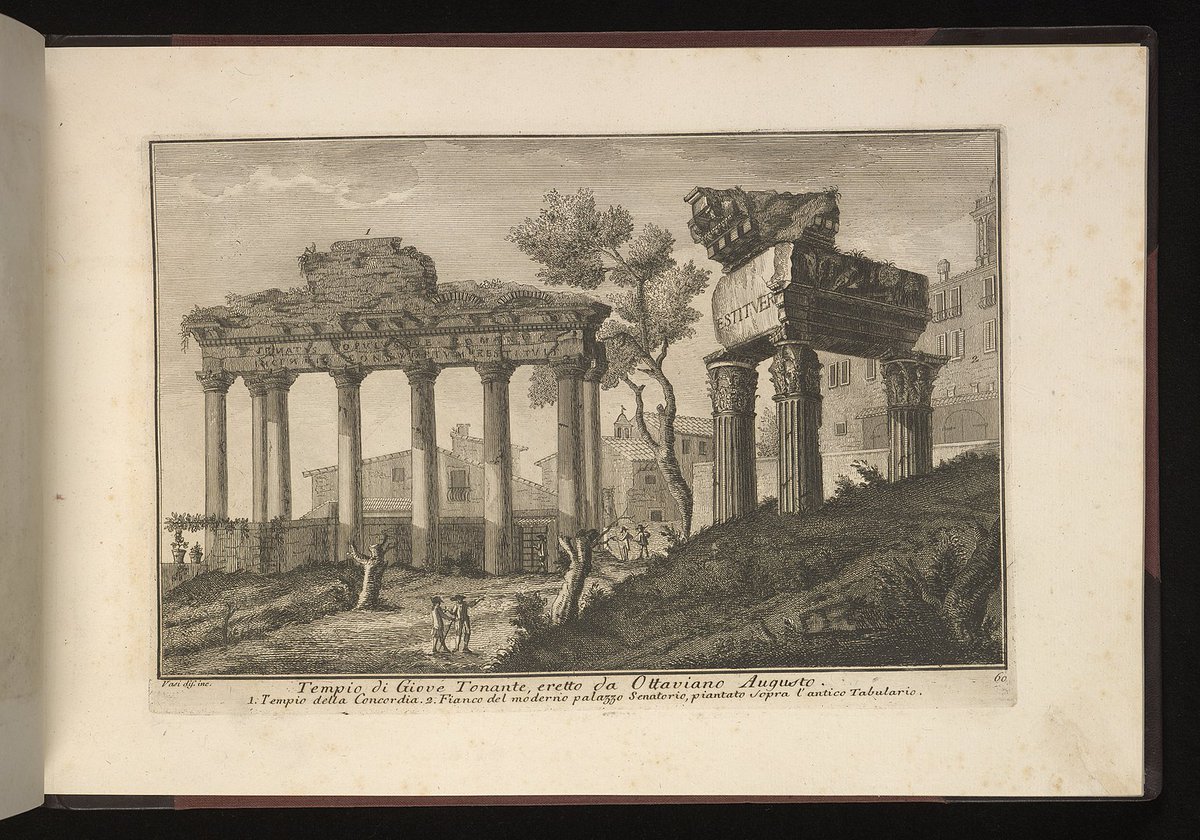
But paintings were expensive. The *real* veduti were etchings and engravings, used to make prints which could be sold in the thousands to travellers rich and not-so-rich, from pilgrims to itinerant workers.
Like this one by Giuseppe Vasi, Piranesi's tutor in Rome.
Like this one by Giuseppe Vasi, Piranesi's tutor in Rome.
Equally popular were views of Ancient Roman ruins.
Classically-inspired architecture had been in vogue since the 1400s, but in the 18th century there was a renewed interest in the original buildings of Ancient Rome itself.
These prints circulated all around Europe.
Classically-inspired architecture had been in vogue since the 1400s, but in the 18th century there was a renewed interest in the original buildings of Ancient Rome itself.
These prints circulated all around Europe.
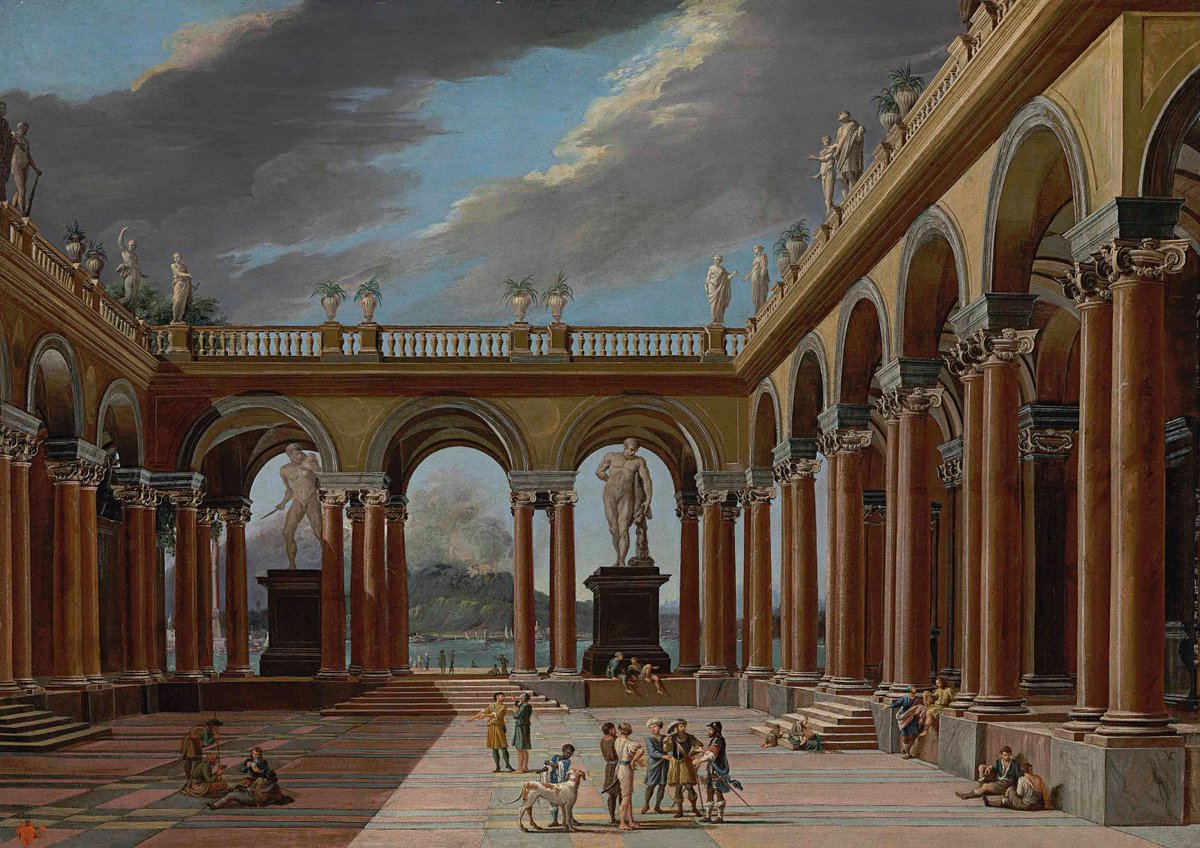
Another genre was the "capriccio" — an architectural fantasy, whether entirely fictional or reimagining what the Ancient World once looked like, usually with a heavy dose of artistic licence.
Viviano Codazzi, a contemporary of Piranesi, is only one such capriccio artist.
Viviano Codazzi, a contemporary of Piranesi, is only one such capriccio artist.
But this renewed interest in architecture, real or fictional, was also academic.
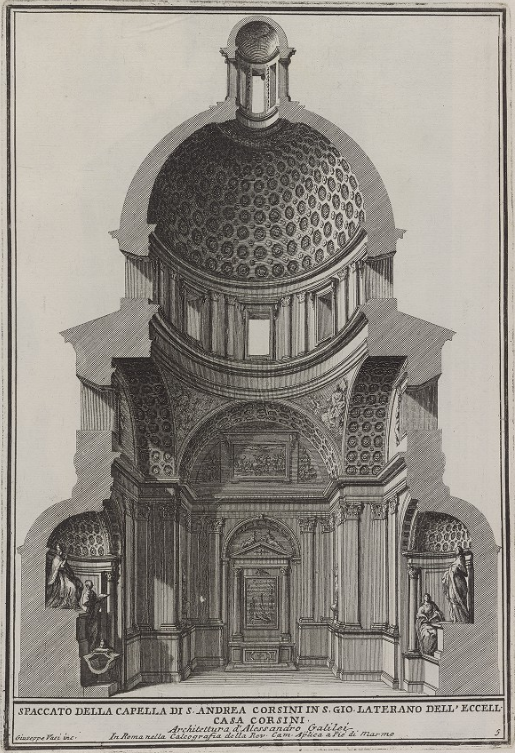
There was a market for etchings (which are more precise than paintings) of single buildings or design elements, to be studied by archaeologists and architects.
There was a market for etchings (which are more precise than paintings) of single buildings or design elements, to be studied by archaeologists and architects.
Piranesi knew all of these artists and collaborated with many of them. He was young, ambitious, and even obsessive about his work — he produced over 2,000 during his life.
After training with Vasi, Piranesi tried his hand at all three of these art forms, starting with veduti.
After training with Vasi, Piranesi tried his hand at all three of these art forms, starting with veduti.
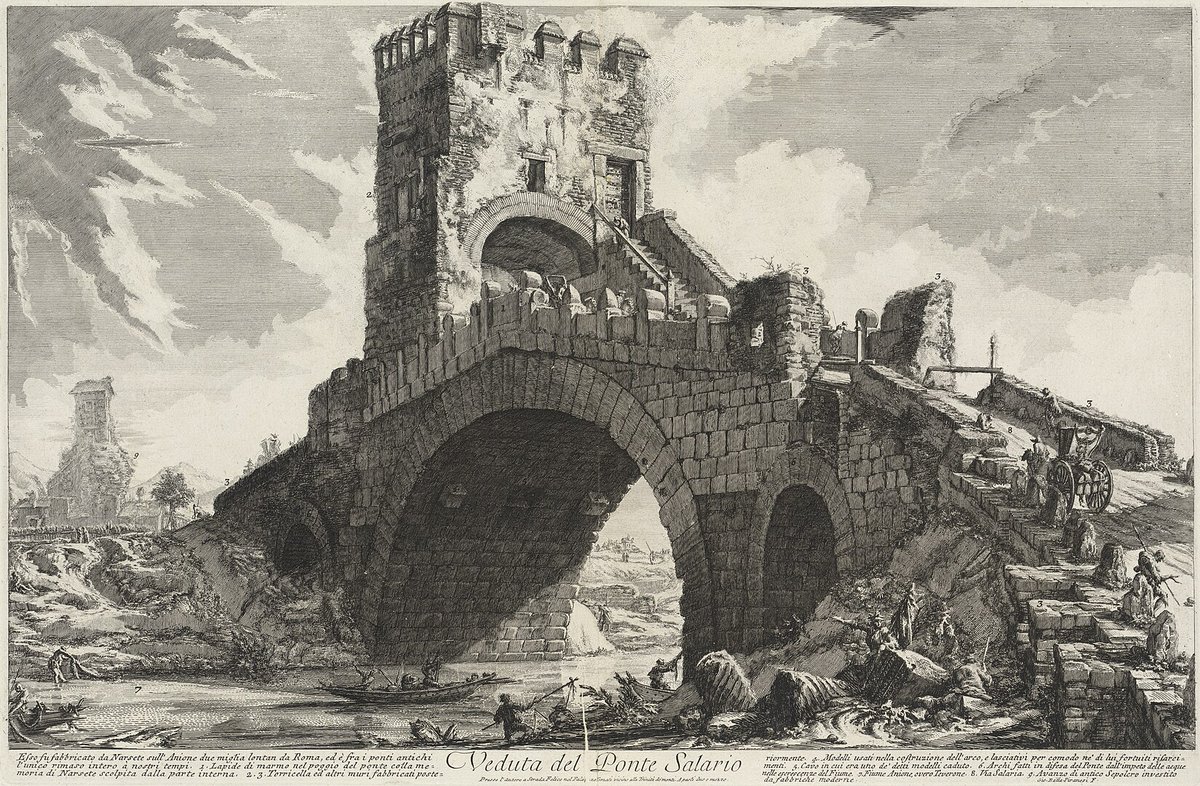
Piranesi's primary interest was in ancient rather than modern Rome, and it was with his best-selling prints of Roman ruins that Piranesi became an internationally renowned artist.
No wonder — they're both technically perfect and incredibly dramatic.
No wonder — they're both technically perfect and incredibly dramatic.
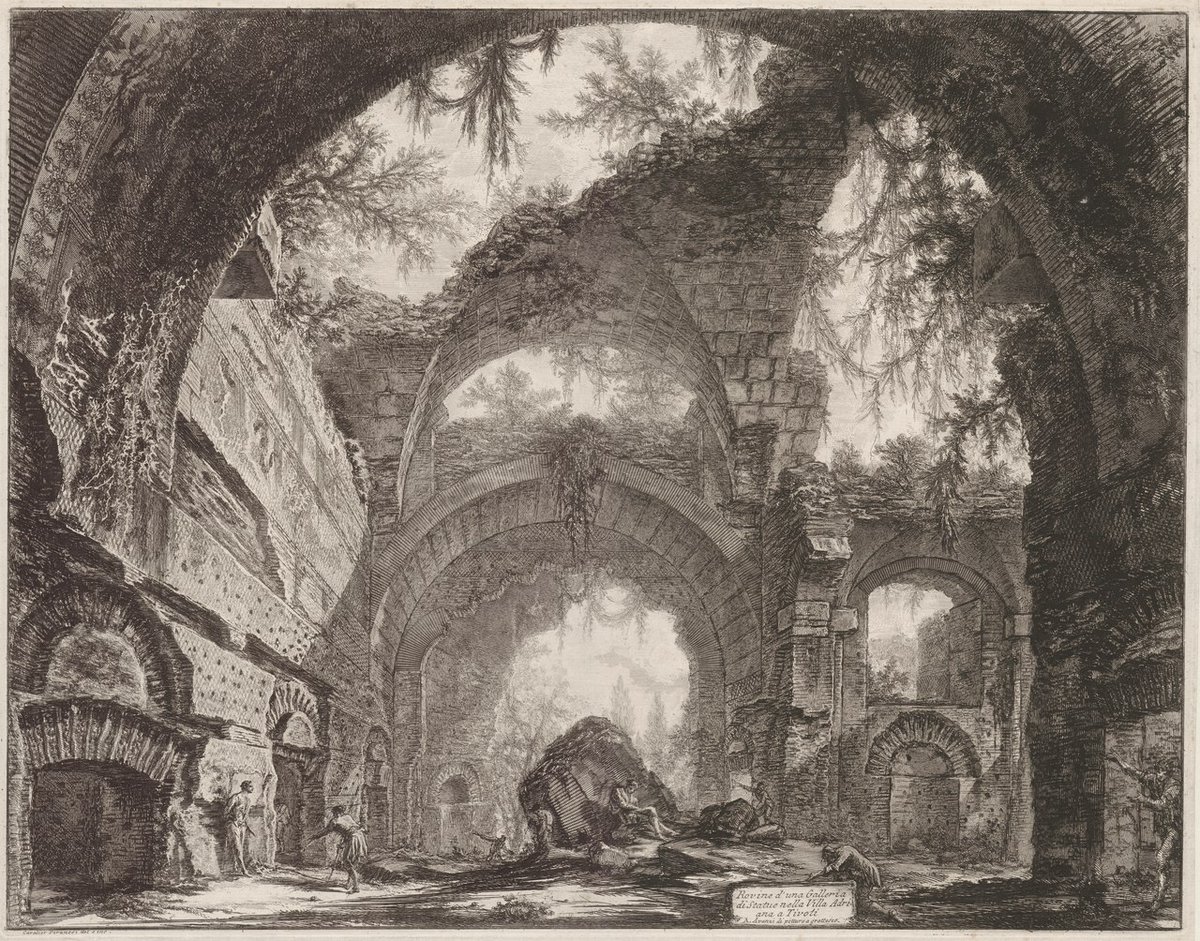
And though he detailed real ruins with a level of unprecedented detail and precision — the oustanding technical engraver of his age — Piranesi was never afraid to let his creative side let loose.
What might have been merely interesting becomes something more powerful.
What might have been merely interesting becomes something more powerful.
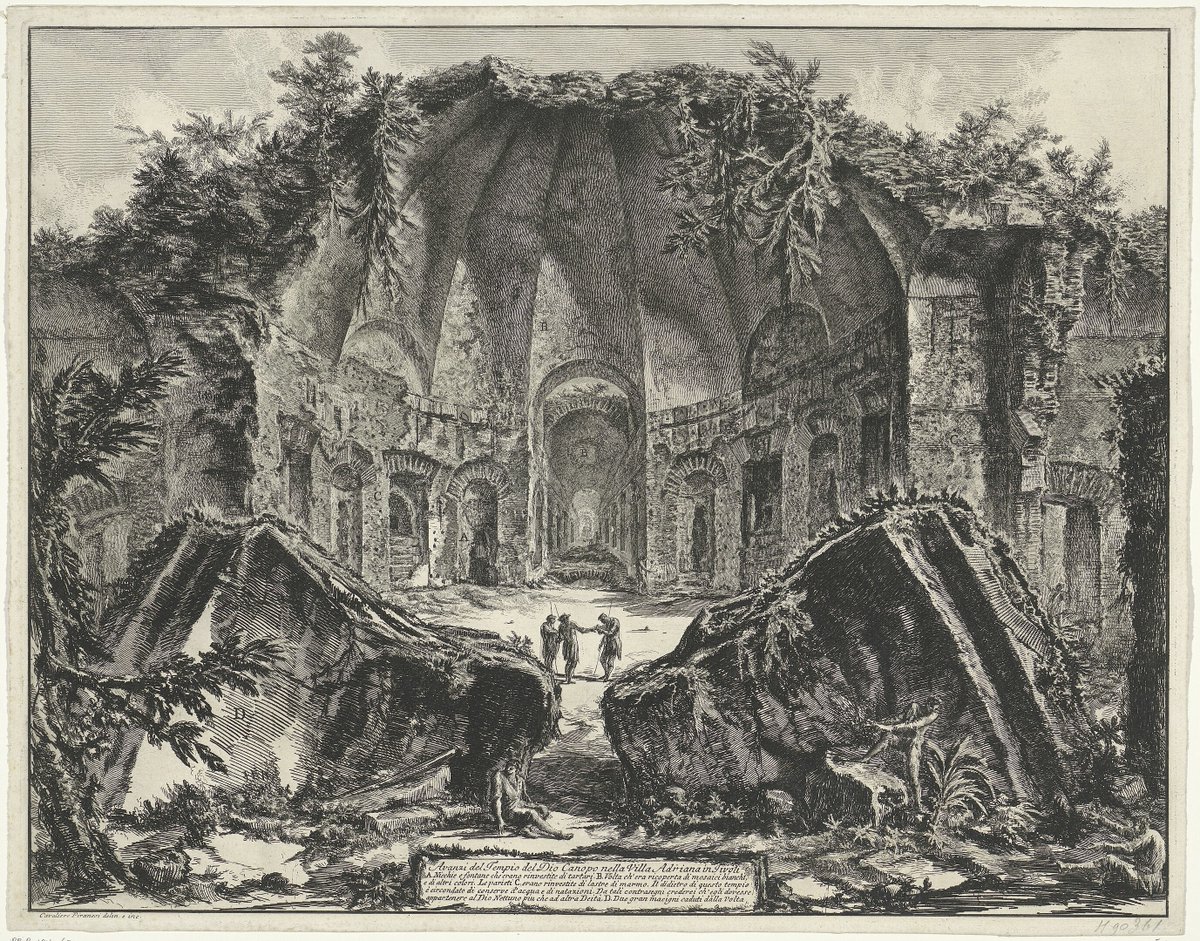
It wasn't long before Romanticism took hold of Europe, and Piranesi must have played a role in its rise.
His prints of colossal, crumbling ruins surrounded by peasants, beggars, bandits, and travellers combine melancholy and grandeur, human might and human tragedy.
His prints of colossal, crumbling ruins surrounded by peasants, beggars, bandits, and travellers combine melancholy and grandeur, human might and human tragedy.
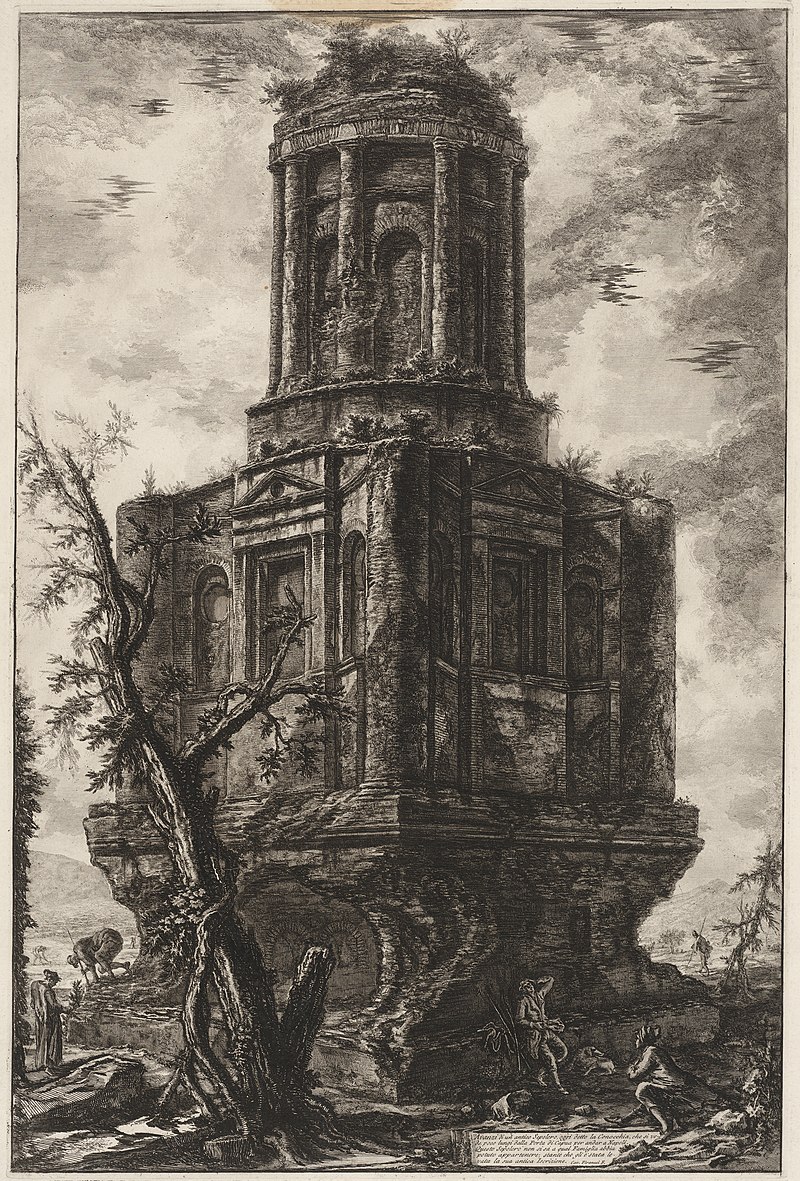
Ricci, Codazzi, Salucci, Guardi, Panini, Greco: these were but some of the other wonderfully talented artists working in Rome at the same time.
But whereas their capricci and paintings of ruins seemed to focus on beauty, Piranesi was much darker and more intense.
But whereas their capricci and paintings of ruins seemed to focus on beauty, Piranesi was much darker and more intense.
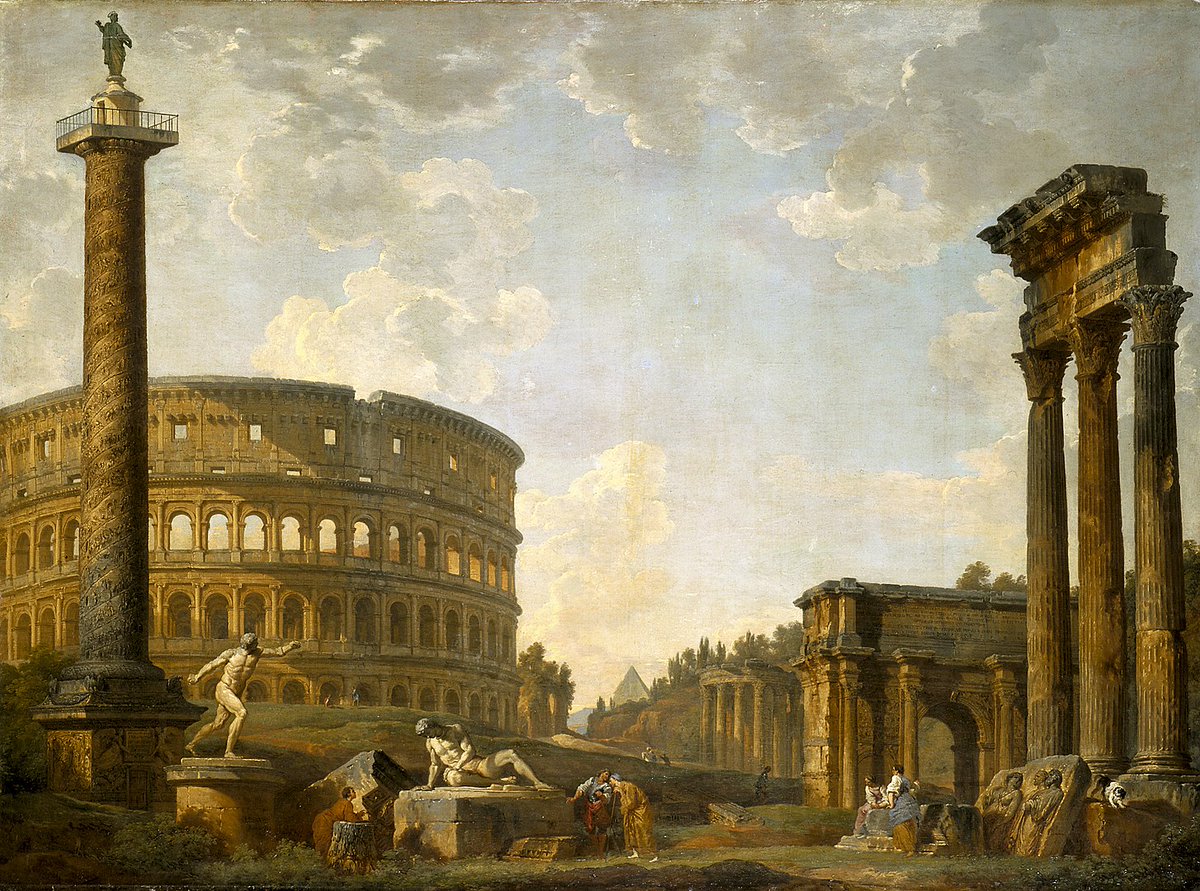
Piranesi did also create pure capricci, bringing his unique eye for detail to these imaginary buildings of impossible scale and fantastical proportions.
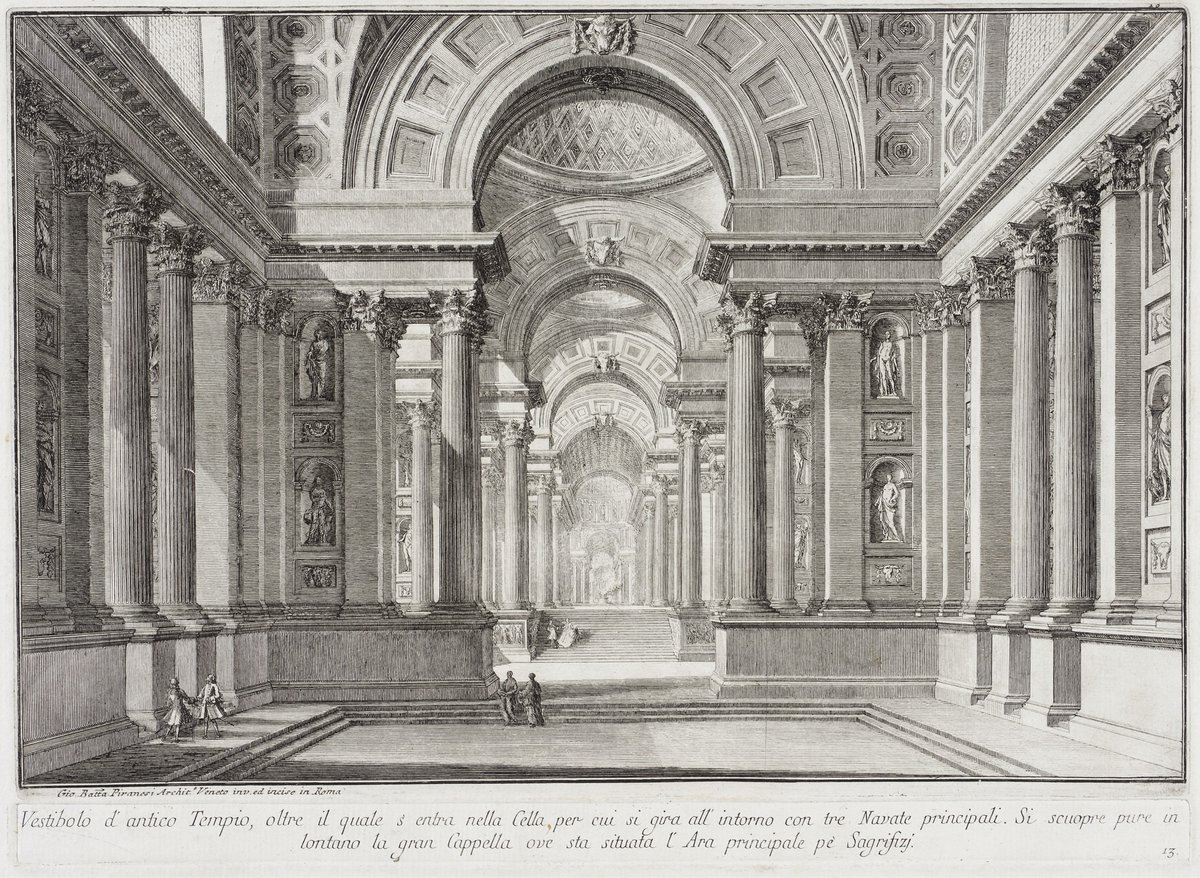
You can see why his prints were so popular, and why they're now found in museums and galleries all across Europe.
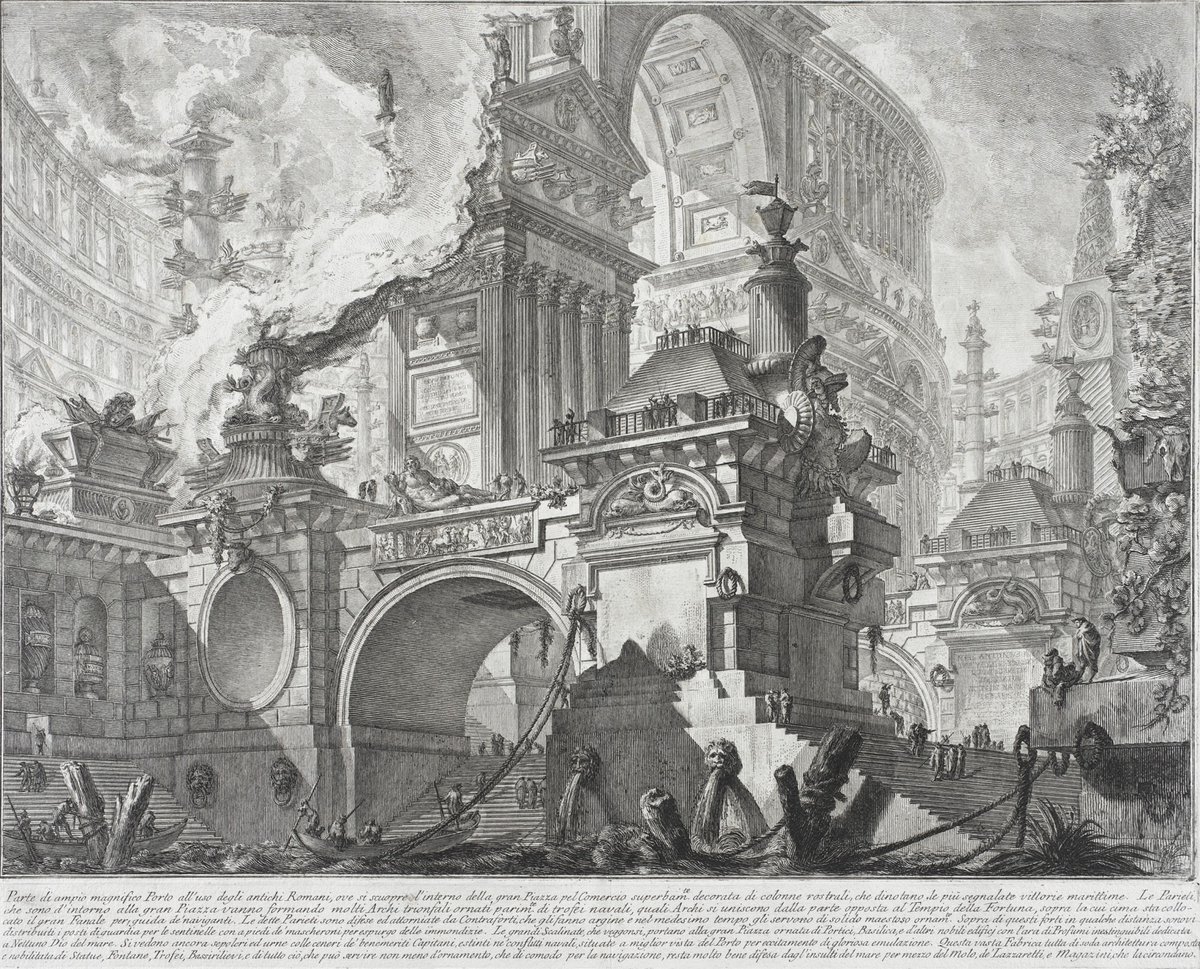
Here is another of his bafflingly precise and wonderfully wild capricci:
Here is another of his bafflingly precise and wonderfully wild capricci:
But Piranesi was not only an imaginative artist; he was also a passionate archaeologist who wanted to prove that the Romans had been influenced by Etruscan rather than Greek architecture.
His highly accurate etchings were not just art; this was scholarly work.
His highly accurate etchings were not just art; this was scholarly work.
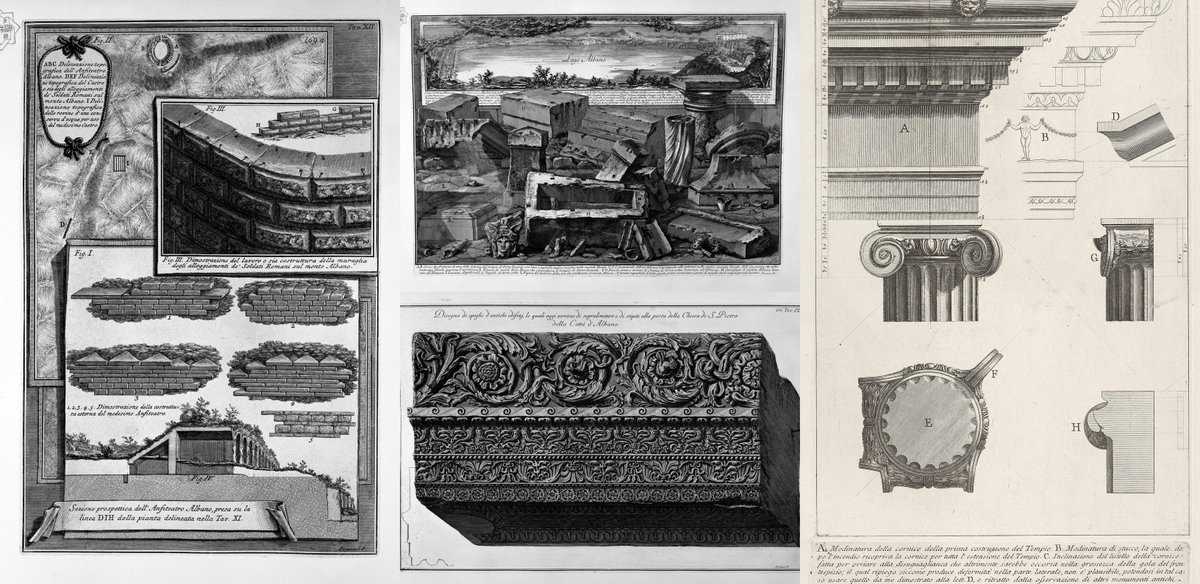
Piranesi's careful observation of ancient ruins influenced the rise of pure Neoclassical architecture — a return to what the Romans and Greeks actually built, rather than Renaissance and Baroque interpretations of them.
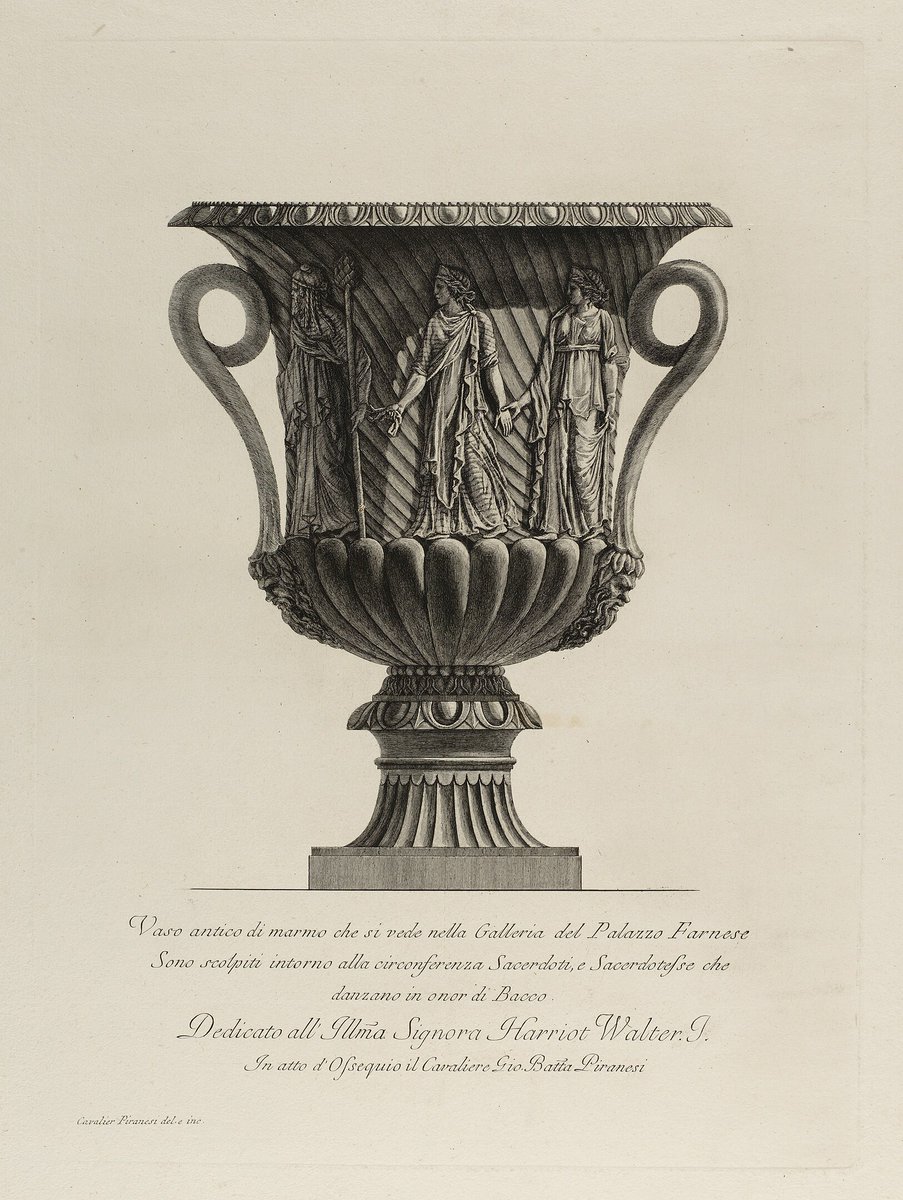
He was also famed for his depictions of ancient artefacts.
He was also famed for his depictions of ancient artefacts.
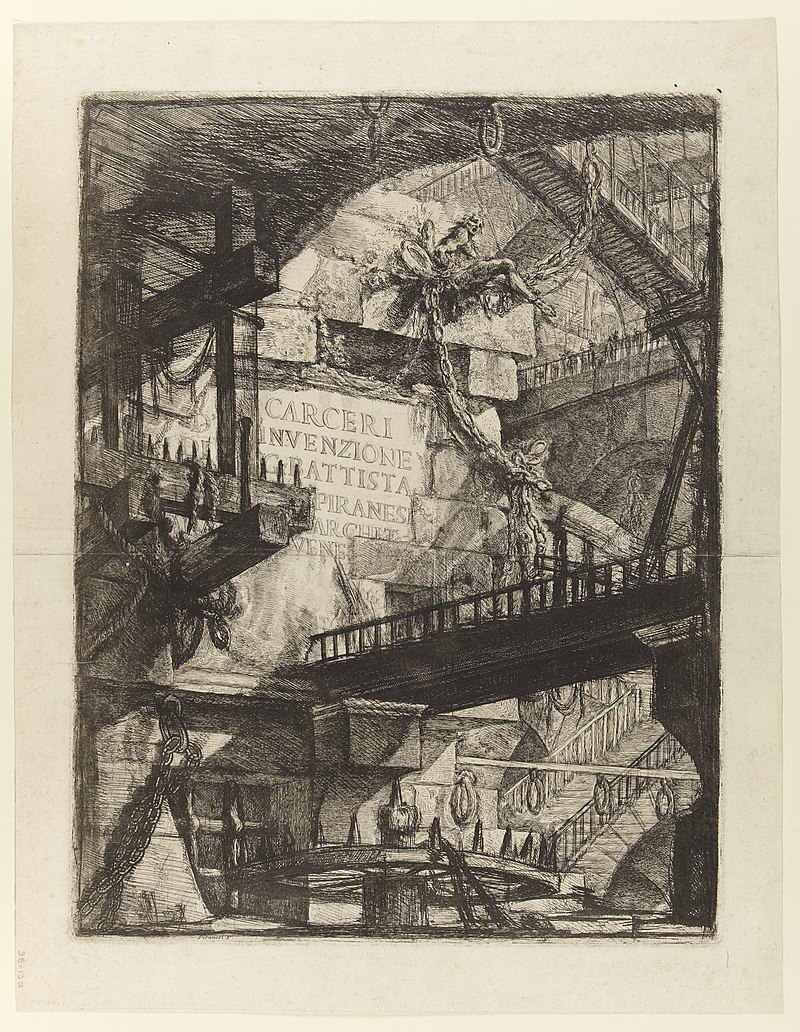
What about the prison? Well, in 1750 Piranesi published a set of 14 prints called "Carceri d'Invenzione", meaning Imaginary Prisons.
In 1761 he republished them in an updated, definitive edition, with two new prints and titles for all sixteen.
This was the front page.
In 1761 he republished them in an updated, definitive edition, with two new prints and titles for all sixteen.
This was the front page.
Capricci? Sure. They almost make sense in the context of art in 18th century Rome.
And yet, somehow, they defy it entirely. These fantastical, disturbing, impossible prisons are enigmatic and hard to explain.
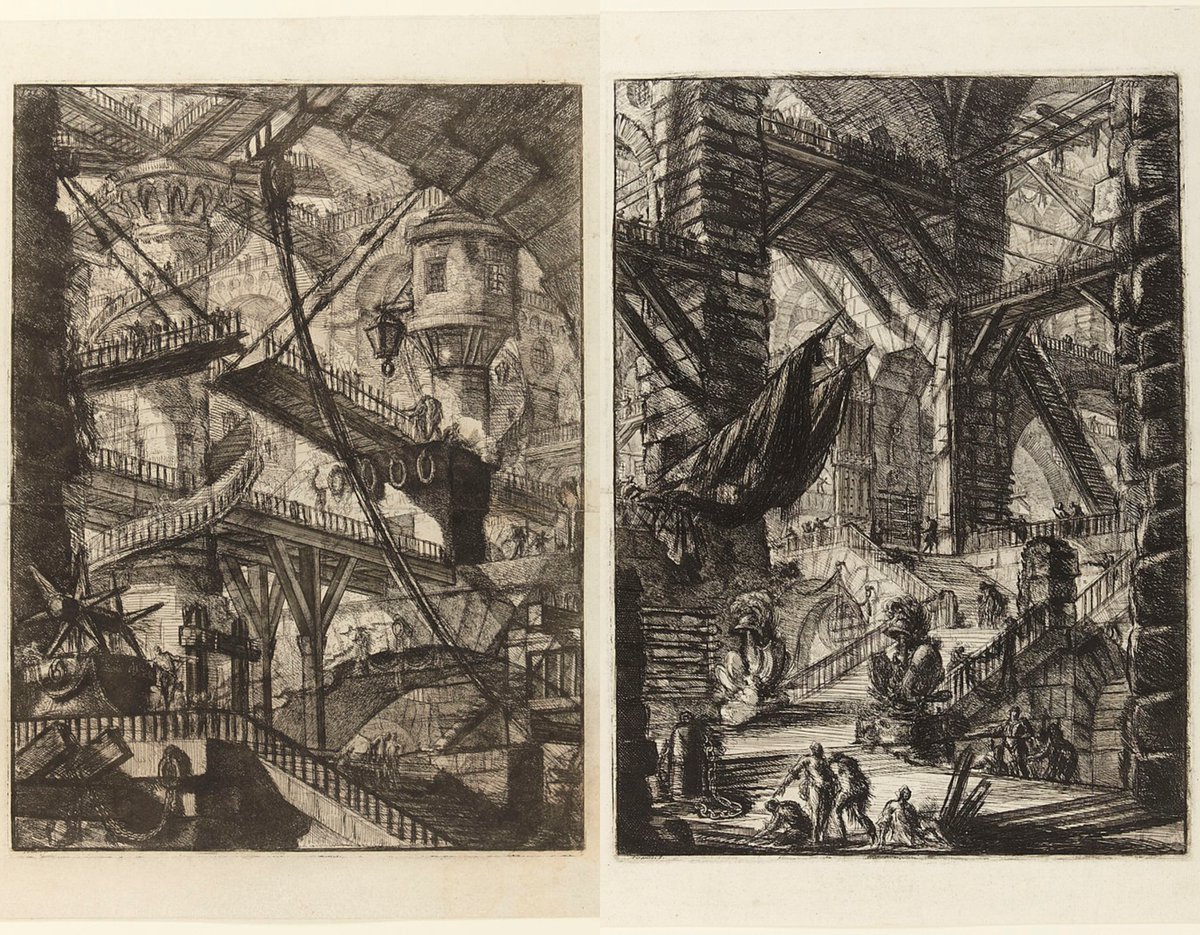
From Men on the Rack to the Round Tower...
And yet, somehow, they defy it entirely. These fantastical, disturbing, impossible prisons are enigmatic and hard to explain.
From Men on the Rack to the Round Tower...
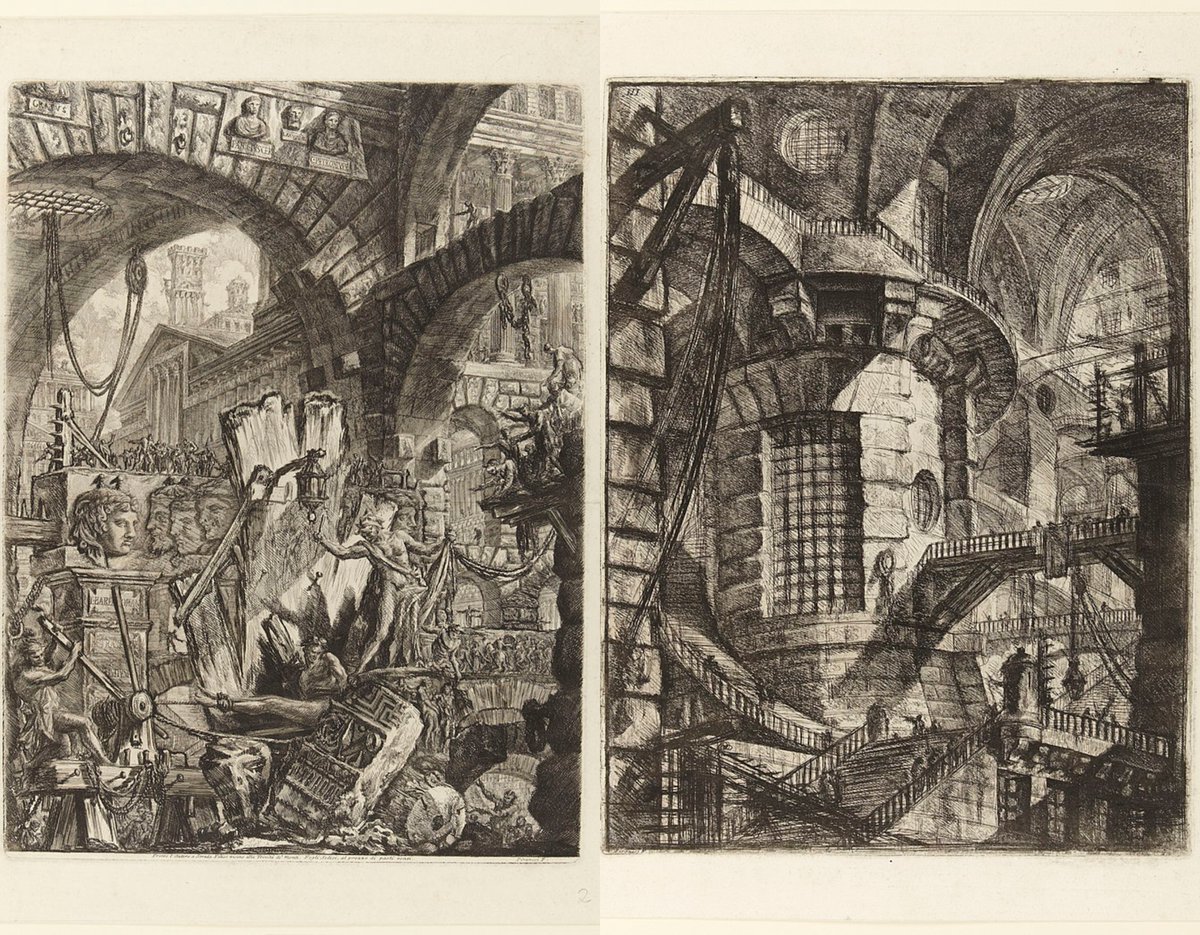
...to The Drawbridge and The Staircase.
Bizarre and terrifying machines of torture, hundreds of dark and gloomy figures lost among the shadows of this cavernous, apparently infinite dungeon.
It's easy to see why these chilling images were popular right through to 20th century..
Bizarre and terrifying machines of torture, hundreds of dark and gloomy figures lost among the shadows of this cavernous, apparently infinite dungeon.
It's easy to see why these chilling images were popular right through to 20th century..
Piranesi was working in a commercial and professional context, whether producing prints for sale to tourists or for archaeological study.
His art wasn't for art's sake - it had a market and a purpose.
But these imaginary prisons? They seem to be an entirely personal endeavour.
His art wasn't for art's sake - it had a market and a purpose.
But these imaginary prisons? They seem to be an entirely personal endeavour.
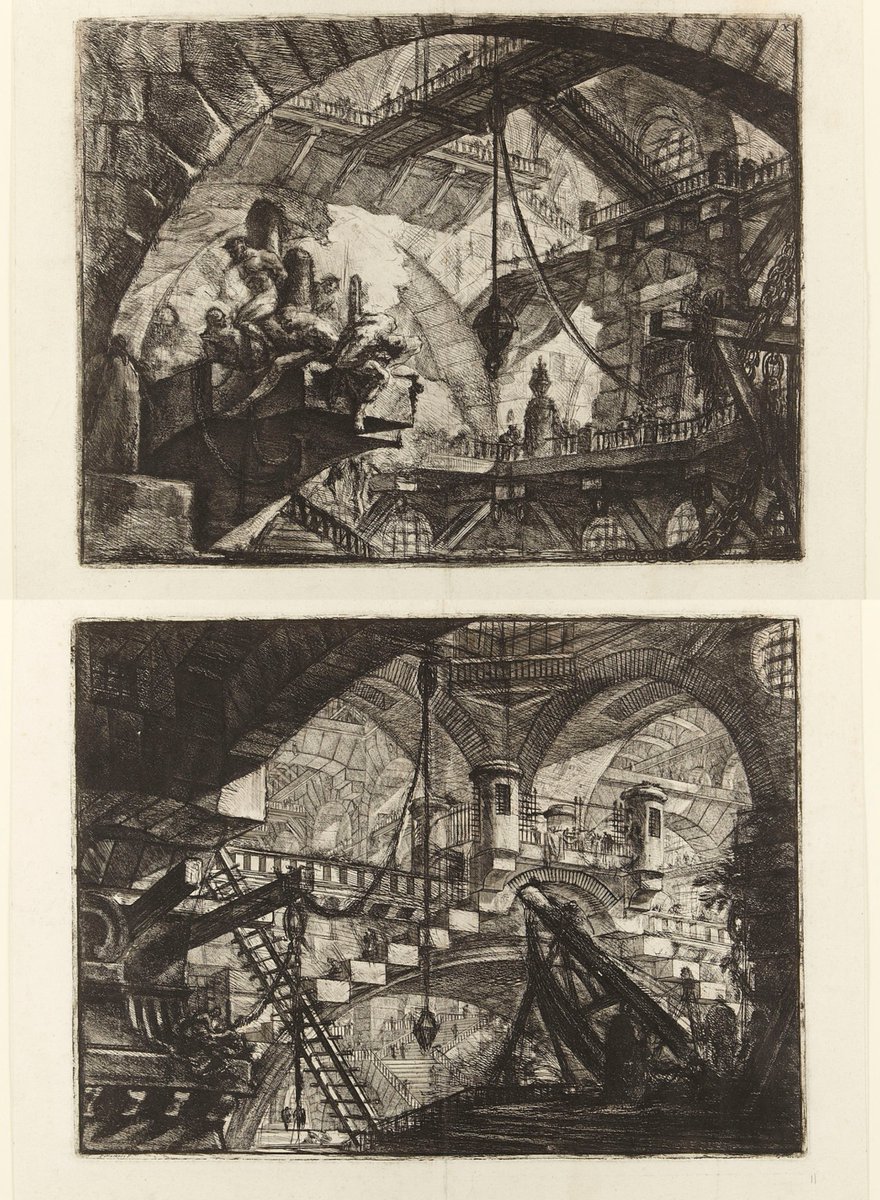
Piranesi predated Romanticism by a few decades and Surrealism by nearly two centuries, but these dreamlike — or, rather, nightmarish prisons — have more in common with the impossible art of MC Escher or Dali than his contemporaries in 18th century Rome.
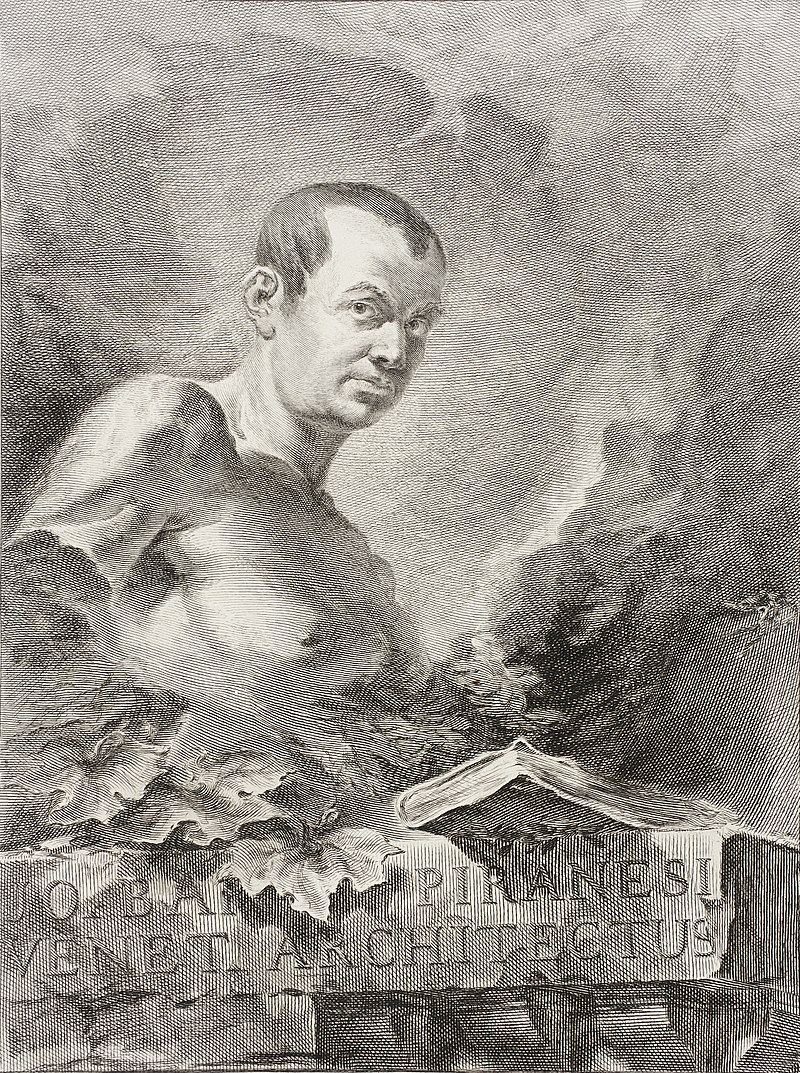
Giovanni Battista Piranesi was many things: an artist, an archaeologist, an architect, a decorator, and a scholar who ran his own publishing house — there was nobody else like him.
His work is infinitely engrossing, & what you've seen here barely scratches the surface...
His work is infinitely engrossing, & what you've seen here barely scratches the surface...
Loading suggestions...